Oil, Gas and the Transition to Renewables 2025 Comparisons
Contributed By Hatami & Associates International Law Firm
Law and Practice
Authors



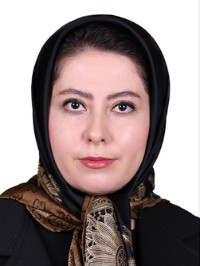
Hatami & Associates International Law Firm was founded in 1998 by Dr Ali Hatami, and is a leading Tehran-based global business law firm with a distinguished reputation for expertise and experience. Since inception, the firm has focused on foreign investment, international trade and corporate law, uniting 30 specialised attorneys under Dr Hatami’s leadership to deliver bespoke, results‑driven legal solutions. While offering a full range of corporate and legal services, the firm’s core strengths lie in international trade, oil and gas, energy and foreign investment. Hatami & Associates has played a prominent role in numerous upstream oil and gas projects, advising international oil companies (IOCs) under multiple generations of buy‑back contracts and the Iranian Petroleum Contract (IPC). Its depth of experience and integrated structure enable the firm to strategically advance and protect clients’ interests across complex commercial and regulatory landscapes.
1. General Structure of Hydrocarbon Ownership and Regulation
1.1 System of Hydrocarbon Ownership
According to Principles 43 and 45 of the Iranian Constitution, all natural resources, including oil and gas reserves, are considered public wealth (Anfal) and are controlled by the State on behalf of the nation. When it comes to oil and gas resources, this notion is expressly repeated in Article 2 of the Petroleum Act. As a result, private ownership is neither accepted nor recognised in the exploration and exploitation of oil and gas resources; thus, no private person, whether national or foreign, can take equity stakes in the reserves or production. Even provinces do not own the reserves; all ownership rests centrally.
Therefore, the system of ownership in Iran can be said to operate as a nationalised/sovereign model regarding mineral interests, regardless of where they are located within the country’s borders.
1.2 Regulatory Bodies
The regulation of Iran’s hydrocarbon sector is highly centralised under a few key governmental bodies reporting to the executive branch.
Primary Governmental Regulatory Entities
Primary regulatory and operational oversight rests with the Ministry of Petroleum (MOP) and its key operational arm, the National Iranian Oil Company (NIOC).
The following are brief descriptions of the MOP, the NIOC and the other three main State-owned enterprises (SOEs) working under the MOP.
MOP (https://www.mop.ir/)
As a result of Principles 43 and 45 of the Constitution and previously based on the Oil and Gas Nationalisation law of 1951, as well as Cabinet decrees, the MOP holds comprehensive legislative and executive power for asserting Iran’s ownership and national sovereignty over its oil and gas resources. It basically supervises the advancement of the oil and gas industry through its four subsidiaries, as follows.
NIOC (https://nioc.ir/)
This fully State-owned entity, established by law to execute MOP policies, primarily operates in the upstream level (exploration, development and production (E&P) of crude oil and natural gas), and also oversees the main transportation/pipeline network (midstream).
The National Iranian Gas Company (NIGC) (https://nigc.ir/)
Integrated under the MOP structure, this State-owned company was established by the NIOC; it operates at the midstream level and manages the national gas transmission grid and distribution of natural gas, and handles domestic gas supply/export commitments.
The National Iranian Oil Refining and Distribution Company (NIORDC) (https://niordc.ir/)
This company was established in 1992 within the MOP, and is based on the principle of separating upstream activities (exploration and production of crude oil and gas) from downstream activities (transmission of crude oil and products, refining, exportation, importation, and distribution of petroleum products).
The National Iranian Petrochemical Company (NIPC) (nipc.ir)
Integrated under the MOP structure, this State-owned company was established by the NIOC and operates at the midstream level, managing and developing the country’s petrochemical industries through production, sale, distribution and exportation of chemicals and petrochemicals.
Role of Provinces
In Iran’s unitary structure, provinces have very limited direct authority over the core hydrocarbon activities (upstream/midstream/downstream asset management), and their involvement is generally limited to:
- environmental compliance – local environmental protection agencies (often aligned with the national EPA) may oversee localised environmental impact assessments (EIAs) related to construction or spills within their jurisdiction;
- land use and permits – municipalities may issue permits related to surface infrastructure installation (eg, roads, local pipelines) that do not conflict with the NIOC’s primary operational mandates; and
- social oversight – provinces may act as liaisons between the national oil companies and local communities regarding employment and social responsibilities of the operating companies.
Thus, their authority is subordinate to the central MOP and its subsidiaries, and unlike some other countries, they do not issue leases, set production quotas, or regulate the price of crude oil.
1.3 National Companies
See the previous sections for a summary of the Iranian hydrocarbon framework, under which the following central national companies oversee oil and gas:
- the NIOC – primarily responsible for exploration, development and production (upstream), as well as midstream operations; and
- the NIGC – manages natural gas transmission and distribution.
However, if referring to a single unified “national oil or gas company” encompassing all upstream, midstream and downstream activities under one umbrella entity (excluding the MOP, which is the regulator), the structure is decentralised across these major State-owned subsidiaries of the MOP.
1.4 Principal Hydrocarbon Law(s) and Regulations
Iran’s hydrocarbon sector is governed by a highly centralised, State-controlled legal structure, where ultimate ownership of all resources rests with the government. A specific, consolidated “hydrocarbon law” akin to those in some other jurisdictions is often absent; instead, regulation flows primarily from Constitutional mandates and specific operational laws managed by the MOP and its subsidiaries.
Upstream activities prohibit foreign equity participation in reserves and are carried out through government-approved contractual models such as the Iran Petroleum Contract (IPC). Private and foreign entities may only participate as contractors after passing complex MOP- and NIOC-led tender processes. The same regulatory framework applies to onshore and offshore projects, although offshore operations involve additional technical complexity.
The above regulatory regime is uniformly applicable to both onshore and offshore sectors; however, offshore projects may involve additional complexities due to the maritime environment and the need for specialised equipment and technology.
Midstream and downstream sectors are governed by specific statutes, company charters and internal regulations applicable to the NIOC, NIGC and NIORDC. While pipelines remain predominantly State-owned, regulatory controls are somewhat less stringent than in upstream operations, subject to local content requirements and national policy objectives.
Pooling and unitisation are centrally managed by the NIOC/MOP to ensure efficient reservoir management, particularly for shared or complex fields. While the concept of pooling exists for efficiency, it is less emphasised than unitisation due to the State’s direct ownership and control. However, given that most major Iranian fields are shared or complex, unitisation agreements, overseen by the NIOC/MOP, are essential technical and operational requirements for both domestic and joint venture operations.
2. Private Investment in Hydrocarbons: Upstream
2.1 Forms of Private Investment: Upstream
As previously explained, according to laws, private investment in Iran’s upstream hydrocarbon sector is not permitted under direct ownership or equity participation. All oil and gas reserves are State-owned, and foreign or private companies cannot acquire ownership rights.
However, private investment is allowed through specific contractual arrangements issued by the MOP, typically executed via the NIOC. These contracts are not concessions or leases but are service or risk-sharing models.
Iran Petroleum Contract (IPC) (Current)
This is the primary model for new projects, being a type of service contract with risk-sharing, designed to attract investment while preserving State control. In IPCs, generally a foreign contractor provides capital, technology and expertise to develop a field. In return, it receives a share of the produced hydrocarbons (in kind) or the price thereof (in cash) as compensation for services and risk. The contractor bears the financial and technical risks.
Buy-Back Contract (Historic)
This is a service contract that is no longer issued, and was phased out in favour of the IPC – of course, some legacy contracts may still be active. In buy-back, the contractor finances and executes development. Once production starts, the State buys the produced hydrocarbons at a fixed price. The contractor recovers its investment through the buy-back and then receives a share of production.
Production-Sharing Contract (PSC) (Historic)
PSCs are no longer issued, and were replaced by the buy-back. Of course, some early PSCs (eg, in South Pars) may still be in effect. This is a risk-sharing contract where the contractor bears exploration and development risks. If successful, production is shared between the State and the contractor.
Service Contract (Historic)
This is a pure service contract, still in use for specific services but not for exploration/development. Here the contractor provides services (eg, drilling, maintenance) for a fixed fee. No risk or reward is present for production.
2.2 Issuing Upstream Licences/Obtaining Hydrocarbon Rights
In Iran, upstream oil and gas rights are not granted through licences or concessions. Instead, rights are obtained via State-managed contracts, primarily the IPC, awarded through a centralised and competitive process overseen by the MOP and NIOC.
The process includes identification of fields, submission of expressions of interest, strict pre-qualification, competitive tendering based on technical and financial proposals, and final negotiations leading to contract award. Contractors must demonstrate strong financial capacity and technical expertise, and often operate through a local entity, while complying with local content, tax, labour and knowledge-transfer requirements. Performance bonds are also typically required.
In addition to the main E&P contract, separate environmental, safety and import permits are mandatory. A key regulatory development has been the transition from buy-back contracts (BBCs) to the IPC, introducing longer durations, greater risk-sharing, and returns more closely linked to production performance to enhance attractiveness for international investors.
2.3 Typical Fiscal Terms: Upstream
As explained previously, leases, licences and concessions do not apply in Iran’s upstream oil and gas sector. Under the dominant IPC framework, contractors are compensated through a cost-recovery plus service-fee model, without acquiring any equity or ownership rights over hydrocarbons.
Under the IPC, contractors recover approved Capital Expenditures (CapEx) and Operating Expenses (OpEx) from a defined portion of production or its value (“cost recovery portion”). After recovery, remaining production or revenues are shared with the NIOC as remuneration for services and risk-taking. The contractor’s total take (cost recovery plus remuneration) is heavily negotiated and typically ranges from 15% to 25% of total production value, depending on field complexity. Traditional royalties are largely replaced by this mechanism, while bonuses, rentals and significant local content and social obligations further affect project economics.
Crude oil and natural gas are treated differently: oil terms are more export- and benchmark-price-linked, while gas is more tightly regulated, often with higher compensation rates to encourage development. Recent trends emphasise greater risk transfer to contractors, longer contract durations, maximised State revenue, and strict technical performance requirements.
2.4 Income or Profits Tax Regime: Upstream
Under Iran’s IPC framework, upstream taxation does not follow a standalone hydrocarbon tax regime, reflecting the contractual (not ownership-based) nature of foreign participation. Government take is primarily achieved through the IPC production split, with taxation applying mainly to the contractor’s remuneration component.
Foreign contractors are generally subject to standard Iranian corporate income tax (CIT) on their net remuneration (profit share after cost recovery). Applicable bilateral investment treaties (BITs) or specific IPC clauses may provide tax incentives such as exemptions or reduced rates. VAT applies to goods, services and imports related to exploration and production (E&P) activities, though refunds or zero-rating may be available for approved operations. Withholding taxes are imposed on certain cross-border payments (eg, management fees, technology licensing), making tax structuring critical.
Iran does not typically impose separate severance or resource rent taxes outside the IPC mechanism. Minor local and municipal taxes may apply. Overall, fiscal exposure is dominated by the IPC allocation structure, supplemented by CIT, VAT, withholding tax, and social security obligations.
2.5 Federal or State Companies
Under the IPC framework, the NIOC retains extensive contractual rights that ensure strong State control over upstream operations. These rights reflect Iran’s constitutional ownership of hydrocarbons and position the NIOC as the ultimate steward of the resources.
Key rights include a carried interest, guaranteeing the NIOC a fixed share of production in addition to the contractor’s cost recovery and remuneration. The NIOC also holds back-in and takeover rights, allowing it to assume control of operations in cases of contractor default or contract termination. The IPC further grants the NIOC the right to second personnel, to participate in key operational and strategic decisions and to modify some of them, as well as to enjoy full access to all technical, financial and geological data.
In defined circumstances, the NIOC may modify certain contractual terms to reflect changes in conditions or technology. Upon termination or in exceptional cases, the NIOC can directly operate the field. Collectively, these rights ensure continuous oversight, operational influence and preservation of State interests throughout the project life cycle.
2.6 Local Content Requirements: Upstream
Local content obligations under the IPC are a core, enforceable mechanism designed to maximise domestic economic participation in upstream oil and gas projects. These requirements are mandated by the MOP and implemented through the NIOC, with grounding in national legislation, notably the Law on Maximum Utilisation of Domestic Production and Services Capacity, which requires at least 51% local participation in project costs.
Local Goods and Services
Contractors must prioritise Iranian goods and services across all project phases:
- minimum threshold – at least 51% local content, often phased upward from exploration to development/production;
- preference rule – Iranian suppliers must be used where they meet technical and quality standards and offer competitive pricing; and
- scope – covers equipment, construction, engineering, logistics, maintenance and operational services, typically detailed in IPC annexes.
Local Employment
The IPC mandates significant utilisation and development of Iranian human capital:
- employment quotas – minimum 51% Iranian workforce, including technical and managerial roles; and
- expatriate restrictions – foreign personnel allowed only where no qualified Iranian is available, subject to Ministry approval.
Training and Technology Transfer
Knowledge transfer is a contractual obligation, not a best-efforts clause:
- training plans – mandatory programmes for Iranian personnel, including on-the-job training, specialised courses and overseas programmes; and
- technology transfer – contractors must transfer operational and technical know-how to Iranian entities, usually through joint ventures with the NIOC.
Legal Conditions for Foreign Workers
Under Iranian labour law, foreign employment requires the following.
- A visa with work authorisation.
- A work permit issued by the Ministry of Co-Operatives, Labour and Social Welfare, subject to:
- no qualified Iranian candidate being available;
- proven specialised expertise of the foreign national; and
- a requirement that the foreign expert trains Iranian replacements.
Overall, local content under the IPC is a monitored framework combining procurement, employment and technology transfer to ensure long-term domestic capacity-building and State benefit from foreign investment.
2.7 Development and Production Requirements
Once a commercial hydrocarbon discovery is confirmed under the IPC, the contractor (typically an international oil company (IOC) partnered with an Iranian entity) must obtain State authorisation to proceed with development and production through a highly regulated, multi-layered approval process.
Development Plan Submission
The contractor must submit a comprehensive development plan to the MOP, covering:
- field development strategy – extraction methods, production profiles and field life;
- technical and engineering data – detailed designs, equipment specifications and reservoir simulations;
- financial model – CapEx, OpEx, revenues and economic viability;
- EIA – full environmental analysis and mitigation measures, aligned with Iranian environmental law; and
- local content plan – compliance with procurement, employment, training and technology transfer obligations.
Government Review and Approval
Approval is sequential and involves multiple authorities:
- technical review (MOP) – feasibility, standards and policy alignment;
- economic and financial review – profitability and national economic contribution;
- environmental review – conducted by the competent environmental authority;
- national security review – due to the strategic nature of hydrocarbons; and
- final MOP approval – formal authorisation to commence development.
Rights of Appeal
If approval is denied, the IPC provides escalation mechanisms:
- internal MOP appeal;
- administrative appeal before designated authorities; and
- international arbitration as a last resort, offering critical protection for foreign investors.
Local and Operational Permits
In parallel with State approvals, contractors must secure local permits (eg, drilling, safety, health, and site-specific authorisations), requiring co-ordination with multiple agencies. Non-compliance can result in delays, penalties or operational suspension.
Overall, the post-discovery phase under the IPC is characterised by strong State oversight, rigorous technical and environmental scrutiny, and layered approval mechanisms designed to protect national, environmental and security interests while allowing limited investor recourse.
2.8 Other Key Terms: Upstream
Contracting Regime Under the IPC
Iran’s upstream contracting regime is governed by the IPC, a hybrid, risk-sharing model designed to attract foreign investment while preserving full State ownership and control over hydrocarbon resources. It is neither a traditional concession nor a classic PSC.
Contract structure
- Long-term duration: typically 25 to 30 years, with possible extensions.
- Two main phases:
- exploration phase (three to five years) – mandatory minimum work programme (seismic, drilling, studies), where failure leads to relinquishment; and
- development and production phase (20 to 25 years) – field development, production targets and operational commitments.
Core contractual features
- Minimum work and relinquishment: strict enforcement to prevent land banking. Limited extensions only with NIOC approval.
- Remuneration model: the contractor recovers costs and receives a negotiated remuneration share of production. No resource ownership.
- Local content obligations: significant domestic procurement and services (typically 51%–75%), monitored by the NIOC.
- Exportation and marketing: hydrocarbon sales are generally managed through the NIOC/MOP, with the contractor receiving its entitlement (profit oil/gas).
- Risk allocation: the contractor bears all geological, technical, financial and environmental risks. Comprehensive insurance is required.
Control, termination and liabilities
- NIOC rights: strong oversight, including back-in rights, operational takeover upon default, and access to all data.
- Termination and withdrawal: permitted only under defined conditions. The NIOC may assume operations.
- Abandonment and decommissioning: the contractor must fully decommission and restore sites. Financial guarantees are mandatory.
Overall, the IPC is a State-dominated, tightly regulated framework balancing investor participation with strict controls on operations, local content, environmental compliance and long-term national benefit.
2.9 Transfers of Interest: Upstream Licences and Assets
The transfer or assignment of interests in Iranian upstream assets is highly regulated and requires strict State approval, reflecting Iran’s policy of preserving sovereign control over hydrocarbons.
Government Approval
Any assignment constitutes a change of contractual counterparty and requires explicit consent from the MOP, typically via NIOC and IPC committees. The process involves technical, financial and legal due diligence on the transferee. Required documents include:
- the existing IPC;
- the assignment agreement;
- transferee qualifications;
- plans for transferring permits and guarantees; and
- the transferor’s financial statements.
Approval is discretionary and lengthy (usually six to 12 months or more). Transfer taxes, fees and potential VAT apply.
Government Preferential Rights
The State, usually through the NIOC, retains a right of first refusal (ROFR) and may acquire the interest on the same terms agreed between private parties.
Parallel Transfers
Approval is conditional on transferring all related permits, licences and environmental approvals, and on replacing or reissuing performance bonds and financial guarantees in the transferee’s name. Release of the transferor is not automatic.
Retained Liabilities
The transferor typically remains liable for pre-transfer breaches, environmental damage and accrued obligations. Private indemnities do not limit the State’s enforcement rights against the original contractor.
Overall, IPC assignments are State-controlled, time-intensive and risk-sensitive, with strong governmental discretion, ROFR protection, and continuing exposure for transferors unless expressly released by the authorities.
2.10 Restrictions on Production Rates
Despite being a major hydrocarbon producer, Iran imposes strict controls on oil and gas production rates through a combination of international commitments and centralised State regulation.
International Constraints (OPEC)
Iran is a founding member of the Organization of the Petroleum Exporting Countries (OPEC) and is subject to OPEC production quotas. While compliance may vary due to sanctions and geopolitical factors, OPEC decisions formally constrain Iran’s allowable production levels.
State-Level Regulation (MOP/NIOC)
Production control is primarily exercised by the MOP and NIOC, overriding contractor discretion.
- National production targets are set based on domestic demand, export capacity and infrastructure limits.
- Reservoir management rules: contractors must produce at the maximum efficient rate (MER) in accordance with law, the approved development plan and international best practices. The NIOC mandates drilling, workover and injection programmes to protect long-term recovery.
- Proration/allocation: where national targets are lower than technical capacity, the NIOC allocates production quotas to fields and contractors to align total output with State objectives.
Overall, Iranian production is constrained firstly by reservoir management requirements, secondly by national production targets and thirdly by OPEC obligations, all enforced directly by the NIOC under upstream contracts such as the IPC.
3. Private Investment in Hydrocarbons: Midstream/Downstream
3.1 Forms of Private Investment: Midstream/Downstream
Private and foreign investment in Iran’s midstream and downstream oil and gas sectors is permitted but tightly regulated, operating under strong State oversight and partnership models.
Midstream (Gathering, Transport, Processing, Storage)
Permitted structures
- Joint ventures (JVs) with State entities (eg, NIOC subsidiaries, NIPC).
- BOT/BOO and service-type investment contracts.
State control
- No absolute legal monopoly, but a near-monopoly regime exists.
- Strategic assets (pipelines, terminals, storage) remain under MOP supervision.
Pipelines and terminals
- Private pipelines allowed mainly for own facilities; routing, ROW and dispatch require approval.
- Export terminals and storage need explicit MOP/NIOC sanctioning.
Approvals
- All projects require MOP approval, including technical compliance and financial capability review.
Incentives
- Investment protections and incentives under Iran’s investment laws, especially for infrastructure.
Downstream (Refining, Petrochemicals, Marketing)
This is the most open segment, particularly petrochemicals, which are strongly encouraged for value addition.
Refining
- Typically via JVs, new private refineries, or modernisation contracts.
- Access to crude supply and development require MOP approval.
Petrochemicals
- BOO/BOT projects and equity participation with NIPC subsidiaries.
- Long-term feedstock agreements; export/domestic sales obligations often specified.
Marketing and distribution
- Wholesale: allowed but subject to State pricing controls.
- Retail (fuel stations): private ownership permitted under NIORDC licensing.
Overall private participation in Iran’s midstream and downstream sectors is feasible but conditional, relying on State partnerships, MOP approval, and alignment with national energy planning, with the downstream – especially petrochemicals – being the most investor-friendly segment.
3.2 Downstream Operations Run by a National Monopoly: Rights and Terms of Access
In Iran’s downstream sector, core infrastructure and services are dominated by state-owned entities, mainly the NIORDC (refined products) and the NIPC (petrochemicals). While private investment is permitted, access operates within a regulated near-monopoly framework designed to preserve State control over strategic resources.
Feedstock and Access Priority
- Contractual priority: access to crude oil, gas feedstock, or transport capacity for private investors is primarily governed by formal investment contracts with the MOP/NIOC; contractual commitments generally prevail.
- Emergency rationing: in shortages, the State may impose national rationing, often prioritising domestic supply via State entities.
- Pipeline access: third-party access to national pipeline networks (NIGC/NIOC/NIORDC) is allowed, but State operational needs take priority.
Tariffs and Pricing
- Regulated tariffs: pricing for feedstock and transport is State-regulated and varies by product and service.
- Subsidised inputs: strategic domestic supply may involve below-market feedstock pricing, with obligations to pass benefits to consumers through controlled end-prices.
Dispute and Challenge Mechanisms
- Limited remedies: challenging tariffs or access terms is difficult due to the overlap between regulator and operator.
- Resolution path: typically involves negotiation, expert determination, and potentially domestic courts or international arbitration, subject to contractual provisions.
Overall, private downstream investors can access State-controlled services, but only within strict contractual, pricing and priority rules, with limited leverage against adverse State decisions.
3.3 Issuing Midstream/Downstream Licences
The contracting/licensing process for midstream and downstream operations in Iran is highly centralised and project-specific, differing significantly from the standardised tender process often seen in the upstream sector (IPC).
Midstream/Downstream Licensing Process
For major projects (new pipelines, petrochemical complexes, large-scale storage), the process is typically project-specific negotiation rather than a broad public bidding round, though competitive elements exist for feedstock supply or facility construction. Upon successful pre-qualification, the investor enters into detailed contractual negotiations (usually BOT, BOO or JV agreements) based on the project scope. The MOP provides final approval for the contract, which effectively serves as the operational licence.
Prerequisite Qualifications
- Financial requirements: investors must demonstrate significant financial capacity to cover the entire CapEx of the proposed facility.
- Technical expertise: proven track record, usually demonstrated through the involvement of reputable international engineering, procurement and construction (EPC) partners or documented experience in similar facilities globally.
- Bond requirements: performance bonds or bank guarantees are mandatory to secure the investor’s commitment to completing construction on time and budget, and to cover potential performance failures during the operational phase.
- Local registration: establishing a local operating entity (a branch or a specific Iranian company, often a private joint stock company) is a mandatory prerequisite for entering into final contracts and commencing physical operations. Foreign investors typically must comply with the Foreign Investment Promotion and Protection Act.
Separate Major Permits Required
Beyond the core operational contract issued by the MOP/NIPC/NIORDC, several separate, major permits are essential.
- Environmental approvals: comprehensive Environmental Impact Assessments (EIAs) and subsequent operational permits from the Department of Environment (DoE) are non-negotiable prerequisites for construction and operation, especially for petrochemicals.
- Construction permits: building permits and compliance certificates from relevant municipal or provincial authorities.
- Feedstock allocation approval: for refineries, the official allocation letter for the required volume and quality of crude oil from the NIOC is critical, often treated as the most important “licence” for a refinery to function.
- Safety certifications: certifications from national safety organisations ensuring adherence to specific standards for high-pressure systems (pipelines, storage).
Changes in Regulatory Approach
Post-sanction, the current dominant approach emphasises contractual risk-sharing (BOT/BOO) over outright privatisation of core assets. Moreover, regulators prioritise partners who can guarantee project completion despite international hurdles, sometimes leading to preference for investors from specific allied nations or those capable of leveraging complex financial structures outside conventional Western banking systems.
3.4 Fiscal Terms and Commercial Arrangements: Midstream/Downstream
Commercial arrangements for midstream and downstream operations in Iran are characterised by heavy State control and regulation, primarily managed by entities such as the NIGC (gas), NIORDC (products/storage) and MOP (refining/marketing).
For infrastructure-heavy segments scuh as gas gathering, processing, transportation and storage, the relationship is typically governed by service or toll agreements. Regulatory bodies set the tariffs and processing standards, and ensure non-discriminatory infrastructure access, often using Take-or-Pay (TOP) commitments for firm capacity.
In refining and marketing, the structure involves long-term supply agreements for crude from the NIOC, followed by regulated product off-take agreements. Pricing is tightly controlled by the MOP, which regulates the refining margin and fixes retail prices for subsidised fuels.
Overall, while agreements are structured as contracts (eg, toll, service or franchise), the fiscal and operational terms are highly regulated to maintain national energy security, ensure equitable access to key infrastructure, and align with domestic subsidy policies.
3.5 Income or Profits Tax Regime: Midstream/Downstream
Commercial arrangements across Iran’s midstream and downstream sectors (gathering, processing, fractionation, transportation, storage, refining and marketing) are characterised by long-term contracts that are heavily regulated by State entities (NIOC, NIGC, MOP).
Key contractual terms generally involve volume commitments (such as TOP), service or toll fees (calculated per unit or based on processing complexity), and strict adherence to product or service specifications. Pricing mechanisms are often tied to international benchmarks (such as crude oil prices for gathering) or are subject to government-controlled tolls and margins, particularly in refining and retail marketing.
The tax regime applies a standard 25% CIT on taxable profits across these sectors, alongside VAT – currently 10% but planned to reach 12%.
Critically, investors in strategically important midstream and downstream projects may benefit from tax incentives, including income tax exemptions or holidays, provided they meet specific investment criteria or focus on exports.
3.6 Special Rights for National Companies
The NIOC retains significant rights in Iranian midstream/downstream licences to maintain State control:
- participation interest – the NIOC often holds a direct participating interest in JVs, granting it a share of project revenues;
- infrastructure control – the NIOC frequently controls or maintains significant stakes in critical infrastructure (pipelines, storage, export terminals);
- strategic direction – the NIOC approves key investment plans and dictates strategic development priorities;
- export authority – the NIOC generally retains ultimate control over the exportation of refined products; and
- domestic supply mandates – the NIOC can mandate that licensees meet specific domestic supply obligations or sell products to State entities.
3.7 Local Content Requirements: Midstream/Downstream
Local content requirements imposed on private investors in Iranian midstream/downstream operations are stringent, focusing on domestic sourcing and workforce development. They are similar to the upstream already discussed.
3.8 Other Key Terms: Midstream/Downstream
Midstream and downstream projects in Iran are typically structured under long-term contractual frameworks such as build-operate-transfer (BOT) or buy-back contracts (BBC), where the foreign investor finances and operates the asset before transferring it back to the NIOC.
Key features include:
- service focus – obligations cover defined capacity, efficiency and asset integrity across processing, transport and storage;
- domestic priority – a mandatory requirement exists to supply a predetermined volume of output (refined products/gas) to State entities at regulated domestic rates;
- restricted exports – export rights are usually limited, requiring NIOC approval and often involving NIOC revenue sharing;
- high investor risk – the investor bears primary construction/operational risk and is strictly liable for environmental and operational failures, necessitating comprehensive insurance; and
- asset transfer – termination or abandonment requires the investor to restore the site to an agreed state and transfer all fixed assets to the NIOC at contract conclusion.
3.9 Condemnation/Eminent Domain Rights
Private investors in Iran’s midstream and downstream sectors do not enjoy independent eminent domain or condemnation powers. Land and surface access are obtained through State-mediated rights, reflecting the strategic nature of energy infrastructure.
Land Ownership
- Underlying ownership remains with the State, typically under the control of the MOP, NIOC or relevant land registry authorities.
- Private investors receive use rights, not title.
Right of Way (ROW)/Surface Use Rights
- Linear projects (pipelines): investors obtain a ROW or surface use agreement from the NIOC or other competent authorities, granting use of a defined corridor for the project’s duration.
- Fixed facilities (refineries, petrochemical plants, storage): access is granted via a long-term lease or site usage right over a specific parcel.
Compensation Regime
- State/public land: usage fees are paid based on government valuation standards, often structured as regulated tariffs or lease fees.
- Private land: where the ROW crosses privately owned land, compensation is mandatory, calculated using State expropriation/use valuation rules.
- Investors typically bear the financial burden of compensation and damage remediation.
Role of the Government
- Investors do not initiate expropriation.
- If land access disputes arise, the MOP/NIOC or another State authority exercises State powers to secure land for nationally approved energy projects.
- The private investor’s role is indirect and contractual, relying on State facilitation.
3.10 Laws and Regulations Governing Transportation
Hydrocarbon transportation regulation in Iran is highly centralised under the MOP and its subsidiaries, the NIOC (for oil) and NIGC (for gas).
Key Regulatory Points
State ownership
All transport infrastructure is State-owned, and managed by the NIOC/NIGC.
Regulated tariffs
Transportation fees are not market-driven; they are set or approved by the MOP/NIOC/NIGC based on cost recovery and strategic goals.
Centralised allocation
Access to pipeline capacity is allocated centrally by the NIOC/NIGC based on national priorities and contract terms.
Domestic versus export distinction
The difference between intra-state (domestic) and interstate (export) systems is primarily defined by the end user and the contractual instrument, not by a fundamental difference in regulatory jurisdiction, as the MOP maintains ultimate authority over both. Domestic transport focuses on supply security for national consumption, while export transport is governed by specific long-term international sales agreements.
3.11 Third-Party Access to Infrastructure
Midstream and downstream energy projects in Iran are predominantly implemented through long-term service-style contracts, most commonly BOT and BBC, under which foreign investors finance, build and operate assets before transferring them to the NIOC.
Key Characteristics
- Service-based obligations: investor performance is measured against defined capacity, efficiency, availability and asset integrity standards.
- Domestic supply priority: investors must supply fixed volumes of products (fuel, gas, intermediates) to State entities at regulated domestic prices.
- Export constraints: export rights are restricted, subject to NIOC approval, and are often structured with revenue-sharing mechanisms.
- Risk allocation: investors bear construction, operational and environmental risk, including strict liability for pollution and failures, supported by extensive insurance.
- Asset reversion: upon expiry, termination or abandonment, investors must restore the site and transfer all fixed assets to the NIOC at no or nominal consideration.
Bottom Line
Iran’s midstream and downstream regime prioritises State control and domestic supply security, with private investors operating as long-term service providers carrying significant risk but limited ownership and export autonomy.
3.12 Restrictions on Product Sales: Local Market
Restrictions on product sales in Iran’s local oil and gas market are dominated by centralised State control based on the constitutional principle that reserves belong exclusively to the State.
Key Restrictions
- Ownership: private entities cannot own reserves; participation upstream is contract-based (IPC/BBC). Downstream investment requires explicit government/NIOC approval.
- Licensing: all core activities (production, refining, transport) require centralised, non-transferable licences from the MOP/NIOC/NIGC.
- Vertical integration: the State maintains high vertical integration. Private sector scope of operation across the entire value chain is strictly limited and defined by contract.
- Intermediaries: sales and distribution, especially for strategic or subsidised products, must often use State-owned intermediaries (such as NIGC subsidiaries) for final allocation or pricing compliance.
Local/provincial rules govern logistics and local permits but do not override the central control over who can sell what product and at what price.
3.13 Laws and Regulations: Imports and Exports
Centralised Control
Access to gas and oil midstream/downstream infrastructure is governed by NIGC regulations, MOP directives, and the Law on Regulation of Domestic Gas Supply.
No True Open Access
Unlike liberalised markets, Iran does not provide automatic third-party access. Infrastructure is State-owned and monopolistic, and access is granted case-by-case through contracts and government approvals.
Contract-Based Access
Non-State users (private plants, exporters) obtain access via specific capacity and service agreements approved by the NIGC/MOP, not through inherent licence rights.
Tariffs and Non-Discrimination
Transportation tariffs are administratively set (cost recovery + regulated margin). Non-discrimination exists in principle, but enforcement is centralised and subject to national supply priorities.
Limited Unbundling
The sector remains vertically integrated under State control. Functional or ownership unbundling of transmission from supply is not a core regulatory objective.
Vertical Integration Policy
State entities (notably the NIGC) operate across multiple segments. Private participation across segments is restricted and approval-based, driven by government policy rather than competition law.
3.14 Transfers of Interest: Midstream/Downstream Licences and Assets
The transfer of midstream and downstream assets in Iran between private parties is heavily constrained by the State’s ultimate ownership and requires mandatory governmental approval at every stage, effectively making it an assignment or novation of the underlying contract rather than a simple asset sale.
The typical process involves drafting a contingent sale and purchase agreement (SPA), followed by the seller assigning its rights under contracts (such as buy-back or service contracts) to the buyer. The critical step is securing formal approval from the relevant authority, usually the MOP, NIOC or NIGC. This authority rigorously vets the buyer’s qualifications (financial and technical) before issuing a decree accepting the assignment.
Key challenges in these transfers include significant delays and high governmental discretion during approvals. Furthermore, most operational permits are non-transferable by default, requiring complex re-applications. Existing feedstock and offtake contracts often need re-negotiation with the State counterparty (NIOC/NIGC) during the transfer phase. Finally, the transaction can incur substantial transfer fees or capital gains taxes, and the buyer (assignee) usually assumes full successor liability for all past and future contractual obligations unless explicitly released by the Ministry.
4. Foreign Investment
4.1 Foreign Investment Rules Applicable to Domestic Investments in Hydrocarbons
Foreign investment in Iran’s hydrocarbons sector is highly controlled, primarily restricted to contractual arrangements such as IPCs or BBCs, as direct foreign ownership of oil and gas reserves is prohibited.
Key Characteristics
State control
The MOP and NIOC (upstream/midstream) are the central approval bodies, rigorously vetting investors based on technical capability, financial strength and alignment with national energy goals. The review process is notoriously lengthy and discretionary.
Sanctions impact
International sanctions are the most significant practical barrier, limiting access to essential international finance, insurance and shipping infrastructure.
Protections and repatriation
While FIPPA theoretically guarantees profit repatriation, national treatment and protection against expropriation (with compensation), practical enforcement is complex due to CBI currency controls and political factors.
Arbitration and law
Contracts may allow for international arbitration (ICC/ICSID), though the domestic enforceability of foreign awards remains uncertain.
Local trends
There is a consistent political trend favouring the development of domestic Iranian companies, increasing scrutiny on foreign participation, and making regulatory decisions highly sensitive to the prevailing geopolitical climate.
4.2 Sanctions
Significant sanctions do severely restrict foreign investment and operations in Iran’s oil and gas sector, primarily imposed by the United States, European Union (EU) and United Kingdom (UK).
Key Restrictions in Oil and Gas
- Direct investment: prohibited for entities under US, EU and UK jurisdiction.
- Secondary sanctions: non-US/EU/UK companies face fines, loss of market access, or exclusion from financial systems if they knowingly engage with sanctioned Iranian energy entities.
- Financial and operational hurdles: severe restrictions on banking, shipping, insurance and technology transfers.
Key Sanctioning Bodies
- United States (OFAC): prohibits all transactions with Iran, including investment, financing, and technology transfer. Enforces secondary sanctions on foreign entities (see Treasury Sanctions on Iran).
- EU: bans trade, technical assistance and financial services related to Iran’s oil and gas sector. Targets entities benefiting the Iranian government (see EU Sanctions on Iran).
- UK: prohibits dealings with designated Iranian individuals and entities in oil and gas, including investment and technology transfer (see UK Iran Sanctions Guide).
Specific Sanctions
These include:
- no investment in Iranian oil and gas projects;
- prohibited financing and technology exports;
- restrictions on shipping and insurance for Iranian oil/gas shipments; and
- targeted sanctions on individuals and entities in the sector.
Consequences of Violations
These include heavy fines, criminal prosecution and loss of access to financial systems. These sanctions significantly limit foreign participation, even in downstream or petrochemical sectors, due to the risk of secondary sanctions.
5. Environmental, Health and Safety (EHS)
5.1 Environmental Laws and Environmental Regulator(s)
Environmental and HSE regulation in Iran’s hydrocarbon sector is centralised and governed by two main bodies: the DoE and the MOP/NIOC.
Key Regulatory Points
Foundational law
The Environmental Protection and Improvement Act (1971/amended) provides the basis, establishing the DoE as the national standard-setter.
Role of the DoE
The DoE sets standards for air/water quality and holds the crucial power to review and approve EIAs required for all major energy projects, issuing operating permits.
Role of the MOP/NIOC
These hold primary operational jurisdiction. They embed specific environmental obligations within contractual frameworks (such as IPCs), dictating technical execution standards for contractors, which must adhere to DoE mandates.
Scope
Regulations cover greenhouse gas (GHG) emissions, flaring reduction, proper management/disposal of waste (drilling fluids, produced water) and adherence to workplace safety standards (involving the Ministry of Labour).
Local authorities
Provincial/local authorities have minimal independent permitting power over core operations; their role is limited to urban planning co-ordination and local grievance resolution.
Contractual integration
Specific environmental and HSE requirements (including risk assessments and emergency response plans) are legally binding components of the contracts used for foreign investment.
5.2 Environmental Obligations for a Major Hydrocarbon Project
Before commencing a major hydrocarbon project in Iran, a private investor faces strict pre-operation requirements centred on environmental and social diligence, mandated primarily by the DoE and the MOP/NIOC.
The cornerstone is the Environmental Impact Assessment (EIA), mandatory for all significant new projects (exploration, pipelines, refineries). The investor must commission this study, which details baseline conditions, predicts consequences and proposes mitigation. The final EIA report must receive formal DoE approval; without it, the MOP cannot grant operational permits. The EIA must include a detailed Environmental Mitigation Plan (EMP) outlining specific actions for flare reduction, wastewater treatment and waste management, which becomes a binding part of the contract with the NIOC.
Concurrent with environmental reviews, a Socio-Economic Impact Assessment (SEIA) is often required to evaluate effects on local employment, infrastructure and cultural heritage. The investor must comply with Iranian property laws for any land acquisition and establish contractually binding commitments for local hiring and content to demonstrate national benefit and secure final approval, thereby avoiding operational delays stemming from local issues.
5.3 Offshore Environmental, Health and Safety (EHS) Requirements
Offshore hydrocarbon development in Iran is governed by specialised EHS requirements that integrate general EIA/EMP mandates with unique maritime considerations, all under the control of NIOC subsidiaries and the DoE.
Key Offshore Pre-Operation Requirements
Integrated EIA/EMP
The assessment must specifically address the marine environment, including modelling hydrocarbon dispersion, impact on marine ecosystems, and subsea pipeline installation effects. A Marine Disposal Plan for treated produced water and discharges is required for DoE approval.
Risk-based assessments
Mandatory safety reviews such as HAZID/HAZOP studies for all platforms and pipelines are reviewed by the NIOC’s technical committees. A dedicated Environmental Risk Assessment (ERA) is necessary to quantify the risk of major accidents such as blowouts.
Operational certification
Investors must provide certification for well control/blowout preventer equipment. Furthermore, a decommissioning plan detailing safe removal or abandonment of all infrastructure must be submitted upfront.
Liability and Security
Liability
The operator generally bears strict liability under Iranian law for environmental damage (eg, oil spills). Contracts require the investor to indemnify the NIOC against third-party claims arising from EHS non-compliance. Sanctions severely complicate liability by restricting access to necessary remediation technology and insurance.
Security
To ensure that remediation is covered if the investor defaults, performance bonds or financial guarantees (usually from an approved Iranian bank) must be posted. These funds are held by the NIOC or the DoE to cover cleanup costs or well plugging, and are only released upon final site clearance verification. Securing comprehensive international insurance is extremely difficult due to sanctions.
5.4 Decommissioning Requirements
The decommissioning process for Iranian hydrocarbon projects is highly formalized, demanding upfront planning and dedicated financial security to ensure environmental compliance upon cessation, overseen by NIOC and the DoE.
Decommissioning Plan (DP) Requirements
- Upfront submission: a comprehensive DP must be submitted and approved before project commencement.
- Scope: it covers all assets (platforms, pipelines, wells, process units) and details the methodology for plugging and abandoning (P&A) wells, asset removal/clearance, and site restoration to an agreed baseline condition.
- Approval: the plan is submitted to the NIOC for technical review, with final environmental sign-off required from the DoE. The DP mandates periodic review and updates.
Financial Security
- Operators must establish a decommissioning security mechanism, typically a dedicated bank guarantee or escrow fund held by an approved Iranian institution, naming the NIOC or the DoE as the beneficiary.
- The amount is calculated based on the net decommissioning liability (NDL) derived from the DP and must be maintained to cover remaining estimated costs.
- Security is released incrementally upon achieving major milestones, with the final portion released only after the DoE certifies final site remediation.
Liability After Divestment
- Successor liability: if an investor divests its stake, the former investor often remains liable for any historical contamination or liabilities arising from their operational period that were not fully remediated prior to the transfer.
- Transfer approval: both the NIOC and the DoE must approve the mechanism used to transfer or secure legacy liabilities during a sale. The seller may be required to maintain a portion of the original decommissioning security or provide an indemnity to cover these residual risks.
5.5 Climate Change Laws
Iran’s climate change governance in the hydrocarbon sector is primarily driven by commitments under the Paris Agreement and national development plans, though specific, comprehensive legislation comparable to strict Western carbon pricing mechanisms is not fully mature. Climate action is often integrated into broader energy efficiency and environmental protection mandates, and focuses on emission reduction through efficiency and controlling potent GHGs rather than broad carbon pricing mechanisms such as taxes or cap-and-trade systems.
Key points include the following.
- Governing body: the National Centre for Climate Change and Environment (under the DoE) co-ordinates national strategy, driven by the Paris Agreement and nationally determined contributions.
- Carbon pricing: there is no national, economy-wide cap-and-trade system or direct carbon tax on industrial CO2 emissions.
- Hydrocarbon focus (non-CO2\2CO2): the primary focus is on mandatory flaring reduction and high utilisation of associated gas, enforced via MOP directives and NIOC contracts.
- Methane management: methane control is achieved indirectly through contractual requirements for leak detection and repair (LDAR) programmes, and mandates to upgrade pneumatic devices to limit fugitive emissions.
- Sanctions impact: international sanctions significantly hinder the acquisition of the advanced monitoring and abatement technologies necessary for fully meeting international best practices for methane control.
5.6 Local Government Limits on Development
As explained previously, there are no local governments in Iran; thus, this topic is not applicable.
6. Impacts of Energy Transition
6.1 Energy Transition Laws and Regulations
Iran’s key energy transition laws and programmes are primarily driven by national strategic plans and climate commitments rather than standalone energy transition legislation.
Major Laws/Programmes
Iran’s Sixth Five-Year Development Plan (2017–2022) and subsequent plans
This emphasises renewable energy expansion, energy efficiency improvements, and gradual diversification away from fossil fuels. Targets include increasing renewable power capacity (solar, wind) and improving energy consumption efficiency in industry and buildings.
Renewable energy support mechanisms
This includes incentives such as feed-in tariffs and guaranteed offtake under the Renewable Energy Development Fund to encourage private investment in renewables, led by the Ministry of Energy.
National climate change strategies and NDC commitments
These drive improvements in energy efficiency and GHG reductions, indirectly favouring cleaner energy sources and pushing oil and gas sector efficiency upgrades.
Impact on traditional energy development
While fossil fuels remain dominant, these programmes are gradually shifting investment towards renewables and gas-fired power plants instead of heavy reliance on oil. The MOP/NIOC still prioritises oil and gas exploration and production as core economic pillars, but with emphasis on reducing flaring, improving upstream efficiency and integrating cleaner technologies (although sanctions have heavily affected this approach in recent years).
Energy transition policies create pressure on traditional projects to demonstrate environmental compliance and improved operational efficiency; however, they do not currently limit fossil fuel extraction or development directly. Sanctions and financing constraints slow the pace of transition-related technology imports, moderating the programmes’ overall impact.
6.2 Energy Transition and Oil and Gas Development
Iran is beginning to leverage oil and gas assets for energy transition projects, though progress remains early-stage.
Asset Utilisation
- Carbon capture, utilisation and storage (CCUS): depleted fields and existing pipelines considered for CO2 storage.
- Renewable natural gas (RNG): gas pipelines adapted for biogas transport.
- Sustainable aviation fuels (SAF): refineries exploring SAF blending with infrastructure upgrades.
- Hydrogen: existing pipelines and SMR-based hydrogen production under assessment.
GHG Reduction
- Upstream: CO2-based EOR and methane leak detection (inconsistently enforced).
- Midstream: pipeline upgrades, compressor efficiency and leak monitoring.
- Government: methane regulations, inspection mandates and limited subsidies.
Incentives
- Limited project-specific incentives.
- National carbon market under development (CCS pilots).
- Targeted tax breaks for CCUS, renewables and efficiency projects.
6.3 Other Energy Transition Considerations
Iran’s energy transition strategy is a complex interplay of national goals, economic necessity and international sanctions. While committed to the Paris Agreement, effective climate co-operation is contingent upon sanctions relief.
The energy landscape is evolving through several material shifts.
Investment Focus
There is a noted shift in investment preference from oil towards gas projects, reflecting cleaner-burning fuel considerations and potentially easier export pathways.
Efficiency and Emission Control
Operators are incentivised to boost operational efficiency and strictly adhere to flaring reduction mandates, particularly in major fields such as South Pars, requiring gas capture and utilisation as feedstock or for power.
Downstream Diversification
The sector is focusing on expanding domestic refining and petrochemical capacity, to reduce reliance on raw exports and meet market demands for cleaner fuels (eg, low-sulfur fuels).
Renewable Energy Mandates
Government bodies, including the NIOC, are now required to procure at least 5% of their power from renewable sources, with this mandate set to increase to 20% within three years.
Future Technologies
Iran is exploring blue hydrogen production, aiming to become a regional export hub, and recognising the potential of CCUS, though both remain in early stages due to technical and financial constraints.
Sanctions Mitigation
Efforts include diversifying export markets (eg, Syria, Venezuela) and attracting non-Western investment (China, Russia) while pursuing privatisation in downstream sectors (petrochemicals, refining, gas stations) to attract capital and enhance efficiency.
7. Additional Information
7.1 Unconventional Interests: Upstream
Iran does not have distinct or special legal frameworks exclusively for unconventional upstream resources such as shale gas, heavy oil or coal-bed methane.
Regulatory Framework
Unconventional developments fall under the general upstream oil and gas laws governed by the MOP and NIOC. There are no separate statutes or tailored regulations that specifically address these resources.
Hydraulic Fracturing
Hydraulic fracturing is permitted but regulated under existing environmental and operational standards. EIAs are required, with some restrictions to mitigate groundwater contamination and seismic risk, though no outright bans exist.
Lease/Contract Terms
No unique or special lease types or joint operating agreement (JOA) provisions are publicly known specifically for unconventional projects. Development terms follow standard upstream contract templates with possible negotiation based on project risk.
R&D Initiatives
The government and NIOC support research programmes on unconventional resource development to build domestic technical capacity, but formal State research lease schemes similar to some other countries are absent.
7.2 Liquefied Natural Gas (LNG)
Iran has no distinct standalone legal regime exclusively for liquefied natural gas (LNG) projects; LNG development is governed under the general upstream and downstream petroleum laws and export regulations. The regulatory regime governing LNG liquefaction plants and LNG import terminals in Iran is basically based on domestic laws, policies established by the MOP, and oversight by entities such as the NIGC, NIOC and DoE. LNG facilities are State-owned, and projects must abide by the local content rules and be in compliance with the country’s strategic goals for resource utilisation and exportation.
Key Points on LNG-Related Regulation
Export laws
LNG exports require approvals from the MOP and the Ministry of Industry, Mine and Trade. Export contracts are tightly controlled, reflecting national energy security priorities and international sanctions constraints.
Approvals process
Approval involves:
- government endorsement of the LNG project plan (usually by the Council of Ministers);
- environmental approvals (EIAs); and
- export licensing by relevant ministries.
The process can take several months due to bureaucratic review and compliance checks.
Upstream gas development
Upstream gas reserves dedicated to LNG are developed under regular upstream contracts. There are no special upstream lease terms or incentives solely tied to LNG support, but prioritisation is possible through government strategic planning.
Incentives
Direct fiscal or regulatory incentives for LNG projects are limited. Priority may be given in infrastructure access and export quotas as a form of practical support.
Sanctions impact
International sanctions significantly restrict foreign investment, technology transfer and export market access, complicating LNG project execution.
7.3 Unique or Interesting Aspects of the Hydrocarbon Industry
A unique and notable aspect of Iran’s hydrocarbon industry is its integrated approach that combines exploration, production, processing and petrochemical development. This contrasts with some regions that have more fragmented approaches, creating both opportunities and dependencies for investors.
Unique Challenges
These include sanctions volatility, local content requirements, geopolitical risks, infrastructure constraints (because, while Iran has significant reserves, infrastructure limitations – pipeline capacity, port facilities – can constrain production and export volumes) and currency controls (which impose restrictions on currency exchange and repatriation of profits).
Opportunities
Despite these challenges, Iran’s abundant hydrocarbon reserves, strategic location and growing domestic demand present significant opportunities for investors willing to navigate the complexities. Success requires a deep understanding of the regulatory environment, strong local partnerships and a long-term perspective.
7.4 Material Changes in Law or Regulation
2024 Investment Regulation Updates
The NIOC revised oil and gas investment guidelines to speed up approvals, introduce more flexible risk-sharing, improve bid transparency, and encourage projects aligned with CCUS, gas utilisation and energy transition goals.
Methane and Emissions Controls (Mid-2024)
New rules impose stricter methane leak detection, reporting and penalties, requiring advanced monitoring technologies across the value chain.
Updated EIA Framework (Late-2024)
EIA guidelines now require climate impact assessment, carbon footprint analysis and stronger GHG mitigation commitments.
Gas Pricing Reform (Announced Late-2024)
This includes gradual revision of gas prices towards cost-reflective levels, affecting power generation and downstream economics; implementation is ongoing.
Ongoing Policy Direction
The government continues to:
- expand domestic refining and petrochemicals;
- promote downstream privatisation (refining, petrochemicals, fuel/CNG stations);
- develop gas fields and infrastructure, partly funded by the National Development Fund;
- improve energy efficiency and reduce over-consumption through price adjustments; and
- mitigate sanctions by diversifying export markets, technology partnerships and renewables.
Hatami & Associates International Law Firm
Unit 304, 2nd Floor, No 1, Foad Alley
Ghou Alley, Yarmohammadi St.
Darrous, Tehran
Iran
+98 21 22553430
+98 21 22766986
ahatami@hatamilawfirm.com www.hatamilawfirm.com
Law and Practice in Iran
Authors
Hatami & Associates International Law Firm was founded in 1998 by Dr Ali Hatami, and is a leading Tehran-based global business law firm with a distinguished reputation for expertise and experience. Since inception, the firm has focused on foreign investment, international trade and corporate law, uniting 30 specialised attorneys under Dr Hatami’s leadership to deliver bespoke, results‑driven legal solutions. While offering a full range of corporate and legal services, the firm’s core strengths lie in international trade, oil and gas, energy and foreign investment. Hatami & Associates has played a prominent role in numerous upstream oil and gas projects, advising international oil companies (IOCs) under multiple generations of buy‑back contracts and the Iranian Petroleum Contract (IPC). Its depth of experience and integrated structure enable the firm to strategically advance and protect clients’ interests across complex commercial and regulatory landscapes.