Corporate Governance 2026
Cabo Verde
Authors
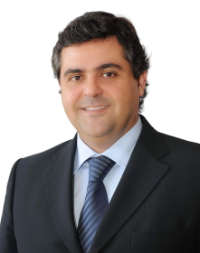



Raposo Bernardo & Associados is dedicated to turning governance challenges into business opportunities. It offers key services focusing on governance: ESG strategy development – crafting tailored governance strategies that align with client business goals, identifying and prioritising key governance issues relevant to the industry, and integrating ESG considerations into overall business strategy; governance policy and compliance – advising on the development and enforcement of good governance policies, and ensuring compliance with local and international governance regulations; stakeholder engagement and communication – facilitating effective communication with stakeholders on governance matters, helping clients build and maintain a positive reputation, and advising on transparency and disclosure practices; sustainability reporting and impact assessment – assisting with the preparation of sustainability reports in accordance with global standards (eg, GRI and SASB), conducting environmental and social impact assessments, and providing metrics and analytics to measure governance performance. The firm assists in navigating regulatory frameworks and compliance to improve companies’ governance ratings.
1. Corporate Governance Requirements
1.1 Corporate Forms and Governance Requirements
In Cabo Verde, most business organisations are incorporated in the form of companies with distinct legal personality. The principal forms of corporate are as follows.
Public Limited Company (Sociedade Anónima or SA) – Used for Large Companies
This type of company has the following characteristics:
- Minimum share capital of EUR0.01.
- A minimum of two shareholders. A single-shareholder public limited company incorporation is permitted if the single shareholder is another company.
- As a general rule, public limited companies are incorporated by means of a private document (articles of association). Additional formalities may apply if the shareholders perform contributions in kind.
- As a rule, the transfer of shares is free and may be carried out by means of an agreement between the parties.
- The governing bodies of a public limited company are as follows –
- A management board, generally with a minimum of three members. Management can be entrusted to one director if the turnover for two consecutive years is expected to be less than CVE10 million. In addition to the election of the effective members of the board of directors, substitute directors must be elected in numbers not exceeding one third of the effective directors – this means three effective members and one substitute member, or one effective member and one substitute.
- A shareholder meeting.
- A supervisory board (three members) or one auditor – a member of the supervisory board or the auditor must be certified.
- An auditor (for large companies).
- Shareholders’ liability is limited to capital subscribed, but shareholders are jointly and severally liable for all contributions contained in the by-laws.
- Flexibility of capital – only registered shares are allowed. Registered shares are transferred by endorsing the share certificate in the name of the transferee. Notice must be given to the company for the purposes of registration in the share book. Book-entry shares are transferred by registration in the transferee’s bank account. The only limit on the free transfer of shares may arise from any pre-emption rights that have been established by the shareholders in the articles of association.
Limited Liability Partnership (Sociedade por Quotas) – Primarily Used for Small Businesses
This type of company has the following characteristics:
- A minimum share capital of EUR0.01.
- A minimum of two shareholders as a rule. Single-shareholder limited liability company incorporation is permitted.
- As a general rule, limited companies are incorporated by means of a private document (articles of association). Additional formalities may apply if the shareholders perform contributions in kind.
- The transfer of shares may be carried out by means of an agreement between the parties, except when the incorporation has been made through public deed.
- The company is governed by management by one or more directors. An auditor is not mandatory, but companies that do not have a supervisory body must appoint a certified auditor to carry out the statutory audit if turnover is greater than CVE10 million and/or the number of employees is more than ten.
- Shareholders’ liability is limited to capital subscribed, but shareholders are jointly and severally liable for all contributions contained in the by-laws.
The transfer of shares must be made by written agreement between the parties. The articles of association may set limits or conditions on the transfer of shares or preemptive rights in favour of other shareholders or the company itself.
In Cabo Verde, corporate governance requirements are derived from laws and regulations, recommendations and internal rules set forth by companies themselves.
Laws and Regulations
These contain the majority of corporate governance rules and requirements:
- The Commercial Companies Code (CSC) approved by Legislative Decree No 2/2019.
- The Securities Code in its latest version approved by Law 101/IX/2020.
- The Banking Law approved by Law No 62/VIII/2014.
Recommendations
Listed companies and companies operating in the banking and financial sector are subject to additional recommendations issued by corporate governance codes, to which they must refer.
They must also take into consideration recommendations issued by sectoral regulatory entities, such as the Central Bank of Cabo Verde or the Multisectoral Economic Regulatory Agency.
Internal Rules
Companies may adopt internal rules, such as by-laws, board internal regulations, codes of ethics or of conduct which set forth specific corporate governance rules and requirements.
In Cabo Verde, listed companies are subject to mandatory corporate governance requirements and recommendations. First of all, only companies organised as public limited companies (sociedades anónimas or SAs) are authorised to trade their shares on a regulated market.
To promote a high corporate governance standard, the Securities Code contains corporate governance standards, especially with regard to compliance with the duty of information. Companies must produce annual information on corporate governance, in the following terms:
- Capital structure, including indication of shares not admitted to trading, different categories of shares, rights and duties inherent to them and percentage of capital that each category represents.
- Possible restrictions on the transferability of shares, such as consent clauses for sale, or limitations on share ownership.
- Qualified holdings in the company’s share capital.
- Identification of shareholders holding special rights and description of these rights.
- Control mechanisms provided for in a possible system of employee participation in capital, to the extent that voting rights are not exercised directly by them.
- Possible restrictions on voting rights, such as limitations on the exercise of voting depending on the ownership of a number or percentage of shares, deadlines imposed for the exercise of voting rights, or systems for highlighting rights with patrimonial content.
- Shareholder agreements that are known to the company and may lead to restrictions on the transfer of securities or voting rights.
- Rules applicable to the appointment and replacement of members of the management body and amendments to the company’s statutes.
- Powers of the management body, particularly with regard to decisions to increase capital.
- Significant agreements to which the company is a party and which come into force, are amended, or terminate in the event of a change in control of the company following a public takeover bid, as well as the respective effects, unless, by their nature, their disclosure would be seriously detrimental to the company (although the company may be specifically obliged to disclose such information due to other legal imperatives).
- Agreements between the company and the members of the management body or employees that provide for compensation in the event of the employee’s resignation, unfair dismissal or termination of the employment relationship following a public takeover bid.
- Internal control and management risk systems implemented in the company.
The following mandatory corporate governance mechanisms are also envisaged in these companies:
- The existence of the certified auditor as an autonomous body, not being part of the Supervisory Board.
- The Supervisory Board must include at least one member who has a higher education degree appropriate to the exercise of their functions and knowledge in auditing or accounting, and that member must be independent.
- The Supervisory Board must be composed of a majority of independent members.
The members of the board of a general meeting:
- are subject to the incompatibility regime;
- must be independent;
- may only be removed by the general assembly with just cause; and
- may only receive fixed remuneration.
As for the members of the management body, a regime prohibiting the waiver of deposits to hold administrators liable is established.
The Conduct Code (Circular 3/2012), issued by the Cabo Verdean stock exchange, lays down further rules on the corporate governance of listed companies.
1.2 Corporate Governance Legislation and Regulation
See 1.1 Corporate Forms and Governance Requirements.
1.3 Companies With Publicly Traded Shares
See 1.1 Corporate Forms and Governance Requirements.
1.4 Stock Exchange Requirements Developments
There have been no recent changes.
2. Corporate Management
2.1 Principal Bodies or Functions
Principal Bodies of Public Limited Companies (Sociedades Anónimas or SAs)
Management board
Generally, there are a minimum of three members. Management can be entrusted to one director if the turnover for two consecutive years is expected to be less than CVE10 million. In addition to the election of the effective members of the board of directors, substitute directors must be elected in numbers not exceeding one third of the effective directors – this means three effective members and one substitute member, or one effective member and one substitute.
A supervisory board
Composed of three members or one auditor – a member of the supervisory board or the auditor must be certified.
A shareholder meeting
The board of the general assembly is composed of a president and a secretary.
An auditor
Applicable in case of large companies and listed companies.
Principal Bodies of Limited Companies (Sociedades por Quotas)
Management board
The company is governed by management by one or more directors.
A shareholder meeting
The board of the general assembly is composed of a president and a secretary.
A supervisory board
An auditor is not mandatory, but companies that do not have a supervisory body must appoint a certified auditor to carry out the statutory audit if turnover is greater than CVE10 million and/or the number of employees is more than ten.
2.2 Types of Decisions
The powers and types of decisions made by the corporate bodies differ depending on the corporate form of the company.
Sociedade Anónima
The board of directors is competent to determine the strategic orientations of the company’s business and ensure their implementation within the limits of the company’s interest. The board of directors is responsible for managing the activities of company, and must be subordinated to the deliberations of the general meeting, or interventions of the supervisory board, only in cases where the law or company articles so determine. In particular, the board of directors:
- chooses its president, except when the company’s articles of association attribute this responsibility to the shareholders;
- requests to convene general meetings;
- prepare and submit the annual reports and accounts to be submitted for shareholder approval;
- handle acquisition, disposal and encumbrance of real estate;
- provision of personal or real guarantees and deposits by the company;
- opening or closing of establishments or important parts thereof;
- important extensions or reductions in the company’s activity;
- establishment or termination of lasting and important co-operation with other companies;
- change of headquarters and capital increases, under the terms set out in the articles of association;
- merger, spin-off and company transformation projects; and
- any other matter on which any administrator requires deliberation by the board.
The CEO and the deputy CEOs, if any, are in charge of the day-to-day management of the company, within the limits of the corporate object of the company and the board of directors’ powers.
Sociedade por Quotas
In the Sociedade por Quotas, the managing directors have the broadest powers to manage the company and represent it to third parties, within the limits of the corporate purpose and shareholders’ powers.
Refer to 4.2 Role of Shareholders for a description of the shareholders’ decision-making powers.
2.3 Decision-Making Processes
The decisions of the board of directors are adopted either following a board meeting (held in-person or via a tele-conference), or by having all directors sign a decision.
The board of directors meets whenever it is called to by the president or by two other administrators. The board of directors must meet at least once each month, unless otherwise provided for in the articles of association. The directors must be asked to convene in writing, with adequate advance notice, except when the contract of the company or a board regulation provides for the meeting on pre-fixed dates or another form of call.
The board of directors cannot deliberate without being present or represented by the majority of its members. Decisions are taken by majority vote of directors present or represented.
Shareholders’ meetings are called by the president or, in the special cases provided for by law, by the supervisory board or by the court, at least 21 days in advance.
The shareholders who, according to the law and the by-laws, are entitled to at least one vote, have the right to be present at the general meeting and discuss and vote at such meeting.
As a rule, the general assembly can make decisions, in the first call, regardless of the number of shareholders present or represented. During the second call, the assembly may decide regardless of the number of shareholders present or represented and the capital represented by them.
So that the general assembly can deliberate in the first call on matters for which the law requires a qualified majority, shareholders holding at least one third of the share capital with voting rights must be present or represented.
The general assembly decides by a majority of votes issued, whatever the percentage of share capital represented therein, unless otherwise provided by law or the contract, and abstentions are not counted.
The decision on changing the articles of association, merger, division, transformation, dissolution of the company or other matters for which the law requires a qualified majority without specifying it, must be approved by two thirds of the votes cast, whether the assembly meets in the first or second call.
3. Directors and Officers
3.1 Board Structure
In a Public Limited Company (Sociedade Anónima), the board of directors is made up of at least three members (there must always be an odd number). However, the law allows administration to be entrusted to a single director whose turnover, for two consecutive years, is less than CVE10 million (GBP76,432.69).
If a legal person is appointed director, they must appoint a natural person to hold the position in their own name.
The board of directors can further delegate the management and representation powers to one or more individuals, directors or third parties, or to an executive committee.
In the case of a Sociedade por Quotas, management is carried out by one or more natural persons (partners or non-partners).
3.2 Board Members
The Companies Code establishes that the board of directors is a collegiate body. As a principle, the directors collectively exercise the functions assigned to the board and they do not have any individual powers, except for the chairperson of the board. The chairperson is in charge of organising and directing the work of the board of directors and reporting to the general meeting.
The board of directors may grant specific assignments to individual directors, in order to improve the corporate governance of the company and facilitate the board’s mission.
3.3 Board Composition
The following composition requirements are in place:
- The board of directors of a Sociedade Anónima is made up of at least three members (there must always be an odd number).
- The board of directors of a Sociedade por Quotas is carried out by one or more natural persons (partners or non-partners).
- Directors may be individuals or legal persons. If a legal person is appointed director, they must appoint a natural person to hold the position in their own name.
- Along with the election of effective members of the board of directors, directors may be elected as substitutes in a number that does not exceed one third of the effective administrators.
Special board of directors composition requirements may also apply to specific types of companies due to the special regime to which they are subject (eg, aviation, banking and finance).
3.4 Appointment and Removal of Directors/Officers
Election
The members of the board of directors are appointed in the by-laws or elected by the general assembly. The directors are appointed or elected for a period set out in the company’s articles of association, and in the absence of an appointment period, it is understood that the appointment is made for four calendar years, with re-election being permitted.
The articles of association may stipulate that the election of the board of directors must be approved by a certain percentage of capital or that election of some of the directors must be approved by the majority of votes cast by a certain category of shares, as well as stating that certain categories of shares are granted the right to elect a certain number of directors, in a number not exceeding one third of the total.
The articles of association may establish that, for a number of directors not exceeding one, two or three, depending on whether the total number is three, five or more than five, an isolated election is carried out, between persons proposed on lists subscribed by groups of shareholders, as long as none of these groups has shares representing more than 20% or less than 10% of the total share capital.
Removal
Any member of the board of directors may be removed by resolution of the general meeting, at any time.
One or more shareholders holding shares corresponding to at least 10% of the share capital may, until a general meeting has been called to deliberate on the matter, request the judicial dismissal of a director, based on just cause.
In particular, serious breach of the administrator’s duties and their inability to carry out their duties normally constitutes just cause for dismissal.
Resignation
Any director may resign from the exercise of their duties, by means of a written document addressed to the chairperson of the board of directors. The resignation only takes effect 30 days after it is communicated, unless, in the meantime, a replacement is designated or elected. Resignation without just cause must be communicated within a reasonable period of time.
Restrictions
Under the Commercial Companies Code, directors must generally be natural persons with full legal capacity and are not required to be shareholders of the company. However, in the case of public limited companies (Sociedades Anónimas), a corporate entity can be appointed as a director as long as it designates a specific natural person to exercise the functions on its behalf. Furthermore, there is a strict non-compete restriction which dictates that directors cannot engage in activities that compete with the company, either on their own behalf or for a third party, unless they receive explicit prior authorisation from the shareholders.
3.5 Independence of Directors
The Commercial Companies Code enshrines some legal provisions that aim to highlight the need for markedly independent management of commercial companies and avoid conflicts of interest.
Firstly, a general prohibition is established on commercial companies granting loans or any form of credit to their directors, providing guarantees for obligations assumed by them or providing them with advances on salaries exceeding one month.
Furthermore, it was established that, unless expressly consented to by the General Assembly, transactions may only be concluded between:
- the company and the director, in their own name, directly or through an intermediary; or
- the company and the director, representing a third party,
where the company is one in which the director performs management functions.
These prohibitions remain in place in the year following the termination of duties by the director and are extended to transactions concluded with companies that are in a controlling or group relationship with the company in which the contracting party is a director.
Furthermore, the Commercial Companies Code establishes that during the period for which they are appointed or elected, directors cannot exercise, in the company or in companies that are in a controlling or group relationship with them, any temporary or permanent functions at the same time, under an employment or service-provision contract, or regarding entering into any such contracts aimed at providing services when a director’s duties cease. When someone who is linked to the company by an employment or service provision contract is appointed or elected as a director, this contract is suspended and only resumed immediately after the termination of duties.
Unless express authorisation is given at a general meeting, the director cannot carry out, on their own behalf or on behalf of others, activities competing with those actually carried out by the company, nor can they carry out functions in a competing company or be appointed on behalf of it.
3.6 Legal Duties of Directors/Officers
Directors have a fiduciary relationship with the company. Directors are expected to act in good faith and in the best interest of the company at all times. This involves preserving the company’s assets as well as furthering the company’s business interests.
In general, directors must conduct the company’s affairs with the due care of a prudent and diligent business person, in particular in accordance with the applicable laws and the articles of association (duty of legality) and taking into account the interests of shareholders and employees.
The duty to act diligently includes, in particular, the duty to obtain the necessary technical competence and sufficient knowledge of the company’s activities, and the duty to act in informed terms, free from any personal interest and in accordance with the criteria of business rationality.
The members of the supervisory body must act in accordance with high standards of professional diligence and loyalty.
3.7 Responsibility/Accountability of Directors
Directors owe their duties to the company. They always have to act in the best interests of the company. However, as established by law, they should also take into account, to a certain extent, the interests of the shareholders, creditors and employees of the company.
3.8 Breach of Directors’ Duties
The Companies Code organises the topic of directors’ civil liability into three large groups:
- civil liability towards the company (Articles 78 and 79 of the CSC);
- civil liability towards social creditors (Article 84 of the CSC); and
- civil liability towards shareholders and third parties (Article 85 of the CSC).
Civil Responsibility Towards the Company
Article 79, paragraph 1 of the CSC establishes the principle that the members of the management body are answerable to the company for damages caused to it by breach of legal and contractual duties. A presumption of guilt is attributed to the members of the management body, which may be revoked “if they prove that they acted without fault”.
Responsibility is joint among the directors.
The operation of the civil liability mechanism of the members of the management body towards the company depends on the deliberation of the shareholders, taken by an absolute majority, and must be proposed within a period of six months counting from said deliberation. For the exercise of the right of compensation, the partners may appoint special representatives. The civil liability of administrators can even be triggered during the meeting that considers the financial statements, although this matter is not included in the notice.
Civil Liability Towards Social Creditors
The civil liability of the board of directors towards creditors arises from culpable non-compliance with legal or contractual provisions intended to protect the creditors, when the social assets become insufficient to satisfy the respective creditors.
The protection of corporate creditors is reinforced, as the compensation obligation cannot be excluded by the company’s resignation or transaction, or by fact or omission based on a resolution of the general meeting.
Creditors’ rights may even be exercised during the insolvency process by the administration of the insolvent estate.
Civil Liability Towards Shareholders and Third Parties
Finally, the Companies Code establishes a civil liability regime for the management body towards partners and third parties for damages directly caused to them in the exercise of their functions. This regime is complemented by the provisions of the Civil Code, which reinforces liability based on breach of contractual and legal duties.
The responsibility of the members of the management body towards shareholders and third parties is joint and several.
It is important to highlight that the civil liability regime for members of the management body also applies to “other people entrusted with management functions”. In other words, it not only applies to members of the management body formally designated by the partners; it also applies to directors and managers, and not just in formal terms.
3.9 Other Claims/Enforcement Against Directors/Officers
In Cabo Verde, directors and officers can be held liable for criminal and civil charges. Regarding criminal liability, in certain circumstances, directors may also be subject to criminal penalties for other violations of the Corporate Law – for example:
- for knowingly making a false or misleading statement to the public;
- for knowingly preparing or approving incorrect or misleading financial statements; or
- for obstructing the conduct of an audit by statutory auditors, or auditors appointed to conduct an extraordinary audit.
Criminal and/or administrative penalties are provided for by other special laws, particularly in relation to tax, labour, health, safety and environmental violations.
Directors and officers can also be civilly liable if they commit a breach of laws and/or regulations applicable to the company (breach of the articles of association or internal regulations).
Liability cannot be limited and the law requires managers to take out insurance. However, it may be waived by the general meeting, except in companies issuing securities admitted to trading on the stock exchange and in large companies.
3.10 Payments to Directors/Officers
The general meeting of shareholders or a committee appointed by the general meeting is responsible for setting the remuneration of each director, taking into account the functions performed and the economic situation of the company.
The remuneration may be certain or partially consist of a percentage of the year’s profits, but the maximum percentage allocated to directors must be authorised by a clause in the company’s articles of association.
All companies in Cabo Verde are required to disclose the total remuneration of the management board in the annual financial statements.
Directors’ fees must also be disclosed to the tax authorities as a form of income.
The law explicitly prohibits companies from granting loans, making payments on behalf of directors, or providing salary advances that exceed one month’s pay. Failure to comply with these restrictions renders such unauthorised transactions and advances null and void. Additionally, corporate resolutions approving illegal benefits are voidable, and directors can be held jointly and severally liable to compensate the company for any damages resulting from these breaches of their legal duties.
4. Shareholders
4.1 Companies and Shareholders
The entire structure of the company is defined by the shareholders when the company is formed. The purpose of the company is determined by its shareholders in the articles of association. The company and its shareholders are legally bound by the by-laws, which constitute the company’s internal regulations. As a result, shareholders collectively own the company.
The shareholders have the right to appoint corporate bodies, to attend and vote at AGMs, to receive dividends, and other rights. They may also, in certain circumstances, be called upon to finance the company.
For private limited companies, the identity of shareholders and their respective capital quotas must be registered at the Commercial Registry. This registration is publicly accessible, and anyone may request a certificate from the registry showing the current shareholders. For public limited companies, the situation is different. Shareholders are registered in a share register (book) that must be kept at the company’s head office. However, this register is not public, and there is no legal obligation to update the list of shareholders at the Commercial Registry. The only information that is publicly available through the registry is the company’s initial shareholders.
4.2 Role of Shareholders
One of the basic rules of corporate law under the Companies Code is that a business will be managed by or under the direction of a board of directors. Thus, shareholders are generally not involved in the direct management of the company.
However, they may have some influence on management, as the law gives shareholders the right and power to elect the board of directors, as well as the right to vote on and approve extraordinary transactions, such as any amendment to the certificate of incorporation or the by-laws, a merger, consolidation or conversion, the sale of all or a substantial number of the assets of the corporation or the dissolution.
Shareholders participate in the decision-making process through the exercise of their voting rights in general meetings.
4.3 Shareholder Meetings
Shareholder meetings are required. The ordinary shareholder meeting of a company is held regularly once a year, within the first three months following the end of each financial year, to:
- deliberate on the management report and accounts for the year;
- deliberate on the proposed application of results;
- carry out a general assessment of the administration and supervision of the company and, if applicable and although these matters may not be on the agenda, to proceed with the dismissal of members of the corporate bodies, when the general assembly has the power to do so, or to express their distrust of these members, when the authority to dismiss them lies with the supervisory board; and
- carry out elections within its competence.
An extraordinary shareholder meeting may be convened on the initiative of the chairperson of the board of general meetings, by the supervisory board or by the court, whenever deemed necessary, in order to resolve the matters that are reserved for the exclusive competence of the shareholder meeting or any other matter that the board of directors may consider of such importance that it requires the approval of the general meeting, or at the request of shareholders holding at least 5% of the company’s share capital (2% in the case of a listed company), in exercise of the minority rights provided under the Companies Law.
The shareholder meeting is convened 21 full days prior to the date of the meeting through the publication of the invitation, which includes the items on the agenda, details of the place and time of the general meeting, and the rights that the shareholders may exercise within the 21-day period and during the meeting.
4.4 Shareholder Claims
According to the law, regardless of the claim for compensation for individual damages caused, one or more shareholders who own at least 5% of the share capital may file a liability action against members of the management body, with a view to reparation, in favour of the company, for the loss it has suffered, when the company has not filed this.
4.5 Shareholders in Publicly Traded Companies
In companies listed on the stock exchange, the law establishes that anyone who reaches or exceeds a shareholding of 10%, 20%, one third, one half, two thirds or 90% of the voting rights corresponding to the share capital of a public company, subject to Cabo Verdean personal law, and anyone who reduces their participation to a value lower than any of those limits must, within four business days after the day of the occurrence of the fact or its knowledge:
- inform the General Audit of the Securities Market and the company of this fact; and
- make the entities mentioned in this section aware of the circumstances under which the voting rights inherent in securities belonging to third parties may be attributed to the participant.
There is currently no ultimate beneficial owner public registry in place.
5. Corporate Reporting and Disclosures
5.1 Financial Reporting Requirements
Companies are required to file various documents relating to their accounts for the previous financial year with the registrar of commercial companies.
The filing covers the following documents:
- the annual accounts;
- the management report;
- minutes of approval of the accounts for the year and application of results;
- balance sheet, income statement and annex to the balance sheet and income statement;
- legal certification of accounts; and
- the opinion of the supervisory body, if such body exists.
The management report is prepared by the directors and principally covers the company’s corporate governance arrangements, the performance of the company during the year under review, and the outlook for the coming year.
5.2 Corporate Governance Arrangement Disclosure
Corporate governance arrangements are disclosed as part of the regulatory reports expected from companies.
5.3 Incorporation and Registration
In Cabo Verde, the body responsible for company incorporation and registration is the Commercial Registry Services, under the supervision of the Directorate-General of Registries, Notary and Identification (Direção-Geral dos Registos, Notariado e Identificação), which is part of the Ministry of Justice.
Any updates to the constitutive documents during the life of the company must be filed with the companies registry. These updates and their related corporate documents are publicly available and include amendments to the articles of association, changes to board composition, transfers of the registered office, and changes to the share capital, among others aspects.
In case of failure to comply with the filing obligations, companies or their officers may be exposed to administrative fines.
The companies registry has no supervisory powers over companies.
5.4 Global Anti-Money Laundering
For general commercial companies, it is important to note first that anti-money laundering (AML) rules apply if they fall under the definition of “obliged entities” (entidades sujeitas). Outside the financial sector and specific designated professions, commercial companies are subject to this law if they trade goods and accept cash payments equal to or greater than CVE1 million, whether in a single operation or several apparently related ones.
Reporting Duties
Commercial companies that qualify as obliged entities have the following reporting duties:
- Suspicious transaction reporting – Companies must immediately inform the Financial Information Unit (UIF) via fax or email as soon as they know, suspect, or have sufficient reason to suspect, that an operation may involve money laundering. This report must include identification of the participants, the nature of the operation, the circumstances that led to the suspicion, and any investigative measures taken by the company.
- Systematic cash reporting – Regardless of any suspicion, merchants are required to report to the UIF any cash payment operations equal to or greater than CVE1 million.
- Cross-border physical transport – Any person or entity entering or leaving the territory carrying cash or bearer instruments worth CVE1 million or more must declare them in writing.
Duty of Control
The law imposes a strict “duty of control” (dever de controlo) requiring direct involvement from the company’s senior management in the following cases:
- Approval of policies – Policies, procedures and internal controls designed to mitigate and manage identified money-laundering risks must be formally approved by the company’s senior management.
- Appointment of a responsible officer – The company is required to designate a responsible top-level manager to ensure the application of the legal preventative requirements.
- High-risk approvals (PEPs) – If the company establishes or maintains business relationships with politically exposed persons (PEPs), it must obtain prior authorisation from its senior management.
- Implementation of controls and audit – The board must ensure the implementation of an independent internal control mechanism and maintain an internal audit function independent of other departments to verify the compliance and effectiveness of these policies.
Personal Liability
The fact that a company is a legal entity does not exempt its directors and managers from personal liability:
- Criminal liability – The criminal liability of a legal entity does not exclude the individual responsibility of its agents, such as directors. Furthermore, the company itself can be held criminally liable if a crime was made possible due to a wilful violation of surveillance or control duties by its organs or representatives.
- Inhibition of functions (accessory sanction) – As an accessory sanction for AML infractions, a court or supervisory authority may ban an offender from exercising corporate, administrative, or management functions for a period ranging from one to ten years.
- Personal fines – The law establishes specific fines for individuals (eg, managers and directors) who commit administrative offences.
- Crime for breach of confidentiality (tipping-off) – If a director or employee reveals to a client or third party that a suspicious transaction report was sent to the UIF, they are committing a crime punishable by up to three years in prison, or a fine.
- Good faith exemption – As a safeguard, the law exempts directors and employees from any criminal, civil, disciplinary or administrative liability if they report their suspicions to the UIF in good faith, even if it is later proved that the illegal activity did not occur.
6. Audit, Risk and Internal Controls
6.1 External Auditors
The appointment of an external auditor by the shareholders’ ordinary general meeting becomes mandatory if, at the end of the financial year, the company exceeds one or both of the following thresholds:
- annual turnover exceeding CVE200 million (over GBP1.528 million); and
- total net assets exceeding CVE15 million (GBP114,654.19).
Auditors are subject to certain requirements regarding their independence, which prohibits them from having any personal, financial or professional relationships that are incompatible with the functions of an auditor.
Companies issuing securities admitted to trading on the stock exchange are also required to have an external auditor.
6.2 Risk Management and Internal Controls
Although the laws do not explicitly use the terms “geopolitical risk” or “international sanctions”, they strictly address these issues under different terminology.
Geopolitical Risk (Country/Geographic Risk)
Companies are required to identify, assess and understand “country or geographic risk”. At the board level, senior management must formally approve all policies, procedures and controls designed to mitigate and manage these geographic risks. Furthermore, the board of directors is legally required to include a clear description of the principal risks and uncertainties facing the company in its annual management report.
International Sanctions (Designated Entities)
The law enforces international sanctions by making it a serious offence to wilfully fail to freeze the funds or economic resources of “designated individuals, entities, or groups”. To oversee compliance, the board of directors must formally approve and implement internal control programmes. Additionally, the board is required to designate a top-level management officer who is specifically responsible for ensuring the company complies with these legal requirements.
7. Environmental, Social and Governance
7.1 ESG Requirements
Although the laws do not explicitly use the “ESG” acronym, they establish key reporting requirements across these three areas:
- General climate duty – There is a fundamental duty for everyone, explicitly including private companies, to protect, preserve, respect and safeguard the climate balance, actively contributing to the mitigation of climate change.
- Management report – The annual management report must include an analysis of non-financial performance indicators, specifically requiring information on environmental issues and employee matters.
- Employee interests – Directors have a legal duty to act with diligence and loyalty, explicitly taking into account the interests of the company’s workers.
7.2 ESG Developments
A material shift is currently under discussion in this jurisdiction regarding ESG reporting, with a strong focus on the environmental (E) component and sustainable finance. Based on the proposed draft law, the particular components of ESG that are changing include:
- A new classification system – The introduction of a legal framework for a “sustainability taxonomy”. This system will classify economic activities to accurately determine the degree of sustainability of entities and investments.
- Mandatory and voluntary disclosures – The shift introduces mandatory reporting rules for disclosing information tied to this new sustainability classification. Additionally, it establishes a complementary, voluntary regime for disclosing other sustainability-related information.
- Green financing focus – The primary objective of these changing reporting requirements is to promote overall sustainable development in Cabo Verde by standardising data and facilitating access to sustainable financing.
8. Artificial Intelligence
8.1 Board Oversight of AI
There is no special regime on the matter of AI.
8.2 AI Use-Related Risks
There is no special regime on the matter of AI.
8.3 Liability Exposures Arising From AI Use
Although there is no specific AI law, the liability regime for directors and officers established in the Commercial Companies Code is broad and “technology-neutral” enough to cover contingencies arising from the use of AI.
Main Liability Exposures
Breach of duty of care and risk management
Directors must act with the diligence of a careful and orderly manager, which includes the duty to make informed decisions regarding risks. Implementing AI systems without adequate oversight, resulting in unfair practices, safety incidents, or IP/data breaches, constitutes a direct breach of this fundamental duty.
Disclosure failures
The board of directors is legally required to prepare an annual management report containing a clear description of the principal risks and uncertainties facing the company. If the use of AI represents a material risk (eg, severe reputational risk or privacy legal risks), failing to disclose this information constitutes a reporting failure.
Harm to the company (financial/reputational risk)
Directors are jointly and severally liable to the company for damages caused by acts or omissions that breach their legal or contractual duties, unless they can prove they acted without fault. AI failures generating massive fines, IP loss or severe reputational damage expose directors to compensating the company itself.
Direct damages to third parties (safety and data breaches)
Directors are liable to shareholders and third parties for damages directly caused to these parties in the exercise of directorial functions. Negligent AI use causing direct losses to clients, partners or data subjects can lead to direct civil liability.
8.4 Key Disclosure Requirements for AI Use
Although the Cabo Verdean Commercial Companies Code does not contain specific disclosure requirements regarding artificial intelligence, companies are bound by general, technology-neutral reporting duties. If AI use has a material impact on the business, directors must address it within the annual management report. Specifically, this report must include a clear description of the principal risks and uncertainties facing the company, which would encompass significant AI-related vulnerabilities such as cybersecurity, data privacy, or operational risks.
The report also requires an analysis of relevant non-financial performance indicators, meaning that any material impact of AI on the workforce or environmental matters must be clearly addressed. Lastly, if the company engages in off-balance sheet operations whose risks or benefits are financially relevant, such as specific AI technological partnerships or software licensing agreements, the nature and business purpose of these operations must be disclosed.
Raposo Bernardo & Associados
Av. Fontes Pereira de Melo, 35, 18ºA
1050-118 Lisboa
Portugal
+351 213 121 330
lisboa@raposobernardo.com www.raposobernardo.com
Trends and Developments
Authors
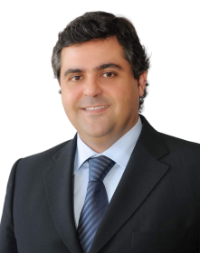



Raposo Bernardo & Associados is dedicated to turning governance challenges into business opportunities. It offers key services focusing on governance: ESG strategy development – crafting tailored governance strategies that align with client business goals, identifying and prioritising key governance issues relevant to the industry, and integrating ESG considerations into overall business strategy; governance policy and compliance – advising on the development and enforcement of good governance policies, and ensuring compliance with local and international governance regulations; stakeholder engagement and communication – facilitating effective communication with stakeholders on governance matters, helping clients build and maintain a positive reputation, and advising on transparency and disclosure practices; sustainability reporting and impact assessment – assisting with the preparation of sustainability reports in accordance with global standards (eg, GRI and SASB), conducting environmental and social impact assessments, and providing metrics and analytics to measure governance performance. The firm assists in navigating regulatory frameworks and compliance to improve companies’ governance ratings.
Cabo Verde: Strategic Convergence of the Blue Economy and Climate Policy
A market at an inflection point
Cabo Verde is entering a decisive and, in many respects, irreversible phase in its economic and regulatory evolution. Traditionally characterised as a small island economy constrained by geographic fragmentation, limited natural resources and external dependence, the country is now actively redefining its development model. This repositioning is not merely rhetorical; it is being operationalised through a deliberate and increasingly sophisticated strategy that combines targeted infrastructure investment, a strong commitment to environmental sustainability, and a deeper integration into international financial and regulatory systems.
What distinguishes the current moment is the degree of coherence and intentionality underlying recent policy and legislative developments. The transformation underway reflects a structured policy direction in which legal reform is being used as a primary tool to shape economic outcomes and to signal credibility to international partners. In particular, three instruments stand out as pillars of this new framework:
- Decree No 4/2026, which refines the legal and financial architecture supporting the “Blue Economy and Sustainable Ports” project;
- Law No 71/X/2026, which establishes a comprehensive and forward-looking framework for national climate policy; and
- Resolution No 119/2025, which operationalises these objectives through a multi-sectoral Climate and Environmental Action Programme.
These instruments collectively establish a new regulatory baseline for economic activity, particularly in sectors linked to infrastructure, energy, maritime services and natural resource management. They embed principles of sustainability, transparency and risk management into the core of the legal system, while simultaneously aligning Cabo Verde with international standards typically required by multilateral lenders and institutional investors. This alignment is particularly significant in the context of global capital flows, where regulatory predictability and ESG compliance have become key determinants of investment decisions.
For investors, this moment represents both an opportunity and a structural shift in expectations. On the one hand, the country is opening new avenues for participation in strategically prioritised sectors, supported by public policy and international financing. On the other, it is moving towards a more disciplined and criteria-driven regulatory environment, where project viability will increasingly depend on alignment with national development goals, environmental standards and governance requirements. In this sense, Cabo Verde is transitioning from a peripheral investment destination to a more structured and policy-driven market, where the rules of engagement are becoming clearer, but also more demanding.
The blue economy as a platform for growth and investment
The blue economy in Cabo Verde has evolved from a strategic narrative into a structured policy and investment framework with tangible legal, financial and operational dimensions. Anchored in the country’s unique geographic configuration, an archipelago with an abundant maritime footprint, this policy orientation reflects a deliberate effort to leverage location as a competitive advantage in regional and international trade, logistics and maritime services.
Decree No 4/2026 plays a pivotal role in this transformation by refining the legal and financial architecture underpinning the “Blue Economy and Sustainable Ports” project. This instrument does more than correct technical inconsistencies in the original financing approval. It reinforces legal certainty and alignment between the domestic approval framework and the contractual arrangements with the European Investment Bank, thereby ensuring the enforceability and credibility of the State’s obligations. This aspect is particularly relevant from an investor perspective, as it signals a clear commitment to legal robustness in complex, externally financed projects.
The project itself represents one of the most significant infrastructure programmes currently underway in the country, with a total estimated cost of approximately EUR228 million and an initial financing tranche of EUR80 million. Its scope extends beyond the physical expansion and rehabilitation of key ports, including strategic nodes such as Mindelo and Palmeira, to encompass the modernisation of the CABNAVE shipyard and the introduction of efficiency-enhancing and environmentally sustainable technologies. Importantly, the project integrates decarbonisation objectives, positioning port infrastructure not only as a logistical asset but also as a platform for energy transition.
From an investment standpoint, the structure of the financing is particularly noteworthy. The use of a framework loan introduces a dynamic allocation mechanism, whereby funds are progressively assigned to sub-projects that meet predefined eligibility criteria, including technical, financial, environmental and procurement standards. This approach fundamentally alters the investment landscape by creating a rolling pipeline of opportunities, rather than a single, closed investment cycle. It allows for phased entry by private operators, reduces upfront concentration of risk and enables continuous alignment with evolving project priorities.
In practical terms, this model opens multiple avenues for private sector participation across the value chain. Opportunities arise not only in civil works and engineering, but also in port operations, concession models, logistics platforms, maritime transport services, ship repair and maintenance, and ancillary services linked to cargo handling and passenger flows. The increasing emphasis on energy efficiency and environmental compliance further expands the investment scope to include renewable energy integration, electrification of port operations, energy management systems and green infrastructure solutions.
Beyond the immediate project pipeline, the broader strategic ambition is to position Cabo Verde as a regional maritime and logistics hub within the Atlantic corridor. This ambition, explicitly articulated in the policy framework, suggests that infrastructure development will be complemented by regulatory reforms, institutional strengthening and commercial initiatives aimed at improving connectivity, reducing transaction costs and facilitating trade flows. In this context, the blue economy is not merely a sectoral priority, but a platform through which Cabo Verde seeks to integrate more deeply into global value chains and to attract long-term, strategic investment.
Climate policy as a structural regulatory framework
Running in parallel with the development of the blue economy, Cabo Verde has adopted a climate policy framework that is both comprehensive and structurally transformative, through Law No 71/X/2026. This law establishes a foundational legal architecture that integrates climate considerations into the core of public governance, economic planning and regulatory decision-making. In doing so, it elevates climate policy from a sectoral concern to a crosscutting principle that is shaping the entire development model of the country.
At its conceptual foundation, the law explicitly recognises the existence of a climate emergency and frames it as a defining challenge for the State, with direct implications for economic stability, social cohesion and long-term sustainability. This recognition is not merely declaratory. It is operationalised through a set of binding objectives that include the progressive transition to a low-carbon economy, the promotion of circular economic systems, the protection of vulnerable communities and the strengthening of national resilience to climate-related risks. The breadth of these objectives reflects a deliberate attempt to align domestic policy with international commitments, including the Paris Agreement, while tailoring implementation to the specific vulnerabilities of an island economy.
One of the most consequential features of the law is the formal commitment to achieving carbon neutrality by 2050. This target introduces a long-term policy anchor that is intended to guide legislative action, public investment and private sector behaviour over the coming decades. Crucially, the law establishes mechanisms to ensure that this objective is embedded in practice. It requires the systematic integration of climate criteria into national and sectoral planning instruments, mandates the consideration of climate impacts in major public investments, and promotes the development of regulatory and economic tools capable of steering market behaviour towards sustainability.
From an investment viewpoint, this framework significantly alters the parameters within which projects are conceived, structured and financed. Environmental and climate performance are no longer peripheral considerations. On the contrary, they are increasingly determinative factors in project approval processes, access to public support and eligibility for international financing. Projects that demonstrate alignment with climate objectives, particularly in areas such as renewable energy, energy efficiency, sustainable transport and resource management, are likely to benefit from targeted incentives, including fiscal advantages and preferential access to funding mechanisms foreseen in the law.
Conversely, the framework introduces a gradual but clear tightening of conditions for activities with higher environmental impact. While the law does not impose immediate restrictions on carbon-intensive sectors, it establishes the legal basis for future regulatory developments that may include stricter emission standards, enhanced reporting obligations and the internalisation of environmental costs. For investors, this implies the need for forward-looking strategies that anticipate regulatory evolution and incorporate climate risk into project design and valuation.
Another defining characteristic of Law No 71/X/2026 is its governance model. The law adopts a multi-level and multi-actor approach, involving central government, municipalities, regulatory authorities, private entities and civil society in the design, implementation and monitoring of climate policy. This reflects international best practices in climate governance and enhances transparency and accountability. However, it also introduces additional layers of institutional interaction, requiring investors to engage with a broader set of stakeholders and to navigate a more complex administrative environment.
In this sense, Cabo Verde’s climate policy framework functions not only as an environmental safeguard, but as a structural regulatory system that is progressively redefining the rules of economic participation. It sets clear direction, creates incentives for sustainable investment and, at the same time, raises the threshold for compliance. For investors willing to align with this trajectory, it offers a stable and forward-looking environment; for others, it signals an inevitable shift in the conditions under which business will be conducted.
From policy to implementation: climate action programme
The operational dimension of Cabo Verde’s climate strategy is defined by Resolution No 119/2025, which approves the Climate and Environmental Action Programme. This programme translates policy objectives into concrete interventions, with a clear focus on resilience and sustainability.
The programme is grounded in the recognition of Cabo Verde’s vulnerability as a Small Island Developing State. It highlights risks such as prolonged droughts, water scarcity, coastal erosion and impacts on agriculture and fisheries. Without effective mitigation and adaptation measures, these risks could lead to significant economic losses, estimated at up to 3.6% of GDP by 2050.
With a total budget of approximately CVE750 million, the programme is structured around integrated interventions in water management, soil conservation, reforestation, protected areas and coastal resilience. It also includes measures specifically targeting fishing communities, recognising their exposure to climate-related risks.
From an investment standpoint, the programme creates opportunities across multiple sectors. Infrastructure development in water and agriculture, environmental services, sustainable fisheries, and community-based projects all offer potential entry points. The emphasis on local implementation and partnerships with private operators further reinforces the role of the private sector in delivering these initiatives.
Emerging investment trends
The convergence of the blue economy development and climate policy is generating a number of structural trends that are reshaping Cabo Verde’s investment environment. A first trend is the alignment with international regulatory and financial standards. The involvement of institutions such as the European Investment Bank brings with it strict requirements in terms of environmental and social compliance, procurement procedures and governance. This enhances transparency and predictability, making the market more attractive to international investors.
A second trend is the increasing sophistication of financing structures. The use of blended finance, combining loans, grants and guarantees, allows for more efficient risk allocation and improves the viability of large-scale projects. This is particularly relevant in infrastructure and climate-related investments, where capital intensity is high.
A third trend is the central role of sustainability as a driver of value. Projects that contribute to energy transition, resource efficiency or environmental protection are likely to benefit from regulatory support and access to financing. Conversely, projects that do not align with these priorities may face increasing constraints.
Strategic considerations for investors
While the opportunities are significant, investors should approach the Cabo Verdean market with a clear understanding of its evolving regulatory landscape. The integration of climate considerations into all levels of decision-making means that environmental and social due diligence will be essential. Compliance is no longer a procedural requirement; it is a core element of project viability.
At the same time, the institutional framework, while improving, remains a key factor. Effective co-ordination between public entities and the capacity to implement complex projects will be critical to the success of the ongoing reforms.
Finally, reliance on international financing and partnerships requires investors to be familiar with the expectations and standards of multilateral institutions. This includes not only legal compliance but also adherence to governance and transparency principles.
Cabo Verde is positioning itself as a forward-looking jurisdiction, where economic development is closely tied to sustainability and resilience. The combination of strategic investment in the blue economy and a robust climate policy framework creates a unique market dynamic.
For investors, this represents a compelling proposition. The country offers access to infrastructure projects, growing sectors and structured financing, within a regulatory environment that is increasingly aligned with global standards. However, this opportunity comes with a clear requirement: to engage with the market on its own terms. Success will depend on the ability to align investment strategies with national priorities, integrate sustainability considerations, and navigate a regulatory framework that is both evolving and increasingly demanding.
In this sense, Cabo Verde is not simply an emerging market. It is a market in transition, where direction is clear and the legal framework is progressively reinforcing that trajectory.
Raposo Bernardo & Associados
Av. Fontes Pereira de Melo, 35, 18ºA
1050-118 Lisboa
Portugal
+351 213 121 330
lisboa@raposobernardo.com www.raposobernardo.com
Law and Practice
Authors
Raposo Bernardo & Associados is dedicated to turning governance challenges into business opportunities. It offers key services focusing on governance: ESG strategy development – crafting tailored governance strategies that align with client business goals, identifying and prioritising key governance issues relevant to the industry, and integrating ESG considerations into overall business strategy; governance policy and compliance – advising on the development and enforcement of good governance policies, and ensuring compliance with local and international governance regulations; stakeholder engagement and communication – facilitating effective communication with stakeholders on governance matters, helping clients build and maintain a positive reputation, and advising on transparency and disclosure practices; sustainability reporting and impact assessment – assisting with the preparation of sustainability reports in accordance with global standards (eg, GRI and SASB), conducting environmental and social impact assessments, and providing metrics and analytics to measure governance performance. The firm assists in navigating regulatory frameworks and compliance to improve companies’ governance ratings.
Trends and Developments
Authors
Raposo Bernardo & Associados is dedicated to turning governance challenges into business opportunities. It offers key services focusing on governance: ESG strategy development – crafting tailored governance strategies that align with client business goals, identifying and prioritising key governance issues relevant to the industry, and integrating ESG considerations into overall business strategy; governance policy and compliance – advising on the development and enforcement of good governance policies, and ensuring compliance with local and international governance regulations; stakeholder engagement and communication – facilitating effective communication with stakeholders on governance matters, helping clients build and maintain a positive reputation, and advising on transparency and disclosure practices; sustainability reporting and impact assessment – assisting with the preparation of sustainability reports in accordance with global standards (eg, GRI and SASB), conducting environmental and social impact assessments, and providing metrics and analytics to measure governance performance. The firm assists in navigating regulatory frameworks and compliance to improve companies’ governance ratings.
