Insurance Litigation 2026
Mexico
Authors



De la Garza & Acosta Abogados, S.C. is a leading Mexican law firm with a distinguished track record in high-stakes insurance litigation and complex dispute resolution. The firm represents major domestic and international insurers and reinsurers in contentious matters involving policy coverage disputes, reinsurance claims, civil liability, punitive damages, and non-material damage compensation. Its team combines deep sector knowledge with extensive experience in civil, commercial, and constitutional litigation, as well as arbitration and bankruptcy proceedings. Renowned for its strategic approach and technical precision, the firm regularly advises the financial sector on high-profile and precedent-setting cases before Mexican courts and arbitral tribunals.
1. Key Drivers and Resolution of Insurance Disputes
1.1 Common Triggers of Insurance Disputes
Insurance disputes in Mexico most frequently arise from disagreements concerning the scope and application of coverage. Typical issues include whether a loss falls within the insured risk, the application of exclusions, deductibles and co-insurance, compliance with notice and other policy obligations, causation and the quantification of the loss. Disputes may also arise from the claims-handling process itself, particularly as to the information required from the insured and the factual or technical basis supporting a denial of coverage.
Life and Health Insurance
Life and health insurance generate a significant volume of contentious matters. In major medical expenses insurance, disputes commonly concern pre-existing conditions, waiting periods, medical necessity and the distinction between traumatic events and underlying or degenerative conditions. These cases are increasingly evidence-intensive and frequently depend on specialised medical, radiological and actuarial evidence rather than on policy interpretation alone.
Policy Delivery and Intermediaries
Another recurring issue is whether the insurer can establish that the policyholder received, or otherwise had proper access to, the general conditions containing the relevant exclusions and limitations. This has become particularly important as policies and contractual documentation are increasingly delivered electronically. Related disputes may also involve the role of insurance agents or intermediaries in placing the insurance, transmitting contractual documentation and communicating the scope of coverage. The relevance of this issue is that, if the insurer cannot prove that it delivered the general conditions of the policy to the insured, those conditions may not be enforceable against the insured.
Liability Insurance
Liability insurance disputes frequently concern the existence and extent of the insured’s liability, causation, policy limits and the treatment of claims for non-material or moral damages. Although many liability insurance policies contain exclusions for moral damages, Supreme Court jurisprudence has held that such exclusions may be unconstitutional where they undermine compulsory liability coverage, while recovery remains subject to the applicable insured limit.
Claimants also increasingly seek punitive damages in disputes involving insurers. Recent Supreme Court jurisprudence has increased attention to this issue, particularly where insurance relates to life, health or physical integrity; however, punitive damages remain exceptional and require circumstances going materially beyond an ordinary disagreement as to coverage.
Property and Casualty Insurance
In property and casualty insurance, the principal areas of contention include causation, the extent and valuation of physical damage, the insured’s interest in the affected property and whether the claimed loss resulted from a covered event. Large losses frequently require engineering, accounting or other technical expert evidence.
Claimant-Side Litigation Trends
A further development has been the growth of a claimant-side insurance litigation practice. Policyholders are increasingly represented by counsel specifically pursuing insurance claims, a trend that appears to have been encouraged, at least in part, by a perception of increasingly policyholder-protective judicial approaches in certain areas. This growth has not necessarily been accompanied by a corresponding increase in technical specialisation in insurance law, and claims are sometimes advanced on broad consumer-protection or civil-liability theories rather than on a detailed analysis of the insurance contract.
Claims are also becoming more ambitious. Disputes that would traditionally have been confined to contractual policy benefits now increasingly include claims for moral and punitive damages, materially increasing insurers’ potential exposure. These developments have contributed to a more contentious claims environment and make early assessment of coverage, documentary evidence and claims-handling decisions increasingly important.
1.2 Role of Policy Wording and Drafting
Importance of Clear and Consistent Wording
Policy wording is a significant source of insurance disputes in Mexico, particularly because most policies are standard-form contracts. Courts therefore tend to scrutinise exclusions and limitations closely, especially where their wording is ambiguous, overly broad or inconsistent with the specific coverage described in the policy.
Drafting alone, however, is not sufficient. Insurers must also be able to demonstrate that the policyholder received, or had effective access to, the general conditions containing the relevant exclusions and limitations. Failure to establish proper delivery may prevent an insurer from relying on an otherwise valid exclusion.
Recurring Areas of Contention
Disputes frequently concern exclusions, definitions of covered risks, deductibles and co-insurance, policy limits and conditions precedent to coverage. In life and health insurance, particular attention is given to definitions of pre-existing conditions, waiting periods and the distinction between accidents, illnesses and degenerative conditions.
In liability and property policies, disagreements commonly arise over causation, the scope of covered damages and the relationship between general conditions, endorsements and specific policy terms. Careful co-ordination between these documents is therefore essential, as inconsistencies may materially affect the insurer’s ability to rely on contractual limitations in litigation.
1.3 Dispute Resolution Strategy and Outcomes
Early Assessment and Settlement
Insurers generally benefit from an early assessment of coverage, documentary evidence and potential exposure before a dispute escalates. Where the disagreement concerns quantum rather than coverage, or where factual or evidentiary uncertainty is significant, early negotiation may substantially reduce legal and expert costs and avoid prolonged proceedings.
Policyholders also frequently pursue pre-litigation complaints before the insurer’s specialised customer service unit (UNE) or the National Commission for the Protection and Defence of Financial Services Users (CONDUSEF). In addition to preserving applicable limitation periods, these proceedings may be used to obtain a formal response from the insurer and increase settlement pressure before litigation is commenced.
Settlement is not always commercially appropriate, however. Insurers may prefer to defend claims involving important coverage principles, recurring policy wording or claims that could encourage similar litigation if routinely settled. Policyholders, particularly those represented by claimant-side counsel, may conversely seek to increase settlement pressure by combining contractual claims with claims for moral or punitive damages, sometimes seeking amounts substantially exceeding the underlying policy benefits.
Formal Proceedings
Where settlement is not feasible, insurance disputes are commonly resolved through commercial or civil proceedings. Outcomes increasingly depend on the quality of the contemporaneous claims file and, in technically complex cases, on expert evidence in fields such as medicine, engineering, accounting or actuarial science.
Formal proceedings can become lengthy and expensive, particularly where judgments are challenged through appeals or constitutional amparo proceedings. Legal costs may therefore become disproportionate to the original amount in dispute, while statutory cost awards do not necessarily compensate the successful party for its actual expenditure.
Strategic Impact
The most effective strategy is consequently not determined solely by the amount claimed. Insurers increasingly assess the strength of the coverage position, evidentiary risk, potential reputational and precedential effects, and the risk of additional claims for moral or punitive damages before deciding whether to settle or litigate. Early technical and legal analysis, together with a well-documented claims decision, can materially improve both settlement leverage and litigation outcomes.
2. Jurisdiction and Choice of Law
2.1 Choice of Law in Insurance Contracts
Direct Insurance
Party autonomy is relatively limited in direct insurance. Under the Insurance and Surety Institutions Law (LISF), insurance operations entered into in Mexican territory are subject to Mexican law. Accordingly, policies covering Mexican risks and issued by insurers authorised to operate in Mexico will generally be governed by the Insurance Contract Law (LCS), together with the applicable provisions of the LISF.
Mexican law generally recognises the parties’ ability to select the governing law of a contract. In insurance, however, that freedom cannot be used to circumvent mandatory Mexican insurance regulation or public-policy provisions. The LISF also restricts the placement of certain Mexican risks with foreign insurers, including life and health, liability and property risks occurring in Mexico.
There are sector-specific exceptions. Maritime insurance, for example, is principally governed by the Navigation and Maritime Commerce Law, which contains its own substantive insurance regime.
Reinsurance
Party autonomy is considerably broader in reinsurance. Cedants and reinsurers may generally agree on the law governing their contract, including foreign law in cross-border arrangements. This flexibility is nevertheless subject to Mexican regulatory requirements applicable to Mexican insurers, including those governing the use of foreign reinsurers.
Accordingly, the principal distinction is not generally between individual lines of direct insurance, but between regulated direct insurance covering Mexican risks and reinsurance or genuinely cross-border arrangements, where greater contractual autonomy is recognised.
2.2 Jurisdiction and Forum Selection
Direct Insurance
Jurisdiction clauses are commonly included in Mexican insurance policies, but their effectiveness is subject to significant statutory limitations. Under Article 277 of the LISF, territorial jurisdiction in insurance disputes is determined, at the claimant’s election, by reference to the domicile of any CONDUSEF office, and any agreement contrary to this rule is void.
Accordingly, clauses requiring an insured or beneficiary to litigate exclusively before a court selected in advance by the insurer will generally not override the claimant’s statutory choice of forum. This rule applies broadly across direct insurance lines, including life and health, property and liability insurance.
Forum Selection in Practice
The breadth of Article 277 of the LISF has increasingly been used strategically by claimant-side counsel. Because the provision does not expressly require any connection between the chosen forum and the parties, the policy or the insured event, proceedings may be commenced in jurisdictions entirely unrelated to the underlying dispute.
This can materially increase defence costs and procedural complexity, particularly where witnesses, documents, experts or the insured property are located elsewhere. It may also complicate the taking of evidence through the need for judicial assistance between different jurisdictions.
2.3 Cross-Border Disputes and Conflicts Issues
Applicable Law and Jurisdiction
Cross-border disputes most commonly arise in multinational insurance programmes, reinsurance arrangements and losses involving risks in more than one jurisdiction. Mexican law generally recognises the parties’ choice of governing law in international contracts, subject to mandatory Mexican law and public-policy limitations.
In direct insurance, however, this autonomy is significantly restricted. Mexican insurance legislation imposes mandatory requirements on risks located in Mexico and limits the circumstances in which such risks may be insured directly by foreign insurers. As a result, a foreign governing-law or jurisdiction clause will not necessarily displace mandatory Mexican insurance rules merely because it forms part of an international insurance programme.
Practical Challenges
Disputes may arise from differences between Mexican local policies and foreign master policies, including their terms, limits and exclusions, or as to which insurer or reinsurer bears a particular layer of loss.
Cross-border litigation also increases costs through international service, evidence gathering, translations, apostilles and, where applicable, proof of foreign law.
2.4 Anti-Suit Injunctions
Exclusive Jurisdiction Clauses
Mexican law does not generally recognise anti-suit injunctions as a mechanism for restraining a party from commencing or continuing proceedings before another court. Where proceedings are brought in breach of a valid exclusive jurisdiction clause, the defendant must ordinarily challenge the court’s jurisdiction through the applicable procedural mechanisms.
In direct insurance, this issue is further conditioned by Article 277 of the LISF, under which any agreement restricting the claimant’s statutory choice of territorial jurisdiction is void. Exclusive jurisdiction clauses therefore have limited effectiveness in standard insurance policies.
Arbitration Clauses
In commercial arbitration generally, where proceedings are commenced before a Mexican court despite a valid arbitration agreement, Article 1424 of the Commercial Code provides for referral to arbitration at a party’s request, unless the agreement is null, ineffective or incapable of being performed.
In direct insurance, however, a preliminary issue is whether the arbitration agreement can validly be invoked against the policyholder. Mexican insurance regulation treats arbitration in certain areas as an option available to the insured rather than as a compulsory substitute for judicial proceedings. For example, in disputes concerning pre-existing conditions in medical expenses, accident and health insurance, the Circular Única de Seguros y Fianzas (CUSF), Mexico’s consolidated insurance and surety regulatory circular expressly requires policies to provide the insured with the option of independent medical arbitration.
Arbitration clauses are of considerably greater practical importance in reinsurance, where agreements between sophisticated commercial parties are generally subject to Mexico’s ordinary commercial arbitration regime.
2.5 AI-Related Dispute Resolution and Jurisdiction
Current Position
Mexican courts have not yet developed specific jurisdiction or choice-of-law rules for disputes involving AI. Existing rules on jurisdiction, contractual choice of law, civil liability, data protection and private international law therefore continue to apply, subject to mandatory Mexican law and public policy.
AI may nevertheless complicate traditional connecting factors where systems are developed, operated and supplied with data in different jurisdictions.
Practical Challenges
From an insurance perspective, AI-related losses may engage cyber, professional liability, D&O or general liability coverage. Cross-border evidence may also require access to training data, system logs and information held by foreign technology providers.
3. Arbitration in Insurance Disputes
3.1 Recognition of Arbitration Clauses
Direct Insurance
In direct insurance, arbitration is generally treated as an alternative dispute resolution mechanism rather than as a means of compulsorily excluding the policyholder’s access to the courts. Mexican insurance regulation contains several claimant-protective provisions preserving the right to pursue judicial remedies. Notably, for disputes concerning pre-existing conditions in health and medical expenses insurance, the CUSF expressly requires policies to offer arbitration as an option of the insured, rather than as a mandatory procedure.
Arbitration may also be agreed through CONDUSEF once a dispute has arisen, but this similarly requires the parties’ agreement. Accordingly, particular caution should be exercised before treating a pre-dispute arbitration clause contained in standard policy conditions as binding on an insured who elects to pursue judicial proceedings.
Reinsurance
The position is considerably different in reinsurance, where the parties are generally sophisticated commercial entities and arbitration clauses are common. Such agreements are ordinarily recognised under Mexico’s commercial arbitration regime, subject to the usual requirements concerning the existence and validity of the arbitration agreement.
3.2 Enforcement of Arbitral Awards
Recognition and Enforcement
Mexico generally adopts a pro-enforcement approach to commercial arbitral awards, whether domestic or foreign. Foreign commercial awards are not treated as foreign court judgments; rather, their recognition and enforcement are governed by the specialised arbitration regime of the Commercial Code and, where applicable, the New York Convention.
An award is recognised as binding irrespective of the country in which it was made, and enforcement is sought before the competent Mexican court without a review of the merits. The Supreme Court has also rejected an excessively formalistic approach to documentary requirements, holding that the statutory requirement to produce a “duly authenticated” original award or certified copy cannot operate as a disproportionate restriction on access to enforcement.
Grounds for Refusal and Practical Barriers
Recognition or enforcement may be refused only on limited grounds, including invalidity of the arbitration agreement, lack of proper notice or opportunity to present a case, excess of the tribunal’s authority, procedural irregularities, or where the award has been set aside or suspended at the seat. Enforcement may also be refused where the dispute is not arbitrable under Mexican law or would contravene Mexican public policy.
Practical difficulties may arise from parallel annulment proceedings, public-policy or arbitrability objections, service and translation requirements, locating assets and subsequent constitutional challenges. In insurance matters, particularly direct insurance, disputes concerning the validity or enforceability of the underlying arbitration agreement may constitute an additional threshold issue.
3.3 Practical Use of Arbitration in Insurance Matters
Use in Insurance and Reinsurance
Arbitration is not commonly used to resolve standard direct insurance disputes in Mexico, which are predominantly heard by commercial courts, often following a complaint or conciliation procedure before CONDUSEF. Mexican regulation does, however, contemplate specific voluntary arbitration mechanisms, including the insured’s option to submit disputes concerning pre-existing conditions in medical expenses, personal accident and health insurance to independent medical arbitration.
The position is significantly different in reinsurance. Arbitration is widely used in disputes between insurers and reinsurers, where the parties are sophisticated commercial entities and contracts frequently contain negotiated arbitration clauses.
Confidentiality and Challenges
Privacy and confidentiality are important practical advantages of arbitration, particularly in reinsurance disputes involving commercially sensitive information. Confidentiality will generally depend on the parties’ agreement and the applicable institutional or procedural rules, and may be reduced where judicial proceedings are required to challenge or enforce an award.
Arbitral awards are not subject to an appeal on the merits. Under Article 1457 of the Commercial Code, an award may only be challenged through an action for annulment on limited grounds, including invalidity of the arbitration agreement, procedural due-process violations, excess of jurisdiction, non-arbitrability and public policy. Judicial decisions concerning annulment or enforcement may subsequently be subject to constitutional amparo review.
4. Coverage Disputes
4.1 Evolving Trends in Coverage Disputes
Coverage Decisions Under Greater Scrutiny
Coverage disputes increasingly extend beyond policy interpretation to contract formation and claims handling. In particular, insurers may face difficulties relying on exclusions unless they can prove that the applicable general conditions were effectively delivered or made available.
Insurers are therefore placing greater emphasis on documenting policy issuance and the factual and technical basis for coverage decisions, while insureds increasingly challenge both the denial and the process leading to it.
Moral and Punitive Damages
Another significant trend is the growing inclusion of claims for moral and punitive damages alongside contractual policy benefits. Recent Supreme Court jurisprudence has recognised that an unjustified breach of insurance protecting life, health or physical integrity may give rise to moral damages and, in cases involving a sufficiently high degree of reprehensibility, punitive damages. These remedies remain exceptional, but they materially increase the potential exposure associated with certain coverage disputes.
Greater Reliance on Technical Evidence
Coverage disputes are also becoming increasingly evidence-driven, particularly in health, property and liability insurance. Medical, radiological, engineering, accounting and other expert evidence may help tribunals to determine issues such as causation, pre-existing or degenerative conditions and quantum. Both sides therefore have a greater incentive to develop their technical and documentary positions before litigation begins.
4.2 Policy Wordings and Interpretation Developments
Interpretation and Ambiguity
Mexican courts generally interpret policies according to their literal wording where the terms are clear and leave no reasonable doubt as to their meaning. Insurance policies, however, are frequently contracts of adhesion, and courts increasingly apply objective and policyholder-protective interpretative principles where the wording is ambiguous.
Exclusions and Endorsements
Exclusions are subject to particularly close scrutiny. Mexican law requires covered risks, exclusions, limitations, deductibles and other material terms to be expressed clearly and precisely, and risks are generally treated as covered unless they have been expressly and precisely excluded.
Even a clearly drafted exclusion may be ineffective if the insurer cannot demonstrate that the relevant general conditions were actually delivered or made effectively accessible to the policyholder. Moreover, courts may decline to enforce exclusions that conflict with mandatory law or undermine the essential purpose of the coverage. For example, the Supreme Court has held that an exclusion of moral damages from compulsory motor liability insurance is unconstitutional, reasoning that liability coverage must respond to both material and moral damages, up to the insured limit.
Endorsements are generally read together with the policy and general conditions as part of the contractual framework. Particular care is therefore required where an endorsement expands, restricts or modifies standard coverage, as inconsistencies between policy documents can themselves become a source of dispute.
4.3 Cyber and Technology-Related Coverage Issues
Emerging Coverage Issues
Cyber-insurance remains a developing line in Mexico and there is not yet a substantial body of reported case law addressing cyber-specific coverage disputes. Nevertheless, increasing dependence on digital infrastructure and the frequency of cyber incidents are creating greater potential for disputes concerning ransomware, data loss or restoration, business interruption, privacy breaches and liability arising from compromised systems or third-party service providers.
A recurring issue is likely to be whether a loss falls within dedicated cyber coverage or instead engages traditional property, liability or crime policies. Questions of causation and aggregation may become particularly important where a single cyber incident affects multiple systems, entities or jurisdictions.
Policy Response
Cyber policies increasingly address security requirements, known incidents, notification, data restoration, business interruption, social-engineering losses and sub-limits. Systemic cyber events also increase aggregation risk where a single incident affects multiple insureds.
Future disputes are likely to depend heavily on technical evidence concerning causation and the interaction between cyber-specific and traditional coverage.
4.4 Aggregation and Limits of Liability
Aggregation and Occurrence Wording
Aggregation disputes remain less prevalent than traditional coverage disputes but are relevant in large losses, catastrophe events and reinsurance. The principal issue is whether multiple losses constitute one occurrence or separate events for purposes of limits, deductibles and sub-limits.
Outcomes depend heavily on definitions of “occurrence”, “event” and “loss”, particularly where multiple claims share a common cause.
Limits of Liability
Disputes also arise concerning the interaction between per-occurrence limits, aggregate limits, sub-limits and deductibles. Mexican courts will generally give effect to clearly drafted contractual limits, provided they were properly incorporated into the policy and are consistent with mandatory law and the purpose of the applicable coverage.
Recent Supreme Court jurisprudence illustrates an important limitation to this principle. In compulsory public passenger transport insurance, the Court held that although insurers may establish different liability limits for passengers and third parties, where the amount applicable to one category is insufficient to provide full compensation, the highest liability limit contained in the policy must be applied. The decision reflects increased judicial scrutiny of contractual limits where mandatory insurance is intended to protect injured third parties.
Systemic and catastrophic losses may raise different issues, particularly as to the interaction between occurrence-based and aggregate limits. In such cases, causation, timing and the relationship between individual losses may be decisive in determining whether multiple claims should be aggregated.
4.5 Sanctions and Illegality Issues
Sanctions and Payment Restrictions
Sanctions-related coverage disputes remain relatively uncommon in Mexican insurance litigation. Their practical significance is greater in cross-border insurance and reinsurance, particularly where payments involve foreign reinsurers, banks or currencies subject to sanctions regimes outside Mexico.
Mexican insurers are subject to extensive anti-money laundering and counter-terrorist financing obligations under Article 492 of the LISF and related regulations. These include customer-identification and reporting requirements and screening against lists of blocked persons maintained by the Ministry of Finance, which incorporate, among others, persons identified pursuant to United Nations Security Council resolutions. Compliance considerations may therefore affect the processing or payment of a claim where the beneficiary or transaction raises sanctions or financial-crime concerns.
Illegality and Public Policy
Mexican insurance law does not permit coverage to operate as protection for deliberate wrongdoing by the insured. Under the Insurance Contract Law, an insurer is not liable where it proves that the loss was intentionally caused in bad faith by the insured or beneficiary. Similarly, intentional concealment or misrepresentation during the claims process aimed at misleading the insurer may extinguish its obligations.
Public policy can also operate in the opposite direction: even clearly drafted exclusions or limitations may be unenforceable where they conflict with mandatory law or undermine protections that Mexican law requires a particular insurance product to provide.
4.6 Late Payment and Claims Handling Practices
Late Payment
Mexican law imposes significant financial consequences for late payment of insurance claims. Under Article 71 of the LCS, the insurer’s payment obligation becomes due 30 days after it receives the documents and information necessary to determine the basis of the claim. Failure to pay within the applicable period triggers the statutory indemnity for delay under Article 276 of the LISF.
For obligations denominated in Mexican pesos, the statutory regime combines inflation adjustment through investment units (UDIs) with default interest. Interest accrues daily and is capitalised monthly, meaning that financial exposure may become substantial in prolonged disputes. The Supreme Court has expressly upheld the constitutionality of this capitalisation mechanism, noting its compensatory and deterrent purposes.
A significant 2026 precedent further clarified that, in direct actions brought by third-party victims against liability insurers, where the insurer first receives the information necessary to assess the claim through judicial proceedings, service of process triggers the 30-day statutory period, after which the statutory indemnity for late payment may begin to accrue.
Increased Scrutiny of Claims Handling
Claims handling is also attracting greater scrutiny, particularly as to whether denials are adequately supported and applicable policy conditions were properly delivered.
Recent Supreme Court jurisprudence recognising possible moral and, exceptionally, punitive damages in certain insurance disputes further reinforces the importance of timely, technically supported and properly documented claims decisions.
4.7 ESG and Climate-Related Coverage
Climate-Related Risks
ESG and climate-related issues are not yet a major standalone source of coverage litigation in Mexico. Climate-related losses are nevertheless relevant in property and catastrophe insurance, where disputes may involve causation, business interruption, deductibles, sub-limits, aggregation and valuation.
Environmental liability may also raise issues concerning pollution exclusions and the distinction between sudden and gradual contamination.
Insurer Response
Climate exposure is increasingly relevant to underwriting, limits, deductibles, exclusions and reinsurance strategy. ESG considerations currently have a greater regulatory and underwriting impact than a litigation impact.
Large losses also reinforce the importance of robust claims adjustment, particularly for business interruption and loss-of-profit claims requiring careful scrutiny of causation and quantum.
4.8 Delegated Authority and Claims Responsibility
Authority and Attribution
Delegation of underwriting, distribution or claims-related functions can create disputes as to the scope of the intermediary’s authority and whether its acts or representations are attributable to the insurer. Mexican law recognises that insurance agents may perform acts ordinarily associated with their role or habitually carried out with the insurer’s authorisation, although special authority is required to modify general policy conditions.
These issues may become particularly important where an intermediary was responsible for delivering policy documentation, communicating coverage terms or making representations concerning the scope of insurance. Disputes may therefore concern not only what the policy provides, but also what authority the intermediary actually possessed and what conduct may legally be attributed to the insurer.
Claims Handling and Liability
Insurers may outsource operational functions, but delegation does not relieve them of their statutory and regulatory obligations. This is particularly clear in claims adjustment: insurers are responsible for the performance of adjusters they appoint, and an indemnity proposal presented by an adjuster to the policyholder may bind the insurer.
Delegated claims handling may also create practical difficulties concerning consistency of coverage decisions, record-keeping, communications and access to the underlying claims file. Insurers therefore benefit from clearly defining delegated authority, maintaining oversight and ensuring that third-party administrators, adjusters and intermediaries follow documented procedures. Any contractual recourse against the delegate is generally a separate issue from the insurer’s obligations towards the policyholder.
4.9 Financial Lines Coverage Trends
Coverage Issues
Financial lines disputes remain less prominent in reported Mexican case law than health, property or general liability disputes. D&O, professional indemnity and financial institution policies may nevertheless generate issues concerning claims-made wording, notification, prior-known circumstances, defence costs and fraud or dishonesty exclusions.
Evolving Risk Drivers
Regulatory investigations, insolvency or shareholder claims may raise questions concerning defence costs, exclusions and the scope of insured liability. Insolvency may be particularly relevant where financial distress increases scrutiny of management decisions while reducing the company’s ability to indemnify directors.
Shareholder actions remain less prevalent than in some jurisdictions, but Mexican law provides mechanisms for pursuing director liability.
4.10 Casualty Coverage Trends
Motor and Third-Party Liability Claims
Casualty disputes in Mexico increasingly involve bodily injury and third-party liability claims, particularly under motor and general liability policies. Coverage disputes frequently turn on the existence and extent of the insured’s liability, causation, policy limits and whether particular categories of damage fall within the scope of the policy.
Recent Supreme Court jurisprudence has reinforced scrutiny of compulsory liability coverage. In motor insurance, for example, the Court has restricted contractual limitations that would undermine the compensatory purpose of mandatory coverage, including exclusions of moral damages and, in certain passenger transport cases, insufficient differentiated liability limits.
Expanding Damage Claims
Claimants increasingly seek recovery beyond traditional material damages, including moral damages, loss of earnings and other consequential losses. This can materially increase the exposure attached to relatively ordinary casualty events and creates greater pressure on insurers to assess both the underlying liability and the evidentiary basis supporting each head of damage.
Causation and Victim Conduct
Causation is also becoming increasingly important in casualty disputes, particularly where several factors may have contributed to the injury. The conduct of the injured party may be relevant to determining the insured’s civil liability and, consequently, the insurer’s exposure.
Recent federal precedent has, however, reinforced the high threshold for establishing the victim’s inexcusable negligence as a complete defence to strict liability. Building on Supreme Court jurisprudence, a federal collegiate court held in 2026 that this defence must be interpreted restrictively and fully proven, and that the victim’s conduct must be sufficiently serious to break the causal link entirely. Where the victim belongs to a vulnerable group, the court also required heightened judicial reasoning taking into account the victim’s circumstances and the surrounding environment.
Importantly, the court held that a judge’s assessment of video footage alone was insufficient to establish inexcusable negligence, emphasising the need for technical evidence concerning the mechanics of the accident. This development further increases the importance of early accident reconstruction, preservation of video and other contemporaneous evidence, and appropriate expert analysis in casualty claims.
5. Claims Against Insureds
5.1 Key Exposure Areas for Insureds
Principal Exposure Areas
Claims against insureds in Mexico continue to be concentrated in third-party liability matters, particularly bodily injury, death and property damage arising from motor accidents, transport activities and commercial or industrial operations. Construction, product liability and professional negligence also generate significant exposure, frequently involving technically complex questions of causation and quantum.
Professional liability claims are particularly relevant for healthcare professionals, engineers, consultants and other service providers. Financial lines exposures, including claims or investigations involving directors, officers and regulated professionals, remain less prevalent than traditional casualty claims but are increasingly relevant in complex corporate matters.
Defence Costs
Defence costs are most frequently funded or reimbursed under general liability, professional indemnity and financial lines policies, subject to the particular policy wording, applicable limits and provisions governing the appointment or approval of counsel. In significant claims, insurers may become involved at an early stage in defence strategy, expert appointments and settlement assessment.
Early notification and co-ordination between the insured and insurer are particularly important. Potential conflicts must also be managed where the insured requires a full defence but some allegations may ultimately fall outside coverage, making reservations of rights and a clear allocation of defence responsibilities increasingly important.
5.2 Shifting Risk Landscape
Current Position
At present, there has not yet been a clearly identifiable shift in the nature or volume of claims brought against insureds in Mexico as a direct result of AI, emerging technologies or regulatory developments. Traditional liability claims continue to account for the majority of disputes in which insurers become involved in funding or co-ordinating the defence.
Emerging Risks
This may nevertheless change over the coming years. Increased reliance on AI and technology could give rise to claims concerning automated decision-making, data use, cybersecurity failures, professional negligence and responsibility for technology supplied or operated by third parties. These developments may also create greater overlap between cyber, professional indemnity, general liability and D&O policies.
As these risks develop, insurers may need to become involved earlier in complex claims, particularly where specialised technical evidence is required to determine causation, identify the responsible parties and assess which policies may respond. The principal challenge will be adapting existing policy wording and defence strategies to risks that may not fit neatly within traditional liability categories.
5.3 Defence Costs and Litigation Complexity
Increasing Complexity
Defence costs in Mexico vary significantly depending on the nature and value of the underlying claim. While ordinary liability disputes remain relatively conventional, high-value, multi-party and technically complex matters increasingly require specialised legal and expert teams, which can materially increase the cost of defence.
Complexity is particularly significant where several potentially responsible parties, insurers or policies are involved. In such cases, the defence may require co-ordination between different insureds and carriers, allocation of responsibility and coverage, and management of potential conflicts of interest. Expert evidence in fields such as medicine, engineering, asset valuation, accounting or accident reconstruction may also represent a substantial component of defence costs.
Cross-Border and High-Value Disputes
Cross-border disputes add further procedural and practical burdens, including international service of process, obtaining evidence or examining witnesses abroad, translations and apostilles, and co-ordination with foreign counsel. Parallel proceedings in different jurisdictions may further increase costs and create inconsistent litigation strategies.
For insurers, early co-ordination with the insured and defence counsel is therefore increasingly important in significant claims. Clear agreement on defence strategy, expert appointments, reporting and cost control can reduce duplication and unnecessary expenditure, while policy wording remains critical in determining whether and to what extent defence costs are covered and how they interact with applicable liability limits.
5.4 Cost Risk Management and Funding Solutions
Insurance and Fee Arrangements
Litigation cost risk is commonly managed through liability, professional indemnity or D&O policies providing defence costs, subject to policy limits and provisions governing appointment of counsel.
On the claimant side, contingency arrangements are common. Lawyers may bear their own fees and, in some cases, certain litigation expenses in exchange for a substantial percentage of any recovery, reducing the claimant’s immediate cost of litigation.
Third-Party Funding
Institutional third-party litigation funding is permissible but remains relatively uncommon in domestic court proceedings and is more frequently considered in arbitration or high-value commercial disputes. After-the-event insurance is likewise not widely used in Mexico.
5.5 AI-Driven Claims Volumes and Complaints
Current Position
There is not yet reliable evidence that AI-generated or AI-assisted claims are materially increasing insurance claims or complaint volumes in Mexico. Although AI tools are becoming increasingly accessible to policyholders, claims advisers and legal practitioners, available claims data does not currently distinguish complaints prepared with AI assistance from those prepared through traditional means.
Potential Impact
This may nevertheless become significant in the coming years. Generative AI can substantially reduce the time and cost involved in preparing insurance claims, complaints before insurers or CONDUSEF and, ultimately, court proceedings. This may facilitate a greater volume of claims and increasingly detailed submissions, including standardised or repetitive arguments that require individual assessment.
For insurers, the principal challenge will be distinguishing efficiently between well-founded claims and submissions that are extensive but technically or evidentially weak. AI-assisted documentation may also increase the importance of verifying the authenticity, consistency and provenance of evidence submitted in support of a claim.
Accordingly, insurers are likely to require increasingly sophisticated claims-triage systems while maintaining meaningful human review, particularly where coverage decisions depend on medical, technical or factual evidence.
6. Third-Party Claims and Defence Trends
6.1 Third-Party Claims and Direct Actions
Direct Actions Against Insurers
Direct actions by injured third parties are well established in Mexican insurance law. Under Article 147 of the LCS, liability insurance grants the injured third party a direct right to indemnification against the insurer, and the third party is treated as a beneficiary of the insurance from the moment of the loss.
The third party is not required to obtain a prior judgment establishing the insured’s liability before pursuing the insurer directly. The underlying liability of the insured must nevertheless be established within the proceedings, since the insurer’s obligation remains dependent on the existence of covered liability.
Direct actions are most commonly seen in motor and transport liability and other casualty claims involving bodily injury, death or property damage.
Recent Developments
Recent Supreme Court jurisprudence has reinforced the practical position of third-party claimants. In particular, the Court held that, where liability insurance covers the death of a third party, the applicable limitation period is five years rather than the two-year period generally applicable to non-life insurance claims. Although the policy itself is not life insurance, the Court considered that the longer period should apply because the claim concerns coverage arising from the death of the third party.
A significant 2026 precedent further held that, where the insurer first obtains sufficient information concerning the claim through judicial proceedings, service of process triggers the 30-day period relevant to the statutory indemnity for late payment.
These developments strengthen the procedural position of third-party beneficiaries and reinforce the importance for liability insurers of assessing both the underlying liability and the coverage position promptly once a claim or proceeding arises.
6.2 Emerging Liability and Defence Trends
Current Trends
Mexico has not yet experienced a significant shift towards regulatory-driven or co-ordinated multi-claimant litigation comparable to that seen in some other jurisdictions. Most claims against insureds continue to arise from traditional liability exposures, although high-value bodily injury, professional liability and major casualty matters are becoming more sophisticated in the way they are pleaded and pursued.
One relevant development is the increasing use of moral and punitive damages theories, which may substantially increase the amount claimed beyond the underlying economic loss. Recent Supreme Court jurisprudence has also reinforced the significance of punitive damages in cases involving highly reprehensible conduct, increasing the need to assess not only legal liability but also the manner in which the underlying events and subsequent conduct may be presented before the courts.
Defence Strategy
Reputational considerations may also influence the defence of significant claims, particularly where serious injury, death or allegations of misconduct attract public attention. Nevertheless, co-ordinated multi-claimant actions remain relatively uncommon in Mexican insurance litigation.
Insurers are responding to complex claims through earlier involvement of specialised counsel and experts, preservation of contemporaneous evidence and closer co-ordination with insureds. In high-value matters, an early assessment of causation, potential damages, coverage and settlement exposure can materially improve both defence strategy and cost control.
7. Geopolitical Factors
7.1 Geopolitical Drivers of Insurance Disputes
Unlike in some jurisdictions, recent geopolitical developments have not yet produced a significant or clearly identifiable increase in insurance or reinsurance disputes in Mexico. Their impact has so far been predominantly indirect, through changes in trade policy, investment decisions and supply chains rather than through coverage litigation itself.
Trade relations with the United States are particularly relevant. Current US policy favours increased domestic manufacturing, while the ongoing United States–Mexico–Canada Agreement (USMCA) review has focused on automotive rules of origin, steel and aluminium, economic security and reducing the use of non-market inputs in North American supply chains. Mexico has likewise increased tariffs on numerous imports from countries with which it has no free-trade agreement, affecting, among other sectors, automotive and industrial supply chains.
These developments may ultimately affect marine and cargo insurance, trade credit, supply-chain and business-interruption coverages, as companies alter suppliers, production locations and transportation routes. To date, however, their effect is more readily observable in underwriting and risk assessment than in the volume of reported insurance litigation.
7.2 Sanctions and Payment Challenges
Current Impact
Evolving international sanctions regimes have not yet generated a significant volume of reported insurance coverage disputes in Mexico. Their practical impact is more frequently encountered in cross-border insurance and reinsurance, where payments may involve foreign reinsurers, correspondent banks or financial institutions subject to sanctions regimes outside Mexico.
Foreign sanctions do not necessarily operate automatically as Mexican law. Nevertheless, they may create practical barriers to payment where a transaction involves a sanctioned person, jurisdiction, currency or financial intermediary. Mexican insurers are also subject to anti-money laundering and counter-terrorist financing requirements, including mechanisms to identify persons appearing on the Ministry of Finance’s List of Blocked Persons. That framework incorporates, among others, designations arising from United Nations Security Council resolutions.
Coverage and Claims Handling
These circumstances may require insurers to conduct additional compliance checks before making a payment and, in appropriate cases, to suspend or restrict transactions. Particular complexity can arise where coverage exists under the policy but payment cannot readily be processed because a reinsurer, bank or other intermediary is subject to different sanctions requirements.
To date, these issues have had a greater impact on claims administration and cross-border payment mechanics than on the substantive interpretation of insurance coverage in Mexican courts.
7.3 War, Political Risk and Exclusions
Current Position
War, terrorism and political-risk exclusions are commonly included in Mexican property, motor, marine and other commercial insurance policies. Depending on the wording, exclusions may extend to declared or undeclared war, civil war, insurrection, rebellion, terrorism, expropriation, requisition or confiscation.
Despite recent global conflicts, there is not yet a significant body of reported Mexican coverage litigation testing these exclusions. Their impact has so far been more evident in underwriting, territorial risk assessment and reinsurance than in domestic court disputes.
Interpretation and Emerging Uncertainty
If such disputes arise, the precise wording and causation of the loss will be critical. Particular difficulty may arise in distinguishing terrorism, insurrection or political violence from ordinary criminal activity, civil disturbance or other forms of organised violence. The seriousness of an event alone should not necessarily determine whether a war or terrorism exclusion applies.
As with other exclusions, insurers must ensure that these provisions are clearly drafted and properly incorporated into the insurance contract. Recent geopolitical events may also lead insurers and reinsurers to review territorial restrictions, accumulation exposure and the availability of specific political-risk or terrorism coverage, particularly for insureds with international operations.
7.4 Supply Chain and Systemic Loss Events
Geopolitical disruptions and supply-chain instability have not yet given rise to clearly identifiable new categories of insured losses or significant aggregation litigation in Mexico. Their impact has been more evident in underwriting, risk assessment and business continuity planning than in reported coverage disputes.
Supply-chain disruption, energy-price volatility and interruptions affecting international trade may nevertheless increase claims under marine, cargo and business interruption policies. Coverage will generally depend on the particular policy wording, including causation requirements and whether physical damage or another specified insured event is required to trigger coverage.
Systemic events may also increase aggregation exposure where a single disruption affects multiple insured locations, suppliers or counterparties. To date, however, these issues remain more relevant to insurers’ and reinsurers’ accumulation and underwriting strategies than as a distinct source of Mexican insurance litigation.
7.5 Forward Outlook and Market Response
Underwriting and Policy Response
Over the next 12–18 months, geopolitical uncertainty is likely to affect Mexican insurers primarily through underwriting rather than litigation, particularly in connection with Mexico’s trade relationship with the United States and continuing USMCA discussions.
Insurers may scrutinise manufacturing, cargo, international trade and supply-chain dependencies more closely, with greater attention to territorial provisions, business-interruption coverage, sub-limits and deductibles.
Dispute Outlook
A significant increase in geopolitical-related coverage litigation is not presently expected. If disruptions intensify, disputes may arise over causation and whether losses result from an insured event or uninsured economic or commercial disruption.
8. Emerging Risks
8.1 Market Overview of Emerging Risks
Most Significant Current Risks
One of the most significant developments in Mexico is the increasing complexity and financial exposure of insurance litigation. Policyholders increasingly challenge policy delivery, exclusions and claims handling, while moral and punitive damage claims may materially increase exposure.
Climate and catastrophe risks are also relevant in property, cargo and business interruption insurance, particularly in relation to causation, valuation and consequential losses.
Developing Risks
Cybersecurity, AI and technology dependence remain developing exposures and have not yet produced a clearly identifiable increase in Mexican insurance litigation.
These trends reinforce the importance of early legal and technical involvement, robust claims adjustment and clear policy documentation.
8.2 Impact of ESG on Underwriting and Insurance Litigation
Regulatory and Underwriting Impact
ESG considerations are increasingly relevant to the Mexican insurance industry, although their impact remains more evident in regulation, governance and underwriting than in coverage litigation. Since 2025, Mexican insurance regulation has required insurers to incorporate ESG criteria into their corporate governance, risk-management and investment policies, as well as related regulatory disclosures.
From an underwriting perspective, environmental considerations are particularly relevant for industrial, energy and infrastructure risks, where insurers may assess potential pollution, environmental liability and climate exposure more closely. Policy terms may consequently place greater emphasis on environmental exclusions, risk-prevention obligations and the information disclosed by the insured during underwriting.
Litigation and Claims
Mexico has not yet developed a significant body of ESG-specific insurance disputes or judicial precedent. Environmental claims may nevertheless generate coverage issues concerning pollution exclusions, causation and whether damage resulted from a sudden event or gradual contamination.
Misrepresentation or non-disclosure may also become more relevant as insurers increasingly rely on sustainability, environmental and governance information when assessing risks. Material inaccuracies in information provided during underwriting could therefore become a future source of coverage disputes.
For the time being, ESG is reshaping risk assessment and insurers’ internal governance more rapidly than insurance litigation itself, although its influence on coverage disputes is likely to increase as regulatory and disclosure obligations continue to develop.
8.3 Data Protection Laws
Regulatory and Underwriting Impact
Mexico enacted a new Federal Law on the Protection of Personal Data Held by Private Parties in 2025, maintaining extensive obligations concerning the collection, processing, security and transfer of personal data. This is particularly relevant to insurers, which routinely process significant volumes of personal and, in life and health insurance, sensitive medical information.
The growing importance of cyber and technology-related risks is also influencing underwriting, particularly in cyber insurance, where risk assessment remains relatively rigorous given the nature and potential magnitude of these exposures.
Claims Handling and Litigation
Data protection is particularly relevant during claims handling, where information may need to be shared with adjusters, experts, healthcare providers, lawyers and reinsurers. Mexican law requires appropriate administrative, technical and physical security measures and requires significant security breaches affecting individuals’ rights to be notified promptly.
Cyber incidents may therefore create both an insured loss and separate privacy or regulatory consequences. In subsequent litigation, insurers and insureds must also balance the preservation and use of digital evidence with confidentiality and data-protection obligations.
To date, these developments have had a greater impact on compliance, underwriting and claims management than on the volume of reported insurance litigation, although coverage disputes arising from cyber incidents and data breaches are likely to become increasingly relevant.
8.4 Data Centres
Growing Risk Exposure
Mexico’s data-centre market is expanding rapidly, particularly in Querétaro, increasing the concentration of high-value infrastructure and dependence on reliable electricity, cooling and digital connectivity. AI-related workloads are further increasing power density and cooling requirements, while limitations in grid capacity and water availability may constrain the development and operation of new facilities.
Relevant exposures include power outages, cooling-system failures, equipment breakdown, fire, cyber incidents and interruption of services. The concentration of multiple facilities and interconnected businesses within the same location or infrastructure network may also create significant accumulation risk.
Underwriting and Claims
From an underwriting perspective, these developments are likely to increase scrutiny of power redundancy, backup generation, cooling systems, fire protection, cybersecurity, maintenance and business-continuity arrangements. Coverage may involve several products, including property, machinery breakdown, business interruption, cyber and construction insurance.
There is not yet a significant body of reported Mexican coverage litigation involving data centres. Future claims, however, are likely to be technically complex, particularly in determining whether an interruption resulted from insured physical damage or equipment failure, or instead from grid limitations, design or maintenance issues, or other non-covered operational causes. Early involvement of technical experts will therefore be particularly important in both claims adjustment and subsequent litigation.
8.5 Social Media Risk
Social media-related mental health claims have not yet emerged as a significant category of liability or insurance litigation in Mexico. Mexican health authorities currently refer to “problematic use” rather than “addiction”, reflecting continuing uncertainty regarding causation.
Future claims could potentially engage technology, media, general liability or D&O policies, although the authors have not yet observed a consistent underwriting or claims response in Mexico specifically directed at this exposure.
8.6 Next Generation Nuclear
Next-generation nuclear technologies, including small modular reactors and fusion, have not yet generated a material category of insurance disputes or underwriting activity in Mexico.
At present, these technologies remain largely prospective from a Mexican insurance-market perspective. Any future development would likely raise highly specialised issues concerning nuclear liability, property damage, construction risk, environmental exposure and reinsurance capacity, but the authors have not yet observed a meaningful impact on claims or litigation.
9. Legislative and Regulatory Key Trends
9.1 Regulatory Focus Areas and Supervisory Trends
Prudential and Operational Supervision
Regulatory supervision in Mexico continues to focus principally on solvency, corporate governance and comprehensive risk management. Operational and technology risks are also increasingly relevant, with insurers required to maintain appropriate information-security controls, contingency arrangements and oversight of outsourced services.
ESG considerations have likewise become more prominent in the regulatory framework. Mexican insurance regulation now requires ESG criteria to be incorporated into corporate governance and risk-management policies, although their impact remains more evident in insurers’ internal processes and underwriting than in insurance litigation.
Consumer Protection and Dispute Risk
Consumer protection remains an important area of regulatory attention. CONDUSEF supervises transparency and contractual practices and maintains the public registry of insurance adhesion contracts, while also providing mechanisms through which policyholders may pursue complaints against insurers.
The authors have not, however, observed a significant new regulatory trend specifically targeting claims handling or delays beyond the existing statutory framework. The more immediate dispute risk arises from the interaction between consumer-protection requirements and judicial scrutiny of policy delivery, exclusions and claims decisions.
These developments encourage insurers to maintain clear policy wording, reliable evidence of contractual delivery, robust claims files and appropriate oversight of third parties involved in underwriting or claims handling. Deficiencies in these areas may increasingly influence both regulatory complaints and subsequent coverage litigation.
9.2 Forthcoming Reforms and Market Impact
Major Medical Expenses Insurance
No comprehensive reform materially altering insurance coverage or claims handling has yet been enacted, but major medical expenses insurance is receiving significant legislative attention.
Pending initiatives, including proposals introduced by PRI federal legislator Yerico Abramo Masso, seek greater transparency regarding medical networks, fee schedules, premiums, deductibles and co-insurance, as well as measures addressing age-related premium increases and private-hospital prices.
Potential Market Impact
If adopted, these measures could require revisions to policy wording, disclosures and claims or reimbursement processes. Their ultimate scope and timing remain uncertain.
De la Garza & Acosta Abogados
Avenida de la Industria No 300
Tower “E”
Office 11
Colonia Veredalta
San Pedro Garza García
Nuevo León
CP 66279
Mexico
+52 8127180351
administracion@dlga.com.mx www.dlga.com.mx
Trends and Developments
Authors

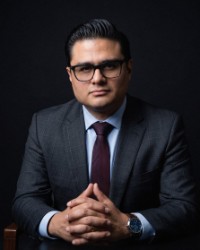
OCAMPO 1890 is a leading Mexican law firm specialising in financial law, with a particular focus on insurance, reinsurance, surety, regulatory matters, and complex disputes. With a legacy of more than 135 years, the firm combines deep technical expertise with a boutique approach centred on efficiency, strategic thinking, and direct client engagement. The firm advises and represents leading insurers, reinsurers, financial institutions, and major corporations in high-stakes matters across insurance, civil liability, litigation, arbitration, corporate transactions, regulatory compliance, AML, cyber risk, and constitutional relief. Its experience spans strategic industries including aviation, energy, oil and gas, maritime, healthcare, construction, technology, and manufacturing. OCAMPO 1890 has represented prominent organisations including Aeroméxico, Alitalia, Pemex, CFE, and leading international insurance groups. Its “Empowering Clients” philosophy promotes transparency, financial oversight, and clear communication, enabling clients to make informed decisions, manage risk effectively, and navigate complex legal challenges with confidence.
A Continually Evolving Landscape in Insurance Litigation: Reform, Increased Exposure, and Defending Before Trial
Introduction
Insurance litigation in Mexico is undergoing the most far-reaching structural reconfiguration of the past three decades. In last year’s section, the authors argued that insurance disputes had ceased to be an exercise in contractual interpretation and had become fundamental-rights litigation. Twelve months later, that statement is no longer sufficient: the substantive transformation has been joined by an institutional transformation of the very forum before which these disputes are heard.
Three forces are converging at once. The first is the judicial reform, which has replaced virtually the entire federal bench and altered the rules governing the formation of binding precedent. The second is a line of case law – now mandatory – that systematically expands insurers’ financial exposure in civil liability, moral damages and punitive damages. The third is economic: a market that has passed MXN1 trillion in written premiums and whose claims payments are growing faster than its income, in an environment where denial of payment is the single largest source of policyholder complaint.
The combined result is not merely an increase in litigation risk. It is a measurable loss of predictability, which is the essential input of any insurance operation: without the ability to estimate the severity of an award, underwriting, reserving and reinsurance placement all rest on fragile assumptions.
The judicial reform and the cost of discontinuity
The constitutional reform published in the Federal Official Gazette on 15 September 2024 rebuilt the entire architecture of the Federal Judiciary. The Supreme Court of Justice was reduced to nine justices, its Chambers were abolished, the Federal Judiciary Council was replaced by a Judicial Administration Body, and a Judicial Disciplinary Tribunal was created. The extraordinary election of 1 June 2025 – with turnout estimated by the National Electoral Institute at between 12.57% and 13.32% of the electoral roll – renewed 881 judicial posts, of which approximately 801 were effectively filled; the remainder were left vacant for failure to meet academic eligibility requirements. The newly composed court took office on 1 September 2025.
For the insurance litigator, the most immediate practical consequence is not political but evidential and strategic: virtually all of the district judges and circuit court judges who will hear direct amparo proceedings against judgments in claims against insurers are new to the bench. The institutional memory built up over decades by specialised circuits in interpreting the Insurance Contract Law (LCS) and the Insurance and Surety Institutions Law (LISF) does not transfer automatically.
To this must be added a technical change of considerable weight: binding precedent of the court sitting en banc is now formed with six votes, as against the eight required under the previous regime, and without Chambers operating as a filter and as a parallel source of case law. A lower threshold, in a body of nine members means greater speed in the creation of binding criteria and, correspondingly, greater volatility. A criterion adverse to the insurance sector can today be consolidated by a majority that would previously have been insufficient.
The official diagnosis of judicial operations confirms the scale of the adjustment. By General Agreement AG-POAJ-013/2026, published in the Federal Official Gazette on 12 August 2026, the Judicial Administration Body acknowledged 210,459 case files carrying some degree of backlog, equivalent to 62.70% of all integrated matters. In Circuit Courts – the terminal instance for direct amparo in commercial matters – the backlog reaches 66.30%, with 13.20% of matters delayed by more than 360 days. The Agreement itself orders circuit-by-circuit action programmes, redistribution of judicial staff and a review of productivity standards.
Finally, the constitutional reform published on 2 June 2026 postponed the second judicial election to 2028, originally scheduled for 2027, and introduced eligibility verification commissions, standardised assessment methodologies and a lottery mechanism to reduce the number of candidacies. The postponement reduces short-term disruption but prolongs the period of uncertainty as to the tenure of sitting judges.
The Amparo Law reconfigured
In parallel, the reform to the Amparo Law published on 16 October 2025 and in force from the following day altered three mechanisms that insurers habitually relied upon in their defence strategy.
The first is legitimate interest. Article 5(I) now requires that the challenged act cause a legal injury that is “real and differentiated from that of the rest of the population”. The standard excludes hypothetical or contingent harm and materially raises the cost of strategic litigation against regulatory acts and against judicial criteria of general reach.
The second is the stay. Article 128 now expressly incorporates the balancing of the appearance of good right against the social interest, and new grounds for denying interim relief were added. This must be read together with the constitutional supremacy reform published on 31 October 2024, which rendered amparo, constitutional controversy and actions of unconstitutionality inadmissible against amendments to the Constitution itself, and ordered pending matters to be dismissed as inadmissible.
The third is the transitional regime. The Third Transitional Article provides that concluded procedural stages are governed by the provisions in force when the proceeding began, while steps taken after the entry into force are subject to the new decree, “without this entailing retroactive application”. The formula is deliberately ambiguous and is already generating disputes: an amparo filed before 17 October 2025 may become subject to the new rules on interim relief in respect of subsequent procedural steps. The authors recommend that insurers with portfolios of pending amparo proceedings map this exposure on a case-by-case basis.
The aggregate effect is a substantial reduction in the insurer’s ability to obtain interim protection and to challenge, through extraordinary means, criteria it considers contrary to law. Defence is now concentrated, more than ever, on ordinary proceedings and on the quality of the file built from the moment of claims adjustment.
The consolidation of a pro-victim doctrine in civil liability
The line of case law with the greatest consequences for the sector does not derive from the judicial reform, but from a doctrinal construction begun more than a decade ago that reached its point of consolidation in 2025–2026.
The technical starting point is Amparo in Review 915/2019, decided by the First Chamber on 27 May 2020, in which Quálitas Compañía de Seguros was a petitioner. The Chamber held that “a compensation system based on the existence of caps, tariffs or maximum amounts prevents the quantification of compensation from addressing the specific characteristics of each case”, and declared Articles 494 and 495 of the Federal Labour Law unconstitutional insofar as they set maximum limits on civil compensation. Relief was granted to the victim and denied to the insurer.
That criterion was elevated to the full court in 2026. Sitting en banc on 3 February 2026, deciding the case of a child with congenital deafness to whom an insurer had denied cochlear implant cover, the court held by a majority of eight votes that compensation must be paid without statutory caps where integral reparation of harm is at stake; that moral damages arising from discriminatory acts are of indeterminate amount, even where a figure is proposed in the statement of claim; and that the judge must extend jurisdiction so as to hear jointly the claim for performance of the policy – commercial in nature – and the claim for moral damages – civil in nature. This last holding has considerable procedural effect: it removes the objection as to the appropriate procedural route that the sector regularly raised, and consolidates in a single proceeding claims that were previously fragmented.
In the same session, deciding Direct Amparos in Review 5225/2025 and 5506/2024, the court reiterated that the victim’s economic situation is irrelevant to the quantification of non-pecuniary moral damages and that taking their income into account is discriminatory. The criterion removes an argument historically used to moderate awards.
An important qualification should be noted. On 1 June 2026, deciding Direct Amparos in Review 7469/2024 and 4006/2025, the court held that provisions using the Unit of Measurement and Update or the minimum wage as a compensation benchmark are compatible with the Constitution provided they operate as guiding references and not as absolute limits. The distinction between a “guiding reference” and a “compensation ceiling” is today the central argumentative axis of the insurer’s quantum defence.
As a severity benchmark, it is worth recalling that Direct Amparo 30/2013 – the Mayan Palace case, decided on 26 February 2014 – resulted in an award of MXN30,259,200.00 (around USD1.8 million) and established the quantification parameters that still govern: the nature of the right infringed, the gravity of the harm, the degree of responsibility and the economic position of the party liable, with express recognition of the deterrent function of the award.
Moral and punitive damages as an ordinary insurer risk
The most significant development of the period is that moral and punitive damages have ceased to be an exceptional risk and have become an ordinary one, expressly tied to the insurer’s conduct in handling the claim.
Binding precedent 1a./J. 122/2025, published on 4 July 2025 and derived from Direct Amparo in Review 4306/2020, establishes that breach of an insurance contract in the face of a health condition may give rise to a presumption of moral damage, particularly where the insurer repeatedly and groundlessly refuses payment and additionally requires the insured to undergo unnecessary medical examinations despite already being aware of the exclusion it intends to invoke. The protected interest is the right to privacy and intimacy; under Article 1916 of the Federal Civil Code, moral damage is presumed where psychological integrity is impaired.
Binding precedent 1a./J. 123/2025, from the same precedent and publication date, goes further: it recognises that punitive damages lie for breach of an insurance contract connected to the rights to life, physical integrity or health, and specifies the triggers. They lie where the insurer acts in bad faith, “particularly if it failed to deliver the general conditions or if these were not registered with the National Insurance and Surety Commission”. The judge must assess the intensity of the gravity of the conduct and the degree of reproachability.
The operational consequence is direct and unavoidable: two failures of an essentially administrative nature – documented delivery of the general conditions, and prior registration of the technical note with the National Insurance and Surety Commission – have become triggers of uncapped non-contractual liability. The risk has migrated from the legal function to operations and compliance.
This vector is compounded by binding precedent 1a./J. 112/2025, under which the mere publication of policies or conditions on a website does not imply consumer consent: clear and timely access to the conditions at the time of contracting must be evidenced. For portfolios placed through digital and bancassurance channels, the applicable evidentiary standard is now materially higher than prevailing market practice has assumed.
The expanding perimeter of exposure
Four further developments widen the temporal, personal and quantitative perimeter of exposure.
Limitation
Deciding Direct Amparo in Review 4165/2022, the First Chamber disapplied the two-year limitation period of Article 81(II) of the LCS in respect of personal insurance, holding it irrational where bodily integrity is the interest at stake, and applied a five-year period. In Direct Amparo in Review 2128/2023, decided on 24 January 2024, it extended the same reasoning to civil liability policies where beneficiaries claim in respect of the death of a third party, identifying a “point of convergence” with life insurance. The effect on claims development and on reserves for incurred but not reported claims is evident: the exposure tail in the affected lines has more than doubled.
Third party’s direct action
By an isolated thesis published on 8 May 2026, deriving from Direct Amparo 450/2025, a Circuit Court in civil matters of the First Circuit held that the appropriate route for an injured third party to bring the direct action under Article 147 of the LCS is civil and not commercial, because the route is determined by the event giving rise to liability and not by the existence of the insurance contract. Being an isolated thesis it is not binding, but it foreshadows a conflict of criteria whose resolution merits monitoring: its generalisation would shift a significant volume of liability litigation to local civil courts.
Cover and sums insured
Binding precedent 1a./J. 242/2025, derived from Direct Amparo in Review 839/2023, holds that although insurers may establish differentiated cover, where harm is not fully covered according to the capacity in which the injured party is affected, the highest amount provided for in the policy must be applied. As a counterweight, binding precedent 1a./J. 241/2025, from the same precedent, confirms that the insurer, as a subsidiarily liable party, is bound only up to the limit of the sum insured, with the driver and the concession holder jointly liable for the excess. The reconciliation between the two is that the limit remains that of the policy, but within it the highest available cover must be selected.
Counterweights
Not every development is adverse. Regional Plenary case law published on 9 May 2025 confirmed that an insurer’s failure to exercise its right of avoidance for aggravation of risk within the statutory period does not constitute implied waiver, since tacit waiver depends on the insured having notified the aggravation in writing before the loss, under Articles 52, 53 and 58 of the LCS. It is a reminder that pro-victim doctrine has not displaced contractual discipline where the insurer’s file is properly built.
Article 276: default interest as an economic multiplier
No analysis of Mexican insurance litigation is complete without Article 276 of the LISF. The provision requires the unpaid obligation to be denominated in Investment Units and default interest to be paid at 1.25 times the cost of funding for liabilities denominated in such units, capitalised monthly and accruing daily. The creditor’s rights to such compensation are non-waivable, and failure to pay the default compensation itself is subject to a fine.
Section VII obliges judges and arbitrators to award default compensation where the principal claim succeeds. In binding precedent 1a./J. 5/2021, mandatory since October 2021, the First Chamber held that the judge must make the award even where default interest was not claimed as relief in the original complaint – a statutory exception to the principle of congruence, justified by its deterrent effect.
The result is a structural asymmetry of incentives. An inflation-indexed obligation, bearing monthly compounding interest and awarded ex officio, turns procedural time into an asset for the claimant and a growing liability for the insurer. When that arithmetic is combined with a 66.30% backlog in Circuit Courts, the duration of direct amparo ceases to be an administrative statistic and becomes a first-order financial variable. In practice, delay has become a legitimate procedural objective for claimants.
Rising litigation in an expanding market
The available data describe a market that is simultaneously growing and becoming more contentious.
According to publicly reported figures from the National Commission for the Protection and Defence of Users of Financial Services (CONDUSEF), 36,634 complaints were filed against insurance institutions between January and September 2025. After two years of decline, complaints in the first four months of 2026 rebounded by approximately 8% against the same period of the prior year, concentrated in motor and medical expenses. In the motor line, denial of payment accounts for roughly 34% of complaint causes, followed by repair time and payment time.
The economic context explains part of the phenomenon. According to the Mexican Association of Insurance Institutions, the sector exceeded MXN1 trillion in written premiums for the first time at the close of 2025, with real growth of approximately 8%. In the first half of 2026 direct premiums reached MXN558.94 billion, growing 5% year on year – below the historical range of 8% to 12% – while claims payments rose to MXN290.99 billion, with an increase close to 16% in accident and health. Penetration stood at 2.95% of gross domestic product, and the number of insureds under major medical expenses cover exceeded 14 million.
The reading is unambiguous: loss costs are growing faster than premiums, across a materially larger and better-informed insured population. To this must be added the consolidation of a segment of law firms whose business model consists specifically of litigating against insurers, with large-scale digital client acquisition. The authors have found no public evidence of third-party litigation funding directed specifically at the Mexican insurance sector – funds active in the country report concentration in construction, energy and investment arbitration – but the financial infrastructure exists, and the combination of uncapped moral damages awards with indexed default interest constitutes, in expected-return terms, a natural target. It is a trend the sector should anticipate before it materialises.
Conclusion: from procedural defence to documentary discipline
The underlying shift that characterises this period is that the Mexican insurer’s defence is no longer won principally at trial, but before it.
The criteria generating the greatest exposure today – punitive damages for failure to evidence delivery of the general conditions or their registration with the National Insurance and Surety Commission; presumed moral damage arising from repeated and groundless denial of payment; and the inapplicability of consent inferred from website publication – do not penalise the legal interpretation of the contract. They penalise documentary and conduct failures in underwriting and claims handling. They are, without exception, risks capable of being managed through internal control.
Five priorities follow for the sector in the short term. First, audit the traceability of delivery of general conditions across all channels, with particular attention to bancassurance and digital sales. Second, verify the timely registration of technical notes and contractual documentation with the regulator. Third, rigorously document the technical reasonableness and timing of every denial of payment, avoiding unnecessary medical or expert requirements where the ground for rejection is already settled. Fourth, recalibrate reserves and reinsurance programmes to incorporate the extension of the limitation period to five years in personal and liability lines, the absence of compensation caps and the indexed accrual under Article 276. Fifth, give serious consideration to early settlement in matters involving a moral damages component or established claimant vulnerability, where the arithmetic of default interest and the real duration of direct amparo mean that the passage of time destroys value.
The legal certainty the sector demands will not be restored by legislation in the short term. It will be built, case by case, through technically unimpeachable files and a claims function that understands that every decision to deny is today, potentially, the opening chapter of an award for moral damages.
OCAMPO 1890
Minerva 63, Int. B Col.
Crédito Constructor
Alc. Benito Juárez
C.P. 03940
México
CDMX
+52 55 5339 5050
contacto@ocampo.law ocampo.law/
Law and Practice
Authors
De la Garza & Acosta Abogados, S.C. is a leading Mexican law firm with a distinguished track record in high-stakes insurance litigation and complex dispute resolution. The firm represents major domestic and international insurers and reinsurers in contentious matters involving policy coverage disputes, reinsurance claims, civil liability, punitive damages, and non-material damage compensation. Its team combines deep sector knowledge with extensive experience in civil, commercial, and constitutional litigation, as well as arbitration and bankruptcy proceedings. Renowned for its strategic approach and technical precision, the firm regularly advises the financial sector on high-profile and precedent-setting cases before Mexican courts and arbitral tribunals.
Trends and Developments
Authors
OCAMPO 1890 is a leading Mexican law firm specialising in financial law, with a particular focus on insurance, reinsurance, surety, regulatory matters, and complex disputes. With a legacy of more than 135 years, the firm combines deep technical expertise with a boutique approach centred on efficiency, strategic thinking, and direct client engagement. The firm advises and represents leading insurers, reinsurers, financial institutions, and major corporations in high-stakes matters across insurance, civil liability, litigation, arbitration, corporate transactions, regulatory compliance, AML, cyber risk, and constitutional relief. Its experience spans strategic industries including aviation, energy, oil and gas, maritime, healthcare, construction, technology, and manufacturing. OCAMPO 1890 has represented prominent organisations including Aeroméxico, Alitalia, Pemex, CFE, and leading international insurance groups. Its “Empowering Clients” philosophy promotes transparency, financial oversight, and clear communication, enabling clients to make informed decisions, manage risk effectively, and navigate complex legal challenges with confidence.
