Private Equity 2026
USA – California
Trends and Developments
Authors

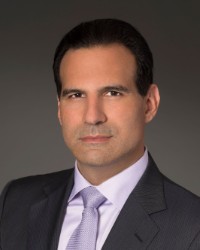


Sidley Austin LLP is a global law firm with 2,300 lawyers in 21 offices situated in key commercial and financial hubs globally. The firm has represented clients in more than 70 countries on complex transactional, investigation, regulatory and litigation matters. The firm’s lawyers and business professionals, fluent in more than 75 languages, possess the cultural awareness and cross-border legal acumen needed to bring clarity to a dynamic business landscape. Sidley has an extensive private equity practice with lawyers around the world principally focused on advising its private equity clients. The firm’s private equity lawyers possess deep experience across the broad spectrum of private equity transactions, from multibillion-dollar leveraged buyouts (LBOs) to growth equity investments in premium middle markets companies.
Introduction
Private equity (PE) continues to play a pivotal role in shaping the American financial landscape, fostering innovation, growth and transformation across various industries. As the PE sector in the US has evolved, so has its legal framework, shaped by regulatory changes, market dynamics and emerging trends. The outcome of the 2024 US presidential election has continued to influence the PE landscape throughout 2025 and into 2026, shaping the sector’s legal and operational environment. California is experiencing these same national M&A and PE trends, with Northern California’s concentration in artificial intelligence and technology transactions and Southern California’s focus on media and entertainment transactions providing a distinctive regional lens that informs deal dynamics, regulatory exposure and competition throughout the discussion that follows.
Additionally, the effects of ongoing and emerging geopolitical conflicts – including those in Iran and Ukraine – have introduced new layers of complexity and risk, prompting PE sponsors to adapt their strategies. This chapter discusses the latest legal trends and developments in US PE, with particular attention to California’s sectoral dynamics, providing an overview for PE sponsors, investors, issuers, sellers and legal practitioners.
Market Dynamics and Deal Activity
Tariffs, trade, wars and supply chain disruptions
Tariffs and the Iran and Ukraine wars continue to cause instability, unpredictability and worries about longer conflicts and more protectionism. The current administration has imposed substantial tariffs, many of which have been postponed or renegotiated as the US seeks improved trade terms with various countries, while engaging in ongoing conflict in Iran. PE-backed companies in manufacturing, technology and consumer goods sectors are feeling the impact through higher input costs and shrinking margins, necessitating operational adjustments such as reshoring, diversifying supply chains and cost-saving measures. Despite the wave of tariffs, President Trump has also been cutting deals with countries such as Canada and Mexico, signalling a parallel trend of negotiated adjustments alongside the protectionist measures. These factors require PE sponsors to adopt more robust due diligence, scenario planning and risk mitigation as they navigate a complex and unpredictable environment.
Increased cost of debt financing
In 2025 and to date in 2026, debt financing costs have modestly declined but remain high compared to recent norms due to monetary policy and economic conditions. Higher interest rates and tighter lending standards increased the expense of leverage for PE sponsors early in 2025, impacting deal-making, but towards the end of 2025 financing conditions improved and deal-making started to recover until the commencement of the Iran war earlier in 2026. Elevated debt costs affect investment returns and require PE sponsors to consider alternative financing or seek higher-growth opportunities. Notably, the expansion of private credit reflects a broader structural shift away from syndicated markets, as PE sponsors increasingly turn to direct lending – including to other PE portfolio companies – to capture opportunities where traditional banks are constrained by regulatory and balance-sheet limitations.
Increased competition
The PE market continues to witness intense competition, particularly at the top of the market, where capital concentration among the largest managers drives aggressive deal-making and compressed timelines. This “barbell” dynamic – with fierce competition at the top end and continued fundraising pressure on mid-sized managers – has reshaped the competitive landscape. The influx of new market entrants, including family offices and sovereign wealth funds, has further intensified competition. While improving financing conditions and stronger deal momentum signal a potential increase in M&A activity, PE sponsors will continuously need to differentiate themselves to attract investors and obtain outsized returns.
Many PE sponsors are increasingly focusing on value creation strategies post-acquisition, such as operational improvements and strategic add-ons. Others have shifted to adding value by providing specialised knowledge, quicker deal execution and active operational support. PE sponsors are also focusing on late-stage growth equity and structured preferred investments as an asset class to broaden their investment scope.
Secondary market growth
The secondary market for PE interests continues to grow substantially, driven by the need for liquidity, portfolio reallocation and rebalancing. There is a growing trend towards the use of continuation funds, which allows PE sponsors to extend their investment horizons and provide liquidity to existing investors. The legal landscape for secondary transactions is evolving, with a focus on disclosure, valuation and transfer restrictions. Secondary market transactions offer flexibility for limited partners (LPs) seeking to exit investments before the end of the fund’s life cycle amid slower distributions and the resulting pressure on distributions to paid-in capital (DPI), which has become a central concern for LPs evaluating sponsor performance.
Continuation vehicles
In parallel, continuation vehicles (CVs), often structured within the secondaries market, have gained momentum as an increasingly important tool for PE sponsors. Lack of traditional exit opportunities, even for high-performing portfolio companies, has led PE sponsors to turn to CVs to extend hold periods and crystallise returns for existing investors. The growth of CVs is directly linked to the muted exit environment and persistent DPI pressure – as distributions slow, sponsors are using GP-led processes to provide liquidity while retaining exposure to strong assets. The use of CVs is expected to continue expanding as the M&A market remains uneven and distributions slow.
Special Purpose Acquisition Companies (SPACs)
Following the 2020–21 popularity, SPACs underwent a decline as a force in the PE market. The Securities and Exchange Commission increased scrutiny of SPACs, focusing on disclosure practices, conflicts of interest and due diligence, which decreased the volume of SPACs as well as PE sponsors’ interest in SPAC transactions. As of 2026, SPACs have seen a selective re-emergence, driven by specialised PE sponsors pursuing smaller, more conservatively valued transactions rather than a broad resurgence. While their popularity has not approached 2020–21 heights, 2025 and 2026 have seen a material increase in SPAC IPO filings on US stock exchanges compared to 2023–24, with PE sponsors prioritising profitability over growth in a more measured return to the SPAC market.
Inflation
Over the past several years, PE sponsors have faced significant challenges as persistent inflation led to higher interest rates for a longer period, ending a long period of cheap borrowing and making it harder to finance deals. Inflation further increased costs and created uncertainty about company earnings, particularly for assets acquired at elevated valuations during the post-pandemic period. PE sponsors continue to seek clarity as they navigate ongoing uncertainty around inflation and interest rates, which continue to send mixed signals, including due to the recent rise in oil prices after the commencement of the Iran war.
Volatility
Volatility remains a defining feature of the current PE environment. While tariffs, inflation, interest rate policy and geopolitical events each contribute to market uncertainty, some aspects have stabilised or improved enough for PE sponsors to engage in new transactions. PE sponsors and corporate sellers are gradually becoming more confident in deal-making even with ongoing geopolitical and macro-economic risks.
Shifts in fundraising environment
The PE fundraising market has seen continued challenges, with fundraising activity remaining muted compared to pre-pandemic levels. US PE fundraising in 2025 declined approximately 22% year-over-year, making it the weakest fundraising year since 2020, with funds closing at an average 19% discount to their targets. Capital has concentrated among the largest and most established managers, while mid-sized PE funds struggled to secure commitments. Despite the fundraising challenges, dry powder reached approximately USD1.1 trillion.
Regulatory Environment
Securities and Exchange Commission (SEC) oversight and enforcement
The SEC has maintained its scrutiny of PE sponsors, but rollbacks to SEC regulations have continued under the current administration. Recent SEC enforcement actions against PE sponsors have focused on fee disclosures, conflicts of interest and valuation practices. The SEC has continued to clarify and scale back regulations, including cryptocurrency regulation. PE sponsors must navigate this evolving regulatory landscape to ensure compliance and maximise reputation and investor returns.
Antitrust scrutiny
The regulatory environment for PE is being shaped by antitrust scrutiny. The current administration’s antitrust agencies are not expected to be as aggressive as the previous administration in scrutinising PE sponsors and blocking business combinations, but President Trump has indicated he intends to target large technology companies. US antitrust regulators are also continuing the prior administration’s pending lawsuit in the US District Court for the Southern District of New York against KKR & Co Inc (KKR), alleging KKR violated initial disclosure requirements in antitrust filings under the Hart-Scott-Rodino Antitrust Improvement Act (the “HSR Act”), with the DOJ seeking over USD650 million in civil penalties.
Antitrust scrutiny will continue to be relevant for PE sponsors using roll-up strategies to consolidate smaller companies. Federal, state and foreign antitrust agencies are increasingly concerned that roll-ups may create monopolies or harm consumers. There is also a trend for states to implement their own merger filing requirements (eg, New York, Colorado, Washington, etc), adding complexity to multi-jurisdictional transactions, including technology roll-ups common in California. PE sponsors need to thoroughly evaluate antitrust risks during due diligence and deal documentation and should expect longer review times and potential divestitures or other remedies. The DOJ’s challenge to Hewlett Packard Enterprise’s (HPE) USD14 billion acquisition of Juniper Networks – resolved only after HPE agreed to divest assets and license core software – highlights the continued regulatory focus on consolidation in the technology sector, a dynamic particularly relevant for California-based sponsors and targets. PE sponsors pursuing transactions in concentrated industries should be particularly mindful of antitrust risk and ensure compliance with filing requirements.
Anti-Money Laundering (AML) and Know Your Customer (KYC) requirements
PE sponsors are increasingly subject to stringent AML and KYC regulations. The Anti-Money Laundering Act of 2020 expanded the US regulatory framework, requiring PE sponsors to implement robust compliance programmes, including comprehensive customer due diligence and ongoing monitoring for illicit activity detection and prevention. The Corporate Transparency Act’s (CTA’s) beneficial ownership reporting regime has narrowed materially. Under FinCEN’s March 2025 interim final rule, entities created in the United States and their beneficial owners are exempt from BOI reporting. Certain foreign entities that qualify as “reporting companies” and do not fall within an exemption remain subject to BOI reporting obligations. PE sponsors should therefore avoid describing CTA compliance as a broad-based ongoing requirement for domestic portfolio companies and instead assess whether any foreign reporting entities in the structure remain in scope.
Committee on Foreign Investment in the US (CFIUS)
CFIUS plays a critical role in the regulatory landscape for PE, particularly concerning national security. The current administration’s America First Investment Policy, and recent amendments to CFIUS regulations, have expanded transactions subject to review, including certain non-controlling investments in critical technology, infrastructure and data companies. PE sponsors involved in cross-border transactions – particularly those targeting California’s AI, semiconductor and data infrastructure sectors – must conduct thorough national security assessments during due diligence. CFIUS has broad authority to request detailed information from firms, including confidential details about LPs. Compliance with CFIUS and foreign direct investment requirements is complex, necessitating experienced legal counsel to navigate the process.
If CFIUS determines that a foreign investor poses a national security risk, it can mitigate or block the investment, even if the foreign investor only gains an indirect interest in a US business. Many PE sponsors continue to approach cross-border transactions cautiously as US foreign investment policy evolves and scrutiny remains heightened for certain countries, sectors and deal structures, contributing to delays in CFIUS approvals and extended review periods.
Changes in Delaware law
In early 2024, the Delaware Court of Chancery held provisions of a stockholder agreement that included a stockholder pre-approval requirement for certain company board actions and imposed other obligations and restrictions on the board were invalid and unenforceable. In response, the Delaware legislature passed (and the Delaware governor signed into law) an amendment to the Delaware corporate law overturning the ruling and permitting stockholder agreements if the agreement does not violate the company’s charter and would not violate Delaware law if included in the charter.
In 2025, Delaware enacted reforms to its General Corporation Law, simplifying the rules for transactions involving directors, officers and controlling stockholders, while restricting shareholders’ access to corporate records. These changes extend “safe harbour” protections to transactions with controlling stockholders with special committee and disinterested stockholder approval, and clarify related definitions for “disinterested” parties and “controlling stockholder”. The reforms narrow the scope of documents shareholders can access, raise the standard for requesting records, and allow corporations to limit records’ use.
Legal Trends
M&A deal terms
In the current market, M&A deal terms are evolving amid increased competition and regulatory scrutiny. Some PE sponsors are “jumping” auctions by submitting early bids with short confirmatory due diligence, while larger PE sponsors are demonstrating speed by reaching signing within days. Larger PE sponsors, who can offer “full-equity backstop” commitment letters that allow targets to compel payment of the entire purchase price once closing conditions are met, have an edge in auctions over smaller PE sponsors, who cannot offer such terms due to fund concentration limits. In private M&A transactions, there has been a steady increase in earn-outs, where a portion of the purchase price is contingent on the future performance of the acquired business, to help bridge valuation gaps between buyers and sellers and align interests.
Representations and warranties insurance (RWI) has become a standard tool in private M&A transactions, with coverage breadth and pricing terms continuing to evolve in response to claims experience and risk profiles. RWI policies cover potential liabilities, facilitating smoother negotiations and reducing the need for extensive indemnity provisions. While RWI is now widely adopted, PE sponsors should remain attentive to nuances in policy terms, exclusions and pricing as the market matures.
Alternate deal structures
In 2026, PE sponsors continue to adopt innovative deal structures to navigate market complexities and enhance returns. Frequent strategies include earn-outs and contingent payments, linking part of the purchase price to future performance, and minority investments with negotiated control rights, allowing influence without majority ownership. Structured equity, combining debt and equity features, offers flexibility and risk mitigation, while joint ventures and strategic partnerships provide additional capital and expertise. Co-investment opportunities for LPs have also become more popular, allowing LPs to invest alongside the main fund, often with reduced fees and improved terms. PE sponsors increasingly use these arrangements to secure appealing investments and boost returns.
Regulatory-driven changes to fund terms
The private fund fee disclosure rule was a final rule package requiring PE sponsors to provide detailed, standardised disclosures about fees and expenses to investors. It aimed to address concerns about opaque fee structures and conflicts of interest in private funds. The rule was vacated after industry pushback, with arguments it was overly burdensome, costly and could stifle innovation. Its elimination, like the narrowing of the CTA, reflects a regulatory environment where new compliance requirements have been reconsidered or rolled back due to industry concerns. For PE sponsors, this has reduced immediate compliance and reporting obligations, though sponsors should continue to expect SEC attention to core fiduciary and disclosure obligations.
Emerging Issues
Digital transformation and cybersecurity
The digital transformation of PE operations is accelerating, with PE sponsors using technology to improve deal sourcing, due diligence and portfolio management. However, this shift increases cybersecurity risks, particularly for California-based sponsors operating in technology-centric ecosystems where the sensitivity of financial and portfolio data is acute. PE sponsors are attractive targets for cyber-attacks due to their sensitive financial data, making breaches highly damaging to finances and reputation. Legal considerations include data protection, incident response, and compliance with evolving cybersecurity regulations. Regular cybersecurity assessments, vulnerability testing and employee training help mitigate risks and ensure regulatory compliance.
Artificial intelligence (AI)
AI is increasingly integrated into PE operations, offering new opportunities for efficiency and value-creation. AI enhances deal sourcing by analysing data to identify potential investment targets and trends, and improves due diligence by providing deeper insights into a target company’s financial health, operations and market positioning. AI also helps PE sponsors optimise internal processes, boost profitability and reduce risk. However, AI raises legal considerations, including data privacy, algorithmic bias and compliance with evolving regulations.
DEI rollback
Diversity, equity and inclusion (DEI) have been important for PE sponsors, with pressure from investors, regulators and stakeholders. In 2025 and into 2026, PE sponsors have continued rolling back DEI commitments due to shifting political climates, including the current administration targeting DEI policies, economic headwinds, and increased scrutiny over the effectiveness and costs of such programmes. As PE sponsors recalibrate priorities, the rollback of DEI is set to reshape the industry’s approach to talent management, deal sourcing and value creation.
Potential expansion of 401(k)s
A notable regulatory development is the US Department of Labor’s recent proposed rule addressing the inclusion of private market investments, including private equity, within defined contribution retirement plans such as 401(k)s. The proposal builds on prior guidance permitting limited exposure to private equity through diversified investment options and seeks to provide additional clarity around how plan fiduciaries may evaluate such allocations consistent with their obligations under the Employee Retirement Income Security Act (ERISA).
The proposed rule does not mandate direct participant investment in private equity. Instead, it focuses on facilitating exposure through professionally managed, diversified vehicles – such as target-date funds or multi-asset products – where private equity represents only a portion of the overall portfolio.
For private equity sponsors, the potential expansion of defined contribution plan access represents a significant long-term opportunity given the scale of US retirement assets. However, it also introduces heightened scrutiny around product design, disclosures and operational infrastructure. While the rule remains in proposed form and its ultimate scope and timing are uncertain, sponsors and asset managers are actively evaluating structures that could accommodate retirement-plan capital.
Cross-border transactions
Cross-border PE transactions have grown in recent years but new sanctions, tariffs and regulatory barriers, often enacted with little notice, have made them more challenging. Navigating these challenges demands a deep understanding of shifting international regulations, complex tax structures, and the impact of trade restrictions on deal value and execution. Effective management depends on real-time due diligence, robust risk mitigation, and collaboration with local advisers and legal counsel to ensure success in an unpredictable global landscape.
Best Practices for Legal Compliance
Robust compliance programmes
PE sponsors must implement robust compliance programmes, including targeted, role-specific training updated for regulatory changes. Clear, written compliance policies and procedures should be established and regularly reviewed for relevance and effectiveness. Modern frameworks should leverage technology such as AI-driven monitoring and automated reporting to address issues in real time. Regularly updating policies, conducting audits and fostering a compliance culture are essential components of a robust compliance framework.
Scenario planning
In today’s volatile global environment, PE sponsors must prioritise scenario planning and crisis management to navigate political, economic and regulatory shocks. This requires comprehensive risk assessment frameworks to identify vulnerabilities across portfolio companies and investment strategies. PE sponsors should regularly conduct scenario analyses and stress-test portfolios against adverse events, using real-time data and predictive analytics to anticipate threats. Transparency and timely communication with investors and stakeholders are critical during periods of uncertainty.
In Conclusion
The US PE landscape is dynamic, shaped by regulatory changes, market forces and new trends. PE sponsors, investors, issuers, sellers and legal practitioners must stay informed and address legal challenges proactively. Robust compliance, engagement with regulators, transparency and regular communication with legal counsel are key to navigating the complex legal environment and achieving sustainable growth. PE sponsors should embrace digital transformation, adapt to changing geopolitical and economic conditions, and prioritise value creation across portfolio companies to manage uncertainty and seize opportunities. Adaptable, informed and responsive PE sponsors will be best positioned for sustainable growth and long-term success. As the PE sector continues to evolve in the US – and in California in particular – staying ahead of legal trends and developments will be crucial for success.
Sidley Austin LLP
101 California Street
Suite 3500
San Francisco
CA 94111
USA
+1 415 772 1220
+1 415 772 7400
vsekhon@sidley.com www.sidley.com
Trends and Developments
Authors
Sidley Austin LLP is a global law firm with 2,300 lawyers in 21 offices situated in key commercial and financial hubs globally. The firm has represented clients in more than 70 countries on complex transactional, investigation, regulatory and litigation matters. The firm’s lawyers and business professionals, fluent in more than 75 languages, possess the cultural awareness and cross-border legal acumen needed to bring clarity to a dynamic business landscape. Sidley has an extensive private equity practice with lawyers around the world principally focused on advising its private equity clients. The firm’s private equity lawyers possess deep experience across the broad spectrum of private equity transactions, from multibillion-dollar leveraged buyouts (LBOs) to growth equity investments in premium middle markets companies.
