Private Wealth 2026
South Korea
Authors
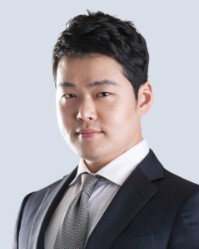

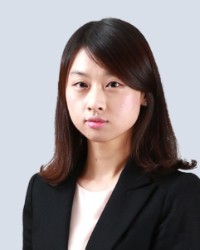
Barun Law LLC is a leading Korean law firm with more than 350 Korean and foreign-qualified lawyers, former government officials, and industry professionals. Founded in 1998, the firm provides seamless, multidisciplinary legal services through close collaboration. Its Estate Planning Center (EPC), the first dedicated estate planning centre established by a Korean law firm, offers one-stop services covering wealth succession planning, trusts, taxation, and dispute resolution. Comprising approximately 50 specialists in inheritance, trusts, taxation, real estate, and finance, the EPC advises high net worth individuals, families and business owners on complex private wealth matters. The team has represented leading family-owned conglomerates, founders of major start-ups, and privately held companies in succession planning and inheritance disputes. Through its international network, including capabilities in Singapore and the United States, Barun also provides comprehensive cross-border private wealth and succession planning solutions.
1. Tax
1.1 Tax Regimes
The Republic of Korea operates a comprehensive tax system centred on income tax, corporate income tax, inheritance tax and gift tax. Under the Income Tax Act, tax residents are subject to Korean income tax on their worldwide income, while non-residents are taxed only on Korean-source income. In addition, various national taxes (particularly capital gains tax) and local taxes may apply to the holding or transfer of assets, including real estate, shares, business assets, and goodwill transferred with a business.
Among taxes relating to wealth succession, inheritance tax and gift tax are the most significant. Korea adopts an estate tax system under which the decedent’s estate is taxed at progressive rates. Inheritance tax is levied on the estate, whereas gift tax applies to property acquired by gift. Both taxes are subject to the same five-tier progressive rates, with a maximum rate of 50%:
- 10% up to KRW100 million;
- 20% over KRW100 million to KRW500 million;
- 30% over KRW500 million to KRW1 billion;
- 40% over KRW1 billion to KRW3 billion; and
- 50% over KRW3 billion.
Accordingly, inheritance and gift taxes are key considerations for high net worth individuals and family businesses in succession planning.
Korea’s gift tax regime applies not only to direct transfers of property but also to gratuitous transfers of economic benefits. Accordingly, acquisitions below market value, transfers above market value, debt forgiveness, rent-free use of real estate, mergers, capital increases and reductions, in-kind contributions, stock conversions through convertible bonds or similar instruments, excessive dividends, stock listings, and interest-free loans may, in certain circumstances, be subject to gift tax.
A grandparent may transfer property directly to a grandchild, bypassing the intermediate generation. To prevent avoidance of inheritance tax that would otherwise arise through two successive transfers, Korea imposes a generation-skipping surcharge. Where the heir or legatee is a lineal descendant other than the decedent’s child, an additional tax equal to 30% of the inheritance tax attributable to that property is imposed. The surcharge increases to 40% if the heir is both a minor and inherits property exceeding KRW2 billion.
Trust taxation is generally governed by the substance-over-form principle under the Framework Act on National Taxes, while the attribution of trust income is determined under the Income Tax Act and the Corporate Income Tax Act. As a general rule, trust income is attributed to the beneficiary. However, where the settlor substantially controls the trust property and the statutory requirements are met, the income may instead be attributed to the settlor. The same principle generally applies for corporate income tax. Where the beneficiary is unidentified or absent, or the settlor substantially controls the trust property, the settlor may be liable for corporate income tax. Certain trusts meeting the requirements of the Corporate Income Tax Act, including purpose trusts, beneficiary certificate issuance trusts, and limited liability trusts, are treated as separate domestic corporations for each trust property, in which case the trustee may become liable for corporate income tax.
In recent years, reform of Korea’s inheritance tax system has been actively discussed in response to population ageing and growing demand for business succession. In particular, proposals have been made to replace the current estate tax system with an inheritance acquisition tax system, under which tax would be based on the amount received by each beneficiary rather than the decedent’s total estate. If adopted, the reform is expected to significantly affect Korea’s wealth succession and inheritance tax regime.
1.2 Exemptions
For inheritance tax purposes, if the decedent is a Korean resident, all worldwide inherited property is subject to Korean inheritance tax. If the decedent is a non-resident, only property located in Korea is taxable. Korea’s inheritance tax system provides various deductions.
A basic deduction of KRW200 million is available regardless of the decedent’s residency.
Where the decedent is a Korean resident, both the spousal inheritance deduction and the lump-sum deduction are available. The spousal inheritance deduction is intended to protect the surviving spouse’s financial security and property rights. Based on the amount actually inherited, a deduction of between KRW500 million and KRW3 billion is available, making it one of the most important inheritance tax planning tools. Although the decedent must have been a Korean resident, the surviving spouse need not be. The lump-sum deduction reduces disparities arising from differences in family composition. Heirs may deduct the greater of (i) the aggregate of the basic deduction and other personal deductions or (ii) KRW500 million.
Additional deductions, including the financial asset inheritance deduction and the family business or farming business succession deduction, are also available where the decedent is a Korean resident. In particular, the family business succession deduction, intended to facilitate the succession of SMEs and mid-sized enterprises, allows a deduction of up to KRW60 billion for qualifying business assets.
For gift tax purposes, if the donee is a Korean resident, all gifted property worldwide is subject to Korean gift tax. If the donee is a non-resident, only property located in Korea is taxable.
Where the donee is a Korean resident, the following deductions apply:
- KRW600 million for gifts from a spouse;
- KRW50 million for gifts from a lineal ascendant;
- KRW50 million for gifts from a lineal descendant; and
- KRW10 million for gifts from relatives within the fourth degree of consanguinity or the third degree of affinity, other than lineal ascendants or descendants.
These deductions apply on a cumulative basis over a ten-year period. Accordingly, high net worth individuals often structure the timing and amount of gifts as part of long-term succession planning.
In addition, living, educational and medical expenses provided to dependants may be excluded from gift tax if they are reasonable under generally accepted social standards and are actually used for their intended purpose. Mere transfers of funds may instead be treated as taxable gifts.
Under a recent amendment, an additional deduction of up to KRW100 million is available where a Korean resident receives a gift from a lineal ascendant within two years before or after marriage registration, or within two years of the birth or adoption of a child.
1.3 Income Tax Planning
Tax planning in the Republic of Korea extends beyond taking advantage of differences in tax rates. It generally involves determining how assets should be held, managed, disposed of, and transferred to the next generation. High net worth individuals typically adopt a long-term approach, considering multiple taxes in relation to real estate, unlisted shares, financial investments and family-owned businesses.
For capital gains tax, there are three principal tax planning strategies. First, taxpayers seek to minimise the tax base by maximising recognised acquisition costs and deductible expenses. Comprehensive documentation, including purchase agreements, receipts, tax invoices, evidence of capital expenditures, and brokerage fee records, is therefore essential. Second, related-party transactions require careful planning because issues such as the denial of tax benefits under the unfair transaction adjustment rules, substitution of fair market value, and deemed transaction rules may apply. Third, asset disposals should be co-ordinated with inheritance or gifting while avoiding factors that could be regarded as tax avoidance and ensuring a genuine commercial purpose supported by appropriate documentation.
For inherited or gifted assets, the acquisition cost for capital gains tax purposes is generally the fair market value determined under the Inheritance and Gift Tax Act as of the date of inheritance or gift. Accordingly, where such assets are subsequently sold, the acquisition cost is effectively stepped up to that fair market value.
However, a carryover basis rule may apply where assets gifted between certain related parties, such as spouses or lineal ascendants and descendants, are disposed of within the prescribed period. If a Korean resident disposes of real estate or certain other gifted assets within ten years after receiving them from a spouse (including a former spouse where the marriage ended other than by death) or a lineal ascendant or descendant (unless the relationship ended by death), the donor’s acquisition cost, rather than the donee’s, is generally used to calculate the capital gain. Where this rule applies, gift tax paid by the donee may be deducted, up to the amount of the capital gain.
Although exceptions exist, including where the one-household, one-home capital gains tax exemption applies, the anti-avoidance rules may still operate. In particular, if application of the carryover basis rule enables the donee to qualify for the exemption, the tax authorities may invoke the unfair transaction adjustment provisions.
In addition, where property is gifted to a related party and the donee transfers it to a third party within a prescribed period, reducing the overall tax burden, the transaction may be treated as a direct disposal by the donor. Likewise, transfers between related parties at below-market value or acquisitions at above-market value may be adjusted to fair market value for tax purposes. Accordingly, family transactions, including those involving family-controlled companies, should be supported by documentation establishing both the fair market value of the property and the commercial purpose of the transaction.
1.4 Pre-Immigration and Exit Planning
Once an individual becomes a Korean tax resident, they are subject to Korean income tax on their worldwide income, including income from overseas assets and foreign investments. They may also become subject to reporting obligations for overseas assets, including foreign financial account reporting. Accordingly, it is advisable to review asset holding structures and related tax implications before establishing Korean tax residency. Where possible, succession of overseas assets should also be completed before residency is established.
By contrast, non-residents are taxed only on Korean-source income. However, where a Korean tax resident emigrates, the Korean exit tax regime may apply. Under this regime, a resident who is a major shareholder and emigrates is deemed to have realised capital gains on certain Korean shares and similar assets held at the time of departure and must report and pay the corresponding capital gains tax. Business founders, family business shareholders and high net worth individuals should therefore review their shareholding structures and succession plans carefully before relocating abroad.
1.5 Taxation of Real Estate Owned by Non-Residents and Non-Citizens
Real property located in Korea is generally subject to Korean taxation regardless of the owner’s nationality or residence. Accordingly, non-residents and foreign nationals acquiring Korean real estate may be subject to acquisition tax, property tax (and, where applicable, the Comprehensive Real Estate Holding Tax), income tax on rental income, and capital gains tax on disposal. Korean inheritance tax or gift tax may also apply to transfers by inheritance or gift.
Korean real estate may be held directly or indirectly through a Korean or foreign corporation. Under direct ownership, rental income and capital gains are taxed to the individual owner. Where the property is held through a corporation, corporate income tax applies at the corporate level, with additional taxation potentially arising upon distributions to shareholders.
The choice between direct and corporate ownership generally depends on the intended use of the property, the investment period, the size of the investment, and succession planning objectives. Given that Korea applies the substance-over-form principle, artificial ownership structures established primarily for tax avoidance may be disregarded, and the intended tax benefits denied.
1.6 Stability of Tax Laws
Korea’s tax system is generally stable and predictable. Major tax reforms are typically introduced through the government’s annual tax reform proposals and take effect only after legislative notice and approval by the National Assembly. Taxpayers can therefore generally anticipate significant legislative changes in advance.
Inheritance tax, business succession and real estate taxation have been the focus of recent legislative reform. In particular, the government has been considering replacing the current estate tax system with an inheritance acquisition tax system, under which tax would be based on the property received by each heir. If adopted, the reform could significantly affect tax liabilities depending on the number of heirs, the distribution of inherited assets, and the succession structure. High net worth individuals and family-owned businesses should therefore monitor these developments closely.
Business succession reforms have likewise focused on the family business inheritance deduction and other support measures. While some advocate reducing the tax burden to promote long-term business continuity and competitiveness, others favour preserving or strengthening the tax base in light of fiscal demands and tax equity.
Real estate taxation has also undergone frequent changes, particularly to the Comprehensive Real Estate Holding Tax, property tax, and capital gains tax applicable to owners of multiple residential properties. Further reforms are likely as housing market conditions and fiscal policy continue to evolve.
1.7 Transparency and Increased Global Reporting
The Republic of Korea operates a range of reporting and international information exchange systems to combat tax avoidance and offshore tax evasion. In addition, under the substance-over-form principle in the Framework Act on National Taxes, taxation is based on the economic substance rather than the legal form of a transaction.
Korea has adopted the OECD Common Reporting Standard (CRS), under which financial account information is automatically exchanged among participating jurisdictions. It also implements the Foreign Account Tax Compliance Act (FATCA) under an intergovernmental agreement with the United States. Accordingly, Korean financial institutions must collect and report information relating to certain foreign taxpayers, while information on overseas financial accounts held by Korean residents may be exchanged with the Korean tax authorities through these mechanisms.
Korean residents holding overseas financial accounts above the statutory threshold are also subject to foreign financial account reporting obligations, and additional reporting requirements may apply to interests in foreign corporations. Compliance with these rules is therefore an important consideration in cross-border asset management and succession planning.
Although Korea does not maintain a public beneficial ownership register, financial institutions and other reporting entities must conduct customer due diligence under anti-money laundering laws and may verify the ultimate beneficial ownership or control of assets where necessary.
Overall, Korea actively participates in international tax transparency initiatives while protecting taxpayer and financial information under applicable laws. It therefore seeks to balance effective tax enforcement with the protection of personal privacy.
2. Succession
2.1 Cultural Considerations in Succession Planning
Traditionally, Korean families have sought to preserve family wealth, including business ownership and control, across generations while retaining parental ownership of assets until death. In recent years, however, rising asset values combined with largely unchanged inheritance tax brackets have significantly increased the tax burden on wealth transfers. As a result, more families are implementing succession plans during the parents’ lifetime.
Korea also has a forced heirship system (the reserved portion (yuryubun)) that guarantees each statutory heir a minimum share of the estate (see 2.3 Forced Heirship Laws). Accordingly, even where a parent intends to leave the entire estate to a single heir, the other statutory heirs may still claim their reserved portions. Succession planning must therefore take into account both inheritance tax and the potential impact of the reserved portion rules.
2.2 International Planning
In cross-border successions, Korean conflict-of-laws rules generally apply the law of the decedent’s nationality at the time of death. Accordingly, where the decedent is a Korean national, succession issues are governed by Korean law regardless of the heirs’ nationality, and the Korean reserved portion rules may apply. In some cases, however, the succession may instead be governed by the law of the situs of the real property or the decedent’s habitual residence, avoiding the application of Korean law.
By contrast, Korean inheritance tax is determined primarily by the decedent’s tax residency and the location of the inherited property, rather than the nationality of the decedent or the heirs. The decedent’s tax residency is therefore often the key consideration in cross-border succession planning.
If the decedent is a Korean tax resident, inheritance tax may apply to worldwide assets; if the decedent is a non-resident, Korean inheritance tax may still apply to assets located in Korea. Advance planning is therefore essential, including reviewing the decedent’s residency status and the location of assets. Where the decedent qualifies as a Korean resident, various deductions, including the basic deduction, spousal deduction, personal deductions, and, where applicable, the family business succession deduction, may be available. Accordingly, where overseas assets are limited, satisfying the Korean tax residency requirements may in some cases be advantageous.
2.3 Forced Heirship Laws
Korea has a statutory reserved portion (yuryubun) system. The reserved portion is calculated based on the value of the decedent’s estate at the commencement of inheritance, plus certain lifetime gifts and less outstanding debts. Regardless of the decedent’s intentions, each statutory heir is entitled to one half of their intestate share (or one third for lineal ascendants). Reserved portion rights are recognised only for lineal descendants, the surviving spouse and lineal ascendants.
An heir whose inheritance and lifetime gifts fall short of the reserved portion may claim against another heir who has received property exceeding that amount by inheritance or gift.
Although heirs may agree to adjust their reserved portion entitlements, such agreements are valid only after the decedent’s death. Korean law does not permit advance waivers of reserved portion rights.
2.4 Marital Property
The Korean Civil Act adopts a separate property regime as the default marital property system. Unless the spouses enter into a marital property agreement before marriage, property owned before marriage and property acquired during the marriage in one spouse’s name generally remains that spouse’s separate property, even if acquired through the spouses’ joint efforts or for the benefit of the household. Accordingly, either spouse may generally dispose of property held in their own name without the other’s consent during the marriage.
Upon termination of the marriage, however, the property division system supplements the separate property regime. Property registered in one spouse’s name may nevertheless be divided if the other spouse contributed to its acquisition or maintenance. The court determines each spouse’s entitlement according to their actual contribution rather than legal title alone.
The Civil Act also permits prospective spouses to enter into a marital property agreement before marriage registration, but agreements executed afterwards are ineffective. Although such agreements may be oral, they must be registered before the marriage to be enforceable against third parties. Given that they are intended to govern property relations during marriage rather than upon divorce, provisions concerning property division on dissolution are generally not recognised. As a result, marital property agreements are rarely used in practice.
2.5 Transfer of Property
When assets are transferred without consideration in Korea, inheritance tax or gift tax is generally imposed based on their fair market value at the time of transfer. Once the tax has been paid, that value generally becomes the recipient’s tax basis.
However, where a Korean resident disposes of real estate or certain other assets received by gift from a spouse (including a former spouse where the marriage ended other than by death) or a lineal ascendant or descendant (unless the relationship ended by death) within ten years, the donor’s acquisition cost, rather than the donee’s, is generally used to calculate the capital gain. Where this carryover basis rule applies, gift tax paid by the donee may be deducted up to the amount of the capital gain.
Although exceptions exist, including where the one-household, one-home capital gains tax exemption applies, caution is still required. If the carryover basis rule enables the donee to qualify for that exemption, the Korean tax authorities may apply the anti-avoidance rules to deny the intended tax benefit.
In addition, where inheritance tax has been reduced under the family business succession deduction, a special basis rule applies to the subsequent disposal of the qualifying shares. In such cases, capital gains are calculated using the decedent’s original acquisition cost rather than the heir’s stepped-up basis.
2.6 Transfer of Assets: Vehicle and Planning Mechanisms
Where, after applying the basic deduction, personal deductions, the spousal deduction and other available deductions under the Korean Inheritance and Gift Tax Act, the taxable estate is reduced to zero or falls below the applicable threshold, no inheritance tax is payable. Otherwise, inheritance tax generally cannot be avoided.
Accordingly, tax-efficient succession planning often relies on the gift tax exemptions available on a rolling ten-year basis. As these exemptions renew every ten years, lifetime gifting should generally begin as early as practicable and follow a long-term gifting strategy.
However, gifts made to an heir within ten years before the commencement of inheritance are added back to the taxable estate. As a result, property that has already been subject to gift tax may also increase the inheritance tax liability.
Special tax benefits are available where the statutory requirements for family business succession or gifts for business start-ups are satisfied.
Under the special regime for family business succession, where (i) a parent aged 60 or older who has operated a qualifying family business for at least ten years (an SME or a company with average annual sales below KRW500 billion) transfers business shares to a resident child aged 18 or older, and (ii) the child becomes the representative director within the prescribed period and satisfies the post-transfer management requirements, the first KRW1 billion of the tax base is deducted and gift tax is imposed at preferential rates of 10% on the next KRW12 billion and 20% on the excess. The regime is intended to facilitate the lifetime transfer of business control.
Similarly, under the special regime for start-up funding, where a resident child aged 18 or older receives funds from a parent aged 60 or older to establish a business, commences the business within two years, and satisfies the prescribed use-of-funds and employment requirements for ten years, a KRW500 million deduction is available, followed by a preferential 10% gift tax rate on up to KRW5 billion of the tax base (or KRW10 billion where at least ten new employees are hired).
Although the scope of the start-up funding regime has recently been expanded, including by increasing the number of qualifying business sectors, the government is considering narrowing the preferential treatment to prevent abuse. The regime should therefore be used with careful planning and close attention to future legislative developments.
2.7 Transfer of Assets: Digital Assets
Under Korean law, there has been limited legislative development concerning the inheritance and succession of digital assets.
Digital assets with ascertainable economic value, including cryptocurrencies and other tokenised assets, are generally subject to Korean inheritance and gift tax, whether held through a cryptocurrency exchange or a private wallet. Assets held through an exchange can generally be transferred in accordance with the exchange’s procedures. By contrast, assets held in a private wallet may be inaccessible without the relevant private key, seed phrase, or similar credentials. Accordingly, although such assets form part of the decedent’s estate, further legal and policy discussion is needed as to whether inheritance tax should apply where the heirs cannot practically access them.
By contrast, digital assets such as email and other online accounts, whose independent economic value is uncertain or difficult to quantify, are generally not treated as part of the taxable estate in practice. However, Korean law provides no mechanism for automatically suspending or terminating such accounts upon the account holder’s death. As a result, the online accounts of deceased persons often remain active, creating practical difficulties.
3. Trusts, Foundations and Similar Entities
3.1 Types of Trusts, Foundations or Similar Entities
Both trusts and foundations are recognised in Korea. However, Korean law does not recognise private-benefit foundations established primarily to hold, manage or transfer family wealth. As a result, foundations are rarely used for private wealth succession.
By contrast, trusts have become an increasingly important succession planning tool. Their principal advantages include flexibility in implementing long-term succession arrangements and the bankruptcy remoteness of trust assets.
Given that Korea applies the substance-over-form principle, adopting the legal form of a trust does not itself provide tax benefits. In particular, Korean tax law does not recognise a complete separation of taxation between the settlor and the trust through non-grantor or irrevocable trusts. Consequently, testamentary substitute trusts remain the structures most commonly used in practice.
Under the current tax regime, establishing a trust may result in gift tax on the beneficial interest and inheritance tax on the trust property, creating potential double taxation. Accordingly, the settlor usually retains the beneficial interest during their lifetime.
The scope for tax planning through trusts is nevertheless expected to expand. More recently, the Supreme Court held that, where a settlor establishes a testamentary substitute trust under which the heir, following the settlor’s death, becomes entitled to receive the proceeds from the trustee’s sale of the trust property rather than the real property itself, the heir is not regarded as acquiring the real property for acquisition tax purposes. The decision is regarded as expanding the opportunities for tax-efficient succession planning through testamentary substitute trusts.
3.2 Recognition of Trusts
The Korean Trust Act legally recognises the validity and effectiveness of trusts. Accordingly, property transferred to a trustee becomes, both internally and externally, the property of the trustee. At the same time, by virtue of the segregation of trust property, the trust assets remain separate from the trustee’s own assets. Furthermore, the trustee owes fiduciary duties and is obligated to administer the trust and make distributions to the beneficiaries in accordance with the terms of the trust.
3.3 Taxation of Trusts, Foundations and Similar Entities Located in Other Jurisdictions
Korea generally recognises asset management and succession structures using foreign trusts, foundations and other offshore holding arrangements. However, Korean taxation is determined by the substantive ownership of assets and income rather than the legal form of the structure. Accordingly, where a Korean national or tax resident is involved in an offshore trust, it is generally taxed in the same manner as a domestic trust, and no special tax advantages arise solely because the trust is established offshore.
Korean tax residents are subject to income tax on their worldwide income and, as a result, income derived through foreign trusts or foundations may also be taxable in Korea.
Korea also participates in the Common Reporting Standard (CRS) and operates a foreign financial account reporting regime, increasing tax transparency for overseas assets and offshore structures. Accordingly, anyone using foreign trusts or foundations should carefully consider the applicable reporting obligations and Korean tax consequences.
3.4 Tax Consequences of Fiduciary and Beneficiary Roles
When determining the tax treatment of trusts and similar asset management structures, Korean law emphasises the substantive ownership of assets and income rather than their legal form. Accordingly, the key consideration is who ultimately controls and enjoys the economic benefits of the trust property, regardless of whether the contributor also serves as trustee or manager.
The tax consequences of a trust depend on its structure, the trust agreement, and the parties’ legal rights and obligations. In particular, income tax, inheritance tax and gift tax issues may arise depending on the attribution of trust income, the nature of the beneficial interests and the distribution of trust property.
As a general rule, trust income is attributed to the beneficiary entitled to receive the trust benefits. However, where the settlor effectively retains control over the trust property, such as by retaining the power to revoke the trust, change the beneficiary or receive the remaining trust property on termination, the income may instead be attributed to the settlor.
Where trust benefits are designated for another beneficiary, gift tax may apply, with the gift generally deemed to occur when the trust principal or income is distributed. If no beneficiary has been identified or exists, the settlor or the settlor’s heirs are treated as the beneficiaries. Once a beneficiary is identified or comes into existence, a new trust is deemed to arise, and the resulting transfer of beneficial interests may be subject to gift tax.
4. Family Business Planning
4.1 Asset Protection
In Korea, a trust is generally the most effective asset protection vehicle. Assets held in an irrevocable trust are treated as separate from both the settlor and the trustee and are administered in accordance with the trust terms. However, trusts established for improper purposes, such as defrauding creditors, remain subject to legal remedies, including fraudulent trust and creditor revocation claims.
The Korean trust regime is still developing, particularly in the area of taxation, so corporations remain the vehicle most commonly used in practice for asset protection and succession. However, their use requires caution, as shareholder liability varies by corporate form and corporate financing often requires personal guarantees from representative directors, potentially expanding their liability.
4.2 Succession Planning
In Korea, most family businesses operate as stock companies. Business succession commonly involves phased share transfers, the establishment of holding companies, or mergers with companies owned by the next generation. SMEs and mid-sized enterprises may also benefit from preferential tax regimes, including the family business succession deduction, which provides an inheritance tax deduction of up to KRW60 billion where the statutory requirements are satisfied. Insurance is also widely used to secure funds for inheritance tax payments.
The principal legal obstacle to business succession is the statutory reserved portion (yuryubun) system. Given that reserved portion rights may be adjusted only after the decedent’s death, they cannot be waived or excluded in advance. Accordingly, pre-death agreements cannot prevent future reserved portion claims. In practice, this risk is often addressed through structures such as trusts that separate voting rights from dividend rights and allocate them to different beneficiaries, or by imposing burdens on testamentary gifts.
4.3 Transfer of Partial Interest
In Korea, property subject to inheritance or gift tax is generally valued at its fair market value, being the value established through arm’s length transactions. Where fair market value cannot be determined, the supplementary valuation methods prescribed under the Inheritance Tax and Gift Tax Act apply.
In particular, unlisted shares are valued under the statutory supplementary valuation rules, taking into account factors such as the company’s net asset value and earnings.
The same principles generally apply to partial interests and other rights. Korean law does not generally recognise separate valuation discounts for lack of marketability or minority interests. Instead, values are determined under the statutory supplementary valuation rules. By contrast, shares held by the largest shareholder and specially related persons are generally subject to a 20% valuation premium, except in cases prescribed by Presidential Decree, including SMEs, certain mid-sized enterprises, and companies with continuing losses.
5. Wealth Disputes
5.1 Trends Driving Disputes
Inheritance disputes are increasing rapidly in Korea. Where the decedent has not established a succession plan and the heirs cannot reach agreement, the estate is divided through court proceedings. Even where a succession plan exists, heirs may challenge its validity or bring reserved portion (yuryubun) claims, resulting in litigation.
Korean law adopts a strict formal approach to wills. Testamentary dispositions are limited to matters permitted by law, and the statutory formalities for executing a will are strictly enforced. Accordingly, a will may be held invalid even if it reflects the testator’s true intentions where the legal requirements have not been satisfied. As a result, disputes over the validity of wills are common.
The sharp increase in real estate values, which account for a substantial proportion of inherited assets, together with greater involvement by adult children in succession planning, has further increased both the value and number of inheritance disputes.
5.2 Mechanism for Compensation
The following compensation mechanisms apply.
- Trust disputes – If a trustee breaches the duty of care or the duty of loyalty, thereby causing damage to the trust property or causing that trustee or a third party to obtain an unjust benefit, the beneficiary or the settlor may claim restoration of the trust property to its original state or damages against the trustee.
- Disputes involving foundations and public interest corporations – If a director of a foundation neglects their duties and causes damage to the corporation, the director is liable for damages to the corporation under the Civil Act.
- Disputes involving inheritance and other asset succession – If an heir’s legal reserve of inheritance is recognised and there is a shortfall, the heir may claim its return. In addition, an heir who has made a special contribution to, or provided support for, the decedent may have their contributory portion recognised in a claim for return of the legal reserve of inheritance or in an adjudication on the division of inherited property.
- Basic principle of damages – In Korea, damages are, in principle, intended to restore the property status that would have existed had the damage not occurred. Although punitive damages have been introduced under certain special statutes, they do not apply to asset management disputes such as inheritance and trust disputes.
6. Roles and Responsibilities of Fiduciaries
6.1 Prevalence of Corporate Fiduciaries
In Korea, the degree of obligations borne by a mandatary differs depending on whether the mandate relationship is for consideration or gratuitous, and does not vary depending on whether the mandatary is a corporation or professional, or an individual. However, in the case of trusts, only financial institutions authorised under the Financial Investment Services and Capital Markets Act may receive remuneration for the performance of trustee services, and such financial institutions are subject to additional obligations imposed under the Financial Investment Services and Capital Markets Act, in addition to those under the Trust Act.
6.2 Fiduciary Liabilities
Under Korean law, trust property is legally separate from the trustee’s own assets. A trustee’s liability to the beneficiary for debts arising from the trust instrument is, in principle, limited to the trust. However, for debts owed to third parties in the ordinary course of administering the trust, the trustee is generally personally liable including with the trustee’s own assets. Likewise, a corporation has a legal personality separate from its shareholders. However, these protections may be disregarded where they are inconsistent with the substance of the legal structure.
In the case of a trust, an arrangement under which the trustee lacks genuine authority to manage or dispose of the trust property is not recognised as a valid trust under the Trust Act, and liability may instead be attributed to the settlor. Similarly, where a corporation is merely a façade, liability may be imposed directly on its shareholders. Trusts established for improper purposes, such as defrauding creditors, may also be challenged, and transfers that prejudice creditors may be revoked under creditor protection rules.
Although a trustee is generally liable only for the trust property, personal liability may arise where the trustee breaches their duties. Exculpatory clauses are permitted but are generally effective only if properly disclosed and explained to the customer. In addition, with the beneficiary’s consent and for a justifiable reason, a trustee may delegate trust administration to a third party. In such cases, the trustee’s liability is generally limited to the proper appointment and supervision of that third party.
6.3 Fiduciary Regulation
Korea strictly regulates fiduciary duties through individual statutes, such as the Civil Act, the Trust Act, and the Financial Investment Services and Capital Markets Act, by dividing them into the duty of care of a good manager and the duty of loyalty. Under Korean law, representative fiduciaries entrusted with asset management (such as trustees under the Trust Act and collective investment business entities under the Financial Investment Services and Capital Markets Act) owe the duty of care of a good manager and the duty of loyalty, which require them to handle asset management affairs solely in the best interests of the beneficiaries (or investors) and prohibits them from seeking their own interests or the interests of a third party. In other words, although Korea does not have an express Prudent Investor Rule as found in common law jurisdictions, it regulates trustees’ investment activities mainly through the duty of care and the duty of loyalty, and adopts a system that places greater emphasis on the reasonableness and prudence of the investment decision-making process than on the success or failure of the investment.
6.4 Fiduciary Investment
In Korea, Modern Portfolio Theory (MPT) has not been expressly codified by statute. The Trust Act and the Civil Act impose on trustees the duty of care of a good manager and the duty of loyalty, and these general principles also apply to the investment and management of trust property.
Meanwhile, in Korea, it is, in principle, permitted for a trust or foundation to hold equity interests in an active business or to own the assets themselves and thereby substantially operate the business. However, such arrangements are subject to regulations and restrictions under the Tax Act and Fair Trade Act.
7. Citizenship and Residency
7.1 Requirements for Domicile, Residency and Citizenship
Under the Korean Nationality Act, a person acquires Korean nationality at birth if:
- either parent is a Korean national at the time of birth;
- the father died before the child’s birth but was a Korean national at the time of death; or
- the child is born in Korea and both parents are unknown or stateless.
A person who is not a Korean national may also acquire nationality through acknowledgement where the individual is a minor under Korean law, either parent was a Korean national at the time of birth, and the acknowledgement is made by that Korean-national parent.
In other cases, Korean nationality may be acquired through naturalisation by a person who has maintained a residence in Korea for the statutory period (generally two to five years), satisfies the legal requirements, and obtains government approval. Applicants must demonstrate good conduct, the ability to maintain a livelihood, basic Korean language ability and knowledge of Korean customs, and must not pose a risk to national security, public order or public welfare.
Alternatively, a foreign national who obtains permanent resident status is not subject to restrictions on permitted activities or length of stay in Korea. Permanent residence likewise requires satisfaction of the statutory eligibility criteria, including good conduct, financial self-sufficiency, and basic Korean language ability.
7.2 Expeditious Citizenship
Under the Korean Nationality Act, a person with no prior connection to Korea may obtain Korean nationality without satisfying the ordinary residence requirement (generally two to five years) only in exceptional cases: (i) where the person has rendered distinguished service to Korea, or (ii) where the person possesses exceptional ability in fields such as science, business, culture or sports and is expected to contribute to Korea’s national interests (Article 7 of the Nationality Act).
The grounds for expedited naturalisation are therefore narrowly defined. Korean law does not provide a citizenship-by-investment programme, and nationality cannot be obtained solely through a qualifying investment.
However, foreign investors who invest at least USD500,000 and employ five or more Korean nationals, or maintain an investment of at least KRW3 billion for five years, may qualify for permanent resident status, allowing them to reside in Korea without restrictions on their period of stay.
8. Planning for Minors, Adults with Disabilities and Elders
8.1 Special Planning Mechanisms
Korean law does not provide a separate trust regime for minors or adults with disabilities. Instead, such arrangements are established under the general Trust Act. Where a beneficiary, such as a minor or an adult with disabilities, is unable to supervise the trustee effectively, the court may appoint a trust administrator to exercise the beneficiary’s rights and oversee the trustee, thereby protecting the proper administration of the trust.
In addition, Korea provides statutory measures to support the preservation and management of assets owned by persons with disabilities. These include (i) a gift tax exemption for qualifying trusts under Article 52-2 of the Inheritance Tax and Gift Tax Act and (ii) a property management support service for persons with developmental disabilities, under which the State manages and administers their assets pursuant to a contract (Article 29-2 of the Act on Guarantee of Rights of and Support for Persons with Developmental Disabilities).
8.2 Appointment of a Guardian
Under Korean law, the guardianship system protects and supports individuals who lack sufficient capacity to make or implement reasonable decisions.
The system is divided into statutory guardianship and voluntary guardianship, depending on how the guardian is appointed. In statutory guardianship, the Family Court appoints the guardian. In voluntary guardianship, the individual designates the guardian in advance, but the Family Court must appoint a voluntary guardianship supervisor before the guardian may lawfully commence their duties. Accordingly, an application to the Family Court is required before either form of guardianship becomes effective.
A statutory guardian is subject to ongoing supervision by the Family Court, including regular reporting obligations and the requirement to obtain court approval for significant matters, such as the disposal of the ward’s property.
A voluntary guardian is supervised primarily by the voluntary guardianship supervisor appointed by the Family Court. That supervisor is also subject to the Family Court’s oversight, so both statutory and voluntary guardianship ultimately operate under the supervision of the Family Court rather than solely at the discretion of the parties.
8.3 Planning for Incapacity
Unlike the United States, where a durable power of attorney allows a person to authorise another to make medical or financial decisions in the event of incapacity without court involvement, Korean law does not expressly recognise such a system.
Instead, the Korean Civil Act provides for voluntary guardianship, under which a person may appoint a guardian by contract in advance to make personal and financial decisions if the person’s mental capacity later becomes impaired. The guardian’s authority takes effect when the statutory requirements for voluntary guardianship are satisfied.
Although voluntary guardianship is not yet widely used, interest is gradually increasing, particularly among single-person households, individuals without family caregivers, and those who have already completed their succession planning. As life expectancy continues to increase, its use is expected to become more widespread.
8.4 Elder Law
From a legal perspective, the guardianship system enables individuals to prepare for situations in which diminished mental capacity prevents them from conducting essential financial transactions or giving valid consent to medical treatment.
Under Korean law, legal acts performed by a person lacking mental capacity are invalid. Accordingly, financial institutions generally require confirmation of the account holder’s intent before permitting significant withdrawals beyond ordinary daily expenses. Where communication is substantially impaired by dementia or a similar condition, transactions may be restricted, preventing the individual from managing their own assets. Once a guardian is appointed, however, the guardian acts as the individual’s lawful representative and may conduct financial transactions on the person’s behalf.
Apart from the guardianship system, financial support is largely limited to medical and long-term care expenses. Broader mechanisms enabling individuals to prepare financially for old age remain underdeveloped. Although Korea has a national pension system, benefits are generally insufficient to cover living expenses. Consequently, where personal retirement planning is inadequate, the financial burden often falls on family members, contributing to a growing number of elderly persons who lack adequate family support.
Accordingly, further discussion is needed on expanding financial support and developing legal and social systems that better enable individuals to prepare for old age.
9. Planning for Non-Traditional Families
9.1 Children
A child born out of wedlock does not automatically have statutory inheritance rights. However, if a legal parent–child relationship is established through acknowledgement by the father or mother, the child acquires the same inheritance rights as a child born during marriage.
An adopted child is likewise treated as a child born during marriage and, if the adoption remains effective until the adoptive parent’s death, inherits from the adoptive parent. However, the rules differ depending on the type of adoption. In a full adoption, the legal relationship with the biological parents is terminated, so the adopted child cannot inherit from them while the adoption remains effective. In an ordinary adoption, the legal relationship with the biological parents continues, allowing the child to inherit from both the adoptive and biological parents.
The status of a posthumously conceived child remains unsettled. A child born within 200 days after marriage is presumed to have been born during marriage (Article 844(2) of the Civil Act). However, opinions differ regarding a child conceived through artificial insemination and born more than 300 days after the husband’s death. Although one court has recognised such a child as the deceased husband’s child, no court has ruled on whether the child also has inheritance rights, and academic opinion remains divided. The prevailing view is that inheritance rights should not be recognised because the child did not exist even as a foetus at the time of the father’s death, notwithstanding Article 860 of the Civil Act (retroactive effect of acknowledgement) and Article 1000(3) (a foetus is deemed already born for succession purposes).
Korean courts consistently hold that surrogacy agreements are void as contrary to good morals and public policy. For purposes of legal parentage, only the woman who gives birth is recognised as the mother, regardless of genetic parentage. Accordingly, the intended or genetic mother is not recognised as the child’s legal mother solely on that basis. Nevertheless, the courts recognise that a child born through surrogacy may establish a legal parent–child relationship with the genetic parents through adoption or other legally recognised means.
9.2 Same-Sex Marriage
Under Korean law, marriage is established only upon registration, and a marriage registration that does not satisfy the legal requirements will not be accepted. The courts have held that marriage is “a union… based on affection between a man and a woman and intended for lifelong communal living” and have therefore upheld the refusal to register marriages between persons of the same sex. Accordingly, same-sex marriages are not legally recognised in Korea.
As a result, same-sex couples are not entitled to the rights and obligations afforded to legally married spouses, including statutory inheritance rights. Nor are they entitled to the legal protections available to de facto spouses. While Korean law generally recognises claims for property division and damages upon the dissolution of a de facto marriage (unless it is bigamous), such claims are not recognised in the context of same-sex relationships.
Accordingly, same-sex couples may regulate their property relations only through ordinary private contracts rather than rights arising from marriage. Such agreements are effective only between the parties and cannot generally be asserted against third parties.
At present, Korean law provides little legal protection for same-sex couples. However, legislative proposals, including an anti-discrimination bill that would permit marriage registration by same-sex couples, have attracted increasing public attention, although no such legislation has yet been enacted.
9.3 Cohabitation and Unmarried Couples
Under Korean law, legal rights arising from marriage are recognised only upon marriage registration. Accordingly, regardless of whether the parties have lived together as spouses, a de facto spouse has no statutory inheritance rights. Likewise, a de facto relationship does not qualify for tax benefits available to legally married spouses, including those relating to spousal gifts or family business succession.
Although parties to a de facto marriage or cohabitation may enter into agreements concerning personal care, property ownership or other matters, such agreements are ordinary private contracts effective only between the parties. They do not constitute a marital property agreement under the Civil Act and generally cannot be asserted against third parties.
Nevertheless, property may be voluntarily transferred to a de facto spouse during lifetime, and a person may leave all or part of their estate to a de facto spouse by will.
Where a person dies intestate without any statutory heirs, the surviving de facto spouse may claim all or part of the estate by establishing a special relationship with the deceased, such as having shared a livelihood or provided long-term care, under Article 1057-2 of the Civil Act.
10. Charitable Planning
10.1 Charitable Giving
Korea encourages charitable giving through tax incentives and the public interest corporation system. The principal legislation includes the Income Tax Act, the Corporate Tax Act, the Inheritance Tax and Gift Tax Act, and the Act on the Establishment and Operation of Public Interest Corporations. Where statutory requirements are satisfied, donated property is excluded from the inheritance or gift tax base. Depending on the status of the recipient organisation, donors may also receive income tax credits or deductions.
These benefits are available only where donations are made to state-recognised public interest organisations established for purposes such as education, charity, culture or healthcare, and the applicable post-donation compliance requirements are satisfied.
Accordingly, Korea’s charitable giving regime seeks to encourage philanthropy through tax incentives while safeguarding the public interest through ongoing compliance and disclosure obligations. Although charitable giving has traditionally played a limited role in inheritance planning, it is increasingly used to combine philanthropic objectives with long-term wealth succession.
10.2 Common Charitable Structures
In Korea, the principal vehicles for charitable inheritance planning are public interest corporations (typically non-profit foundations) and public interest trusts. A public interest corporation establishes an independent legal entity funded by contributed assets, providing long-term continuity. However, it is subject to significant regulatory requirements, including establishment authorisation from the competent governmental authority, ongoing approvals, public disclosure, and audits. In addition, donations of voting shares exceeding 5% are generally excluded from the available tax exemption.
Public interest trusts have become increasingly popular in recent years. They do not require the creation of a separate legal entity and need only be established through a trust authorised by the Ministry of Justice, so they involve simpler procedures and lower operating costs, apart from trustee fees. However, they are limited to the trust term, provide the settlor with limited involvement in the management of the donated assets, and, because trustees are typically financial institutions, may lack expertise in operating specialised charitable assets.
Barun Law LLC
7, Teheran-ro 92-gil
Gangnam-gu
Seoul
South Korea
+82 234 765 599
+82 234 765 995
contact@barunlaw.com https://barunlaw.com/
Trends and Developments
Author
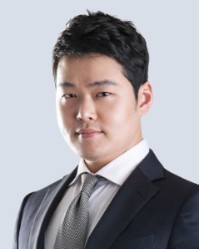
Barun Law LLC is a leading Korean law firm with more than 350 Korean and foreign-qualified lawyers, former government officials, and industry professionals. Founded in 1998, the firm provides seamless, multidisciplinary legal services through close collaboration. Its Estate Planning Center (EPC), the first dedicated estate planning centre established by a Korean law firm, offers one-stop services covering wealth succession planning, trusts, taxation, and dispute resolution. Comprising approximately 50 specialists in inheritance, trusts, taxation, real estate, and finance, the EPC advises high net worth individuals, families and business owners on complex private wealth matters. The team has represented leading family-owned conglomerates, founders of major start-ups, and privately held companies in succession planning and inheritance disputes. Through its international network, including capabilities in Singapore and the United States, Barun also provides comprehensive cross-border private wealth and succession planning solutions.
The Great Wealth Transfer: Emerging Trends in Korean Succession Law
The Great Wealth Transfer has begun in Korea
Korea has entered an era in which the baby boomer generation born after the Korean War is reaching old age. Having experienced the country’s remarkable economic growth over the past several decades, this generation has accumulated more wealth than any other generation, giving rise to what has become known as the Great Wealth Transfer. This unprecedented transfer of wealth is rapidly reshaping the landscape of Korean succession practice. Korean courts are increasingly being called upon to resolve disputes involving lifetime gifts, family business succession, testamentary transfers and forced heirship, while the legislature has also embarked upon substantial reforms of Korea’s long-established succession law framework. Against this backdrop, several important trends have emerged in Korean succession practice and litigation, reflecting both evolving family dynamics and significant legislative reform.
Emerging trends in Korean succession practice
Estate division disputes – lifetime gifts as special benefits
Several recurring issues have emerged in estate division proceedings. These include the treatment of lifetime gifts as special benefits, the concealment of estate assets, and the allocation of estate assets among heirs.
Where the deceased did not specify how the estate should be distributed, or where the prior determination is subsequently held to be invalid, a procedure to divide the estate is required. Where the co-heirs cannot divide the estate by agreement, the estate is divided through the judgment of the court. When a court divides an estate through a judgment, all estate assets, except assets recognised as contributory shares, are distributed in accordance with the statutory inheritance shares after taking into account any special benefits, including inter vivos gifts. In practice, in disputes over the division of an estate, inter vivos gifts made decades ago frequently emerge as a core issue. This is because Korean courts do not limit such gifts to those made within a certain period, but consider all provable inter vivos gifts as special benefits.
Korean courts have consistently maintained the position of prioritising the substance of a transaction over its outward legal form. Accordingly, where an heir is recognised to have lacked the economic capacity to acquire the relevant asset independently, even a transaction taking the form of a sale is judged as a gift in substance. Demonstrating that a transaction is a gift in substance, contrary to its legal form, is therefore the area where the expertise of an estate division counsel is most required.
Estate division disputes – concealment of estate assets
Since estate division is ultimately concerned with distributing the assets remaining in the estate, accurately identifying the scope and nature of the estate assets is essential. However, where the deceased suffered from dementia or another condition affecting their decision-making capacity, assets may be concealed by an heir or by a third party. The details of the estate assets are also closely scrutinised by the tax authorities during the inheritance tax reporting and audit process, and any inaccuracies or issues may therefore be corrected in that process. Accordingly, where certain estate assets are suspected to have been omitted, it is important to participate actively in the inheritance tax investigation process and present relevant arguments to the tax authorities. If the tax authorities complete their investigation without identifying or correcting the omission, however, recovering the omitted estate assets may become substantially more difficult.
Estate division disputes – allocation of estate assets
Even where the heirs are able to agree on their respective specific inheritance shares, it is often difficult to agree on how the individual assets comprising the estate should be allocated among them. For example, where the deceased leaves shares in an unlisted company and financial assets, Heir B, who is not expected to succeed to the company, would remain a minority shareholder of the unlisted company even if they inherit shares in that company. Unless there is a realistic prospect that the company will be listed in the future, those shares may be difficult to realise at their fair market value. From Heir B’s perspective, therefore, it may be more advantageous for Heir A to inherit the shares and for Heir B to inherit the financial assets, rather than for both heirs to receive 50% of both the shares and the financial assets. Conversely, if Heir A has not yet secured management control, Heir B may have an opportunity to obtain a higher valuation for their shares. As a result, disputes may arise over how the estate should be divided.
Where the heirs fail to reach an agreement on the method of division, courts often divide the estate according to the heirs’ respective inheritance shares, rather than allocating specific assets exclusively to particular heirs. However, if the co-heirs come to hold estate assets in co-ownership according to their respective shares, various restrictions may arise in managing or disposing of those assets. Accordingly, even where estate assets are divided into co-ownership, it may be necessary to bring a claim for partition of co-owned property in order to subsequently divide the relevant property in kind, allocate the property to a specific co-owner in exchange for monetary compensation to the other co-owners, or sell the property through an auction and distribute the proceeds according to the co-owners’ respective shares.
Will-related disputes
The deceased may determine in advance, through a will, how and to whom their estate should be distributed. Accordingly, the estate may be transferred to the persons designated in the will without the need for disputes over estate division. However, in Korea, a will may deal only with matters that are recognised by law as capable of testamentary disposition, and disputes often arise because a will is valid only if it satisfies the formalities and requirements prescribed by law. A will that fails to satisfy even one statutory requirement cannot be recognised as legally effective, even if it is proven that the contents of the will reflect the deceased’s true intent.
However, even if a will is made in compliance with the required formalities, it does not necessarily prevent disputes among the surviving heirs. Unless the will can be properly implemented, conflicts among the heirs may still be inevitable. The existence of a will does not, by itself, immediately transfer the estate to the beneficiary. Instead, Korean law requires a separate process of will administration through which the estate is transferred to the beneficiary in accordance with the terms of the will. The will is administered by the executor. Where the deceased has not appointed an executor, all heirs become joint executors by operation of law. Where there are multiple executors, decisions concerning the administration of the will must be made by a majority. Consequently, if the other heirs refuse to co-operate with the administration of the will, the beneficiary must bring legal proceedings against the non-cooperating heirs in order to enforce the will and obtain the transfer of the estate in accordance with the will. For this reason, careful estate planning is essential when preparing a will. Appointing an executor, imposing appropriate obligations under the will where necessary, and otherwise ensuring that the deceased’s intentions can be effectively implemented may significantly reduce the likelihood of future disputes. Accordingly, practitioners increasingly consider alternatives to traditional wills as succession planning tools. As an alternative to a traditional will, establishing a will-substitute trust and arranging for estate assets to be transferred by the trustee in accordance with the trust terms may also provide a more efficient and secure succession mechanism.
Forced heirship in transition
The current Civil Law recognises a statutory reserved portion system, which guarantees certain heirs a minimum share of the estate so that a certain portion of the estate is reserved for them, even if the deceased made a testamentary gift or a lifetime gift. Therefore, even if the deceased arranged for the entire estate to be transferred to a particular heir or to a third party, lineal descendants, lineal ascendants and the spouse may claim a certain proportion of their statutory inheritance share as their statutory reserved portion. As with estate division, when calculating the statutory reserved portion, property received by an heir as a lifetime gift is included in the estate used as the basis for calculating the statutory reserved portion without any time limit. Accordingly, identifying lifetime gifts is also very important in statutory reserved portion return claims. In particular, because property received as a lifetime gift is assessed as of the time of the commencement of inheritance rather than the time of the gift, this may give rise to further complexity.
Is there a way to avoid the statutory reserved portion system, which may alter the succession arrangements prepared by the deceased after their death? It is argued that will-substitute trusts or life insurance may not be subject to statutory reserved portion return on the grounds that they are not included in the estate or lifetime gifts that form the basis for calculating the statutory reserved portion. However, an increasing number of lower court decisions have recognised that will-substitute trusts may also be subject to statutory reserved portion return, and the Supreme Court has made clear that life insurance may be subject to such claims where, in substance, it is similar to a gift. Considering these developments, courts are likely to continue determining whether a transfer is subject to statutory reserved portion return based on substance rather than form. Accordingly, both methods are expected to be subject to statutory reserved portion return.
However, the adoption of a statutory reserved portion system differs from country to country, and, even among countries that have adopted such a system, the specific details differ. Accordingly, where an individual acquires the citizenship of a country that does not have a statutory reserved portion system, or designates the law of such country as the governing law, Korea’s statutory reserved portion system may not apply. As a result, cross-border estate planning has become increasingly important for families with international elements.
Looking ahead
Korean succession law has undergone rapid development in recent years as inheritance disputes have increased in both number and complexity. A growing body of Supreme Court decisions and legislative reforms has gradually established a more systematic and predictable legal framework governing succession disputes.
In particular, on 25 April 2024, the Constitutional Court of Korea rendered a decision of unconstitutionality or constitutional non-conformity regarding the provisions recognising siblings as persons entitled to a statutory reserved share, the provisions that did not separately prescribe grounds for the loss of the right to a statutory reserved share, and the provisions that included, in the base estate for calculating the statutory reserved share, even property gifted by the deceased in return for active support of the deceased or contribution to the formation of the inherited property. The Court requested improvement legislation, and recently, on 17 March 2026, improvement legislation reflecting this was enacted. Accordingly, significant changes are expected in the inheritance system, particularly the statutory reserved share system.
First, the deceased’s siblings became unable to claim the return of the statutory reserved share as a result of the above decision.
Second, it became possible to declare the loss of inheritance rights against heirs who have committed immoral acts, such as abandoning the deceased for a prolonged period or subjecting the deceased to physical or mental abuse. If inheritance rights are lost, this has the effect of depriving the heir of inheritance rights themselves, including the right to a statutory reserved share. Therefore, such heir can no longer exercise any rights as an heir, let alone the right to a statutory reserved share.
Third, where a gift or testamentary gift was made as compensation for specially supporting the deceased through long-term cohabitation, nursing care, or other means, or for specially contributing to the maintenance or increase of the deceased’s property, such gift or testamentary gift is excluded from the base property for calculating the statutory reserved share to the extent corresponding to the contribution. Therefore, an heir who contributed to the deceased may be relieved, in part, from liability for returning the statutory reserved share, even if the gift or testamentary gift infringed another heir’s statutory reserved share.
Fourth, under the previous regime, unless otherwise agreed, the return of the statutory reserved share was in principle made by returning the gifted or testamentary property itself in kind. However, in the course of the above legislative improvements, this principle of return in kind was changed to the return of the value of the property and interest thereon. Accordingly, an heir who bears liability for returning the statutory reserved share must prepare cash in anticipation of such return.
The large-scale transfer of wealth is not only leading to an increase in inheritance disputes in Korea, but also accelerating the development of Korean succession law itself. The Constitutional Court’s landmark decision and the subsequent amendments to the Civil Law demonstrate that Korean succession law has entered a period of fundamental transformation. As Korea becomes a rapidly ageing society, policymakers and practitioners alike continue to seek an appropriate balance among testamentary freedom, the protection of family members, and the smooth succession of family businesses. Against this backdrop, systematic estate planning in advance is expected to play an increasingly important role in preventing future disputes and ensuring the stable transfer of assets between generations. It will also be necessary to closely examine how the amended laws are interpreted and applied by the courts, and future precedents are expected to continue shaping the trajectory of Korean succession practice.
Barun Law LLC
7, Teheran-ro 92-gil
Gangnam-gu
Seoul
South Korea
+82 234 765 599
+82 2 3476 5995
contact@barunlaw.com https://barunlaw.com/
Law and Practice
Authors
Barun Law LLC is a leading Korean law firm with more than 350 Korean and foreign-qualified lawyers, former government officials, and industry professionals. Founded in 1998, the firm provides seamless, multidisciplinary legal services through close collaboration. Its Estate Planning Center (EPC), the first dedicated estate planning centre established by a Korean law firm, offers one-stop services covering wealth succession planning, trusts, taxation, and dispute resolution. Comprising approximately 50 specialists in inheritance, trusts, taxation, real estate, and finance, the EPC advises high net worth individuals, families and business owners on complex private wealth matters. The team has represented leading family-owned conglomerates, founders of major start-ups, and privately held companies in succession planning and inheritance disputes. Through its international network, including capabilities in Singapore and the United States, Barun also provides comprehensive cross-border private wealth and succession planning solutions.
Trends and Developments
Author
Barun Law LLC is a leading Korean law firm with more than 350 Korean and foreign-qualified lawyers, former government officials, and industry professionals. Founded in 1998, the firm provides seamless, multidisciplinary legal services through close collaboration. Its Estate Planning Center (EPC), the first dedicated estate planning centre established by a Korean law firm, offers one-stop services covering wealth succession planning, trusts, taxation, and dispute resolution. Comprising approximately 50 specialists in inheritance, trusts, taxation, real estate, and finance, the EPC advises high net worth individuals, families and business owners on complex private wealth matters. The team has represented leading family-owned conglomerates, founders of major start-ups, and privately held companies in succession planning and inheritance disputes. Through its international network, including capabilities in Singapore and the United States, Barun also provides comprehensive cross-border private wealth and succession planning solutions.
