Sports Law 2026
Japan
Authors
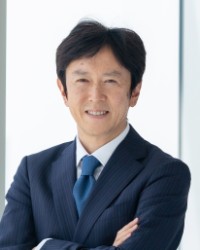



TMI Associates has strived to create a law firm distinct from any other in Japan since its establishment in 1990. Over the last 35 years, the firm has experienced rapid organic growth in both headcount and geographical reach, while maintaining its progressive culture. Based in Tokyo, TMI Associates has, as of 2 March 2026, 676 lawyers and 101 patent/trade mark attorneys among a total of 1,317 personnel and it has become one of the five largest law firms in Japan. In addition to TMI Associates’ domestic branch offices in Nagoya, Kyoto, Osaka, Kobe, Fukuoka and Hiroshima, the firm has branch offices overseas in Shanghai, Beijing, Singapore, Ho Chi Minh City, Hanoi, Yangon, Phnom Penh, Bangkok, Jakarta, Kuala Lumpur, Silicon Valley, London, Paris and Brussels. The firm’s sports and entertainment law practice constitutes a major aspect of its work, with the firm representing sports organising committees, sports federations, professional leagues, teams and athletes. The team has also received top-tier recognition in sports law from international legal directories.
1. Athlete Conduct, Integrity and Enforcement
1.1 Anti-Doping Regimes
There is no law in Japan that imposes criminal penalties for doping. The Japan Anti-Doping Agency (JADA), established in 2001, is responsible for all anti-doping activities in the country. In addition to determining standard doping test procedures and implementing doping control processes, JADA also conducts education and awareness campaigns related to anti-doping.
JADA established the Japan Anti-Doping Code (JADC), which is based on the World Anti-Doping Code created by the World Anti-Doping Agency (WADA). The JADC incorporates WADA’s annually updated list of prohibited substances. This list includes substances such as cannabis, cocaine and heroin, which are also illegal drugs under Japanese law.
In October 2018, Japan enacted its first anti-doping legislation: the Act on the Promotion of Anti-Doping Activities in Sport (Law No 58 of 2018). Following this, in March 2019, the government issued the Basic Policies for the Comprehensive Promotion of Measures Related to Anti-Doping Activities in Sports, which outlines the core policy framework for anti-doping initiatives in accordance with Article 11(1) of the Act.
Individual sports federations and professional leagues in Japan impose disciplinary sanctions for doping violations in line with the JADC and their own regulations. Sanctions may include disqualification of results, periods of ineligibility, suspensions from competition, and other disciplinary measures.
A notable case occurred in 2017 involving a candidate for Japan’s national canoe team. The athlete secretly mixed a banned substance into a rival competitor’s drink, causing the rival to initially test positive and be suspended. After an investigation, the rival athlete’s suspension was overturned, while the perpetrator received an eight-year ban from competition issued by the national federation.
JADA publishes a list of doping violations in Japan on its website. Last year, only one doping case was reported.
1.2 Misconduct and Match-Fixing
There is no specific law in Japan that directly addresses an athlete’s misconduct, cheating, or match‑fixing. However, if an athlete engages in conduct that violates the Penal Code or public gambling laws, they may be punished under those statutes. In addition to legal consequences, the sports organisation to which the athlete belongs may impose disciplinary measures under its own rules.
To prevent illegal acts and misconduct, each sports organisation provides compliance training to its athletes. For example, the J.League – the top professional football league in Japan – uses the FIFA Early Warning System to monitor and detect irregular betting activity. Similarly, the Japanese Olympic Committee (JOC) has been developing regulations to prevent the manipulation of sports competitions, in line with initiatives promoted by the International Olympic Committee (IOC).
Japan has experienced several notable sports integrity cases. In 2011, a major match‑fixing scandal in professional sumo resulted in the cancellation of the spring tournament, with more than 40 wrestlers and stable masters being forced or advised to retire. In 2020, a professional boat racer was sentenced to three years’ imprisonment with labour and fined approximately JPY37 million for deliberately delaying his finish in exchange for illicit payments. That same year, a J.League club director attempted to persuade players and coaches to fix a match, leading to a two‑year ban from all football‑related activities imposed by the Japan Football Association.
1.3 Betting-Related Offences
Under Japanese law, gambling activities – including operating a gambling establishment or organising groups of gamblers – are prohibited and subject to punishment under Articles 185 and 186 of the Penal Code. Exceptions apply only when public agencies are expressly authorised by special laws to operate gambling in specific areas such as horse racing, boat racing, bicycle racing, auto‑racing, and sports promotion lotteries. Following amendments to the Act on the Implementation of Sports Promotion Lotteries in 2020, basketball was added to the eligible sports for such lotteries in 2022, alongside football (soccer).
Under this Act, athletes, managers, coaches, and referees involved in the games covered by the lotteries, as well as individuals under the age of 19, are prohibited from participating. Individuals who engage in illegal gambling may face criminal penalties and may also be subject to disciplinary measures imposed by the sports organisations or teams to which they belong.
In Japan, a comprehensive system for sharing betting‑related information between sports governing bodies and betting operators has not yet been fully established. However, both sports organisations and public authorities have increasingly recognised the need to monitor suspicious betting activities and to strengthen integrity measures in order to safeguard the fairness of competitions.
Recently, media reports have indicated that several professional baseball players and other athletes have been referred to prosecutors for allegedly using online casinos. These reports have heightened public awareness in Japan regarding the involvement of athletes in gambling activities.
1.4 Disciplinary Framework
JADA implements doping control in accordance with the JADC. If a positive doping test is returned, a hearing will be held and sanctions – such as suspension – may be imposed by the Japan Anti-Doping Disciplinary Panel. Although this Panel is responsible for imposing sanctions, the sports organisation to which the individual belongs may also impose its own separate sanctions.
Disciplinary procedures for other acts that violate rules of integrity will be imposed under the relevant regulations, provided that those regulations specify:
- the prohibited acts subject to disciplinary procedures;
- the persons who may be subject to such procedures;
- the details of possible disciplinary actions; and
- the procedures leading to the imposition of disciplinary action.
However, the nature and severity of disciplinary actions may differ from one sports organisation to another.
In addition, sports organisations or companies may choose to discipline their members for unethical behaviour in their private lives, such as acts of infidelity.
2. Commercial Rights
2.1 Sports-Related Rights
In addition to sponsorship and broadcasting revenues, merchandising rights as well as ticket and hospitality revenues are major sources of income for sporting events. For example, the Tokyo Organising Committee of the Olympic and Paralympic Games (TOCOG) received JPY14.4 billion in licensing fees and had forecast approximately JPY90 billion in ticket revenue for the Tokyo 2020 Olympic and Paralympic Games. However, due to the COVID‑19 pandemic, the Games were held without spectators, and all tickets were refunded.
The Rugby World Cup 2019 Organising Committee generated approximately JPY38.9 billion in ticket revenue from the Rugby World Cup 2019, with no sponsorship, broadcasting, or licensing revenues contributing to this amount.
Official resale services were provided for the Rugby World Cup 2019, allowing tickets to be resold at face value through designated resale platforms. Resale through other channels, such as auction websites, was prohibited under the terms and conditions applicable to ticket purchase and use.
Furthermore, the unauthorised resale of tickets – or the acquisition of tickets for the purpose of unauthorised resale – is subject to criminal penalties under the Act on Securing Proper Distribution of Entertainment Admission Tickets through Prohibition of Unauthorised Resale of Specified Entertainment Admission Tickets (the “Anti‑Scalping Law”), which came into effect on 14 June 2019.
2.2 Sponsorship Terms
A sponsorship contract is an agreement in which a company or individual becomes a sponsor of a sports rights‑holder and/or sports competition. In return, the sponsor receives defined sponsorship benefits in exchange for paying a sponsorship fee and/or providing products and services as value‑in‑kind. These arrangements allow sponsors to enhance brand recognition and value by associating their products or services with sporting events, teams, and athletes. Sponsors may also benefit from specific commercial rights granted by sports rights‑holders, including marketing rights, hospitality opportunities, and, in some cases, access to data held by sports rights‑holders and other stakeholders for marketing or business development purposes.
From the perspective of sports rights‑holders, sponsorship arrangements represent an important revenue source that supports the organisation and development of sporting events or competitions and contributes to improving the performance and competitiveness of their athletes. To attract sponsor investment, sports rights‑holders actively develop and market the commercial rights associated with sporting events, teams, and competitions. These rights typically include brand exposure through venue signage, team apparel, and digital platforms, as well as hospitality opportunities, promotional campaigns, and the right for sponsors to associate their brand with the relevant event, team, or competition.
Within sponsorship programmes – particularly in major or international sporting events – it is common to differentiate tiers of sponsors while granting exclusive rights to specific product or service categories.
2.3 Broadcasting Rights
Sports rights‑holders grant broadcasters and media organisations various broadcasting and media rights for sporting competitions and events. These rights typically include permission to bring recording and broadcasting equipment into venues, as well as the right to record competitions and events – either directly or through third parties – and to transmit and display that content through live or delayed broadcasts, cable or satellite channels, internet streaming services, or other media. In practice, broadcasters usually obtain venue access licences from the relevant sports rights‑holders or event organisers to install production equipment and conduct live event coverage.
Broadcasters primarily exploit broadcasting rights to increase advertising revenue and subscription income. High‑profile sporting events attract large audiences, boosting the commercial value of advertising slots and strengthening the competitive position of subscription‑based services and streaming platforms.
For sports rights‑holders, broadcasting rights represent a major source of revenue. To maximise these fees, many rights‑holders – such as professional leagues – centrally manage the broadcasting rights to their competitions and package them for sale to broadcasters or media platforms. These rights are often granted on an exclusive basis within particular territories or platforms to enhance their commercial value.
Although the grant of broadcasting rights and the ownership of copyright in the audiovisual content of broadcasts are legally distinct, broadcasting rights agreements typically address how copyright ownership is allocated.
A notable example is the J.League’s July 2016 agreement with Perform Group, operator of the DAZN streaming service, involving broadcasting rights worth approximately JPY210 billion for the ten‑year period beginning with the 2017 season. In 2023, the agreement was extended until the 2033–34 season, with broadcasting fees reportedly set at approximately JPY239.5 billion for the eleven seasons from 2023 to 2033. Under this agreement, the copyrights in match footage are owned by the J.League.
As broadcasting rights fees for large‑scale international sporting events – such as the Olympic Games and the FIFA World Cup – continue to rise, the Japan Consortium, composed of NHK (Japan’s public broadcaster) and private broadcasters, has been established to facilitate the sharing of broadcasting rights, joint programme production, and the pooling of personnel and technical resources required for broadcasting. Regarding the Olympic Games, the Japan Consortium reached an agreement with the International Olympic Committee (IOC) to acquire broadcasting rights for four editions: the 2026 Milano Cortina Winter Games, the 2028 Los Angeles Olympic Games, the 2030 French Alps Winter Olympic Games and the 2032 Brisbane Olympic Games. The total fee is approximately JPY97.5 billion. These rights cover television and radio broadcasting, as well as all media rights in Japan, including internet and mobile distribution.
Unlike certain other jurisdictions, Japan currently has no specific legislation guaranteeing free‑to‑air coverage of designated sporting events. A recent example illustrating Japan’s evolving broadcasting landscape is the 2026 World Baseball Classic (WBC), an international baseball tournament that is especially popular domestically. Netflix has reportedly acquired exclusive streaming rights for Japan and will distribute all 47 games – including those involving Japan’s national team – via live and on‑demand streaming. As a result, the tournament will not be available on traditional terrestrial television, historically the primary means by which Japanese audiences watch major sporting events. This development may signal a growing trend in Japan toward exclusive distribution of major sporting events through paid streaming platforms.
3. Sports Events
3.1 Proprietary Rights and Event Management
Under Japanese law, there is no specific proprietary right that protects sporting events themselves, and sporting matches are not, as such, safeguarded by intellectual property rights. Nevertheless, sports event organisers are able to control and commercially exploit their events through a combination of property rights, contractual arrangements and regulatory measures.
Sports event organisers – including national federations, leagues and clubs – typically manage their facilities and events by securing property rights, leasehold rights, or other venue‑use rights through agreements with facility owners. Access to the venue is then regulated by the organisers, who grant entry to athletes, coaches, officials, media representatives and spectators under specified conditions.
When granting access, organisers generally obtain consent from athletes and other participants to use their likenesses in event footage and broadcasts. Additionally, to protect broadcasting rights, sponsorship rights and other commercial interests, organisers often enter into participation agreements with athletes and coaches, setting out the terms and conditions governing their involvement in the event.
Organisers also establish rules and regulations governing participant conduct and impose terms and conditions on tickets sold to spectators. These terms typically prohibit unauthorised filming, recording or commercial use of event footage in order to safeguard the organisers’ broadcasting, sponsorship and other commercial rights.
Furthermore, amendments to the Act for Eliminating Discrimination Against Persons with Disabilities took effect on 1 April 2024, making the provision of reasonable accommodation for persons with disabilities a legal obligation. As a result, sports event organisers are now required to provide reasonable accommodation upon request from a person with a disability.
3.2 Duty of Care and Liability
Sports event organisers are required to consider the safety of both participants and spectators when planning and conducting sporting events. Although Japanese law does not explicitly impose a statutory duty to ensure safety, judicial precedents recognise that “parties who have entered into a special social contract relationship based on a certain legal relationship are obliged, under principles of good faith and mutual trust, to protect each other’s lives and personal safety from dangers associated with that relationship as supplementary duties.”
To prevent violence and disorder, sports event organisers generally establish rules for athletes, coaches, and spectators, and implement appropriate security measures. In practice, organisers often work closely with police and private security companies to maintain order and ensure safety at event venues. If an athlete or spectator violates the applicable rules, disciplinary measures may be imposed by the relevant sports governing bodies or the event organisers themselves.
Depending on the location and nature of the sporting event, organisers and related parties – including sponsors – may be subject to various laws and regulations. These may include the Urban Park Act, the Road Traffic Act, the Outdoor Advertisement Act and relevant local ordinances, the Anti‑Nuisance Ordinance, the Fire Service Act, and the Food Sanitation Act.
Event organisers may also include clauses in their contracts with participants and spectators that seek to limit their liability. However, under the Consumer Contract Act, any provisions in terms and conditions that attempt to exempt organisers from responsibility to provide compensation to spectators are generally considered invalid.
4. Corporate Structures
4.1 Legal Forms of Sporting Bodies
Professional sports clubs generally operate as joint-stock companies. Sports organisations that are not professional sports clubs may adopt a variety of legal forms, including joint-stock companies, incorporated associations, incorporated foundations, specified non-profit organisations (NPOs), or voluntary organisations. In many cases, national sports federations in Japan operate as incorporated associations or incorporated foundations.
There are various reasons for choosing corporate status or a particular entity type, including tax considerations. For example, organisations typically choose the joint-stock company structure when their activities are carried out for profit. In contrast, organisations usually opt for an incorporated association or foundation when their activities are not conducted for profit. Some incorporated associations and incorporated foundations may obtain “Public Interest Corporation Certification”, which provides certain tax advantages, such as income tax exemptions.
4.2 Corporate Governance Codes
In 2019, the Japan Sports Agency developed two sports governance codes: one for national federations and another for general sports organisations. In 2020, the Japan Sport Association (JSPO), the Japanese Olympic Committee (JOC), and the Japanese Para-Sports Association (JPSA) began evaluating their own compliance with the governance code for national federations. As of the end of 2024, second-round evaluations have already begun, and no major issues have been identified so far.
In September 2023, the Japan Sports Agency revised the governance code for national federations. The 13 core principles remained unchanged, but the accompanying explanations were adjusted slightly to help improve the code’s practical effectiveness. A national federation that is assessed as non‑compliant during a review may face a reduction in subsidies provided by the Japan Sport Council (JSC). In addition, when a general sports organisation applies to the JSC for a grant, it must provide a self‑assessment and disclose its compliance status with the governance code.
The governance code does not specifically address matters relating to the bankruptcy of a sports organisation.
4.3 Sport Funding
The JSC, JOC, JPSA, and JSPO receive administrative grants, subsidies, and other forms of support from the government. These funds are then distributed to the various national federations to improve athletic performance, strengthen international competitiveness, and enhance the overall competitive environment. This sports promotion fund is also allocated to athletes and coaches who are part of Japan’s national teams. Government subsidies are estimated to make up more than 20% of the total income of the national federations.
In addition, subsidies may be provided to other sports organisations by the Japan Sports Agency and the JSC through sports promotion lottery programmes. Lottery tickets for the Tokyo 2020 Games and the Rugby World Cup 2019 were also sold, with a portion of the proceeds used to support each respective event. Corporate sponsorship further plays a significant role in Japanese sport, particularly in support of national teams and professional clubs.
5. Intellectual Property, Data and Data Protection
5.1 Trade Marks
A trade mark right arises after registration with the Patent Office. This process involves identifying the trade mark to be registered and filing an application specifying the scope of the designated goods or services for which the trade mark will be used. Trade marks that lack distinctiveness, run contrary to the public interest, or are similar to marks owned by others cannot be registered. Once registration is granted, the rights-holder obtains the exclusive legal right to use the trade mark in Japan for the specified goods and services, preventing others from using identical or confusingly similar marks.
Sports organisations often register trade marks in categories such as clothing (class 25), toys and sports equipment (class 28), advertising (class 35), and the organisation, arrangement, and conduct of sports competitions (class 41).
The duration of a trade mark right is ten years. However, because it is renewable, a trade mark can effectively be maintained indefinitely by renewing it each time. This makes trade marks particularly useful in the sports business. For this reason, sports event organisers – such as leagues – may require their member clubs to register trade marks for their logos and emblems.
Trade marks can be registered even if the mark has not yet been used. Japan follows a “first-to-file” system rather than a “use-based” system.
Anticipation and Abuse of Trade Mark Rights
Anticipatory trade mark applications have been filed for famous names in the sports world. One example is the Juventus case. In that case, the plaintiff – who had registered the trade mark “Juventus” despite having no connection with the Italian Serie A football club – claimed trade mark infringement against a defendant who was licensed by the club to use the mark domestically. The court dismissed the claim on the grounds that the plaintiff's actions amounted to an abuse of rights.
5.2 Copyright/Database Rights
Japan recognises and enforces copyright under the Copyright Act, in which protection arises automatically upon creation. No registration is required, provided the content qualifies as a “work” – meaning a creatively produced expression of thoughts or sentiments within the literary, academic, artistic, or musical domains.
Although registration is not necessary for copyright protection to exist, Japan does offer a copyright registration system. Registering a copyright provides several advantages, such as creating official evidence of authorship or ownership, giving public notice of transfers or pledges, and offering evidentiary support in litigation.
Major defences to copyright infringement claims include private use, quotation, educational use, library exceptions, and specific allowances for use in textbooks.
Under the Japanese Copyright Act, databases may also be protected as “database works” if creativity is demonstrated in their selection or systematic arrangement of information.
A notable example of copyright concerns in Japan occurred when the official emblem of the Tokyo 2020 Games was found to resemble the logo of an overseas theatre. Because potential copyright infringement became an issue, the Tokyo Organising Committee of the Olympic and Paralympic Games (TOCOG) decided to replace the emblem with a new design.
5.3 Recognising Personality/Image Rights
Although not explicitly stipulated under Japanese law, the rights to the names and portraits of celebrities – including athletes (their image rights) – are recognised in practice. These rights are generally understood to consist of:
- the exclusive right to use one’s name and portrait to attract customers and promote the sale of goods; and
- publicity rights, acknowledged within the framework of Supreme Court rulings on tort liability under the Civil Code.
5.4 Protecting Personality/Image Rights
According to Supreme Court principles, the unauthorised use of an athlete’s likeness infringes upon publicity rights when the image is exploited primarily to attract an audience or customers. This includes:
- using the image itself as a selling feature;
- placing an athlete’s face on merchandise; and
- using an athlete’s photograph in advertisements to promote goods or services.
In addition, several provisions of the Unfair Competition Prevention Act (UCPA) can be invoked to protect athletes by preventing the commercial misuse of well‑known images. The UCPA prohibits acts that create consumer confusion, take unfair advantage of famous indications, or harm business reputation, thereby offering further safeguards against improper exploitation of an athlete’s likeness.
5.5 Licensing
Under Japanese law, there are no special restrictions on licensing intellectual property rights – such as trade mark rights and copyrights – to third parties.
In addition, the Supreme Court considers that the basis of publicity rights, including the names and portraits of athletes as described in 5.3 Recognising Personality/Image Rights and 5.4 Protecting Personality/Image Rights, is a moral right. Publicity rights are therefore treated as personal rights and cannot be transferred or assigned. However, there is no restriction on licensing these rights to third parties. As a result, sports organisations and athletes frequently license both their intellectual property rights and publicity rights to sponsors and licensors in exchange for remuneration.
Japanese professional sports organisations also commonly manage image rights through contractual arrangements. While an athlete’s image rights inherently belong to the athlete, clubs and leagues often require athletes to license those rights for official marketing and promotional purposes.
5.6 Assignment of IP Rights
Assignment of IP rights to third parties is permitted under Japanese law, but there are several important legal restrictions.
- Patents, trade marks, and designs – to make the transfer effective against third parties, mandatory registration with the JPO is required.
- Copyright Act – translation rights, adaptation rights, and the rights of the original author in connection with a derivative work are generally not automatically assigned. These rights are presumed to remain with the copyright holder unless they are specifically addressed and transferred in the contract.
- Moral rights – moral rights under copyright cannot be assigned under any circumstances.
5.7 Data in Sport
The data collected from athletes is used to support coaching and training, as well as to enhance their athletic performance. It is also utilised to increase fan engagement and to develop products and services for sponsors and other stakeholders.
Similarly, by gathering and analysing spectator data – such as visit histories to venues, fan demographics, and purchase histories for tickets and merchandise – sports organisations have been able to refine their marketing strategies. This has helped increase the number of visitors and fans, attract new sponsors, and improve product development and promotional activities for sponsors and other stakeholders.
5.8 Data Protection
Sports data is subject to protection under the Personal Information Protection Act when it qualifies as personal information. Personal information is defined as data relating to an individual that can identify that person through a name, date of birth, or other identifying details contained within the information. When providing such data to a third party, it is necessary either to obtain the individual’s explicit consent or to clearly specify in advance – typically in a privacy policy – the nature of the information, the purpose for which it will be used, and the method by which it will be provided.
If personal data will be used jointly with other parties, the privacy policy must also specify the categories of personal data to be shared, the scope of parties involved in the joint use, and the intended purpose of that use.
Additionally, information related to the results of doping control testing is treated with heightened protections as “special care–required personal information”. The acquisition of this type of data requires the explicit consent of the individual concerned.
GDPR Issues
When handling the personal data of individuals residing in the EU, it is necessary to comply with the General Data Protection Regulation (GDPR). In January 2019, the European Commission adopted a privacy adequacy decision for Japan, enabling smoother and more straightforward transfers of personal data between Japan and the EU.
6. Dispute Resolution
6.1 Role of National Court Systems
The national courts may hear disputes concerning the existence or non‑existence of specific legal rights, obligations, or legal relationships between the parties, provided that such disputes can be finally resolved through the application of law. However, disputes that are non‑legal in nature – such as those involving athlete selection or matters that fall entirely within the internal authority of an organisation – generally cannot be resolved by a court.
Domestic sports‑related arbitration and mediation is conducted by the Japan Sports Arbitration Agency (JSAA), as well as by sports organisations that operate their own dispute‑resolution mechanisms. It is not mandatory to submit a dispute to arbitration or mediation through the JSAA, nor is it necessary to use the dispute‑resolution procedures provided by sports organisations before bringing a dispute before the courts.
6.2 ADR Mechanisms
Any dissatisfaction with a decision made by a sports organisation may give rise to an appeal, either within the organisation itself or to the JSAA. Sports disputes that cannot be resolved in court may also be appealed to the JSAA. The scope of sports arbitration before the JSAA covers “a decision made by a sports organisation or its organs in relation to a sporting competition or its operation”.
Dispute resolution through the JSAA is conducted in accordance with the Rules of Sport Arbitration and other related regulations. Any appeal to the JSAA must be filed within six months from the date on which a party becomes aware of the decision made by the relevant sports organisation. The arbitral award issued by the JSAA is final and binding on both parties. In addition, the sports governance code for national federations requires that these organisations include an automatic acceptance clause recognising the jurisdiction of JSAA sports arbitration.
As of April 2025, the adoption rate of the automatic acceptance clause among sports organisations stands at 83.8%.
6.3 Sanctions, Remedies and Challenges
Sports governing bodies may dismiss or suspend individuals, reduce subsidies, or impose other sanctions in accordance with their internal rules. Any person who wishes to challenge a decision made by a sports organisation may file an objection through the organisation’s established appeal system. All proceedings will follow the rules and procedures set out by that organisation.
For further details on the appeals system administered by the JSAA, refer to 6.2 ADR Mechanisms.
7. Employment Contracts and Rights
7.1 Sports-Related Employment Contracts
The nature of the relationship between sports organisations and players varies depending on several factors, including whether the sport is individual or team‑based, the history and degree of professionalisation of the sport, its popularity, the level of competition, and the policies of the relevant governing body.
For example, players in individual sports such as tennis or golf typically enter into contracts with the sports organisation hosting each competition and receive remuneration directly from that organisation. By contrast, players in team sports such as baseball, football, or basketball generally receive remuneration from their club (or the company that owns the club).
Player Contracts
In Japan, a professional player contract is generally considered a consignment contract rather than an employment contract. However, for certain sports – such as rugby – semi‑professional contracts may also be used. These contracts combine elements of both consignment and employment agreements, depending on factors such as the sport’s development, its level of professionalisation, and the skill and experience of the athletes involved.
Some semi‑professional contracts may stipulate that players become employees of the company that owns the club and continue working for the company after retirement from professional play.
Contract structures also differ across sports. In some sports, professional athletes sign individualised contracts, while in others, all athletes are required to use uniform player contracts. Uniform player contracts are particularly common in large, well‑established sports in Japan, including baseball, football and basketball.
Salary Caps and Transfer Restrictions
Certain professional sports leagues in Japan have introduced salary cap systems to promote financial stability and competitive balance. For instance, the professional basketball league plans to introduce a salary cap applicable to all players. In the new top‑tier league – B.LEAGUE PREMIER – set to launch in 2026, the annual team salary cap will be JPY800 million, with a minimum team salary of JPY500 million. Minimum player salary requirements will also be introduced.
In contrast, the J.League revised its player contract framework for the 2026 season. Under the revised system, remuneration for professional players is generally not subject to a salary cap, except for players in their first year as professionals. Minimum base salary requirements for all professional players have also been introduced.
The Japan Fair Trade Commission (JFTC) has expressed concerns under the Anti‑Monopoly Act about rules that indefinitely restrict athlete transfers or mobility. Examples include rules that completely prohibit transfers, require unlimited consent periods from current teams, or allow transfers but indefinitely prohibit participation in competitions organised by the relevant governing body.
In September 2024, the JFTC issued a warning to Nippon Professional Baseball (NPB) regarding practices that prohibited players from appointing non‑lawyers as agents for contract negotiations and restricted agents from representing multiple players. The JFTC indicated that such restrictions could violate the Anti‑Monopoly Act, after which NPB discontinued these practices.
7.2 Employer/Employee Rights
In Japan, professional athletes are generally not classified as “workers” under the Labour Standards Act, which defines a worker as “a person who is employed at a business and to whom wages are paid, regardless of the type of occupation.”
However, athletes’ associations may form labour unions and participate in collective bargaining with leagues or teams under the Trade Union Act. This Act defines a worker as a “person living on wages, salaries, or other equivalent income regardless of the kind of occupation.” As a result, organisations such as the Japan Professional Baseball Players Association and the Japan Pro-Footballers Association are officially recognised as labour unions under the Labour Union Law.
In these circumstances, leagues and teams are prohibited from treating athletes unfavourably due to their union activities. They must also not refuse collective bargaining requests from athletes’ unions without valid justification.
7.3 Free Movement of Athletes
Although Japanese law does not directly restrict the participation of foreign athletes, all activities undertaken in Japan by foreigners entering the country must align with an authorised activity under one of the residence statuses provided in the Immigration Control and Refugee Recognition Act. Generally, the activities of a professional athlete fall under the “entertainer” residence status, while the activities of an amateur athlete – when the company pays the athlete a monthly remuneration of JPY250,000 or more – fall under the “designated activities” residence status.
In addition to immigration requirements, certain sports leagues have established foreign player quotas, including those governing baseball, football, basketball, and sumo wrestling. For example, in the B.LEAGUE PREMIER basketball league, up to three foreign players may participate on the court simultaneously. Similarly, in the J1 League of professional football, clubs may field up to five foreign players at the same time.
8. Women’s Sport
8.1 Development and Growth of Women’s Sport
One of the most noteworthy events demonstrating the recent development and growth of women’s sport in Japan was the establishment of a women’s professional football league in 2020, known as the WE League. Its first season commenced in September 2021. As the name derives from “women’s empowerment”, the league is not only dedicated to promoting women’s football but also to fulfilling its broader mission: to promote a society in which people with diverse dreams and ways of living can shine, through women’s football and sport more generally.
Furthermore, as described in 4.2 Corporate Governance Codes, the JSA developed its sports governance code in 2019. This code requires each sports organisation to ensure diversity within the composition of its officers and counsel. Specifically, sports organisations must set a target of at least 40% female officers and counsel and implement concrete measures to achieve this. As a result, organisations are increasingly striving to meet these requirements, and the percentage of female officers and counsel is steadily rising. Notably, the percentage of female directors across all national federations increased from 15.6% in 2018 to over 34% in 2025.
Another significant development related to women’s sport in Japan is the “1252 Project”, promoted by the general incorporated association Never Stop Playing Sports. The initiative is led by several well-known and successful athletes, including Olympians, and tackles the issue of “female athletes and periods”, working collaboratively with top athletes and experts in education and medicine. The name “1252” reflects that female athletes are affected by menstrual periods for 12 of the 52 weeks in a year. In August 2024, the 1252 Project received an award from the Olympism 365 Innovation Hub – a collaboration between the IOC, Beyond Sport, and Women Win – recognising innovative and impactful approaches to sport for sustainable development. It was the only project selected from the Asian region.
In addition, efforts are being made to eradicate covert filming and photography of female athletes for the purpose of sexual harassment, thereby ensuring a safe environment in which athletes can focus on their performance. Seven sports organising bodies, including the JOC, the JSPO, the JPSA, and the JSC, are working together to address this issue. From a legal perspective, covert filming and photography are currently regulated by ordinances established by each prefectural government.
It is particularly notable that Fukuoka Prefecture has revised its ordinance to explicitly define the photographing of a person’s posture or body parts with sexual intent and without consent – whether the person is clothed or not and whether at schools, sports facilities, public transport, or other locations – as sexual violence. Although no penalties are imposed, the purpose is to create a culture in which individuals can more easily call out suspicious behaviour by making the prohibition explicit and widely known. Following this revision, announcements warning attendees began at competition venues, and organisers also started implementing patrols.
8.2 Organisations and Initiatives to Promote Women’s Sport
Japan has a wide range of organisations dedicated to promoting women’s sports, supporting female athletes, and improving gender equity in the sporting environment. These organisations operate at national, governmental, academic, and professional levels.
The Japan Sports Association (JSPO) actively promotes women’s participation in sports by improving the sporting environment, providing educational resources, conducting gender‑ratio surveys, and offering support tools such as menstrual‑health check resources and harassment‑prevention programmes. These initiatives are led through JSPO’s Women’s Sports Committee.
The Japan Sports Agency develops national policies to enhance women’s participation in sports. Key initiatives include increasing participation rates across different age groups, promoting more female leaders and board members within sports organisations, and supporting the development and advancement of female coaches.
The High-Performance Sports Center (HPSC), operated under the Japan Sport Council, conducts specialised research and support programmes for female athletes. This includes scientific studies, health‑related support, and long‑term athlete development initiatives specifically tailored to women competing in high‑performance sports.
9. Esports
9.1 Development and Growth of Esports
In Japan, esports have been attracting increasing attention in recent years, with the market experiencing rapid expansion. The market size was estimated at approximately JPY12.5 billion in 2022 and JPY14.6 billion in 2023, and it is projected to grow to around JPY19.9 billion by 2025. In addition to this growth, many esports competitions have recently been held, accompanied by a rising number of professional esports teams.
Guidelines and manuals have been developed by the Japan Esports Union, helping clarify several legal issues related to esports competitions, particularly those involving prize money and/or participation fees. These efforts have contributed to a more structured and transparent environment for organising events.
Esports are characterised by their ability to facilitate remote participation, allowing competitions to be held while maintaining physical distance – making them uniquely suited to an online format. Furthermore, esports have been embraced by traditional sports players, as they can easily play esports titles and organise their own competitions.
9.2 Key Trends and Notable Deals in Esports
Esports have become increasingly popular among younger generations, leading to a significant rise in the number of young players. As a result, it has become necessary to consider the effects of esports on children’s health – such as gaming disorders and gaming addiction – and to explore ways to improve the environment for young esports participants.
In March 2020, a local authority enacted Japan’s first ordinance aimed at reducing internet and video game addiction among young people. The ordinance recommends that guardians ensure children under the age of 18 limit computer game use to a maximum of 60 minutes per day and, in principle, turn their smartphones off by 9 pm.
In response to this measure, certain residents filed lawsuits claiming that the ordinance violated human rights, including the freedom to play games and the constitutional right to enjoy esports. However, the District Court dismissed these claims, finding that the ordinance did not impose any specific or enforceable restrictions on their rights. The court concluded that enjoying esports could be regarded as a hobby or personal preference, and therefore not something that warranted constitutional protection in this context.
In June 2024, the Japan e-Sports Union (JeSU) was approved as a provisional member of the Japanese Olympic Committee (JOC) until March 2027. Esports have also been confirmed as an official event for the 20th Asian Games, scheduled to be held in Aichi–Nagoya in 2026, following their inclusion in the previous edition. JeSU will serve as the governing body for esports during these events.
10. NFTs, AI and the Metaverse
10.1 Non-Fungible Tokens (NFTs)
NFT markets have emerged and developed around the world since 2021, with NFT‑related businesses also beginning to appear across various industries in Japan that spring. Several NFT marketplaces have launched in Japan, initially driving a surge in NFT issuance – particularly in the arts, gaming, and talent‑related sectors. In the sports industry, multiple professional baseball, soccer, and basketball leagues and teams, as well as a women’s professional wrestling organisation, have introduced licensed games, trading card services, and other initiatives using NFTs.
Some sports teams have also begun issuing “fan tokens”, using blockchain technology as a new means of fundraising. As a result, NFTs are increasingly seen as a potential new revenue source for both teams and leagues.
From a regulatory standpoint, Japan currently has no comprehensive law that directly governs NFTs. However, depending on the characteristics of the NFT and the structure of the relevant transactions, a range of existing laws and regulations may apply. These include the Payment Services Act (covering crypto‑assets), the Financial Instruments and Exchange Act (where NFTs resemble securities), the Act Against Unjustifiable Premiums and Misleading Representations, and the Copyright Act. Consequently, legal analysis may be necessary depending on how the NFT is designed, offered, and sold. In addition, because NFTs can be traded on the market for an indefinite period by an unspecified number of people, rights clearance becomes an important issue. All parties involved – players, teams, issuers, and purchasers – must appropriately agree on matters such as portrait rights, uniform rights, distribution of revenue from primary and secondary sales, and the ways in which purchasers are permitted to use the NFTs.
Furthermore, the initial excitement surrounding NFTs has cooled considerably in recent years. A growing number of NFT businesses have been discontinued after failing to generate the revenue initially expected. In fact, a video collection service using NFTs for a professional baseball league and a game using player‑image NFTs for a professional soccer league both terminated their services in 2024.
Given this shift, it is now time for the sports industry to explore new approaches to using NFTs – not only for trading cards and games, but also in broader applications. Recently, NFTs have been incorporated into marketing initiatives, such as fan tokens, digital membership cards, digital stamps, and proofs of attendance at sporting events.
10.2 AI
At present, Japan does not have a comprehensive statute specifically regulating AI. However, the government has developed a policy framework through guidelines and soft‑law measures. In particular, the AI Business Operator Guidelines (Version 1.0, April 2024), jointly issued by the Ministry of Internal Affairs and Communications and the Ministry of Economy, Trade and Industry, provide guidance on the development, provision, and use of AI systems. Additionally, the General Understanding on AI and Copyright in Japan (March 2024), issued by the Agency for Cultural Affairs, offers guidance on copyright issues relating to generative AI.
Within the sports industry, AI is increasingly being used across a wide range of activities. Examples include analysis of players’ performance, development of data‑driven tactics and strategies, support for player conditioning and injury prevention, assistance with referee decision‑making and scoring, fan‑engagement initiatives (such as personalised content and enhanced viewing experiences), prediction of crowd congestion around stadiums, dynamic ticket pricing, and the use of generative AI for media content and marketing.
A notable example in Japan is the initiative implemented by the JOC to protect athletes from online abuse. The JOC uses AI‑based monitoring tools to analyse comments and posts on social media platforms to identify abusive or defamatory content directed at athletes. Through such monitoring, the JOC aims to respond promptly to harmful content and support affected individuals. The JOC also collaborates with international organisations, including the IOC, to share information and best practices in addressing online abuse in sport.
AI offers significant opportunities for sports organisations and sponsors, including more efficient operations, improved athletic performance through advanced analytics, enhanced fan engagement, and new commercial opportunities through personalised services and data‑driven marketing.
However, the use of AI also presents several risks. Because the decision‑making process of AI systems may not always be transparent and the accuracy of outputs cannot be fully guaranteed, organisations must carefully assess how and to what extent AI‑generated results should be relied upon and avoid overreliance on such outputs. Additionally, AI‑generated content may infringe third‑party intellectual property rights, including copyrights. Other potential risks include data‑protection concerns, algorithmic bias, and reputational risks associated with the misuse of AI technologies such as deepfakes.
10.3 The Metaverse
The metaverse is increasingly seeing practical application across Japan, with use cases emerging in areas such as live music concerts, e‑commerce, housing exhibitions, new car release events, virtual towns, and even medical procedures. Within the sports industry, several notable examples demonstrate how organisations are adopting metaverse and AR technologies.
One example is the Fukuoka SoftBank Hawks, a professional baseball team that has recreated their home stadium, the PayPay Dome, in the metaverse. This allows users to enjoy a variety of content linked to the team and its venue in a virtual environment. Another example is the “AR Cheering Challenge” by KDDI and Kyoto Sanga F.C. In March 2024, the organisations launched the beta version of this initiative, utilising AR technology during a J1 League match. Fans inside the stadium were able to use their smartphones to view AR presentations, participate in interactive elements of the event, and support the team by sending digital gifts. In addition to fan‑facing experiences, virtual environments and simulation technologies are also being used for player training and performance analysis.
For sports organisations and sponsors, the metaverse offers significant opportunities. These include creating new fan engagement experiences beyond physical stadiums, reaching global audiences, developing new forms of digital merchandise and sponsorship, and leveraging virtual environments for athlete training and strategic planning.
However, the use of the metaverse also presents several legal and practical risks. Activities conducted within virtual spaces may infringe on third‑party rights, including copyrights, trade mark rights, and image or publicity rights. Issues relating to unfair competition and consumer protection may also arise. As Japan does not currently have legislation specifically tailored to the metaverse, these matters are addressed under existing legal frameworks. This makes proper rights clearance and careful compliance measures particularly important.
TMI Associates
23rd Floor
Roppongi Hills Mori Tower
6-10-1 Roppongi
Minato-ku
Tokyo 106-6123
Japan
+81 03 6438 5511
+81 03 6438 5522
www.tmi.gr.jp
Trends and Developments
Authors
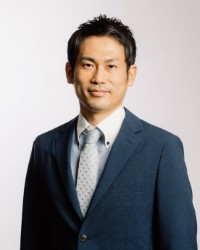
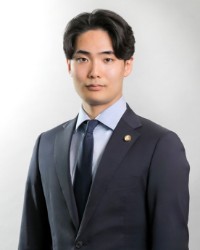
Nagashima Ohno & Tsunematsu was the first integrated, full-service law firm in Japan and is one of the foremost providers of international and commercial legal services based in Tokyo. The firm’s overseas network includes offices in New York, Singapore, Bangkok, Ho Chi Minh City, Hanoi and Shanghai, and it has collaborative relationships with prominent local law firms throughout Asia and other regions. The more than 600 lawyers at the firm, including about 40 experienced attorneys from various jurisdictions outside Japan, work together in customised teams to provide clients with the expertise and experience specifically required for each client matter. The firm has lawyers who are well versed in international sports business, and has successfully represented a wide variety of clients in the sports industry, including top international athletes and coaches, professional sports organisations, international and national federations, event organisers, sponsors and partners, media companies, content providers and tech service companies.
Amendments to the Basic Act on Sport
On 1 September 2025, amendments to the Basic Act on Sport (the “Act”) came into force (the “Amendment”). The Amendment is the most substantial revision since the Act’s enactment in 2011. Japan’s sports policy is at a major inflection point. The Amendment reflects shifts in the value and role of sport in Japanese society, is highly significant within Japan’s sports policy framework, and has meaningful implications for the development of the sports industry in Japan.
Purpose of the Basic Act on Sport
The Act was enacted in 2011 as a comprehensive revision of the 1961 Sports Promotion Act. The Sports Promotion Act, enacted in 1961 with the 1964 Tokyo Olympics in mind, historically treated the promotion of sport in Japan primarily as an aspect of education policy. It encouraged the development of school facilities and sought to popularise sport through school education and related administrative measures.
Subsequently, with the development of professional sport in Japan and the increase in sports participation by the public, the legislation was overhauled to reflect contemporary realities, resulting in the enactment of the Act in 2011. The Act is Japan’s fundamental statute for the promotion of sport, expressly recognising the “right to enjoy a happy and fulfilling life through sport” as a right of all people. It states: “The purpose of this Act is to comprehensively and systematically promote measures concerning sport by providing basic principles concerning sport, and by clarifying the responsibilities of the national government and local governments, and the efforts, etc of sport organisations, which are consequently to contribute to the sound development of mind and body of citizens, the formation of the bright and prosperous life of the citizens, the realisation of an energetic society and the harmonised development of an international society.” Substantively, it clarifies the basic principles concerning sport and, most importantly, prescribes the responsibilities and obligations of the national and local governments in formulating and implementing measures related to sport. In addition, it stipulates efforts to be undertaken by sports organisations, which are expected to play an important role in the dissemination of sports and the improvement of competitive levels.
Purpose of the Amendment
The Amendment is the most significant revision since the Act’s enactment, undertaken to address evolving circumstances surrounding sport in recent years. The Preamble emphasises the contribution of sport to realising an inclusive society, specifically providing that opportunities to participate in sport shall be secured “regardless of race, gender, age, or the presence or absence of disability”. Furthermore, with respect to the role of sport, in addition to the conventional modes of “playing”, “watching” and “supporting”, the concepts of “gathering” (coming together around sport) and “connecting” (building connections through sport) have been added. The Act clarifies that by securing opportunities for the public to engage in these forms of involvement with sports, it seeks to enable each member of the diverse public to live with purpose and enjoy happiness, and to realise a society in which people can tangibly experience prosperity.
At the level of specific provisions, the Amendment introduces changes across a broad range of topics, including the development of sports facilities, prevention of sports-related accidents, utilisation of information and communications technologies, ensuring opportunities for students to engage in sports, promotion of sports hospitality, protection of athletes, and enhancement of anti-doping initiatives.
Examples of Specific Amendments
(1) Integrated promotion of sports facility development/utilisation and urban development
Article 12 of the Act imposes on the national and local governments the responsibility to take the necessary measures to ensure that the public can readily enjoy sport and that competitive levels can be improved, including the development of sports facilities, improvement in their operation, and assignment of instructors to such facilities.
The Amendment adds to the same article a duty for the national and local governments to make integrated and multifaceted arrangements with other facilities and surrounding areas, and to collaborate with sports operators and other stakeholders in the development and utilisation of sports facilities, thereby promoting sports facility development and utilisation in tandem with urban development as a duty to endeavour. The integrated development of sports facilities with urban development referred to here is named a “sports complex”. It is expected to contribute to the creation of vibrant regional communities through revitalisation of the local economy and promotion of exchange both within and beyond the region.
Traditionally, public sports facilities developed by the national and local governments had focused on the “playing” aspect of sports. In recent years, however, through “watching”, “gathering” and “connecting”, such facilities have been expected to function as hubs of the local community and even as core facilities for sustainable regional economic growth. Trends that contribute to this goal include integration with other facilities such as commercial and lodging facilities, and collaboration with local professional sports teams. The Amendment can be seen as a response to the reconsideration and development of the multifaceted value of sports facilities in recent years. The Japan Sports Agency and the Ministry of Economy, Trade and Industry are promoting stadium and arena reforms to position sports as a growth industry, and cutting-edge sports facilities have been opening nationwide. Business opportunities are expanding as operators with advanced expertise in stadium and arena development and operations from Europe and the United States as leaders in sports entertainment are increasingly entering the Japanese market.
(2) Prevention of sports accidents associated with climate change
Article 14 of the Act imposes a general duty on the national and local governments to endeavour to take the necessary measures to prevent accidents in sport, including training for instructors, development of sports facilities, improvement of the environment for sports participation, and dissemination of knowledge on how to maintain and promote physical and mental health and ensure safety in sport. The Amendment newly specifies in the same article that particular attention should be paid to addressing climate change in the environments in which sport is conducted, including measures against heatstroke. With the progression of global warming, measures against heatstroke have become increasingly important to ensure the safety of athletes and participants. In Japan as well, risks have increased when conducting sports in high-temperature and high-humidity environments during the summer. Although not necessarily the direct intention of this provision, issues also include the impact on snow sports due to reduced snowfall and the impact on marine sports due to changes in the ocean environment. Meanwhile, initiatives such as the “Sports for Climate Action Framework”, endorsed by numerous sports organisations worldwide, underscore the importance of using sport’s reach and social impact to raise awareness and address these issues. Further deepening of discussions on the relationship between sports and climate change is anticipated.
(3) Utilisation of information and communications technologies that contribute to the promotion of sports
Newly added Article 16-2 of the Act imposes on the national government the duty to take necessary measures to develop an environment for utilising information and communications technology (ICT) that contributes to the promotion of sport, to secure personnel to support such utilisation, and to advance research concerning such utilisation. Local governments are also subject to a duty to endeavour to promote measures for utilising ICT that contribute to the promotion of sport, tailored to regional circumstances. Furthermore, sports organisations are subject to a duty to endeavour to utilise ICT that contributes to their activities, taking into account the state of their operations. Promoting digital transformation (DX) in sports has been a major agenda item in Japan in recent years. Taking into account national initiatives and aligning with their respective circumstances, local governments and sports organisations are expected to utilise ICT that contributes to the promotion of sport. Examples include programs that can be enjoyed remotely through the use of VR or AR, the development and dissemination of technologies that create opportunities to engage in sport through digital means, data analytics in athlete development, and research into diverse support methods using digital technologies.
(4) Securing opportunities to enjoy sports in response to diverse needs
Newly added Article 21-2 of the Act imposes on the national and local governments a duty to endeavour to secure opportunities to enjoy sport tailored to diverse needs and, through this, to develop the environment necessary to provide high-quality, high-value-added services related to opportunities to enjoy sport, in order to increase business opportunities for sports-industry and other operators and to revitalise regional economies. The “provision of high-quality, high-value-added services related to opportunities to enjoy sport” referred to here is named “sports hospitality”. The national and local governments are required to secure opportunities to enjoy sports that respond to diverse needs and, through this, to take necessary measures to develop the environment for sports hospitality, with a view not only to the sports industry but also to increasing business opportunities in other industries such as tourism, food and beverages, culture and healthcare, and to revitalising regional economies.
(5) Promotion of e-sports
Newly added Article 24-2 of the Act provides that the national and local governments shall endeavour, in collaboration with sports organisations, to promote “sports that utilise information and communications technology”, ie, e-sports. In implementing such collaboration, the Act provides in particular that all sport-related activities must be conducted fairly and appropriately, with due consideration to maintaining and promoting the physical and mental health of participants and ensuring their safety. With the growing popularity of e-sports, especially among young people, global convergence with the traditional sports industry is advancing, as exemplified by the Olympic Esports Series organised in 2023 by the International Olympic Committee and others. In Japan as well, since 2019, the “National Prefectural Competitive Esports Championship” has been held as part of the cultural programme of the National Sports Festival, and a 21 March 2025 proposal by the Expert Panel on the Future of the National Sports Festival established by the Japan Sports Association mentions that it would be desirable to consider introducing e-sports as an official event of the National Sports Festival. This provision reflects the recent momentum behind promoting e-sports.
(6) Protection of athletes from violence and harassment
Newly added Article 29 of the Act obligates the national and local governments to take measures addressing issues that have drawn increasing attention in recent years, such as violence and power harassment by coaches against athletes at training sites, voyeuristic filming at competition venues, and defamation and other online abuse of athletes on social media. Sports organisations are also placed under an effort obligation to address these issues. The Japanese Olympic Committee (JOC) and others adopted the “Declaration on the Elimination of Violent Acts in the Sports Community” in April 2013 and launched the “No! SpoHara” initiative in April 2023 to eliminate violence and harassment in sports settings. Furthermore, with respect to sexual harassment of athletes through photos and videos, a joint statement by relevant organisations including the JOC was issued in November 2020 declaring their commitment to countermeasures, and in March 2025, a joint statement was also issued regarding defamation and other abuses targeting athletes. This article clarifies that the national and local governments, together with sports organisations, should continue to work towards establishing an environment in which athletes can compete with peace of mind.
Impact of the Amendment
The Amendment responds to various changes in the environment surrounding sport and, in particular, reflects the expanded role that sport plays in Japanese society. For example, the Amendment aims to realise an inclusive society in which individuals can participate in and contribute to society through sports regardless of disability or other attributes, and it repeatedly articulates contributions to regional revitalisation through “gathering” and “connecting”, thereby clearly signalling an intent to leverage sports to address social challenges. The expanding role of sport is a global trend and has been a factor behind the growth of the sports market in recent years. As the term “Basic Act” suggests, the Act primarily sets out the national government’s basic policies regarding systems, policies and measures. Accordingly, while the Amendment does not immediately and directly affect sports-industry practices, it is expected that specific policies and related laws and regulations aligned with the Amendment will be introduced and developed over time. Therefore, stakeholders in the sports industry should understand the intent and background of the Amendment and grasp the future direction of policies and laws relating to sport.
Nagashima Ohno & Tsunematsu
JP Tower
2-7-2 Marunouchi
Chiyoda-ku
Tokyo 100-7036
Japan
+81 3 6889 7694
+81 3 6889 8694
shiro.kato@nagashima.com noandt.com/en/lawyers/shiro_kato/
Law and Practice
Authors
TMI Associates has strived to create a law firm distinct from any other in Japan since its establishment in 1990. Over the last 35 years, the firm has experienced rapid organic growth in both headcount and geographical reach, while maintaining its progressive culture. Based in Tokyo, TMI Associates has, as of 2 March 2026, 676 lawyers and 101 patent/trade mark attorneys among a total of 1,317 personnel and it has become one of the five largest law firms in Japan. In addition to TMI Associates’ domestic branch offices in Nagoya, Kyoto, Osaka, Kobe, Fukuoka and Hiroshima, the firm has branch offices overseas in Shanghai, Beijing, Singapore, Ho Chi Minh City, Hanoi, Yangon, Phnom Penh, Bangkok, Jakarta, Kuala Lumpur, Silicon Valley, London, Paris and Brussels. The firm’s sports and entertainment law practice constitutes a major aspect of its work, with the firm representing sports organising committees, sports federations, professional leagues, teams and athletes. The team has also received top-tier recognition in sports law from international legal directories.
Trends and Developments
Authors
Nagashima Ohno & Tsunematsu was the first integrated, full-service law firm in Japan and is one of the foremost providers of international and commercial legal services based in Tokyo. The firm’s overseas network includes offices in New York, Singapore, Bangkok, Ho Chi Minh City, Hanoi and Shanghai, and it has collaborative relationships with prominent local law firms throughout Asia and other regions. The more than 600 lawyers at the firm, including about 40 experienced attorneys from various jurisdictions outside Japan, work together in customised teams to provide clients with the expertise and experience specifically required for each client matter. The firm has lawyers who are well versed in international sports business, and has successfully represented a wide variety of clients in the sports industry, including top international athletes and coaches, professional sports organisations, international and national federations, event organisers, sponsors and partners, media companies, content providers and tech service companies.
