Sports Law 2026
Mexico
Authors

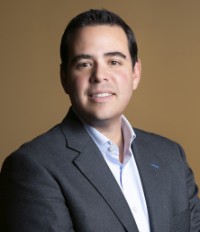


Galicia Abogados, S.C. prides itself on a culture that fosters collaboration and excellence. The firm has cultivated an environment where the sharpest minds come together to solve complex legal challenges. Its market offering sets it apart, blending the precision of renowned transactional and regulatory expertise with the strategic acumen required for high-stakes litigation. Galicia is recognised as a leader in the Mexican and Latin American legal ecosystems. In addition to being recognised in the Mexican market for its international and cross-border capabilities, Galicia is a firm with broad international reach through its alliances and “best friends” network in Europe, Latin America, the United States and Asia. Galicia is ranked as a leading firm in Mexico and Latin America by renowned international publications such as Chambers and Partners, among many others. Acknowledgements to the following contributors to this chapter: Octavio Cantón, Irma Ross, Tannia Mendoza, Ricardo Montejano, Grecia Macías, Martha Contreras, Diego Leal, Jacob Maciel, Mauricio Fernández, Sandra Véliz, and Ana Paula Boy
1. Athlete Conduct, Integrity and Enforcement
1.1 Anti-Doping Regimes
Doping in Mexico is not a criminal offence. However, it remains subject to administrative sanctions under the General Physical Culture and Sports Law (Ley General de Cultura Física y Deporte or LGCFD) and its regulations.
The National Anti-Doping Committee (Comité Nacional Antidopaje) promotes clean sports in accordance with the World Anti-Doping Code. Mexico is a signatory to the Code through the Mexican Olympic Committee (Comité Olímpico Mexicano).
Anti-doping is regulated through the Model Regulation for the National Anti-Doping Organisation (Norma Modelo para la Organización Nacional Antidopaje), which incorporates the World Anti-Doping Code into Mexican law, including the WADA-prohibited substances list and therapeutic use exceptions. Individual sports leagues (eg, Liga MX, Mexican Football Federation) also impose their own sanctions.
Notable anti-doping cases in Mexico include the following:
- In January 2023, Atlas midfielder Edyairth Ortega was removed from the team after failing an anti-doping test, which is currently being analysed by the World Anti-Doping Agency.
- In August 2019, Chivas player Víctor Guzmán was suspended after failing anti-doping tests.
- During the 2011 Gold Cup, several Mexican national team players tested positive for Clenbuterol, but were exonerated after as FIFA determined that the substance was ingested through contaminated meat.
In March 2025 the National Physical Culture and Sports Commission (Comisión Nacional de Cultura Física y Deporte or CONADE) published an updated list of sanctioned athletes and the prohibited substances for 2026, effective 1 January 2026.
1.2 Misconduct and Match-Fixing
Mexico lacks a specific statute exclusively addressing match-fixing or athlete misconduct. However, several federal laws may apply depending on the circumstances.
The Federal Gaming and Sweepstakes Law (Ley Federal de Juegos y Sorteos or LFJS) regulates betting activities, though match-fixing is not a standalone offence. The LGCFD provides the legal basis for sports governance and empowers federations to adopt disciplinary measures. Criminal law provisions on fraud, bribery, or corruption may also apply to match-fixing scenarios.
The Mexican Football Federation (Federación Mexicana de Fútbol or FMF) established an Integrity Code and Disciplinary Regulations addressing betting and match manipulation offences, with sanctions ranging from temporary suspensions to lifetime bans. Mexican federations affiliated with international bodies such as FIFA, FIBA and World Athletics must also comply with their regulations.
In February 2023, the FMF sanctioned players from the Liga de Expansión MX and Liga Premier for match manipulation based on irregular betting patterns, with suspensions of up to 16 years.
1.3 Betting-Related Offences
In Mexico, betting is legal and primarily governed by the LFJS and its Regulations, under the oversight of the Ministry of the Interior (Secretaría de Gobernación or SEGOB). Licensed operators must partner with Mexican permit holders to offer online services. Ahead of the 2026 FIFA World Cup, the government faces pressure to modernise these regulations to increase transparency and protect consumers.
Sports governing bodies, notably the FMF, maintain integrity through codes of conduct prohibiting players, coaches, and officials from betting on their own sports or sharing inside information. They collaborate with international monitoring agencies and licensed operators who must report suspicious wagering patterns. In late 2024 and early 2025, the FMF issued multi-year bans to Liga Expansión MX players after irregular betting activity linked to match-fixing was flagged.
1.4 Disciplinary Framework
At the national level, the LGCFD provides an administrative sanctioning framework. CONADE identifies and sanctions conduct based on:
- the damages that have occurred or may occur;
- the intentionality of the action or omission constituting the offence;
- the seriousness of the offence; and
- the recidivism of the offender.
Disciplinary proceedings typically follow this pathway: (i) detection or report; (ii) preliminary investigation; (iii) notification to the athlete; (iv) provisional measures where permitted; (v) a hearing; (vi) a reasoned decision; and (vii) an appeal process.
2. Commercial Rights
2.1 Sports-Related Rights
In Mexico, there are no specific regulations for merchandising, hospitality, and ticketing; these rights are governed by commercial and civil law through private agreements.
The Statute for Public Shows in Mexico City (Ley para la Celebración de Espectáculos Públicos en la Ciudad de México) prohibits street ticket sales, price alterations, and scalping. A 2022 proposal to amend the Federal Consumer Protection Law (Ley Federal de Protección al Consumidor or LFPC) to address mass ticket purchases for profit remains pending. The Consumer Protection Regulator (Procuraduría Federal del Consumidor or PROFECO) has announced forthcoming guidelines on advertising, information disclosure, and ticket commercialisation for concerts, festivals, and live events, mandating advance disclosure of venue, date, schedule, seating map, availability, and total price per section at least 24 hours prior to sale.
2.2 Sponsorship Terms
Sponsors commonly seek brand placement visible during sports event broadcasts, including naming rights, jersey placements, in-venue placements, billboards, sponsored segments, social content, and athlete endorsements.
Beyond logo exposure, sponsors seek activation opportunities, including player appearances, experiential activations, and digital initiatives with performance metrics. Broadcast exposure plays a central role in sponsorship value. There is no specific sponsorship legislation in Mexico; general rules of the Federal Civil Code apply.
Sponsorship contracts are personalised to regulate specific rights according to the individual’s or event’s characteristics, with rights and obligations for both parties; agreements are commonly time-limited with extension possibilities.
2.3 Broadcasting Rights
In Mexico, broadcasting is monetised through advertising, sponsorship revenue, and subscription-based models (pay TV and streaming). Free-to-air television remains important for reach, while digital platforms have become key buyers of premium sports rights. Broadcasters operate under the Federal Telecommunications and Broadcasting Law (Ley Federal en materia de Telecomunicaciones y Radiodifusión or LFMTR), but commercial exploitation is primarily driven by contractual media rights agreements.
Revenue is generated through advertising sold around live matches, sponsorship integrations, subscription fees, and pay-per-view for premium events. Broadcasters access venues through accreditation and permissions granted by organisers, typically addressed in media rights agreements. The broadcast feed is protected as an audiovisual work; ownership and exploitation rights are determined by contract, whilst organisers retain trade marks and event-related IP.
3. Sports Events
3.1 Proprietary Rights and Event Management
Proprietary rights in Mexican sports are rooted in the commercial exploitation of events. While the event itself is not copyright-protected, audiovisual footage and branding are protected under the Federal Law for the Protection of Industrial Property (Ley Federal de Protección a la Propiedad Industrial or LFPPI) and the Federal Copyright Law (Ley Federal del Derecho de Autor or LFDA). Organisers secure exclusivity through trade mark registrations of event names, logos, and mascots, while controlling economic rights to the broadcast signal. Access is regulated through ticketing terms and accreditation systems for media.
The LFPC, enforced by PROFECO, mandates transparency in ticketing and grants consumers robust rights, including the right to a full refund (often with 20% compensation) in the event of cancellation, postponement, or material changes to the advertised programme. This consumer-centric oversight has become increasingly active as Mexico prepares for major international influxes, such as the 2026 FIFA World Cup.
Events are structured within SINADE, which bridges federal authorities (CONADE), state and municipal governments, and the private sector. Security responsibilities are bifurcated: event organisers manage internal venue security, while municipal authorities manage surrounding public areas through co-ordination agreements.
Participation of athletes, coaches, and officials is governed by the statutes and disciplinary regulations of the relevant National Sports Associations, registered with the National Sports Registry (Registro Nacional de Cultura Física y Deporte or RENADE), which establish technical standards, eligibility requirements, and ethical codes.
3.2 Duty of Care and Liability
Sports event organisers in Mexico owe a duty of care grounded in the Federal Civil Code, which establishes that those who cause damage through negligence must provide restitution. The LGCFD requires organisers to maintain safe facilities and implement adequate security and medical protocols.
Organisers may seek to limit liability through waivers, assumption of risk clauses, and liability insurance. However, Mexican law prohibits exclusion of liability for death or personal injury, gross negligence or wilful misconduct, and minimum consumer rights under the LFPC.
Athletes may be held liable to spectators where their conduct causes direct harm beyond the normal scope of play. Under the Federal Civil Code, organisers or clubs may be held liable (responsabilidad objetiva) for damages caused by those under their authority during the event.
Since April 2023, the Incode Fan ID system has been mandatory for entry to all Liga MX matches, managing access and enforcing bans. The LGCFD establishes “violence in sporting events” as a specific federal crime, prescribing prison sentences ranging from six months to four and a half years for conduct including throwing dangerous objects, pitch invasions, brawls, and introducing prohibited weapons.
Security is bifurcated: organisers manage interior venue safety through private security firms, whilst municipal police and, for the 2026 FIFA World Cup, the National Guard manage surrounding perimeters through formal co-ordination agreements.
4. Corporate Structures
4.1 Legal Forms of Sporting Bodies
Sports governing bodies, federations, and non-professional clubs typically incorporate as civil associations (Asociaciones Civiles or A.C.), a non-profit structure offering tax exemption and tax-deductible donations, requiring registration with CONADE. This structure mandates reinvestment of surplus into sporting objectives rather than distribution to members.
Professional sports clubs may adopt civil associations or commercial structures such as commercial companies (Sociedades Anónimas or S.A.) or limited liability companies (Sociedades de Responsabilidad Limitada or S.R.L.). Whilst the A.C. form maintains tax benefits, commercial structures allow profit distribution and equity investment.
The choice reflects financial strategy: development-focused entities prioritise tax advantages through the A.C. structure, whilst commercially driven professional clubs may opt for corporate forms enabling investment and profit distribution.
4.2 Corporate Governance Codes
There is no single mandatory sport-specific corporate governance code in Mexico. However, entities within SINADE may voluntarily adopt the Good Governance Code (Código de Buen Gobierno), which establishes principles for transparency, accountability, and integrity. Non-compliance does not result in legal penalties but may affect eligibility for public funding or CONADE recognition.
There is no uniform statutory “owners and directors test” for sports organisations in Mexico. Officers owe duties consistent with their corporate structure: directors of civil associations owe fiduciary duties including care, loyalty, and acting in the organisation’s best interests under the Federal Civil Code; directors of commercial companies are subject to the General Law of Commercial Companies. Personal liability may arise for breach of these duties.
Sporting sanctions for financial distress (such as points deductions or transfer restrictions) are not prescribed by general legislation but are typically found in league or competition regulations.
4.3 Sport Funding
Sport in Mexico is funded through public and private sources. Public funding comprises federal budget appropriations allocated to CONADE and state government contributions. Private revenue streams include donations, sponsorship agreements, and the EFIDEPORTE tax incentive, which allows taxpayers to allocate a portion of their income tax to authorised high-performance sports projects.
CONADE allocates resources to national sports federations based on athletic performance, development programmes, and strategic priorities. Federations distribute funds to regional associations, clubs, and individual athletes. At the club level, additional private revenue is generated through membership fees, commercial sponsorships, broadcasting rights, ticketing, and merchandising.
The funding model has evolved from a trust-based federal financing system to a hybrid approach combining public appropriations, targeted tax incentives, and private-sector participation.
5. Intellectual Property, Data and Data Protection
5.1 Trade Marks
The LFPPI regulates the Mexican Institute of Industrial Property (IMPI), responsible for the registry and administrative enforcement of trade marks. Registration typically takes six months to one year, is valid for ten years from the date of grant, and is renewable for equal periods. Registration is crucial for enforcement, as trade mark infringement actions can only be brought by holders or authorised licensees.
Certain names and concepts cannot be registered as trade marks under the LFPPI, including: three-dimensional shapes that are public property; isolated letters, digits, or colours; official symbols or emblems; geographical names; names, pseudonyms, signatures, and portraits without consent; titles of intellectual works without authorisation; and identical or confusingly similar marks to previously registered trade marks.
Trade marks may be filed and granted without prior use; however, owners must file a declaration of use on the third anniversary of grant, and failure results in automatic (ipso iure) cancellation. Additionally, if a trade mark is not used for three consecutive years, it becomes subject to cancellation unless circumstances beyond the owner’s control prevented use.
Notable sports-related trade mark registrations include club names and logos (Club América, Chivas de Guadalajara, Cruz Azul), league marks (Liga MX), event names, and athlete personal brands, typically registered across multiple classes.
5.2 Copyright/Database Rights
The Federal Copyright Law (LFDA) governs the National Copyright Institute (Instituto Nacional del Derecho de Autor or INDAUTOR). The LFDA grants authors “moral” (inalienable, perpetual, and inheritable) and “patrimonial” rights (exclusive exploitation rights, transferable, valid for 100 years after the author’s death). Original works are protected even without registration, though registration with INDAUTOR grants legal certainty and shifts the burden of proving ownership.
The basic requirements for copyright protection are fixation (incorporation in any form permitting perception or reproduction), authorship (only individuals can be granted copyright; legal entities may only hold patrimonial rights), and originality. Computer software is protected as equivalent to literary works under the LFDA.
Mexican law does not recognise a general “fair use” doctrine, but the LFDA provides specific statutory limitations for news reporting, quotation, criticism, research, and educational activities. Only databases constituting intellectual creations through their selection and arrangement are protected as compilations; non-original databases enjoy exclusivity rights for only five years.
In sports, copyright issues arise regarding broadcast footage, match highlights, event photography, and sports video games. Databases of player statistics may qualify for protection as compilations where selection and arrangement demonstrate originality.
5.3 Recognising Personality/Image Rights
Mexican law recognises image rights through statute, primarily under the LFDA and LFPPI. Under the LFDA, using or publishing a person’s portrait requires their express consent. Consent is not necessary when the person is a minor part of a group or photographed in a public place for journalistic purposes. Image rights last 50 years after the portrayed person’s death.
Unauthorised use of a person’s image for commercial profit constitutes an administrative infringement under the LFDA, which may result in fines and damages claims. From a trade mark perspective, the LFPPI prohibits registration of a person’s name, image, voice, portrait, or signature as a trade mark if the person has prestige or recognition that could create confusion, unless consent is obtained.
In sports, these provisions are relevant to commercial exploitation of athlete names, images, and likenesses. Athletes typically grant consent through licensing agreements specifying permitted uses, territorial scope, and duration.
5.4 Protecting Personality/Image Rights
Since Mexico is a civil law jurisdiction, protection of athlete’s personality and image rights derives from statutory frameworks and general civil liability principles. Image rights are recognised as personality rights (derechos de la personalidad) protected under federal and local civil codes. Under the LFDA, commercial use of a person’s image requires prior consent, and unauthorised use may give rise to civil actions for damages.
The LFPPI prohibits acts creating confusion as to commercial origin, false associations, or conduct misleading consumers. Such conduct may constitute an infringement actionable before IMPI, potentially leading to fines, injunctions, and product seizure. Athletes often strengthen protection by registering their names, nicknames, or personal logos as trade marks, providing an independent enforcement mechanism.
Whilst Mexico does not rely on common law doctrines such as passing off, similar protective outcomes are achieved through statutory unfair competition provisions, civil actions for unauthorised use of image, and trade mark enforcement mechanisms.
5.5 Licensing
In Mexico, sports bodies, teams, and athletes exploit their intellectual property primarily through trade mark, copyright, industrial design, and image rights frameworks under the LFPPI and LFDA.
Professional sports bodies and teams register their names, logos, emblems, mascots, and event names as trade marks before IMPI, and seek enhanced protection through reservations of rights filed with INDAUTOR. These assets are commercially exploited through licensing programmes, merchandising agreements, sponsorship arrangements, and event-related promotions. Trade mark licences may be recorded before IMPI to strengthen enforceability.
Professional athletes commercialise their IP by registering their names, nicknames, and personal logos as trade marks and licensing them for endorsements, apparel lines, and digital content. Athletes also monetise their image rights through sponsorship and endorsement agreements.
Non-professional or college sports bodies operate under the same IP statutes but face different practical constraints. Universities may register and license their team names and logos, though commercialisation may be limited by internal governance rules.
5.6 Assignment of IP Rights
Applicants and holders of IP rights may assign and transfer their rights, wholly or in part, through assignment, merger, or swap contracts. Licence agreements allow holders to grant third parties the right to use such rights in exchange for royalties whilst retaining ownership.
Mexican law imposes certain restrictions on assignment. Moral rights under copyright law are inalienable. Patrimonial rights assignments are capped at 15 years under the LFDA, after which rights revert to the author unless a new assignment is executed. Computer program assignments are not subject to time limitations. Trade mark rights and industrial designs may generally be assigned without time restrictions.
Transfer or licence agreements must be recorded before IMPI and INDAUTOR to be enforceable against third parties. In sports, professional clubs and athletes routinely assign or license trade mark and image rights to commercial partners.
5.7 Data in Sport
Sports data in Mexico is used across multiple contexts, including spectator management, athlete performance analysis, and commercial exploitation. Professional teams and federations, particularly within Liga MX, have implemented biometric identification systems such as Fan ID to manage stadium access and enhance security, collecting sensitive personal data including biometric information.
Clubs use wearable technology, GPS tracking, and optical systems to collect data on athlete movement, physical exertion, injury risk, and tactical positioning for training optimisation and player valuation. Broadcasters integrate real-time performance data into match coverage. Commercially, clubs license aggregated fan data to sponsors, performance data is used for player acquisitions, and sports data feeds fantasy sports platforms and betting markets.
The collection and commercialisation of sports data is subject to the Federal Law on Protection of Personal Data Held by Private Parties (Ley Federal de Protección de Datos Personales en Posesión de los Particulares or LFPDPPP). Data controllers must obtain informed consent, implement appropriate security measures, and comply with transparency obligations. Processing of sensitive biometric data requires express written consent.
5.8 Data Protection
In Mexico, sports-related data is primarily governed by the LFPDPPP, updated in March 2025. The 2025 amendments strengthened enforcement by transferring authority to the Ministry for Anti-Corruption and Good Government. The LFPDPPP applies to personal data processed by private entities, including sports organisations, encompassing basic information, financial data, and sensitive data such as health status, medical evaluations, injury records, and anti-doping test results.
Data controllers in the sports sector must provide privacy notices detailing ARCO rights (access, rectification, cancellation, opposition), obtain consent before processing data (express written consent required for sensitive data), implement security measures, and ensure recipients of data transfers assume equivalent obligations.
Professional clubs process substantial volumes of personal data requiring LFPDPPP compliance, including performance monitoring through wearable technology, spectator management through biometric identification, player transfer processes involving cross-border data transfers, and anti-doping programmes processing highly sensitive health information.
The GDPR does not directly apply in Mexico. However, Mexican sports organisations dealing with European entities may need GDPR compliance when processing data of EU residents. The LFPDPPP’s similar principles facilitate cross-border compliance.
6. Dispute Resolution
6.1 Role of National Court Systems
Mexico does not have specialised courts in sports law. Disputes may be brought before civil, commercial, intellectual property, administrative, labour, or criminal courts, depending on the nature of the dispute.
Under Mexican administrative law, parties must generally exhaust available administrative remedies before seeking judicial review. However, parties retain the constitutional right to judicial protection (amparo) to challenge decisions violating fundamental rights. Mexican courts distinguish between sporting or technical decisions (where they defer to sports bodies’ expertise) and legal or rights-based disputes (where courts exercise full review authority).
6.2 ADR Mechanisms
The primary administrative mechanism for sports disputes is the Commission of Appeal and Arbitration of Sport (Comisión de Apelación y Arbitraje del Deporte or CAAD), established under the LGCFD. As of August 2025, CAAD has undergone significant institutional restructuring, being absorbed into the Ministry of Public Education’s (Secretaría de Educación Pública or SEP) administrative structure. This transition has affected the independence of the administrative sports dispute resolution mechanism, as SEP now functions both as administrator of disputes and as a potential party to proceedings involving CONADE.
Historically, CAAD provided three statutory mechanisms: the appeals resource (enabling individuals registered in RENADE or members of SINADE to challenge decisions), arbitration, and mediation and conciliation. Whilst these mechanisms remain formally available, the 2025 institutional changes have led to increased reliance on alternative routes, including amparo proceedings and private commercial arbitration under the Federal Code of Commerce.
Sports federations, including the FMF, maintain internal disciplinary and dispute resolution procedures. International sports disputes are increasingly resolved through the Court of Arbitration for Sport (CAS). In 2025, multiple Liga de Expansión clubs filed proceedings before CAS challenging Liga MX and the FMF regarding the suspension of promotion and relegation. CAS arbitration clauses have become standard in professional player contracts and international transfer agreements.
6.3 Sanctions, Remedies and Challenges
Sport governing bodies in Mexico derive authority from a hybrid status as private associations performing public-interest functions regulated by the LGCFD. Within the SINADE framework, federations possess regulatory and disciplinary powers and may impose sporting sanctions (match suspensions, disqualifications, point deductions, competition bans) and financial sanctions (fines, withholding of prize money).
Parties challenging decisions must navigate multiple remedial avenues: internal federation appeals procedures, appeals before CAAD (though following the August 2025 restructuring, parties increasingly bypass this route), and constitutional protection through amparo proceedings where sanctions violate fundamental rights or breach due process guarantees.
Sanctions that are disproportionate or imposed without adequate procedural safeguards may be nullified through amparo. For disputes with international dimensions, CAS serves as the final appellate body. Parties may also pursue private commercial arbitration under the Federal Code of Commerce for contractual disputes not subject to exclusive federation jurisdiction.
7. Employment Contracts and Rights
7.1 Sports-Related Employment Contracts
Professional sport is understood as that in which the athlete is subject to an employment relationship, obtaining economic remuneration. Relations between players and organisations are typically managed under employment contracts. The Mexican Federal Labour Law (Ley Federal de Trabajo or LFT) has a special chapter regulating the work of professional athletes. Central player contracts are usually executed for a fixed term, specific tournament, or season.
Salary Caps
Salary caps are uncommon in professional Mexican sports. The LFT provides that different salaries among players performing the same activities are allowed, depending on factors such as the category of events, the organisation, or the player’s abilities.
Additional Considerations
Labour law stipulates that a professional player cannot be transferred without their consent and is entitled to receive at least 25% of any transfer fee. Professional players have additional obligations such as attending training sessions, complying with sports regulations, and refraining from mistreating referees and other players. Employment contracts may include non-compete clauses or exclusivity arrangements, which must comply with constitutional protections.
7.2 Employer/Employee Rights
Professional athletes in Mexico are considered employees under the Federal Labour Law (LFT), entitled to the same minimum labour rights as other employees, including salary protection and social security. Compliance with sports regulations may govern sporting aspects but cannot override non-waivable labour rights.
Mexican sports governing bodies, such as the FMF, may establish internal mechanisms to resolve sport-related disputes between players and clubs. These commissions function as disciplinary or arbitral bodies but do not replace players’ right to bring labour claims before competent labour authorities. Bodies such as CAAD and CAS hear sports-related appeals but do not displace the jurisdiction of Mexican labour courts over employment matters.
A noteworthy example occurred in 2019 when players filed a claim against football team Club Tiburones Rojos del Veracruz for unpaid salaries. The dispute was resolved by the Mexican Football Association’s Conciliation and Dispute Commission, which obliged the club to pay outstanding wages. The team was also disaffiliated from the Mexican Football League due to this dispute.
7.3 Free Movement of Athletes
Foreign Athletes Caps
There are no federal laws prohibiting sports governing bodies from capping the number of foreign athletes. Sports governing bodies and leagues have discretion to establish eligibility and registration rules, including restrictions on foreign players.
For example, Liga MX regulations include limits on non-Mexican-trained players. For the 2025/2026 season, clubs may register up to nine “Non-Formados en México” (NFM) players, with a maximum of seven allowed on the pitch simultaneously. These restrictions have not been successfully challenged under constitutional or competition law principles.
Visa Restrictions
Foreign athletes are subject to Mexico’s immigration framework under the Migration Law (Ley de Migración). Athletes typically require a temporary resident visa with work authorisation or a visitor visa with remunerated activities permission. Clubs and event organisers ordinarily sponsor the immigration process. International tournaments may benefit from expedited processing co-ordinated through sports federations.
8. Women’s Sport
8.1 Development and Growth of Women’s Sport
Women’s sport in Mexico has experienced growth in visibility and commercial development, driven primarily by the establishment of Liga MX Femenil in 2016. The women’s professional football league operates under the FMF and features teams affiliated with Liga MX clubs.
Liga MX Femenil has achieved notable attendance figures, with the 2023 final between Club América and Pachuca drawing over 58,000 spectators at Estadio Azteca. Regular season matches are broadcast across multiple platforms. However, research cited by FMF officials indicated that approximately half of the Mexican population remained unaware of Liga MX Femenil as of 2022.
Commercial investment in women’s football has increased, though media rights deals for Liga MX Femenil are typically bundled with men’s football rights rather than negotiated separately. Player salaries remain substantially lower than in the men’s league, though some clubs have announced incremental improvements.
8.2 Organisations and Initiatives to Promote Women’s Sport
CONADE has implemented programmes promoting gender equality in sport and supporting women athletes across disciplines. The creation of Liga MX Femenil in 2016 by the FMF, with mandatory participation for Liga MX clubs, represents the most significant institutional initiative for women’s sport development, providing professional infrastructure and accelerating visibility and commercial growth.
Beyond football, women’s sport development relies primarily on existing national sports federations and CONADE rather than dedicated women’s sport organisations. The Mexican Olympic Committee supports female athletes through national team programmes and Olympic preparation initiatives.
Mexico is a state party to the Convention on the Elimination of All Forms of Discrimination against Women (CEDAW), and the LGCFD recognises gender equality as a principle governing sports policy, though implementation mechanisms require continued development.
9. Esports
9.1 Development and Growth of Esports
In Mexico, there is a push for formal federal regulation of esports. In 2019, CONADE granted official sport status to the Mexican Federation of Esports (FEMES). Whilst legislative initiatives to incorporate esports into the LGCFD have gained momentum, they await final enactment.
Mexico’s esports landscape has transitioned from a niche hobby into a structured industry, representing one of the largest markets in Latin America. The esports market is projected to reach approximately USD149.3 million by 2030. The industry’s maturation is evidenced by professional ecosystems supported by international investment, dedicated gaming centres, and major broadcasters including Televisa launching BitMe, a dedicated esports channel.
Development is defined by mobile gaming dominance, which has democratised access to competitive gaming, particularly through popular titles like Free Fire. Major events such as Gamergy México and the Liga Latinoamericana serve as primary hubs for fan engagement. Sponsorship remains the largest revenue stream, while media rights represent the fastest-growing segment.
The legal framework governing esports relies primarily on civil and commercial regulations and the LFPPI. Unlike traditional sports, important esports events are organised by video game publishers rather than federations, leading to legal gaps in areas such as player transfers, minimum compensation, and treatment of underage players. The absence of enacted federal law means labour rights and tax obligations for professional gamers lack specialised “sporting” status under the Federal Labour Law.
9.2 Key Trends and Notable Deals in Esports
The most significant trend remains the “mobile-first” evolution, with mobile gaming accounting for over 70% of market share. There has shifted the focus of sponsors and tournament organisers toward titles that offer high accessibility, such as Free Fire and PUBG Mobile. There has been a notable increase in private investment for Esports Hubs – physical venues equipped with high-speed technology in Mexico City, Monterrey, and Guadalajara.
A major developmental trend is formal recognition of esports by academic and sporting authorities. Organisations like CONADEIP have integrated esports into official programmes, creating a “scholarship-to-pro” pipeline where universities invest in varsity esports programmes.
The sector’s maturation is evidenced by specialised media rights deals. Major broadcasters, notably Televisa via BitMe, have launched dedicated esports channels. Sponsorship remains the primary revenue driver, with major events like Gamergy México serving as centralised hubs for brand activation. In early 2026, there is a notable rise in iGaming and sports betting partnerships targeting the esports demographic.
10. NFTs, AI and the Metaverse
10.1 Non-Fungible Tokens (NFTs)
The NFT market in Mexico has developed cautiously and remains relatively niche, shifting from speculative trading to a utility-driven model focused on fan engagement, with initiatives used primarily as “digital keys” to unlock experiential benefits.
Mexican NFT initiatives include sports-related campaigns offering experiential benefits through collaborations with clubs including Pumas, Necaxa, and Atlante. Mazatlán FC distributed NFTs to season-ticket holders as part of a loyalty programme. In preparation for the 2026 FIFA World Cup, platforms like FIFA Collect have popularised digital assets for exclusive tournament access and priority ticketing.
Although NFTs are not specifically regulated by Mexican law, they are generally legal with certain exceptions. If an NFT represents a security, this may raise regulatory concerns, and Mexican regulators have stated that transactions involving NFTs representing securities are prohibited.
Receiving digital assets on behalf of third parties may be considered deposit-taking activities regulated by financial laws. Finally, in preparation for the 2026 FIFA World Cup, platforms like FIFA Collect have further popularised the use of digital assets for exclusive tournament access and priority ticketing.
10.2 AI
Mexico has no general or sectoral laws covering AI. However, AI adoption has accelerated significantly in preparation for the 2026 FIFA World Cup across several areas:
- Performance and Scouting: Liga MX clubs utilise AI platforms for real-time tactical analysis, injury prediction, and performance modelling.
- Broadcasting and Engagement: Networks use AI to generate real-time graphics and personalised highlight reels.
- Security: The State of Mexico has deployed the “Nexus” AI platform using biometric facial recognition and vehicle tracking to manage security for World Cup logistical hubs.
AI offers a significant competitive advantage in recruitment and injury prevention. Commercially, it enables hyper-personalised fan experiences and dynamic ticket pricing. The legal implications are rapidly evolving, raising complex considerations regarding ethical bias, data privacy, player consent, and fair competition.
10.3 The Metaverse
In Mexico, the metaverse remains on the horizon, though sporting institutions like Liga MX are interested in its possibilities. In the lead-up to the 2026 FIFA World Cup, practical applications include “Digital Twins” of iconic venues like Estadio Azteca, allowing fans to navigate 3D replicas for seat selection, virtual stadium tours, and interactive e-commerce experiences. “Phygital” retail, where digital apparel purchases trigger physical merchandise delivery, is gaining traction among younger demographics.
In the lead-up to the 2026 FIFA World Cup, practical applications include “Digital Twins” of iconic venues like the Estadio Azteca, allowing fans to navigate 3D replicas for seat selection, virtual stadium tours, and interactive e-commerce experiences. Additionally, “Phygital” retail, where users purchase digital apparel for avatars that triggers the delivery of physical merchandise, is gaining traction among younger demographics.
Mexican sports organisations leverage the metaverse to transcend physical stadium capacities through virtual fan zones, immersive sponsorship activations, and VR/AR training simulations for athletes.
The metaverse offers unprecedented global scalability for Mexican brands and creates new revenue streams through digital assets and virtual real-world integration, with relevant IP, privacy, and blockchain-related legal considerations.
Galicia Abogados
Torre SOMA Chapultepec
Av. Campos Elíseos, 204 – 27th Floor
Polanco 11550, Mexico City
Mexico
+52 (55) 5540 9200
contacto@galicia.com.mx www.galicia.com.mx/links/index1
Trends and Developments
Authors

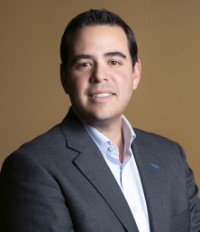


Galicia Abogados, S.C. prides itself on a culture that fosters collaboration and excellence. The firm has cultivated an environment where the sharpest minds come together to solve complex legal challenges. Its market offering sets it apart, blending the precision of renowned transactional and regulatory expertise with the strategic acumen required for high-stakes litigation. Galicia is recognised as a leader in the Mexican and Latin American legal ecosystems. In addition to being recognised in the Mexican market for its international and cross-border capabilities, Galicia is a firm with broad international reach through its alliances and “best friends” network in Europe, Latin America, the United States and Asia. Galicia is ranked as a leading firm in Mexico and Latin America by renowned international publications such as Chambers and Partners, among many others. Acknowledgements to the following contributors to this article: Octavio Cantón, Irma Ross, Tannia Mendoza, Ricardo Montejano, Grecia Macías, Martha Contreras, Diego Leal, Jacob Maciel, Mauricio Fernández, Sandra Véliz, and Ana Paula Boy
The 2026 FIFA World Cup: Mexico’s Legal and Commercial Innovation Moment
Introduction: a historic convergence
The 2026 FIFA World Cup represents an unprecedented moment in sports history and Mexican sports law. For the first time, three nations will co-host the tournament, with Mexico welcoming matches across three iconic venues: Estadio Azteca in Mexico City, Estadio BBVA in Monterrey, and Estadio Akron in Guadalajara. Beyond the spectacle, this World Cup arrives at a unique inflection point, where cutting-edge technology, evolving commercial models, and innovative legal frameworks converge to create extraordinary opportunities for international investors, sponsors, technology providers, and rights-holders.
This article examines the novel legal and commercial dimensions that distinguish the 2026 World Cup, including Mexico’s deployment of AI-powered security and fan engagement infrastructure, tri-national regulatory co-ordination, sustainable stadium operations and legacy planning, and digital rights monetisation strategies reshaping sports commerce. For international stakeholders, understanding these innovations is essential to capitalising on what promises to be Latin America’s most commercially sophisticated sporting event.
Tri-national legal co-ordination: a new governance model
Cross-border regulatory innovation
The 2026 World Cup’s tri-national structure required unprecedented legal and regulatory co-ordination between Mexico, the United States, and Canada. This co-operation extends far beyond traditional host country obligations, creating innovative frameworks for cross-border operations that will influence international sports governance for decades.
Mexico has pioneered streamlined visa and work permit procedures for World Cup operations. The National Immigration Institute (Instituto Nacional de Migración) has established dedicated processing channels for athletes, officials, media personnel, and essential workers, with co-ordination protocols allowing seamless movement between host nations. These procedures are a significant advancement in immigration efficiency and provide a model that could transform how Mexico approaches major international events.
For international organisations, this creates remarkable operational flexibility. Broadcast crews, technology teams, corporate hospitality providers, and commercial partners can deploy personnel fluidly across North American venues, reducing administrative friction and enabling truly integrated continental operations. Companies establishing regional World Cup strategies will benefit from co-ordinated regulatory treatment unavailable in traditional single-nation tournaments.
Harmonised commercial frameworks
The three host nations have developed co-ordinated approaches to sponsorship activation rights, ambush marketing protection, intellectual property enforcement, and temporary commercial zone regulations. Mexico’s contribution includes fast-track trade mark registration for World Cup-related marks, enhanced enforcement mechanisms for counterfeit merchandise, and clarified taxation treatment for short-term commercial operations.
The Federal Tax Administration Service (Servicio de Administración Tributaria) has issued advance rulings providing certainty on VAT treatment for ticketing, hospitality packages, and digital services, whilst establishing simplified withholding procedures for foreign entities operating temporarily in Mexico. This proactive regulatory clarity, rare in Mexican commercial law, proves that legal certainty drives investment and commercial activity.
AI-powered infrastructure: Mexico’s technological leadership
The Nexus security platform
Mexico’s deployment of the Nexus AI security platform represents one of the most sophisticated applications of artificial intelligence in sporting event management globally. Developed through a public–private partnership, Nexus integrates biometric facial recognition, predictive crowd flow modelling, vehicle tracking, and real-time threat assessment to manage security across World Cup venues and logistical hubs.
From a legal perspective, Nexus required innovative solutions to data protection challenges. Mexican authorities developed consent mechanisms, data minimisation protocols, and automated deletion systems compliant with the Federal Law on Protection of Personal Data Held by Private Parties (LFPDPPP). The resulting framework includes clear data controller/processor allocations, establishing protocols that international technology companies can adapt for future deployments.
For technology providers, Mexico’s approach demonstrates that sophisticated AI systems can operate within robust data protection regimes when properly structured. The Nexus framework includes clear data controller/processor allocations, contractual indemnities, cross-border data transfer mechanisms, and post-event data destruction protocols, creating a replicable model for AI-powered event security.
Fan engagement and commercial innovation
Beyond security, Mexican venues are deploying AI across the fan experience ecosystem. Personalised content delivery systems analyse viewing preferences to generate customised highlight packages and real-time statistics. Dynamic pricing algorithms optimise hospitality and merchandise sales whilst ensuring accessibility. AI-powered translation services enable real-time multilingual fan engagement, particularly valuable given Mexico’s role bridging anglophone and hispanophone markets.
These technologies create commercial opportunities for data analytics companies, software providers, and digital engagement platforms. Mexican partners are actively seeking international technology collaborators who can bring advanced capabilities whilst respecting local data protection requirements. The World Cup provides a showcase for technologies that could transform Liga MX operations, esports integration, and future major events.
Sustainable operations and legacy infrastructure
Environmental innovation
Mexico’s World Cup preparations emphasise environmental sustainability. Estadio BBVA in Monterrey has achieved LEED certification through water recycling and renewable energy integration. Estadio Akron incorporates rainwater harvesting and solar power generation. These initiatives required novel regulatory approvals and financing structures blending public environmental mandates with private commercial operations.
The legal frameworks developed to enable these projects, including green bond issuances, environmental performance contracts, and sustainability-linked financing, offer templates for future sports infrastructure investment. International investors focused on ESG compliance will find Mexican sports infrastructure increasingly aligned with global sustainability standards, creating opportunities for green investment vehicles and impact-focused capital.
Legacy and community impact
Mexican World Cup planning incorporates post-tournament legacy considerations, with legally binding commitments to community sports facility development, youth programme funding, and accessible infrastructure improvements. These obligations are structured through public-private partnership models combining concession agreements, performance-term operational responsibilities whilst ensuring commercial viability.
For international developers and operators, Mexico’s legacy infrastructure offers investment opportunities extending well beyond June and July 2026. Sports academies, community facilities, and accessible venues will require ongoing management, creating demand for experienced operators with sustainable business models. The legal structures, which combine concession agreements, performance-based funding, and community benefit obligations, represent sophisticated public–private partnership arrangements that could attract institutional investors seeking stable, long-term sports infrastructure exposure.
Digital media rights revolution and new media monetisation
Beyond traditional broadcasting
The 2026 World Cup will be the first major tournament where digital streaming potentially equals or exceeds traditional broadcasting in commercial value. Mexico’s young, digitally native population and high mobile penetration rates make it a crucial market for new media experimentation.
Mexican broadcasters are developing multi-platform distribution models that fragment traditional exclusive broadcast rights into platform-specific packages, distinguishing linear television rights, authenticated streaming, social media clips, behind-the-scenes content, and interactive features, each with separate valuation and commercial terms.
This fragmentation requires sophisticated rights definition and licensing structures. International rights-holders and technology platforms negotiating Mexican market access must navigate complex arrangements distinguishing territorial scope, platform limitations, content types, and sublicensing permissions. However, this complexity creates opportunity: granular rights packages enable targeted investment, allow specialised platforms to access premium content, and create multiple monetisation channels.
Esports and virtual engagement
Mexico’s vibrant esports ecosystem is integrating with World Cup commercial strategies. Official FIFA esports tournaments will run parallel to the World Cup, with Mexican venues hosting competitive gaming events featuring prize pools and broadcast production comparable to physical matches.
This convergence creates commercial opportunities as traditional sports sponsors discover esports audiences, whilst endemic gaming brands gain access to mainstream sports platforms. The legal frameworks governing these arrangements blend sports marketing agreements with digital media licensing, and esports tournament regulations are evolving rapidly, creating demand for counsel who understand both traditional sports commerce and digital entertainment law.
For international brands evaluating Mexican sponsorship opportunities, integrated physical–digital strategies offer efficient access to diverse demographics: traditional football fans through stadium and broadcast presence, digital natives through streaming and social platforms, and gaming enthusiasts through esports integration.
Sponsorship innovation and activation opportunities
New commercial categories
The 2026 World Cup introduces commercial categories unprecedented in prior tournaments, reflecting evolving technology and consumer behaviour. These include official cryptocurrency/blockchain partners, AI and data analytics providers, sustainable technology sponsors, and mental health and wellness categories.
Mexico has developed flexible regulatory frameworks enabling these novel sponsorship categories whilst protecting tournament integrity. The Federal Economic Competition Commission (Comisión Federal de Competencia Económica) has issued guidance confirming that exclusive sponsorship arrangements in emerging categories do not violate competition law provided they meet transparency and proportionality standards. This regulatory clarity enables brands in innovative sectors to invest confidently.
Activation flexibility
Mexican regulatory authorities have established World Cup commercial zones with streamlined permitting for temporary installations, experiential marketing, and brand activations, benefiting from simplified health and safety approvals, expedited alcohol licensing for hospitality operations, and co-ordinated municipal permitting that eliminates bureaucratic fragmentation.
For international sponsors and activators, Mexico offers remarkable operational flexibility compared to highly restrictive regulatory environments in some prior host nations. Sophisticated experiential marketing programmes, pop-up retail operations, and immersive brand experiences can be deployed efficiently, creating memorable consumer engagement opportunities.
Investment opportunities in sports infrastructure
Stadium modernisation and technology integration
Mexico’s World Cup venues represent only the beginning of a broader stadium modernisation movement. Liga MX clubs are investing in facility upgrades, digital infrastructure, and fan experience enhancement. The legal structures enabling these investments, including sale–leaseback arrangements, stadium naming rights agreements, and technology services contracts, have matured significantly.
Training facilities and sports science
World Cup preparations have elevated Mexican sports science and training facility standards, incorporating cutting-edge performance analytics, recovery technology, and sports medicine capabilities. International companies specialising in athlete performance technology and sports science infrastructure will find Mexican clubs and federations increasingly sophisticated buyers.
Esports and virtual sports: parallel growth
Regulatory maturation
Whilst comprehensive esports regulation remains pending, the sector has achieved de facto regulatory clarity through CONADE’s recognition of the Mexican Federation of Esports (FEMES) and operational frameworks developed by major publishers and leagues. This practical clarity, combined with explosive commercial growth, makes Mexico an attractive esports investment destination.
The esports market offers international investors access to young, digitally engaged demographics with high disposable income and brand loyalty. Mobile gaming dominance, representing the majority of market activity, enables scaled reach across socioeconomic segments. For consumer brands, esports sponsorship provides efficient access to audiences difficult to reach through traditional media.
World Cup synergies
The 2026 World Cup creates unique esports integration opportunities. Official FIFA gaming tournaments, virtual stadium experiences, and digital fan engagement platforms blend physical and virtual sports in commercially valuable ways. International technology companies and gaming platforms can leverage World Cup visibility to establish Mexican market presence whilst demonstrating capabilities to potential long-term partners.
Legal services and professional opportunities
Sophisticated transactional demand
The 2026 World Cup has elevated demand for sophisticated sports law counsel in Mexico, requiring expertise spanning intellectual property licensing, commercial agreements, regulatory compliance, tax structuring, immigration, data protection, and dispute resolution. Mexican law firms with dedicated sports practices are collaborating increasingly with international counsel.
Dispute resolution evolution
The World Cup has incentivised improvements in sports dispute resolution, including expedited procedures, specialised expertise development, and enhanced co-ordination with international arbitration mechanisms. Clear dispute resolution pathways and CAS jurisdiction for international issues provide reliable frameworks for managing disagreements.
Practical opportunities for international stakeholders
International counsel advising clients on Mexican World Cup opportunities should consider the following:
- Technology Partnerships: Mexico actively seeks international partners for AI-powered security, fan engagement platforms, digital rights management, and performance analytics. Technology providers with proven capabilities can access significant commercial opportunities through public–private partnerships and commercial contracts with clubs, federations, and venues.
- Sustainable Infrastructure Investment: Green financing vehicles, ESG-focused funds, and impact investors will find Mexican sports infrastructure aligned with sustainability mandates.
- Digital Media Rights and New Media: Fragmented rights packages create opportunities for specialised platforms to access premium content. International streaming services, social media platforms, and digital publishers can negotiate targeted rights agreements rather than requiring comprehensive packages.
- Sponsorship and Activation: Mexico’s flexible regulatory environment and streamlined commercial zone permitting enable sophisticated experiential marketing and brand activation. Consumer brands can deploy creative programmes more easily than in restrictive jurisdictions.
- Esports and Gaming: Mexico’s vibrant esports market offers demographic reach and engagement levels difficult to achieve through traditional channels. International gaming companies and esports organisations can establish market presence leveraging World Cup-related visibility.
- Legacy Infrastructure Development: Post-tournament community facilities, training centres, and accessible venues require experienced operators. International sports facility managers and developers can access long-term opportunities through carefully structured public–private partnerships.
Conclusion: Mexico’s moment
The 2026 FIFA World Cup represents Mexico’s emergence as a sophisticated, technology-forward sports market with legal and regulatory frameworks increasingly aligned with international standards. The tournament catalyses innovations in AI deployment, sustainable infrastructure, digital rights monetisation, and cross-border regulatory co-ordination that will influence global sports commerce for years to come.
For international investors, sponsors, technology providers, and rights-holders, Mexico offers a compelling combination: a massive, passionate fan base; a young, digitally engaged population; improving regulatory clarity; and innovative public–private partnership frameworks. The legal infrastructure supporting these opportunities has matured dramatically, enabling sophisticated transactions with manageable risk profiles.
The World Cup is not merely a sporting event but a demonstration of Mexico’s capabilities and ambitions in sports commerce, technology innovation, and international collaboration. International stakeholders who engage strategically, bringing capital, technology, and expertise will find remarkable opportunities.
This is Mexico’s third World Cup, but the first where the nation’s sports industry possesses the commercial sophistication, technological infrastructure, and legal frameworks to capture lasting value.
For those prepared to engage with Mexico’s unique blend of passionate sports culture, technological innovation, and evolving legal frameworks, the 2026 World Cup opens doors to opportunities extending far beyond the tournament itself. The challenge for international counsel is not whether to engage, but how to structure involvement to maximise commercial success whilst navigating Mexico's distinctive legal landscape with skill and cultural intelligence.
The opportunities are extraordinary. The time to engage is now.
Galicia Abogados
Torre SOMA Chapultepec
Av. Campos Elíseos, 204 – 27th Floor
Polanco 11550, Mexico City
Mexico
+52 (55) 5540 9200
contacto@galicia.com.mx www.galicia.com.mx/links/index1
Law and Practice
Authors
Galicia Abogados, S.C. prides itself on a culture that fosters collaboration and excellence. The firm has cultivated an environment where the sharpest minds come together to solve complex legal challenges. Its market offering sets it apart, blending the precision of renowned transactional and regulatory expertise with the strategic acumen required for high-stakes litigation. Galicia is recognised as a leader in the Mexican and Latin American legal ecosystems. In addition to being recognised in the Mexican market for its international and cross-border capabilities, Galicia is a firm with broad international reach through its alliances and “best friends” network in Europe, Latin America, the United States and Asia. Galicia is ranked as a leading firm in Mexico and Latin America by renowned international publications such as Chambers and Partners, among many others. Acknowledgements to the following contributors to this chapter: Octavio Cantón, Irma Ross, Tannia Mendoza, Ricardo Montejano, Grecia Macías, Martha Contreras, Diego Leal, Jacob Maciel, Mauricio Fernández, Sandra Véliz, and Ana Paula Boy
Trends and Developments
Authors
Galicia Abogados, S.C. prides itself on a culture that fosters collaboration and excellence. The firm has cultivated an environment where the sharpest minds come together to solve complex legal challenges. Its market offering sets it apart, blending the precision of renowned transactional and regulatory expertise with the strategic acumen required for high-stakes litigation. Galicia is recognised as a leader in the Mexican and Latin American legal ecosystems. In addition to being recognised in the Mexican market for its international and cross-border capabilities, Galicia is a firm with broad international reach through its alliances and “best friends” network in Europe, Latin America, the United States and Asia. Galicia is ranked as a leading firm in Mexico and Latin America by renowned international publications such as Chambers and Partners, among many others. Acknowledgements to the following contributors to this article: Octavio Cantón, Irma Ross, Tannia Mendoza, Ricardo Montejano, Grecia Macías, Martha Contreras, Diego Leal, Jacob Maciel, Mauricio Fernández, Sandra Véliz, and Ana Paula Boy
