Anti-Corruption 2026
Denmark
Authors
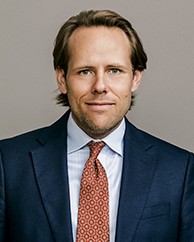



Accura Advokatpartnerselskab is one of Denmark’s top law firms, known for translating law into practice and providing clear recommendations for Danish and international businesses. The firm’s specialised legal business areas are aimed at providing the best advice for complex cases, cross-border projects, and large transactions. With over 550 employees in Copenhagen, Aarhus, Singapore, Boston, London, Tokyo and Melbourne, the firm offers extensive expertise and a global outlook. Accura’s competition, regulatory and investigations team advises companies, institutions and public authorities on internal and external corporate investigations. It represents major industry leaders in cross-border criminal cases and handles complicated antitrust issues, including cartel investigations and self-assessments, market manipulation cases and high-profile corporate crime investigations. Regulatory work and public procurement are significant parts of the firm’s practice, serving municipalities, utilities companies and private clients. Accura emphasises practical solutions to help clients achieve their commercial goals while ensuring compliance with regulations. The team consists of 20 professionals.
1. Legal Framework
1.1 International Conventions
Denmark has signed up to multiple international conventions regarding anti-bribery and anti-corruption as detailed below.
The United Nations Convention Against Corruption (UNCAC)
Denmark is part of the UNCAC. It was adopted by the UN General Assembly in October 2003 and entered into force in December 2005. Denmark signed the Convention on 10 December 2003 and ratified it on 26 December 2006. The UNCAC tackles various topics such as bribery, embezzlement and misappropriation (in both public and private sectors), abuse of functions, money laundering and obstruction of justice.
The OECD Anti-Bribery Convention
The OECD Anti-Bribery Convention is legally binding and targets bribery in international business transactions. It requires signatories to criminalise bribery of foreign public officials. It was adopted on 21 November 1997 and entered into force on 15 February 1999. Denmark was one of the 20 founding member countries of the OECD and is one of the current 38 member countries. (See OECD Legal Instruments.)
The Council of Europe: Criminal Law Convention on Corruption – ETS No 173
Denmark is part of the Criminal Law Convention on Corruption which was adopted by the Council of Europe in January 1999. The Convention criminalises various forms of corruption, including bribery of public officials, bribery in the private sector, trading in influence, and money laundering. It also emphasises complementary criminal law measures and improved international co-operation in the prosecution of corruption offences. The implementation of the Convention is monitored by the Group of States against Corruption (GRECO). (See Details of Treaty No 173 – Treaty Office.)
Additional Protocol to the Criminal Law Convention on Corruption – ETS No 191
The Additional Protocol to the Criminal Law Convention on Corruption supplements the Criminal Law Convention on Corruption by addressing bribery of domestic and foreign arbitrators and jurors. It emphasises the need for complementary criminal law measures and improved international co-operation in the prosecution of corruption offences. Denmark signed the Protocol in May 2003 and ratified it in November 2005. The implementation of the Protocol is also monitored by GRECO, ensuring compliance and effectiveness in combating corruption. (See Complete list of the Council of Europe’s treaties – Treaty Office.)
The Council of Europe: Civil Law Convention on Corruption – ETS No 174
The Civil Law Convention on Corruption emphasises the importance of civil law measures in the fight against corruption and promotes international co-operation in civil proceedings related to corruption cases. The Convention aims to provide effective remedies for persons who have suffered damage as a result of acts of corruption, enabling them to defend their rights and interests, including the possibility of obtaining compensation for damage. Denmark signed the Convention on 4 November 1999. (See Complete list of the Council of Europe’s treaties – Treaty Office.)
1.2 National Legislation
The main provisions on anti-bribery and anti-corruption are all set out in the Danish Criminal Code (Consolidated Act No 1145 of 5 November 2024, straffeloven) (the “Criminal Code”).
Sections 122 and 144 of the Criminal Code criminalise the act of bribing a public official and the act of accepting a bribe as a public official, respectively. In addition, bribery in the private sector was criminalised in 2013 with the introduction of Section 299 (2).
Sections 278–280 of the Criminal Code provide for the provisions on embezzlement and fraud, including fraud committed by a public official.
In addition to the Criminal Code, requirements for companies specifically in relation to anti-bribery and anti-corruption are set out, eg, in the Danish Bookkeeping Act (Act No 700 of 24 May 2022, bogføringsloven) (the “Bookkeeping Act”), the Danish Financial Statements Act (Consolidated Act No 1057 of 23 September 2024, årsregnskabsloven) (the “Financial Statements Act”) and the Companies Act (Consolidated Act No 331 of 20 March 2025, selskabsloven) (the “Companies Act”) which set out rules for booking, financial statements, board of directors’ duties, implementation of risk-based analysis and programmes regarding anti-corruption. Furthermore, sector-specific regulation is found in the Anti-Money Laundering Act (Consolidated Act No 807 of 21 June 2024, hvidvaskloven) (the “Anti-Money Laundering Act”) which regulates companies in the financial sector and the legal sector. However, in terms of violations, the said acts all refer to the Criminal Code.
1.3 Guidelines for the Interpretation and Enforcement of National Legislation
There are no official guidelines to supplement the Criminal Code, but case law from the Danish courts of law as well as the preparatory work to the Criminal Code contain important interpretative contributions to the Criminal Code as well as sector-specific criminal regulation.
For practitioners, a wealth of literature on interpreting the legislation, along with various legal journals, focuses on, among other things, anti-corruption. In addition, the Danish Prosecution Service publishes numerous documents on the Criminal Code, but these are not binding for courts of law.
Anti-corruption guidelines are available to help Danish companies implement compliance programmes and detect any possible violations. These guidelines, drafted by the Danish Business Authority and considered best practices, are not considered binding. Refer to 8.2 Compliance Guidelines and Best Practices for further details.
1.4 Recent Key Amendments to National Legislation
There have been no material changes to the Criminal Code in regards to anti-corruption and anti-bribery in the last 12 months. In terms of relevant case law, refer to 7.5 Recent Landmark Investigations or Decisions.
2. Bribery and Corruption Elements
2.1 Bribery
There is no official definition of bribery in the Criminal Code, but it does cover several actions generally considered to constitute criminalised bribery.
Section 122 of the Criminal Code covers the act of bribing (active bribery) and stipulates that any person who unlawfully provides, promises, or offers a gift or other advantage to a person serving in a Danish, foreign, or international public office to induce them to act or refrain from acting in their official duties, shall be punished with a fine or imprisonment for up to six years.
Section 144 of the Criminal Code covers the act of receiving a bribe (passive bribery) and stipulates that any person who, in the exercise of Danish, foreign, or international public service or office, unlawfully receives, demands, or accepts a gift or other advantage, shall be punished with a fine or imprisonment for up to six years.
The definition of serving or exercising public office is wide and includes persons employed in a private company if that company is owned or controlled by the public (and provided that the person is undertaking a public role in the company). Furthermore, foreign public officials in other jurisdictions, including within the EU, are also covered by the provisions.
The definition of a gift or other advantage is also wide and includes both tangible and intangible benefits offered to a public official. However, whether or not hospitality expenditures and promotional expenditures are covered depends on the specific circumstances of the case, including if the recipient earns a personal economic gain, whether or not the recipient is expected to repay or return the hospitality, and if the given expenditure is greater than what can reasonably be expected, as defined in a judgment from the Supreme Court of Denmark in 1983 (UfR 1983.990 H).
Several public bodies, including the Agency for Public Finance and Management – Ministry of Finance, Agency for Modernisation, the Danish Police, and the Danish Ministry of Defence Acquisition and Logistics Organisation (DALO) have published guidelines and codices regarding providing gift or other advantages to public officials.
Attempts of active or passive bribery as well as encouragements of others to actively or passively bribe can also constitute violations of the Criminal Code, regardless of whether the bribe is actually executed or not.
Bribery between private actors is criminalised in Section 299 (2) of the Criminal Code.
2.2 Influence-Peddling
There are no separate offences relating to the exchange of influence on decision-making for an undue advantage. In fact, there is hardly any regulation of lobbyism in Denmark as detailed in the Denmark Trends and Developments article for Chambers Anti-Corruption 2026.
Whether or not influence peddling involving foreign officials is criminalised depends on the specifics of the case. There must be an intent to influence through a gift or other advantage as required under bribery legislation. Influence peddling would thus likely fall under the category of other advantage as detailed in 2.1 Bribery, but it is not separately regulated. To be covered by the Criminal Code, the influence exerted must breach the recipient’s duties or natural influence.
2.3 Financial Record-Keeping
Inaccurate corporate books and records, as well as the dissemination of false information, are penalised under several Danish laws.
As an example, the Bookkeeping Act requires bookkeeping to be conducted in accordance with good bookkeeping practices and in a manner that preserves the bookkeeping material, preventing mistakes or abuse. Non-compliance with the Bookkeeping Act may result in fines pursuant to Section 33. Both physical and legal persons can be fined. A stricter penalty than that prescribed by the Bookkeeping Act may be warranted under Section 302 of the Criminal Code, which typically covers particularly extensive and/or gross offences. If an offence qualifies for a sanction under the Criminal Code, the same offence cannot be punished under the Bookkeeping Act as well due to the observance of the principle of ne bis in idem under Danish law. However, it is possible to punish for different related offences, such as the provisions on defrauding creditors under Section 283 of the Criminal Code, serious tax/fiscal fraud under Section 289, or money laundering under Section 290a, simultaneously with penalties under the bookkeeping provisions.
As another example, the Financial Statements Act mandates that corporate books must provide a true and fair view of the company and its finances. Violations of the act can lead to fines for both physical and legal persons under Section 164. Furthermore, Section 296 of the Criminal Code provides for more severe sanctions, including imprisonment, for particularly extensive and/or gross offences. The principle of ne bis in idem applies similarly for such offences.
Additionally, specific areas of bookkeeping are penalised under other Danish laws, such as the Danish Tax Control Act (Consolidated Act No 12 of 8 January 2024, skattekontrolloven), and the Danish VAT Act, (Consolidated Act No 209 of 27 February 2024, momsloven).
2.4 Public Officials
The misappropriation of public funds by a public official and the embezzlement of public funds are regulated by Sections 278–280 of the Criminal Code.
The provision on embezzlement penalises any person who, with the intent of obtaining unlawful gain for themselves or others, appropriates movable property that is in their custody, denies receipt of a loan or service for which payment is due, or unlawfully uses entrusted money (Section 278).
The provision on fraud criminalises any person who, with the intent of obtaining unlawful gain for themselves or others, induces another person to act or refrain from acting by deceit, thereby causing financial loss to that person or someone else (Section 279).
The provision on criminal breach of trust penalises any person who, with the intent of obtaining unlawful gain for themselves or others, causes financial loss to another by abusing their authority to act on behalf of that person (Section 280).
Unlawful taking of interest by a public official is not in itself criminalised, but it may fall within these provisions depending on the specifics of the case. This would be the case where the unlawful taking of interest results in wrongful personal gain while creating financial loss or the risk thereof.
It should be noted that according to the rules in Section 81(8) of the Criminal Code regarding the severity of the sentence, it is considered an aggravating factor if the crime is committed in the performance of public trade or as an abuse of profession or position. For further details on aggravating and mitigating factors, refer to 5.1 Penalties on Conviction.
2.5 Intermediaries
The general provisions on active and passive bribery, Sections 122 and 144 of the Criminal Code, also cover the engagement in bribery through an intermediary or third person pursuant to case law. However, the initiator must have the intention of bribery for it to constitute a criminal offence.
In addition to the initiator, the intermediary/third person may be held liable as a complicit person to the committed crime, provided that the person is aware of the crime and is seen to have intent to commit the crime.
2.6 Lobbyists
Save for specific rules, including rules on disclosure and on private contributions to political parties (Consolidated Act No 1107 of 15 September 2025, partiregnskabsloven), lobbying activities are not separately regulated by national legislation in Denmark.
However, it has been heavily debated in academia, the NGO environment and in public decision-making as to if Denmark ought to introduce regulation of lobbyist organisations. For further information, see the Denmark Trends and Developments article for Chambers Anti-Corruption 2026.
3. Scope of Application
3.1 Limitation Period
The statute of limitations is outlined in Section 93 of the Criminal Code. The structure of the provision is as follows.
- When no higher penalty than imprisonment for one year is warranted for an offence, the statute of limitations is two years.
- When no higher penalty than imprisonment for four years is warranted for an offence, the statute of limitations is five years.
- When no higher penalty than imprisonment for ten years is warranted for an offence, the statute of limitations is ten years.
- When there is no maximum penalty for an offence, the statute of limitations is 15 years.
This structure applies to all the offences in 2. Bribery and Corruption Elements. For good measure, see the statute of limitations for each offence in the list below.
- For bribery, either active or passive, as codified in Sections 122 and 144 of the Criminal Code, the maximum penalty is six years of imprisonment. As a result, the statute of limitations is ten years.
- For bribery in the private sector, as codified in Section 299 (2) of the Criminal Code, the maximum penalty is four years of imprisonment. As a result, the statute of limitations is five years.
- For embezzlement, as codified in Section 278 of the Criminal Code, the maximum penalty is 1.5 years of imprisonment. As a result, the statute of limitations is two years.
- For fraud, as codified in Section 279 of the Criminal Code, the maximum penalty is 1.5 years of imprisonment. As a result, the statute of limitations is two years.
- For criminal breach of trust, as codified in Section 280 of the Criminal Code, the maximum penalty is 1.5 years of imprisonment. As a result, the statute of limitations is two years.
If several criminalised acts, each punishable in its own right, have been committed, the statute of limitations is calculated by the longest statute of limitations out of the different offences.
3.2 Geographical Reach of Applicable Legislation
The main rules and principles of territory are outlined in Sections 6–9a of the Criminal Code.
All acts committed in Denmark or on Danish vessels, regardless of where the vessel is, are under Danish jurisdiction. This includes acts of corruption such as bribery, embezzlement and fraud, pursuant to Section 6 of the Criminal Code.
Furthermore, acts committed in a foreign territory by a person who, at the time of the charge, was a Danish citizen, lived in Denmark or was residing in Denmark on a permanent basis (ie, has Danish affiliation), are also subject to Danish jurisdiction, provided that either (i) the act is a criminal offence in the jurisdiction in which the crime is committed (the principle of dual criminality) or (ii) the perpetrator had Danish affiliation not only at the time of the charge, but also at the time of committing the act, and the act either:
- involved sexual exploitation of children, human trafficking, or female genital mutilation; or
- was directed against someone who, at the time of the act, had the mentioned Danish affiliation (Section 7(1) of the Criminal Code).
For good measure, the authors note that the principle of dual criminality does not entail a requirement for the act to be criminalised in both jurisdictions specifically for legal persons as well (Section 7b of the Criminal Code).
In addition to this, Section 7(2) provides for extraterritorial reach for acts committed outside of any jurisdictions by a person who, at the time of the charge, had Danish affiliation as described above, and the committed offence can result in a higher sanction than four months of imprisonment.
The provisions in Sections 7(1) and 7(2) also apply to acts committed by a person who was, at the time of the charge, a citizen of Finland, Iceland, Norway or Sweden, lived in Finland, Iceland, Norway or Sweden and was residing in Denmark.
Regardless of where the perpetrator is a citizen or is residing, actions committed outside of the Danish territory fall within Danish criminal jurisdiction (Section 8) when the action:
- infringes the independence, security, constitution, or public authorities of the Danish state, or a duty towards the state;
- infringes interests whose legal protection in the Danish state requires a special connection to it;
- infringes an obligation that the perpetrator is required by law to observe abroad;
- infringes a duty that the perpetrator has towards a Danish vessel;
- is covered by an international provision under which Denmark is obliged to have criminal jurisdiction; or
- the extradition of the accused for prosecution in another country is refused, the action, if committed within a foreign jurisdiction, is punishable under the law of the place where it was committed (double criminality), and the action under Danish law can result in a penalty of imprisonment for at least one year.
Lastly, according to Section 9 of the Criminal Code, actions are considered to be carried out where the perpetrator was located at the time of the act. In the case of legal entities, actions are considered to be carried out where the act or acts that result in liability for the legal entity are carried out. If the criminality of an act depends on or is influenced by an actual or intended consequence, the act is also considered to be carried out where the effect has occurred or where the perpetrator intended the effect to occur. When part of an offence is committed in the Danish state, the offence as a whole is considered to be committed in Denmark.
Attempts and acts of complicity are considered to be carried out on Danish territory if the perpetrator was located in Denmark at the time of the act, regardless of if the offence is completed or intended to be completed outside the Danish territory (Section 9(3) of the Criminal Code).
All of the principles above apply to the provisions set out in 3.1 Limitation Period, unless otherwise stated.
3.3 Corporate Liability
The relevant provisions on corporate liability are found in Sections 25–27 of the Criminal Code.
Generally, legal entities can only be held responsible and sanctioned with fines when the relevant provisions warrant corporate liability (Section 25 of the Criminal Code).
The rules on corporate liability apply to all legal entities regardless of corporate form unless otherwise stated, including public and private limited companies, partnerships, associations, foundations, estates, municipalities, state authorities, and, in certain cases, one-man businesses (Section 26 of the Criminal Code). However, municipalities and state authorities can only be punished for offences committed in the exercise of activities that correspond to or can be equated with activities carried out by private entities (Section 27 (2) of the Criminal Code).
Liability for a legal entity requires that an offence has been committed in relation to the legal entity’s operations which can be attributed to one or more persons associated with the legal entity or the legal entity as such. This entails a subjective requirement of intent or negligence (as in personal criminal liability) and can appear in two forms. Either:
- as attribution to individuals associated with the legal entity; or
- as attribution to the legal entity itself.
If it cannot be proven that individuals associated with the company (typically management and/or employees) exhibited culpable behaviour, or if it cannot be blamed on the company as such that the violation occurred, the legal entity cannot be held liable.
Legal entities can be held liable for acts committed by executive employees as well as any other employee. Furthermore, the legal entity can be held liable if it is operated in a way that generates or strengthens the possibility of a violation. In general, executive owners or co-owners of a company are more likely to be held liable along with the legal entity since they have common interests.
Attempts by legal entities can only be sanctioned when the penalty framework of the act allows for imposing a sentence exceeding four months of imprisonment on natural persons (Section 27(1) of the Criminal Code).
Because the legal entity is a “person” itself, both entities and persons can be held liable for the same violation. This is particularly relevant if management or a senior employee has acted intentionally or with gross negligence. In such cases, charges are typically brought against both the company and the leading individuals who can be held responsible. Charges against subordinate employees are generally not pursued unless there are special circumstances, such as a serious offence committed intentionally and possibly on their own initiative. In such cases, however, charges are also brought against the company.
As a main rule under Danish law, a successor entity can be held liable for the offences by the original entity. In the event of a merger, the principle of universal succession applies, meaning that the criminal liability from the transferring company is transferred to the receiving company. Changes to the company’s structure or beneficial owners does not prevent the company from being held criminally liable. In situations where the liable company has been divided after having committed an offence, the placement of responsibility depends on whether one of the new entities can be said to be continuing the part of the offending company that is relevant to the committed act.
4. Defences and Exceptions
4.1 Defences
The Criminal Code does not provide for any specific defences in relation to corruption and bribery offences besides the common defences which can be used in relation to almost all criminal offences (self-defence, stress of necessity, being a minor, or being in a mental state of exception).
4.2 Exceptions
There are no defences available to the violations under the Criminal Code. As such, there are no exceptions.
4.3 De Minimis Exceptions
There are no formal de minimis exceptions under the Criminal Code and the provisions regarding anti-corruption and anti-bribery, although bribery with offerings worth a very low amount may give rise to doubts as to whether the gift was given with the intention of bribery and thus results in a low or no sanction.
4.4 Exempt Sectors/Industries
No sectors or industries are exempt from the offences noted previously in this chapter. The Criminal Code applies to all natural and legal persons within the Danish criminal jurisdiction as outlined in 3.2 Geographical Reach of Applicable Legislation.
4.5 Safe Harbour or Amnesty Programme
There are no forms of safe harbour or amnesty programmes based on self-reporting under the Criminal Code.
However, having an effective and updated compliance programme, ensuring regular compliance training of all relevant employees and other initiatives which reduce the risk of an offence being committed will generally be considered a mitigating circumstance in connection with sentencing, although it will not necessarily lead to charges being dropped or a penalty being dismissed entirely. Likewise, adequate consultation of legal advice prior to the act at hand, such as a lawyer specialising in the relevant area, and acting in accordance with the advice sought, can also be considered a mitigating circumstance, unless it is obvious that the company itself should have known that the action was illegal. Lastly, self-reporting can be a mitigating factor in connection with sentencing.
5. Penalties for Violations
5.1 Penalties on Conviction
The penalty framework for the offences noted in this chapter is set out below.
- If a person is found guilty of active or passive bribery of a public official, they can either be fined or sentenced to up to six years in prison.
- If a person is found guilty of bribery in the private sector, they can either be fined or sentenced to up to five years in prison.
- If a person is found guilty of embezzlement, they can either be fined or sentenced to up to 1.5 years in prison.
- If a person is found guilty of fraud, they can either be fined or sentenced to up to 1.5 years in prison.
- If a person is found guilty of criminal breach of trust, they can either be fined or sentenced to up to 1.5 years in prison.
For embezzlement, fraud and criminal breach of trust, the penalty may be increased to eight years of imprisonment when the committed offence is of a particularly serious nature due to the manner of execution, due to the extent of the obtained or intended gain, because the crime was committed by several people jointly, or when several offences have been committed.
When determining the size of the fine, the courts may take into account the financial personal gain which the perpetrator has achieved through the committed act.
Sections 81 and 82 of the Criminal Code outline aggravating and mitigating circumstances which the courts can take into account when determining the appropriate penalty. Refer to 5.2 Guidelines Applicable to the Assessment of Penalties for an overview of these factors.
Individuals, legal entities, and individuals within the entity can be sanctioned. See 3.3 Corporate Liability.
5.2 Guidelines Applicable to the Assessment of Penalties
There are no specific guidelines applicable to sentencing.
The Criminal Code, Chapter 10, generally stipulates the relevant circumstances to be taken into account in connection with sentencing.
Section 81 outlines aggravating circumstances and Section 82 outlines mitigating circumstances. There is no minimum sentence for bribery or embezzlement as it is up to the courts to decide on a proper sentence.
Below are different factors, and their placement under the Criminal Code.
It should be noted that the courts always observe the specifics of the case in connection with the sentencing.
Aggravating Circumstances
Below, the authors have listed a few examples of circumstances which should generally be considered as aggravating factors in connection with the sentencing pursuant to Section 81 of the Criminal Code.
- The perpetrator has previously been sanctioned for acts relevant to the committed crime.
- The crime is committed by several persons jointly.
- The perpetrator intended for the act to have significantly more serious consequences than it did.
- The act was committed in the performance of public service or duty, or through the abuse of position or other special trust relationship.
- The act is related to the victim’s or their close relatives’ performance of public service or duty.
Mitigating Circumstances
Below the authors have listed a few examples of circumstances which should generally be considered as mitigating factors in connection with the sentencing pursuant to Section 82 of the Criminal Code.
- The perpetrator acted in excusable ignorance of or excusable misunderstanding of legal rules that prohibit or mandate the action.
- The perpetrator has voluntarily averted or attempted to avert the danger caused by the criminal act.
- The perpetrator has confessed.
- The perpetrator has provided information crucial for solving criminal acts committed by others.
- The perpetrator has repaired or attempted to repair the damage caused by the criminal act.
- The act was committed as a result of coercion, fraud, or exploitation of the perpetrator’s young age or significant economic or personal difficulties, lack of insight, recklessness, or an existing dependency relationship.
- Enough time has passed since the criminal act was committed that applying the usual sanction is unnecessary.
6. Disclosure Processes
6.1 Disclosure Obligations
Under Danish law, individuals and/or companies are not per se obligated to report violations of anti-bribery. It is not in itself criminalised to not report on corruption or bribery violations. To be an accomplice to the crime, one must have intent to carry out the crime. This means there is no risk of being an accomplice by failing to report a violation.
However, all Danish companies with more than 50 employees are required to establish an internal whistle-blower programme as stipulated in Section 9 of The Danish Law of Protection of Whistleblowers (Act No 1436 of 29 June 2021, whistleblowerloven) (the “Whistleblower Act”). Whistle-blower programmes can urge the disclosure of suspicion or knowledge of a committed violation since they provide for protection and anonymity. See 6.4 Protections Afforded to Whistle-Blowers.
Moreover, the Danish Public Procurement Act (Consolidated Act No 10 of 6 January 2023, udbudsloven) (the “Public Procurement Act”) entails obligations on disclosure (and to some extent disqualification) for entities participating in public tender procedures.
6.2 Voluntary Disclosure Incentives
There are no direct incentive programmes to encourage self-disclosure of potential violations in relation to anti-bribery and anti-corruption. Self-reporting can, however, affect the sentencing positively as further detailed in 5.2 Guidelines Applicable to the Assessment of Penalties.
It is possible for individuals as well as companies to anonymously report violations of bribery and/or corruption through the Danish Business Authority’s (Erhvervsstyrelsens) whistle-blower programme, but no benefits are given to the ones who do.
6.3 Self-Disclosure Procedures
Self-disclosure procedures are not relevant in Denmark, as detailed in 6.2 Voluntary Disclosure Incentives.
6.4 Protections Afforded to Whistle-Blowers
Section 5-8 of the Whistleblower Act outlines the protection of whistle-blowers and the requirements an individual must meet to be categorised as a whistle-blower protected under the law.
The law protects whistle-blowers reporting to an internal whistle-blower programme, external whistle-blower programme and whistle-blower programmes within the EU. The protection is granted on the condition that the whistle-blower had reason to believe that the declared information was correct at the time of the report. Provided that the whistle-blower meets the necessary conditions and that the report is necessary to expose a serious criminal offence or serious circumstance, they will not breach statutory confidentiality and will not be held liable.
The whistle-blower is not held responsible for the method used to gain access to the information if the method does not in and of itself constitute a criminal offence.
The whistle-blower is not to be met by retaliatory measures due to the report.
6.5 Incentives Provided to Whistle-Blowers
There are no formal incentives other than the protection whistle-blowers are granted under the Whistleblower Act.
7. Enforcement Trends
7.1 Enforcement
Under Danish law, enforcement of the anti-corruption provisions of the Criminal Code is a criminal matter and thus handled by the Danish Prosecution Service in accordance with the principles of the Danish Administration of Justice Act (Consolidated Act No 1160 of 5 November 2024, retsplejeloven).
There is no formal civil or administrative enforcement, except for the possibility of any individual to file a civil lawsuit in the Danish courts if the individual has been subject to a violation and has suffered a financial loss in connection hereto. Furthermore, professionals committing an offence may be subject to the suspension or revocation of professional licences and disqualification from holding public office.
Finally, the Public Procurement Act entails obligations on disclosure (and to some extent disqualification) for entities participating in public tender procedures having been engaged in criminal activities, including corruption.
7.2 Enforcement Bodies
All of the relevant provisions as set out in 3.1 Limitation Period and 5.1 Penalties on Conviction are enforced by the Danish Prosecution Service, as they are criminalised in the Criminal Code.
Generally, if the offence committed is of a sufficiently serious or organised nature, the Special Crime Unit (National enhed for Særlig Kriminalitet – NSK) within the Danish Police/the Danish Prosecution Service will handle the matter. The Special Crime Unit has extensive knowledge of and experience with economic crimes.
7.3 Jurisdictional Reach of Enforcement Bodies
Danish law enforcement has the authority to investigate and prosecute crimes within the Danish jurisdiction. The principles of territoriality are outlined in 3.2 Geographical Reach of Applicable Legislation.
7.4 Discretion for Mitigation and Aggravation
Danish criminal procedure does not offer a formal system for non-trial resolutions. It generally relies on the courts to decide what mitigating or aggravating factors apply to the case as set out in 5.2 Guidelines Applicable to the Assessment of Penalties.
However, the Danish Prosecution Service may in certain cases suggest an extrajudicial fine which the charged person(s) can either accept or deny (known in Danish as udenretlig bødevedtagelse). This allows persons to accept a fine without going through a formal court process. The system is designed to streamline the handling of minor offences and criminal acts where there can be little to no doubt as to the outcome at court, offering a quicker resolution to, eg, professionals and companies not wanting to go through a lengthy and costly legal process at the courts.
When a person accepts an extrajudicial fine, they acknowledge the offence and agree to pay the specified amount, thereby avoiding a court appearance and the legal costs related thereto. It is important to note that accepting an extrajudicial fine is considered an admission of guilt which may have consequences in relation to, for example, future compensation claims as a result of the committed act. In accordance with the principle of access to justice, no person can ever be forced into accepting an extrajudicial fine.
7.5 Recent Landmark Investigations or Decisions
Case law involving bribery and corruption in Denmark is relatively sparse.
Below the authors have listed three of the most exposed cases involving bribery or corruption in Denmark from within the past ten years.
The Consultancy Case
On 18 January 2024, the Eastern High Court of Denmark delivered a verdict in a significant case involving a former head of department with the national police and a private consultant. The former head of department and the private consultant were accused of engaging in corrupt practices from 2012–2015 during which the consultant made payments to the former head of department under the guise of consulting fees for work allegedly performed by the former head of department for the consultant’s company. The department head was charged with accepting bribes totalling approximately DKK630,000 (approximately EUR85,000) from the consultant (passive bribery), who, in turn, was charged with offering these bribes (active bribery). The former head of department was sentenced to eight months in prison, with six months suspended, while the private consultant received a six-month suspended sentence. Additionally, the department head was ordered to forfeit DKK150,000 (approximately EUR20,000), representing the estimated illicit gains from the corrupt activities. For further details, see the Denmark Trends and Developments article for Chambers Anti-Corruption 2026.
The IT Procurement Case
In 2015, it was discovered that employees from several public institutions had received bribes from an IT supplier. The bribes included luxury trips and dinners. Several high-ranking officials were implicated, including the former IT-operations manager of one of the public institutions, who received a prison sentence of one year and six months for bribery and embezzlement in 2018. Other former executives from the IT company and public officials received various sentences, ranging from conditional imprisonment to community service. The IT company was fined DKK10 million (approximately EUR1.3 million). Almost all of the charged individuals had funds confiscated. Altogether, around DKK1 million (approximately EUR134,000) was confiscated in the process.
The Social Services Case
A former employee of the national social services agency embezzled approximately DKK117 million (around EUR15.7 million) over a span of 25 years. The former employee diverted funds intended for social projects into personal accounts. The fraud was uncovered in 2018, leading to the former employee’s arrest in South Africa, and subsequent extradition to Denmark to face trial. During the trial, the former employee admitted to the embezzlement but claimed to be caught in a “vicious circle” and partly motivated by a desire to improve the lives of their three children, who were also charged with handling stolen goods. In February 2020, the former employee was sentenced to six and a half years in prison for their crimes. The court found them guilty of fraud of a particularly grave nature, abusing a public position, and forgery. In addition to the prison sentence, over DKK113 million (approximately EUR15 million) of the individual’s assets were confiscated.
7.6 Level of Sanctions Imposed
The level of sanctions differs from case to case depending on the circumstances surrounding the committed offence. As shown in 7.5 Recent Landmark Investigations or Decisions, prison sentences ranging from a few days to several years are not rare when it comes to these offences and the financial gains achieved through the illicit act will often be confiscated. Furthermore, fines will likely be imposed on companies when applicable.
8. Compliance Expectations
8.1 Compliance Obligations
Under Danish law, there are only requirements on the implementation of compliance programmes or procedures on anti-bribery or anti-corruption if the legal person is of a certain form. In the following sections, legislation that binds specific legal persons or sectors is listed.
The authors note that if the company is operating internationally, the company might be subject to the jurisdiction of other countries in which the compliance programme requirements are stricter than in Denmark.
Section 99a of the Financial Statements Act stipulates that public listed companies with more than 500 employees are obligated to report on Corporate Social Responsibility (CSR). The CSR Directive outlines certain requirements to companies, including reporting on measures taken on anti-bribery and anti-corruption.
Section 115 of the Companies Act specifies that if a company has a board of directors, the board of directors must ensure a proper organisation of the company; eg, ensure that the company has established procedures for risk management and internal monitoring programmes. This also relates to programmes revolving around anti-corruption. Refer to 8.2 Compliance Guidelines and Best Practices for guidelines on corporate governance that further outline best practices.
The Anti-Money Laundering Act obliges companies and persons in certain sectors to establish compliance programmes. The Anti-Money Laundering Act primarily establishes obligations on companies and persons in the financial sector, law firms and other companies that handle funds. The obligations entail the establishment of compliance programmes and internal monitoring of the company’s obligations and risk management (Sections 7 and 8 of the Anti-Money Laundering Act).
Non-compliance with these obligations is usually penalised by fine.
The failure to prevent a bribe is not an offence. An individual can, however, be an accomplice to bribery, if the individual is aware of the crime and has the intent to commit the bribe.
8.2 Compliance Guidelines and Best Practices
There are several guidelines on corporate governance, including guidelines on risk-management and compliance programmes, available to Danish companies. These guidelines are not legally binding but emphasise what is considered best practice and should as such be adhered to.
The guide “Recommendations on good corporate governance” published by the Committee for Good Corporate Governance (Kommitéen for god Selskabsledelse), under the Danish Business Authority (Erhvervsstyrelsen), is the most commonly used and referred to in Denmark. The guide advises that company management should address significant strategic or business-related risks associated with bribery and money laundering. Additionally, it mandates the implementation of whistle-blower programmes. The guidelines provide detailed instructions on establishing compliance programmes aimed at protecting and educating employees in areas where the company is most vulnerable to corruption and bribery.
Additionally, the Disciplinary Board of the Danish Bar and Law Society set out guidelines for Danish law firms on the implementation of compliance programmes and handling of funds.
Further, the Danish Business Authority and the European Commission have set out guidelines on the implementation of the CSR-directive obliging certain companies to report on anti-corruption, amongst other things. See also 8.1 Compliance Obligations regarding the Financial Statements Act, Section 99a on CSR reporting obligations.
8.3 Compliance Monitorships
Currently, enforcement bodies do not have the option of seeking a compliance monitor as part of corporate resolutions.
9. Assessment
9.1 Assessment of the Applicable Enforced Legislation
The OECD published an evaluation of Denmark in 2023 (the so-called Anti-Bribery Convention Phase 4 report). The Report contains several recommendations pertaining to the legislation and awareness of foreign bribery and a comment on the fact that Denmark has very few cases revolving around corruption and bribery.
The Phase 4 report points to several weaknesses of the Danish anti-corruption and anti-bribery legislation and enforcement, including the following.
- Investigation and legislation regarding bribery from foreign countries is not sufficient.
- There is no clarification on the legal basis for small facilitation payments
The Phase 4 report also points to several strengths of the Danish anti-corruption and anti-bribery legislation and enforcement, including the following.
- The steps taken against anti-money laundering and the greater protection of whistle-blowers.
- Danish companies usually have well-established anti-corruption programmes and are aware of the risk of bribery from foreign counties.
Based on this, the OECD sets out the following recommendations for Denmark.
- Develop a comprehensive national policy or strategy to fight foreign bribery.
- Proactively detect, investigate and prosecute foreign bribery.
- Clarify the legal basis for the small facilitation payments.
- Adopt a clear and transparent framework for non-trial resolutions.
- Increase sanctions for false accounting and foreign bribery-related money laundering offences.
- Further raise awareness of foreign bribery.
- Take proactive steps to extend the OECD Convention to Greenland and the Faroe Islands.
Furthermore, Denmark is ranked number one as the least corrupt country in the world in the Corruption Perceptions Index 2024.
However, Denmark has faced criticism for its limited implementation of external recommendations aimed at enhancing anti-corruption measures (see Addendum to the second compliance report for Denmark, adopted by the Group of States against Corruption). For further information, see the Denmark Trends and Developments article for Chambers Anti-Corruption 2026.
9.2 Likely Changes to the Applicable Legislation of the Enforcement Body
Although there is plenty of public debate on, eg, the regulation of lobbying activities and the revolving door phenomenon (see 2.2 Influence-Peddling and 2.6 Lobbyists and the Denmark Trends and Developments article for Chambers Anti-Corruption 2026), there are no scheduled changes to the current legislation and enforcement body.
However, the authors note that amendments to the Access to Public Administration Files Act may be expected in the near future. Accordingly, an expert committee has been established to propose changes to the provisions of the Access to Public Administration Files Act that regulate access to documents in political decision-making processes. This initiative follows criticism that the current rules fail to ensure a sufficient degree of transparency and public access to the workings of the public administration. The concerns have primarily related to the provisions governing access to documents in political decision-making processes, including Section 24 (the ministerial advice rule) and Section 27(2) (the parliamentary communication rule).
Accura Advokatpartnerselskab
Alexandriagade 8
DK-2150 Nordhavn/Copenhagen
Denmark
+45 3945 2800
info@accura.dk www.accura.dk
Trends and Developments
Authors
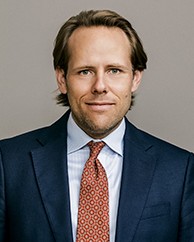



Accura Advokatpartnerselskab is one of Denmark’s top law firms, known for translating law into practice and providing clear recommendations for Danish and international businesses. The firm’s specialised legal business areas are aimed at providing the best advice for complex cases, cross-border projects, and large transactions. With over 550 employees in Copenhagen, Aarhus, Singapore, Boston, London, Tokyo and Melbourne, the firm offers extensive expertise and a global outlook. Accura’s competition, regulatory and investigations team advises companies, institutions and public authorities on internal and external corporate investigations. It represents major industry leaders in cross-border criminal cases and handles complicated antitrust issues, including cartel investigations and self-assessments, market manipulation cases and high-profile corporate crime investigations. Regulatory work and public procurement are significant parts of the firm’s practice, serving municipalities, utilities companies and private clients. Accura emphasises practical solutions to help clients achieve their commercial goals while ensuring compliance with regulations. The team consists of 20 professionals.
Denmark’s Corruption Paradox
Denmark continues to rank among the least corrupt countries in the world in Transparency International’s annual rule of law survey, The Corruption Perceptions Index – CPI. In the 2024 CPI, Denmark was ranked number one out of 180 participating jurisdictions (2024 Corruption Perceptions Index).
At the same time, Denmark has received repeated criticism for insufficient follow-up on external recommendations to strengthen anti-corruption safeguards. Nonetheless, successive governments have refused to implement measures to make change.
According to Transparency International, corruption is defined as “the abuse of entrusted power for private gain”, which includes practices such as bribery. However, bribery is not widespread in Denmark as only 1% of public service users paid a bribe in 2024. Instead, the criticism against Denmark pertains to provisional rules or the absence thereof concerning integrity standards and transparency in lobbying practices.
Denmark faces pressure from international reports
In 2019, the Council of Europe’s Group of States against Corruption (GRECO) issued 14 recommendations that Denmark was encouraged to implement in order to strengthen its framework for preventing corruption. According to the Addendum to the second compliance report, adopted by GRECO in June 2025, Denmark has fully implemented only two out of the 14 recommendations issued by GRECO.
Several of GRECO’s recommendations concern the need for a comprehensive assessment of integrity-related risks involving members of the government and special advisers. GRECO has specifically called for the development and implementation of a strategy to safeguard the integrity of individuals holding top executive functions. However, Denmark has yet to adopt such a strategy.
Moreover, GRECO has expressed concern that Denmark’s anti-corruption efforts remain too narrowly focused on criminal offences, as reflected in the frequent references to provisions of the Criminal Code, such as those on bribery and confidentiality. According to GRECO, this narrow approach overlooks integrity-related risks that fall below the threshold of criminality, including conflicts of interest, transparency in lobbying, and ethical standards of ministers and advisers. GRECO regrets the continued lack of action on several recommendations and notes that Danish authorities have questioned the relevance or necessity of some proposals. GRECO has called on Denmark to take concrete steps without delay to address these concerns and align its integrity framework with international standards.
Likewise, Transparency International Denmark issued a report in March 2025, in which it raised concerns and broadly presented the same criticism as GRECO. The report highlights that corruption in Denmark is not limited to isolated incidents but reflects systemic vulnerabilities. It shows the presence of corruption-related practices in both the public and private sectors. Furthermore, the report highlights an absence of a national anti-corruption strategy or centralised oversight mechanism and a lack of transparency in the handling of corruption cases, many of which never become public knowledge. The report concludes that corruption exists in Denmark – and in greater volume than commonly perceived.
Revolving doors and lobbying
It is thus evident from these reports that Denmark faces issues related to corruption – though not necessarily in the conventional sense typically associated with the term, although such instances may also occur. Denmark has been subject to considerable criticism from international organisations and the media, as well as from the general public, regarding the lack of regulation of lobbying and the phenomenon known as the “revolving door”. This refers to situations in which ministers, members of the Danish Parliament and senior civil servants have moved between roles or sectors, for example, by moving into executive positions in major private companies or organisations. Since the most recent general election in 2022, more than five members of parliament have left Danish politics to pursue careers in large organisations or private companies. This was most clearly illustrated by the former leader of Denmark’s historically largest centre-right party, who served as Minister of Defence and Vice Prime Minister, and who is now Vice Director of one of Denmark’s largest business organisations. This trend has further intensified public debate over the need for greater transparency and regulation, with critics arguing that such transitions may undermine democratic accountability and public trust in the political system.
Lobbying is a widespread practice in Danish politics whereby companies, organisations and other stakeholders attempt to influence political decisions. Despite this, Denmark does not have any legislation regarding lobbying. There is some regulation of party funding and how political parties and candidates can receive financial support. The rules aim to ensure transparency and entail, inter alia, requirements as to parties and candidates disclosing donations above a certain threshold and thereby increasing transparency as to who is financing political activities, as well as setting out limits on donations from individuals and companies. Besides this, unlike in many other countries in the European Union, lobbying is largely unregulated in Denmark. This has given rise to a national debate on the need for greater transparency and regulation when it comes to lobbying.
Proposal for regulation of corruption, transparency, and conflicts of interest
As noted in last year’s Trends and Developments chapter, stakeholders held differing views on how to approach the issue of lobbying regulation. Several experts and interest groups have argued that Denmark should adopt regulatory measures similar to those implemented in other countries. Many Danish politicians, however, do not perceive the current situation as problematic, referring to the notion that lobbying constitutes a natural element of representative democracy and serves as a means to ensure that diverse perspectives are heard.
Last year, the authors stated that the debate over lobbying regulation in Denmark was far from settled. Since then, however, developments have occurred. In November 2024, a legislative proposal was introduced aiming to strengthen democratic accountability and prevent corruption through a series of institutional reforms. The proposal included provisions for establishing clear rules specifically addressing revolving door situations involving ministers, senior civil servants, and special advisers. It was proposed that a mandatory cooling-off period be introduced, aligned with the standards applied in Germany: two years for ministers and five years for top-level civil servants, as also recommended by GRECO in its report.
The proposal further sought to establish an official and transparent lobbying register for ministers, members of parliament, and civil servants. The purpose was to require these individuals to disclose their interactions with lobbyists, organisations, and companies seeking to influence the legislative process. However, the proposal was debated in February 2025 and ultimately rejected by a large majority in parliament in April 2025 at the first hearing. In July 2025, The Danish Prime Minister publicly stated that she does not believe corruption or the revolving door phenomenon pose significant challenges in Denmark. She further remarked that some of her colleagues in politics engage in other professional activities alongside their political duties, but in her view, they do so in a responsible and prudent manner. These statements were made in response to growing criticism from both domestic and international actors, including the European Commission, which in its 2025 Rule of Law Report highlighted Denmark’s lack of regulation concerning lobbying and the revolving door phenomenon.
Despite this criticism (including from the European Commission) it appears that at present there is no prospect of legislation being introduced in Denmark in the near future concerning lobbying and the so-called “revolving door” phenomenon.
Recent investigations and relevant case law
The Elbit case (ongoing)
The Elbit case serves as a strong example of a case where themes such as systemic weaknesses in transparency, oversight, and liability have been subject to considerable debate and have constituted the core of the matter.
In early 2023, the Danish government entered into a controversial arms procurement agreement with Israeli defence contractor Elbit Systems, following Denmark’s donation of artillery systems to Ukraine. The contract valued at approximately DKK1.7 billion (EUR225 million) drew criticism due to procedural irregularities and a lack of transparency. A legal review by a Danish law firm revealed that the Ministry of Defence had failed to properly inform parliament about key aspects of the procurement process, including delivery timelines and the existence of a prior settlement agreement with Elbit. The controversy was further intensified by the fact that Elbit Systems had previously been excluded from investment portfolios by several Danish pension funds due to alleged involvement in human rights violations.
Although no direct evidence of bribery has emerged, the case is an example of public decisions made without sufficient transparency or democratic safeguards. Moreover, the case may be utilised as an example of the need for Denmark to strengthen its regulatory framework around lobbying and transparency in political decision-making processes.
The political aftermath of the case is still unfolding, likewise it remains unclear whether there is a connection between the purchase of weapons from Elbit and the fact that the state simultaneously entered into a settlement in a case brought against the state by Elbit. Over the course of four weeks during the Fall of 2025, the Danish Parliament’s Scrutiny Committee is conducting a series of closed hearings to investigate whether parliament was misled during the procurement process.
The Mauritius Power Plant case
On 3 July 2024, the District Court of Hillerød ruled in a bribery case involving a Danish contractor in connection with the construction of a power plant in Mauritius. Between 2019 and 2024, the company’s local subsidiary paid at least DKK632,000 (EUR85,000) in bribes to politicians, civil servants, and other decision-makers in Mauritius. The payments were made through intermediaries with the aim of gaining access to confidential information that could improve the company’s chances of winning a public tender worth DKK790 million (EUR106 million). The company itself reported the suspected misconduct to Danish authorities in 2019 and co-operated throughout the investigation. The court found that the payments constituted bribery and misuse of entrusted power for commercial gain. The company accepted a fine of DKK10 million.
The Defence Dinner case
The Eastern High Court of Denmark ruled on a bribery case involving a former procurement officer with the Ministry of Defence Acquisition and Logistics Organisation (DALO) on 13 November 2024. The procurement officer was convicted of having accepted an undue advantage in the form of an expensive dinner at the Michelin-starred restaurant, Kong Hans Kælder (King Hans Basement) in 2011. The dinner, valued at a minimum of DKK2,500 (EUR335), was offered by an employee of a weapons supplier during negotiations concerning the quality of ammunition delivered to the Danish Army. The court found, based on the price of the dinner, that the benefit was unjustified. The court emphasised that a dinner at a Michelin-starred restaurant like Kong Hans Kælder significantly exceeded what could be considered acceptable. The court found that the officer had acted with intent and that the dinner constituted passive bribery. The procurement officer was sentenced to ten days of imprisonment, suspended for one year.
The FES case
In a court ruling dated 16 September 2024, several persons (physical and legal) were found guilty of corruption and bribery involving the Danish Defence Estates and Infrastructure Organisation (FES) by the Eastern High Court of Denmark. The case centred around the misuse of public funds and the acceptance of bribes by public officials and their collaborators.
A former office manager at FES (the “office manager”) was convicted of gross criminal breach of trust and passive bribery. Between 2014 and 2019, the office manager allowed FES to cover personal expenses, including a kitchen, an electric awning, and household appliances, totalling DKK124,783 (approximately EUR17,000). These actions were carried out in collaboration with a project manager at FES (the “project manager”). The office manager received a six-month suspended prison sentence with community service due to his good personal circumstances and age.
An associate of a kitchen supplier to FES (the “associate”) was found guilty of active bribery in 2014, involving a kitchen worth DKK82,427 (approximately EUR11,000). Additionally, the associate was convicted of aiding the project manager’s criminal breach of trust and bribery from 2017 to 2019, amounting to DKK123,800 (approximately EUR17,000). The associate received a four-month suspended prison sentence with community service.
A painting contractor and supplier to FES (the “painting contractor”) was convicted of aiding the project manager’s criminal breach of trust and bribery in 2019, involving DKK73,385 (approximately EUR10,000). The painting contractor received a 60-day suspended prison sentence due to his good personal circumstances and health. The painting contractor’s company was fined DKK50,000 (approximately EUR7,000) for its involvement in the corrupt activities.
The court found that the office manager and the project manager exploited their positions at FES to approve and process fraudulent invoices, allowing personal expenses to be covered by public funds. The associate and the painting contractor facilitated these actions by providing goods and services without proper billing, effectively bribing the officials to secure favourable treatment and contracts.
The court noted that the actions of the defendants were not isolated incidents but part of a broader pattern of misconduct that undermined the integrity of public institutions. The ruling highlighted the need for systemic changes within FES to prevent future occurrences of corruption. Recommendations included implementing stricter controls over the approval of invoices and contracts, enhancing transparency in procurement processes, and establishing independent oversight mechanisms to monitor compliance with anti-corruption policies.
The consultancy case
On 18 January 2024, the Eastern High Court of Denmark delivered a verdict in a significant corruption case involving a former head of department (the “department head”) at a public authority (the “authority”) and a private consultant (the “consultant”). The case, originally decided by the Copenhagen City Court, was appealed by the prosecution, leading to this final judgment.
The department head and the consultant were accused of engaging in corrupt practices between 2012 and 2015. The department head was charged with accepting bribes totalling approximately DKK630,000 (approximately EUR85,000) from the consultant, who, in turn, was charged with offering these bribes. The payments were made under the guise of consulting fees for work allegedly performed by the department head for the consultant’s company.
The High Court found both defendants guilty. It was established that the department head, while holding a significant position at the authority, received payments from the consultant for consulting services which were intended to secure favourable treatment for the consultant’s company in securing contracts with the authority and were thus considered bribes.
The court noted that the consulting work performed by the department head was often trivial and did not justify the high fees paid. Furthermore, the department head’s workload at the authority was already extensive, making it implausible that she could have legitimately performed the additional consulting work for the consultant. The court considered the close personal relationship between the two defendants, which included shared activities outside of work, further suggesting a conflict of interest and a breach of professional integrity.
The court emphasised that the actions of both defendants violated Sections 122 and 144 of the Danish Criminal Code which address bribery and corruption. The department head was sentenced to eight months in prison, with six months suspended, while the consultant received a six-month suspended sentence. Additionally, the department head was ordered to forfeit DKK150,000 (approximately EUR20,000), representing the estimated illicit gains from the corrupt activities.
The judgment sheds light on the mechanisms of corruption within public administration, illustrating how the abuse of personal relationships and financial incentives can lead to serious violations of the Criminal Code.
Accura Advokatpartnerselskab
Alexandriagade 8
DK-2150 Nordhavn/Copenhagen
Denmark
+45 3945 2800
info@accura.dk www.accura.dk
Law and Practice
Authors
Accura Advokatpartnerselskab is one of Denmark’s top law firms, known for translating law into practice and providing clear recommendations for Danish and international businesses. The firm’s specialised legal business areas are aimed at providing the best advice for complex cases, cross-border projects, and large transactions. With over 550 employees in Copenhagen, Aarhus, Singapore, Boston, London, Tokyo and Melbourne, the firm offers extensive expertise and a global outlook. Accura’s competition, regulatory and investigations team advises companies, institutions and public authorities on internal and external corporate investigations. It represents major industry leaders in cross-border criminal cases and handles complicated antitrust issues, including cartel investigations and self-assessments, market manipulation cases and high-profile corporate crime investigations. Regulatory work and public procurement are significant parts of the firm’s practice, serving municipalities, utilities companies and private clients. Accura emphasises practical solutions to help clients achieve their commercial goals while ensuring compliance with regulations. The team consists of 20 professionals.
Trends and Developments
Authors
Accura Advokatpartnerselskab is one of Denmark’s top law firms, known for translating law into practice and providing clear recommendations for Danish and international businesses. The firm’s specialised legal business areas are aimed at providing the best advice for complex cases, cross-border projects, and large transactions. With over 550 employees in Copenhagen, Aarhus, Singapore, Boston, London, Tokyo and Melbourne, the firm offers extensive expertise and a global outlook. Accura’s competition, regulatory and investigations team advises companies, institutions and public authorities on internal and external corporate investigations. It represents major industry leaders in cross-border criminal cases and handles complicated antitrust issues, including cartel investigations and self-assessments, market manipulation cases and high-profile corporate crime investigations. Regulatory work and public procurement are significant parts of the firm’s practice, serving municipalities, utilities companies and private clients. Accura emphasises practical solutions to help clients achieve their commercial goals while ensuring compliance with regulations. The team consists of 20 professionals.
