Art & Cultural Property Law 2026
USA – Florida
Author
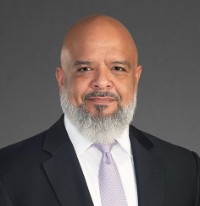
DLA Piper is a global law firm with lawyers located in more than 40 countries throughout the Americas, Europe, the Middle East, Africa and Asia Pacific, positioning the firm to help clients with their legal needs around the world. The firm strives to be the leading global business law firm by delivering quality and value to clients. This is achieved through practical and forward-looking legal solutions that help the firm’s clients. DLA Piper represents many of the world’s leading companies across industries, as well as emerging businesses, financial institutions and professional firms. The firm’s work encompasses the country’s major business, financial and technology centres.
1. Art Law Framework
1.1 Relevant Authorities and Legislation
Art law is a vast field that encompasses various legal areas, including commercial, real property, intellectual property, estate, taxes and even torts and criminal law. A variety of legal issues arise in art-related matters, which are governed by federal, state and local statutes, international treaties and conventions and jurisprudence.
Internationally, the United States is a party to various key conventions:
- the 1954 Hague Convention and Protocols; and
- the 1970 UNESCO Convention on the Means of Prohibiting and Preventing the Illicit Import, Export and Transfer of Ownership of Cultural Property, implemented by the Cultural Property Implementation Act of 1983.
At the federal level, these include:
- Title 17 of the US Code, which covers copyrights and moral rights; and
- the Uniform Commercial Code (UCC), which provides a comprehensive and standardised set of laws governing commercial transactions, including sales, leases, secured transactions, warranties and other commercial matters across the US.
For more information about these laws, please refer to the USA Practice Guide.
In Florida, Article 2 of the Florida UCC (Chapter 672 of the Florida Statutes) governs the sale of goods such as artworks; in addition, the Florida legislature has adopted special statutes that apply to purchases at auctions, the consignment of artworks and sales by secondhand dealers.
Sales by Auction
Florida Statute 672.328 covers sales by auctions as part of the UCC and Florida Statutes 468.381-399 provide detailed regulations for auctioneers, including:
- the requirements for a written agreement, encompassing the terms and conditions regarding payment between the auction house and the property owner;
- the obligation to announce and display or distribute notice regarding premiums and surcharges at the commencement of the auction; and
- the requirement to deposit the sale proceeds in an escrow or trust account within two working days after the auction, unless settlement is made immediately.
Furthermore, certain actions are prohibited:
- misrepresenting the property for sale or making false promises about its use, value, or condition
- not accounting for, paying, or returning within 30 days money or property belonging to another; and
- engaging in false, deceptive, misleading, or untruthful advertising.
Violations of these regulations may result in restitution or payment. In some instances, these payments can be obtained from the Auctioneer Recovery Fund, subject to certain limitations such as a USD50,000 limit per claim and a two- to four-year prescription period. The Florida Board of Auctioneers (FBA) regulates auction businesses in the state.
Consignments of Artworks
According to Florida Statutes 686.501-506, a consignment occurs when an individual (the consignor) transfers a work of art to an art dealer (the consignee) for the purpose of sale on a commission basis. In this arrangement, the consignee acts as the agent of the consignor. The consignment must adhere to a written agreement that includes the following terms:
- sale proceeds are to be remitted to the consignor according to an agreed-upon schedule;
- the consignee assumes responsibility for the stated value of the artwork in the event of loss or damage while in their possession;
- the artwork may not be sold by the consignee for less than the minimum price established in the agreement;
- use or display of the work by the consignee requires prior written consent from the consignor and proper acknowledgement of the artist; and
- when an artist delivers a work to an art dealer for exhibition or sale, the artist’s share of sale proceeds takes priority over any claims, liens, or security interests held by the dealer’s creditors, regardless of provisions in the UCC.
The following consignment provisions are non-waivable:
- the consignor must provide public notice by affixing a sign to the work, indicating it is sold under consignment;
- the consignee must display a clear and conspicuous notice in their place of business informing the public that certain artworks are being sold on consignment; and
- the consignee is required to hold the sale proceeds in trust for the benefit of the consignor, with payments due to the consignor to be satisfied first.
Secondhand Dealers
The Secondhand Dealers Act, Chapter 538, Part 1 of the Florida Statutes, governs entities engaged in the purchase, consignment, or trade of secondhand goods, with an emphasis on curbing the distribution of stolen property. The statute outlines comprehensive obligations for secondhand dealers, including mandatory registration with the Florida Department of Revenue, detailed recordkeeping requirements, prescribed holding periods and procedures for verifying seller identification. Specifically, dealers must retain art and antiques for a minimum of 30 days prior to resale and maintain transaction records (including seller identification and item descriptions with digital photographs) on-site for three years. Noncompliance may result in penalties, including civil fines of up to USD10,000 per violation. Notably, these regulations largely exempt nonprofit and charitable organisations, as well as participants in antique and collectable shows.
2. Rights to Artworks
2.1 Artists’ Rights Over Their Art
Ownership of the Property
Ownership of the artwork and ownership of the copyright are two distinct concepts. In a typical scenario, the artist retains ownership of the physical object they have created and embodied the artwork (eg, a painting). Once the artist sells the artwork, the physical object ceases to belong to the artist and now becomes the buyer’s property. However, the underlying copyright and moral rights remain with the artist. For instance, the buyer can use and display the artwork, but cannot reproduce it without the artist’s explicit written consent. Such transfers are uncommon.
The Copyright
Copyright automatically protects the original artwork from the moment it is fixed in a tangible medium of expression, such as a canvas. At that point, it becomes the property of the artist who created it. This grants the artist a certain “bundle of rights,” including the distinct, exclusive and divisible legal rights to reproduce, distribute, perform, display and create derivative works from their artworks. These economic rights are transferable, allowing the artist to control the financial exploitation of their creations. Typically, these rights last for the artist’s life plus 70 years. The primary federal law governing copyright in the US is the Copyright Act of 1976.
Moral Rights
Moral rights are personal, non-economic rights that safeguard an artist’s reputation and the integrity of their work. These rights empower artists to assert the authorship of their creations and prevent intentional distortion, mutilation or modification of their works (integrity). Additionally, artists have the right to prevent the destruction of works of “recognised stature.” Unlike copyrights, moral rights are non-transferable but can be waived in writing. They also expire upon the artist’s death. The Visual Artists Rights Act of 1990 (VARA) serves as the primary federal law governing moral rights.
Work for Hire
Depending on the circumstances, an artwork might be deemed a work for hire. In such cases, the employer or commissioning party, rather than the artist, is considered the legal author and initial owner of the work’s copyright. This is particularly relevant for works created by employees within their job responsibilities or specially commissioned works, which are often subject to a written agreement.
Copyright and Moral Rights in Florida are governed by federal law. For more in-depth information, please refer to the USA Practice Guide.
2.2 Copyright in Collaborative Artworks
Collective Artworks
A collective artwork, such as a large community mural in which individual contributions are combined into a single work, may have dual copyright. The compiler owns the rights to the overall arrangement, while the contributors retain the rights to their individual and independent contributions. Unless otherwise agreed, the compiler is presumed to have the non-exclusive right to reproduce and distribute the contributions within the work, its revisions or later works in the same series.
Joint Artworks
Unlike a collaborative artwork (which comprises distinct, separate parts), a joint artwork is created by two or more authors with the intention of merging their contributions into inseparable or independent parts of a single work. For instance, in a mixed-media artwork that combines various artistic skills (such as a sculpture created by one artist and painted by another), each artist shares equal undivided ownership of the entire copyright, regardless of the size of their contribution, unless otherwise agreed. Each artist has the right to use, license, or transfer their interest to third parties without permission from the other, but they must share profits.
Copyright in Florida is governed by federal law. For more in-depth information on how the Copyright Act covers this subject, please refer to the USA Practice Guide.
3. Protection Against Plagiarism
3.1 Legal Consequences of Copyright Infringement
Infringing on the copyright of an artwork, such as reproducing it without the owner’s permission, can result in substantial civil and criminal consequences. These consequences may include statutory fines ranging from USD750 to USD30,000 per work, or up to USD150,000 for willful infringement. Additionally, the infringer may face court-ordered injunctions to cease the infringing activity, seizure and destruction of the infringing materials and actual and pecuniary damages. Furthermore, the infringer may face criminal charges, including up to five years in prison, fines of up to USD250,000 and attorneys’ fees and legal costs.
Copyright in Florida is governed by federal law. For more in-depth information on how the Copyright Act covers this subject, please refer to the USA Practice Guide.
3.2 Registering Artwork
Registration is a straightforward process that can be completed online through the Electronic Copyright Office (eCO). Once your artwork is finalised and fixed in a tangible medium, you can register it with the US Copyright Office by filling out an application. This application requires uploading a digital copy of your artwork, providing its details and paying a filing fee.
The fee for online registration is currently between USD45 and USD65, while the fee for paper registration is USD125. After submitting the application, the Copyright Office reviews it and issues a Certificate of Registration, which typically takes about three months. However, copyright protection becomes effective on the date the Copyright Office receives the completed application, not when the certificate is issued. While registration is not mandatory for copyright protection to attach, it is a prerequisite for filing a federal lawsuit for infringement. It also offers some benefits, such as allowing the artist to claim statutory damages and attorneys’ fees, depending on the timing of the registration and creating a public record of ownership.
Collective Artworks
Both the compiler and the individual contributors may register the artwork.
Joint Artworks
One or more authors can register, but all authors must be listed.
Work for Hire
The hiring party is listed as the author and claimant. For these works, the copyright lasts for 95 years from publication or 120 years from creation, whichever is shorter.
Copyright in Florida is governed by federal law. For more in-depth information on how the Copyright Act covers this subject, please refer to the USA Law & Practice chapter of this Guide.
3.3 Resale Right
An artist’s resale royalty (droit de suite) offers the artist a chance to profit from the appreciation of their works over time by granting them a percentage of the proceeds from the resale of their original artworks. There are no artist resale royalties under federal or Florida law. However, California has one. At the federal level, there have been unsuccessful attempts to enact the American Royalties Too Act, which aims to mandate a 5% royalty, capped at USD35,000 for works sold at auction for over USD5,000.
For more information, see the California and the USA Practice Guide.
3.4 Using Copyrighted Images
The initial step in obtaining permission to use copyrighted artworks is to identify and contact the copyright holder. This could be the artist, their estate, a gallery, or a publisher. Useful searching databases include the US Copyright Office Public Records System and the WATCH (Writers, Artists and Their Copyright Holders) File. However, even if not registered, the artworks are still protected. Before making a request, determine the specific rights needed, including the intended use, duration and location. Seek permission formally (through a letter or email) and ensure that any granted permission is in writing. Common agreements include a flat-fee license or royalties.
4. Authentication of Artworks
4.1 Posthumous Rights to Authenticate Artwork
Living artists or their representatives can authenticate their artworks. When the artist passes away, the right to authenticate may fall to the artist’s heirs, designated experts, or foundations. These entities can issue certificates of authenticity, but there is no legal obligation or exclusivity in conducting such authentication. Artworks’ authentication is not limited to the artist’s estate or foundation; specialised independent experts and scholars can also perform it. Experts analyse artworks using style analysis (brushwork, composition and signature), scientific/forensic methods (x-rays and pigment analysis) and provenance research (documented history of ownership). Recently, artificial intelligence (AI)-based systems using pattern recognition have proven helpful in determining artwork authenticity.
4.2 Art Authentication
Generally, there is no legal obligation on a living artist, their estate or their foundation (if the artist is deceased) to authenticate their artworks or include them in the artist’s catalogue raisonné. Note that, unlike in other European countries, an artist’s moral rights (attribution and integrity) only last for the artist’s life in the US. However, they do have the moral right to disavow artworks that are not theirs or that have been altered. Courts usually refuse to compel artists, artist foundations, or experts to authenticate works or include them in their catalogue raisonné because authenticity is considered a matter of expert opinion and scholarly discretion, not law. However, a court may force authentication if a contract specifically requires it, such as a sales agreement between the artist and a collector.
Many artist foundations and authentication boards in the US have stopped authenticating artworks due to fear of legal action and the prohibitive costs if they accidentally authenticate a forgery or disavow a genuine work.
4.3 Legal Remedies Following a Declaration of Inauthenticity
Various remedies are available under tort and contract doctrines, including fraud, mutual mistake and material misrepresentation. These remedies may include monetary damages, restitution, or rescission of the transaction.
The Florida UCC
Article 2 of the UCC (Chapter 672 of the Florida Statutes) governs the sale of goods such as artworks and includes express and implied warranties relevant to these transactions.
Express warranties arise from the seller’s statements, including affirmations of fact, promises and descriptions of the artwork. For example, when a seller claims an artwork was created by a specific artist, this constitutes an express warranty regarding the authenticity.
Implied warranties have been outlined below.
- Warranty of title: Historically, buyers bore the risk of poor title under the common law doctrine of caveat emptor; however, the UCC stipulates that, unless excluded or modified, every sales contract contains a warranty of title. This warranty is breached if the seller lacks good title or authority to transfer the artwork.
- Warranty of merchantability: Goods must be fit for their ordinary purpose, conform to descriptions or affirmations on containers or labels and pass without objection within the trade. This applies specifically when the artwork is purchased from merchants such as art dealers and auction houses, providing recourse in cases involving inauthentic works when the purchaser can show that the artwork does not conform to its description.
- Warranty of fitness: If the seller is aware of the buyer’s reliance on their expertise and the buyer’s intended use of the artwork, this warranty offers protection for buyers seeking specific pieces for particular purposes.
These warranties may generally be disclaimed in writing and apply to sales of goods valued at USD500 or more, evidenced by written documentation.
Florida Statute 672.721 states that, in cases of material misrepresentation or fraud, all available Article 2 remedies for non-fraudulent breach remain applicable. Additionally, the act of rescinding or seeking rescission of a sale contract (or rejecting or returning goods) does not preclude nor is it inconsistent with pursuing damages or other remedies.
Florida’s Express Warranty of Authenticity From Art Dealers
Under Florida Statutes 686.501–506, when an art dealer provides a written description and author identification to a purchaser (other than another art dealer), this establishes an express warranty of authenticity for the transaction. The absence of formal words like “warrant” or “guarantee,” lack of intent or authority, or statements deemed to be the dealer’s opinion do not negate this warranty. However, the degree of authenticity is affected by terms used, including “by,” “attributed to,” “of a school of,” or “from the period.”
Attempts to disclaim authenticity warranties are only valid if interpreted reasonably and substantiated by external evidence. Limitations are ineffective if:
- the disclaimer lacks prominence, is not in writing, is not placed separately from warranty language, or fails to unambiguously state that the seller assumes no responsibility for authenticity; general disclaimers such as “all warranties, express or implied, are excluded” are insufficient;
- the item is counterfeit and this was not made clear in its description; or
- the work is described unconditionally as by a certain artist, period, or edition, but the statement is inaccurate at the time of sale.
If an art dealer guarantees authenticity in good faith, liability is limited to refunding the received price plus attorneys’ fees and costs if compliance is refused. Dealers in violation may face misdemeanour charges. These rules do not apply to works sold for under USD100 or to direct artist-to-consumer sales outside dealer involvement.
Consumer Protection Rules
Buyers are further protected by consumer statutes such as the Florida Deceptive and Unfair Trade Practices Act (Florida Statutes 501.201-213), which prohibits unfair competition methods and deceptive actions in commerce. It is not necessary to prove actual deception; instead, a representation, omission, or practice will be considered deceptive if – given its nature, the specifics of the claim and transaction and the parties’ level of sophistication and reliance – it is likely to mislead the consumer (Rollins, Inc. v Butland, 951 So. 2d 860 (Fla. 2d DCA 2006)). Sellers who provide inaccurate information or employ misleading tactics are therefore engaging in deceptive trade practices.
Remedies for deceptive acts include declaratory relief, injunctive relief and recovery of actual damages, along with attorneys’ fees and costs (excluding consequential or special damages). Willful violations may result in civil penalties up to USD10,000 per infraction.
Recent Legal Case
A notable ongoing authentication case in the Southern District of Florida (USA v Howard Roberts et al (Case No. 1:25-cr-20142)) involves the indictment of an art dealer in Coconut Grove for allegedly selling USD6 million in counterfeit Warhol artworks. Plaintiff alleges breach of contract, breach of express warranty, unjust enrichment, fraud, conversion and other violations of Florida law.
5. Cultural Heritage
5.1 Defining Cultural Heritage
The US does not have a specific definition of cultural heritage. However, it is a party to the 1970 UNESCO Convention, which defines “cultural property” as property designated by each state on religious or secular grounds as of importance for archaeology, prehistory, history, literature, art, or science. This includes items belonging to designated categories such as rare collections, archaeological excavation products, antiquities that are more than 100 years old and artistic interest property such as paintings, drawings, sculptures, engravings, prints, lithographs, artistic assemblages, montages in any material and ethnographic materials, among others.
For more in-depth information, please refer to the USA Practice Guide.
In Florida, the Historical Resources Act (HRA) (Florida Statute 267.021) defines “historic property” or “historic resource” as any prehistoric or historic district, site, building, object or other real or personal property of historical, architectural, or archaeological significance, including folklife resources. These properties or resources encompass a wide range of items, such as monuments, memorials, Indian habitations, ceremonial sites, abandoned settlements, sunken or abandoned ships, engineering works, treasure troves, artefacts and other objects with intrinsic historical or archaeological value (or any part thereof) that relate to the history, government and culture of the state.
Another relevant Florida law is the Arts and Culture Act (ACA) (Florida Statutes 265.281-703). The Division of Arts and Culture (DAC), within the Florida Department of State, plays a crucial role in fostering an understanding and appreciation of Florida’s rich history. The DAC facilitates the preservation, collection, research, exhibition, interpretation and stewardship of artefacts, museum items, treasure troves and other historical materials. To safeguard Florida’s distinctive heritage, which spans more than 10,000 years of human habitation, the DAC implements professional standards for the conservation and public presentation of historical resources under state ownership or management. Furthermore, the DAC actively identifies, acquires, protects, preserves, operates and interprets assets – including Native American sites, ceremonial locations, former settlements, submerged or abandoned vessels, treasure troves and other historically or archaeologically significant objects.
5.2 Cultural Heritage and Adverse Possession
In Florida, adverse possession primarily applies to real property, such as land and buildings, rather than personal property. Given the intent and provisions of the Florida Historical Resources Act (HRA) (Florida Statutes 267.021), it is unlikely that an individual can claim ownership of cultural heritage objects unless their actions comply with the HRA and the regulations set by the Division of Historical Resources within the Florida Department of State.
For added relevant information, please refer to the other parts in 5 Cultural Heritage. Additionally, refer to the USA Practice Guide for further guidance on the applicable federal laws and regulations.
5.3 State Rights to Cultural Heritage
The Division of Historical Resources (DHR) of the Florida Department of State is responsible for implementing and enforcing the Historical Resources Act (HRA) (Florida Statutes 267.021). The HRA establishes a network of public archaeology centres to preserve archaeological sites and artefacts and to regulate their exploration, excavation and collection. The DHR also designates state archaeological landmarks or zones that require express written consent from private owners and issues permits for field and underwater investigative activities, including surveys, exploration, excavation and salvage operations. These protections extend to unmarked human burials, prevalent in Florida due to its extensive pre-Columbian history and the presence of numerous Native American tribes. If unmarked human burials are found on either public or private land, all potentially disruptive activity must cease immediately and the situation must be referred to state authorities for appropriate action.
Any trading activity involving objects obtained in violation of the HRA, such as selling, exchanging, procuring, counselling or transporting them, is strictly prohibited. It is likewise a violation of the HRA to create, reproduce, alter or forge any archaeological or historical object from a site whose value derives primarily from its antiquity or to falsely label, describe, offer for sale or exchange any object with the intent of misrepresenting it as a genuine archaeological or historical artefact. The DHR collaborates with federal, state and local law enforcement agencies to enforce these regulations. Violations related to unauthorised field investigations, unmarked human burials and illicit trade in objects are classified as misdemeanours and felonies.
A significant instance demonstrating the application of these statutes and regulations is the 1998 discovery of the archaeological site known as the “Miami Circle” during the construction of a luxury condominium complex, which led to subsequent legal and regulatory proceedings.
6. Sale of Art Objects Domestically and Abroad
6.1 Key Clauses in Art Sale Contracts
The primary clauses in a basic art sale contract encompass the following:
- description of the artwork – provide a detailed description, including the title, date, dimensions, medium, condition report and any unique features;
- purchase price and payment schedule – outline the final price, any applicable discounts, deposit requirements, preferred payment methods and the timeline for payment;
- transfer of title – specify the conditions under which ownership passes to the buyer, such as upon full payment;
- authenticity and provenance – ensure the seller provides a warranty of authenticity and includes a detailed history of ownership;
- representation and warranties – clearly define the representations made by both parties and any warranties or disclaimers;
- IP rights – clearly state that the artist retains the copyright unless otherwise transferred in writing (note that moral rights cannot be transferred but can be waived);
- shipping and risk of loss – determine who is responsible for shipping costs and risk during transportation;
- insurance – specify who insures the artwork during transport and who will cover the insurance costs; and
- governing law and dispute resolution – establish the legal jurisdiction and outline the procedures for resolving conflicts.
Additional clauses may be necessary depending on the type of sale:
- consignments – include details about the duration and termination of the consignment, the percentage of commission, exclusivity agreements, expenses and promotional activities (refer to 1.1 Relevant Authorities and Legislation for consignments in Florida);
- commissions – outline the scope of the commission, the stages involved in the project, delivery and installation procedures, payment terms, instalments and the kill fee (compensation for cancelling the commission before completion); and
- auctions – refer to 1.1 Relevant Authorities and Legislation for considerations related to auctions in Florida.
6.2 Issues in Cross-Border Art Sales
Key Considerations for International Artwork Sales
Export and import controls: Cross-border art transactions are primarily governed by export and import regulations. While Florida does not impose state-level restrictions on the movement of artworks, these matters are subject to federal oversight. For more detailed guidance, refer to the USA Practice Guide.
Title and Provenance
Customs authorities may request comprehensive documentation to verify the artwork’s ownership history and authenticity, as a safeguard against the trafficking of stolen or forged pieces.
Shipping and Insurance
International sales often require specialised art shippers to ensure safe handling and transportation, along with appropriate insurance coverage.
Tax Considerations
The artwork’s jurisdictional location, customs status and ultimate destination determine any applicable tax obligations. Notably, no cross-border applicable taxes are levied at the state level in Florida.
6.3 Gallery and Auction House Liability for Fake Art
Galleries and auction houses selling counterfeit or plagiarised artworks face severe legal and financial repercussions. These consequences include civil lawsuits for fraud, negligence, misrepresentation, breach of warranty, breach of contract, unjust enrichment, copyright infringement and even potential criminal liability for fraud. As a result, they may be compelled to refund the purchase price plus interest and costs, pay damages and endure reputational damage.
Please refer to 4.3 Legal Remedies Following a Declaration of Inauthenticity for the liabilities of galleries and/or auction houses and to 1.1 Relevant Authorities and Legislation for additional applicability of Florida laws to consignment sales by galleries and sales by auction.
6.4 Pre-Sale Checks for Auction Houses and Galleries
Florida does not impose specific due diligence obligations on galleries or auction houses before the sale of artworks. However, certain best practices may be followed to comply with applicable laws for the sale of goods.
Title and Provenance
Under Florida Statute 672.403(1) of the Florida UCC, a purchaser of goods acquires all titles that the transferor had or had the power to transfer. This is based on the Anglo-American common law of property, which holds that a thief cannot convey good title to stolen goods, even to a good-faith purchaser for value (GFP). Similarly, one cannot claim title through a thief, even through the hands of a GFP. Therefore, inquiring about the artwork’s legal ownership, the right to sell and the chain of ownership is key.
Authenticity
Verify the artwork’s authenticity through certificates of authenticity, expert analysis and provenance records.
Stolen Art
Search public and private databases of stolen art and conduct lien searches.
Export and Import Compliance
If the artwork has been or is to be imported or exported, ensure compliance with relevant export and import regulations.
Anti-Money Laundering
See 6.6 Anti-Money Laundering Regulations and the Art Market.
(Please refer to 4.3 Legal Remedies Following a Declaration of Inauthenticity for the express and implied warranties and consumer protection rules that apply to the sale of artworks by galleries and/or auction houses. As for additional applicability of Florida laws to consignment sales by galleries and sales by auction, please refer to 1.1 Relevant Authorities and Legislation.)
6.5 Role and Responsibilities of an Art Adviser
Art advisors play an important role in guiding collectors in sourcing, acquiring and managing art. While there are no specific roles and responsibilities, their primary objective is to ensure that collectors make informed decisions. Key responsibilities include balancing aesthetics, setting cultural and financial goals, navigating the intricate art market, conducting thorough due diligence and authentication and conducting market analysis. These duties and potential liabilities are typically outlined in the contractual agreement with the client.
The Association of Professional Art Advisors (APAA) is a non-profit international organisation dedicated to promoting standards of connoisseurship, scholarship and ethical practice in the art advisory profession. APAA also aims to raise public awareness about the role and responsibilities of art advisors. It serves as a valuable resource, especially for understanding issues related to duty of care and conflicts of interest.
6.6 Anti-Money Laundering Regulations and the Art Market
“Money laundering,” as defined by the Florida Money Laundering Act (Florida Statutes 896.101-108), involves conducting financial transactions, such as purchases and sales, or transporting funds with the intent to facilitate another unlawful activity. This statute applies to individuals, businesses and organisations that use financial transactions to conceal the proceeds of illegal activities. Violations of this Act can lead to imprisonment, substantial fines and civil penalties.
While the burden of proof regarding the seller’s knowledge of the intended use of a financial transaction lies with the prosecuting authority, sellers should exercise due diligence to avoid prohibited conduct and comply with relevant regulations. In specific situations, sellers are required to file both federal and state currency transaction reports when receiving more than USD10,000 in cash or its foreign equivalent in a single sale.
For additional analysis of anti-money laundering laws and regulations at the federal level, refer to the USA Practice Guide.
7. Collections
7.1 Legal Status of Collections
The US is a signatory to the 1954 Hague Convention for the Protection of Cultural Property in the Event of Armed Conflict, which safeguards collections deemed significant to a group’s cultural heritage (refer to the USA Practice Guide for details). In Florida, beyond the historical resource laws discussed in 5. Cultural Heritage, there are specific legal frameworks for entities holding collections, such as museum loans.
The Florida Arts and Culture Act (FACA) (Florida Statute 267.0723) establishes procedures for managing unclaimed property on loan to museums, promotes due diligence by both parties, specifies how lenders can maintain their interests in long-term or indefinite loans and effectively resolves ownership of unclaimed loans.
- FACA requires museums (public institutions and private non-profits) entering into loan agreements to keep thorough and up-to-date written records about each loan and quickly notify lenders if any damage or loss occurs. Museums are generally protected from liability for mishandling ownership claims, unless there is bad faith or gross negligence. When ownership is disputed, museums cannot be held liable for refusing to return property unless they comply with a court order.
- Museums may end loans for unclaimed property by notifying lenders to remove or arrange preservation. If there is no response within the specified time, the museum can claim ownership and establish a lien to cover reasonable care expenses. “Unclaimed property” means items left without contact for at least 25 years from the start of an indefinite loan or five years after a definite loan expires.
- Museums may also take conservation actions or dispose of loaned property without lender approval if quick action is needed to protect property or safety and the lender is unreachable or if the lender refuses necessary steps but will not reclaim the item.
- When such actions occur, museums have a lien for costs incurred. As long as the museum reasonably believed action was necessary to safeguard property or prevent harm and acted with care, it is not liable for any resulting loss or injury.
- FACA requires lenders and their successors to inform museums in writing of any changes in address or ownership; failure to do so can result in forfeiture of the right to the property.
- Finally, FACA allows museums and lenders to agree in writing to alternative terms for their loans.
8. Photography
8.1 When Are Photographs Protected as Art?
Under the Copyright Act, photographs are classified as “works of visual art” and receive automatic protection, provided they are original and fixed in a tangible medium. To satisfy the requirement of originality, the work must be independently created and demonstrate at least a minimal degree of creativity.
Copyright in Florida is governed by federal law. For more information, see 2. Rights to Artworks. For more in-depth information on the Copyright Act, VARA and other federal laws, please refer to the USA Practice Guide.
8.2 Legal Protection for Different Types of Photographs
While the Copyright Act provides protection, Florida laws may also govern how photographs are used depending on their subject and context.
Right of Publicity (Likeness and Property) and Privacy Laws
Florida Statute 540.08 forbids using someone’s name, image, photo or likeness for commercial purposes without permission. This law covers all people, not just celebrities and remains in effect for 40 years after a person’s death. If violated, individuals can seek injunctions to halt unauthorised use and recover financial damages, including “reasonable royalties” and punitive damages. Military members may also be entitled to fines.
Florida Statute 540.09 prohibits the commercial use of images or drawings of paid attractions, such as theme parks or museums, without the owner’s consent. This includes selling or promoting products with those images. Damages and injunctions are possible remedies. However, this statute does not apply to incidental, non-commercial, or news-related images. The law helps protect private tourist venues from unapproved commercial exploitation. Owners can seek monetary compensation and injunctive relief for unauthorised use.
These statutes do not cover:
- news media – genuine news articles and broadcasts in newspapers, magazines, books or television, as long as they are not advertisements; and
- incidental use – pictures in which the attraction is only a minor part of the main subject and unlikely to be seen as advertising.
These legal protections add to existing common law privacy rights, which apply when someone has a reasonable expectation of privacy or against unauthorised use of images of their property.
9. Artworks and New Technologies
9.1 NFTs
In 2025, Florida enacted Article 12 of the UCC (Florida Statutes 669.101-107), establishing a legal framework for digital assets, including non-fungible tokens (NFTs). “NFTs” are defined as unique, blockchain-based digital assets that represent ownership of digital or physical items, such as artworks and are legally classified as “controllable electronic records.” Recognised as personal property, NFTs can be subject to liens secured by creditors and may be included in or transferred through estate planning documents, among other uses.
At the federal level, NFTs are not currently governed by a single, comprehensive regulation; instead, they are treated as digital assets subject to existing laws such as securities, commodities or property. Please see the USA Practice Guide for more information.
9.2 Counterfeit NFTs
The US Copyright Office conducted a study in 2024, concluding that current intellectual property laws are adequate to address NFT-related infringement. Similar to acquiring physical art, buying an NFT does not automatically grant copyright ownership of the underlying artwork unless it is explicitly transferred. The NFT market could be speculative, highly volatile and prone to fraud, with counterfeit or inauthentic NFTs frequently appearing and flooding popular marketplaces.
Although blockchain technology records the ownership of NFTs, it does not prevent someone from taking another person’s artwork, minting it as an NFT and selling it as genuine or from creating and selling identical versions of popular NFT collections. While blockchain can verify a token’s uniqueness, it cannot guarantee that its content is not stolen or copied. In fact, a staggering proportion of NFTs minted using free tools have been found to be plagiarised or spam. Technically, a counterfeit NFT is authentic because it exists on the blockchain, but it is fraudulent because it misrepresents the original creator or ownership.
To avoid buying inauthentic or counterfeit NFTs, buyers are encouraged to use reputable marketplaces, verify the creator’s identity by checking for verification marks and social media links and ensure that the contract address matches the official collection. Additionally, when purchasing from a collection, buyers are:
- encouraged to review the trading history, volume and number of owners; and
- assess previous sales and whether the price seems reasonable.
10. Gifts, Donations, Trusts and Inheritance
10.1 Planning for Generational Transfer of Artworks
The effective planning and management of generational artwork transfer in Florida, as in other jurisdictions, primarily involves selecting appropriate legal structures, conducting a comprehensive inventory and valuation and formulating optimal tax strategies that have been outlined below.
- Legal structures: Artwork may be placed within a trust (revocable or irrevocable), a limited liability company (LLC), or entities such as family limited partnerships. Additionally, according to Florida law, a personal property memorandum that includes a written list of specific artworks and their designated recipients may be incorporated by reference into a will.
- Inventory: Maintain a thorough record for each piece, including photographs, detailed descriptions, certificates of authenticity, receipts, insurance appraisals and provenance information.
- Valuations: The Internal Revenue Service (IRS) requires qualified appraisals for any artwork valued above USD5,000 for purposes related to tax transfers or donations.
- Tax implications: While Florida imposes no income, gift, inheritance or estate taxes, various federal tax considerations apply, including step-up in basis, capital gains for collectables and charitable donation procedures. For more details, please refer to the USA Practice Guide.
Further considerations include communicating and documenting intentions with heirs and beneficiaries, appointing an executor or trustee with expertise in art collection management, maintaining adequate insurance coverage and ensuring beneficiaries have the financial means to support proper storage, insurance and conservation.
Given the complexity inherent in this subject, seeking guidance from specialised art estate planners and attorneys is encouraged.
10.2 Legal and Fiscal Issues in Artwork Succession
Intestate Succession
If there is no will, property (including artworks) is distributed according to Florida’s intestacy law (Florida Statutes 732.101-111). This can result in heirs unintentionally sharing ownership, possible forced sales and disagreements over value. Important points to consider when managing collections include:
- courts may order partitions if heirs cannot agree on matters such as storage, insurance or sale of the artworks; however, under the Florida Uniform Partition of Heirs’ Property Act (Florida Statutes 64.201-214), there is a structured process that allows remaining heirs to buy out others before a forced sale happens;
- if the estate is in dispute, a court may appoint a curator to safeguard the artwork from theft or poor management; and
- for smaller estates valued at less than USD150,000, a streamlined and quicker probate process is available.
Testamentary Succession
The owner of the artworks may determine the disposition of the artworks and any related rights upon their death by executing a valid will in accordance with Florida law (Florida Statutes 732.501 et seq). In the will, a clear and detailed description of each artwork and explicit identification of the beneficiaries for specific pieces is key to avoiding ambiguity and mitigating the risk of disputes or ademption. For additional guidance on planning and overseeing generational transfers, please refer to 10.1 Planning for Generational Transfer of Artworks and for information regarding the establishment of trusts, please refer to 10.5 Trusts.
With respect to fiscal considerations for both intestate and testamentary succession, Florida notably does not impose an estate or inheritance tax; therefore, attention should be paid to federal capital gains and estate taxes. Further information regarding relevant federal tax laws and regulations can be found in the USA Practice Guide.
10.3 Tax Implications of Artwork Gifts and Donations
Florida does not impose gifts, inheritance, or estate taxes; therefore, art acquired through gifts or donations is subject mainly to federal tax rules. However, sales tax applies to art purchased in Florida and use tax may apply to out-of-state purchases brought into Florida. Please refer to the USA Practice Guide for more information on the applicable federal tax laws and regulations.
10.4 Artworks Exempt from Inheritance/Donation Taxes
Florida does not impose gift, inheritance or estate taxes. As such, art acquired through inheritance or donation is subject primarily to federal tax rules. However, sales tax applies to art purchased in Florida and use tax may apply to out-of-state purchases brought into Florida. Please refer to the USA Practice Guide for more information on the applicable federal tax laws and regulations.
10.5 Trusts
Artworks may be held within a trust structure in Florida. Both revocable and irrevocable trusts can serve as effective vehicles for managing valuable art collections, addressing probate considerations and potentially reducing tax liabilities.
To transfer art into a trust in Florida, the trust must be funded by formally conveying ownership of each piece from the individual to the trust. This process typically requires preparing a comprehensive inventory (including photographs, detailed descriptions, professional appraisals and provenance documentation), executing an assignment of personal property to officially document the transfer and enumerating the artworks in a schedule attached to the trust instrument.
Although placing art in a trust carries no direct penalties, improper structuring may trigger taxes or administrative issues, such as:
- federal gift taxes;
- capital gains taxes;
- higher trust income tax rates; and
- loss of creditor protection in revocable trusts in Florida.
Strategies to mitigate these risks include holding artworks in an LLC before transfer or forming charitable remainder or dynasty trusts. Consulting with an estate-planning attorney is encouraged to ensure that all documentation complies with Florida law and to address any relevant federal tax implications.
For more information on applicable federal tax laws and regulations, see the USA Practice Guide.
DLA Piper (US)
200 South Biscayne Boulevard
Suite 2500
Miami
Florida
33131-5341
United States of America
+1 305 423 8500
+1 305 437 8131
DLAPiperAmericas@us.dlapiper.com www.dlapiper.com
Trends and Developments
Authors
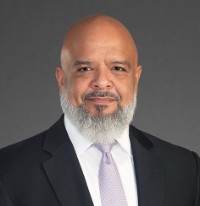

DLA Piper is a global law firm with lawyers located in more than 40 countries throughout the Americas, Europe, the Middle East, Africa and Asia Pacific, positioning the firm to help clients with their legal needs around the world. The firm strives to be the leading global business law firm by delivering quality and value to clients. This is achieved through practical and forward-looking legal solutions that help the firm’s clients. DLA Piper represents many of the world’s leading companies across industries, as well as emerging businesses, financial institutions and professional firms. The firm’s work encompasses the country’s major business, financial and technology centres.
Art Advisory Services and the Legal Landscape: A Guide for Collectors and Practitioners
The global art market has been experiencing a period of expansion, increasing complexity and greater professionalisation. As sales rebound, the role of the art advisor has never been more important or more scrutinised. The evolving legal frameworks governing art transactions present both opportunities and risks that collectors, institutions and their counsel must understand. This article surveys:
- the current state of the art market and the increasing significance of South Florida as a global art hub;
- the critical function of art advisory services;
- the distinction between advisors, dealers and influencers; and
- the legal considerations that should inform any engagement with an art advisor.
The Art Market Today
A return to growth
After two years of decline, the art market experienced renewed growth. The Art Basel and UBS Global Art Market Report 2026, authored by Dr Clare McAndrew of Arts Economics and published in March 2026, revealed that global art market sales increased by 4% from the previous year, reaching an estimated USD59.6 billion in 2025. This resurgence was supported by both primary sectors: dealer sales climbed to USD34.8 billion, representing a 2% rise, while public auction sales surged 9% to USD20.7 billion. The number of transactions totalled roughly USD41.5 million in 2025, up 2% year-on-year.
A substantial factor in the recovery was greater confidence among high-end buyers. The value of fine art auctioned in the United States (US) for prices exceeding USD10 million nearly jumped 40%. The return of major collections reinvigorated excitement at auctions. Art fairs also played a pivotal role, accounting for 35% of dealer turnover in 2025, a 4% increase and the highest share since 2022.
The US retained its status as the largest art market globally, accounting for about 44% of total sales value. Sales there reached USD26 billion in 2025, marking a 5% uptick after two consecutive years of decline. The United Kingdom ranked second with USD10.5 billion in sales, China maintained USD8.5 billion and France saw a strong comeback with sales rising 9% year-on-year to USD4.5 billion.
Looking ahead, optimism is growing across the market: 43% of dealers expect improved sales in 2026, a 10% increase from last year and nearly half of mid-tier auction houses foresee further growth.
The importance of Florida and the South Florida art scene
Florida, particularly Miami, has established itself as a pivotal region within the global art landscape. Art Basel Miami Beach, which began in 2002 and is now recognised as the largest art fair in the Americas, serves as the cornerstone event of Miami Art Week. In 2025, Art Basel Miami Beach featured 283 galleries representing 43 countries, including 48 first-time exhibitors and drew over 80,000 attendees. According to the fair’s director, the event was originally held in Miami Beach because of its position as a geographic and cultural nexus among the Americas.
Miami Art Week has evolved into a substantial economic and cultural force for South Florida, encompassing more than 20 art fairs, including Art Miami, NADA, Untitled and Design Miami. The week generated an estimated economic impact of USD547 million and attracted over 100,000 visitors, with participation from more than 1,100 galleries, all within less than a week of programming.
Beyond Miami Art Week, South Florida’s institutional art community has experienced significant growth. Leading institutions include the Pérez Art Museum Miami, the Institute of Contemporary Art Miami, the Bass Museum of Art and the Rubell Museum. Private collectors have been instrumental in developing Miami’s cultural infrastructure, exemplified by initiatives such as the Margulies Warehouse, the de la Cruz Collection and the Jorge M. Perez Collection. The region also hosts an expanding network of artist residency programs and nonprofit organisations, including Oolite Arts, the Bakehouse Art Complex, Locust Projects and Fountainhead Residency, all of which contribute to the development of the art scene and foster market growth. This robust infrastructure has encouraged increased migration of artists to South Florida and local galleries have achieved international prominence.
The rise of art advisory services
Amid expanding markets and increasing complexity, demand for professional art advisory services has risen sharply. As the number of collectors grows, including many new to the field, the need for expert and impartial guidance has become more pronounced. The professionalisation of the advisory sector has been a significant development over the past decade, closely associated with the maturation of the market and the recognition that art acquisition entails not only artistic discernment but also considerable financial, legal and logistical implications.
Art Advisors: Their Function and Relevance
What is an art advisor?
An art advisor is a specialist who offers informed guidance to individuals, foundations, corporations and institutions regarding the acquisition, management and sale of art. Unlike dealers or gallerists, whose primary financial interests are tied to works in their inventory or to the artists they represent, art advisors focus exclusively on serving their clients. A qualified art advisor does not operate as a dealer, broker or gallerist; instead, their responsibility is to act as the collector’s representative within the art market.
Art advisors have played a significant role in shaping art history by linking major patrons with artists, influencing the formation of significant collections and impacting market trends. While the term “art advisor” is fairly new, the practice of advising collectors dates back centuries, from royal curators to today’s independent specialists involved in high-profile acquisitions. Over the years, their roles have evolved: in the 19th century, art advisors often acted as dealers, assisting affluent industrialists and a growing middle class in buying and understanding art. By the mid-20th century, they focused more on modern and postwar art movements, helping clients navigate an ever-shifting artistic landscape. As the art market became more complex in the latter 20th century, the importance of art advisors grew; many began offering specialised services and, in some cases, exclusive representation for select clientele. Currently, art advisors’ responsibilities extend well beyond choosing artwork – they manage purchases, negotiate private sales, oversee logistics and finances, manage legal matters and grant access to coveted works from premier galleries.
What do art advisors do?
The responsibilities of an art advisor extend well beyond recommending individual acquisitions. Essential services include:
- thorough due diligence on artworks, evaluating provenance, authenticity, condition and legal title;
- facilitating negotiations;
- advising on pricing; and
- overseeing transactional structure.
Advisors support collection management, provide strategic counsel on long-term collection development and assist with deaccessioning by targeting the sale or donation of works. Additionally, many advisors offer expertise related to tax and estate planning aspects of art ownership, including capital gains considerations, charitable giving strategies and estate valuations. They are also adept at arranging logistics such as shipping, insurance, storage, framing, conservation and installation.
Art advisors typically possess significant academic qualifications and professional experience. Most have earned advanced degrees in art history, fine arts, museum studies, or related fields, complemented by extensive tenure within galleries, auction houses, museums or curatorial roles prior to undertaking independent advisory practices.
Who uses art advisors?
Art advisory services are engaged by a diverse spectrum of clients. Private collectors – ranging from new buyers undertaking their initial major acquisitions to ultra-high-net-worth individuals possessing multi-generational collections – constitute the primary clientele. Foundations and family offices increasingly depend on advisors to oversee art assets as part of comprehensive wealth management strategies. Museums and institutional collectors may enlist advisors for guidance on acquisition planning, deaccessioning processes or valuation assessments. Additionally, artists and galleries occasionally utilise advisory services for strategic career advancement or advice on collection development.
The relevance of art advisors
The art market is characterised by information asymmetry, limited liquidity and opacity, underscoring the need for specialised guidance. Pricing in most private sales remains undisclosed, provenance research often demands considerable diligence and legal and regulatory frameworks (or lack thereof) vary widely across jurisdictions. Engaging a knowledgeable advisor helps collectors avoid overpayment, prevent acquisition of works with problematic provenance or title issues and mitigate risks associated with speculative trends that could lead to financial loss. Importantly, reputable advisors maintain independence from galleries, auction houses and artists, ensuring objective recommendations aligned exclusively with their clients’ interests.
Legal Considerations
The legal framework
Unlike many professions in Florida, where real estate brokers, insurance agents, accountants and numerous other service providers are licensed and regulated by the state, art advisors are not subject to a dedicated licensing or regulatory regime. There is no state or federal agency that issues art advisor licenses, administers qualifying examinations, or maintains a registry of authorised practitioners.
Some art advisors rely on informal arrangements, but the law imposes duties regardless of whether a contract exists. Acting for a client in an art deal creates fiduciary responsibilities with real consequences. In Florida, as well as in the rest of the USA, art advisors’ conduct is governed by the common law of agency and fiduciary duty, by contract law and by a range of state and federal statutes that apply more broadly to commercial transactions.
The fiduciary relationship
Art advising is regarded by law as a profession defined by trust, specialised expertise and an inherent imbalance of power between the advisor and client. This perspective imposes fiduciary responsibilities on advisors, irrespective of their personal awareness of these obligations. Courts hold art advisors to an elevated standard, given that clients may lack market knowledge; therefore, advisors are required to act exclusively in the client’s best interests with complete transparency and loyalty.
Fiduciary duties are derived from equity law rather than established business practices. Within the US, courts employ both legal (rules and contracts) and equitable (fairness and relationships) frameworks, with fiduciary obligations anchored in the latter to safeguard trust-based professional relationships. According to Florida law, when an individual consents to act on behalf of another, an agency relationship is created, which carries fiduciary duties regardless of whether the agreement is formalised in writing. Florida courts acknowledge that a fiduciary relationship emerges whenever one party places trust and confidence in another. Once an art advisor undertakes representation for a client, fiduciary law prescribes certain core duties central to the advisor’s professional obligations, as outlined below.
- Loyalty: Ensuring that the client’s interests always take precedence over any interests of the advisor. Advisors are obligated to act exclusively in the client’s best interests. They must avoid conflicts of interest and are prohibited from accepting commissions or benefits from third-party sellers unless the client provides informed, written consent.
- Obedience: Advisors must follow all lawful instructions and terms set out in the controlling agreements and act within the scope of their authority.
- Reasonable care and diligence: Advisors must operate with the skill of a prudent person in similar circumstances. They are required to exercise sound judgment tailored to the client’s specific needs and level of sophistication. This includes diligently gathering relevant information, carefully assessing risks and safeguarding the client from undue harm. When clients lack market experience, advisors must take additional steps to thoroughly explain transactions and ensure clients understand the nature and risks of each transaction.
- Full disclosure: Advisors must disclose any information that could impact the client’s interests, including commissions, financial relationships with sellers and any potential conflicts of interest. Clients are entitled to know if the advisor receives benefits beyond the agreed-upon fee. Transparency is vital for fostering trust and ensuring all decisions are made with complete and accurate information.
- Confidentiality: Advisors must keep all personal, financial and private information of the client secure and not use it for personal advantage.
- Accounting: Advisor must provide accurate records of all money, property, or assets managed.
The agency relationship
In Florida, agency relationships are fiduciary relationships established by law when a principal authorises an agent to act on their behalf, subject to the principal’s direction and control. This legal framework applies across business, legal and personal contexts. It may arise from express agreements, either written or oral or be implied through conduct and circumstances.
- Fiduciary duty: As previously outlined, advisors owe clients a strict duty of loyalty, obedience, reasonable care and diligence, full disclosure, confidentiality and accounting.
- Control: The advisor operates under the client’s authority. In the context of art advising, this means that ultimate decision-making power resides with the client, not the advisor.
- Actions on behalf of the client: Agents are required to act in the client’s interests; they initiate actions, make decisions and negotiate terms only with the client’s guidance and consent. Art advisors must ensure that the client is informed of, understands and agrees to all significant steps. Advisors may not act unilaterally; this applies to communication, negotiation, purchases and any utilisation of client funds or property.
Breaches and consequences
Common fiduciary breaches include receiving compensation from both the buyer and seller, utilising client funds or property without proper authorisation, failing to disclose conflicting interests, such as directing clients to sellers with whom there is a financial relationship and failing to act in the client’s best interest by recommending fraudulent or overpriced purchases due to a lack of proper due diligence.
A breach of fiduciary duty can result in severe penalties, including restitution of benefits received, full disgorgement of fees and profits, even if no client loss is proven and personal liability for losses caused by misuse of client funds. Courts may also require advisors to cover the client’s legal costs if found liable. Beyond legal consequences, breaches can significantly damage reputation and limit professional opportunities.
Art advising contracts: key terms
A carefully constructed contract serves as the primary tool for both the client and the art advisor to govern their relationship and mitigate risks. It should include the elements outlined below.
- Scope of engagement: It is essential to outline all services provided by the advisor, such as negotiation, acquisition or deaccession and research, along with any restrictions on authority.
- Compensation and fee structure: The contract should specify the payment schedule and method for the advisor, disclose any commissions or third-party benefits and ensure that dual compensation is permitted only with written consent.
- Conflict of interest and disclosure: Advisors must promptly disclose in writing any significant connections to parties involved in transactions and guarantee not to represent both buyer and seller without informed written consent.
- Confidentiality: Comprehensive clauses should protect the client’s identity, collection details, transaction history and pricing information.
- Indemnification and limitation of liability: Risks must be allocated appropriately, with narrow limitations that exclude fraud, self-dealing or breaches of fiduciary duty.
- Non-circumvention: The agreement should prevent clients from circumventing the advisor to deal directly with sources introduced by the advisor.
- Term, termination and dispute resolution: Clearly define the contract length, termination rights, ongoing obligations after termination and procedures for resolving disputes.
While contracts cannot circumvent fiduciary duties, a thorough written agreement helps manage associated risks. Without such a contract, courts typically turn to fiduciary law, which often places the burden of responsibility on the advisor.
Other Considerations
Proposed federal regulation
As of July 2025, the bipartisan “Art Market Integrity Act” had been introduced in Congress. If passed, this would bring art advisors and dealers under the Bank Secrecy Act’s anti-money laundering regulations for transactions over USD10,000.
The professional standards and industry best practices
As noted above, unlike many professions in Florida that require state licensing and regulation, art advisors operate without a specific regulatory or licensing framework. The profession is largely self-regulated through organisations whose ethical codes, while influential, are voluntary and not legally binding. In this context, various organisations have established professional ethics, standards and best practices for the industry. The principal association for art advisors is the Association of Professional Art Advisors (APAA), an international non-profit dedicated to maintaining high standards of connoisseurship, scholarship and ethical conduct. APAA members are obligated to adhere to a rigorous code of ethics, including provisions to prevent conflicts of interest and prohibit compensation from sellers. While these standards are not legally enforceable, courts may consider them when evaluating an advisor’s actions.
Art advisor vs art dealers
A frequent point of confusion within the art market concerns the distinction between art advisors and art dealers. Although their roles can occasionally overlap, they remain conceptually separate. An art advisor serves as a fiduciary or quasi-fiduciary to the client, offering independent guidance and representing the client’s interests throughout the acquisition or disposition process, as discussed above. Conversely, an art broker primarily acts as an intermediary, facilitating transactions between buyers and sellers, often with expertise in specific fields or genres. Dealers generally earn compensation through commissions on finalised sales and may represent either party in a transaction.
In practical terms, these distinctions can become less clear. It is not uncommon for art advisors to serve as dealers in particular transactions, especially in the secondary market. Advisors may identify artworks for clients, negotiate purchases and receive commissions, either in addition to or instead of a flat fee. Legally, the key consideration is whether all material conflicts of interest have been disclosed and whether the advisor has fulfilled the fiduciary duties associated with the advisory relationship. If an advisor undertakes the role of dealer without transparency, the integrity of the fiduciary relationship may be compromised, thereby exposing both the advisor and client to potential legal risk.
Art advisors vs art influencers
Art influencers and art advisors serve distinct roles in the art world. Influencers cultivate followings on platforms like Instagram, TikTok and YouTube, earning income by attracting attention rather than offering individualised professional advice. In contrast, art advisors are qualified professionals with fiduciary responsibilities to their clients.
When influencers step into advisory roles, guiding purchasing decisions without proper credentials or accountability, the risks for collectors rise sharply. Unlike a professional advisor, who is legally obligated to act in a client’s best interest, an influencer recommending art purchases has no such duty of care. If a collector buys a piece based on an influencer’s suggestion and later finds it overvalued or facing provenance problems, there’s little recourse. This was evident during the recent speculative surge in NFTs and digital art, when influencer-driven promotions led to rapid price declines, leaving many collectors with overpriced works and limited resale options. Collectors caught up in these trends may find themselves holding art that quickly loses value once social media attention fades.
Despite these risks, influencers and advisors can work together productively if they remain within their areas of expertise, influencers raising awareness and excitement and advisors ensuring proper due diligence to protect buyers. Influencers help democratise access to art and spark cultural interest and social media platforms like Instagram have become crucial marketing tools for galleries, auction houses and artists alike.
Notable Legal Cases
Many high-profile cases, some with direct ties to Florida, illustrate the legal risks inherent in the art advisory and dealing ecosystem.
US v Inigo Philbrick (S.D.N.Y. 2022)
Inigo Philbrick, an art dealer with galleries located in London and Miami, Florida, orchestrated a substantial fraud scheme from 2016 to 2019. Philbrick made material misrepresentations to art collectors, investors and lenders by selling artworks to multiple parties without their knowledge and pledging works as collateral for loans while failing to disclose third-party ownership interests. He was sentenced to 84 months in federal prison and ordered to forfeit over USD86 million, marking one of the most significant art-related fraud cases in US history. This case highlights the risks associated with intermediaries operating in the art market without adequate transparency or accountability and illustrates how insufficient regulatory oversight can facilitate large-scale fraudulent activities.
US v Leslie Roberts (S.D. Fla. 2025)
Leslie Roberts, proprietor of Miami Fine Art Gallery in Coconut Grove, was indicted in April 2025 on charges of wire fraud conspiracy and money laundering, stemming from allegations involving the sale of forged Andy Warhol paintings accompanied by fraudulent invoices and counterfeit authentication documents. The Perlman family, collectors based in Florida, contend that Roberts sold them approximately USD6 million in counterfeit artwork and arranged for individuals masquerading as representatives of the Phillips auction house to perform a deceptive re-authentication process. Roberts faces a maximum sentence of 30 years’ imprisonment. This case underscores the risks collectors assume when depending solely on dealer representations without independent professional verification.
Guggenheim v Asher/Asher v Guggenheim (N.Y. Sup. Ct. 2024–2025)
In a high-profile dispute shaking the art advisory industry, Barbara Guggenheim and her longtime partner Abigail Asher have filed competing lawsuits against each other in New York. Guggenheim accuses Asher of misappropriating over USD20 million from their joint business, Guggenheim Asher Associates. In response, Asher alleges that Guggenheim engaged in unethical conduct, including undisclosed conflicts of interest, accepting kickbacks and entering into inappropriate relationships with clients and dealers on the opposite side of transactions she managed for her clients. This legal battle exposes the fiduciary risks inherent to even long-standing advisory partnerships and emphasises the critical need for written agreements, transparent compensation policies and strict ethical standards.
The Rybolovlev v Bouvier legal battle
Russian billionaire Dmitry Rybolovlev sued Swiss art dealer Yves Bouvier, alleging that Bouvier secretly inflated prices and pocketed hundreds of millions in undisclosed markups across approximately thirty-eight art transactions while acting as Rybolovlev’s trusted advisor. Litigation proceeded in multiple jurisdictions, including Monaco, Switzerland and the US. In 2018, Rybolovlev filed a civil lawsuit against Sotheby’s in the Southern District of New York, claiming the auction house aided Bouvier’s fraud on four transactions. Rybolovlev and Bouvier reached a confidential settlement in December 2023, but the case against Sotheby’s proceeded to trial. In January 2024, a federal jury returned a unanimous verdict in favour of Sotheby’s, finding Rybolovlev had not proven the auction house aided the fraud.
Accent Delight International Ltd. v Sotheby’s, 1:18-cv-09011 (S.D.N.Y. Feb 02, 2024) ECF No 680
The trial provided a rare public glimpse into the opaque world of private art sales and the broader Bouvier affair remains one of the most consequential art market disputes of the twenty-first century.
Conclusion
As Miami continues its rapid ascent as a global art capital, anchored by Miami Art Week, a maturing institutional landscape and a thriving artist community, the volume, complexity and stakes of art transactions in the region will only grow. That growth makes the role of qualified art advisors more essential than ever. since professional advisors may provide the independent judgment, fiduciary accountability and transactional expertise that no amount of social media influence or market enthusiasm can replace. For collectors, institutions and practitioners active in Florida’s art market and beyond, engaging a credentialed advisor, supported by sound legal counsel and robust contractual protections, remains a reliable path to building and protecting a meaningful collection.
DLA Piper (US)
200 South Biscayne Boulevard
Suite 2500
Miami
Florida
33131-5341
United States of America
+1 305 423 8500
+1 305 437 8131
DLAPiperAmericas@us.dlapiper.com www.dlapiper.com
Law and Practice
Author
DLA Piper is a global law firm with lawyers located in more than 40 countries throughout the Americas, Europe, the Middle East, Africa and Asia Pacific, positioning the firm to help clients with their legal needs around the world. The firm strives to be the leading global business law firm by delivering quality and value to clients. This is achieved through practical and forward-looking legal solutions that help the firm’s clients. DLA Piper represents many of the world’s leading companies across industries, as well as emerging businesses, financial institutions and professional firms. The firm’s work encompasses the country’s major business, financial and technology centres.
Trends and Developments
Authors
DLA Piper is a global law firm with lawyers located in more than 40 countries throughout the Americas, Europe, the Middle East, Africa and Asia Pacific, positioning the firm to help clients with their legal needs around the world. The firm strives to be the leading global business law firm by delivering quality and value to clients. This is achieved through practical and forward-looking legal solutions that help the firm’s clients. DLA Piper represents many of the world’s leading companies across industries, as well as emerging businesses, financial institutions and professional firms. The firm’s work encompasses the country’s major business, financial and technology centres.
