Insurance Litigation 2026 Comparisons
Contributed By NHB Legal
Law and Practice
Authors


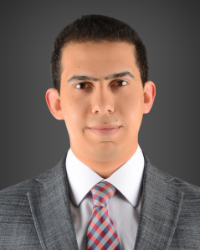
NHB Legal is a UAE-based law firm providing dispute resolution, litigation, corporate and advisory services across a broad range of sectors. The firm’s multidisciplinary team comprises local, regional and internationally qualified lawyers, combining extensive UAE legal experience with cross-border capabilities. The firm also operates a network of member firms across the UAE and region. NHB Legal has a well-established insurance practice, representing clients in disputes against insurance companies and advising insurers, reinsurers, underwriters and brokers across the region. Its team has considerable experience supporting insurance-related litigation before the UAE courts and advising on complex coverage, liability and claims matters. The wider practice spans banking and financial services, construction, real estate, health-care, hospitality, corporate and commercial matters, enabling the team to advise on insurance disputes arising across multiple industries. The firm combines local court capabilities with broader experience in arbitration, cross-border disputes, regulatory matters and complex commercial transactions.
1. Key Drivers and Resolution of Insurance Disputes
1.1 Common Triggers of Insurance Disputes
One of the most frequent drivers of insurance disputes in the UAE remains coverage interpretation, more specifically whether a loss falls within the scope of coverage, and the application of policy exclusions, limits and deductibles.
Property, construction, motor, marine and cyber-insurance are sectors that have generated the largest volume of disputes in recent years.
Following the severe flooding in the UAE in April 2024, an unprecedented number of disputes arose across multiple sectors, including property, construction and motor policies, regarding the application of flood and catastrophe exclusions and business interruption coverage. These cases are still being litigated in the UAE courts.
A growing number of disputes have arisen in the cyber-insurance sector, particularly with regard to ransomware incidents and business interruption losses.
In parallel, in the broader economic context, the rise in global inflation and reinstatement costs have increased disputes concerning valuation and adjustment of claims. Therefore, while coverage disputes remain the most common cause of insurance disputes in the UAE, the wider factual context in which disputes arise is being increasingly influenced by regional instability, growing cyber-related risks and climate-related events.
1.2 Role of Policy Wording and Drafting
Policy drafting and wording issues are key contributors to insurance disputes in the UAE. A significant number of insurance disputes turn on interpretation of policy terms, including the scope of coverage, application of exclusions and deductibles, and whether policy conditions and warranties have been satisfied.
Among the most contentious provisions are war, hostile acts, and terrorism exclusions, which vary considerably between policies. The inherent ambiguity of events arising from regional instability and climate-related events can contribute to disputes concerning the scope of coverage.
Another area of frequent dispute concerns business interruption coverage, particularly under policies that require direct “physical damage” as a trigger for recovery. There is often disagreement between insureds and insurers as to what exactly constitutes “physical damage” for the purposes of coverage.
The UAE has experienced heightened exposure to cyber-risks in recent times. Cyber-policies often give rise to disputes where insurers rely on the application of “war” and “hostile act” exclusions to refuse coverage for state-sponsored cyber-attacks.
Coverage disputes frequently arise from ambiguous drafting, inconsistent terminology, and differing interpretations of policy wording. In light of ongoing economic and geopolitical developments, a careful review of policy wording is essential to understand the scope of coverage and minimise the risk of disputes between insurers and insureds.
In addition, Arabic is the prevailing language for most onshore policies. Where policies are issued in both Arabic and English, inconsistencies can arise between the translated version of the policy which gives rise to disputes over interpretation and meaning. As a result, it is imperative that both language versions are carefully drafted to reduce the risk of coverage disputes.
1.3 Dispute Resolution Strategy and Outcomes
The UAE’s legislative framework encourages parties to engage in early realistic settlement where possible.
For onshore insurance disputes, policyholders are required to file a complaint with the insurer first. If an agreement cannot be reached between the parties, in the absence of an arbitration clause, parties are then required to refer the dispute to the UAE’s financial ombudsman Sanadak, which has discretion to refer the matter to the Insurance Disputes Settlement and Resolution Committee (IDSRC) if necessary. Unless appealed by either party, the decisions of Sanadak and the IDSRC are final and enforceable.
Larger commercial disputes, particularly in the marine, construction and reinsurance sectors, are frequently referred to arbitration pursuant to valid arbitration agreements. Arbitration offers parties a confidential, flexible and streamlined process, allowing them to appoint arbitrators with specialist expertise in the relevant issue. However, arbitration proceedings can be costly and are therefore more common in high-value and complex commercial disputes.
In practice, parties often diverge from this. Insurers will often settle routine quantum-driven claims promptly because the costs of litigating far exceed the settlement value. However, parties are often prepared to litigate to trial cases that have the potential of establishing a market-wide precedent in the Middle East and potentially the global market.
2. Jurisdiction and Choice of Law
2.1 Choice of Law in Insurance Contracts
In the UAE, the governing law of insurance and reinsurance contracts is most commonly determined by the parties’ contractual arrangements, subject to the applicable onshore legislative and regulatory framework. As a starting point, UAE law recognises party autonomy in determination of the applicable law.
In the reinsurance market, parties commonly opt for foreign governing laws, most commonly English law. The UAE courts generally respect and enforce such choices because reinsurance contracts typically arise between sophisticated commercial parties and therefore the court affords them greater contractual autonomy.
This contrasts with retail and consumer line insurance policies which are subject to more restrictive regulations and the mandatory requirements of UAE law, specifically when the insured risk or person is located in the UAE. Therefore, where the parties to an insurance contract have agreed on a foreign governing law clause, the UAE courts still have discretion to apply UAE law in matters of public policy or regulatory compliance.
2.2 Jurisdiction and Forum Selection
Jurisdiction clauses are invariably not upheld by UAE courts. The UAE Civil Procedures Law governs jurisdiction in onshore insurance disputes. The general position is that disputes should be heard in the insured’s domicile or insured risks’ location.
While contracts often include jurisdiction clauses identifying a foreign court or arbitral tribunal, UAE courts can decline to give effect to this where they consider the UAE court would otherwise have jurisdiction under UAE law. In particular, UAE courts will be reluctant to uphold foreign jurisdiction clauses in matters that involve UAE transactions, events occurring in the UAE or ownership of property in the UAE.
In practice, jurisdiction disputes are most commonly encountered in reinsurance disputes, particularly in the marine, energy and aviation sectors involving cross-border parties and risks. In such cases, contracts often contain jurisdiction clauses, however the enforcement of such clauses ultimately depends on the clause’s interaction with the UAE’s mandatory requirements.
2.3 Cross-Border Disputes and Conflicts Issues
Jurisdictional and choice-of-law disputes commonly arise where policies involve international elements, for example, where the insurer is incorporated in a different jurisdiction to the policyholder, where the insured assets are located elsewhere, or where the insured risk extends across several territories. These issues are most common in commercial insurance and reinsurance matters involving overseas insurers or insureds.
In the UAE onshore courts, conflicts of jurisdiction are determined by the UAE’s new Civil Transactions Act, which provides that the law expressly chosen by the parties will govern their contractual obligations, in relation to both form and substance. Where the parties have not chosen an applicable law, this is determined by a range of relevant factors, including the parties’ place of business and domicile, the location of the risk, and the place of contractual performance.
In practice, the application of foreign law has proven challenging for parties in the UAE courts. Foreign law is treated as a question of fact by the UAE courts and so the parties will need to set out the contents of the applicable foreign law to the court’s satisfaction.
Such international elements can give rise to practical challenges, including parallel proceedings in different jurisdictions or uncertainty regarding the interaction between onshore, offshore and foreign courts.
2.4 Anti-Suit Injunctions
With regards to the UAE courts’ approach, where proceedings are commenced in breach of an arbitration agreement, the UAE courts will generally refer the parties to arbitration, provided that the arbitration clause itself is not subject to dispute. This approach is reflective of the UAE’s obligation as a signatory to the New York Convention.
In relation to exclusive jurisdiction clauses, the position differs slightly. UAE courts will apply the UAE legislative framework in deciding whether they have jurisdiction over a case.
Importantly, anti-suit and anti-arbitration injunctions are not a traditional form of relief offered by the UAE onshore courts in the same way they are in common-law jurisdictions. UAE courts will not issue injunctions restraining foreign proceedings in breach of an exclusive jurisdiction or arbitration agreement. In these matters, the most common approach is to challenge jurisdiction in the proceedings themselves where they have been commenced.
These issues are particularly relevant in the context of international commercial policies and reinsurance arrangements, where exclusive jurisdiction and arbitration clauses are common. Practical challenges can often arise in the context of parallel proceedings where foreign courts are already hearing the dispute, requiring the UAE courts to balance enforcement of contractual rights against the risk of duplicative proceedings and inconsistent judgments.
2.5 AI-Related Dispute Resolution and Jurisdiction
AI-related disputes are an emerging area of law, particularly in relation to jurisdictional and conflict-of-laws issues. Given the relatively recent development of AI technologies, the onshore UAE courts have had little opportunity to develop a coherent body of case law addressing these disputes.
The multi-jurisdictional nature of AI technology creates particular jurisdictional challenges, as liability could potentially span different jurisdictions. For example, the AI model may be developed in one jurisdiction, trained in another and then deployed to users across multiple locations. These factors are likely to complicate where precisely the cause of action arose, where the loss was sustained, and consequently, which law should apply.
Data protection considerations are likely to be a key connecting factor in determining jurisdiction in AI-related disputes. UAE data protection law regulates certain international data activity. AI disputes involving UAE-based data subjects or activities may trigger UAE data protection obligations regardless of the location of the AI system or the cloud provider.
One challenge for the UAE courts in the future will be applying established legal principles to fit disputes involving new and rapidly evolving technologies.
3. Arbitration in Insurance Disputes
3.1 Recognition of Arbitration Clauses
Onshore UAE courts respect arbitration clauses in principle but apply a strict, formal test that leaves little room for drafting errors or signature irregularities. Article 958(4) of the updated UAE Civil Transactions Law (Federal Decree-Law No 25 of 2025) renders an arbitration clause in an insurance policy void unless it appears in a special agreement separate from the policy’s general printed conditions, a rule the Dubai Court of Cassation reaffirmed in 2024, striking down a clause found only in a policy’s standard terms.
Separately, under Article 4 of Federal Law No 6 of 2018 on Arbitration, whoever signs an arbitration clause, whether representing the insured or the insurer, must have express authority to bind that party to arbitration. A signature by someone lacking demonstrable authority, such as a broker acting outside its mandate or a company representative without the power to conclude arbitration agreements, is an independent ground on which onshore courts have invalidated such clauses.
Similarly, the Dubai International Financial Centre (DIFC) courts generally uphold arbitration clauses in insurance policies, provided they are valid under the governing law, satisfy the UAE Arbitration Law’s formal requirements, and do not breach any mandatory provisions of UAE law. Where these conditions are met, the DIFC courts will ordinarily uphold arbitration clauses.
3.2 Enforcement of Arbitral Awards
Enforcement follows different tracks depending on the seat and nationality of the award. Domestic awards are confirmed under Article 55 of Federal Law No 6 of 2018: a party applies to the Court of Appeal, and enforcement generally proceeds even amid a pending set-aside challenge, in the absence of a stay for good cause.
Foreign awards, including from New York Convention states, are enforced through the execution-judge procedure under Articles 222–223 of the Civil Procedure Law (Federal Decree-Law No 42 of 2022 – as amended), read with the UAE’s obligations under the 1958 New York Convention, applied since 2006.
In both tracks, review is deliberately narrow. The Abu Dhabi Court of Cassation confirmed in 2024 that grounds under Article 53 are exhaustive and exclude reconsidering the tribunal’s evidentiary findings.
Barriers therefore arise not from merits review, but from limited statutory grounds:
- the absence, invalidity or expiry of the arbitration agreement;
- the lack of capacity or authority to conclude it;
- denial of due process;
- failure to apply the agreed governing law;
- improper tribunal constitution;
- serious procedural irregularities or late award issuance;
- the tribunal exceeding its mandate; and
- the non-arbitrability or breach of public order, raised by the court itself.
3.3 Practical Use of Arbitration in Insurance Matters
Arbitration is most often used in commercial and speciality lines – marine, aviation, energy, construction, and reinsurance – where technical complexity favours arbitrators with sector expertise, and confidentiality is genuinely valued.
It is less commonly used in retail or consumer-facing lines, which are instead channelled through Sanadak, the independent ombudsman for certain consumer complaints against insurers and financial institutions, rather than arbitration or the ordinary courts.
On confidentiality, the UAE Arbitration Law provides that hearings are held in private unless otherwise agreed, and awards are confidential and may not be published without written consent – a protection extended to the proceedings themselves following amendments introduced by Federal Decree-Law No 15 of 2023.
Grounds to challenge or set aside an award are limited to the exhaustive list in Article 53 of the UAE Arbitration Law, while foreign awards face the narrower grounds in Article V of the New York Convention. Neither route permits review of the merits, though a challenge on formal grounds – most often the standalone-agreement requirement – remains a live risk in the insurance context, given the recurring case law under Article 958(4) of the UAE Civil Transactions Law.
4. Coverage Disputes
4.1 Evolving Trends in Coverage Disputes
In general, coverage disputes are witnessing a significant evolution driven by regulatory reform such as the enactment of the Central Bank of the UAE, the CBUAE Law No 6 of 2025, introducing a new framework that provides new statutory requirements, particularly regarding disclosure obligations, claims notification, and mandatory coverage provisions, leading to a steady increase in the number of disputes.
Climate-related losses remain a key source of coverage disputes, especially after the heavy rainfalls experienced in 2024 and the storms in mid-December 2025, which led to disagreements over whether such events fall within all-risks coverage or are excluded as “acts of God” or losses attributable to inadequate maintenance.
In parallel, disruptions caused by geopolitical tensions have generated claims relating to business interruption, delayed shipments, supply-chain disruption, and damage to insured properties. These events have prompted greater scrutiny of war risk, political violence, marine cargo, and business-interruption clauses, particularly where businesses have diverted shipments from the Strait of Hormuz to alternative land routes and incurred additional operational costs.
Additionally, the digitalisation of the UAE economy is giving rise to disputes concerning cyber-related risks under traditional insurance policies, and the expansion of mandatory professional indemnity insurance is generating disputes over the scope of covered professional acts.
4.2 Policy Wordings and Interpretation Developments
A question that is commonly asked is how the UAE courts approach interpretation of a policy, particularly in relation to policy ambiguity, exclusions and endorsements.
The UAE courts’ approach towards policy ambiguity, exclusions and endorsements is to constantly try to establish the parties’ common intention from the policy and if genuine ambiguity still persists after such an exercise, the courts will then apply the contra proferentem principle as a last resort. This interprets such terms against the party that drafted the contract, and this returns to the fact that policies are considered a contract of adhesion.
Despite the above, exclusions must be drafted in clear language, a contrasting colour (usually red), and be approved by the insured (by initials or a signature next to the exclusion), so that the court can consider it.
As for endorsements, the courts will read them together with the underlying policy as a single contractual instrument. However, if an endorsement conflicts with the original wording, the courts will consider the endorsement to be the parties’ later expression of intent and will give it effect subject to being properly issued, referenced and accepted by the insured.
Lastly, it is worth noting that the IDSRC’s reasoning, precedent court of cassation rulings, and jurisprudential commentary – especially Al Sanhoury – are increasingly considered as a practical reference point when addressing ambiguity, exclusions and endorsements.
4.3 Cyber and Technology-Related Coverage Issues
Due to the UAE economy’s heavy reliance on digital infrastructure and cloud-based services, new types of coverage disputes are arising. This returns to the fact that policyholders suffering losses from ransomware attacks, data exfiltration, or system outages are claiming under general property, business interruption or professional indemnity policies, without purchasing a standalone cyber-product to cover such issues. This further allows insurers to defend such claims by arguing that technology-related losses were never within the scope of the risk coverage.
In addition, systemic technology failure is one of the most challenging issues. A single event of software failure or cloud service disruption affects many customers of the insured. This raises the question whether the losses of multiple affected policyholders constitute one occurrence or multiple occurrences, testing the aggregation mechanisms. From a commercial perspective, if aggregated, the insurer’s exposure will be capped, whereas if each customer’s loss is considered to be a separate occurrence, the insurer’s exposure will multiply and will not be capped by each insured’s policy limit.
4.4 Aggregation and Limits of Liability
The interpretation of aggregation clauses and the definitions of “occurrence” and “event” in policies are becoming a growing area of contention in the UAE, especially when policies governed by UAE law transplant the London market’s or internationally drafted aggregation language. In such cases, and when the parties’ common intention is ambiguous, the courts adopt the interpretation against the insurer, applying the contra proferentem principle.
The previously mentioned systemic technology failures, along with natural disasters and construction defects are all examples of large-scale or systemic events that question aggregation, by testing whether multiple losses caused by a single event should be treated as one aggregated occurrence or multiple separate occurrences.
The outcome depends heavily on the precise policy wording, as different wording produces different results depending on the factual matrix, and while insurers prefer aggregation to limit their liability, insureds seek disaggregation to multiply the insurers’ exposure under the policy.
However, in liability lines such as D&O, professional indemnity, and general liability policies, aggregation disputes differ in that they arise when multiple claimants assert related claims against the insured. Therefore, the courts’ approach is unpredictable, as whether those claims arise from a common set of facts or a related series of acts needs to be determined by an expert.
4.5 Sanctions and Illegality Issues
The UAE’s position as a global trade, finance and reinsurance hub means that sanctions compliance is a live and practical issue in coverage disputes. Insurers operating in the UAE must comply with multiple sanctions regimes – UN Security Council resolutions (directly applicable), the UAE’s autonomous sanctions framework, and (for internationally connected insurers) US Office of Foreign Assets Control (OFAC) and EU sanctions. Where a claim has any nexus to a sanctioned entity, jurisdiction or activity, insurers routinely invoke sanctions exclusion clauses or argue that payment would expose them to criminal liability.
Disputes arise in several recurring scenarios: where the insured or a beneficiary is subsequently designated after policy inception; where goods or vessels transit sanctioned territories without the insured’s knowledge; or where the sanctions nexus is peripheral to the underlying loss. Policyholders argue that sanctions clauses should be narrowly construed and that insurers bear the burden of establishing that payment would actually constitute a sanctions violation – not merely that a theoretical risk exists.
Public policy and illegality operate as separate but related coverage defences. The UAE courts will not enforce contracts that facilitate unlawful activity, and the concept of insurable interest (codified in the Civil Code and restated in the 2025 Civil Transactions Law, effective since June 2026) requires the insured to demonstrate a lawful economic interest in the subject matter. Disputes over illegality most commonly arise in marine cargo insurance (where goods may be subject to import/export controls) and in liability policies where the insured's underlying conduct is alleged to be criminal or fraudulent.
4.6 Late Payment and Claims Handling Practices
In February 2026, the CBUAE issued a guidance note on consumer protection and the responsible AI and machine learning (ML) adoption by licensed financial institutions (including insurers), and while it regulated the AI adoption for handling claims, it provided how insurers can use AI in handling claims by categorising them according to level of risk and complexity, as follows:
- human-in-the-loop – where a human makes decisions;
- human-on-the-loop – where AI is performing routine operations with oversight from humans; and
- human-out-of-the-loop – which refers to limited to low-risk, non-material processes with the right controls.
AI adoption, especially for the many low and medium-risk claims, and the further obligation provided under the CBUAE law to provide written reasons for rejections of a claim, are considered positive developments and effective solutions to expedite assessment and decision-making, which reduce delays and claims escalations into coverage disputes.
In parallel, the law further restricted the asymmetric appeal structure of the IDSRC, whereby decisions up to AED100,000 cannot be appealed, providing an additional incentive for prompt and fair first-instance decisions where a grievance is filed. Accordingly, early engagement, transparent communication of coverage positions, and prompt payment of undisputed amounts remain important.
4.7 ESG and Climate-Related Coverage
ESG considerations have become an influential factor on coverage disputes, as the Climate Change Law obliged all UAE entities to comply with the new requirements of monitoring, reporting and reduction of greenhouse gas emissions. In the case of non-compliance, regulatory sanctions will be imposed on insureds, which raises questions about the insurability of those losses under existing policies, giving rise to disputes on whether such losses are covered or excluded, and what constitutes a covered occurrence when considering climate-related events.
In addition, ESG disclosures by listed companies have increasing importance, especially in the D&O and financial lines context, as if sustainability reporting is found to be materially misleading, this may expose directors’ personal liability for governance failures related to climate-risk oversight. In D&O coverage, such claims are a developing area of contention, as insurers may argue that this is dishonest conduct excluded from coverage, while directors argue that these are good-faith compliance efforts.
Therefore, insurers are increasingly seeking to clarify the treatment of ESG-related liabilities through express coverage provisions, exclusions and policy conditions, reducing ambiguity and potential coverage disputes. They have also developed products to insure against specific environmental risks where the exposure can be properly evaluated and priced.
4.8 Delegated Authority and Claims Responsibility
The insurance market structure in the UAE depends on delegating authority for underwriting, policy administration, and claims-handling functions from the insurance companies to managing general agents (MGAs) and third-party administrators (TPAs). Accordingly, coverage disputes arising from such delegated authority raise distinct legal issues of attribution, ratification and liability allocation.
In all cases, insurers remain liable to policyholders for all their obligations within the policy, regardless of whether functions are delegated internally or to third parties. Where an MGA issues a policy on terms beyond its authority or a TPA wrongly denies a claim, the insured will then act against the insurer, not the delegate. The insurer may then act against the delegate under the binding authority agreement, but this is a different contract in which the policyholder is not a party.
Frequent areas of dispute include where a TPA rejects a claim that is subsequently overturned by the IDSRC and the policyholder seeks consequential losses for the period of wrongful denial, and where an MGA binds an insurer to a risk outside the scope of the delegated authority, or where a broker is acting in a dual capacity.
4.9 Financial Lines Coverage Trends
In D&O coverage, it is obvious that more claims are brought against directors, due to shareholder activism, regulatory investigations and disputes between senior executives and their employers.
However, conduct exclusions (particularly fraud, dishonesty or wilful misconduct) produce large volumes of interim disputes. Where insurers seek to withhold funding until they can determine whether excluded conduct occurred, this can create tension between the insured’s immediate need for funding of its defence and the insurer’s desire to avoid funding uninsurable conduct. Usually, this issue is resolved by commercial settlement rather than in court.
In addition, while mandatory professional indemnity (PI) cover is being extended to new professional categories, causing PI disputes to grow in number, the digitalisation of professional services adds further complexity in that where an error is made by an automated system (rather than a human professional), the question of whether PI cover applies depends on whether the policy contemplates technology being used to assist in the delivery of the service.
4.10 Casualty Coverage Trends
Motor, construction and general liability segments dominate casualty insurance disputes in the UAE, which reflects the infrastructure-intensive development path of the economy and the mandatory nature of motor and health insurance. The most common type of third-party bodily injury claim is a motor claim, involving disputes over quantum (particularly in relation to serious injuries attracting blood money/diya and civil compensation), contributory negligence allocations and the extent of compulsory cover as opposed to optional extensions.
Construction liability disputes are complex and involve multiple parties. Disputes under contractor’s all-risk (CAR) policies often centre on the line between covered physical loss and excluded faulty workmanship, the scope of coverage during the maintenance period and cross-liability among multiple insureds under a single project policy. Claims of neighbouring properties, passing pedestrians and site workers challenge third-party liability provisions. Disputes often hinge on whether adequate safety measures are a condition precedent to coverage.
The proliferation of general liability claims in the hospitality, retail and health-care industries is being driven by elevated consumer awareness and lower barriers to claims through regulatory complaint mechanisms. Medical malpractice claims are particularly active, with disputes over aggregate limit exhaustion in hospital portfolio policies, the scope of coverage for employed versus visiting physicians, and whether administrative or systemic failures (versus individual clinical negligence) are covered. The overall trend is towards more frequent, more sophisticated and higher-value casualty disputes, driven by economic growth, population increase and the maturation of the UAE’s consumer protection framework.
5. Claims Against Insureds
5.1 Key Exposure Areas for Insureds
With the UAE having approximately 1.4 million registered companies and many ongoing projects, the key areas generating the highest volume of claims against insureds are construction, professional services, D&O liability, health-care, and the motor industry.
However, construction continues to dominate, as contractors, sub-contractors and engineers frequently face claims raised by project owners or third parties regarding defects and design deficiencies that have caused personal injury or damage to property.
Professional indemnity claims are also increasing against directors, auditors, financial advisers, and other professionals, reflecting the clients’ willingness to pursue negligence claims, especially in DIFC establishments where they observe constantly heightened regulatory scrutiny.
Health-care remains another significant area, as medical malpractice claims brought against doctors, hospitals and medical centres have grown due to the increased demand for cosmetic surgeries, weight-loss surgeries and other critical surgical procedures related to health issues.
In light of all the above, insurers find it most cost-efficient to fund the defence costs of insureds, and to become involved at the earlier stages of disputes to proactively develop defence strategies, reducing overall exposure, and increasing settlement outcomes.
5.2 Shifting Risk Landscape
In the UAE, the risk landscape for insureds is shifting due to different forces, most importantly technology, AI, and regulatory changes. AI and automated decision-making systems are being extensively deployed in companies (especially in the financial services, health-care and e-commerce sectors), which creates new liability exposures where not expected while arranging insurance programmes. For example, an algorithm that mistakenly denies credit applications, or misdiagnoses medical conditions can generate claims that push the boundaries of traditional professional indemnity or errors-and-omissions coverage.
Furthermore, insureds’ breaches for disclosure compliance and the new ESG reporting obligation required under climate change regulation, might expose them to both regulatory penalties and third-party claims, since these are the new focal points of the CBUAE, and the Securities and Commodities Authority.
In addition, the technology sector generates claims arising from consumer protection actions against digital platforms, and regulatory enforcement actions against fintech companies for operational failures. Besides this, traditional insurance products are struggling due to the existence of gaps around AI-generated losses, algorithmic bias liability, and the difference between insurable negligence and systemic design deficiency, causing insurers to be reluctant to cover risk beyond the categories of risk they understand well, while insureds are seeking broader policy language.
5.3 Defence Costs and Litigation Complexity
The defence costs incurred in disputes against insureds are gradually increasing, due to the structural complexity of modern insurance disputes, and the multi-jurisdictional nature of the UAE, which requires parties to navigate between Dubai courts, DIFC and Abu Dhabi Global Market (ADGM) courts, and arbitration, each with its own distinct procedural requirements, evidentiary standards, and cost regimes. This means that a single dispute may engage multiple forums, requiring parallel legal teams and duplicated preparations.
In addition, although the mandatory referral of disputes to Sanadak and IDSRC is intended to promote efficiency, it creates extra cost when matters proceed to the courts on appeal. It is also worth noting that high-value and technical disputes always require expert opinions, which contribute significantly to the defence strategy and evidence. Therefore, insurers tend to spend on consultancy expert-report preparations to influence the court’s appointed expert opinion, as this carries considerable weight in proceedings.
Emerging litigation funding in the UAE – which is still in its early stages, particularly for local litigation – is changing the economics of claims. This means that insureds who have financial backing are more easily able to fund disputes, which limits the early discontinuance or favourable settlement for well-resourced defendants. Accordingly, insurers and insureds usually experience a full trial on the merits, with associated cost implications. Therefore, proactive case management, early evidence gathering, and realistic defence cost budgeting have become essential elements of effective defence management.
5.4 Cost Risk Management and Funding Solutions
There are several recognised mechanisms for managing cost risks within the UAE, reflecting the influence of international dispute resolution practices and the market’s increasing sophistication. Such mechanisms are:
- Third-party funding – this is considered a major trend especially in the DIFC and ADGM as it is expressly permitted, and insureds tend to favour it because funders provide non-recourse capital in exchange for a share of the recovery amounts, enabling insureds to pursue meritorious but expensive claims, without incurring any costs.
- After-the-Event (ATE) insurance – this is available in the DIFC and ADGM, where adverse cost orders are common, limiting an insured’s exposure to the opponent’s costs if the claim fails. Conversely, adverse costs orders are less frequent in onshore proceedings, meaning ATE is less commonly used, but still available, for cross-border disputes with costs exposure in foreign jurisdictions. Additionally, Before-the-Event (BTE) legal expenses insurance is relatively undeveloped in the UAE but represents a growth area.
- Liability insurance policy – this remains the most significant mechanism for insureds. The key question in such policies is whether defence costs are provided within the indemnity limit (eroding available coverage) or in addition to limits (providing supplemental protection). In the UAE market, the trend is for costs-inclusive structures in primary layers, with costs-in-addition available at excess levels.
5.5 AI-Driven Claims Volumes and Complaints
Due to the exceptional evolution of AI tools, individuals and small businesses have started to take over the early stages of a dispute, where they use AI to generate legal notices, regulatory complaints and demand letters. This is affecting the volume and type of claims brought against insureds, and lowering the barrier to initiating formal proceedings.
The practical challenges that insureds and insurers face with such new behaviour is fabricated claims documentation (including fake medical reports, invoices, etc), which is becoming more difficult to identify during traditional claim assessment processes that rely on individuals’ review of documentary evidence. Therefore, insurers and their investigators try to resolve this by using AI-powered detection tools, but the technology is evolving quickly on both sides.
Further, AI may be used to generate mass complaints which, especially in consumer-facing sectors, may negatively affect internal complaint-handling systems and regulatory portals, and take up reputational management resources.
Consequently, such AI-generated materials do not appear to have any evidentiary weight, given that this issue has not yet been addressed in regulatory and judicial frameworks, and while this uncertainty creates risk, it also creates opportunity in the defence of claims based on or supported by content produced by AI.
6. Third-Party Claims and Defence Trends
6.1 Third-Party Claims and Direct Actions
The overall trend in UAE law is towards expanding third-party protection rights. The Civil Code grants injured third parties the right to pursue direct actions to claim a personal right against liability insurers of insureds whose conduct caused such loss, separate and apart from the contractual rights of the policyholder. This means that third-party claims survive even if the policyholder has breached policy conditions, failed to pay a premium, or otherwise forfeited coverage.
Practically, motor insurance is the most frequent context for direct actions, and the courts’ approach regarding such specific disputes is to declare that insurers cannot argue policy exclusions, conditions or late notification against an innocent third party, but should rather indemnify the third party and pursue policyholders for reimbursement, if policy terms were breached. This reflects the social protection function of mandatory insurance.
Direct action is also found in general liability cases; as in medical malpractice cases, patients may claim directly against the insurer of the health-care provider or surgeon, but in such cases this has a less absolute effect because in non-compulsory lines, insurers retain greater scope to argue policy exclusions and conditions against third parties, creating a distinction between compulsory and voluntary coverage.
6.2 Emerging Liability and Defence Trends
With the CBUAE’s expanded powers, and the oversight of authorities like the Dubai Health Authority (DHA) and the Capital Market Authority (CMA), it is important for insureds to carefully navigate the claims brought against them, as adversarial conduct may attract regulatory attention, especially if a pattern of contested claims suggests systemic unfairness rather than a legitimate coverage position, which may lead to the imposition of sanctions. Therefore, insurers and insureds need to assess together which approach serves the insured’s commercial interest – a vigorous public defence or a confidential resolution that protects the brand’s value and reputation.
Insureds (and their insurers) used to rely on the cost of proceedings as a natural deterrent to marginal claims, or under-resourced claimants. However, with increased accessibility to third-party funding (especially in the DIFC), insureds have fundamentally altered their defence strategies to be well prepared for all stages of a dispute, along with incurring more costs to take whatever precautionary actions will support their position (including preparing external expert reports, appointing different law firms, and pursuing procedures in different jurisdictions). They also consider the funder’s commercial interests, which are likely to lead to settlement negotiations.
7. Geopolitical Factors
7.1 Geopolitical Drivers of Insurance Disputes
Recent geopolitical developments have caused a marked increase in insurance and reinsurance disputes in the UAE. The dominant driver is the conflict between the United States, Israel and Iran, which began on 28 February 2026 and has directly affected the Gulf region through missile and drone activity, attacks on commercial vessels, and repeated Iranian-declared closures of the Strait of Hormuz.
While not a combatant, the UAE’s proximity to the Strait, its role as a regional shipping, aviation and logistics hub, and its extensive marine, energy, property and aviation exposures have made it a focal point for coverage disputes.
In terms of nature, disputes are increasingly concentrated on war-risk exclusions, held-covered clauses, and the scope of “hostile act” definitions in marine and cargo policies, alongside business-interruption claims tied to shipping and supply disruption, and aviation claims linked to airspace closures and rerouting. Volume has risen accordingly, with war-risk premiums for Hormuz transits spiking sharply and generating downstream coverage and reinsurance disputes.
Beyond the conflict, insurers and reinsurers with UAE-exposed books are also monitoring sanctions regimes affecting Gulf counterparties, and shifting trade and tariff policy affecting supply chains, as secondary but persistent drivers of dispute activity.
7.2 Sanctions and Payment Challenges
Sanctions compliance has become a live underwriting and claims-handling issue rather than a background legal formality.
The UAE’s core targeted financial sanctions instrument, Cabinet Decision No 74 of 2020, read together with Federal Decree-Law No 10 of 2025, requires reporting entities, including insurance companies, to comply with UAE AML/CFT obligations, including customer due diligence, sanctions screening, reporting obligations and targeted financial sanctions requirements.
Reporting entities must implement appropriate measures to identify matches against applicable UAE and UN sanctions lists and, where a confirmed match exists, take the required freezing and reporting measures without delay. Non-compliance may result in criminal liability and administrative penalties, including fines of up to AED5 million for certain violations.
Cross-border claims payments and reinsurance settlements are further complicated by tightening correspondent banking and beneficiary-verification requirements, reinforced by the UAE’s efforts to meet the revised Financial Action Task Force (FATF) Recommendation 16 (“R.16”) on payment transparency in light of a 2026 mutual evaluation on-site visit. In practice, this is translating into longer payment timelines, more granular beneficiary due diligence, and – in a small number of cases – disputes between insureds and insurers over the delay in releasing claim proceeds pending sanctions clearance.
7.3 War, Political Risk and Exclusions
Recent regional conflicts have placed war, warlike operations and political violence exclusions under sustained pressure across multiple insurance lines. In marine and aviation, standard war-risk wording typically operates through notice-of-cancellation mechanisms, enabling insurers to cancel and, where appropriate, reinstate cover on revised terms and at an additional premium as risk escalates, rather than automatically withdrawing cover.
This has contributed to rising war-risk premiums and restrictions for the highest-risk areas during periods of heightened conflict. In property and energy insurance, war and civil commotion exclusions are increasingly scrutinised where regional hostilities affect infrastructure or operations, including outside direct conflict zones.
Several dispute themes are emerging across these lines:
- whether an undeclared, asymmetric conflict of this kind falls within standard war exclusion wording, given the historical precedent of insurers resisting cover in the absence of a formal declaration of war;
- aggregation questions – whether losses from multiple, dispersed incidents constitute one event or several, for policy limits and deductible purposes; and
- the interaction between war exclusions and standalone political violence and terrorism (PVT) cover, which cannot typically be cancelled mid-term and may leave insurers holding open exposure even as other lines are repriced.
These issues remain largely untested before the UAE courts and, given the civil law system’s limited role for precedent, outcomes will likely turn on specific policy wording and the facts of each loss.
7.4 Supply Chain and Systemic Loss Events
Disruption to the Strait of Hormuz, through which a substantial share of global oil and liquefied natural gas (LNG) exports normally transit, has produced pronounced systemic effects on oil and gas pricing, vessel diversion costs and container freight rates, with consequential supply-chain disruption extending well beyond the energy sector into manufacturing, retail and logistics.
For UAE-exposed insureds, this has translated into aggregation and contingent business interruption questions across marine cargo and hull, and, according to recent market commentary, a genuine concern that Gulf offshore platforms, refineries and LNG terminals now represent a correlated, concentrated accumulation difficult to place on standard market terms. Supply chain-dependent insureds face similar aggregation questions where a single disruption event – a blocked transit route or a delayed shipment – triggers correlated losses across multiple, formally unrelated policies and insureds.
Beyond energy, marine and logistics, the UAE’s fast-growing data centre and AI infrastructure sector – largely dependent on stable regional power and connectivity – have similarly been identified as newly exposed to this kind of systemic disruption. This points to a broader theme: geopolitical shocks are generating aggregation risk across sectors previously treated as unrelated, forcing insurers to reassess correlation assumptions embedded in existing portfolio and reinsurance structures. These dynamics remain largely untested before the UAE courts.
7.5 Forward Outlook and Market Response
Geopolitical uncertainty in the Gulf is likely to remain the dominant factor shaping underwriting and dispute trends over the next 12–18 months, given the conflict’s pattern of escalation and de-escalation rather than durable resolution.
If the Strait of Hormuz remains closed or subject to intermittent closures, underwriting for Gulf-exposed risk is likely to remain highly cautious, with elevated premiums, constrained capacity and short-notice repricing remaining the norm. If a durable reopening is achieved instead, capacity may gradually return, though likely with more conservative wording and closer scrutiny of aggregation exposure than existed pre-conflict.
Regardless of how the conflict trajectory unfolds, several trends seem likely: continued refinement of war, political violence and aggregation wordings to reduce definitional uncertainty; growing interest in government-backed or government-supported war-risk facilities, of the kind already seen supporting convoyed transits during periods of acute disruption; and sustained demand for standalone political violence and terrorism cover as a complement to, rather than a substitute for, traditional war-risk policies.
Dispute activity is expected to track this pattern – clustering around coverage and aggregation questions during active escalation, and around claims settlement and renewal terms during periods of relative calm.
8. Emerging Risks
8.1 Market Overview of Emerging Risks
The risks generating most of the underwriting and claims activity in the UAE market share a common feature: they are systemic rather than isolated and moving faster than policy wording and regulatory frameworks can comfortably absorb. The most significant are:
- geopolitical and war-related risk (discussed in 7.5 Forward Outlook and Market Response);
- data protection and cyber-exposure, against active UAE regulatory enforcement;
- the rapid build-out of data centre and AI infrastructure, and its associated property, business interruption and aggregation exposures;
- ESG-linked underwriting and litigation risk, particularly in construction, real estate and energy;
- new UAE-specific child digital safety regulations reshaping platforms and, potentially, insurer liability exposure; and
- the UAE’s expanding nuclear and advanced-reactor programme, raising long-tail liability and capacity questions.
Across these areas, coverage issues cluster around definitional gaps in wording drafted before these exposures existed, and around aggregation – whether correlated, but formally separate, risks fall under one policy limit or several. Left unresolved at placement, these gaps tend to resurface later as disputes over scope of cover and causation.
On the advisory side, this is generating growing demand for pre-placement wording review, exclusion drafting, and coverage opinions, as parties seek certainty before, rather than after, a loss. It is also pushing insurers towards more granular underwriting and greater reliance on specialist technical expertise across underwriting and claims handling.
8.2 Impact of ESG on Underwriting and Insurance Litigation
ESG regulation in the UAE has entered a new phase, with climate-related obligations increasingly backed by binding legislation. Federal Decree-Law No 11 of 2024 on the Reduction of Climate Change Effects came into force at the end of May 2025, with a one-year transition period requiring compliance by the end of May 2026.
The law has introduced mandatory GHG measurement, monitoring and reporting obligations, with administrative penalties from AED50,000 to AED2 million, doubled for repeat violations. This complements the CMA’s mandatory ESG disclosure regime for Dubai Financial Market (DFM)- and Abu Dhabi Securities Exchange (ADX)-listed companies, and the ADGM’s ESG disclosure framework for regulated entities.
For insurers, this evolving landscape is increasing underwriting scrutiny of climate-related exposures, particularly in construction, real estate and energy, while placing greater emphasis on governance, disclosure controls and regulatory compliance in D&O and PI underwriting.
Underwriters are also paying closer attention to the accuracy of ESG disclosures and emissions data, given the potential for misrepresentation and disclosure-related claims. Although greenwashing and ESG-related disputes remain relatively limited in the UAE, mandatory, penalty-backed climate reporting is likely to increase regulatory scrutiny and may, over time, give rise to enforcement actions and associated insurance claims.
8.3 Data Protection Laws
The UAE’s Federal Decree-Law No 45 of 2021 on the Protection of Personal Data (“PDPL”), together with the equivalent DIFC and ADGM regimes (DIFC Law No 5 of 2020 and ADGM Data Protection Regulations 2021, both as amended), are now core underwriting considerations for cyber, professional indemnity and D&O business, particularly in data-intensive sectors such as health-care, education and retail.
Insurers are assessing insureds’ data governance and cybersecurity maturity more rigorously, with weaker controls translating into higher premiums, sub-limits, or declinature. The PDPL’s mandatory breach notification requirements, together with the more detailed timelines applicable in the DIFC and ADGM, are shaping claims-handling practices and encouraging faster incident response and escalation.
On the claims side, the growing threat of ransomware, social engineering and business email compromise is generating a steady rise in notifications, and early signs of collective or representative claims activity, though this remains less developed than in more mature litigation markets. On litigation strategy, insurers and insureds are increasingly focused on establishing causation and quantifying loss early, given limited settled UAE precedent on data breach damages, while insurers tighten cyber and liability wordings around unlawful data processing and regulatory-penalty exclusions as the UAE Data Office moves towards active enforcement.
8.4 Data Centres
The UAE’s data centre sector is expanding rapidly, driven by AI infrastructure investment, cloud adoption and major hyperscale projects. This growth reflects a broader regional trend, with data centre electricity demand expected to increase significantly in the coming years, as AI and digital infrastructure requirements continue to expand.
This growth is generating substantial new insurance demand, but also unprecedented risk accumulation; individual facilities can carry construction costs in the billions of dollars, requiring full replacement-value cover even where probable maximum loss scenarios are comparatively modest.
Insurers are underwriting around the following key exposures:
- power supply reliability – the leading driver of data centre business interruption losses, compounded by regional grid capacity constraints;
- liquid cooling systems – an increasing source of water-damage claims as cooling demands rise with higher-density AI hardware, alongside broader water-scarcity considerations in the UAE’s climate; and
- physical and security risk – sharpened by the 2026 regional conflict, which has exposed critical digital infrastructure to disruption from strikes on energy and connectivity assets in a way not previously factored into risk models.
Insurers are responding with more demanding loss-prevention requirements around fire protection and cooling system design, and closer scrutiny of aggregation across data centre campuses and “availability zones” previously treated as independently rated risks.
8.5 Social Media Risk
The most significant UAE-specific development is regulatory, not litigation-driven. Building on the Child Digital Safety Law (Federal Decree-Law No 26 of 2025, in force since 1 January 2026), the UAE Cabinet issued Resolution No 106 of 2026 on 17 June 2026, prohibiting children under 15 from creating or using personal social media accounts and mandating robust, auditable age-verification mechanisms on which self-declaration of age is expressly invalid. Platforms have a 12-month transition period, with the authorities empowered to escalate warnings to partial or full-platform blocking for non-compliance.
This framework differs materially from the product-liability litigation seen elsewhere, where platforms face large-scale claims alleging addictive design has caused harm to adolescent mental health. The UAE has instead moved directly to a regulatory age-gating model, and there is no comparable case law or claims activity targeting platforms at this stage.
For insurers, the immediate relevance is less about new liability products and more about compliance exposure for platform operators, internet service providers (ISPs) and advertisers – potential regulatory penalties, and downstream PI or D&O questions if a covered entity fails its age-verification obligations once the transition period ends in mid-2027.
8.6 Next Generation Nuclear
Next-generation nuclear technologies are introducing risk variables the market has never priced before. Small modular reactors (SMRs) and advanced modular reactors (AMRs) bring first-of-a-kind construction risk, unresolved supply-chain and fuel-form variability, and multi-unit deployment models that were not taken into account in the design of existing capacity limits. Fusion is a distinct challenge again: though its risk profile differs sharply from fission – no chain reaction, no persistent decay heat, no long-term spent fuel storage – many insurers still apply legacy fission-based exclusion clauses by default, inflating premiums and constraining cover for pilot and demonstration projects precisely when capital is most needed.
The core constraint across both technologies is capacity, not appetite: nuclear insurance remains concentrated among a small number of specialist insurers and pools (eg, Lloyd’s nuclear syndicates), and without established claims histories or mature catastrophe models, insurers are cautious about allocating large limits to unproven, early-stage projects.
For the UAE, with Barakah Nuclear Energy Plant’s four units now supplying roughly a quarter of national electricity, and Emirates Nuclear Energy Company (ENEC) and energy group, ADNOC, actively evaluating SMR deployment, these questions are becoming live rather than theoretical: whether the operator-channelling and government-backstop model under Federal Law by Decree No 4 of 2012 (the UAE’s Nuclear Liability Law) – designed around a single large multi-unit facility like Barakah – adequately serves a more distributed fleet of smaller, novel reactors remains untested.
9. Legislative and Regulatory Key Trends
9.1 Regulatory Focus Areas and Supervisory Trends
The key areas of focus for regulators in the UAE include prudential supervision (the monitoring of financial institutions), governance, claims handling, management of emerging risks, and operational resilience.
The UAE regulatory framework provides for an independent mechanism to resolve customer protection complaints. This has encouraged insurers to provide greater transparency to insureds in relation to claims-handling procedures and coverage decisions. This is of particular significance from a disputes perspective, as greater transparency can reduce uncertainty around coverage decisions between insureds and insurers.
Operational resilience and technology risk have become increasingly important areas of regulatory priority. In 2026, the CBUAE introduced regulations requiring insurers to maintain appropriate frameworks to identify, monitor and mitigate risks arising from systems that may be vulnerable to technological risk. This is particularly relevant as the industry shifts towards a reliance on digital platforms and automated processes which are vulnerable to dispute.
The Central Bank has introduced a regulatory framework requiring insurers to establish processes for identifying and managing climate-related financial risks. It is important for insurers to reflect on risk-selection, pricing and underwriting processes, as unaddressed risks may give rise to disputes concerning coverage for climate-related losses.
Overall, the regulatory developments in the UAE are moving towards greater governance, transparency and risk management. From a disputes practice perspective, stringent regulatory controls have given rise to additional layers of liability where practices fall short of the designated framework.
9.2 Forthcoming Reforms and Market Impact
As at the end of September 2026, there do not appear to be any upcoming legislative or regulatory reforms in the UAE insurance sector.
Recent changes include the enactment of the new insurance law and the establishment of Sanadak and the Insurance Disputes Settlement and Resolution Committee. The practical effect of these recent changes continues to develop as parties adjust to the evolving framework.
The insurance sector’s and the UAE courts’ response to insurance disputes is expected to continue evolving in response to regional and global developments in geo-politics, climate-related events, technology, data governance, operational resilience and sustainability.
From a disputes perspective, regulatory expectations are likely to play an important role in the factual background of coverage and claims disputes. That said, regulatory non-compliance and contractual liability remain two separate causes of action. The key question will probably remain that of coverage, and if so, what consequences arise from regulatory shortcomings.
Regulatory attention is expected to continue evolving in areas such as data management, operational resilience, technology and sustainability. These developments are likely to impact claims handling, policy coverage and drafting in areas involving technology or climate-related risks. While these themes are becoming increasingly prominent within the regulatory landscape, there is currently no indication of any fundamental onshore reform initiative.
NHB Legal
5703, Addax Tower
Al Reem Island
Abu Dhabi
UAE
+971 2 639 7685
info@nhblegal.com www.nhblegal.com
Law and Practice in UAE
Authors
NHB Legal is a UAE-based law firm providing dispute resolution, litigation, corporate and advisory services across a broad range of sectors. The firm’s multidisciplinary team comprises local, regional and internationally qualified lawyers, combining extensive UAE legal experience with cross-border capabilities. The firm also operates a network of member firms across the UAE and region. NHB Legal has a well-established insurance practice, representing clients in disputes against insurance companies and advising insurers, reinsurers, underwriters and brokers across the region. Its team has considerable experience supporting insurance-related litigation before the UAE courts and advising on complex coverage, liability and claims matters. The wider practice spans banking and financial services, construction, real estate, health-care, hospitality, corporate and commercial matters, enabling the team to advise on insurance disputes arising across multiple industries. The firm combines local court capabilities with broader experience in arbitration, cross-border disputes, regulatory matters and complex commercial transactions.