Life Sciences & Pharma IP Litigation 2026
South Korea
Authors
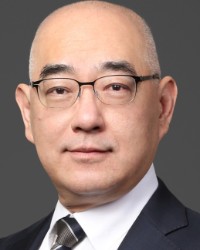


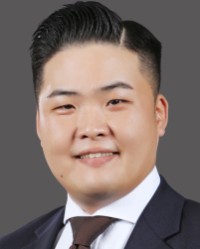
Bae, Kim & Lee LLC was founded in 1980 and is a full-service law firm covering all major practice areas, including corporate law, mergers and acquisitions, dispute resolution (arbitration and litigation), white-collar criminal defence, competition law, tax law, capital markets law, finance, intellectual property, employment law, real estate, technology, media and telecoms, maritime and insurance matters. With more than 650 professionals located across its offices in Seoul, Beijing, Hong Kong, Shanghai, Hanoi, Ho Chi Minh City, Yangon and Dubai, it offers clients a wide range of expertise through a vast network of offices. The firm is composed of a diverse mix of Korean and foreign attorneys, tax advisers, industry analysts, former government officials and other specialists. A number of its professionals are multilingual and have worked at well-known law firms in other countries, enabling them to assist international clients as well as Korean clients abroad successfully with cross-border transactions.
1. Life Sciences and Pharma/Biopharma Patent Litigation
1.1 Claimants/Plaintiffs to an Action
Plaintiffs to an Infringement Action
According to Article 126 of the Korean Patent Act, the parties that may file a patent infringement action are limited to the patent holder or a registered exclusive licensee that has completed the registration of the exclusive licence at the Korean Intellectual Property Office. A registered exclusive licensee may initiate an infringement action independently without the consent or involvement of the patent holder.
Non-exclusive licensees, as well as exclusive licensees that have not completed the registration of the exclusive licence, are not entitled to file a patent infringement lawsuit as plaintiffs.
If a patent is jointly owned by multiple parties, each co-owner of the patent has the right to independently file a patent infringement lawsuit as a plaintiff without the consent of the other co-owners.
Standing Requirement to File a Nullity/Revocation Action
According to Article 133 of the Korean Patent Act, an interested party may file a nullity/revocation action with the Korean Intellectual Property Trial and Appeal Board (IPTAB). An interested party refers to anyone that has a legitimate interest in the patent, including a potential defendant in a patent infringement suit.
Whether the IPTAB’s Opinion is Binding
The IPTAB may issue opinions on patent infringement and validity. However, Korean courts are not bound by the IPTAB’s opinion in patent infringement proceedings and may independently evaluate and determine matters of patent infringement and validity, regardless of the IPTAB’s decision.
1.2 Defendants/Other Parties to an Action
In Korea, defendants in life sciences and pharmaceutical cases involving patent infringement are usually suppliers, importers, manufacturers or distributors of a generic drug. Patent infringement lawsuits against pharmacists, doctors, hospitals or healthcare regulatory authorities (HRAs) in Korea are highly unlikely. Infringement and nullity proceedings do not require notification to, or the involvement of, HRAs in Korea or the Korean Intellectual Property Office.
1.3 Preliminary Injunction Proceedings
PIs Are Available in Korea
Preliminary injunctions (PIs) are generally available in Korea as part of patent infringement proceedings. A PI against patent infringement is a proceeding between the parties, and both parties are given the opportunity to be present for the hearing. Ex parte PI proceedings and protective letters are not available in Korea.
Both injunctive relief, which seeks to enjoin current patent infringement, and quia timet relief, which seeks to prevent future patent infringement, can be sought.
Requirements for Filing PIs
A patentee or registered exclusive licensee of a granted patent may file a PI, and there are no other special requirements for filing a PI.
Procedures and Timeline
PI proceedings typically take about six to 12 months, where one to three hearing sessions can be held. Briefing is allowed prior to each oral hearing. These oral hearings often include technical explanations to clarify issues for the court. Korean law does not provide a process for filing protective letters.
Notification of PI
Once a petition for PI is filed, the Korean court serves the petition for PI on the alleged infringer by registered mail. The hearing will not proceed until the alleged infringer has been served. After the alleged infringer has been served with the PI petition by registered mail, the case is usually managed via the court’s e-filing system.
Evidence and Defence in PIs
For a PI to be granted, both the right to be preserved and the necessity of preservation must be established. The patent holder must demonstrate that the patent is valid and is being infringed or will be infringed in the near future – ie, establish urgency.
The alleged infringer may submit evidence and arguments in defence against PIs. PIs may be denied under the following circumstances:
- the patent is likely to be invalidated in an invalidation trial or a revocation action of an administrative decision;
- a favourable declaratory judgment is made regarding the scope of the patent to the generic manufacturer; or
- the remaining patent term is too short (indicating a lack of necessity for preservation).
Life Sciences Cases
The filing of a marketing authorisation (MA) application typically serves as the trigger point for seeking a PI against a generic or biosimilar manufacturer. Under Korean law (Article 96(1)1 of the Patent Act), the use of a patented invention for the purpose of research and testing to obtain MA approval is excluded from acts of infringement. Consequently, similar to the US Hatch-Waxman Act, an originator cannot initiate a patent infringement lawsuit prior to the filing of the MA application.
When submitting an MA application, a generic/biosimilar company is required to provide a patent certification to the originator of the MA application under the regulatory approval-patent linkage system. This certification process usually prompts the originator to file a patent infringement lawsuit, typically shortly after the generic/biosimilar company submits its MA application.
PIs are not granted based solely on the filing of MA applications. The patentee must demonstrate that the generic/biosimilar manufacturer is actually producing, selling or importing the drug in a manner that infringes the patent, or that there is a substantial likelihood that it will infringe the patent in the future.
1.4 Structure of Main Proceedings on Infringement/Validity
Infringement and validity proceedings are bifurcated. However, an infringement court can hear and determine the validity of a patent without regard to the validity proceedings, and infringement proceedings do not need to be stayed until the validity proceedings are completed. Although it is up to the infringement court’s discretion, most infringement courts typically stay the infringement case upon the filing of a strong invalidation or revocation case.
1.5 Timing for Main Proceedings on Infringement/Validity
Statute of Limitations
Pursuant to Article 766 of the Korean Civil Code, a patentee’s right to claim damages is time-barred after three years from the date the patentee became aware of the infringement or ten years from the date the infringement occurred.
Notification of Infringement/Validity Proceedings
Once a complaint for infringement is filed with a Korean court, the court notifies the defendant by registered mail. If the defendant is a foreign entity, the plaintiff must provide a translated version of the complaint, which will be served under the applicable treaty (eg, the Hague Convention), and the notice period is approximately three months to one year, depending on the country in which the defendant is located and any applicable treaties. If the defendant does not receive the complaint for infringement, the case will not proceed. Once the defendant is served with a complaint for infringement by registered mail, the case is usually managed through the court’s e-filing system.
A petition for invalidity proceedings before the IPTAB should also be served on the patentee under similar procedures. However, under the Korean Patent Act, a foreign patentee is required to appoint a Korean counsel, and the petition for invalidity proceedings against the foreign patentee is served on the patentee’s Korean counsel.
Procedure and Timeline of Infringement/Validity Proceedings
The defendant in an infringement case must file a response within 30 days of service of the complaint. Typically, the defendant will submit a short formal response denying the claim, followed by a detailed response within two to four weeks, as directed by the court. The court will then schedule a first hearing. Depending on the complexity of the case, multiple hearings may be held. The duration of infringement proceedings varies significantly based on the circumstances of the case. Generally, it takes between six months and two years for the court to render a decision.
The duration for a patent invalidity review proceeding filed with the IPTAB also varies depending on the case, but on average, it takes approximately 12 to 18 months for the IPTAB to render a decision. A patent invalidity review request filed by a defendant in a patent infringement action may be subject to expedited review, in which case the review process is accelerated, and a decision may be issued in approximately six to eight months.
1.6 Requirements to Bring Infringement Action
A patent must be granted and registered before an infringement action can be initiated. There are no additional requirements such as validation or translation. The type of patent is irrelevant to the requirements for filing an infringement action.
1.7 Pre-Action Discovery/Disclosure
Korea does not have a pre-action discovery/disclosure process. Instead, the Korean Civil Procedure Act provides a general procedure for preserving evidence, but it is rarely used in patent infringement cases due to its strict requirement that the requesting party must demonstrate that the evidence would likely become unavailable or unusable if not preserved in advance.
1.8 Search and Seizure Orders
Search and seizure orders are not available in patent cases in Korea. Under Korean patent law, a plaintiff may ask the court to order the defendant to produce specific evidence to prove patent infringement and damages. However, unlike the US discovery system, Korea does not allow the plaintiff to undertake broad access to the defendant’s documents. The defendant is only required to produce the documents ordered by the court.
Korean courts generally accept evidence lawfully obtained in other jurisdictions without restrictions. Discovery under 28 USC Section 1782 is often used to gather evidence in Korean infringement cases.
1.9 Declaratory Relief
Courts in Korea do not grant declaratory relief for patent infringement cases. Instead, they provide remedies such as injunctive relief, preventative relief and damages if infringement is established. In other words, it is not possible for a plaintiff in a patent infringement case to seek declaratory relief from the court. However, it is possible to obtain confirmation from the IPTAB as to whether the infringing product falls within the scope of the patent (positive patent scope trials if filed by the patent owner, negative patent scope trials if filed by the potential infringer), but these scope trial decisions are only binding on the parties and not on the infringement courts.
1.10 Doctrine of Equivalents
In Korea, an accused product that contains a modified element compared to a patented invention may still be infringing under the doctrine of equivalents (DoE) if it satisfies the following criteria:
- the accused product operates based on a solution principle that is a substantially identical to that of the patented invention;
- the accused product achieves substantially the same effect as the patented invention, although some elements are different; and
- the modifications made to the accused products would have been obvious to a POSITA (person of ordinary skill in the art).
However, DoE infringement may not be found if (i) an accused product incorporates technology that was publicly disclosed prior to the filing of the patented invention, or that a POSITA could readily conceive of from the publicly known technology; or (ii) the prosecution history of the patented invention indicates that the modified element of the invention under consideration was deliberately excluded from the claims of the patented invention.
1.11 Clearing the Way
Under Korea’s approval-patent linkage system, generic/biosimilar manufacturers cannot obtain marketing approval for the duration of a patent, unless they successfully challenge a Green-Listed patent (the Green List is similar to the Orange Book in the USA) or obtain a licence from the patent holder. Korea also provides a generic exclusivity incentive of nine months granted to the first generic manufacturer that successfully challenges a patent under the approval-patent linkage system. For example, a generic manufacturer must be the first to submit an MA application and to file either a patent invalidation trial or a negative patent scope action in order to secure first generic exclusivity (Article 50(7) of the Pharmaceutical Affairs Act). Thus, this generic exclusivity incentive encourages generic manufacturers to challenge patents.
1.12 Experts
In Korean patent litigation, expert evidence is often presented by the parties. Each party may request testimony or submit opinions from a qualified expert they select. Oral testimony is not always required, as expert statements may also be submitted in written form.
In addition to party-appointed experts, a Korean court can separately appoint a neutral expert at an early stage of the proceeding to assist the judge in understanding the technical aspects of the case. Please also note that specialised IP courts typically have technical advisers on secondment from the Korean Intellectual Property Office.
Expert Evidence in PI Proceedings
Expert evidence can be used in PI proceedings, but due to procedural restrictions under the Korean Civil Procedure Act, oral testimony in court is generally not allowed in PI proceedings. As a result, expert evidence is usually submitted in written form.
Expert Evidence in Main Proceedings
In the main proceeding, unlike the PI proceeding, expert evidence can be presented through both oral testimony in court and written statements.
1.13 Use of Experiments
Under Korean law, there is no specific procedure or requirement for the submission of experimental results, but parties to a litigation may submit experimental results as evidence to support their claims. Such experimental results are typically conducted by technical experts and submitted in written expert statements.
In addition to submitting the results of experiments conducted by the parties themselves as evidence, if the parties wish to have the experiments conducted by a court-appointed expert, they must file an application for an expert with the court under the Korean Civil Procedure Act. Such application for court-appointed experiments is not available in PI proceedings, but only in the main proceedings.
1.14 Discovery/Disclosure
Korea does not have a discovery/disclosure process similar to that of the USA. Instead, under Korean patent law, the plaintiff may request the court to order the defendant to produce evidence to prove patent infringement and damages. However, unlike the broad scope of discovery in the USA, Korea does not allow the plaintiff access to all of the defendant’s documents, and the defendant is only required to produce the specific documents ordered by the court.
1.15 Defences and Exceptions to Patent Infringement
Common defences raised by generic/biosimilar manufacturers in patent infringement cases include non-infringement, invalidity and practising the invention before the filing of the patent. The court will consider both non-infringement and invalidity arguments. If it is clear that no infringement occurred, the case may be dismissed solely on the basis of non-infringement, without addressing the validity of the patent. If the patent is found to be invalid in an invalidity action before the IPTAB, there is a high likelihood that the action will be dismissed by the civil infringement court.
1.16 Stays and Relevance of Parallel Proceedings
Korea does not have a formal system for staying litigation due to parallel proceedings. However, judges have discretion in managing such situations. Some judges may choose to delay a case while awaiting the results of an invalidity proceeding before the IPTAB if a decision is expected within a few months, while others may proceed without waiting for the IPTAB’s ruling. Korean courts typically do not pause cases based on foreign proceedings.
If a parallel proceeding is concluded or a foreign court has rendered a decision before the Korean court’s ruling, the outcome of those proceedings may be considered as persuasive but non-binding evidence.
1.17 Patent Amendment
Under Korean patent law, patent correction (also known as patent amendment) is an IPTAB process that allows a patent holder to amend the claims, descriptions or drawings of a granted patent. This process is designed to correct errors or clarify ambiguities in the patent.
Corrections can also be requested during patent infringement litigation or invalidation trials to strengthen the patent’s enforceability. For clarity, a patent correction must be requested through the IPTAB under a separate proceeding and cannot be directly filed with the court during an infringement lawsuit. As a result, claim correction cannot be conditionally presented at the infringement court.
If an IPTAB trial decision on a correction (amendment) of a patent specification or other relevant documents becomes final and binding after the conclusion of fact-finding hearings in an invalidation action or a civil patent infringement lawsuit, the correction shall be deemed retroactively effective pursuant to Article 136(10) of the Korean Patent Act. As a result, the invalidation IPTAB court or the civil patent infringement court will decide the case based on the corrected version of the claims and/or specification.
1.18 Court Arbiter
The first instances of patent infringement lawsuits are handled by five courts, which have IP specialised courts: the Seoul Central District Court, as well as the Daejeon, Daegu, Busan and Gwangju District Courts. Appeals in patent infringement cases and IPTAB actions (eg, cancellation of trial decisions for invalidity or scope confirmation) fall under the exclusive jurisdiction of the Intellectual Property High Court.
2. Generic Market Entry
2.1 Infringing Acts
Infringing Acts
In Korea, there are no specific rules governing the infringement of pharmaceutical products. Thus, as with general patent infringement, the sale, manufacture, use, export, import or offering for sale of generic drugs constitutes patent infringement.
In practice, pharmaceutical patent infringement lawsuits are typically filed after the MA application. When submitting an MA application, a generic/biosimilar company is required to provide a patent certification to the originator of the MA application under the regulatory approval-patent linkage system, similar to Paragraph IV certification under the Hatch-Waxman Act. Consequently, the originator often files a patent infringement lawsuit after receiving the patent certification – eg, shortly after the time the generic/biosimilar company’s MA application is filed.
Skinny Labelling
In Korea, the issue regarding skinny labelling is whether the extended term of a pharmaceutical patent applies not only to the indications approved at the time of the initial MA of the drug but also to the indications added through subsequent approvals. Generic manufacturers have argued that the extended term of the pharmaceutical patent only applies to the indications approved at the time of the initial MA of the drug and does not apply to the indications added later; thus, their use does not constitute infringement of the patent. In recent Intellectual Property High Court decision 2024Heo13541, the Intellectual Property High Court rejected the arguments of the generic manufacturers and determined that the indications added through subsequent approvals are substantially the same therapeutic effects as the indications approved at the time of the initial authorisation; therefore, the extended term of the pharmaceutical patent also applies to the indications added through subsequent approvals. Thus, generic manufacturers’ use constitutes patent infringement. This ruling was affirmed by the Supreme Court on 15 May 2025 (Case No 2025Hu10142), which dismissed the appeal and upheld the Intellectual Property High Court's decision.
Parallel Imports
Under the Korean Pharmaceutical Affairs Act, only entities that have obtained import approval for pharmaceuticals are permitted to sell them. As a result, there are no known court precedents in Korea where patent infringement issues have arisen due to parallel imports, as such an act would be illegal.
2.2 Regulatory Data and Market Exclusivity
On 20 February 2024, an amendment to the Korean Pharmaceutical Affairs Act was promulgated, which abolished the current drug review system and established a new system explicitly protecting drug data for the MA. The amendment took effect on 21 February 2025, one year after its promulgation.
Under the amendment, the periods of data exclusivity are as follows:
- orphan drug – ten years from the date of MA (with an additional one-year extension if a paediatric indication is added);
- new drug – six years from the date of MA;
- drug requiring submission of new clinical trial data due to a material change to a drug already approved (eg, modifications to improve safety, efficacy or usefulness) – six years from the date of MA; and
- other drugs requiring submission of new clinical trial data and for which the need for data protection is acknowledged – four years from the date of the updated MA.
2.3 Acceptable Pre-Launch Preparations
The Korean Patent Act allows the production of pharmaceutical products for research and experimental purposes, even if not conducted specifically for obtaining MA (Article 96(1) of the Patent Act). Korean case law has established that the Bolar exemption applies to the manufacture and storage of pharmaceutical products for bioequivalence testing.
2.4 Publicly Available Drug and Patent Information
The Ministry of Food and Drug Safety (MFDS) provides information on registered patents for each product called the “Green List”, which is equivalent to the Orange Book. This information is publicly accessible. Under the approval-patent linkage system, when a generic manufacturer submits an MA application, such manufacturer must notify the patent holder of the MA applicant’s information within 20 days of the MA application submission.
2.5 Reimbursement and Pricing/Linkage Markets
Under Korea’s approval-patent linkage system, generic/biosimilar manufacturers cannot obtain an MA while a relevant patent remains in force, unless it successfully challenges a Green-Listed patent or obtains a licence from the patent holder. Any patent that is recognised as relevant to an eligible original medicinal product may be Green-Listed, and different criteria are not applied depending on the category of the patent.
The pricing and reimbursement process takes place after MA and, unlike the MA process, is not specifically tied to patent status. In Korea, the pricing and reimbursement process is done by drug, but not by indication.
3. Biosimilar Market Entry
3.1 Infringing Acts
2.1 Infringing Acts applies equally to biologics or biosimilar patents; there are no differences.
3.2 Data and Regulatory Exclusivity
2.2 Regulatory Data and Market Exclusivity applies equally to biologics or biosimilar patents; there are no differences.
3.3 Acceptable Pre-Launch Preparations
2.3 Acceptable Pre-Launch Preparations applies equally to biologics or biosimilar patents; there are no differences.
3.4 Publicly Available Drug and Patent Information
2.4 Publicly Available Drug and Patent Information applies equally to biologics or biosimilar patents; there are no differences.
3.5 Reimbursement and Pricing/Linkage Markets
2.5 Reimbursement and Pricing/Linkage Markets applies equally to biologics or biosimilar patents; there are no differences.
4. Patent Term Extensions for Pharmaceutical Products
4.1 Supplementary Protection Certificates
Korean Patent Term Extension
According to Article 95 of the Korean Patent Act, a patent term extension (PTE) allows for the extension of a patent term by a maximum of five years if a delay in obtaining regulatory approval for a pharmaceutical or agrochemical product has significantly impacted the time for commercial sale, essentially providing additional protection for the time spent waiting for MA. The PTE can only be applied once per patent and is subject to certain conditions regarding the “new substance” requirement of the product involved.
Where different products are covered by a single patent, the patent term may be extended based on the longest regulatory approval period among the products. In the past, it was possible to extend the term for multiple patents covering the same drug product, but recent amendments to the Korean Patent Act now allow only one patent to be extended per product.
SPC Waiver
Korean law does not currently provide a supplementary protection certificate (SPC) manufacturing waiver or an equivalent legal mechanism.
4.2 Paediatric Extensions
Korea does not provide PTEs specifically for paediatric drugs, nor does it grant a paediatric-specific data exclusivity period under current law.
4.3 Paediatric-Use Marketing Authorisations
In Korea, MAs are not available for already-authorised medicines that have no remaining patent or SPC (or equivalent PTE) but are developed specifically for paediatric use.
4.4 Orphan Medicines Extensions
Korea gives a ten-year data exclusivity for orphan medicines.
5. Relief Available for Patent Infringement
5.1 Preliminary Injunctive Relief
Under Korean law, it is not possible for a patent holder (or exclusive licensee) to request an undertaking from the alleged infringer to pay damages in exchange for a PI. To obtain a PI, a security deposit is typically required to cover any damages that may be incurred by an alleged infringer. The PI becomes enforceable upon submission of proof of the bond deposit. Once the PI is granted, a court-appointed enforcement officer will take custody of the defendant’s infringing products in accordance with the terms of the PI.
In Korea, the mere filing of an objection by the defendant against a PI does not automatically suspend the execution of the PI. Unless the court accepts the defendant’s objection to the PI, the execution of the PI cannot be suspended, even if the defendant provides a security deposit.
5.2 Final Injunctive Relief
Final injunctions issued by the first-instance court can be provisionally enforced even before the judgment becomes final on appeal – ie, enforcement is possible after conclusion of the first instance. However, the defendant may file an appeal and request a stay of execution upon submitting a bond covering the potential damages until the appellate court renders its decision.
In the pharmaceutical sector, generic manufacturers typically comply with the first-instance court’s final injunction and voluntarily cease production and sales. If a generic manufacturer were to violate the final injunction and continue manufacturing and selling the product, the patent holder could seek enforcement through a court bailiff to seize the stock of pharmaceutical products.
5.3 Discretion to Award Injunctive Relief (Final or Preliminary)
Under Korean law, when patent infringement is recognised and the patent holder requests an injunction, the court is required to grant the injunction as a matter of principle. Once the court upholds the injunction request, it has no discretion to impose restrictions or conditions on the injunction or to substitute it with damages.
5.4 Damages
Damages Calculation Methods
Under the Korean Patent Act, the damages for patent infringement are calculated or estimated as follows:
- the quantity sold by the generic/biosimilar company multiplied by the patent holder’s profit per unit – for quantities exceeding the patent holder’s production capacity, a reasonable amount the patent holder could have received is applied;
- the profit gained by the generic/biosimilar company from the infringing activity;
- a reasonable amount the patent holder could have received for licensing the patented invention – seeking claims for additional damages beyond this amount is also permissible; or
- an appropriate amount determined by the court based on the entirety of the arguments.
In practice, courts typically recognise a percentage of the generic manufacturer’s sales revenue as the basis for calculating damages.
Punitive Damages
The punitive damages system has been strengthened to allow compensation of up to five times the actual damages for wilful patent infringement (Article 128(8) of the Patent Act, effective 21 August 2024).
Damages in Pharmaceutical Cases
In Korea, there are no special damages provisions applicable exclusively to pharmaceutical cases.
Interest on Damages
Generally, interest accrues at 12% per annum from the day after the date of judgment in the patent infringement action until the date of payment.
When Are Damages Considered?
At the patentee’s option, the patentee may choose to pursue both infringement and damages claims separately or in a single action. The court will first address infringement and validity. If the court finds that the defendant is infringing a valid patent, it will then consider the calculation of damages.
Damages for a Wrongful Injunction
If a PI is enforced but ultimately dismissed on appeal, the alleged infringer may be entitled to seek damages for wrongful enforcement of the PI. However, to date, there have been very few such cases in the pharmaceutical sector.
Third-Party Claim
No person other than the patentee and exclusive licensee may claim damages for patent infringement.
5.5 Legal Costs
Court fees are relatively low; for example, the court fee for filing a patent infringement suit against a single company without a damages claim is approximately KRW1 million. In cases involving a damages claim, the court fee varies based on the claimed amount. Korean courts will decide how litigation costs (including attorneys’ fees) are to be divided, at the time of judgment in patent infringement cases. Generally, the losing party is required to bear the statutory litigation costs, which are different from the actual litigation costs.
5.6 Relevance of Claimant/Plaintiff Conduct to Relief
In patent infringement cases, the court may not withhold or reduce damages as a penalty for negative conduct by the plaintiff.
6. Other IP Rights
6.1 Trade Marks
Trade mark disputes in the life sciences and pharmaceutical sectors are relatively common in Korea and are governed by the Korean Trademark Act. As with general trade mark cases, the main issue in a case is often whether the disputed trade mark is likely to cause consumer confusion as to the origin of the product.
6.2 Copyright
Copyright disputes in the life sciences and pharmaceutical sectors are uncommon in Korea.
6.3 Trade Secrets
In Korea, there have been several large-scale trade secret disputes involving the strain that produces the botulinum toxin and the toxin manufacturing process. Other cases have involved trade secret leaks related to clinical trials and product development.
7. Appeal
7.1 Timeframe to Appeal Decision
Appeal Against a PI
A plaintiff in a PI may file an appeal against the dismissal of a PI within seven days of being notified of the decision. A defendant in a PI may file an appeal without limitation of time after the PI decision. If the plaintiff appeals the decision to dismiss the PI or the defendant appeals the granting of the PI, the appellate court will conduct a de novo review, reconsidering the same issues addressed in the first instance. If the patent later becomes conclusively invalid after the PI is granted, the defendant can apply to have the PI cancelled.
Appeal Against a Main Action Decision
The plaintiff or the defendant may file an appeal against the decision of the first instance within 14 days of notification of the decision. The appeal is heard by the Intellectual Property High Court, which considers the case de novo, examining the same issues as in the first instance. If dissatisfied with the Intellectual Property High Court’s ruling, either the plaintiff or the defendant may appeal to the Supreme Court within 14 days of receipt of the decision of the Intellectual Property High Court. The Supreme Court does not review factual matters but limits its analysis to whether the decision of the Intellectual Property High Court was legally erroneous.
If the patent is invalidated during the main proceeding or on appeal, the court may decide to dismiss the plaintiff’s claims. However, if the patentee files a cancellation action in court against the IPTAB’s decision to invalidate the patent, the invalidity decision is not deemed final, and the court in the main proceeding may independently determine the validity of the patent.
7.2 Appeal Court(s) Arbiter
A three-judge panel of the Intellectual Property High Court hears appeals.
7.3 Special Provisions
Patent litigation is generally governed by the Korean Code of Civil Procedure. Specific provisions under the Korean Patent Act apply to patent litigation, including Article 128 of the Patent Act governing the calculation of damages and Article 132 of the Patent Act allowing the courts to issue orders for the production of documents.
Under Article 128 of the Patent Act, courts can award up to five times the actual damages for wilful patent infringement, in addition to compensating for all profits derived from the sales of infringing products. Under Article 132 of the Patent Act, the court may, at the request of the patent holder, order the defendant to submit documents necessary to prove patent infringement or calculate the amount of damages.
8. Other Relevant Forums/Procedures
8.1 The UPC or Other Forums
KTC Investigation
Any party that discovers unfair international trade practices with concrete evidence of infringement may file a complaint within one year from the date of the alleged infringement. The Korea Trade Commission (KTC) may undertake an ex officio investigation, if necessary, when there is a reasonable suspicion of unfair international trade practices. If the KTC determines that unfair international trade practices exist, it may issue enforcement measures against the relevant actors, including:
- suspension of imports, exports, sales or manufacturing of infringing products;
- a ban on the landing and/or abandonment of the goods;
- corrective advertising orders; and
- publication of violation of the law, and other necessary measures.
Customs Suspension of Import and Export
Customs may, ex officio or at the request of the patent holder, suspend import and export procedures for products suspected of patent infringement to protect patent rights.
9. Alternative Dispute Resolution
9.1 ADR Options
In the life sciences sector, dispute resolution through alternative dispute resolution is less common compared to court adjudication. In some cases, the parties may reach an agreement on the amount of damages during court proceedings following a court finding of patent infringement.
10. Settlement/Antitrust
10.1 Considerations and Scrutiny
According to Supreme Court Decision 2012 Du 2449, a “reverse payment agreement”, whereby a patent holder agrees to pay a certain price to a generic drug developer with which it has a patent dispute to end the patent dispute and delay the generic drug developer’s entry into the market for a certain period of time, may constitute a violation of Korean antitrust law.
All settlement agreements of patent litigation between a patent holder and a generic drug developer must be submitted to the Korean Fair Trade Commission (KFTC) and the MFDS. The KFTC may also conduct investigations into patent licensing practices, including reverse payment agreements involving patent abuse, in co-operation with the MFDS on a regular or irregular basis.
11. Collective Redress
11.1 Group Claims
There is no special system for group claims, such as class actions, in relation to allegedly defective medicines/medical devices. Korea does not yet have legal procedures for class action litigation. However, patients may initiate lawsuits as joint plaintiffs under the general civil litigation framework.
Bae, Kim & Lee LLC
Centropolis B
26 Ujeongguk-ro
Jongno-gu
Seoul 03161
Korea
+82 2 3404 0000
+82 2 3404 0001
bkl@bkl.co.kr www.bkl.co.kr/law?lang=en
Trends and Developments
Authors
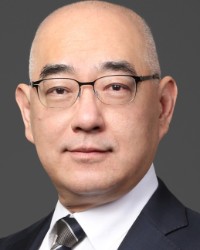


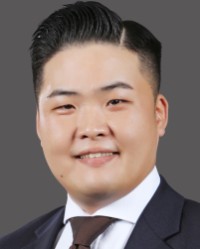
Bae, Kim & Lee LLC was founded in 1980 and is a full-service law firm covering all major practice areas, including corporate law, mergers and acquisitions, dispute resolution (arbitration and litigation), white-collar criminal defence, competition law, tax law, capital markets law, finance, intellectual property, employment law, real estate, technology, media and telecoms, maritime and insurance matters. With more than 650 professionals located across its offices in Seoul, Beijing, Hong Kong, Shanghai, Hanoi, Ho Chi Minh City, Yangon and Dubai, it offers clients a wide range of expertise through a vast network of offices. The firm is composed of a diverse mix of Korean and foreign attorneys, tax advisers, industry analysts, former government officials and other specialists. A number of its professionals are multilingual and have worked at well-known law firms in other countries, enabling them to assist international clients as well as Korean clients abroad successfully with cross-border transactions.
A New Equilibrium for the Bolar Exemption: Implications for Both Originators and Developers
Introduction: resolving patent uncertainty in a globalised supply chain
The evolution of Korea as a strategic life sciences hub
Over the past two decades, South Korea has undergone a remarkable transformation in the global life sciences sector. Transcending its historical role as a localised manufacturer of generic chemical drugs, the nation has emerged as a powerhouse for biotechnological innovation, a global leader in biosimilars and a critical node in the global pharmaceutical supply chain.
This industrial shift is spearheaded by the meteoric rise of Korean contract development and manufacturing organisations (CDMOs). These entities have invested billions of dollars in securing the world’s largest bioreactor capacities, positioning Korea as the “factory of the world” for complex biologics. Consequently, Korea has become a preferred partner for global pharmaceutical companies seeking to outsource the production of both commercial products and investigational medicinal products (IMPs) required for clinical development. Simultaneously, Seoul has consistently ranked among the top global cities for industry-sponsored clinical trials, owing to its advanced medical infrastructure, high patient recruitment and compliance rates and data quality.
The emerging legal tension: innovation versus patent monopoly
However, this rapid industrial sophistication has outpaced the clarity of existing legal frameworks, creating a precarious tension between patent protection and the experimental use exception to patent infringement allowing the preparation and submission of data for regulatory approval – eg, allowing research and development (R&D) to have freedom from patent infringement in order to conduct clinical trials, also known as the “Bolar exception” to patent infringement. The classic patent law model assumes a simple, linear supply chain where a single entity researches, develops, manufactures, and sells a product within a single jurisdiction.
The modern reality is vastly different. Drug development is now a fragmented and globalised process: a candidate substance might be discovered in the United States, manufactured by a CDMO in South Korea, and tested in clinical trials across Russia, Europe and South America. In this complex web, legal questions regarding the territorial limits of patent rights have become increasingly acute.
The core controversy
The most pressing question has been: does the outsourced production of investigational drugs in Korea, intended solely for clinical trials overseas, constitute patent infringement in Korea?
This issue poses a significant dilemma for the industry.
- For originator companies (patent holders), unauthorised production under the guise of “research” threatens to erode their patent monopolies. They fear that allowing such production creates a loophole for competitors to stockpile commercial inventory or facilitate early market entry under the pretext of development, thereby undermining the value of their intellectual property.
- For developers and CDMOs, the lack of legal clarity has created a “chilling effect”. Without a clear exemption, Korean CDMOs faced the risk of patent infringement lawsuits simply for fulfilling contracts to produce clinical trial materials (CTM). This uncertainty threatened to stall legitimate R&D activities and divert high-value manufacturing contracts to other jurisdictions with clearer legal exemptions.
The landmark 2025 ruling
In this high-stakes context, the Supreme Court of Korea’s ruling in 2025 (Case No 2025Da202970) serves as a watershed moment. The Court addressed this ambiguity head-on, delivering a decision that fundamentally reshapes the boundaries of the experimental use exemption in Korea. By moving beyond a rigid, textual interpretation of the law to a more functional, industry-aware approach, the Supreme Court has established a new legal standard.
This article provides an in-depth analysis of the ruling, contrasting the strict constructionism of the lower courts with the Supreme Court’s teleological reasoning, and explores the newfound “safety valve” test that will govern future disputes in the life sciences sector in Korea.
Legal framework: Korea’s Bolar exemption in a comparative context
To understand the significance of the 2025 ruling, it is essential to first understand the statutory basis of the exemption and how it compares to global standards.
Article 96(1)(i) of the Patent Act
The cornerstone of this dispute is Article 96(1)(i) of the Korean Patent Act. The statute stipulates that the exclusive rights of a patent holder do not extend to “working for the purpose of research or experiment”. The legislative intent behind this provision is to strike a balance between two competing public interests:
- incentivising innovation – granting inventors a temporary monopoly to recoup their investment; and
- promoting technological progress: ensuring that the existence of a patent does not block third parties from studying the invention to improve upon it or to create alternative solutions.
Ideally, this provision serves as a “safe harbour”, allowing R&D for new drugs or generics to proceed without fear of litigation. This ensures that once a patent expires, the public can immediately benefit from cheaper generics or improved biosimilars, rather than awaiting additional years for the development and regulatory process.
Comparative analysis: the global standard
The concept of exempting experimental use is well-established globally, though the specific scope varies. Korea’s provision is often compared to the US Bolar exemption, named after the landmark case Roche Products, Inc. v Bolar Pharmaceutical Co.
- United States: Following the Roche decision, which held that experimental use for regulatory approval was infringement, the US Congress enacted 35 U.S.C. Section 271(e)(1) (the Hatch-Waxman Act). This statutory safe harbour broadly exempts from infringement any use of a patented invention “reasonably related to the development and submission of information under a federal law which regulates the manufacture, use, or sale of drugs”. It focuses heavily on the regulatory purpose.
- European Union: The EU does not have a single harmonised patent law, but most member states have implemented the Bolar provision. Furthermore, the Unified Patent Court Agreement (UPCA) and national laws generally permit experimental use aimed at generating data for regulatory approval, reflecting a policy consensus that R&D activities should not be blocked.
- WTO Agreement on Trade-Related Aspects of Intellectual Property Rights (the “TRIPS Agreement”: Article 30 of the TRIPS Agreement allows members to provide limited exceptions to the exclusive rights conferred by a patent, provided such exceptions do not unreasonably conflict with normal exploitation of the patent.
The unique interpretative challenge in Korea
While the text of the Korean statute regarding “research or experiment” appears broad, its application to the modern, fragmented supply chain remained legally ambiguous until 2025. Unlike the US statute, which explicitly links the exemption to “developing information”, the Korean statute focuses on the act of “research”. This textual difference led to two critical interpretative gaps.
- The separation of entities problem: Does the exemption apply if the entity producing the drug (eg, a CDMO) is different from the entity conducting the research (eg, a foreign biotech)? Can a manufacturer claim the exemption when their immediate commercial objective is to supply a client and generate revenue, rather than to conduct the scientific research themselves?
- The territorial problem: Does the exemption cover activities where the research itself takes place outside Korea? If a Korean company manufactures a batch solely for a clinical trial in Russia or the USA, does the research exemption apply?
These statutory gaps fuelled conflicting interpretations between originators and developers, culminating in a legal battle concerning the 13-valent pneumococcal conjugate vaccine.
Case background: anatomy of a high-stakes dispute
The technology: pneumococcal conjugate vaccines
The dispute centred on a patent for a 13-valent pneumococcal conjugate vaccine. Conjugate vaccines are complex biological products where polysaccharide antigens from the bacteria are chemically linked (conjugated) to a carrier protein to enhance the immune response. Due to the technical difficulty of the conjugation process and the stringent quality control required, few manufacturers globally possess the capability to produce them. This technical complexity underscores the necessity for developers to rely on specialised manufacturing partners.
The parties and the conduct
The parties were as follows:
- the plaintiff – a global pharmaceutical company holding the Korean patent for the vaccine composition;
- the defendant: a domestic Korean pharmaceutical company seeking to develop a biosimilar version of the vaccine; and
- the third party (company M) – a Russian pharmaceutical company partnering with the defendant.
Crucially, the defendant did not launch the product in the Korean market. Instead, prior to the expiration of the plaintiff’s patent, the defendant manufactured several batches of the vaccine substance at its Korean facility. These batches were then exported to company M in Russia.
The evidentiary record showed that company M used these exported samples exclusively for the following purposes:
- non-clinical trials – to verify the safety profile and toxicity of the biosimilar in animal models;
- clinical trials – to generate the efficacy data required for regulatory approval by the Russian Ministry of Health; and
- analytical testing – to confirm the successful transfer of the complex manufacturing technology.
The plaintiff’s legal theory
The patent holder argued that the defendant’s actions constituted clear patent infringement, advancing a strict interpretation of “working” the invention. Their argument rested on two pillars.
- Commercial intent of the producer: The plaintiff contended that while company M might be conducting research, the defendant’s role was merely that of a manufacturer and exporter. From the defendant’s perspective, the transaction was a commercial act of manufacturing and transfer. Since the defendant itself was not conducting the trials, the plaintiff argued the exemption could not apply.
- Territorial limits: They argued that the research exemption is intended to promote domestic technological advancement. Since the clinical trials were conducted in Russia, the plaintiff claimed that the defendant could not invoke a domestic exemption for foreign research activities. They posited that allowing this would turn Korea into a safe haven for global infringement.
The defendant’s legal defence
The defendant countered by invoking the statutory exemption under Article 96(1)(i), urging the court to look beyond the formalities of export and focus on the substantive nature of the activity. Their defence relied on two main arguments.
- The “inextricable link” to research: The defendant argued that in the modern pharmaceutical industry, manufacturing and research are often bifurcated. They contended that their production was inextricably linked to the clinical trials conducted by company M. Without their production, the research – which is legally encouraged by the Patent Act – could not take place. Therefore, the production itself should be viewed as a necessary component of the research process, regardless of who physically conducted the trials.
- Non-commerciality: To refute the claim of commercial intent, the defendant emphasised that the transfer was non-commercial. The samples were provided free of charge and strictly for data generation purposes. They argued that “export” in the Patent Act implies a commercial transfer of value, which was absent in this transaction.
The District Court ruling: a victory for strict formalism
The case first proceeded in the Seoul Central District Court (Case No 2020GaHap591823), which ruled in favour of the patent holder. This ruling sent shockwaves through the CDMO industry.
Rationale: the “loophole” concern
The District Court adopted a strict constructionist view. It reasoned that the exemption in Article 96(1)(i) is an exception to the fundamental property rights of the patent holder and thus must be interpreted narrowly.
The Court expressed a significant policy concern regarding potential loopholes. It reasoned that if outsourced production were broadly exempted, any manufacturer could mass-produce patented goods and sell them for profit under the pretext of supplying researchers. In the Court’s view, this would render patent rights toothless and allow competitors to stockpile commercial inventory disguised as research supplies.
The “subjective purpose” test
Furthermore, the District Court applied a subjective test to the “purpose” of the act: it looked at the defendant’s motive. Since the defendant was not the entity filing for the drug approval in Russia, but rather the supplier, the Court concluded that the defendant’s immediate purpose was export (a commercial activity), not research. Under this logic, the separation of the researcher (company M) and the manufacturer (defendant) was fatal to the defence.
The Supreme Court ruling: embracing industrial reality
The case was appealed to the Intellectual Property High Court (Case No 2023Na10914), which overturned the lower court’s decision. This reversal was subsequently affirmed by the Supreme Court (Case No 2025Da202970).
The higher courts rejected the rigid formalism of the first instance, adopting a teleological interpretation focused on the purpose of the patent system – which is to promote innovation and the utilisation of inventions.
Recognition of industrial division of labour
The Supreme Court explicitly recognised the reality of the modern pharmaceutical industry, where specialisation is the norm. Few companies – especially biotechs and biosimilar developers – possess end-to-end capabilities for drug discovery, development, clinical trials, and commercial manufacturing.
The Court ruled that limiting the exemption only to cases where the researcher and the producer are the same entity would be anachronistic. It held that:
“The Patent Act does not mandate that the researcher and the producer must be the same person. If the production is strictly for the purpose of a third party’s research, and that purpose is objectively clear, the production itself falls within the scope of the exemption”.
This finding was critical for the CDMO industry. It legally validates the business model of producing CTM for third-party clients, confirming that the “research purpose” of the client extends to protect the manufacturer.
Global scope of research and regulatory approval
Rejecting the narrow territorial argument, the Court held that research conducted overseas still contributes to the general advancement of technology and science.
The Court noted that in the era of multi-regional clinical trials (MRCTs), data generated in one jurisdiction (eg, Russia) is often used to support regulatory filings in others (eg, Korea or the USA). Therefore, production in Korea for the purpose of obtaining regulatory approval in a foreign country is a legitimate invocation of the exemption. The Court clarified that the “research” mentioned in Article 96 is not geographically limited to domestic activities.
The “unreasonable impairment” judgment: a new legal standard
Perhaps the most significant contribution of the 2025 ruling is the establishment of a new legal standard to prevent the abuse of this broadened exemption. Addressing the lower court’s valid fear of “loopholes”, the Supreme Court introduced a safety valve mechanism.
The Court held that the experimental use exemption is not absolute. Instead, it applies only when the act “does not unreasonably impair the exclusive and monopolistic interests of the patent holder”. This introduces a balancing test similar to the fair use doctrine in copyright law or the three-step test in international IP treaties.
Court’s basis for decision
The court ruled that the defendant’s provision of the 13-valent vaccine to company M did not constitute patent infringement for the following reasons:
- the defendant provided vaccine samples within the scope of the patented invention free of charge on four occasions;
- all vaccine samples were produced for use in non-clinical or clinical trials or analytical tests in Russia; and
- the defendant did not produce any other vaccine products prior to the expiration of the patent.
Significance of the safety valve
This unreasonable impairment test shifts the legal analysis from a binary question (“Did you manufacture?”) to a qualitative one (“Did your manufacture harm the patentee’s market?”). It signals that while the act of outsourcing is protected, the manner in which it is conducted matters. The exemption is legally tethered to the bona fide non-commercial nature of the activity.
Broader implications for the life sciences sector
The implications of the Supreme Court’s 2025 decision extend far beyond the specific parties involved. It fundamentally alters the risk landscape for pharmaceutical companies operating in or with South Korea.
Strengthening Korea’s position as a Global CDMO hub
By resolving legal ambiguity, this ruling removes a major barrier to entry for foreign clients seeking to utilise Korean manufacturers. Previously, foreign biotechs might have hesitated to contract Korean CDMOs for fear of patent litigation interfering with their clinical supply chains. The Supreme Court has now effectively declared Korea a safe harbour for manufacturing related to legitimate clinical purposes. This is expected to accelerate the growth of the Korean CDMO sector, encouraging further investment in capacity and technology.
Enabling global clinical strategies
For developers of biosimilars and new drugs, the ruling facilitates more flexible global clinical strategies. Companies can now centralise their manufacturing of investigational products in Korea and distribute them to clinical sites worldwide without the risk of export being classified as infringement. This centralisation can lead to significant cost savings and quality consistency in global trials.
Defining the boundaries: the link to regulatory approval
The ruling also defines the boundaries by emphasising the unreasonable impairment test, where the Court has implicitly drawn a line against stockpiling or launch-at-risk strategies. If a company manufactures commercial quantities of a drug before patent expiry under the guise of process validation or research, and these quantities vastly exceed what is needed for regulatory approval, they are unlikely to be protected. The exemption is now clearly defined as supporting regulatory approval, not commercial preparation.
Conclusion
The Supreme Court of Korea’s decision in Case No 2025Da202970 represents a maturation of the nation’s patent jurisprudence. It reflects a sophisticated understanding of the global pharmaceutical ecosystem, acknowledging that innovation relies on a complex network of researchers, manufacturers and clinical sites that often span multiple borders.
For patent holders, the ruling clarifies the boundaries of their monopoly, assuring them that “sham” research will not be tolerated while validating the unreasonable impairment standard as a tool for enforcement. For developers and CDMOs, it provides the legal certainty needed to invest in R&D and manufacturing partnerships.
As the industry moves forward into 2026, the unreasonable impairment test will likely become the central focus of patent litigation in this area. Market participants will need to carefully document the purpose, quantity and non-commercial nature of their pre-expiry activities to ensure they remain on the right side of this new legal equilibrium.
Bae, Kim & Lee LLC
Centropolis B
26 Ujeongguk-ro
Jongno-gu
Seoul 03161
Korea
+82 2 3404 0000
+82 2 3404 0001
bkl@bkl.co.kr www.bkl.co.kr/law?lang=en
Law and Practice
Authors
Bae, Kim & Lee LLC was founded in 1980 and is a full-service law firm covering all major practice areas, including corporate law, mergers and acquisitions, dispute resolution (arbitration and litigation), white-collar criminal defence, competition law, tax law, capital markets law, finance, intellectual property, employment law, real estate, technology, media and telecoms, maritime and insurance matters. With more than 650 professionals located across its offices in Seoul, Beijing, Hong Kong, Shanghai, Hanoi, Ho Chi Minh City, Yangon and Dubai, it offers clients a wide range of expertise through a vast network of offices. The firm is composed of a diverse mix of Korean and foreign attorneys, tax advisers, industry analysts, former government officials and other specialists. A number of its professionals are multilingual and have worked at well-known law firms in other countries, enabling them to assist international clients as well as Korean clients abroad successfully with cross-border transactions.
Trends and Developments
Authors
Bae, Kim & Lee LLC was founded in 1980 and is a full-service law firm covering all major practice areas, including corporate law, mergers and acquisitions, dispute resolution (arbitration and litigation), white-collar criminal defence, competition law, tax law, capital markets law, finance, intellectual property, employment law, real estate, technology, media and telecoms, maritime and insurance matters. With more than 650 professionals located across its offices in Seoul, Beijing, Hong Kong, Shanghai, Hanoi, Ho Chi Minh City, Yangon and Dubai, it offers clients a wide range of expertise through a vast network of offices. The firm is composed of a diverse mix of Korean and foreign attorneys, tax advisers, industry analysts, former government officials and other specialists. A number of its professionals are multilingual and have worked at well-known law firms in other countries, enabling them to assist international clients as well as Korean clients abroad successfully with cross-border transactions.
