Private Equity 2026
Malaysia
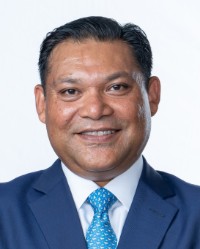
Authors


Wong & Partners member firm of Baker McKenzie International is an award-winning, full-service law firm and a member firm of Baker McKenzie International. With 27 partners and over 50 associates, it is well equipped to assist across a comprehensive range of legal matters, including M&A, competition law, dispute resolution, equity and debt capital markets, employment law, joint ventures, tax and real estate law. It regularly acts for clients looking to conduct complex inbound and outbound investments, as well as foreign direct investments into the country. The firm’s clients include some of the most respected multinational and domestic corporations across various highly regulated industries, including financial services, consumer goods, industrial manufacturing, technology, media and telecommunications. Wong & Partners was named Malaysia Law Firm of the Year at the Chambers Asia-Pacific and Greater China Region Awards 2025.
1. Transaction Activity
1.1 Private Equity Transactions and M&A Deals in General
Malaysia’s diverse economy, robust policy framework, status as a significant commodity exporter and continued political stability have provided a strong foundation for a resilient M&A and private equity deal environment. The total committed funds under management in Malaysia’s private equity and venture capital industry rose 21.66% to MYR30.05 billion at the end of 2025, up from MYR24.7 billion in 2024, with approximately MYR2.8 billion deployed across 117 deals during the year. Malaysia’s GDP grew 5.2% in the fourth quarter of 2025, and the Malaysian Investment Development Authority recorded MYR426.7 billion in approved investments for 2025, reinforcing the buoyant deal environment in which private equity sponsors operate.
Private Equity Fund Strategies
Private equity funds that are active in Malaysia generally adopt the following strategies:
- They focus on sectors that have the most exposure to growth trends in the broader economy, particularly the consumer retail industry. Consumer spending accounts for a material percentage of Malaysia’s gross domestic product (GDP) and is forecast to continue to grow as a result of the government’s aim to increase labour’s share of GDP to 45% under its overarching economic plan known as the Madani Economy framework. A recent example of this trend was the MYR250 million investment, by a consortium comprising KV Asia Capital, a South-East Asia-focused private equity firm, the Malaysian public pension fund KWAP and the Indonesian consumer-focused holding company Kapal Api Group, into ZUS Coffee. Another sector that has been favoured by private equity investors in Malaysia is the private healthcare industry, which has continued to see rapid growth in recent years. In the largest healthcare take-private transaction in Malaysia to date, a consortium led by Quadria Capital (together with 65 Equity Partners and the Employees Provident Fund) completed the take-private of Apex Healthcare Berhad, one of Malaysia’s oldest integrated pharmaceutical groups, in February 2026 at an implied market capitalisation of approximately MYR1.9 billion. This followed the sale of Ramsay Sime Darby Healthcare by Sime Darby Berhad and Ramsay Healthcare to private equity-backed Columbia Asia Healthcare in 2024, and the divestment by Affinity Equity Partners of its majority stake in Island Hospital together with fellow shareholders for MYR3.92 billion.
- They focus on opportunities to acquire controlling stakes in family-owned companies undergoing generational transition, or seeking opportunities to create new growth platforms that would be more effectively pursued in partnership with private equity. A significant example is Affinity Equity Partners’ acquisition of a majority stake in Malaysia-headquartered leading frozen food producer Golden Fresh, a company with operations in Malaysia, Europe and Australia, following 60 years of family stewardship of the business.
- They focus on opportunities to unlock hidden value in listed and privately held conglomerates. Malaysia has historically had many conglomerates, both publicly and privately held. Almost all conglomerates in Malaysia are either family owned or are substantially held by government-linked investment corporations (GLICs) such as Khazanah Nasional Berhad, the Employees Provident Fund Board (the national pension fund board), Permodalan Nasional Berhad (the nation’s largest fund manager), KWAP (the public sector pension fund manager), LTAT (the Armed Forces Pension Fund Board) and Lembaga Tabung Haji (the national pilgrim funds board). In recent times, Malaysian conglomerates, whether family or GLIC held, have adopted a more proactive approach in portfolio management to realise greater value or to de-leverage or conform to strategic asset allocation policies; and with that a number of demergers, carve-outs or divestitures of non-core assets and businesses have followed.
- They seek opportunities to create further value in target businesses that have been invested in by other private equity firms. Malaysia has also seen an increasing number of transactions between private equity firms. A recent example would be the acquisition by TPG’s The Rise Fund along with co-investors the Employees Provident Fund and Kumpulan Wang Persaraan (Diperbadankan) of a controlling stake in Asia Pacific University of Technology and Innovation (APU) from KV Asia Capital, a leading private equity fund focused on mid-market investments across South-East Asia. KV Asia Capital had previously acquired APU from Ekuinas, the Malaysian government-linked private equity firm. Each private equity investor in APU has created value in APU, and both Ekuinas and KV Asia have exited with enhanced valuations.
- They pursue consumer goods and retail opportunities in secondary cities and towns in Malaysia. Malaysia’s continuing overall steady economic growth, combined with a relatively young population with increasing amounts of disposable income, has fuelled expansion in the consumer goods and retail sector, including in secondary cities and towns in Malaysia. A number of private equity firms have been targeting businesses with a strong record of growth in outlets in Malaysia’s secondary cities and towns. There are several examples of these, including dollar-store retail chain Eco-Shop which recently completed a successful listing on the stock exchange, Bursa Malaysia (which enabled an exit for the private equity firm Creador), retail tea business Tealive (also a Creador investee company) and Al-Ikhsan Sports (in which Ekuinas is an investor), and optical chain business A-Look group (from which investor Aprospec exited via a sale to the global optical chain group EssilorLuxottica).
- They seek to unlock value in digital transformation and leverage close proximity to Singapore, a major regional data hub. Singapore’s emergence as a major data hub and the scarcity of land and power in the city state, as well as the open investment policies of the Malaysian government, have sparked tremendous recent growth in the data centre industry, which in turn is fuelled by rapid global trends in digital transformation, including generative artificial intelligence and cloud computing. Data flows are critical to modern global business and Malaysia has an extremely strategic geographical location, which has also helped to make it a strong link in the global supply and service chain. One of the largest private equity transactions to have closed in 2024 in the data centre industry was the acquisition of AirTrunk’s data centre platform by Blackstone from Macquarie Asset Management and the Public Sector Pension Investment Board. Private equity interest in digital infrastructure is expected to continue to grow following the recent surge in data centre projects in Malaysia and the establishment of the Johor–Singapore Special Economic Zone (JSSEZ).
- They target the technology, semiconductor and fintech sectors, which have emerged as one of Malaysia’s highest-growth areas for private capital. Financial sponsors are now among the most active investors in technology, fintech and advanced manufacturing alongside their traditional healthcare and consumer mandates. This is underpinned by sustained government-led capital deployment. Pursuant to the National Semiconductor Strategy (NSS) that was launched in 2024, Malaysia has attracted MYR54.2 billion in committed investment in its first year, against a government target of MYR500 billion by 2030. Malaysia had secured approximately MYR63 billion (USD13.4 billion) in semiconductor-related investment by early 2025.
Infrastructure Assets and Public Service Concessions
Private equity firms have continued to be drawn to Malaysian infrastructure assets due to their stable revenue streams, scalability and growth prospects. Infrastructure assets and public service concessions are particularly attractive, offering opportunities for long-term returns. A prime example of a substantial private equity transaction in this space involves the consortium comprising Global Infrastructure Partners, Malaysia’s sovereign wealth fund Khazanah Nasional Berhad, Malaysian statutory pension fund Employees Provident Fund, and Abu Dhabi’s sovereign wealth fund ADIA which completed its take-private of Malaysia Airports Holdings Berhad (MAHB) in January 2025 in a deal involving a total equity value of MYR18.4 billion (approximately USD4.2 billion).
Private Equity Exits Through Capital Market IPOs
Malaysia’s capital markets have also been a notable feature of private equity exits over the past 12 months, with a buoyant initial public offering (IPO) market emerging as an increasingly important exit route for financial sponsors. Bursa Malaysia recorded a two-decade high of 60 IPOs in 2025, collectively raising an estimated MYR5.5 billion in proceeds, with several private equity-backed companies among the largest listings. The largest IPO on Bursa Malaysia in this period was the March 2026 listing of Sunway Healthcare Holdings Berhad, which raised MYR3.3 billion and enabled Singapore’s sovereign wealth fund GIC, through its unit Greenwood Capital, to realise a substantial return on its investment, paring down its shareholding from 16% to 7.5%. Private equity firm Creador has also used Bursa Malaysia’s IPO market to exit portfolio investments on a recurrent basis, including its exit from MR D.I.Y. Group (M) Berhad following the company’s listing in October 2020 and, more recently, its partial exit from dollar-store retailer Eco-Shop Marketing Berhad, which listed on the Main Market in May 2025. At the time of writing (September 2026), Creador was also reportedly working on the IPO of Big Caring Group Berhad by October 2026, representing another exit through the capital markets. Government-linked private equity firm Ekuiti Nasional Berhad (“Ekuinas”) has exited its investment in Orkim Berhad, Malaysia’s largest clean petroleum product tanker operator which it held since 2014, via a Main Market listing in December 2025. Ekuinas realised gross proceeds of approximately MYR828 million from the offer for sale in the IPO and the subsequent transfer of its remaining stake to Permodalan Nasional Berhad as a long-term institutional shareholder, more than 2.4 times its original investment.
Energy Transition
Investment has further been catalysed by the Malaysian government’s energy transition plan under the National Energy Transition Roadmap (NETR), which aims to increase the proportion of renewable energy supply to 70% of Malaysia’s total capacity by 2050, coupled with lifting the ban on exports of renewable energy to capitalise on strong energy demand from neighbouring Singapore. UEM Group (wholly owned by Malaysian sovereign fund Khazanah Nasional Berhad) is collaborating with local and foreign investors to develop a 1 GW hybrid solar photovoltaic power plant that will be integrated with a renewable energy industrial park in Malaysia. There are also investment opportunities in connection with large-scale solar projects, third-party access to the national grid operated by Tenaga Nasional Berhad, and corporate power purchase agreements.
1.2 Market Activity and Impact of Macro-Economic Factors
Market Activity
Consumer goods and retail sector
Key sectors of interest for private equity investment in Malaysia include the consumer goods and retail sector, a broad sector that encompasses food and beverages (F&B), value retail and more specialised segments such as sports retail and optical retail. This sector is favoured by private equity investors for a number of reasons, including favourable long-term prospects, driven by demographic trends, a growing middle class and rising incomes. These deals are also largely immune to commodity cycles and do not rely on government concessions. The F&B segment in particular saw heightened deal-making over the past year, spurred by the strong post-IPO performance of home-grown brands and a significant shift in consumer preference towards domestic brands (a consequence of the conflict in Gaza, which has significantly affected the performance of retail and consumer brands perceived to be sympathetic to Israel in Muslim-majority Malaysia), with private equity partnership emerging as a preferred route for founders of local F&B brands seeking capital and institutional expertise to grow. A number of deals in these various sectors were cited in 1.1 Private Equity Transactions and M&A Deals in General.
Data centres, private education, healthcare, medical devices and manufacturing
Other sectors attracting strong interest from private equity firms include data centres, private education, healthcare, medical devices, producers of active ingredients in supplements and advanced manufacturing, including semiconductor back-end services and the broader electrical and electronics supply chain. Malaysia continues to be regarded by cross-border investors as a stable and competitive entry point into ASEAN markets, particularly for manufacturing, data centres and consumer platforms, as there is growing deal activity in co-location and cloud services, renewable energy, battery storage and grid-related technologies.
Data centre development
Data centre development, concentrated in the state of Johor and supported by the formation of the JSSEZ in early 2025, has become a defining sector story of the past 12 months. Approved investments in the JSSEZ reached MYR37.1 billion in the first half of 2025, with Singapore being the largest source jurisdiction at MYR28.5 billion, and the government targeting 50 high-impact projects within five years, and 100 within ten years. The state of Johor attracted MYR110 billion in approved investments in 2025, over 25% of the national total of MYR426.7 billion, the highest in Malaysia. The JSSEZ is expected to become a key focus for private equity firms, expanding deal flow and exit options and opening investment avenues in sectors such as digital infrastructure, utilities, real estate and logistics.
Questions remain as to the sustainability of the growth of data centre projects given increasing concerns about resource limitations and availability of domestic funding sources, and the ability of developers to recycle capital to fund new projects if nationalistic concerns about the strategic and data security dimensions of data centre assets escalate. This may be mitigated by the availability of large pools of domestic capital managed by the GLICs and the ability of financial sponsors to partner with GLICs as co-investors.
Macro-Economic Factors
Geopolitical developments
Generally, geopolitical developments have weighed heavily during this period, particularly the imposition of tariffs by the US. Malaysia secured a reduced rate of 19% in August 2025, among the lowest in South-East Asia. However, following a US Supreme Court ruling invalidating the legal basis of the tariffs in early 2026, the position has remained unsettled, with a temporary 10% surcharge imposed on Malaysia under the US Trade Act 1974, pending the outcome of investigations concerning the possible existence of actions deemed discriminatory or harmful to US commerce.
The practical impact has, thus far, been more moderate than feared as exports to the US rose 13.9% in the January to November 2025 period. However, the resulting uncertainty has sharpened diligence on tariff exposure and supply chain nexus for export-oriented targets, particularly in the electrical and electronics and semiconductor supply chain, and has contributed to valuation caution. At the same time, the wider contest between the US and China has continued to reinforce Malaysia’s position as a beneficiary of the “China Plus One” manufacturing diversification strategy, with many global multinationals shifting elements of their supply chains to South-East Asia, including Malaysia.
Beyond trade policy, the continuing Russia–Ukraine war and the sharp escalation of the US–Iran conflict in the first half of 2026, including the temporary closure of the Strait of Hormuz, have driven pronounced oil-price volatility and renewed supply-chain disruption. The same volatility has, however, reinforced the investment case for renewable energy and energy-transition assets, providing another potential source of transaction opportunities, while sustained upstream revenues continue to underpin the capital expenditure and portfolio-rebalancing activity of Petronas and the wider oil and gas services ecosystem.
Domestic growth
The broader macro-economic backdrop in the past year has been supportive. The Malaysian economy grew at its fastest pace in three years in 2025, supported by low inflation, an accommodative interest rate environment and a strengthening ringgit. Official projections point to continued healthy growth in 2026, with tariff developments the principal downside risk. Against this backdrop, Malaysian private equity has been a relative bright spot in a subdued regional market. Based on Bain & Company’s Southeast Asia Private Equity Report 2026, regional deal activity softened in 2025, but Malaysia recorded the strongest year-on-year increase in deal value in the region. Exits remained challenging region-wide, although IPO activity showed early signs of recovery and secondary sales are becoming an increasingly important route to liquidity. The growth in committed funds under management in the Malaysian private equity and venture capital industry is set out in 1.1 Private Equity Transactions and M&A Deals in General.
The domestic IPO market has re-emerged as a credible exit route. The listings referred to in 1.1 Private Equity Transactions and M&A Deals in Generaldemonstrate both full and staged monetisation paths, with investors typically selling part of their holdings at listing while retaining a listed stake for subsequent sell-downs. The premium valuations achieved by quality domestic franchises, together with strong retail and institutional demand, have improved price discovery on exit.
Areas of concern
Some areas of concern remain. Malaysia has seen a marked recent susceptibility to adverse political or public reaction to certain investments made by foreign parties in sectors considered to be of a sensitive nature, such as energy and infrastructure, resulting in sponsors pursuing options to structure deals involving significant minority positions alongside domestic investors such as GLICs, based on terms featuring strong governance and exit protections.
2. Private Equity Developments
2.1 Impact of Legal Developments on Funds and Transactions
Higher Labour Standards
Private equity firms looking to acquire interests in Malaysian companies should be mindful of the following significant changes in labour laws:
- The national minimum wage was increased by 13% from MYR1,500 to MYR1,700 per month following the Minimum Wages Order 2024, effective from 1 August 2025 for all employees.
- Under the Employment (Amendment) Act 2022, which came into effect on 1 January 2023, statutory protection is granted to all individuals entering into contracts of service, irrespective of wages. Examples of enhanced statutory rights of employees include the reduction of maximum working hours to 45 hours per week, increased paid maternity leave to 98 days, and the introduction of seven days of paid paternity leave.
- However, employees earning more than MYR4,000 a month are exempted from certain protections, including entitlement to overtime pay, termination benefits and retirement benefits.
Developments in Regulations Affecting Transactions
Reforms in listing rules will be made to improve the efficiency and speed of execution of the IPO process. This will help facilitate exits by private equity firms from their investee companies.
A reduction of stamp duty rates from 0.15% to 0.1% of contract value, subject to a maximum cap of MYR1,000 per contract, for listed shares traded on Bursa Malaysia Securities took effect in July 2023. This helps reduce transaction costs and is of benefit to private equity firms with significant investments in companies that seek to list, which are often required to hold a proportion of their shares in the listed company for a certain period under contractual lock-ups required by underwriters.
Further, a new capital gains tax (CGT) regime was introduced with effect from 1 January 2024. The CGT is imposed on gains or profits from the disposal of capital assets. The ambit of the disposal is wide ranging, and captures a variety of transactions involving the disposal of capital assets (including unlisted shares). The CGT rate applicable (i) for capital assets acquired before 1 January 2024, and disposed of on or after 1 January is 10% on the chargeable income or 2% of gross on the disposal price; and (ii) for capital assets acquired on or after 1 January 2024 and disposed of thereafter, is 10% on the chargeable income. However, there are exemptions for the disposal of shares of private companies as part of an internal group restructuring of companies, approved IPOs on Bursa Malaysia and transactions involving venture capital companies.
ESG Disclosures
The Enhanced Sustainability Reporting Framework (ESRF) came into force after 31 December 2023 through the Main Market Listing Requirements issued by Bursa Malaysia. The ESRF requires specific disclosure on sustainability matters, including areas such as total energy consumption and emissions management.
Of potentially greater interest to private equity firms is the recent publication of the Simplified ESG Disclosure Guide for small and medium-scale enterprises, covering 15 topics across ESG matters. This may help facilitate investments in private Malaysian companies by private equity firms with an ESG focus.
The government has said that it intends to promulgate a national carbon policy, which will provide guidance on carbon trading at the state level.
The Government’s Enabling Economic Policies
The government has released a wide-ranging economic policy document with multiple aims, including to:
- undertake structural reform of the Malaysian economy;
- transform the Malaysian economy by facilitating higher-value and more complex economic activities;
- lift labour’s share of GDP;
- enhance foreign direct investment; and
- foster a favourable environment for capital investment.
The Madani Economy framework sets out ambitious medium-term targets, such as for Malaysia to be ranked among the 30 largest economies in the world and to be ranked in the top 12 in the Global Competitiveness Index ranking within ten years. Recently, Malaysia was ranked the 23rd most competitive global economy by the International Institute for Management Development in its 2025 World Competitiveness Ranking. The framework aligns with the aims of the New Industrial Master Plan 2030, which is anticipated to envisage a comprehensive strategy for the Malaysian economy to pivot towards high-value activities that enhance economic complexity.
There is a notable trend towards a more liberal outlook in relation to foreign direct investment policy. Recent major announcements of foreign direct investment are not linked to domestic equity participation. Tesla will be allowed full ownership of its proposed regional operations in Malaysia, and it has already started selling its vehicles online at competitive prices based on what appears to be favourable tax or duty treatment. Starlink, which provides satellite communication services, has also been granted a ten-year Network Facility and Service Provider licence without being subject to the usual 49% foreign ownership limit.
The government is also trying to establish Malaysia as a data centre hub, and efforts have been made to lure Microsoft and Google to establish significant operations in the country. Amazon Web Services (AWS) has already announced its plan to open a cloud computing infrastructure facility and to invest MYR25.5 billion by 2037 to establish an AWS regional hub in Malaysia. The government has also created an innovative partnership with Arm Holdings, through a USD250 million investment over the next decade for IP licences and computer subsystems to move Malaysia up the semiconductor value chain under the National Semiconductor Strategy.
Malaysia has recently achieved its highest levels of foreign direct investment in years, attracting MYR89.8 billion (approximately USD21.2 billion) in approved investments in the first quarter of 2025, representing an increase of 3.7% over the same period in the previous year.
3. Regulatory Framework
3.1 Primary Regulators and Regulatory Issues
Key Regulators Relevant to Private Equity Funds and Transactions
Fund management activities are regulated by the Securities Commission, and they require a capital markets service licence. For private transactions in the private equity space, the customary regulatory issues relevant to conventional/strategic acquisition will apply (see further discussion below). As for public M&A or take-private transactions, private equity funds will need to comply with the takeover regime under the Malaysian Code on Take-Overs and Mergers 2016 (the “TO Code”) and the Rules on Take-Overs, Mergers and Compulsory Acquisitions (the “TO Rules”), as administered by the Securities Commission; where the target is to be de-listed, they must comply with the de-listing procedures and rules under the listing requirements administered by Bursa Malaysia.
Foreign Investment Restriction/Regime
There is no single overriding legislation or regulation, nor any single regulatory body, that oversees or imposes foreign investment screening procedures or restrictions in Malaysia. The investment landscape in Malaysia is generally open to foreign investment, except in certain sectors and/or industries. Accordingly, foreign investment restrictions and/or requirements are generally sector-specific and are regulated through regulatory licences, registrations, approvals and/or permits issued or administered by the relevant sectoral regulators or government agencies.
Regulatory oversight over M&A activities in sectors where foreign investment restrictions apply is typically triggered by the following circumstances with respect to the M&A target holding the licence(s)/approval(s) issued by the regulators:
- direct and/or indirect majority share transfer;
- direct and/or indirect minority share transfer;
- asset/business transfer; or
- change of composition/control of the board of directors of the target.
Merger Control/Antitrust Filing
At present, there is no merger control regime for general M&A activities in Malaysia, except in specific industries (ie, the aviation service industry and the telecommunications industry). The regulator, the Malaysian Competition Commission (“MyCC”), has completed public consultation on proposed amendments to the Malaysian Competition Act, to introduce and include a merger control regime, and to increase its own investigation and enforcement powers. The proposed amendments need to be finalised and proposed to parliament, and subject to parliament passing them, the merger control regime will come into effect, with a one-year transition period.
Approach to ESG Concerns
While there is no statutory or regulatory requirement with respect to ESG from an M&A perspective, the constantly evolving and growing ESG issues and the exposure to regulatory, financial and reputational risks associated with ESG issues, have an impact on the approach towards M&A activity (including the private equity space). ESG issues that might traditionally have been considered as transactional issues (from the compliance perspective, and given their financial impact on value) are now also considered for the reputational risks they pose in the near to long term. There has been increasing focus on the identification of ESG issues in due diligence, to enable private equity funds to assess the sustainability risks of their current portfolio and future investments.
4. Due Diligence
4.1 General Information
Generally, in-depth due diligence is carried out by private equity buyers/bidders. Depending on the sector in which the target operates, the typical due diligence areas that will be covered include financial, tax, legal, commercial, technical and compliance. The scope and materiality of the due diligence will be based on the buyer/investor’s commercial assessment, financing requirements and risk appetite, taking into account the nature and complexity of the transaction (as well as the target).
The key areas of focus for legal due diligence are typically:
- corporate information and ownership;
- regulatory approvals, licences and permits;
- material contracts;
- related party transactions;
- real property and/or assets;
- intellectual property rights;
- employment and labour disputes;
- material litigation; and
- financing and/or borrowings.
In addition to the above, there has been an increased focus on anti-bribery and anti-corruption (“ABAC”) and sanctions-related due diligence in cross-border transactions. The depth and robustness of such diligence will vary depending on the sector in which the target operates, the value and supply chain considerations of the buyer/investor, and the risk appetite of the buyer/investor from a group governance perspective.
4.2 Vendor Due Diligence
Although there has been a growing trend for vendor due diligence in recent years, reliance on vendor due diligence reports is not common. Vendor due diligence has become increasingly common for auction processes implemented by private equity sellers to maintain a high level of competitiveness, with the goal of ensuring an organised and speedy process.
Notwithstanding the increasing trend towards vendor due diligence, bidders/investors typically still conduct their own due diligence and do not always accept vendor due diligence reports made available in the process. Typically, the vendor due diligence report is provided on a non-reliance basis to the bidder/investor.
5. Structure of Transactions
5.1 Structure of the Acquisition
The acquisition structure is ultimately determined by the considerations and assessments of the private equity investor, which differ from case to case, having regard to the nature of the target and/or assets. Key factors informing the choice of structure increasingly see the inclusion of tax efficiency (including the impact of the capital gains tax regime introduced with effect from 1 January 2024 on the disposal of unlisted shares), applicable foreign equity restrictions and regulatory constraints in licensed sectors, the ability to ring-fence historical and contingent liabilities, and the broader commercial objectives of the investor. As in other jurisdictions, the acquisition in Malaysia is largely structured as either a sale of shares or a sale of assets (or a combination of both).
For private target companies/assets, the acquisition is typically structured as a private treaty sale and purchase agreement. The process could be a bilateral transaction or an auction process, with structured or limited auction processes increasingly adopted as a middle ground that balances competitive tension with the seller’s desire to engage with a manageable number of credible counterparties. While the core legal architecture of the definitive transaction documents does not differ fundamentally between bilateral and auction processes, auction processes typically result in more seller-friendly documentation, compressed due diligence and negotiation timelines, and more limited scope for purchase price adjustments, conditionality and post-completion recourse against the seller.
For public listed companies/assets, the acquisition will typically be structured by way of general offers implemented pursuant to the TO Rules. In recent years, there has also been an increasing trend of adopting court-approved schemes within the scope allowed under the TO Rules.
5.2 Structure of the Buyer
It is not uncommon for the private equity fund to establish a holding company, which will in turn establish a special purpose vehicle/company as the acquisition entity. Depending on the mandate and strategy of the private equity fund, it is common for representatives of the fund to be appointed as board members of the acquisition entity, who will in turn make key investment/operational decisions. Through this structure, the acquisition entity will be the contracting entity to the transaction document. The private equity fund is not the contracting entity while it is involved in the acquisition, but it may provide commitment to the seller (see 5.3 Funding Structure of Private Equity Transactions).
5.3 Funding Structure of Private Equity Transactions
It is common for private equity funds to seek out conventional bank financing to support their private equity deals. Depending on the structure and nature of the assets, the banks will work with the private equity investor to structure the leveraged finance transactions (and address financial assistance and/or debt push-down restrictions/limitations), and have generally shown willingness to support private equity deals on the basis that the banks passed their internal assessment of the target assets and also the sponsors and/or the private equity fund.
Equity commitment letters are common in Malaysia. In competitive auction processes in particular, the seller will also often request evidence of the availability of financing or debt financing.
5.4 Multiple Investors
It is common for a consortium to include and involve existing shareholders or management of the target/assets (see 7.1 Public-to-Private) to further harness the value of the key operational know-how and experience of the owner/senior management of the target.
There are private equity deals involving a consortium of private equity sponsors (including such sponsors investing alongside other investors), but these are subject to the size and nature of the transaction, where the transaction in question is of high value or complexity.
6. Terms of Acquisition Documentation
6.1 Types of Consideration Mechanism
The involvement of a private equity fund (whether as a seller or buyer) typically results in slightly more complex consideration mechanisms, such as purchase price adjustments (instead of a fixed-price acquisition) and the fact that some acquisitions are financed through debt, which may be collateralised by the target’s operations and assets, which are in turn subject to financial assistance restrictions in Malaysia.
The pricing structures of private equity transactions in Malaysia are typically based on locked-box or completion accounts. It is also not uncommon to see earn-outs used in transactions, to help retain and incentivise seller-managers who remain in the business for a fixed period of time post-completion.
6.2 Locked-Box Consideration Structures
To the extent that the parties have agreed to a fixed price locked-box consideration structure, interest is generally not charged on the fixed price. It is also not typical to charge interest on any leakage that may have occurred during the period between the locked-box date and the completion date.
6.3 Dispute Resolution for Consideration Structures
It is common to have a dedicated expert or bespoke dispute resolution mechanism to address any potential disagreement or uncertainties related to valuation, adjustments or performance metrics associated with the consideration structures, given the more complex valuation structures that are typically applied in private equity transactions.
The dedicated expert or dispute resolution mechanism applied will vary based on the type of consideration or valuation mechanics applied in the transaction, the specific terms of the transactions, the parties involved and the complexities that may be associated with the particular industry of the target.
6.4 Conditionality in Acquisition Documentation
As the regulatory framework in Malaysia imposes foreign equity restrictions and/or Bumiputera (generally refers to native or indigenous people of Malaysia) and local participation requirements, it is very common for conditions precedent to include receipt of the necessary regulatory approval for the transfer of shares or change of control of a licensed target company. It is also not uncommon to see third-party consents of key customers/suppliers and shareholder approvals (due to the relevant thresholds set out in the Companies Act/Bursa Malaysia Listing Requirements being triggered) featured as conditions to completion in definitive transaction documents.
In addition, it is becoming increasingly common to have material adverse effect conditions in transactions in Malaysia, particularly where the buyer is a private equity fund.
6.5 “Hell or High Water” Undertakings
It is not common for private equity-backed buyers to accept “hell or high water” undertakings where they relate to regulatory conditions in Malaysia, given the prevalence of equity restrictions/requirements across various industries in Malaysia. Commitments to completing the acquisition and fulfilling regulatory conditions (if any) will need to be carefully negotiated in light of such challenges.
The specific carve-outs to “hell or high water” undertakings will vary based on the industry and the individual deal dynamics. To the extent that there is certainty regarding the lack of any equity restrictions or requirements, it is then not uncommon for buyers to demonstrate their commitment to completing the transaction by accepting such undertakings.
Where applicable, merger control and the new EU Foreign Subsidies Regulation regime may also feature in negotiations in respect of such undertakings. The inclusion or carve-out of such issues from the undertakings will require the necessary multi-jurisdictional merger control analysis to be carried out and an understanding of the type of subsidies or financial support that may have been received by the parties in question.
6.6 Break Fees
The concept of break fees is not common in Malaysia. Occasionally, a seller may request a break fee as part of an auction sale process letter, but it is typically dropped during the negotiation process.
6.7 Termination Rights in Acquisition Documentation
The circumstances under which a private equity party (whether buyer or seller) can terminate an agreement will vary based on negotiation, legal requirements and individual deal dynamics.
Common termination events include:
- material adverse change events, pegged to financials or the performance of the target company, that have occurred prior to completion; and
- failure to fulfil the relevant conditions precedent, such as receipt of the necessary regulatory approvals or completion of financing arrangements required by the purchaser within a specified timeframe.
The long-stop date for transactions varies based on the complexity of the transaction, the regulatory requirements involved and the types of conditions precedent agreed between the parties. Long-stop dates must be tailored to suit the specific circumstances of each deal.
Where the transaction is complex and requires multiple third-party approvals, including regulatory approvals, the long-stop date might be as long as six months (if not more) from the date of signing of the agreement. Where the conditions precedent agreed between the parties are relatively limited and straightforward in nature, the long-stop date can be as short as one month.
6.8 Allocation of Risk
The allocation of risks in transactions differs when there is a private equity-backed buyer/seller involved, compared to transactions without any private equity involvement. Deals involving a private equity buyer/seller will typically entail a more heavily negotiated set of transaction documents to address a robust set of deal terms, with more complex consideration structures with adjustments and earn-out features and risk allocation measures put in place.
In contrast, corporate buyers/sellers tend to focus on strategic synergies and operational integration, and they rely heavily on their industry knowledge and expertise. They may also be more familiar with the regulatory framework and dealing with the regulators in question, which will affect how the regulatory-related issues are dealt with during negotiations and the drafting of the definitive transaction documents.
6.9 Warranty and Indemnity Protection
Where there is a private equity-backed seller involved, a “sell-side flip” warranty and indemnity insurance process is often applied. The private equity-backed seller’s W&I insurance broker will provide indicative terms for the policy at the commencement of the sale process, with the intention that the insurance policy will ultimately be purchased in the name of the buyer.
To the extent that the management team is also exiting and is involved as part of the sale process, they will not typically be made to provide additional or separate warranties or indemnities to a buyer. The sale of their shares is typically linked to the exit of the private equity-backed seller, and they will provide the same set of warranties and indemnities, which will in turn be insured by the same warranty and indemnity insurance package.
The limits on liability will depend on the W&I policy ultimately purchased. The common limit for title and capacity warranties is 100% of the purchase price, and business and operational-related warranties are capped in the range of 20% to 50% of the purchase price.
Limitations on liability are typically applicable only to warranties, but sellers with a strong bargaining position (such as in auction processes) will ask for the cap to apply to the whole sale agreement. It is also common to carve out fraud from the limitations on the seller’s liability in Malaysian M&A deals.
The time limit of the seller’s liability (other than tax) is generally 18–24 months after completion, which is tied to one or two audit cycles of the target company. The seller’s tax liability typically lasts for up to seven years post-completion, which ties to the tax audit statutory limitation period in Malaysia.
6.10 Other Protections in Acquisition Documentation
Deposits, escrows, retention and the holding back of the purchase price are not common features in Malaysia. They may be requested by local counterparts but are typically pushed back.
The use of W&I insurance is common in private equity deals, especially where the private equity fund is the seller.
6.11 Commonly Litigated Provisions
Litigation in private equity-backed transactions can occur, but it is not common in Malaysia. The following may potentially lead to litigation:
- purchase price adjustments – disagreements on adjustment mechanisms such as how performance is measured or whether targets have been met for the purposes of the earnout-related calculation or net asset value or working capital-related adjustments;
- breach of warranties – discovery of inaccurate, misleading or breached warranties;
- indemnification claims – disputes as to whether the claims are valid and the extent of the coverage of the indemnification; and
- fraud or misrepresentation claims – allegations of fraud or intentional misrepresentation.
7. Takeovers
7.1 Public-to-Private
Public-to-private transactions involving private equity-backed bidders are common and are often undertaken through a combination of private equity investors and existing shareholder(s) and/or management. The target company (and its board) will be subject to announcement obligations in the takeover process. The legal regime also imposes rigorous rules against insider trading and market abuse, and the relationship and/or communication between the bidder and target (and/or the management) must be carefully managed. Therefore, thorough and rigorous planning for such a transaction and the takeover process is fundamental, to address the regulatory hurdles and restrictions.
7.2 Material Shareholding Thresholds and Disclosure in Tender Offers
The material shareholding disclosure obligation rests on a substantial shareholder holding 5% or more interest in shares in public listed entities. The substantial shareholder is required to give notice to the listed entity of:
- its interest in shares in the listed entity;
- any change in the percentage/level of such interest; or
- where it ceases to be a substantial shareholder.
7.3 Mandatory Offer Thresholds
Pursuant to the Malaysian Capital Markets and Services Act 2007 and the TO Rules, the applicable thresholds for triggering a mandatory general offer are as follows:
- where the offeror, including persons acting in concert (“PAC”) with the offeror, acquires, holds or exercises control of more than 33% of the target company’s voting shares; or
- where the offeror (together with PAC) already holds between 33% and 50% of the target company’s voting shares and subsequently acquires more than 2% of the target company’s voting shares in any six-month period.
As the concept of PAC is very broad under the TO Rules, private equity-backed bidders will need to consider the arrangements between the funds/portfolio companies; and determine whether any entity/persons will be considered PAC for the purpose of the transaction in question.
7.4 Consideration
For a mandatory general offer (ie, where the obligation to make the general offer by the acquirer is triggered as the acquirer is entitled to exercise control or meets the takeover threshold), the offeror must provide a wholly cash consideration, or another consideration accompanied by a wholly cash alternative.
For a voluntary general offer (where an offer is made voluntarily and simultaneously to all the shareholders of the target to acquire the shares of the target), an offeror is required to provide a wholly cash consideration as an alternative in the following circumstances:
- where 10% or more of the voting shares of the target have been purchased for cash by the offeror and PAC during the offer period and within the six-month period before the beginning of the offer period; or
- where the Securities Commission determines that it is necessary to give effect to the requirement under the TO Code.
7.5 Conditions in Takeovers
For a mandatory general offer, no conditions can be attached, other than the condition that the offer is subject to the offeror having received acceptances that would result in the offeror (and its PAC) holding in aggregate more than 50% of the target’s voting shares.
For a voluntary general offer, an offeror is required to make the offer conditional upon the offeror receiving acceptances that result in the offeror holding an aggregate of more than 50% of the target’s voting shares. No condition can be imposed that is dependent on either an event that is within the control or is a direct result of the offeror’s action, or the subjective interpretation or judgement of the offeror. For instance, financing conditions would not be permitted, as the offeror must have adequate financial resources to fulfil the offer obligation and offer the full cash option.
Other deal security measures such as exclusivity arrangements are not uncommon and can be included subject to the TO Rules. Break fees are not commonly included, as they give rise to risks of providing financial assistance in connection with the purchase of the target’s shares.
7.6 Acquiring Less Than 100%
After a takeover offer has been made, the offeror can seek to compulsorily purchase the shares from the remaining minority shareholders of the target if the offeror acquires 90% of the nominal value of the shares in the target company. A minority shareholder can also require the offeror to acquire its shares under the terms of the takeover if the offer has been accepted by the holders of at least 90% in value of the shares in the target company, and the offer period has not expired.
7.7 Irrevocable Commitments
Seeking arrangements with the existing shareholders/principal shareholders by way of an irrevocable undertaking to sell the shares in the target is not uncommon in Malaysia. The offeror will seek irrevocable undertakings from principal shareholders to accept the offer or to vote in favour of accepting the offer.
Such irrevocable undertakings are typically sought during negotiation and given prior to the launch/issue of the offer by the offeror. The nature or scope of the commitment in these undertakings varies, depending on the offer terms. Where the offer terms are favourable, it is not uncommon for the offeror to not allow any “out” for the principal shareholder if a better offer is made.
The offeror (and the principal shareholders) will need to be cautious of the arrangements among them with respect to the giving of irrevocable commitments and the terms contained therein, in view of the TO Rules and the restrictions (eg, to not give rise to a “favourable deal”).
8. Management Incentives
8.1 Equity Incentivisation and Ownership
Generally, incentive plans for management are structured on a long-term basis. However, short-term incentives based on annual results are also sometimes implemented.
The level of equity ownership granted to a management team in a private equity transaction will vary based on the size of the portfolio company, the industry, the role of the management team, the private equity fund’s strategy, and negotiation between the parties. In general, the management team will typically receive a minority equity stake in the range of 5–10%. The stake might increase depending on the achievement of specific financial or performance targets of the portfolio company over time.
8.2 Management Participation
In private equity transactions, management participation can be structured using various mechanisms, including “sweet equity” and “institutional/equity strip”.
Sweet Equity
Sweet equity often involves the granting of a portion of equity ownership to key managers as a form of incentive or reward: the granting of equity ownership in the portfolio company is typically done in the form of shares, options or units of ownership at a favourable price. This will align the interest of the individual key managers with the success and financial performance of the company.
Institutional/Equity Strip
Institutional/equity strip involves the selling of a portion of the equity ownership in the portfolio company to external investors while still retaining control. This allows the key managers to participate in the equity ownership alongside the private equity fund. The amount of equity ownership sold to external investors is typically a minority stake that would not affect the private equity fund’s control of the company.
8.3 Vesting/Leaver Provisions
Leaver provisions relate to the treatment of the equity incentive plans granted to key executives or management personnel if they leave the company.
The leaver provisions will typically deal with the following issues and concepts, among others:
- Good leaver/bad leaver – good leavers are individuals who leave the company on good terms, such as through resignation, retirement, death or disability. In contrast, bad leavers will be individuals who are terminated for cause.
- Vesting – unvested shares are typically forfeited by management shareholders upon their departure from the company, especially if they are bad leavers. Vesting schedules might also be accelerated for certain types of good leavers, allowing them to retain more shares to the extent that they have helped the company to hit or surpass the relevant targets set prior to a pre-determined deadline.
- Forfeiture – the forfeiture of vested shares is typically done at a discounted price for bad leavers, while good leavers will be entitled to receive the full fair market value of their shares.
8.4 Restrictions on Manager Shareholders
Restrictive covenants such as non-compete and non-solicitation of employee provisions are fairly common and are typically imposed on management shareholders. Such provisions are usually featured in shareholders’ agreements and/or employment agreements. However, post-termination non-compete provisions (ie, after the management shareholder has exited the portfolio company via the sale of their shares in the company and resignation from their executive role in the company) are generally not enforceable in Malaysia.
8.5 Minority Protection for Manager Shareholders
Minority protection for manager shareholders involves implementing mechanisms to safeguard their rights and interests.
Given that the equity stake typically granted to management shareholders is relatively minimal, the minority protection rights granted are typically relatively limited and will vary depending on the company’s structure, the agreements already in place, the importance of the role of these managers in the company and the amount of equity held by these individuals.
Terms such as the following will be built into the shareholders’ agreement entered into between the parties:
- board representation or executive role in the portfolio company;
- a short list of reserved matters and veto rights;
- anti-dilution protections;
- information rights; and
- exit rights such as drag-along/tag-along rights.
9. Portfolio Company Oversight
9.1 Shareholder Control and Information Rights
The private equity fund shareholder usually has representation on the board of the company if it wishes to have a say in the management and direction of the company. Representation on the board may also include a presence on the audit and compensation committees.
A shareholders’ agreement or the constitution of a target company will entrench the private equity fund’s right to appoint a majority of members to the board for private limited companies.
The private equity fund may also create particular corporate governance and approval authority workflows to impose restrictions on management undertaking any fundamental matters (such as a major acquisition or disposal) or large projects without board approval.
9.2 Shareholder Liability
A key principle of the common law system is that the liability of a shareholder in a limited company is restricted to the value of the shareholder’s investment. As such, the private equity fund will not be held liable for the actions of its portfolio, except under very limited circumstances.
The courts’ ability to override that principle and pierce the corporate veil to impose liability on a private equity fund shareholder is limited to where there is an element of fraud involved.
10. Exits
10.1 Types of Exit
The common forms of exit for private equity funds in Malaysia are via IPOs or trade sales to strategic investors or to another private equity firm.
Dual-track exits are not common in Malaysia. The Malaysian securities regulator would raise queries and likely refuse to process the IPO application if there was also an intention or an ongoing process for outright sale of the same company.
Rollover/Reinvest
Whether private equity sellers would choose to do the following upon exit would depend on several factors, including the private equity fund’s objectives, the investment opportunities available and market conditions.
Rollover
Private equity sellers reinvest a portion of the proceeds from the sale of the portfolio company into the acquiring entity or new structure that emerges after the exit. This will align the private equity seller’s interests with those of the new buyer, which may be a strategic buyer or another private equity fund.
Reinvest
Private equity sellers invest their proceeds from the sale in other opportunities as part of the diversification of their investment portfolio, and reduce concentration risk by investing in different industries and asset classes.
The private equity fund seller may choose a combination of both the above, reinvesting a portion while diversifying and investing elsewhere.
10.2 Drag and Tag Rights
Drag and tag rights are fairly common in transactions involving private equity funds. The inclusion and specific terms of these rights will vary from one private equity deal to another, depending on negotiations and the unique circumstances of the investment, such as the equity restrictions applicable, the shareholding held by the relevant joint venture partners, and the bargaining power of the parties involved.
10.3 IPO
Lock-up arrangements are common to restrict shareholders – including private equity sellers (who may be majority stakeholders) – from selling their shares for a specified period after the IPO. The typical lock-up period for private equity sellers varies but it is often approximately 180 days from the IPO date.
Lock-up arrangements are typically set out in the underwriting agreement entered into between the portfolio company and the underwriters managing the IPO process. The specific terms relating to the lock-up arrangements will depend on the terms negotiated between the private equity seller, the company and the underwriters.
Wong & Partners
Level 21
The Gardens South Tower
Mid Valley City
Lingkaran Syed Putra
Kuala Lumpur 59200
Malaysia
+603 2298 7888
+603 2282 2669
kl.info@wongpartners.com www.wongpartners.com
Trends and Developments
Author

Wong & Partners member firm of Baker McKenzie International is an award-winning, full-service law firm and a member firm of Baker McKenzie International. With 27 partners and over 50 associates, it is well equipped to assist across a comprehensive range of legal matters, including M&A, competition law, dispute resolution, equity and debt capital markets, employment law, joint ventures, tax and real estate law. It regularly acts for clients looking to conduct complex inbound and outbound investments, as well as foreign direct investments into the country. The firm’s clients include some of the most respected multinational and domestic corporations across various highly regulated industries, including financial services, consumer goods, industrial manufacturing, technology, media and telecommunications. Wong & Partners was named Malaysia Law Firm of the Year at the Chambers Asia-Pacific and Greater China Region Awards 2025.
Private Equity Trends – and Outlook – in Malaysia
Private equity (PE) deal-making in South-East Asia (SEA) in 2026 continues the momentum built in 2025 despite heightened geopolitical tensions and the uncertainty linked to the Middle East conflict. In Q1 2026, deal activity topped USD9.2 billion according to EY’s “Southeast Asia Private Equity Pulse 2026”. This was the highest quarter on record in the last five years, representing a surge of 4.5 times in-deal value year on year, and a 36% increase in deal volume over the same period.
Malaysia in particular has emerged as a bright spot in SEA, having entered 2026 from a position of strength (in 2025, Malaysia was second only to Singapore in deal count and deal value). Continuing robust domestic demand, pricing resilience during inflationary periods and a resilient external position have kept investor sentiment strong amid geopolitical uncertainty. Sponsor activity remains concentrated in sectors viewed as relatively defensive and capable of generating resilient earnings throughout economic cycles, including the healthcare, consumer, education, and digital infrastructure-related asset sectors.
Notable transactions in 2026 alone include the MYR1.9 billion privatisation of Apex Healthcare by Quadria Capital, Navis’s MYR1.66 billion disposal of its premium grocery business, The Food Purveyor, and New Margin Ventures’ USD400 million investment into Tranglo.
Despite the macro-economic volatility, elevated levels of existing dry powder mean that PE investors cannot afford to slow down on deal-making. With pressure to deploy capital, general partners are selectively pursuing deals. The speed with which government-linked institutional investors are deploying funds, and increased allocations to PE as an asset class also continue to drive demand both in the large-cap and mid-market buyout space.
Unlike acquisitions, exit activity remains subdued and this is a trend which is likely to continue into the rest of 2026, largely because of valuation uncertainty and slower deal pacing, as general partners await clarity. This will likely lead to an increase in secondary transactions and continuation funds, as financial sponsors hold out for more favourable market conditions and better returns.
2025/2026 deal activity and exits
Despite the headwinds, PE activity in Malaysia in 2025 and Q1 2026 remained robust, with recent large-cap deals such as:
- the MYR1.9 billion privatisation of Apex Healthcare by a consortium led by Quadria Capital and co-investors;
- KKR’s USD1.3 billion acquisition of a majority stake in XCL Education Holdings from TPG Capital;
- TPG’s The Rise Fund’s disposal of a majority stake in Asia Pacific University to Creador and co-investors;
- New Margin Ventures’ USD400 million investment into cross-border payment hub, Tranglo Sdn BHd;
- the MYR1.66 billion disposal by Navis Capital Partners of its premium grocery business, The Food Purveyor, to Lotuss Malaysia (owned by CP Axtra Public Company Ltd);
- the disposal of a majority stake in AHAM Asset Management by CVC Capital Partners to Amova Asset Management; and
- the disposal of a 21% stake in Edotco Group Sdn Bhd by INCJ Ltd to Khazanah Nasional Berhad.
Momentum for mid-market PE activity (the traditional wheelhouse for PE investments in Malaysia) remains consistent, primarily in the digital infrastructure-adjacent assets, consumer, healthcare and industrial sectors, setting the stage for a promising second half of 2026. There is also sustained interest from specialised funds in semiconductor and technology supply chain targets or opportunities in Malaysia.
Gestating exits and an increase in strategic divestitures by corporates are expected to increase the number of exits and secondary transactions in the Malaysian PE space over the next 12 months. Processes involving digital infrastructure, healthcare and consumer assets have already been launched and are expected to progress in 2026.
National considerations
The privatisation of Malaysia Airports Holdings Berhad (MAHB) in 2024–2025 represented one of the most significant infrastructure transactions undertaken in SEA in recent years. The acquisition, led by a consortium comprising Khazanah Nasional, the Employees Provident Fund, Global Infrastructure Partners and the Abu Dhabi Investment Authority, culminated in the consortium securing approximately 95.11% of MAHB’s shares, implying an equity valuation of approximately MYR18.4 billion, and resulted in the company’s delisting from Bursa Malaysia in early 2025.
The transaction’s broader significance, however, lay in the public and policy debate it triggered. The deal became a focal point for fundamental questions about the ownership and governance of strategic national assets in an increasingly globalised investment environment. It reignited discussions around the extent to which foreign institutional capital should participate in critical infrastructure, even where domestic sovereign and pension funds retain substantial ownership and influence. Competing views also emerged as to whether large international infrastructure managers – with their access to global expertise, capital and operational capabilities – are best positioned to drive long-term infrastructure investment.
These debates reflect a broader trend with growing relevance across infrastructure, energy, digital infrastructure and other regulated sectors. Investors face an expanding range of stakeholder concerns – national interest, economic sovereignty, public accountability, affordability of essential services, employment and long-term investment commitments. For PE sponsors, infrastructure funds and sovereign investors, it is increasingly important to approach acquisitions involving strategic assets through both a commercial and stakeholder-management lens. Early engagement with regulators, government agencies, employees, unions, customers and the broader public is becoming a critical component of transaction planning and deal execution.
IPO exits: a viable path re-emerges
According to Deloitte’s Southeast Asia Mid-Year IPO Snapshot 2026 report, IPOs in South-East Asia saw increased momentum in the first half of 2026 with Malaysia leading in the ASEAN region and emerging as the only market to achieve growth in IPO volume (36 IPOs), led by the Sunway Healthcare IPO which raised approximately MYR3.3 billion. This signals an alternative exit path for financial sponsors buoyed by a string of successful PE-backed IPO exits in recent years such as the listing of budget retailer Eco-Shop, MR D.I.Y. Group and the upcoming ZUS Coffee.
Data centre dominance
Malaysia has become one of South-East Asia’s most actively pursued locations for digital infrastructure in recent years, and is expected to become one of SEA’s largest data centre hubs, nearly tripling capacity by 2030. Between 2021 and mid-2025, the Malaysian Investment Development Authority (MIDA) approved MYR144.4 billion in data centre and cloud computing investments, while the total approved digital investments hit MYR278 billion, and PE investment is rapidly increasing in this sector including investments by the likes of DayOne Data Centers, KKR-backed ST Telemedia Global Data Centres and Warburg-backed Princeton Digital Group.
Land acquisition costs, energy and sustainability remain the key considerations for investors. In an effort to address some of these concerns, the Malaysian government has restricted new non-AI data centre investments since February 2026 to mitigate high electricity and water consumption.
Energy transition: scale and opportunity
SEA’s green economy is accelerating. According to Bain & Company and Standard Chartered’s SEA Green Economy Report 2026, the region’s green economy has grown to approximately USD290 billion and is projected to reach USD430 billion by 2030. Around USD540 billion of green capital expenditure has been announced across the region’s power and electric vehicle value chains through 2030, although only approximately USD315 billion is currently considered to be on a credible path to deployment under existing market conditions.
Malaysia’s green investment pipeline continued to expand following the Bain-reported 124% increase in private green investment to USD2.3 billion in 2024. In 2025, the government reported that its Green Investment Strategy had facilitated almost 1,000 approved green projects representing MYR20.8 billion in investments – underscoring Malaysia’s position as one of South-East Asia’s most attractive destinations for energy-transition and sustainability-linked capital. PE investors are increasingly turning their attention to renewables, raising dedicated funds with longer-term investment horizons focused solely on renewable energy in recognition of the scaling opportunities across the region.
The Malaysian National Energy Transition Roadmap (NETR) provides a strategic framework, setting out ten flagship catalyst projects across six energy transition levers:
- energy efficiency;
- renewable energy;
- hydrogen;
- bioenergy;
- green mobility; and
- carbon capture, utilisation and storage.
Flagship catalyst projects include the development of a pilot renewable energy zone by sovereign wealth fund Khazanah Nasional Berhad, which will include the establishment of an industrial park, a zero-carbon city, a residential development and a data centre. On the back of the launch, I Squared Capital (through its portfolio company HEXA Renewables) has announced its commitment to developing up to 1 GW of hybrid solar photovoltaic projects in the southern tip of Peninsular Malaysia.
The Johor–Singapore Special Economic Zone: from concept to catalyst
The Johor–Singapore Special Economic Zone (JSSEZ), launched on 11 January 2024, has moved from concept to implementation and is increasingly viewed as one of SEA’s most significant cross-border investment corridors. Following the signing of the Malaysia–Singapore agreement in January 2025, the Malaysian government introduced a comprehensive incentive package, including a preferential corporate tax rate of 5% for up to 15 years for qualifying investments in strategic sectors such as artificial intelligence, quantum computing supply chains, digital infrastructure, global services and advanced manufacturing, as well as a 15% personal income tax rate for eligible knowledge workers for up to ten years. These incentives – coupled with the operationalisation of the Invest Malaysia Facilitation Centre Johor (IMFC-J), the Johor Super Lane initiative and the continued expansion of data centre, logistics and semiconductor-related infrastructure across Johor – have reinforced the state’s attractiveness to PE, infrastructure and technology-focused investors.
Malaysia is also strengthening its wealth and investment management ecosystem through the Single Family Office (SFO) incentive framework established under the Forest City Special Financial Zone. Qualifying SFOs that meet applicable requirements – including minimum assets-under-management thresholds and prescribed economic substance conditions – may enjoy a 0% concessionary tax rate on eligible income, further supporting capital inflows and enhancing the country’s attractiveness as a regional investment and fund management hub.
Legal and regulatory developments to watch in 2026
Foreign direct investment: a sectoral approach
No overriding legislation, policy or regulatory body imposes restrictions on foreign investment in Malaysia. Instead, foreign direct investment (FDI) restrictions are imposed on a sectoral basis by the relevant industry regulator through the granting and administration of licences, permits or other government approvals, or as a condition to qualify for government-related tenders or concessions.
The following key industries are, or may be, subject to FDI restrictions:
- Healthcare – demand for private healthcare in Malaysia is driven by an ageing population, increased life expectancy, rising non-communicable diseases, technological advances and an expanding middle class, making it one of the most resilient sectors even in periods of uncertainty. PE involvement is significant, with recent notable investments into Apex Healthcare, Straits Orthopaedics and Asia One Healthcare. Interest is also growing in sub-sectors such as life sciences, medical devices, pharma/biotech and medtech. While the sector is largely liberalised, the Malaysian Ministry of Health is currently formulating formal guidelines to regulate foreign participation in private healthcare, and new equity caps may be imposed in certain sub-sectors.
- Education – investment activity in Malaysian private education has surged, primarily in K-12 education and specialised tertiary institutions. The trend will likely continue, driven by national growth in the student population and increasing consumer preference for private education. Recent notable PE investments include transactions involving Asia Pacific University and Asia Pacific Institute of Information Technology, the International Medical University and International Medical College, XCL Education and Taylor’s Education Group. Foreign investment restrictions remain in place, with caps on foreign participation in certain segments, including K-12 national curriculum schools, private colleges, language centres and kindergartens.
- Consumer and retail – notwithstanding subdued consumer sentiment from inflationary pressures, deal flow in retail and consumer-focused transactions remains consistent, driven by the burgeoning middle class and rising disposable household income. Relatively smaller deal sizes, competition for quality targets and continued foreign investment restrictions are expected to remain key challenges for foreign PE entities seeking a foothold in this sector. Recent notable transactions include CP Axtra’s investment into premium grocer, The Food Purveyor, and leading food distributor, Lucky Frozen. Foreign participation remains subject to equity and operational restrictions under the Guidelines on Foreign Participation in Distributive Trade Services in Malaysia 2020, issued by the Ministry of Domestic Trade and Cost of Living.
Capital gains tax on disposals of unlisted companies
A new capital gains tax (CGT) regime was introduced from 1 January 2024 on any gains or profits from the disposal of a capital asset situated in Malaysia, which includes the disposal of unlisted shares of a Malaysian company or the shares of a controlled company incorporated outside Malaysia, where more than 75% of the value of the foreign company’s total tangible assets comprises real property situated in Malaysia or shares of another controlled company. The CGT rate for capital assets acquired prior to 1 January 2024 is either 10% of the chargeable income from the disposal of the capital asset or 2% of the gross on the disposal price of the capital asset. For capital assets acquired on or after 1 January 2024, the applicable rate is 10% of the chargeable income.
ESG: from compliance to competitive advantage
ESG considerations have become a mainstream feature of Malaysian M&A and private equity transactions. This trend is driven by increased demand from limited partners – including pension funds, sovereign wealth funds, development finance institutions and other institutional investors – which is placing greater emphasis on climate-related risks, supply chain resilience, human capital management, governance standards and sustainability-related value creation. ESG is now integrated throughout the investment life cycle, from screening and due diligence through to portfolio monitoring, reporting and exit planning.
Malaysia’s ESG reporting ecosystem has developed significantly. Bursa Malaysia’s Centralised Sustainability Intelligence (CSI) Platform is now operational, serving as the designated sustainability reporting channel for listed issuers, and supporting disclosures aligned with the International Financial Reporting Standards (IFRS) S1 and S2 under Malaysia’s National Sustainability Reporting Framework. The platform includes sustainability reporting tools, emissions calculators and supplier engagement solutions designed to improve the quality, consistency and comparability of sustainability disclosures. While mandatory reporting requirements currently focus on listed companies, the CSI Platform and related digital solutions are also intended to support broader adoption of sustainability reporting across the Malaysian corporate ecosystem, including in private companies and supply-chain participants.
Practical challenges persist, however, particularly in conducting ESG due diligence in privately held companies and SMEs, which often lack formal sustainability governance structures, emissions measurement capabilities and established ESG reporting processes. This gap will only widen as the substantive ESG and reporting requirements imposed by investors become more stringent and sophisticated.
Wong & Partners
Level 21
The Gardens South Tower
Mid Valley City
Lingkaran Syed Putra
Kuala Lumpur 59200
Malaysia
+603 2298 7888
+603 2282 2669
kl.info@wongpartners.com www.wongpartners.com
Law and Practice
Authors
Wong & Partners member firm of Baker McKenzie International is an award-winning, full-service law firm and a member firm of Baker McKenzie International. With 27 partners and over 50 associates, it is well equipped to assist across a comprehensive range of legal matters, including M&A, competition law, dispute resolution, equity and debt capital markets, employment law, joint ventures, tax and real estate law. It regularly acts for clients looking to conduct complex inbound and outbound investments, as well as foreign direct investments into the country. The firm’s clients include some of the most respected multinational and domestic corporations across various highly regulated industries, including financial services, consumer goods, industrial manufacturing, technology, media and telecommunications. Wong & Partners was named Malaysia Law Firm of the Year at the Chambers Asia-Pacific and Greater China Region Awards 2025.
Trends and Developments
Author
Wong & Partners member firm of Baker McKenzie International is an award-winning, full-service law firm and a member firm of Baker McKenzie International. With 27 partners and over 50 associates, it is well equipped to assist across a comprehensive range of legal matters, including M&A, competition law, dispute resolution, equity and debt capital markets, employment law, joint ventures, tax and real estate law. It regularly acts for clients looking to conduct complex inbound and outbound investments, as well as foreign direct investments into the country. The firm’s clients include some of the most respected multinational and domestic corporations across various highly regulated industries, including financial services, consumer goods, industrial manufacturing, technology, media and telecommunications. Wong & Partners was named Malaysia Law Firm of the Year at the Chambers Asia-Pacific and Greater China Region Awards 2025.
