Private Wealth 2026
USA – Florida
Authors
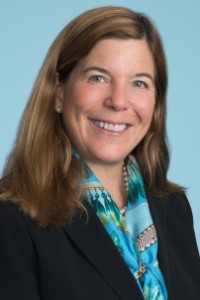



Pillsbury Winthrop Shaw Pittman LLP is an international law firm with a particular focus on the technology & life sciences, energy, financial, and real estate & construction sectors. Recognised as one of the most innovative law firms by the Financial Times and as one of the top firms for client service by BTI Consulting, Pillsbury and its lawyers are regarded highly for their forward-thinking approach, their enthusiasm for collaborating across disciplines and their authoritative commercial awareness.
1. Tax
1.1 Tax Regimes
On a federal level, the United States generally imposes income taxes, estate taxes, gift taxes, and generation-skipping transfer taxes (GST tax) on individuals. The estate tax, which is a tax on the individual’s right to transfer property at death, is imposed on an individual’s gross estate for transfers that exceed the exemption limit. The gift tax, which is a tax on the gratuitous transfer of property made during lifetime, is imposed on the transfer of gifts that exceed the exemption limit. The GST tax applies on the transfer of assets to individuals that are more than one generation below the transferor (if it exceeds the exemption limit). The exemption limits for the estate, gift, and generation-skipping transfer taxes are discussed in 1.2 Exemptions.
On the state level, Florida does not impose state income taxes, including on investment and retirement income. There are no state estate taxes, which means that the estate will not be subject to any state estate taxes when an individual passes away. Nor are there state inheritance taxes if an individual inherits property from someone else.
Florida imposes property taxes on the ownership of real property, based on the assessed value of the property as of 1 January of that year, multiplied by a tax rate (eg, a millage rate) set by local governments. The millage rate is a tax rate defined as the dollars assessed for each USD1,000 of value. Local governments can include the county government, school board, water management districts, special districts and county municipalities. These taxes can be subject to various property tax exemptions, including the Florida homestead exemption (as discussed in 1.2 Exemptions).
Florida has a general sales and use tax of 6%. Exceptions apply to: 1) retail sales of new mobile homes (3%); 2) amusement machine receipts (4%); 3) rental, lease, or licence of commercial real property (4.5%); and 4) electricity (6.95%). There may be an additional discretionary sales surtax (ie, a county tax) imposed by certain Florida counties which applies to most transactions subject to the sales and use tax.
Florida also imposes a corporate income/franchise tax of 5.5% imposed on all corporations for the privilege of conducting business, deriving income, or existing within Florida.
1.2 Exemptions
As previewed in response to 1.1 Tax Regimes, there are exemptions from the federal estate, gift, and GST tax. This means that an individual can transfer property up to the amount of the exemption, during life or at death, without having to incur these taxes. In 2011, the exemptions were USD5 million, indexed for inflation. In 2017, Congress doubled the exemption amount to USD10 million, indexed for inflation. The One Big Beautiful Bill increased the federal estate and gift tax exemption to USD15 million for each individual, starting in 2026.
On the state level, Florida imposes property taxes on the ownership of real property (as discussed in 1.2 Exemptions). However, there are various property tax exemptions, with the most notable being the Florida homestead exemption.
To qualify for homestead exemption, a person must, on 1 January of the year, have “legal title or beneficial title in equity to real property” in Florida and must “in good faith make the property his or her permanent residence or the permanent residence of another or others legally or naturally dependent upon him or her”. A permanent residence is the place “where a person has his or her true, fixed, and permanent home and principal establishment to which, whenever absent, he or she has the intention of returning”. A person may have only one permanent residence at a time.
If the homestead exemption applies, the assessed value of the real property can be reduced by up to USD50,000 for property tax purposes (with certain adjustments to inflation). Additionally, under the “Save Our Homes Act,” the assessed value of the homestead property cannot be increased by more than 3% above the last year’s assessed value (or the consumer price index, whichever is lower). Moreover, Florida’s Constitution allows for certain creditor protections for homestead properties within a certain acreage.
1.3 Income Tax Planning
Many tax planning opportunities exist for Florida residents. Florida is a favourable state for income and estate tax planning, as it does not impose state income taxes, state estate taxes, or state estate taxes. Nor are there state inheritance taxes if an individual inherits property from someone else. It also has strong real property exemptions and protections for a person’s permanent residence, as long as certain requirements are met (as described in 1.2 Exemptions). Non-residents of Florida may also benefit from Florida’s favourable income tax regime, combined with its Rule Against Perpetuities law, allowing trusts governed by Florida law to last for up to 1,000 years. However, various requirements of Florida law, such as the requirement of annual accountings and mandatory disclosure of trusts to beneficiaries, may offset these benefits – see 2.6 Transfer of Assets: Vehicle and Planning Mechanisms.
1.4 Pre-Immigration and Exit Planning
Both pre-immigration planning and expatriation or “exit” planning can present meaningful opportunities to mitigate US tax exposure for individuals and families. Although Florida does not impose a state income tax, individuals becoming a US tax resident or ceasing US residency remain subject to complex federal income, gift, estate, and information reporting regimes that often require careful advance planning.
For individuals planning to immigrate to the US, proactive structuring prior to establishing US tax residency is often critical. Once an individual becomes a US tax resident, the individual generally becomes subject to US taxation on worldwide income and assets. As a result, there may be opportunities before immigration to minimise future US income exposure.
Similarly, individuals contemplating relinquishing US citizenship or long-term lawful permanent residency should carefully consider expatriation or exit planning strategies before terminating residency status. Certain individuals may become subject to the federal expatriation tax regime, commonly known as the “exit tax,” prior to expatriation. Advance planning before expatriation, depending on the individual’s facts and objectives, may help reduce exposure to the exit tax.
Ultimately, both pre-immigration and exit planning are highly individualised exercises. The nuances of these situations are very factual and require navigating US trusts and taxation laws, as well as applicable laws in the foreign jurisdiction and any existing treaties between the two jurisdictions which may influence the advice given. Such clients should seek counsel to advise them on the various aspects of these planning objectives.
1.5 Taxation of Real Estate Owned by Non-Residents and Non-Citizens
The US tax laws may be dependent upon whichever political party controls the US House of Representatives, the US Senate, and the Presidency. The two major US political parties have very different viewpoints on the topic of taxation, both from an income tax perspective and a transfer tax perspective. For example, the “One Big Beautiful Bill” extended and made permanent many of the 2017 Tax Cuts and Jobs Act provisions, and also introduced new tax benefits and phased out other existing tax incentives, changing the current US tax landscape. There are also proposals that have been outlined by certain political figures in the past to severely limit certain transfer tax planning vehicles, including Grantor Retained Annuity Trusts as well as “grantor trusts” in general. None of those proposals have yet been adopted, but they could be in the future.
Florida is more stable, as it does not have a state income tax, gift tax, or estate tax, and there are currently no plans for these taxes to be enacted.
1.6 Stability of Tax Laws
The federal government enacted the Corporate Transparency Act, which is a sweeping statute aimed at curtailing money laundering. The Act requires “beneficial owners” of “reporting companies” to report their beneficial ownership information to a database controlled by the Financial Crimes Enforcement Network (FinCEN). After the Act was subject to litigation regarding its constitutionality, FinCEN provided updated guidance through an “interim final rule” as published in the Congressional Record on 26 March 2025.
Florida does not have a comparable beneficial ownership statute. However, corporations, limited liability companies, limited partnerships, and limited liability partnerships organised or doing business in Florida are required to file an annual report with the Division of Corporations. Such annual report must identify at least one “principal” of the entity. The annual reports are public information.
1.7 Transparency and Increased Global Reporting
No information provided in this jurisdiction.
2. Succession
2.1 Cultural Considerations in Succession Planning
Florida has been seeing unprecedented levels of population growth in recent years, with Miami becoming one of the top US destinations for ultra-high-net worth and affluent individuals. Many of these individuals present unique and bespoke circumstances which require non-traditional succession planning and asset protection. These plans may take into account the individual’s re-domiciliation to Florida, charitable dispositions, private placement life insurance, and federal gift and estate tax planning, among others.
2.2 International Planning
Planning for families who have global ties presents its own set of challenges and requires expertise not only on the part of the US attorneys advising the family, but also attorneys from each applicable foreign jurisdiction. The nuances of these situations are highly factual and require navigating US trusts and taxation laws, such as applicable laws in the foreign jurisdiction and any existing treaties between the two jurisdictions which may influence the advice given. Such clients should seek competent counsel to advise them on the various aspects of their planning objectives.
2.3 Forced Heirship Laws
Florida does not have forced heirship laws. However, a spouse generally cannot be disinherited by will, in the absence of a valid agreement such as a pre- or post-nuptial agreement. The surviving spouse is entitled to a minimum of an elective share of 30% of the decedent’s elective estate. In addition, a spouse and minor children are entitled to a share of homestead property upon the death of a co-owner of the homestead. The surviving spouse receives a life estate, allowing them to live in and use the property for life, with a vested remainder going to the descendants in being at the time of the decedent’s death. Additionally, the surviving spouse can elect an undivided 50% interest in the homestead as a tenant in common, with the remaining undivided 50% interest vesting in the decedent’s descendants in being at the time of the decedent’s death.
2.4 Marital Property
Florida is an equitable distribution jurisdiction. Upon a dissolution of marriage, a court will identify and divide marital property, and allow each spouse to keep their own separate non-marital property. When dividing marital property, the court is guided by equity and fairness, which does not always imply an equal 50-50 split between the spouses. However, the court must begin with the premise that the distribution should be equal, unless there is a justification for an unequal distribution based on all relevant factors, including, but not limited to, the contribution to the marriage by each spouse, the economic circumstances of the parties, the duration of the marriage, and the interruptions of personal careers or educational opportunities of each party.
In Florida, the presumption is that marital property includes all assets acquired and all liabilities incurred during the course of a marriage. It is irrelevant which spouse purchases the asset. For instance, if a husband or wife purchases a classic painting with money earned from his or her separate paycheck, the painting can still be treated as marital property. In Florida, keeping assets in one’s name does not provide protection. Moreover, all real property held by the parties as tenants by the entireties, whether acquired prior to or during the marriage, are presumed to be marital assets.
The following are not considered marital property: 1) assets acquired and liabilities incurred by either party prior to the marriage, and assets acquired and liabilities incurred in exchange for such assets and liabilities; 2) assets received as a gift or inheritance (other than from the other spouse), and assets acquired in exchange for those gifts or inheritances; 3) all income derived from nonmarital assets during the marriage unless the income was treated, used, or relied upon by the parties as a marital asset; 4) assets and liabilities excluded from marital assets and liabilities by valid written agreement of the parties, and assets acquired and liabilities incurred in exchange for those assets and liabilities; and 5) any liability incurred by forgery or unauthorised signature of one spouse signing the name of the other spouse.
Florida’s Constitution restricts the ability of a married person to transfer a primary residence without the consent of the owner’s spouse.
As mentioned above, Florida excludes assets and liabilities from the definition of marital assets if there is valid written agreement by the parties, including prenuptial and postnuptial agreements, which may limit or amend the distribution of property to a spouse. Nuptial agreements may include, but are not limited to, many matters: 1) parties’ rights to assets/liabilities; 2) the right to buy, sell, or transfer property; 3) distribution of property upon separation or death; and 4) right to alimony. These agreements must be: 1) written and signed by both parties voluntarily; 2) reasonable; and 3) made after fair disclosures are available to the other party.
In addition, upon divorce, each spouse may be entitled to a share of the homestead property. If the parties agree to sell the property or the court orders a sale of the property, then the “Save Our Homes” tax exemption (see 1.2 Exemptions) can be divided 50/50 between the two parties, and each can transfer, or “port”, his or her part of the tax exemption to a new homestead. Prior agreements can also be used to ensure that the homestead property is properly divided upon divorce.
Note that Florida also allows spouses to use a Florida community property trust, which is akin to a community property regime. This is discussed in more detail in 2.5. Transfer of Property.
2.5 Transfer of Property
Property at death generally receives a step-up in basis (ie, to the fair market value of the asset on the date of the decedent’s death). The transfer of property during life by gift generally results in a carry-over basis to the donee (ie, the same basis as the donor had in the asset).
Additionally, the Florida Community Property Trust Act affords married couples potential positive income tax treatment of trust assets at the first spouse’s passing. Under the Act, married couples can use a community property trust which is akin to a community property regime. Assets transferred to a Florida community property trust can result in all of the assets receiving a step-up in tax basis upon the first spouse’s death, rather than only allowing a 50% step-up in income tax basis. This is unusual in the United States and valuable, as it can reduce capital gains tax on the entire property.
2.6 Transfer of Assets: Vehicle and Planning Mechanisms
There are various vehicles and planning mechanisms that can facilitate the transfer of wealth to younger generations in a transfer tax efficient manner. These include, but are not limited to the following:
- Intentionally Defective Grantor Trust – an IDGT is an irrevocable trust created by one or more individuals (the “grantor”) to hold assets usually for the benefit of the grantor’s family members, most commonly children and other descendants. The IDGT is a “grantor trust” meaning that the grantor pays all of the income taxes on the trust during their lifetime. The grantor can transfer appreciating assets, such as stocks, real estate, or closely held business entities to the IDGT via a gift. The gift uses a portion of the grantor’s available gift exemption (currently USD13.99 million in 2025); however, if properly structured, it will result in no gift taxes due so long as the gift value is less than the available exemption amount. The gifted assets then grow in the IDGT gift and estate tax free for as long as they remain in trust. Certain jurisdictions, including Florida, permit trusts to exist for 1,000 years and can shield the assets from future transfer taxes during such term. These are referred to as “dynasty trusts”.
- Grantor Retained Annuity Trust – a GRAT is a trust where the grantor transfers assets, often publicly traded stock, to the trust in exchange for an annual annuity payment for a specific term. Upon the expiration of the GRAT’s term, any appreciation above the annuity payments passes to the grantor’s family, or trusts for their benefit, gift and estate tax free.
- Charitable Lead Trust – a CLT is a type of “split-interest trust” that permits a grantor to hold assets in trust for the benefit of a charity for a certain period. After that term expires, the assets pass to the grantor’s family members, likely in further trust. A CLT permits a smaller gift to the family because the valuation of the gift is reduced by the value of the charitable interest. Also, the grantor may also qualify for an income tax charitable deduction.
- Charitable Remainder Trust – a CRT is very similar to a CLT, but the family members are beneficiaries for a term (which can be a beneficiary’s lifetime) and the balance passes to charity. The tax benefits are similar to a CLT.
- Qualified Personal Residence Trust – a QPRT is a trust designed to transfer a personal residence. If all qualifications are met, the personal residence is transferred into a QPRT and the grantor will be permitted to live in the residence for a specified term. Upon the termination of the term, the QPRT distributes the residence to the grantor’s family, who may choose to continue to rent the residence to the grantor. Because of the term interest, the value of the gift for gift tax purposes is substantially reduced and generally can be a tax-efficient means of transferring assets to younger generations.
Different states offer advantages, such as the long trust term of 1,000 years permitted by Florida law and its lack of income tax, but have disadvantages, such as accounting requirements which can be costly and time-consuming, and disclosure to beneficiaries which the grantor may wish to avoid so as not to discourage a beneficiary’s productivity.
2.7 Transfer of Assets: Digital Assets
Digital assets, such as email accounts or cryptocurrency, are treated as personal property for succession purposes. Accordingly, digital assets will pass along with a decedent’s other personal property unless specifically disposed of otherwise through a will or revocable trust.
Notwithstanding the succession of digital assets above, access to digital assets by a fiduciary is governed by the Florida Fiduciary Access to Digital Assets Act. It is important to plan for digital assets as part of one’s own estate planning through a competent legal advisor. Consider giving explicit instructions for access to one’s digital assets, including careful advising of passwords as part of the estate plan.
3. Trusts, Foundations and Similar Entities
3.1 Types of Trusts, Foundations or Similar Entities
There are various types of trusts used in estate planning in Florida.
The most common is a “revocable trust” which is designed to avoid the assets of the grantor from passing by means of a court-supervised process of estate administration, which can be expensive, and which is public, called “probate”. By avoiding probate, the assets in a revocable trust are more efficiently administered and retain privacy for the family.
In addition, “irrevocable trusts” are used, many of which were described in 2.6 Transfer of Assets: Vehicle and Planning Mechanisms. These trusts permit not just planning to avoid probate, but also can achieve valuable income and/or gift and estate tax advantages, as previously discussed.
There are also “private foundations” which many families choose to create for fulfilling the charitable inclinations of the family. These entities provide many tax benefits, but also come with administrative costs and require detailed adherence to various regulations. Depending upon the value of the assets involved and the family’s goals, some families choose to instead conduct their charitable planning by transferring assets to Donor Advised Funds (DAFs) instead of private foundations due to the relative simplicity of DAFs.
DAFs are charitable funds held with an institution. The grantor can appoint themselves, during a grantor’s lifetime, or family members upon the grantor’s death as a Donor Advisor to direct how contributions to the DAF are distributed to one or more charities.
3.2 Recognition of Trusts
Florida recognises and respects many different types of trusts, including but not limited to revocable and irrevocable trusts, land trusts, and community property trusts, all of which are commonly created and used in Florida.
3.3 Taxation of Trusts, Foundations and Similar Entities Located in Other Jurisdictions
With respect to foreign trusts through which a US resident serves as a fiduciary, there are extensive and complicated reporting rules for foreign trusts at the federal level in the US. Anyone seeking advice with respect to such trusts should seek experienced legal and accounting advice.
3.4 Tax Consequences of Fiduciary and Beneficiary Roles
Generally, transfer tax consequences only arise in irrevocable trusts where transfers are structured as completed gifts. In such trusts, the general practice is to not have a donor of the trust serve as trustee. Often, if a donor serves as trustee the tax planning goal of removing the trust’s assets from the donor’s taxable estate for estate tax purposes is often lost. A beneficiary can usually serve as a trustee, but any distribution decisions made by the beneficiary trustee must be limited to an ascertainable standard (such as health, education, maintenance, or support) to avoid including the assets in the beneficiary’ trustee’s taxable estate for estate tax purposes.
Often, in practice, a third party who is “independent” will serve as trustee, and may be a corporate trustee. This mitigates the many tax problems, as well as practical problems that could otherwise arise. Often, corporate trustees are “directed” meaning the trustee is a corporate entity in a state such as Wyoming, Delaware, or Nevada, who takes directions from an “adviser”. The adviser(s) control the investment and distribution decisions instead of the trustee. Distribution decisions are subject to the rules above with respect to donors or beneficiaries. Investment decisions can sometimes be given to donors, but one must be exceedingly careful in this circumstance. Sometimes, it may be permissible, but other times there can be severe gift and estate tax consequences. Usually, the difference turns on what type of assets the trust holds. Investments for cash and marketable securities may be able to be directed by a donor, but closely-held interests, particularly corporate stock, is a much more complex analysis.
4. Family Business Planning
4.1 Asset Protection
Asset protection strategies in the US and Florida include, but are not limited to, the use of limited liability companies, use of irrevocable trusts, gift and estate tax planning, nuptial agreements, and insurance policies, such as private placement life insurance and umbrella policies, among others. Additionally in Florida, certain primary residence properties qualifying for Florida homestead exemption (as described in 1.2 Exemptions) are also protected from certain creditors. The protections can extend to one half-acre of contiguous land (if located within a municipality) or 160 acres of contiguous land (if located outside a municipality).
4.2 Succession Planning
Family businesses can be transferred in many ways.
One method is to transfer a minority interest in the family business to an irrevocable trust (often an IDGT) for the benefit of future generations. It can be possible to recapitalise a business entity into voting and non-voting equity interests, such that the senior family member may retain voting control in certain cases, if desired, but taking into account the evolving tax law in this area. A significant portion of the non-voting interests can be transferred to a trust through various planning mechanisms, with the voting interests passing at death generally through a revocable trust. This is a highly efficient business succession planning strategy. Care must be taken to comply with recent Tax Court cases and evolving statutes, so that any control retained by the grantor does not cause the business assets, although transferred, to nevertheless be includable in his or her estate for estate tax purposes.
Another mechanism is to transfer assets into a “family limited partnership” (FLP). A FLP is generally a limited liability company structured to be a partnership for income tax purposes by having multiple members (often the parent and their children). The senior family member makes the most significant contribution to the FLP, generally receiving a majority or perhaps voting and non-voting interests. The senior family member then makes gifts of minority interests/non-voting interests to trusts for the benefit of their family members. These gifts utilise the senior family member’s available gift tax and GST tax exemptions, but they transfer the underlying assets at a marketability and control discount which then appreciate outside of the taxable estate. Note that this structure requires careful planning to avoid inclusion in the senior family member’s taxable estate. Experienced counsel should be consulted in any event.
A third mechanism, which is particularly useful for real estate investors, is to create a “freeze partnership”. A freeze partnership is generally a limited liability company (LLC) that is designed to hold all of the senior family members’ real property assets through a holding company. The LLC will issue preferred and common interests in the LLC to the senior generation family member. The preferred interest must pay a distribution each year (called a “coupon”) at a fair market value rate, on a cumulative basis, and at a fixed rate. Assuming these requirements are satisfied, the payment should qualify for special treatment under the Internal Revenue Code so as not to create an imputed gift under Section 2701. This structure permits “freezing” the value of the preferred interest. The common interest, or a portion of it, is generally given to an IDGT, allowing the common interests to grow gift and estate tax free. Voting control can be given to either the common interests or the preferred interests or to both of them, which provides flexibility to achieve business succession goals, again subject to evolving tax laws in this area.
4.3 Transfer of Partial Interest
When a non-controlling interest in a private entity is transferred either during an individual’s lifetime or at their death, the fair market value of the interest is generally entitled to a discount for lack of control. If such interest also lacks liquidity, it generally will qualify for an additional discount for lack of marketability as well. An appraisal from a qualified appraiser should generally be obtained to value the underlying asset(s) and the fractional interest for gift or estate tax purposes.
Publicly traded securities do not qualify for these discounts.
5. Wealth Disputes
5.1 Trends Driving Disputes
Wealth disputes can arise when a child or other potential heir is excluded from a decedent’s will or revocable trust or otherwise receives less than other children or heirs. In many jurisdictions, it is standard for a will or revocable trust to have a “no contest” provision. Such a provision states that if a potential heir challenges a will or trust, they are disinherited entirely. Often, a decedent will leave such an heir a smaller bequest or devise to incentivise the heir not to challenge the will or trust.
Florida does not recognise no contest provisions and so they cannot be used effectively in Florida. This eliminates a useful planning mechanism for deterring potential will or trust challenges.
Numerous additional scenarios can lead to wealth disputes. These include the multiple marriage fact pattern (disputes between the children from a prior marriage and the current spouse), conservatorship proceedings, and intestate estates.
5.2 Mechanism for Compensation
There are numerous forms of damages or other remedies in Florida for wealth disputes. These can take the form of injunctions, money damages, and trust reformation, among others. Litigation unique to a discrete fact pattern is common, and compensation can include compensatory damages, award of attorney’s fees, and possibly punitive damages.
6. Roles and Responsibilities of Fiduciaries
6.1 Prevalence of Corporate Fiduciaries
The use of corporate fiduciaries is prevalent. Florida law allows certain entities, including trust companies and banking institutions, to act as corporate fiduciaries, exercise fiduciary powers, and serve as personal representatives of estates. Certain fiduciaries may be held to the standard of their specialised skills or expertise. A personal representative must be either a resident of Florida or a family member.
6.2 Fiduciary Liabilities
In Florida, a fiduciary can be personally liable for a breach of fiduciary duty. For example, a personal representative is responsible to interested parties for harm caused by bad faith, self-dealing, conflicts of interest, or breaches of fiduciary duty. Conversely, an agent acting in good faith is generally shielded from certain liability for failure to preserve the intent of the trustor. Additionally, absent a breach of trust or a conflict of interest, a trustee is not liable to a beneficiary for a loss or depreciation in the value of trust property or for not having made a profit.
However, there are mechanisms to protect fiduciaries from certain liabilities, including exoneration, indemnification, or exculpatory causes and the delegation of authority for specific aspects of administration to third-party professionals. For example, a fiduciary can delegate investment functions to an investment agent, provided that the fiduciary exercises care in selecting and monitoring the agent’s actions.
6.3 Fiduciary Regulation
Florida regulates a fiduciary’s investments of assets. For example, an agent with power of attorney must preserve the principal’s estate plan to the extent that it aligns with the principal’s best interest, considering factors such as property value, foreseeable needs, tax minimisation and gift history. Under the prudent person investment rule, a personal representative must manage investments like a prudent investor, considering risk and return objectives within an overall strategy. A particular investment or action is not inherently prudent or imprudent, but the duty to diversify assets remains a central tenet of prudent investing. Trustees have the flexibility to invest in various assets but are judged on their reasonable judgment and the overall portfolio’s anticipated impact. The prudent investor rule evaluates behaviour, not just outcomes. Moreover, testators can grant beneficiaries or a protector the power to dismiss or replace fiduciaries as they deem fit, which can create an incentive for fiduciaries to invest assets prudently.
6.4 Fiduciary Investment
A fiduciary generally has a duty to diversify investments unless, under the circumstances, the fiduciary believes reasonably that it is in the interests of the beneficiaries and furthers the purposes of the trust, guardianship, or estate not to diversify. Even where a will or trust exonerates a trustee from liability for the failure to diversify, case law shows that a trustee could still be liable for this, so diversification remains important. Their decisions should balance income production and capital safety, considering the trust’s objectives and impartiality duty. To avoid conflicts of interest, trustees must annually disclose investments and compensation from controlled instruments to beneficiaries. Subject to certain exceptions, the trustee must inform all qualified beneficiaries about: i) the investment in trustee-owned or controlled instruments; ii) the specific investment instruments; and iii) the relationship between the trustee and any affiliate that controls these instruments.
However, effective 1 January 2025, Florida trustees and personal representatives administering trusts and estates will operate under the new rules established by the Florida Uniform Fiduciary Income and Principal Act, which, among other items, provides fiduciaries with greater discretion in investment strategies and payout strategies to beneficiaries.
7. Citizenship and Residency
7.1 Requirements for Domicile, Residency and Citizenship
To establish domicile in Florida, an individual must generally show, through clear and convincing evidence, the intent to remain indefinitely in the state. An individual’s intent to indefinitely remain in Florida is generally demonstrated through a facts and circumstances analysis, which includes, but is not limited to, filing a Florida Declaration of Domicile. Typically, an individual can establish new ties to Florida by severing ties with the individual’s old state. The old state can have additional factors and considerations, which can be more onerous than Florida’s domicile requirements in order for the individual to severe ties. For example, New York has a statutory test and several factors that it weighs up when considering whether an individual is domiciled there. Terminating ties to the old state and establishing ties in the new state include taking action such as updating: voter registration, driver’s licence, clubs, church or synagogue, veterinarian, doctors, schools for children, and determining the relative size and value of residences between the two states. Severing ties with an old state and establishing Florida domicile is often a complicated issue for high net worth individuals without proper tax planning, and can be the reason for ongoing state audits by the old state.
7.2 Expeditious Citizenship
Florida does not have an expeditious citizenship mechanism.
8. Planning for Minors, Adults with Disabilities and Elders
8.1 Special Planning Mechanisms
It is common in Florida to transfer assets to a person with a disability through a special needs trust (“SNT”). An SNT can permit certain distributions to a beneficiary without disqualifying the beneficiary from government benefit assistance. Careful drafting of the SNT is a necessity.
It is also common to transfer assets to minors through the Uniform Transfers to Minors Act which permits transfers to a custodian to hold on behalf of the minor until the minor reaches a certain age, which can be up to 25 years of age in Florida. The main benefit of a UTMA account is its simplicity, but it comes with the drawback that the child will receive all of the funds at the specified age.
Generally, trusts are better – albeit more costly – mechanisms for such planning, because it is possible to keep the assets in trust for long periods of time, thus maximising gift and estate tax benefits as well as creditor protection. A trust must contain specific provisions to qualify to receive “annual exclusion” gifts – exempt from gift tax – and can include IRC Section 2503 provisions to so qualify, followed by continuing trust language to protect the assets for the beneficiary after they reach age 21.
8.2 Appointment of a Guardian
Guardianship
A guardian is appointed by the court to make personal and/or financial decisions for a minor or adult with disabilities. Florida law requires guardians for minors in the event of their parents’ death/incapacitation, or if a child receives proceeds exceeding a statutory amount.
The removal of an individual’s rights simultaneously creates the court’s duty to protect that individual. The appointment of a guardian is subject to court oversight. This oversight is achieved mainly by an annual guardianship plan. This requires each guardian to file a report with the court regarding updated information about the condition of the ward. This report specifies the current needs of the ward and how those needs are proposed to be met in the coming year. Ultimately, the court has discretion to require re-examination of the ward at any time, and continually monitors the guardian-ward relationship.
Conservatorship
The court oversees conservatorships, including:
- terminating the conservatorship and transferring property back to the absentee or their representative upon request;
- terminating the conservatorship if the absentee is confirmed deceased, and transferring property to the appointed executor or administrator;
- requiring the conservator to file final returns and an application for discharge when the conservatorship ends;
- reviewing and approving the conservator’s final returns and discharge; and
- conducting hearings if there are objections to the conservator’s returns.
Care must be taken to ensure that a conservatorship is only employed where appropriate; recently it has been used in contentious settings, such as for purposes of gaining control over a spouse and his or her assets in a failing marriage.
8.3 Planning for Incapacity
Florida law provides for several legal mechanisms designed to assist individuals in planning for potential mental incapacity. Commonly used tools include durable powers of attorney and healthcare surrogate designations.
8.4 Elder Law
No response provided in this jurisdiction.
9. Planning for Non-Traditional Families
9.1 Children
Adopted Persons
An adopted person is considered a descendant of the adopting parent and adopting parent’s family. They are not considered a descendant of their natural parents, unless:
- a spouse of their natural parent adopts them; or
- they are adopted by a close relative.
Persons Born Out of Wedlock
A person born out of wedlock is considered a descendant of their mother and part of the mother’s family. They are also considered a descendant of their father if:
- the natural parents participated in a marriage ceremony;
- the father’s paternity is established by a court ruling; or
- the father acknowledges paternity in writing.
Traditional Surrogacy
Any child born within wedlock from donated eggs or pre-embryos is presumed to be the child of the woman and her husband if both consent in writing. Donors of eggs, sperm, or preembryos give up all parental rights and obligations regarding the donation and any resulting children.
Gestational Surrogacy
The surrogate agrees to give up parental rights at birth, and the commissioning couple retains full custody and responsibility for the child. If the child is not genetically related to the couple, the surrogate retains parental rights and responsibilities.
Gestational Surrogate Contract
A gestational surrogate contract must be made between a commissioning couple and the gestational surrogate. The surrogate must be 18 or older; the couple must be legally married and both 18 or older. The contract is medically allowed if:
- the commissioning mother cannot carry a pregnancy to term;
- pregnancy poses a risk to the commissioning mother’s health; or
- pregnancy poses a risk to the fetus’ health.
If a will does not include provisions for any children born or adopted after the will was made, then those children should receive a share of the estate consistent with intestacy requirements, unless:
- their omission from the will was intentional; or
- the testator had other children when the will was made, left most of the estate to the other parent, and that parent outlived the testator.
In Florida, a child conceived from the eggs or sperm of a deceased person may not be eligible to claim against the decedent’s estate unless the decedent’s will specifically provides for the child. In such circumstance, care should be taken to explicitly include future posthumously conceived children as beneficiaries in wills or trusts if such children are to inherit in Florida.
9.2 Same-Sex Marriage
The US and Florida recognise same-sex marriages.
9.3 Cohabitation and Unmarried Couples
No response provided in this jurisdiction.
10. Charitable Planning
10.1 Charitable Giving
Federal laws encourage charitable giving in a variety of ways, including generally providing individual donors with a deduction of up to 60% of the individual’s adjusted gross income for cash contributions provided to public charities. The limit on noncash contributions, such as stocks, to a public charity is 30% of AGI. The limit on contributions of cash to a private foundation is 30% of AGI. The limit on noncash contributions to a private foundation is 20% of AGI. Individuals contributing to private foundations may generally qualify for a more restricted deduction, as private foundations are often controlled by a single family or a small group of donors.
10.2 Common Charitable Structures
Common charitable structures generally include: i) 501(c)(3) public charities; and ii) private non-operating foundations that are typically designed for the purpose of financially supporting other public charities and are controlled by a small family or a small group of donors. 501(c)(3) public charities can include charities which derive a significant proportion of their revenue from the general public and certain “per se” entities (such as churches, educational organisations, and hospitals) which meet specific requirements.
Private non-operating foundations allow individuals more control, as they are often controlled by a single family or a small group of donors, whereas public charities typically are not. Donations to private non-operating foundations also allow individual donors to take a deduction up to a certain percentage of the individual’s adjusted gross income. The percentage depends on the asset being donated, but is generally less than the percentage allowed for public charities (as mentioned in 10.1 Charitable Giving). Private charities are also subject to annual minimum distribution requirements, while public charities are not. Moreover, private non-operating foundations are subject to additional regulations and penalties, such as the excess business holding rule (for holding more than 20% of voting stock in a business). Public charities, while they are also subject to various rules and penalties, are typically not subject to such extra regulations. Private non-operating foundations are also subject to further prohibitions, greater scrutiny and strict regulations against self-dealing transactions and jeopardising investments. These rules are often complex and fact-specific, and usually require ongoing compliance and review to ensure that the foundation does not run afoul of them, with penalties for shortcomings in compliance. These entities file tax returns, file reports with the State Attorney General’s office (charities bureau) and register in each state in which they solicit from potential donors.
For charitable organisations soliciting in Florida, additional Florida compliance is necessary. Florida recently passed Florida SB 700, which prohibits charities from soliciting or accept contributions or anything of value from certain “foreign sources of concern”. According to the statute, an attestation statement certifying that a charitable organisation does not solicit or accept contributions from foreign sources of concern, among other statements, is needed in order for the organisation to be included in Florida’s Honest Services Registry.
Additionally, see the discussion of CLTs and CRTs in 2.6 Transfer of Assets: Vehicle and Planning Mechanisms.
Pillsbury Winthrop Shaw Pittman LLP
324 Royal Palm Way,
Suite 220,
Palm Beach,
FL 33480-4309,
USA
+1 561 232 3300
+1 561 232 3301
jmccall@pillsburylaw.com www.pillsburylaw.com
Trends and Developments
Authors
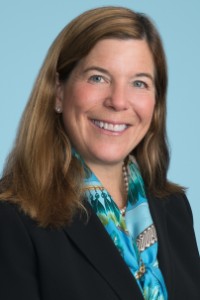



Pillsbury Winthrop Shaw Pittman LLP is an international law firm with a particular focus on the technology & life sciences, energy, financial, and real estate & construction sectors. Recognised as one of the most innovative law firms by the Financial Times and as one of the top firms for client service by BTI Consulting, Pillsbury and its lawyers are regarded highly for their forward-thinking approach, their enthusiasm for collaborating across disciplines and their authoritative commercial awareness.
Strategic Issues in High Net Worth Litigation and Dispute Resolution
Trending bills for Florida’s 2026 legislative agenda
Proposals to reduce property taxes
In Florida’s 2026 legislative session ending 13 March 2026, numerous proposals were considered to limit increases in property taxes as they pertain to levy other than school district Leas, mostly with respect to homestead properties (primary residences). These proposals reflected a goal announced by Governor Ron DeSantis in February 2025 that the State should consider amending its Constitution to reduce or abolish property taxes. In May 2025, House Speaker Perez established a select committee on property taxes and numerous proposed bills were put forward which had the goal of reducing these. These included the gradual phase out of non-school property tax for primary residences – CHJR203, increasing an exemption amount against non-school taxes for such residences up to USD250,000, and modifying limits on property assessment increases following the current Save Our Homes (SOH) benefit per rent (3% annually) and non-homestead annual increase limitations (10%). Following the regular session, the Governor called a special session in June 2026 in which the legislator passed House Joint resolution (HJR) 1-F, which would increase the current homestead exemption to USD250,000 on non-school levies to homeowners who are Florida residents on or before 31 December 2026. The resolution also allowed people who establish Florida residency after this date to receive a primary residence exemption of USD50,000 for four years, after which they will be eligible for the USD250,000 exemption. HJR 1-F will need to be passed by 60% of Florida voters in November 2026 in order to take effect.
Individuals who are a permanent Florida resident as of 1 January of any tax year are entitled to a homestead exemption under section 196.031, FLA. STAT. Currently (and if HR 1-F, as discussed above, is not passed by voters), the exemption applies up to the first USD50,000 of the value of the residence and is periodically adjusted upwards. The SOH limitation under section 193.155, FLA. STAT. provides that an annual increase to assessed value cannot exceed the lesser of 3% or the rate of inflation.
Note that the homestead exemption also contains limitations on disposition at death, providing for the spouse and minor children at death. Estate plans should be reviewed to ensure they meet the requirements of homestead law.
Homestead property is also exempt from the claims of most creditors, providing a strong incentive for taxpayers to consider relocating to Florida in certain cases.
Importance of framing amount owed by an estate in Florida
Florida has a short timeframe for following a claim against an estate, set forth in Florida statute sections 731 through 733. Under Florida statute section 733.702, creditors generally must file their claims within three months after the first publication of the notice to creditors, unless the claim is otherwise barred by statute section 733.710, or the creditor was entitled to service of a copy of the notice to creditors. Claims not filed within this timeframe are barred and deemed unenforceable.
A recent case illustrates that how one frames an amount to be recovered from an estate is important. In Palm Garden of Winter Haven, LLC v Est. of Demps, 402 So. 3d 1156 (Fla. Dist. Ct. App. 2025) the estate of a decedent who resided in Palm Garden sued that residential organisation, alleging wrongful death, negligence and other claims. Palm Garden prevailed and, accordingly, was awarded its fees and costs in the amount of over USD193,000 pursuant to its arbitration agreement with the decedent.
However, when Palm Garden later filed a motion to prohibit distribution of the estate assets and a “statement of claim” for USD193,176.11, the probate creditor claims period had expired years before the “statement of claim” was presented to the court. Accordingly, the Probate Court barred the claim.
One should take note of the short time period to file a claim in Florida and consider how to present the claim – for example, as an arbitration award, as opposed to a creditor claim. Creditor claims generally apply to debts that are due prior to death.
Relocation to Florida – recent cases
Many taxpayers wish to move from states with higher income and/or estate tax, such as New York or California, to Florida, as Florida has no state income tax and no state tax.
The usual factors continue to be important, including: the relative value of the residence in each location, the amount of time spent in each location, ties to one’s business, ties to social activities, including clubs and places of worship, ties to family, location of doctors and veterinarians, schools for the children, and other ties. None of these is dominant, but all are relevant.
In a recent case, In the Matter of the Petition of John J. Hoff & Kathleen Ocorr-Hoff, No DTA 850209, 2025 WL 3006414 (9 Oct. 2025), the New York State Tax Appeal Tribunal affirmed the determination of the Division of Taxation and the Administrative Law Judge who had previously ruled that the taxpayers had not succeeded in changing their domicile for purposes of New York State income tax in the years in question. A strong factor was the source of business income, as the husband continued to have ties to his New York business. The wife asserted that she had started businesses in Florida, but could not establish that by evidence. Note that the standard to prove a change in domicile is “clear and convincing evidence”, and the court will presume that the determination by the Division of Taxation as to whether the taxpayers have changed their domicile is correct unless proven by the taxpayers to be incorrect.
In a similar case, Acklie v Nebraska Department of Revenue, 313 Neb. 28, 982 N.W.2d 228 (2022), a couple thought they had successfully changed their domicile to Florida when they bought a Florida residence, changed their voter registrations and drivers’ licences to Florida and relocated their belongings to Florida.
However, as in Hoff, Nebraska had a presumption against change of domicile. The Nebraska Supreme Court disagreed with the taxpayers, noting their continuing ties to Nebraska, including family, enduring business activities, contributions to political parties, and even an award naming one of the taxpayers a “Nebraskan of the Year”. Because of the ruling, the couple was still held to owe state income tax in Nebraska for many years, retroactively.
Also note that, while “formal declarations of domicile”, such as voter registration and driver’s licences, can impact a taxpayer negatively when not done correctly, the Tribunal stated that these will be given less weight, as they are self-serving in nature. Instead, the actions taken by the taxpayer, such as ties to business, will be given “greater recognition in resolving the question of domicile”.
As discussed above, many states, including New York, focus on five important factors – the residence, business activities, time spent in each state, and ties in the category of that which is “near and dear”, such as the doctor, veterinarian, school and family and social ties. However, as the foregoing cases demonstrate, the conduct of the parties is paramount – if a person spends more than 183 days in the state from which they seek to have moved, that can attract taxation as a resident in the original state.
Cautionary notes for planning and protection of beneficiaries
The importance of clear communication
As discussed in last year’s Chambers Global Practice Guide for Private Wealth 2025, co-authored by Jennifer Jordan McCall, the recent year has continued to highlight the importance of discussing financial planning openly within the family. This prepares children to receive and protect their inheritance, creates a solid foundation for a healthy marriage, and can help to protect elderly and cognitively vulnerable elderly clients from abuse and undue influence.
Trusts and protective mechanisms
Trusts can help to protect beneficiaries from potentially predatory third parties.
Prenuptials to promote clarity
A prenuptial agreement provides a good context for frank discussions of money and how it will affect the relationship. Developing self-esteem through employment and working on healthy relationships can empower a person with wealth to maintain interpersonal boundaries, which can support the person’s physical, emotional and financial health.
Tips for successful litigation
When and if family litigation arises, open and direct communication, such as through mediation, may help a great deal. If court is unavoidable, honesty and candour, combined with diplomacy, patience and respect for the other parties, are likely to enhance the likelihood of success. Frequently, the issues discussed above can lead to an actual court case. When this happens, it is essential that the client obtain skilled advice not just from litigators but also from savvy trust and estate lawyers, who can offer strategic advice as early as possible in the proceeding.
Recent examples of HNW litigation techniques and dispute resolution
In Florida, there have been several disputes involving family assets, including primary residential property, in recent years.
For example, in Fuentes v Link, 394 So. 3d 684 (Fla. Dist. Ct. App. 2024), the court upheld that a primary residence transferred to a revocable trust for the benefit of the decedent’s surviving spouse was not part of the estate, rejecting the daughter’s claim that the trust was an invalid conveyance as there was no material issue regarding the decedent’s intent or the trust’s delivery. In Leitner v Leitner, 391 So. 3d 1023 (Fla. Dist. Ct. App. 2024), the court found that summary judgment was inappropriate due to factual issues suggesting potential undue influence by one son after the decedent executed a will favouring the other. Evidence such as a sudden change in disposition and the son’s role in the transaction raised a presumption of undue influence. And in Johnson v Johnson, 413 So. 3d 872 (Fla. Dist. Ct. App. 2025), the court allowed the reformation of two mistakenly drafted deeds, allowing the grandchildren to receive property intended for them by their grandparents. The court found sufficient evidence of mutual mistake and intent to justify reformation of the deeds.
Given the rise of third parties who made make it a determined effort to exploit vulnerable and elderly clients, including those who have cognitive challenges, an estate planner should be on the lookout for certain fact patterns which may demand higher vigilance on their part: if a third party is communicating the wishes of the decedent to the attorney, the estate planner should meet directly with the client and without the third party present or, in the case of a client who is in critical condition at a hospital, to find out what they would actually like. It may be best to refrain from undertaking additional estate planning; an urgent need to prepare documents could be a red flag with respect to improper or undue influence being asserted against the client. When a client lacks cognitive ability, a third-party independent review of their level of confidence should be obtained. Finally, a third-party taking great interest in the assets of the decedent should be a warning sign – a third party anxious to receive particular assets should cause the estate planner to exercise additional caution.
In Carmel v Fleischer, 391 So. 3d 907 (Fla. Dist. Ct. App. 2024), the decedent’s son objected to the administration of the decedent’s estate and claimed that his brother had undue influence over the decedent’s will provisions. When the personal representative sought to close the estate, the son filed objections, including mismanagement by the personal representative. The representative moved to strike the son’s claims by stating that the son was not an “interested person” in the estate because he was only a trust beneficiary, rather than a direct beneficiary of the estate. The court disagreed with this, and ruled that the son was an “interested person” in the decedent’s estate because he was a beneficiary of the testamentary trust, and would reasonably be expected to be affected by the outcome of the proceedings.
Nursing home considerations
Occasionally, a client is placed in a nursing home against their will by a spouse who alleges that the client cannot care for themselves. This approach can be taken to the extreme when the client is not really in need of continuous medical assistance. In some cases, the nursing home in which the client is placed is not of a very good quality. In this case, the client can succumb to numerous medical issues and may not live very long. Loved ones should be on hand to advocate for the client so that they are either placed in a good-quality medical facility or receive round-the-clock nursing at home.
Will and revocable trust estate planning documents
In another recent case, a very wealthy client lived alone. While he had attempted to create a will with his estate planning attorney, he did not complete the process. He died without any clear record of which estate planning documents he intended to use to control his vast estate. Litigation arose among the intestate heirs who thought he died intestate and other beneficiaries who produced a document which they asserted was a handwritten, or holographic, will. Without adequate records as to whether the holographic will was valid, and without the client having completed his official estate planning documents, the case was poised for extended litigation. Fortunately, the parties reached a settlement, avoiding years of potential protracted and expensive proceedings. In this case, the impact of taxes on the various beneficiaries’ interests were a key tool in reaching a settlement.
This highlights the importance of ensuring that your clients have their wills and trusts up to date, and that the originals are carefully safeguarded in a vault at the lawyer’s office. This can alleviate any uncertainty, and can mitigate against the possibility of foul play if documents that control a vast amount of wealth are neither safeguarded nor certain to be valid.
Pillsbury Law
324 Royal Palm Way,
Suite 220,
Palm Beach,
FL 33480-4309,
USA
+1 561 232 3300
+1 561 232 3301
jmccall@pillsburylaw.com www.pillsburylaw.com
Law and Practice
Authors
Pillsbury Winthrop Shaw Pittman LLP is an international law firm with a particular focus on the technology & life sciences, energy, financial, and real estate & construction sectors. Recognised as one of the most innovative law firms by the Financial Times and as one of the top firms for client service by BTI Consulting, Pillsbury and its lawyers are regarded highly for their forward-thinking approach, their enthusiasm for collaborating across disciplines and their authoritative commercial awareness.
Trends and Developments
Authors
Pillsbury Winthrop Shaw Pittman LLP is an international law firm with a particular focus on the technology & life sciences, energy, financial, and real estate & construction sectors. Recognised as one of the most innovative law firms by the Financial Times and as one of the top firms for client service by BTI Consulting, Pillsbury and its lawyers are regarded highly for their forward-thinking approach, their enthusiasm for collaborating across disciplines and their authoritative commercial awareness.
