Private Wealth Disputes 2026
USA – California
Authors
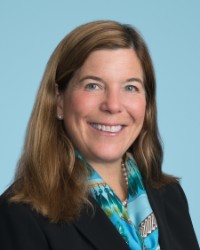
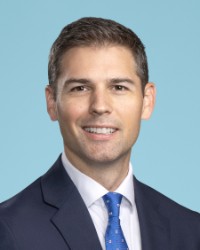



Pillsbury Winthrop Shaw Pittman LLP is an international law firm with a particular focus on the technology and life sciences, energy, financial, and real estate and construction sectors. Recognised as one of the most innovative law firms and one of the top firms for client service, Pillsbury and its lawyers are highly regarded for their forward-thinking approach, their enthusiasm for collaborating across disciplines and their authoritative commercial awareness. The Litigation – Trusts, Estates and HNW Individuals team at Pillsbury Law successfully resolves disputes, in trial and out of court, at home and in jurisdictions around the globe. Pillsbury’s team focuses on the various litigation-related needs of high net worth individuals, families and family offices bringing a seamless and holistic legal approach to resolving disputes, each of which is unique, and creating tailored solutions for its clients.
1. Overview of the Private Wealth Legal Landscape
1.1 Court System
In California, the primary forum for private wealth disputes is the state court system, known as the California Superior Court system. The Superior Court is the trial-level court system that handles all variety of disputes. Within the California Superior Court system, most counties have special divisions to handle specific disputes that may arise in the context of private wealth disputes. For example, many counties have a Family Law Division, which handles disputes such as divorce, legal separation, annulment proceedings and more.
Many counties also have a Probate Division, which handles disputes surrounding guardianship issues, estates, trusts, conservatorships and more. The Probate Division of most counties also handle disputes that surround an individual’s mental capacity or issues surrounding conservatorships.
Where a dispute arises that does not fit into the special categories, such as a family business dispute, the Civil Division can handle nearly any other issue.
1.2 Arbitration and Mediation
Alternative dispute resolution tools, such as mediation or arbitration, are available and often encouraged for private wealth disputes in California. Mediation consists of the parties coming together to attempt to reach an agreement and move forward from the dispute on mutually agreeable terms. It is noteworthy that in California, all statements made during a mediation are covered by a mediation privilege and cannot be used outside the mediation. This permits the parties to share their positions and other various facts, without fear of it being used against them in the event the dispute does not settle. Arbitration, on the other hand, is more akin to a private trial before an agreed private judge or arbitrator. While arbitration is more private than a public litigation in the court systems, in that it keeps the dispute out of the public record, it does not carry the same privilege as mediation in California.
Mediation
Mediation is a widely used and encouraged dispute resolution tool used to resolve private wealth disputes early and as cost effectively as possible. Many private wealth dispute practitioners prefer mediation because of cost, confidentiality and reduced stress to their clients.
Additionally, while it is generally preferred by most practitioners, under recent legal developments, California courts are also empowered to order the parties to a trust litigation to mediate their dispute.
Generally, mediation is non-binding. This means that unless the parties execute a settlement agreement, they will not be bound to take any act following the mediation.
Arbitration
Arbitration may be an option if the parties agree; for example, if a family business agreement contains an arbitration clause, it should be binding on the parties. However, in order for an arbitration clause to be binding, the parties must explicitly agree. Thus, California courts have historically found that arbitration clauses in trust instruments are generally not enforceable on the theory that a trust is not the same as contract, since the beneficiaries did not actually agree to arbitration. If the parties expressly consent later, any dispute may be resolved through arbitration.
While it depends on what was agreed to in the arbitration clause, arbitration is generally binding in nature. This means the decision that the arbitrator makes is the final decision. Arbitration, unlike court litigation, is generally not appealable, save for very narrow grounds for overturning an arbitration award.
1.3 Legal Fees and Costs
California generally follows the American Rule, meaning each party is responsible for its own attorney’s fees. This rule applies unless a statute, contract or recognised equitable principle provides otherwise.
Trust and estate disputes operate differently in some circumstances, however. California law allows a trustee to use trust assets to pay legal fees when those expenses are incurred in good faith and relate to the proper administration or defence of the trust. Courts review these requests carefully and fees may be denied if the underlying conduct reflects bad faith, a breach of fiduciary duty, or litigation that served primarily personal interests rather than the trust’s interests.
Beneficiaries may also be awarded fees in certain situations. Statutory provisions and equitable doctrines permit recovery when a beneficiary’s actions preserve or benefit the trust as a whole, such as by correcting misconduct or protecting trust assets.
These rules significantly influence how parties approach litigation. Trustees tend to maintain detailed documentation and may seek court guidance early to support potential fee reimbursement. Beneficiaries weigh the likelihood of fee-shifting before challenging a trustee’s conduct. Because recovery of fees is never guaranteed, the system encourages early negotiation and settlement, particularly where continued litigation risks diminishing trust assets.
1.4 Forum Choice
California parties often appear more willing to litigate than in other jurisdictions. This is in large part because the Probate Code and other statutory guidance provide a clear and comprehensive framework for these proceedings. The procedural mechanisms, such as petitions for instructions, accounting and remedial relief, offer litigants predictable court supervision. This can make formal litigation an attractive option alongside mediation or arbitration.
California’s conflict-of-law rules also shape a litigant’s forum choice. California courts generally apply California law to trusts administered in the state, California real property and fiduciaries operating in the state. This predictability often favours selecting a California forum over jurisdictions that may have less certain choice-of-law outcomes.
Procedural features, such as defined limitations periods for trust and estate claims, availability of targeted petitions, and broad discovery tools also play a part in a party’s decision to litigate or not. These elements create a structured environment for resolving disputes.
Taken together, California’s statutory clarity, jurisdictional rules and procedural infrastructure make it a jurisdiction where parties are comparatively inclined to litigate, while still turning to mediation or arbitration when those processes better suit the dispute or the cost sensitivities of the particular party.
1.5 Litigation Procedures and Techniques
California trust and estate litigation, and private wealth dispute litigation generally, is defined in large part by several procedural features unique to California’s Probate Code. For instance, disputes are typically initiated through statutory petitions rather than traditional civil pleadings, giving parties streamlined vehicles to seek targeted remedies, such as instructions, accounting review, or the suspension or removal of a fiduciary. In addition, early and active court involvement is common. Probate judges regularly issue interim orders to safeguard assets, require timely accountings, or appoint neutral fiduciaries, all of which can materially shape the course of the matter. Finally, even though these cases arise in a special proceeding, litigants may employ the full suite of civil discovery tools, allowing for comprehensive factual development through written discovery, subpoenas, depositions and expert work. Collectively, these procedures create an organised and closely monitored framework that strongly influences litigation strategy and the resolution of private wealth disputes in California.
2. Discovery and Evidentiary Considerations
2.1 Discovery
As mentioned in 1.4 Forum Choice and 1.5 Litigation Procedures and Techniques, discovery in California private wealth disputes is typically expansive. Probate Code § 1000 incorporates California’s Civil Discovery Act to include probate matters. This means parties have access to (and have to respond to) the full suite of civil discovery tools generally available in civil litigation. These tools include depositions, document demands, subpoenas and expert discovery. While courts may limit discovery to protect sensitive financial information or reduce burden, meaningful restrictions are the exception, rather than the rule.
This broad access to information shapes how private wealth dispute cases unfold. Beneficiaries and fiduciaries can develop a detailed record on issues such as administration, capacity and asset management, which often clarifies the strengths of the case and promotes early resolution. At the same time, being subject to wide-ranging and detailed discovery can add costs, stress and extend the life of a dispute. This often makes discovery management an important strategic consideration in California private wealth litigation.
2.2 Alternatives to Discovery
Although California provides broad formal discovery in private wealth disputes, parties can also rely on informal evidence gathering to develop the record before invoking the full Civil Discovery Act. These informal methods depend entirely on co-operation and the relationship of the potential litigants. For example, the parties can voluntarily exchange accountings or financial records, but if a relationship has devolved such that the parties are unwilling to entertain such informal exchange of information, the parties will have to rely on the backstop of California’s discovery mechanisms.
2.3 Privilege
In California, there are several recognised privileges that often play important roles in private wealth disputes. The attorney–client privilege and the attorney work-product doctrine protect communications with counsel and litigation-related materials, though questions may arise in fiduciary matters about whether an attorney represented the trustee personally or in a fiduciary capacity. California also recognises the physician–patient and psychotherapist–patient privileges, which may be narrowed if a party affirmatively places mental capacity or susceptibility to undue influence at issue.
Marital privileges can also affect private wealth dispute litigation. The spousal testimonial privilege allows a spouse to refuse to testify against the other, subject to exceptions, and is inapplicable once the marriage has ended. The confidential marital communications privilege shields private communications made during the marriage and may survive divorce, but it is lost if those communications are shared with third parties or otherwise put into issue.
In California, privileges are held by the person whose confidentiality the rule is designed to protect. For example, the client for attorney–client privilege, the patient for medical or psychotherapist privilege, and each spouse for marital privileges. Only the privilege holder (or someone legally authorised to act on their behalf) may waive the privilege, either expressly or through conduct that is inconsistent with maintaining confidentiality. As a result, privilege questions often influence how parties manage communications, medical evidence and testimony in California private wealth matters.
3. Will Contests and Capacity Issues
3.1 Grounds for Challenging a Will
Under California law, several statutory bases allow a party to contest a will. Principal grounds include the following.
Lack of Testamentary Capacity
Probate Code § 6100.5 permits a challenge where the testator, at the time of signing, lacked the ability to appreciate the nature of the testamentary act, understand the character and extent of their assets, or recognise the individuals who would ordinarily benefit from their estate. Evidence commonly offered on this issue includes medical records, cognitive assessments and testimony from those who observed the testator near the time of execution.
Undue Influence
Undue influence is defined in Probate Code § 86 and further explained through the factors in Welfare and Institutions Code § 15610.70. A person contesting a will based on undue influence must show that the testator’s judgment was overridden by another’s pressure or manipulation. Courts typically evaluate indicators such as vulnerability of the victim, the influencer’s apparent authority, and the actions or tactics used by the influencer. Probate Code § 21380 also imposes a presumption of undue influence for transfers benefiting certain categories, such as caregivers, fiduciaries and drafting attorneys. With these suspect transfers, the burden is shifted to the proponent of the will to rebut that presumption of undue influence.
Fraud
Pursuant to Probate Code § 6104, a will or any of its provisions may be deemed invalid if it was secured through fraudulent conduct. This requires evidence that the testator relied on false statements, concealment or deceptive acts when executing the document or making specific gifts.
Improper Execution
A will may also be contested on the basis that it was not executed in accordance with the statutory formalities set out in Probate Code §§ 6110–6113. These challenges often focus on the testimony of subscribing witnesses, the involvement of the drafting attorney, and the documentation and circumstances surrounding the signing.
3.2 Procedure for Will Challenges
In California, a will contest follows a defined probate process that begins once the will is submitted for probate and proceeds through a series of statutory steps. The essential stages are:
- wait for the will to be offered for probate. A contest may only be filed after a petition for probate is submitted;
- file a will-contest petition. This petition should outline the grounds for challenge;
- serve notice. The petition must be served on all heirs, beneficiaries and the personal representative as required by statute;
- engage in litigation procedures. As discussed above, California has a robust statutory guide to challenge wills in litigation. Those procedures include motions and discovery under Probate Code § 1000 and the Civil Discovery Act;
- proceed to trial. A trial in a will contest is typically a bench trial, where the contestant bears the burden of proof unless it is shifted by statute; and
- obtain the court’s ruling. After the trial, the court will issue its ruling on whether the will, or any portion of it, should be admitted to probate or invalidated.
3.3 In Terrorem Clauses
A no-contest clause, or in terrorem clause, is a provision in a will or trust that states a beneficiary (and sometimes also their issue) will lose their inheritance if they challenge the legal document. The purpose of these types of clauses is to deter a would-be beneficiary from filing a baseless lawsuit to contest the validity or terms of the estate plan.
Under current California law, no-contest clauses are enforceable only in the following three circumstances.
- Forced election – when a beneficiary challenges a transfer of property on the grounds that the property did not belong to the transferor at the time of the transfer. The no-contest clause must specifically provide for application in this instance.
- Creditors’ claims – when a beneficiary files or prosecutes a creditor’s claim against the estate or trust. The no-contest clause must also specifically provide for application in this instance.
- Direct contests brought without probable cause: A no-contest clause may be enforced against someone who files a direct contest lacking probable cause. Probable cause exists if, at the time the contest is filed, the known facts would lead a reasonable person to believe there is a reasonable likelihood of obtaining the requested relief after discovery or investigation.
Even within these limits, no-contest clauses still influence the way will and trust disputes unfold. Beneficiaries considering a contest must evaluate their evidence carefully at the outset, as a weak or speculative claim can put their inheritance at risk. This often leads parties to conduct early fact-gathering, seek legal advice before filing, or pursue negotiated solutions when the strength of a contest is uncertain.
3.4 Powers of Attorney
In California, durable powers of attorney and advance health care directives are commonly used to plan for potential capacity concerns. A durable power of attorney authorises a trusted agent to manage financial and legal affairs even if the principal later becomes incapacitated, while an advance health care directive designates someone to make medical decisions when the principal is no longer able to do so.
These instruments may also be drafted as springing powers, becoming effective only after a defined incapacity trigger, such as confirmation from a physician. Establishing these decision-makers in advance can help individuals avoid the need for a conservatorship and minimise conflict among family members over who should act when capacity declines.
4. Family Businesses
4.1 Intrafamily Disputes
In California, families often rely on a variety of planning tools to transfer ownership and manage closely held businesses. Common approaches include the use of revocable and irrevocable trusts, limited partnerships and limited liability companies. More advanced structures, such as grantor trusts and voting and non-voting equity classes within the companies, allow families to shift economic value among family members or keep management authority of the entity with a selected group.
Potential Sources of Conflict
These structures, while they can be effective for tax planning or corporate governance, can understandably give rise to disputes among family members. Tensions can often emerge when beneficiaries or members disagree about who should control the business, when non-managing owners feel excluded from financial information or distributions, or when the value of business interests becomes contested in buyouts or other types of funding. Conflicts may also arise when succession decisions differ from a particular family member’s expectations or when allegations of undue influence or breach of fiduciary duty arise.
Dispute-Resolution Mechanisms in California
California offers several mechanisms for resolving these conflicts. Probate Court petitions allow beneficiaries to challenge fiduciary conduct, compel accountings or seek clarity on the meaning of governing documents. Civil courts handle disputes involving corporations, limited liability companies and partnerships, including claims for breach of fiduciary duty, conflicts among co-owners, and enforcement of buy–sell agreements. Mediation and other forms of alternative dispute resolution are frequently used to preserve relationships and minimise business disruption. Arbitration may also govern the dispute if required by a trust instrument or entity agreement, providing a private and potentially faster forum.
These tools collectively balance the benefits of sophisticated succession planning with the practical need to resolve the interpersonal and financial conflicts that often arise in multigenerational family enterprises.
5. Creditor Claims
5.1 Trusts, Foundations and Similar Entities
To shield against creditor claims, families typically rely on a combination of irrevocable trusts, spendthrift or discretionary trusts, life insurance trusts and business entities such as limited liability companies, and family limited partnerships to add layers of protection against creditor claims.
Irrevocable trusts with spendthrift provisions can effectively protect assets held for third-party beneficiaries, since those beneficiaries generally cannot assign their interests and most creditors cannot reach trust assets before they are distributed. However, California does not shield self-settled trusts: if the person who created the trust is also a beneficiary, that person’s creditors can usually reach whatever the trustee could distribute to them.
Discretionary trusts strengthen protection by giving the trustee discretion over whether to make distributions, though courts may still allow access for certain obligations, such as support claims. Life insurance trusts are often used to keep insurance proceeds outside the insured’s estate and away from the insured’s creditors once the policy has been properly transferred.
Limited liability companies and family limited partnerships can also provide protection by limiting a creditor to a charging order, a right to receive distributions, if any, but not to participate in management, so long as the entity is formed and operated with appropriate formalities.
Across all of these structures, the strongest protection in California comes from well-drafted, third-party irrevocable or discretionary trusts and carefully maintained business entities, while poor drafting, poor company management, or fraudulent-transfer concerns can significantly weaken the intended protections.
5.2 Matrimonial Claims
Because California is a community property state, a divorcing spouse can scrutinise trusts, family-owned limited liability companies and other family wealth structures to determine whether community assets were improperly transferred, undervalued, concealed or otherwise misused. Courts may recharacterise assets, order reimbursement or examine whether a spouse breached marital fiduciary duties when funding or managing these structures. Trusts created during the marriage are especially vulnerable if they involve community funds or appear designed to shield assets from the marital estate.
To guard against these attacks, practitioners routinely use prenuptial and postnuptial agreements, both of which are enforceable in California if statutory requirements are met. These agreements can clarify separate property, define rights to business interests and allocate future appreciation. Families also rely on separate-property trusts, careful tracing of funds and well-maintained company structures to preserve the distinction between separate and community assets.
5.3 Defence Against Creditor Claims
When a creditor files a claim, experienced private wealth practitioners in California have various strategies they employ. Defending against creditor claims generally turns on where assets are held and what legal protections apply.
Practitioners generally begin by determining whether assets sit in a third-party irrevocable or spendthrift trust, which generally shields trust property from a beneficiary’s personal creditors unless the beneficiary has an enforceable right to demand distributions. Discretionary trusts offer even stronger protection because a creditor cannot compel the trustee to make a distribution the beneficiary cannot require.
If assets are held through limited liability companies or family limited partnerships, counsel assess whether the creditor’s remedy is limited to a charging order (a lien on distributions without control over the entity) or access to its underlying assets. Charging order protection often significantly reduces a creditor’s leverage, especially when the entity is properly maintained and distributions are discretionary.
Practitioners also review potential statutory exemptions under California law, such as protections for homesteads, qualified retirement plans and certain insurance or annuity interests. These exemptions can place entire categories of assets beyond a creditor’s reach regardless of any trust or entity structure.
In parallel, experienced practitioners commonly pursue procedural and substantive defences, such as challenging the validity or priority of the claim, contesting fraudulent-transfer allegations, or negotiating structured settlements. When trusts or entities are involved, attorneys may co-ordinate with trustees or managers to control the timing and form of distributions so that assets are not unnecessarily exposed.
Together, these strategies help families take full advantage of the protective features California does offer, even though the state’s creditor-protection laws are more limited than those in jurisdictions with domestic asset-protection trusts.
6. Fiduciary Duties
6.1 Trustees and Beneficiaries
In California, beneficiaries may bring claims against trustees when they believe the trustee has breached fiduciary duties such as self-dealing, mismanagement, failure to follow the trust’s terms, improper distributions or failure to provide information or accountings. These matters are brought by petition in the probate division of the Superior Court.
Available remedies include:
- surcharge for losses or improper gains;
- removal or suspension of the trustee;
- compulsory accountings; and
- instructions or review of acts.
Limitation periods vary, but many breach-of-trust claims are subject to a three-year statute of limitations that begins when the beneficiary has actual knowledge of the breach or receives an accounting or report that adequately discloses the relevant facts and includes the required statutory notice.
6.2 Trustees and Third Parties
In California, trustees generally owe fiduciary duties only to the beneficiaries, not to outside third parties. As a result, third parties generally cannot bring claims for breach of fiduciary duty against a trustee. Instead, they may bring ordinary contract or tort claims against a trustee (for example, on contracts entered into by the trustee or for fraudulent or negligent conduct), and may in some circumstances reach trust assets or obtain indemnity from the trust estate under California Probate Code §§ 18000–18005. Creditors of a settlor or beneficiary may also reach trust interests under the rules governing spendthrift and creditor rights.
6.3 Fiduciary Liability
In California, trustees are personally liable for their own wrongful acts, and courts may in limited circumstances treat a trust or related entity as the alter ego of an individual who has commingled assets or ignored required formalities. However, several mechanisms exist to protect fiduciaries acting in good faith. Trust instruments may include exculpatory clauses that limit liability for ordinary negligence (though they cannot excuse bad faith or reckless indifference and may be scrutinised if drafted by the trustee or the trustee’s attorney). Trustees are also permitted to delegate investment and administrative functions to qualified professionals, so long as they prudently select, instruct and monitor the delegate. In addition, trustees may obtain indemnity or advancement of expenses from the trust estate for actions taken in good-faith administration. Together, these protections help shield fiduciaries from personal exposure while preserving court oversight when misconduct occurs.
7. Forced Heirship
7.1 Forced Heirship Rules
California does not follow a forced-heirship system, and there is no general spousal “elective share” regime. Instead, as a community-property jurisdiction, a surviving spouse is entitled to their one-half interest in community (and certain quasi-community) property, along with protections such as omitted-spouse statutes and family allowances. Children have no forced-heirship rights, so Californians generally enjoy broad testamentary freedom, often implemented through wills and trusts.
7.2 Succession Disputes
In California, where there is no forced‐heirship regime, succession disputes generally focus on:
- will and trust contests (capacity, undue influence, fraud, mistake, failure of formalities);
- intestate succession disputes (heirship, status);
- omitted spouse/omitted child claims (Probate Code “pretermitted” provisions);
- community/quasi-community property characterisation and reimbursement issues; and
- fiduciary removal/surcharge.
As a result, litigation typically focuses on issues such as testamentary capacity, undue influence, trust amendments or trustee conduct, all heard in the probate or trust division of the Superior Court.
7.3 Relocation of Assets and Other Means to Avoid Forced Heirship
Although California has no forced-heirship regime of its own, cross-border estate planning may still be affected when foreign forced-heirship rules could apply, requiring California courts to conduct a choice-of-law analysis based on situs, domicile and the trust’s administrative connections. Changing a trust’s situs, selecting alternative governing law, or relocating assets can provide planning advantages, but California may still assert jurisdiction based on residency, administration or asset ties, along with associated tax and creditor-rights implications.
8. Regulatory Matters and Criminal Enforcement
8.1 Tax Authorities and Civil Regulators
In California, private wealth involves oversight by tax authorities, regulators and the courts, with the Franchise Tax Board, IRS and state probate courts monitoring tax compliance, trust and estate administration, fiduciary conduct and reporting obligations. Non-compliance by individuals or gatekeepers, such as lawyers, accountants and trustees, can trigger audits, penalties, sanctions or disciplinary action, making proper structuring and adherence to statutory duties essential.
8.2 Criminal Enforcement
Although criminal enforcement is less common than civil or regulatory actions, it can arise in California private wealth matters when gatekeepers engage in fraud, embezzlement, elder abuse, forged estate documents, false accounting or other misconduct. Prosecutors may pursue cases involving misuse of powers of attorney, exploitation of vulnerable individuals, fraudulent transfers or concealment of assets, making it essential for advisers to recognise that private wealth disputes can overlap with criminal exposure when conduct is severe.
8.3 Private Criminal Prosecution
In California, only government prosecutors may bring criminal charges. Beneficiaries, creditors or private individuals cannot initiate prosecutions themselves but may report misconduct to authorities, and the possibility of such a referral can meaningfully affect settlement strategy in private disputes.
8.4 Cross-Jurisdictional Disputes
As multi-jurisdictional private wealth disputes become more common, California courts may assert jurisdiction over out-of-state or foreign trusts based possibly on residence, asset location or statutory long-arm provisions, requiring practitioners to navigate choice-of-law, forum shopping, cross-border tax and reporting obligations, and the interplay between California law, other states’ trust regimes and federal enforcement rules. California courts also evaluate whether a trustee, beneficiary or trust has sufficient minimum contacts with the state, which can expand judicial reach even where the trust is nominally administered elsewhere.
9. Undoing Mistakes
9.1 Reformation Proceedings
California allows both wills and trusts to be reformed or modified when necessary to carry out the testator’s or settlor’s intent. Courts may correct mistakes in expression (such as drafting errors) or mistakes in inducement (errors arising from incorrect assumptions) when there is clear and convincing evidence of the intended terms. For trusts, additional statutory mechanisms under the Probate Code permit modification, termination or clarification of irrevocable trusts based on changed circumstances, unanticipated issues or furthering the trust’s purposes.
California also authorises decanting (ie, the transfer of assets from one irrevocable trust to a new trust with updated terms) subject to the requirements of Probate Code §§ 19501–19530. These equitable and statutory tools allow courts and trustees to correct drafting mistakes, address unforeseen developments and adjust administration to ensure the plan reflects the settlor’s true intent and remains workable over time.
9.2 Fiduciary Discretion
California provides several mechanisms to correct or unwind mistaken exercises of trustee discretion, even though it does not formally adopt the English Hastings-Bass doctrine. Courts may review and, where appropriate, modify, set aside or mitigate the effects of a fiduciary’s imprudent decisions through surcharge actions, petitions for instructions, reformation or modification proceedings, or use of statutory tools such as decanting. Trustees may also rely on prudent-investor standards, proper delegation to qualified professionals and other administrative tools to remedy or reduce unintended consequences while ensuring compliance with fiduciary duties and the settlor’s intent.
10. Other Considerations
10.1 Cultural Sensitivity
California’s private wealth landscape is shaped by the state’s cultural, linguistic and economic diversity. Estate plans often must account for multigenerational households, blended families and varying cultural expectations regarding inheritance, caregiving and family decision-making. Privacy and confidentiality concerns also tend to be elevated, particularly among high net worth families, public figures and clients with complex business or cross-border interests. In addition, differing cultural approaches to conflict, communication, and elder care can meaningfully affect how disputes arise and how they are resolved. As a result, practitioners must navigate these sensitivities carefully when advising clients, drafting estate plans or litigating trust and probate matters.
10.2 Disputes Trends
California continues to see growth in disputes involving blended families, trust amendments executed late in life and questions of capacity or undue influence, especially in cases involving caregiver relationships or elder‐abuse allegations. Conflicts arising from family business succession, valuation disagreements and management of illiquid or complex assets are also increasing.
More recently, practitioners are seeing disputes tied to digital assets and cryptocurrencies, cross-border estates and heightened scrutiny of trustees’ investment practices and fiduciary conduct. Looking ahead, rising generational wealth transfers, increased reliance on independent trustees and protectors, and expanding cybersecurity and reporting obligations are likely to drive more sophisticated and multi-jurisdictional trust and estate litigation in California. Extra care must be taken in preparing trusts to be funded with cryptocurrencies, as special tax rules may apply.
Pillsbury Winthrop Shaw Pittman LLP
2550 Hanover Street
Palo Alto
CA 94304-1115
California
USA
+1 650 233 4020
+1 650 233 4545
jmccall@pillsburylaw.com www.pillsburylaw.com
Trends and Developments
Authors

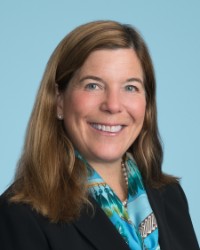
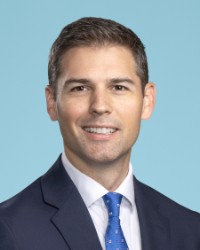
Pillsbury Winthrop Shaw Pittman LLP is an international law firm with a particular focus on the technology and life sciences, energy, financial, and real estate and construction sectors. Recognised as one of the most innovative law firms and one of the top firms for client service, Pillsbury and its lawyers are highly regarded for their forward-thinking approach, their enthusiasm for collaborating across disciplines and their authoritative commercial awareness. The Litigation – Trusts, Estates and HNW Individuals team at Pillsbury Law successfully resolves disputes, in trial and out of court, at home and in jurisdictions around the globe. Pillsbury’s team focuses on the various litigation-related needs of high net worth individuals, families and family offices bringing a seamless and holistic legal approach to resolving disputes, each of which is unique, and creating tailored solutions for its clients.
Conservatorship in California
California statutory and case law framework
In California, a complex statutory scheme, interpreted by detailed case law, provides a strong framework for the protection of the elderly and those adults with cognitive challenges who may need assistance in making decisions, caring for themselves or resisting undue influence or fraud.
California law has at its foundation a rebuttable presumption that “...[a]ll persons have the capacity to make decisions and to be responsible for their acts and decisions” (Ca. Probate Code Section 810(a)). The statute acknowledges that although a person may have “a mental or physical disorder”, the person may still be capable of contracting, conveying, marrying, making medical decisions, executing a will or a trust... and performing other actions (Ca. Probate Code Section 810(b)). To protect the rights of the infirm, the statute requires a judicial determination before any person is deemed sufficiently without the “legal capacity to perform a specific act”, which lack of capacity must be based upon a specific deficit in “one or more of the person’s “mental functions”, rather than upon a conclusive “diagnosis of a physical or mental disorder” (Ca. Probate Code Section 810 (c)). The statutory protocol makes clear the preference in California to assist a person in need mandates the least restrictive form of care, based upon a careful analysis of any deficit in mental function (Ca. Probate Code Sections 810 (c), 1800.3).
California Probate Code Section 811 requires that a determination of inability to make a decision or perform a certain act “be supported by evidence of a deficit” in one or more mental functions contained in a detailed list of cognitive factors. These deficits include but are not limited to orientation to time or place, ability to concentrate, information processing, memory, abstract reasoning, executive functionality and the ability to reason logically. Probate Code Section 812 adds the proviso that such deficits shall only be considered if they materially impair the person’s ability to understand, appreciate and communicate the risks, benefits, alternatives and consequences of each decision or act in question.
California Probate Code Section 1801(a) sets forth the framework for the appointment of a conservator. Itpermits a conservator of a person to be appointed if a person is “unable to properly provide for his or her personal needs for physical health, food, clothing, or shelter…”. Section 1801(b) provides that a conservator of the estate may be appointed for a person “who is substantially unable to manage his or her own financial resources or resist fraud or under influence”. Section 1801(e) requires that the standard of proof for the appointment of a conservator “be by clear and convincing evidence”.
Note that the Older Americans Act, 42 USC Section 3027, 3030 and 45 CFR Section 1321.93, also provides theoretic federal protection to the elderly or infirm, requiring the least restrictive alternative be imposed in order to protect the due process rights of individuals at risk of guardianship or conservatorship from undue levels of restriction or third-party care.
In a seminal California case, In re Marriage of Greenway, 217 Cal. App.4th 628 (2013), the court discussed the relatively low level of capacity needed to either enter into a marriage or to dissolve a marriage. The court acknowledged the “Due Process in Competence Determinations Act” discussed above in Probate Code Sections 810 to 813. As to any decision, the Greenway court noted that “the required level of understanding depends entirely on the complexity of the decision being made”. It noted case law reflecting an extremely low level of mental capacity needed before making the decision to marry. In Greenway, although the husband was suffering from cognitive deficits, the court found that he had the capacity to request a dissolution of his marriage, as he met the very low cognitive threshold for the capacity to make such a fundamental decision.
The Greenway court also discussed the low level of capacity required at common law to make a will. The court cited the California testamentary capacity statute found in Probate Code Section 6100.5, which follows the historical precedent that a testator need only understand the nature of the testamentary act, the nature and situation of their property, their relations to their living family, and those whose interests will be affected by the will. The court noted that a higher level of capacity would be needed to make a contract such as a trust, as opposed to making a will.
Because the capacity standards to get married and divorced and to make a will are lower than the standards necessary to conserve a person or their estate in California, absent further restrictive orders, a conserved person can still freely do both (Ca. Probate Code Sections 1871, 1900). A conservatee, however, is not deemed to have the capacity to enter into any other type of contract.
In Anderson v Hunt, 196 Cal. App. 4th 722 (2011), the court nevertheless found that a simple trust amendment changing percentage distributions, despite its contractual nature, so sufficiently resembled a will that a settlor with cognitive deficits needed only to satisfy the low testamentary standard of Section 6100.5, rather than the elaborate contractual capacity standards of Sections 810–812.
The exact opposite result was reached three years later in Lintz v Lintz, 222 Cal. App. 4th 1346 (2014), where execution of a full trust restatement required the cognitively compromised settlor to have had the ability to understand, appreciate and communicate the risks, benefits, alternatives and consequences of the entire document, including complex tax ramifications.
Taking the foregoing into account, lawyers should be cautious when advising elderly clients, to ensure that they have the ability to fully understand and articulate the actions they are taking, and their alternatives. A significantly higher level of capacity is needed to execute a trust than a will, which may affect the manner of planning for an elderly person with a cognisable cognitive deficit.
Protection from conservatorship when used offensively
Unfortunately, those who wish to exercise control over the decision making and assets of an elderly person will sometimes use the conservatorship protocol as a mechanism to wrest control of assets from the elder or disabled person or to otherwise perpetuate influence to the detriment of the vulnerable person.
To protect a client from such type of interference and potentially devastating loss of control over their property and decision-making authority, many forms of preventative strategies may be appropriate. These can include:
- retaining a highly trustworthy property manager, gardener, housekeeper and/or driver;
- appointing an honourable co-trustee of their revocable trust, alerting relevant financial institutions of the elder’s vulnerabilities;
- requiring that a second signer is needed before material transfers of assets can be made; and
- blocking contact from any caregiver who tries to take control of the client’s property or otherwise engages in “financial grooming” to increase the person’s dependence on the caregiver and by isolating them from longtime family and friends.
This can be a complex challenge, as at the same time, extreme care must be taken to understand the client’s need for dignity and autonomy, so as to retain their trust when caring for them and helping them resist the manipulation of influential third parties whose goal is to take advantage of the client and their finances.
The grey area for vulnerable clients
Difficulties can arise when a client is becoming increasingly at risk, physically, emotionally and psychologically. During this time frame, as cognitive decline is generally progressive, the client might not yet be a candidate to have a conservator appointed or even to relinquish or share control of their trust or act through an attorney-in-fact. However, at the same time, as clients become more susceptible or forgetful, predatory third parties who want their money or property can take advantage of the client’s increasing vulnerability.
In a more complex scheme, a third party can enlist a would-be predatory conservator to position themselves as the caring helper; once appointed, the conservator will be free to access the conservatee’s liquid capital and recast non-liquid assets to their benefit through survivorship or “POD” re-titling. If there has been a recent estate plan change to the benefit of the predator, the finding of incapacity associated with conservatorship inhibits correction or further modification.
The predatory influencer uses direct access to assure the client that only the influencer can be relied upon, that only they truly care for the client; and that they have special qualities to care for the elder as they navigate the complexities of limited functionality. An influencer uses secrecy and isolation to increase their hold over the victim and accomplish their goals without oversight by other friends or family. Often the client is rendered physiologically dependent as the result of hearing, eyesight and/or mobility losses. The influencer will continue to position themselves as the “caring helper” until control is gained over the victim’s property and finances, to the exclusion of otherwise intended beneficiaries.
During this timeframe, it can be extremely difficult for law enforcement or loved ones to protect the client. Here are some suggestions for preventative actions that could be taken during this period.
- Gently educate the client about the dangers of influence and how third parties might seamlessly use their increasing disabilities to take advantage. Be aware that if the client feels that they are being questioned as to their capacity, they are likely to become defensive and resist assistance of any kind.
- Maintain access to the client, and be careful in your communications to preserve their dignity and perpetuate client autonomy.
- Advise the client to keep all financial documents, such as deeds and bank statements, and valuable personal property, including jewellery, securely locked in a safe deposit box, safe or locked file cabinet. Do not allow the client to have their papers visible where predators can potentially learn of accounts or assets and take advantage of their trust.
- Alert the client’s financial institutions (ie, banks, brokerages and life insurers) that no transfer over a certain amount of money should be made by the client unless the institution also meets with the client and a trusted family member to confirm that that is their true intention.
- Replace any caretakers or contractors who exhibit a tendency to use the client’s resources beyond the specific job for which they were retained. This can be a housekeeper, a gardener, a caretaker, a person who helps with repairs around the house, a “friend” from church or a “helpful” neighbour.
- Inform adult protective services to the extent there are large cash transfers, unexplained withdrawals from institutional accounts or missing jewellery or other tangible personal property.
Examples of the use of conservatorship as an offensive weapon
Many cases have arisen in which a third party has attempted to obtain conservatorship over a vulnerable elder specifically to gain control over their money, property and decision-making powers.
Untrustworthy spouse
In one case, a husband was administering drugs to his wife in order to render her incapable of resisting his influence. Meanwhile, the husband was having an affair with his secretary. The husband arranged to have a lawyer, who actually represented the husband, to “represent” the wife so the married couple could enter into a post-nuptial agreement. Unsurprisingly, the terms of the agreement were highly unfavourable to the wife. The scheme was foiled when the wife overheard the husband speaking to the secretary and telling her that he loved her.
The wife moved to California to live with a family member and escape the husband’s control. The husband was unable to re-establish control, and so he petitioned to conserve his wife in California based upon her alleged substance abuse. As the wife had recovered from her earlier drug dependence (and if not, as would have been authorised under Greenway), the lawyers for the wife were able to convince the wife to bring a petition for divorce, thereby depriving the husband of priority standing to serve as her conservator. The conservatorship was ultimately dismissed.
Church abuse
In one of Judge Reiser’s cases, an elderly woman was convinced by church members to give her entire estate in trust to her church and certain church officials. A church member then petitioned immediately to serve as her conservator and another church member showed up in court as her “lawyer” in support of the conservatorship. After the family’s objection, the judge appointed an independent attorney as the woman’s co-counsel who blew the whistle on church officials taking advantage of his elderly, vulnerable client.
Disgruntled employee
In another case, a disgruntled employee sought conservatorship over his former employer. The former employee contended that the employer “had no family”, although the proposed conservatee had a devoted spouse. Fortunately, the employer’s wife learned about the proposed conservatorship in sufficient time to intervene and help the husband block the employee from further contact. This proved difficult as the husband still felt a fondness for the employee, despite the ill-conceived plot to take over the man’s person and estate.
Conservatorships are an extraordinarily valuable tool designed to protect every person and estate, if needed. By the same token, each of the foregoing cases illustrates how we must remain hypervigilant to protect those persons from third parties who see the system as an opportunity to exploit elders and the law itself to their own advantage.
As the population ages, the frequency of those who can no longer help themselves becomes a recurrent issue. Be kind, be helpful and be vigilant.
Pillsbury Winthrop Shaw Pittman LLP
2550 Hanover Street
Palo Alto
CA 94304-1115
California
USA
+1 650 233 4020
+1 650 233 4545
jmccall@pillsburylaw.com www.pillsburylaw.com
Law and Practice
Authors
Pillsbury Winthrop Shaw Pittman LLP is an international law firm with a particular focus on the technology and life sciences, energy, financial, and real estate and construction sectors. Recognised as one of the most innovative law firms and one of the top firms for client service, Pillsbury and its lawyers are highly regarded for their forward-thinking approach, their enthusiasm for collaborating across disciplines and their authoritative commercial awareness. The Litigation – Trusts, Estates and HNW Individuals team at Pillsbury Law successfully resolves disputes, in trial and out of court, at home and in jurisdictions around the globe. Pillsbury’s team focuses on the various litigation-related needs of high net worth individuals, families and family offices bringing a seamless and holistic legal approach to resolving disputes, each of which is unique, and creating tailored solutions for its clients.
Trends and Developments
Authors
Pillsbury Winthrop Shaw Pittman LLP is an international law firm with a particular focus on the technology and life sciences, energy, financial, and real estate and construction sectors. Recognised as one of the most innovative law firms and one of the top firms for client service, Pillsbury and its lawyers are highly regarded for their forward-thinking approach, their enthusiasm for collaborating across disciplines and their authoritative commercial awareness. The Litigation – Trusts, Estates and HNW Individuals team at Pillsbury Law successfully resolves disputes, in trial and out of court, at home and in jurisdictions around the globe. Pillsbury’s team focuses on the various litigation-related needs of high net worth individuals, families and family offices bringing a seamless and holistic legal approach to resolving disputes, each of which is unique, and creating tailored solutions for its clients.
