Venture Capital 2026
Israel
Authors
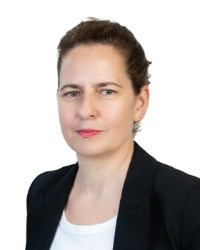



Naschitz Brandes Amir Co. offers a leading private equity and venture capital practice with strong cross-border capabilities, supported by a deep bench of over 50 specialist practitioners and a main office in Tel Aviv. The firm advises technology companies, venture capital investors, and other market participants on corporate and financing transactions. Naschitz Brandes Amir’s corporate clients include venture capital- and private equity-backed businesses across SaaS, cybersecurity, fintech, artificial intelligence, biotechnology, medical devices, cleantech and renewables, defence tech, and other areas, and its investor representations include venture capital and growth equity firms, angel investors, corporate venture capital arms, and other institutional partners. The firm’s interdisciplinary private equity and venture capital practice focuses on venture investment rounds and other financing arrangements, including preferred equity, SAFEs, and venture debt; as well as joint ventures, collaboration and licensing arrangements; mergers and acquisitions, leveraged buyouts, and recapitalisations; and related matters such as public offerings, executive compensation, and fund formation and operation.
1. Trends
1.1 Venture Capital Market
Over the last 12 months, the Israeli market for growth companies has demonstrated a sharp rebound in total investment value, in line with global trends.
Exit activity in Israel has remained more weighted toward M&A than IPOs, aligning with global trends. The trailing 12-month period was characterised by unprecedented acquisitions and massive consolidation at the top end of the market.
In terms of IPOs, many mature companies have opted for private growth rounds and for secondary transactions, while waiting for more stable public market conditions.
Landmark Transactions
M&A and exits
The landscape was anchored by a cluster of cybersecurity mega-deals, led by Google’s monumental USD32 billion acquisition of cloud security platform Wiz, marking the largest transaction involving an Israeli-founded company to date, Palo Alto Networks’ acquisition of CyberArk in a transaction valued at USD25 billion, and ServiceNow’s acquisition of Armis for nearly USD8 billion. Beyond cybersecurity, insurtech company Next Insurance was acquired for USD2.6 billion, and fintech platform Melio for USD2.5 billion.
Financings
Late-stage mega-rounds dominated the past 12 months, including the USD175 million financing round raised by weather intelligence platform Tomorrow.io at a USD1 billion valuation, and the USD1 billion financing raised by data infrastructure company Vast Data at a USD30 billion valuation, a substantial portion of which consisted of secondary transactions.
IPOs
eToro’s listing on the Nasdaq was a key benchmark for Israeli tech accessing US public equity, raising USD620 million. The Tel Aviv Stock Exchange (TASE) rebounded with 21 IPOs in 2025 and into 2026, including defence-tech company Smart Shooter’s NIS200 million public offering, and dual listings by Israeli-related companies such as Palo Alto Networks.
1.2 Key Trends
The following trends and deal-term changes reflect the Israeli market’s response to both global macroeconomic shifts and local geopolitical conditions.
Capital Concentration
Funding is increasingly concentrated in a smaller number of companies. While total capital is up, the number of deals is decreasing and the average deal size for “category leaders” and highly promising companies has surged. There has, however, been a notable increase in funding raised by early-stage companies.
Sector Concentration
Artificial intelligence (AI) has transitioned from a standalone sector to a horizontal layer with multiple sub-vectors, and funding is heavily weighted toward AI-focused companies. Cybersecurity continues to dominate Israeli venture activity, while defence-tech has gained strategic prominence and growing investor interest in dual-use and national security-related technologies.
Market Maturity
The rise in Israeli-to-Israeli acquisitions reflects the increasing maturity of the market. Check Point and Wix are notable examples of this emerging domestic consolidation trend.
Deal Term Changes
For companies in the cybersecurity, defence, and AI sectors, competition continues to be relatively strong and terms generally remain founder-friendly. For companies outside those sectors, fundraising has become more challenging and terms may be more favourable to investors.
1.3 Key Industries
Key Industries Driving Ventures Capital Activity in Israel in the Past 12 Months
Cybersecurity and enterprise software (particularly companies leveraging AI) captured the vast majority of funding in Israel in the past 12 months.
Cybersecurity accounted for a record-breaking share of both investment and exit value in 2025 and early 2026. The sector has transitioned to high-specialisation areas, such as cloud security, enterprise AI security, and automated threat remediation.
At the same time, AI has emerged as a central investment theme, evolving from a standalone sector into a horizontal driver across all domains. Following global trends, Israeli activity has shifted toward the “application layer” and AI agents, where local start-ups are building operational tools for the healthcare, fintech, legal and other sectors.
Additional activity has been observed in defence-related and deep tech technologies (such as quantum computing and specialised AI chips), reflecting geopolitical developments and long-term regulatory tailwinds.
Distinction Between Exits and Financing Rounds
A distinction can be drawn between industries in Israel that are subject to an increased number of financing rounds, and those that are more consistently generating exits.
Cybersecurity continues to perform strongly across both dimensions. It remains the leading recipient of late-stage capital while also accounting for a significant share of high-value exits, reflecting the maturity of Israeli cyber companies and sustained demand from global strategic acquirers.
By contrast, deep-tech is currently more heavily weighted toward financings rather than exits. Many companies in this space are still in scaling phases, raising substantial growth capital but not yet reaching liquidity events at the same pace.
The same applies to healthtech – this industry is subject to longer regulatory cycles and clinical trial milestones. So while this sector represents a large pool of VC-backed companies, their exit timelines are generally more extended, which results in an increased number of financing rounds.
2. Venture Capital Funds
2.1 Fund Structure
Legal Form
Venture capital funds in Israel are most frequently structured as limited partnerships. These vehicles operate as privately offered, closed-end investment funds. Given the inherent illiquidity and extended maturation periods of the underlying early-stage and growth-stage assets, these partnerships have a long life cycle. It is standard market practice for an Israeli venture capital fund to have a baseline term of at least ten years, often with built-in provisions for extension to facilitate optimal exit environments. When distinct vehicles are required to meet specific investor requirements (tax, regulatory, etc), these are typically structured as parallel funds or special purpose vehicles.
The Israeli limited partnership serves as the customary and predominant legal vehicle for venture capital funds. However, it is equally standard practice for VC funds formed under foreign jurisdictions, such as the Cayman Islands or the USA, to be actively marketed within Israel.
Decision-Making and Liability
Investors (limited partners, or LPs) are inherently passive with limited liability. Fund governance is firmly vested in the general partner (GP), and investors do not have control over the daily management or operational decisions of the fund. While the GP retains ultimate statutory liability, it customarily delegates routine operations and investment advisory duties to an affiliated management company, which employs the sponsor’s investment and administrative staff.
According to Israeli law, a limited partner benefits from limited liability provided that the investor does not participate in the management or operations of the fund. Consequently, a passive investor’s maximum financial exposure is capped at the aggregate amount of their capital contribution to the fund. This GP-led governance framework is subject to limited remedies exercisable by LPs. Under specific conditions and following a majority vote, investors may hold rights to suspend the investment period (key man provisions), halt further capital contributions or wind up the fund.
Market Standard Corporate Documentation
The affairs of an Israeli venture capital fund are primarily governed by a core suite of corporate documents:
- Limited Partnership Agreement: The primary operating document governing the venture capital vehicle is the limited partnership agreement (LPA). It explicitly stipulates that investors shall not have any rights with respect to day-to-day management to preserve their limited liability. It also outlines the distribution waterfall mechanism, dictating how proceeds from realised investments are allocated between the investors and the sponsor according to a predetermined priority sequence.
- Subscription Agreement: LPs acquire their fund interests pursuant to a subscription agreement. This document contains customary representations, warranties, and disclosures, alongside a comprehensive investor questionnaire specifically ensuring LPs meet the statutory requirements to be classified as an “accredited investor”.
- Management Agreement: It is customary to execute a management agreement to formalise the delegation of duties to the management company. This agreement outlines the scope of investment advisory services provided to the fund and sets forth the mechanics for the payment of the management fee.
- Offering Memorandum: This document is utilised during the fundraising process and outlines the fund’s strategy.
- Side Letters: Finally, certain institutional or anchor investors frequently negotiate side letters with the fund. These bespoke agreements are designed to memorialise preferential treatment regarding fund economics, governance rights and transparency.
2.2 Fund Economics
Venture capital funds in Israel typically employ a commitment and drawdown structure, where investors make capital commitments that are called in instalments over time. Fund principals participate in the economics of the fund primarily through two components: management fees and carried interest.
- Management Fees: Management fees are asset-based fees charged throughout the life of the fund to cover operational expenses, salaries, and administrative overhead. While structures can vary, the predominant market model in Israel consists of an annual fee – usually ranging from 1.5% to 2.5% (with 2.0% being the historical standard) – charged quarterly. Critically, this fee is typically calculated on the basis of committed capital during the fund’s active investment period (usually the first five years). Thereafter, it steps down and is calculated on the basis of invested or contributed capital relating to active portfolio companies.
- Carried Interest: Carried interest serves as the primary performance incentive for the General Partner. The standard rate in the Israeli market remains 20% of the net profits of the fund. However, top-tier Israeli funds are increasingly implementing tiered or “ratcheted” carry structures, where the carried interest increases to 25% or even 30% if the fund achieves exceptional, predefined return multiples (for example, exceeding 3x net distributions to paid-in capital). Because Israeli VC funds are closed-ended vehicles, carried interest is applied through a distribution waterfall mechanism. Under this model, proceeds from realised investments are first distributed to LPs until they have received 100% of their aggregate capital contributions (including fees and expenses) plus, in some cases, a preferred return or “hurdle rate”, prior to the sponsor earning any carried interest.
Heightened LP scrutiny has led to strengthened governance mechanisms and tighter control rights. Governing documents increasingly allow investors, under specific conditions and following a majority vote, to invoke key-man provisions to suspend the investment period. Consistent with the fiduciary obligations usually outlined in the governing agreement, an investment adviser is often required to obtain advance approval from an advisory committee representing investors (the LPAC) before proceeding with transactions that might present a conflict of interest or that deviate from established investment restrictions. Furthermore, there is robust negotiation of side letters by institutional investors to secure specific, tailored governance rights. Typical side letter provisions now heavily feature most favoured nation (MFN) clauses, enhanced reporting obligations and transfer rights.
2.3 Fund Regulation
In Israel, there is no bespoke, heavily statutory regime specifically for venture capital funds. VC funds operate fundamentally as contract-driven private partnerships. Israeli VC funds are usually formed as limited partnerships (LPs) under the Israeli Partnerships Ordinance [New Version], 1975.
Under this structure, the GP manages the fund while the LPs provide the capital and enjoy limited liability capped at their commitment amount. To preserve this liability shield, LPs are legally prohibited from participating in the management or operations of the fund. Because Israeli partnership law provides only basic default rules, governance is primarily contractual. The LPA acts as the “constitution” of the fund, overriding default rules and dictating the precise commercial and legal mechanics of the partnership.
Securities Law and Fundraising Regulation
The primary regulatory constraint governing VC funds in Israel pertains to fundraising, regulated under the Israeli Securities Law, 1968. Because units in a VC fund (LP interests) are legally treated as securities, the default rule mandates that any “public offering” requires a prospectus approved by the Israel Securities Authority (ISA).
To avoid the extensive requirements of a public offering, VC funds almost exclusively rely on private placement exemptions. By utilising these exemptions, funds remain effectively closed, private vehicles. The two main safe harbours utilised are the following:
- Qualified Investors Exemption: This allows the fund to make unlimited offers to institutional and high net worth individuals classified as “qualified investors”.
- Small-Offering Exemption: This restricts the offering to a limited number of non-qualified investors, specifically a maximum of 35 non-qualified investors in each 12-month period
As long as a VC fund remains a private vehicle operating within the statutory exemptions, the Israeli Securities Authority is not required to approve the fund’s formation, license the VC fund managers, or regulate the fund’s investment strategy and portfolio decisions.
Tax Authority Oversight and Pre-Rulings
While not a financial regulator in the traditional sense, the Israel Tax Authority (ITA) acts as a structural gatekeeper for venture capital funds. To secure essential tax exemptions – most notably the “tax pre-ruling” that grants an exemption from Israeli capital gains tax for foreign LPs – a fund must comply with strict criteria set forth in ITA circulars. These rules dictate fundamental aspects of the fund’s architecture, including minimum capital commitments, limits on the maximum percentage holding of any single investor, and investment diversification requirements. Consequently, ITA compliance heavily dictates the ultimate legal and operational structuring of an Israeli venture capital fund.
2.4 Particularities
To stabilise the local venture capital market amidst global macroeconomic shifts and regional geopolitical challenges, the Israeli government has actively intervened with strategic fund-of-funds initiatives. Most notably, the Israel Innovation Authority and the Ministry of Finance launched the “Yozma 2.0” programme. Echoing the historic 1990s programme that initially kickstarted the Israeli VC industry, this new initiative is specifically designed to incentivise domestic institutional investors – such as pension funds and insurance companies – to allocate capital to local VC funds. Through Yozma 2.0, the government provides matching funds (contributing 30 cents for every dollar of institutional investment) and a unique excess-return mechanism that de-risks institutional capital.
Alongside these government efforts, the Israeli venture capital landscape is experiencing profound sectoral shifts. While traditional software, cyber and AI sectors remain foundational, defence-tech and dual-use technologies have transformed into highly strategic asset classes, with start-up volume in these fields effectively doubling in recent years. Consequently, local VC funds are rapidly launching dedicated vehicles and adapting their investment strategies to capitalise on this boom, though they must carefully navigate increasingly complex regulatory frameworks and strict export controls.
Strategies for Extended Holding Periods
Historically accustomed to rapid scaling followed by robust M&A or IPO exits, the Israeli VC ecosystem is adapting to a more gradual liquidity environment. In the macroeconomic climate of 2025 and 2026, IPO windows are opening more selectively, and strategic M&A activity has moderated. As a result, portfolio companies are often remaining private for longer durations. This dynamic naturally extends the traditional ten-year lifespan of closed-ended VC funds, prompting GPs to thoughtfully manage these extended holding periods.
To accommodate these extended holding periods and provide liquidity to LPs without forcing premature exits, the Israeli market has accelerated the use of secondary transactions. LPs are increasingly utilising secondary sales of their partnership interests to manage portfolio allocations and secure liquidity. Simultaneously, specialised secondary funds and growth-equity players are actively executing direct secondary purchases of shares in mature, “crown jewel” portfolio companies. This mechanism provides existing investors and early employees with vital optionality to cash out, while enabling the underlying companies to stay private and continue their value creation trajectories.
3. Investments in Venture Capital Portfolio Companies
3.1 Due Diligence
Level of Standard Due Diligence
The scope of legal due diligence in the Israeli venture capital ecosystem is typically dictated by the target company’s maturity, the investment quantum, and the specific regulatory landscape.
- Early-Stage Financings: In seed and Series A rounds, the process is predominantly “red-flag”-oriented. Due diligence is typically focused on IP ownership, other threshold issues such as regulatory constraints or restrictions imposed by the founders’ former employers, and the company’s capitalisation table.
- Late-Stage and Regulated Sectors: As companies mature, the diligence process becomes more comprehensive. Investors increasingly combine expanded legal reviews with financial due diligence, and for companies in regulated sectors – such as cybersecurity, fintech, healthtech, or defence – technical, regulatory and cross-border compliance assessments.
Key Areas of Focus
Due diligence in Israel requires a bespoke approach, tailored to the target’s specific technological and regulatory profile. Key areas of scrutiny typically include, among others:
- Capitalisation and Investor Rights: Due diligence involves verification of the company’s cap table, as well as a review of any conflicting rights or protections granted to existing investors that may affect the transaction or the company down the road.
- Intellectual Property: Due diligence involves verification of a clear chain of title and ownership of the company’s intellectual property. This extends as well to verifying that the company’s core assets are free from any claims by third parties such as academic institutions (TTOs), hospitals and the Israeli Ministry of Defense.
- The Israel Innovation Authority (IIA): For companies that have received IIA grants, diligence includes compliance with the Israeli Encouragement of Research, Development and Technological Innovation in Industry Law and its regulations, as well as analysis of the restrictions imposed by such grants (such as the process required for transferring know-how or manufacturing capacity outside of Israel, which may trigger significant redemption fees or require prior IIA approval).
- AI Governance: Audit of the “risk architecture” of AI systems. This includes, for example, assessing the legal provenance of training datasets, safety protocols, and the framework governing autonomous AI agents.
- Export Controls and Dual-Use Technology: Due diligence involves an analysis under the Defense Export Control Law and its orders and regulations, including both the companies’ compliance and assessing long-term commercial constraints, such as limitations on specific end-markets or cross-border data sharing.
- Antitrust: Due diligence involves an antitrust analysis, in particular where the consideration is provided by strategic players.
3.2 Process
Financing Timeline
The timeline for a financing round for an Israeli growth company with a new anchor investor is expected to take several weeks, split into two phases:
- Term Sheet: The first stage is the potential anchor investor’s high-level due diligence to validate the investment thesis. Once the parties align on valuation, investment size and other high-level investment terms, and they execute a non-binding term sheet (with binding exclusivity and confidentiality provisions).
- Documentation (~1 month): The second stage involves the negotiation of the investment documents and a “full-blown” due diligence review, as well as obtaining the required corporate approvals. Closing may be subject to regulatory approvals if the company operates in defence or other regulated sectors.
Relationship Between Parties
- Existing v New Investors: The anchor investor typically governs the negotiation of the round’s legal framework. While existing shareholders may participate to maintain their holdings by exercising their preemptive rights, their involvement is necessary to achieve the necessary corporate approvals.
- Joint v Separate Counsel: In the Israeli market, the company and the anchor investor typically maintain separate legal counsel, with the investor’s counsel typically driving the drafting process. While the Israel Bar Association rules permit joint representation subject to an informed conflict waiver, it is rarely practised in significant rounds.
- Participating new investors often leverage the work of the anchor investor’s counsel for efficiency, whereas existing investors typically retain their counsel for a high-level review of the investment documents.
- Majority Requirements v Unanimous Approval: The approval threshold for a financing round is governed by the Israeli Companies Law and the company’s articles of association and other investment agreements –
- Majority Provisions: Most Israeli tech companies utilise “class vote” provisions, where the consent of a specific majority of preferred shareholders binds the entire class.
- Veto Rights: Occasionally, specific “major investors” may hold individual veto rights (whether in addition or instead of the majority provisions).
3.3 Investment Structure
Alternative Early-Stage Instruments
While “series preferred” remains the benchmark for priced rounds, the early-stage ecosystem (pre-seed and seed rounds) frequently uses two instruments:
- Simple Agreement for Future Equity (SAFE): Following the Israel Tax Authority (ITA) Circular of January 2025, the use of SAFEs has been standardised under a new regulatory framework (effective through December 2026). The Y-Combinator model remains a baseline but it is tailored to meet the ITA criteria for classification as equity rather than debt.
- Convertible Loan Agreements (CLA): While SAFEs are the preferred vehicle for initial funding, CLAs are occasionally used for bridge financings between priced rounds. They provide interim runway without requiring an immediate valuation reset, while offering investors enhanced protection through debt-like features such as interest, a maturity date and, in some cases, security interests over the company’s assets. However, CLAs that bear interest or otherwise include loan-like characteristics may create additional tax risks.
Secondary Components in Primary Investment
Secondary transactions – the acquisition of shares from founders, employees or early investors – are common in the Israeli growth-stage market:
- Liquidity: Secondary sales serve as a critical “liquidity valve”, allowing founders and early stakeholders to de-risk while the company defers an IPO to optimise unit economics.
- Pricing Dynamics: Secondary sales are often priced at a negotiated discount to the new preferred share price. An exception is where the sold shares (which are often ordinary shares) are converted into the new preferred shares, however such conversion is rare given tax considerations and the effect on the existing shareholders.
3.4 Documentation
In the Israeli venture capital ecosystem, the set of investment documents for a priced financing round is listed below, but currently there are no industry templates.
- Share Purchase Agreement (SPA): This is the main contract governing the sale and purchase of the shares. It generally contains representations and warranties regarding the company’s business, the closing conditions, and typically in Israel, an indemnification framework including time and amount caps.
- Articles of Association (AoA): This is the primary governing document for the post-investment period, including the rights attached to the different classes of shares, pre-emptive rights, anti-dilution rights, provisions addressing transfer of shares (such as first refusal, co-sale and drag-along rights), protective provisions (veto rights), board composition, and other corporate governance matters.
- Investors’ Rights Agreement (IRA): This agreement covers information and inspection rights, and registration rights addressing future public listings.
- Ancillary documents: These documents cary from transaction to transaction but typically include among others an investors’ management rights letter (MRL), often based on the US NVCA form, and the founders’ share repurchase agreements. In addition, if the company obtained grants from the Israel Innovation Authority (IIA), non-Israeli investors holding more than 5% of the company’s shares or voting power must execute a formal declaration acknowledging the statutory restrictions (as detailed in 4.3 Government Endorsement).
3.5 Investor Safeguards
The key terms that Israeli VC investors typically secure in a downside scenario are set out below.
Liquidation and Dividend Preferences
While a x1 non-participating liquidation preference remains the established baseline, down-round scenarios often trigger more aggressive structures:
- enhanced multiples (in the range of 1.5x to 3x) – preferences exceeding 1x to guarantee investors a minimum ROI;
- participation preference – fully participating structures (with or without a cap) that allow investors to receive their preference and then share in the remaining proceeds on an as-converted basis; and
- accrued dividends – the inclusion of cumulative annual dividends to the preference amount (such as a rate of 5%–7%).
In Israel, it is standard practice to integrate dividend entitlements directly into the liquidation preference waterfall, while offsetting the preference by any prior distributions.
Pay-to-Play
While not a default feature, pay-to-play provisions are occasionally utilised in down-rounds. These mechanisms incentivise participation by penalising non-participating investors through the mandatory conversion of their preferred shares into ordinary or the loss of certain rights.
Anti-Dilution Rights
Anti-dilution protection is a standard feature in Israeli VC deals based on the following formulas:
- Broad-Based Weighted Average: This remains the overwhelming market standard, providing an adjustment that accounts for the relative size of the dilutive issuance.
- Full-Ratchet: This reset of the conversion price to the lowest new issuance price is rare but occasionally resurfaces in distressed financings.
Pre-Emption Rights
Pre-emption rights are standard in Israeli financing rounds and typically reserved for “major investors” (whose holdings exceed a defined equity threshold).
- Pro-Rata: This allows investors to maintain their fully diluted ownership percentage, or – though less common – the right for the investors to subscribe for the entire round.
- Over-Subscription Rights: These are a common feature in Israel, enabling participating investors to absorb any unexercised portion of the round left by other investors.
3.6 Corporate Governance
In Israeli venture-backed companies, investor influence is typically exercised through board governance, veto rights and information rights.
Board Governance
Under the Israeli Companies Law, the following apply:
- A director appointed by a specific investor class owes an overriding fiduciary duty to the company’s best interests, which may, at times, diverge from the interests of the appointing shareholder.
- Directors are generally statutorily barred from participating in or voting on matters in which they are deemed to have a personal interest.
Veto Rights (Protective Provisions; Reserved Matters)
Investors secure veto rights over critical corporate actions, as provided in the company’s articles of association, and often covering the topics below:
- amending the articles in a way that adversely affects the rights of the preferred shares;
- issuing senior securities (subject to exceptions);
- declaring dividends;
- entering into related-party transactions;
- affecting an acquisition of the company; and
- operational vetoes – either on shareholder or board level – over the annual budget, changing the company’s business, incurring debt above a certain threshold, and hiring, dismissing or setting the compensation terms of “key persons”.
Shareholders exercising their veto powers must act in good faith, as required by the Israeli Companies Law.
Information Rights
Beyond statutory minimums, investors negotiate information and inspection rights, which are usually reserved for “major investors”.
In addition, the influence of anchor investors over a company’s management and affairs may extend beyond formal governance rights to include informal strategic support aligned with the company’s evolving objectives.
3.7 Contractual Protection
While the contractual architecture of Israeli venture financings is influenced by the US National Venture Capital Association (NVCA) models, the substance of these provisions is recalibrated to address Israeli statutory requirements and local market expectations.
Representations and Warranties
- Company Representations: Beyond standard representations (such as incorporation, authority, capitalisation, IP, employees, tax, litigation, compliance, privacy and material contracts), jurisdiction-specific topics are addressed such as the administration of equity incentive plans under Section 102 of the Israeli Tax Ordinance, compliance with Israel Innovation Authority (IIA) requirements, and adherence to applicable regulatory frameworks.
- Founder Representations: In early-stage rounds, investors may occasionally seek limited representations from founders. If requested, these are qualified by robust carveouts and caps on indemnity by the founders.
- Investor Representations: These are limited and focus on the investors’ legal capacity, compliance with securities laws, and their sophistication regarding the risks inherent in investments.
Covenants and Undertakings
Companies often undertake post-closing covenants such as:
- supplying annual and quarterly financial reports to the investors;
- maintaining D&O insurance;
- addressing investors’ tax needs such as relating to the company’s status as a “Controlled Foreign Corporation” (CFC) as defined in the US Internal Revenue Code of 1986, or as a “passive foreign investment company” within the meaning of such Code (PFIC); and
- complying with applicable laws prohibiting foreign corrupt practices.
Recourse
The enforcement of representations in Israel is characterised by a negotiated balance of risk:
- Indemnification Caps and Survival: The share purchase agreement (SPA) typically includes specific indemnification provisions. Survival periods for general representations usually range from 12 to 36 months, with “fundamental representations” surviving longer. Liability is typically capped at the investment amount.
- Alternative Remedies: For breaches of capitalisation representations, the SPA often features share-based compensation as an alternative to cash indemnification.
- Equitable Relief: The SPA typically provides that specific performance is the remedy for breaches of covenants, subject to the discretion of Israeli courts.
4. Government Inducements
4.1 Subsidy Programmes
Among the government and quasi-government programmes to incentivise equity financings in growth companies in Israel are the following:
- The Law for Encouragement of Knowledge-Intensive Industry, commonly referred to as the “Angels Law”, is designed to encourage private investment in qualifying Israeli technology and other knowledge-intensive companies. Its principal feature is an income tax deduction on corporate tax to rates of 6-16% as well as deduction of the tax rate on dividend distribution to 20/25% or tax credit in respect of the investment available to investors, subject to a cap of NIS4 million per investor and additional statutory conditions.
- The Israel Innovation Authority (IIA) offers a range of funding programmes for start-ups, including, among others, matched funding structures. They are intended to attract private capital alongside the IIA support for innovation-driven businesses, which de-risks private investment.
- The EIC Fund, the venture capital investment arm of the European Innovation Council (EIC), offers to qualifying Israeli tech companies grants and equity investments.
- The 2025 High-Tech Tax Reform (approved in April 2026) is a comprehensive set of legislative and regulatory changes to boost Israel’s competitive edge by, among others, standardising and simplifying the taxation of investment funds and providing exemptions for foreign investment in “qualifying technological companies”.
4.2 Tax Treatment
As a baseline, an investment in a growth company, start-up or VC-backed portfolio company is generally taxed in the same way as an investment in any other company. The ordinary tax rules applicable to equity and debt investments therefore apply, unless a specific incentive regime is available. This usually means capital gains tax on a sale or exit, and tax on dividends or interest, as applicable. However, non-Israeli investors with no residency in Israel are generally entitled to an exemption from capital gains tax on direct high-tech investments. This necessitates obtaining a certificate of exemption from withholding from the Israeli tax authorities, before realising the investment.
Additional exceptions may arise where the investor qualifies for a special incentive, such as the Angels Law, or under applicable tax treaties.
4.3 Government Endorsement
The main initiatives by the Israeli government to increase the level of equity and start-up financing activity include the following:
- The Israel Innovation Authority (IIA) operates a range of support tracks designed to reduce financing risk for technology companies. These include grants and other support for R&D, proof-of-concept, pilot programmes, early commercialisation, and the technological incubator programme. Companies that receive certain IIA grants are subject to statutory restrictions and royalties repayments, as well as restrictions relating to the transfer of know-how and manufacturing outside of Israel.
- If the company qualifies under the Law for the Encouragement of Capital Investments, it may benefit from reduced corporate tax rates under the Preferred Technology Enterprise regime or, for larger companies, the Special Preferred Technology Enterprise regime.
5. Employment Incentives
5.1 General
To procure long-term commitment, ventures in Israel typically offer a combination of contractual “sticks”, and financial “carrots” such as participation in equity-based incentive plans (as detailed in 5.2 Securities), tax incentives (as detailed in 5.3 Taxation of Instruments), and secondary liquidity opportunities (enabling founders and key employees to realise partial value prior to an exit). Contractual “sticks” include:
- a no-sale prohibition on founders, subject to limited exceptions;
- reverse vesting of shares in the venture, as detailed in 5.2 Securities;
- non-compete and non-solicitation undertakings; while Israeli labour courts scrutinise non-compete clauses rigorously, such covenants are enforceable in certain scenarios such as when they are tied to the protection of trade secrets; and
- comprehensive IP assignments in favour of the venture (under Section 134 of the Israeli Patents Law, an employee may be entitled to royalites even if the patent belongs to the employer; as a result, robust waivers are included in such assignments).
5.2 Securities
Founders are typically issued ordinary shares at incorporation, subject to reverse vesting. Under this structure, while founders retain legal title to their shares, the unvested portion is subject to a company repurchase right (usually at nominal value) which is triggered generally upon the cessation of service but subject to acceleration in certain scenarios.
Employees are typically incentivised through equity awards, usually options granted under an equity incentive plan. In some cases, especially in late-stage companies, multinational groups, or structures with an offshore parent, companies may use awards in the form of restricted shares or restricted stock units (RSUs).
The typical terms of these grants and awards include the following:
- Vesting usually follows a four-year schedule (and occasionally shorter period for founders), typically with a one-year cliff and monthly or quarterly vesting thereafter.
- Unlike in the USA, the exercise price of equity awards does not necessarily need to equal fair market value and may generally be set by the company’s board of directors at any price.
- The post-termination exercise period is typically 30 to 90 days, and early exercise of an option prior to vesting is not standard.
- Voting rights attached to securities issued upon exercise are often made subject to an irrevocable proxy in favour of the company or its designee.
5.3 Taxation of Instruments
The structure of an incentive pool is driven primarily by the intended tax treatment. The typical structure is under the “capital gains track” of Section 102 of the Israeli Income Tax Ordinance, providing significant tax deferral and a preferential tax rate. Gains are generally taxed at a 25% capital gains rate, plus a possible 3% surtax for high earners (rather than at marginal employment income rates that may exceed 50% including social charges). If the statutory conditions are met, tax is generally deferred until the shares are sold, with no tax due upon grant, vesting or exercise.
Among the statutory conditions for this treatment are the following:
- The company must comply with procedural requirements, including adopting the equity plan, timely filing it with the Israel Tax Authority, appointing a trustee, and meeting ongoing reporting and withholding obligations. Non-compliance may jeopardise Section 102 treatment and result in ordinary income taxation.
- The awards must generally be granted through an approved trustee and held for at least 24 months from grant. A sale before the end of that period may cause the gain to be taxed as ordinary employment income rather than capital gain, except in a forced sale where the proceeds are deposited with the trustee for the required period.
- The analysis also depends on the status of the recipient and the issuer. The “capital gains track” of Section 102 generally applies only to employees and officeholders, and generally excludes holders of 10% and more of the company’s shares.
5.4 Implementation
The set-up of an employee incentive programme is often negotiated as part of an investment round but implemented after the round. However, an expansion of the pool reserved under an existing employee incentive programme is implemented as part of the round.
As background, investors usually require the company to maintain a sufficiently large unallocated pool to support hiring and retention, so the target pool size is commonly agreed at the term sheet stage and made a condition precedent to closing.
From a dilution perspective, the key issue is whether the pool increase is effected on a company pre-money or post-money basis. In most Israeli venture financings, investors insist on a pre-money pool expansion so the dilution affects only the existing shareholders. By contrast, if the pool is expanded on a post-money basis, the dilution is shared also by the new investors. The post-money approach, which is generally more founder-friendly, is less common in early-stage Israeli financings and appears more often in highly competitive or late-stage rounds.
6. Exits
6.1 Investor Exit Rights
Exit-Related Provisions Governing Shareholders’ Rights
The rights of shareholders during an exit are governed by the company’s articles of association and the investors’ rights agreement (IRA). The key provisions include the following:
- Drag-Along Rights: These enable a defined majority of preferred shareholders (often requiring also approval by the company’s board of directors) to force minority shareholders to participate in an exit. While the Israeli Companies Law provides a statutory drag-along mechanism, it requires a cumbersome process, including a 30-day waiting period, so robust contractual drag-along provisions in the Articles are important to ensure deal certainty.
- Registration Rights: These govern the transition to a public offering. Israeli practice generally follows the US NVCA model agreements, covering demand, piggyback and F-3 registration rights, to facilitate the ability of investors to liquidate their holdings post-IPO.
- Liquidation Preferences: These define the “liquidity waterfall”, determining the order and amount of distributions per shareholder. Typically each new class of shares has seniority over the other classes. However, in “category-leading” companies, a shift toward pari passu structures has resurfaced.
Transfer Restrictions and Exit Triggers
Liquidity prior to an exit event is constrained by several mechanisms:
- Right of First Refusal (ROFR): Existing investors hold the right to purchase shares that a founder or, in certain cases, other shareholders, intend to sell.
- Tag-Along (Co-Sale) Rights: Existing investors may participate proportionately if founders (and occasionally other shareholders) sell their equity.
- Board Approval: Share transfers generally require Board approval. Under Israeli law, the Board must act reasonably and in the company’s best interest when granting or withholding approvals.
- Standstill: For strategic investors, standstill clauses are occasionally utilised to prevent the creeping acquisition of shares without the payment of a control premium, thereby preserving the company’s ability to negotiate a full-scale acquisition at a later stage
Exit triggers are usually defined as events that trigger the realisation of liquidation preferences. These triggers commonly include:
- any merger, consolidation, or share transfer resulting in a change in the majority ownership of the company’s voting power; and
- the sale, lease or transfer of all or substantially all of the company’s assets or proprietary intellectual property.
Impact of Liquidity Volumes on Market Practice
The current surge in exit volumes has driven a sharp polarisation in market practice between high-performing category leaders and the broader market. For top-tier companies in sectors like cybersecurity, large payouts have shifted leverage toward founders and early investors, including in some cases through pari passu liquidation preferences. Conversely, in more challenged sectors, investors are more likely to insist on seniority stacks and liquidation multiples to exceed x1.
6.2 IPO Exits
Although an IPO exit is not the typical exit path for Israeli start-ups, a robust pipeline of mature companies is waiting for favourable conditions to pursue the public markets as their preferred growth route. This is particularly true for “category leaders”, especially in cybersecurity and AI infrastructure, that have reached significant revenue scale and demonstrated proven unit economics. In parallel, the local Tel Aviv Stock Exchange (TASE) has experienced a peak in activity, recording 21 IPOs in 2025, including companies that are not necessarily mature category leaders.
Several strategic factors are currently dictating IPO timing for Israeli growth companies:
- Scale Requirements: To meet the heightened rigour of the public markets, companies are staying private longer. They are utilising readily available late-stage private capital to build the revenue scale and earnings power demanded by institutional investors prior to listing.
- Sector Appeal: Current activity is heavily concentrated in cybersecurity, defence-tech, AI-driven enterprise software, and cloud infrastructure, sectors that currently command a premium in the global market.
- Operational Readiness: Enhanced regulatory and audit requirements have extended the pre-IPO phase. Companies are spending more time on “internal controls uplift” and preparing CPA-certified periodic reports to ensure they are “public-ready”.
Listing venues pursued by Israeli growth companies typically include the following:
- US Listing: The NYSE or NASDAQ remains the gold standard for Israeli tech companies seeking global visibility and deep liquidity. These offerings are most commonly structured as primary share issuances, allowing companies to tap into a large pool of international institutional capital. The SPAC vehicle has generally fallen out of favour due to intense regulatory scrutiny and poor post-merger equity performance.
- Domestic Listing: The TASE serves as a vital venue for companies that benefit from a strong local home bias and the appetite of Israeli institutional investors. Listings frequently involve share issuance structures as well.
- The Dual-Listing Strategy: This has emerged as a strategic trend. By issuing shares on both a non-Israeli exchange and the TASE, companies can unlock robust domestic institutional capital while maintaining global reach. The recent trend of listed companies pursuing a TASE listing is often through a technical listing of existing shares or a follow-on issuance.
6.3 Pre-IPO Liquidity
As the “IPO bar” has risen significantly in recent years, companies remain private for longer periods. This shift is driven not only by a strategic desire to optimise unit economics but also by unfavourable capital market conditions, including valuation disconnects between private and public markets and a selective appetite for new listings. This extended life cycle has transformed secondary trading into a structural necessity and a “release valve” that allows founders, early investors and employees to realise a portion of their paper wealth. This de-risking serves as a vital retention tool, while the company pursues its long-term growth trajectory.
Implementing secondary trading through a structured liquidity programme requires navigating several hurdles such as the following:
- Tax: A primary concern is preserving the preferential 25% capital gains tax rate for sellers eligible under Section 102 of the Israeli Tax Ordinance. Accordingly, the transaction must be structured in a manner that prevents the reclassification of proceeds as ordinary “salary” income, which could trigger tax rates exceeding 50%.
- Corporate Governance: Companies must establish transparent participation criteria to mitigate the risk of claims when sell-side demand outstrips the buyer’s budget. Further, companies must manage rights of first refusal and co-sale (which are embedded in most Israeli corporate documents), necessitating a process co-ordinated with the existing investors so that secondary buyers can enter the cap table efficiently.
If the structured liquidity programme is in the form of a company-facilitated tender, the company acts as a central co-ordinator by aligning a “buy-side” to offer liquidity to a broad group of eligible sellers. By facilitating the offer rather than allowing fragmented secondary trades, the company maintains strict control over its cap table. Strategically, this mechanism affords the company the opportunity to integrate “cross-over” investors who can provide critical support for an eventual IPO once market conditions stabilise, while simultaneously consolidating smaller holdings into the hands of institutional growth investors.
Ultimately, the company’s facilitation of the tender process (including the controlled disclosure of information) is instrumental in mitigating market fragmentation and in ensuring an orderly, transparent market for its private securities.
7. Regulation
7.1 Securities Offerings
An offer to the public generally requires a prospectus under applicable securities laws. VC financings are therefore usually structured as private placements relying on statutory exemptions. In practice, the principal exemption in Israel permits offers to up to 35 offerees in any rolling 12-month period. The offeree count is based on the number of persons/entities to whom the securities are offered, not only those who invest. Where the exemption applies, no prospectus or similar filing is generally required, subject to compliance with its conditions.
A key practical carve-out applies to qualified investors. Qualified investors include institutional and financially sophisticated investors – such as venture capital funds, banks, and others meeting the statutory criteria, as well as individuals satisfying the financial asset and income thresholds prescribed by law – and are generally excluded from the 35-offeree count, subject to receipt of the required confirmations. This allows larger private rounds with multiple professional investors without automatically triggering prospectus requirements.
Compliance depends on how the offer is made, the number and type of offerees, and the need to avoid conduct resembling a public offering, among others. Even where no prospectus is required, the process should be carefully controlled and documented.
Employee equity and incentive awards as well require securities law analysis, especially where grants are made to a large number of employees or involve high aggregate value. Specific exemptions often permit grants to employees without a prospectus, even where the number of grantees exceeds 35, provided that the awards are made under a bona fide employee benefit or incentive plan. In practice, for Israeli companies, grants structured under Section 102 of the Income Tax Ordinance and implemented through the trustee track are commonly used both to support securities law compliance and to obtain tax deferral benefits. The aggregate value of securities or cash-settled awards that may be granted without triggering additional requirements may also be subject to statutory caps. If the relevant threshold is exceeded, the company may need to take additional steps, including enhanced disclosure, reliance on another exemption, or preparing and publishing a prospectus.
7.2 Restrictions
Foreign investment in Israeli growth companies is generally welcomed, and Israel does not impose broad foreign ownership restrictions on venture capital investments in technology companies. However, restrictions apply where the target company operates in a sector deemed sensitive or in a regulated field, such as defence industries, dual-use technologies, regulated financial services, telecommunications or critical infrastructure. In these sectors, regulatory oversight may limit foreign ownership or require approval for the transaction, particularly in cases of change of control. In addition, if the target has received export licenses for its activities, the effect of the transaction and the foreign ownership on the target’s licences may be evaluated.
Israel also maintains restrictions on dealings involving enemy states or prohibited counterparties.
Further:
- For companies that have received Israel Innovation Authority (IIA) funding, the transfer of know-how or manufacturing rights outside Israel may require approval and may trigger redemption fees, which can affect deal structure or exit planning.
- Banks in Israel carefully review transactions involving citizens of countries subject to international sanctions to prevent the circumvention of such sanctions. As a result, in some cases, transactions that are not prohibited under Israeli law and regulations may become practically unworkable due to banking requirements and limitations.
Over the past 12 months, the practical significance of these issues has increased both globally and in Israel as national security and geopolitical screening have become more salient in venture transactions.
Naschitz Brandes Amir Co.
5 Tuval Street
Tel-Aviv 6789717
Israel
+972-3-623-5000
+972-3-623-5005
info@nblaw.com www.nblaw.com
Law and Practice
Authors
Naschitz Brandes Amir Co. offers a leading private equity and venture capital practice with strong cross-border capabilities, supported by a deep bench of over 50 specialist practitioners and a main office in Tel Aviv. The firm advises technology companies, venture capital investors, and other market participants on corporate and financing transactions. Naschitz Brandes Amir’s corporate clients include venture capital- and private equity-backed businesses across SaaS, cybersecurity, fintech, artificial intelligence, biotechnology, medical devices, cleantech and renewables, defence tech, and other areas, and its investor representations include venture capital and growth equity firms, angel investors, corporate venture capital arms, and other institutional partners. The firm’s interdisciplinary private equity and venture capital practice focuses on venture investment rounds and other financing arrangements, including preferred equity, SAFEs, and venture debt; as well as joint ventures, collaboration and licensing arrangements; mergers and acquisitions, leveraged buyouts, and recapitalisations; and related matters such as public offerings, executive compensation, and fund formation and operation.
