Fashion Law 2026
Ukraine
Authors
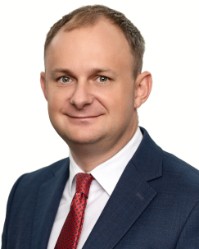


Mamunya IP is a specialised Ukrainian law firm with leading expertise and capabilities in the entire scope of IP work, covering trade mark and patent prosecution, strategy and litigation, attendant issues such as regulatory advice and matters involving anti-counterfeiting, data protection and the intersection of advertising law and IP. The firm’s team boasts 15 highly regarded IP professionals. Mamunya IP represents leading domestic and international clients on some of their most complex mandates. It offers extensive industry expertise in areas including life sciences and pharmaceuticals; consumer electronics, the internet and e-commerce; wine, spirits and food; fashion and luxury goods; FMCG; automotive; technology, media and telecoms; and art. Mamunya IP actively supports the UA PTO in its efforts to improve IP rights protection mechanisms and to implement comprehensive IP reform in Ukraine.
1. Legal Framework
1.1 Legal and Regulatory Framework for the Fashion Sector
The fashion and luxury industries in Ukraine are regulated through a combination of civil, commercial, intellectual property, consumer protection, advertising, competition, labour, customs, e-commerce and data protection legislation. The Civil Code of Ukraine provides the general regulation, while other areas are governed by specific laws.
IP is regulated by the Trade Mark Law, Designs Law, Copyright Law and subordinate acts.
Personal data protection is governed by the Data Protection Law.
Online transactions fall under the E-Commerce Law.
Consumer and product-related matters are covered by the Consumer Protection Law, General Safety of Non-Food Products Law, Technical Regulations and Conformity Assessment Law.
Customs and tax matters are governed by the Customs Code and Tax Code.
Advertising and competition are regulated by the Advertising Law, Protection of Economic Competition Law and Protection Against Unfair Competition Law.
Employment relations are governed by the Labour Code.
Additionally, certain sector-specific matters (eg, labelling, textile composition, product safety, environmental and sustainability requirements, import/export restrictions, etc) may also be regulated by technical regulations, secondary legislation, and other applicable regulatory acts.
1.2 Regulatory Authorities
Compliance in the fashion sector is overseen by several authorities depending on the relevant area of law.
IP matters are governed by the Ukrainian National Office for Intellectual Property and Innovations (UANIPIO), while IP disputes are resolved by the courts.
Consumer protection, product safety, and advertising compliance are supervised by the State Service of Ukraine on Food Safety and Consumer Protection (SSUFSCP).
Technical regulation and conformity assessment policy are developed by the Ministry of Economy of Ukraine, while the SSUFSCP participates in implementing these regulations and policies.
Personal data protection is supervised by the Ukrainian Parliament Commissioner for Human Rights, with disputes also resolved by the courts.
E-commerce and digital policy fall under the Ministry of Digital Transformation of Ukraine.
Border enforcement measures, including customs records of IP rights and import/export control, are carried out by the State Customs Service of Ukraine.
Tax compliance and fiscal matters are supervised by the State Tax Service of Ukraine.
Anti-competitive conduct, unfair competition, and misleading advertising practices are supervised by the Antimonopoly Committee of Ukraine (AMCU).
Employment relations and labour compliance are supervised by the State Labour Service of Ukraine.
Certain sector-specific issues may additionally involve certification bodies, market surveillance authorities, and other bodies.
1.3 Recent Reforms and Upcoming Legal Developments
Ongoing reforms in Ukraine are directed at aligning national legislation with EU standards under the EU–Ukraine Association Agreement, with a focus on sustainability, product compliance, digital regulation, IP, and market transparency.
Circular economy principles are being introduced through waste management reform via the adoption of the Waste Management Law (2023), which implements the “polluter pays” principle, the introduction of over 20 associated by-laws, and the National Waste Management Plan to 2033, which further develops extended producer responsibility for packaging, textiles, and broader product life cycle regulation.
A draft law on packaging and packaging waste is being prepared to reduce environmental impact, limit waste generation, promote reuse, separate collection, and recycling.
Although Ukraine does not yet have dedicated green claims or ESG legislation, misleading environmental claims may already be challenged under advertising, consumer protection, and unfair competition laws, while ESG-related requirements are developing through corporate governance, sustainability, environmental, and non-financial reporting reforms, largely driven by Ukraine’s ongoing approximation to EU standards.
Ukraine is considering some tax measures, including:
- the mandatory introduction of VAT for all individual entrepreneurs (temporarily postponed);
- the automation of income tax generated via digital platforms (draft law); and
- the removal of the tax exemption for low-value import consignments up to EUR150 (draft law).
Personal data protection reform is also ongoing, alongside the development of IP-related legislative initiatives aimed at further harmonisation with EU legislation.
1.4 Cross-Border E-Commerce Regulation
Ukraine does not have sector-specific regulations for fashion e-commerce platforms or digital marketplaces. These are generally regulated by customs, tax, consumer protection, e-commerce, and foreign economic activity legislation.
Cross-border e-commerce is governed by the Customs Code and Tax Code. Goods with a customs value up to EUR150 are generally exempt from customs duty. However, imports above this threshold are subject to full customs clearance. VAT may still apply, depending on the structure of the transaction, whether the sale is made directly to the consumer or through an intermediary model.
Online commercial activity is regulated by general e-commerce and consumer protection rules requiring seller identification, disclosure of key contractual terms such as price, delivery and return conditions, and recognition of electronic acceptance as legally binding. Consumers in distance contracts have statutory withdrawal rights, subject to limited exceptions.
Digital platforms are not separately regulated, and liability is assessed under the Civil Code and consumer protection legislation depending on their role.
In addition, digital platform taxation and related reporting obligations are currently being discussed as part of broader tax and digital economy reforms.
2. Intellectual Property Rights
2.1 Key Fashion Industry IP Rights
Fashion businesses in Ukraine rely on several types of IP rights to protect brand identity, product design and creative assets, namely:
- trade marks, protecting brand identifiers (names, logos, slogans, packagings);
- industrial designs, protecting the visual appearance of products (shapes, patterns, packaging, accessories);
- copyright, protecting original creative elements (sketches, prints, photographs, advertising materials, website content); and
- patents, protecting technical innovations, although these are used less frequently in the fashion sector.
In practice, fashion businesses typically use a combination of IP rights to ensure layered protection, particularly against counterfeiting, copying and unfair competition.
2.2 IP Registration Procedures
Trade marks and designs are registered with UANIPIO.
Applications may be filed physically or electronically, with reduced fees for electronic filing. Non-residents must act through a Ukrainian patent attorney.
Trade mark applications undergo formal and substantive examination, including assessment of absolute and relative grounds for refusal. Applications are published in the online Official Bulletin, and oppositions may be filed within three months from publication. This term is not extendable. A post-grant opposition can be filed with the Chamber of Appeals within two months of receiving the final decision, but only by a person who filed a pre-grant opposition. Decisions of UANIPIO may subsequently be challenged before the Appeals Chamber or courts. The registration process typically takes approximately 18 months, with protection granted for ten years from the filing date and renewable indefinitely.
Design applications are subject mainly to formal examination, without substantive examination of novelty and individual character at the registration stage. Registration is therefore generally faster and may take approximately four to six months, with protection granted for five years and renewable up to 25 years.
In the context of martial law and sanctions-related restrictions, UANIPIO may refuse registration of trade marks and designs where at least one applicant or author is connected with the aggressor state under applicable sanctions and national security measures.
2.3 Unregistered Designs and Trade Dress
Ukrainian law provides protection for both registered and unregistered designs.
Unregistered designs are automatically protected if they meet the requirements of novelty and individual character and have been made available to the public in Ukraine or, in certain cases, abroad. Protection lasts for three years from the date of first disclosure.
Ukraine does not provide a separate statutory regime for trade dress protection. However, in practice, trade dress, packaging, and overall product appearance may be protected through trade mark, copyright, design, and the unfair competition laws, particularly where imitation may mislead consumers or exploit another business’s reputation. Copyright may also protect original artistic elements of fashion products without registration.
2.4 Protection of Creative and Digital Content
Fashion shows, photographs, lookbooks, and digital content are primarily protected under copyright law, provided they are original and fixed in an objective form.
Copyright protection arises automatically upon creation and does not require registration, although voluntary registration is available and may serve as evidence in disputes. The general term of protection is the life of the author plus 70 years. Moral rights are inalienable and non-waivable and belong only to the author.
Contractual regulation is particularly important in the fashion industry. Ukrainian law requires copyright assignments and licence agreements with photographers, designers, stylists, models, agencies, content creators and contractors to be concluded in writing.
Certain elements may additionally be protected through trade mark, design, personality rights, unfair competition legislation, and platform-specific enforcement mechanisms applicable to online and social media content.
2.5 Brand and Design Protection Tools
Brand identity, product aesthetics, and collaborations in the fashion industry are generally protected through IP rights, contracts, and the unfair competition law.
Trade marks commonly protect brand names, logos, slogans, product lines, co-branding elements and, in certain cases, three-dimensional shapes. In Ukraine, registration of a corresponding trade mark is also required for registration of second-level domain names in the .ua domain zone.
Designs protect the visual appearance of products, including clothing, footwear, accessories, packaging and decorative elements.
Copyright protects original creative works such as prints, patterns, lookbooks, photographs, advertising materials, audiovisual and digital content related to fashion products or campaigns.
Сollaborations, co-branding projects, capsule collections and influencer campaigns are additionally structured through licensing, collaboration and co-existence agreements, confidentiality, and IP ownership agreements regulating the use of brands, designs, content and commercial rights.
Fashion businesses may also rely on the unfair competition law, customs records, domain name enforcement, online platform take-downs, and court or AMCU proceedings.
2.6 IP Enforcement and Remedies
IP rights in Ukraine are enforced through civil, administrative, criminal and unfair competition mechanisms.
Civil remedies include injunctions and preservation of evidence measures; suspension of customs clearance; seizure and destruction of infringing goods as well as materials and equipment used for their manufacture; recovery of damages or statutory compensation and/or moral damages; and publication of court decisions at the infringer’s expense.
Administrative measures include administrative liability for certain IP infringements under the Code of Ukraine on Administrative Offences, as well as proceedings before the AMCU in cases involving misleading imitation, copying of product appearance, unlawful use of designations, or unfair commercial practices.
Criminal liability may apply in cases of intentional and large-scale counterfeiting, copyright piracy, or unauthorised use of trade marks and other IP rights causing substantial damage. Sanctions may include fines, confiscation and imprisonment.
2.7 Customs and Border Enforcement
Rights holders may record their IP rights with the Customs Register of IP Objects maintained by the State Customs Service of Ukraine. Once registered, customs authorities may suspend the clearance of suspected infringing goods for up to ten working days, extendable by a further ten working days.
During this period, the rights holder is notified and may initiate court proceedings to confirm infringement and maintain the suspension of goods with further destruction of the counterfeit under the court decision.
Customs records are used by fashion brands as a preventative tool, especially given the high volume of counterfeit apparel and accessories in cross-border trade. Their effectiveness, however, largely depends on the product identification materials, co-operation with customs authorities, and prompt reaction by the rights holder.
Practical challenges remain, however, including parallel import (which is generally permitted under the principle of international exhaustion of rights), undeclared shipments, small postal consignments, and wartime-related border and logistics pressures.
2.8 Alternative Enforcement Options
Rights holders commonly use cease-and-desist letters, settlement negotiations, mediation, online platform complaints, marketplace take-down procedures, and social media reporting tools, particularly against counterfeit sales and unauthorised online use of content or branding.
Mediation is also available, including through the IP Mediation Center operating under UANIPIO.
Domain name disputes may additionally be resolved under the Ukraine Domain-Name Dispute-Resolution Policy (UA-DRP) procedure.
Arbitration is available for contractual and commercial disputes, including through the International Commercial Arbitration Court at the Ukrainian Chamber of Commerce and Industry (ICAC at the UCCI), although IP infringement disputes are more commonly resolved through the courts and administrative procedures.
2.9 Proof of Infringement Challenges
In the fashion and luxury sector, evidentiary issues often arise due to the fast-moving nature of the market, the use of online sales channels, and the overlap between creative and commercial elements.
Common evidentiary challenges include proving the originality and authorship of works, establishing the scope and ownership of IP rights, demonstrating the likelihood of confusion between trade marks and product presentation, and unfair advantage in unfair competition cases. Practical difficulties may also arise in documenting online infringements, identifying anonymous sellers or importers, preserving digital evidence, and proving the commercial scale of counterfeit activity.
The courts often rely on expert opinions in disputes involving trade mark similarity, consumer confusion, copyright originality, design infringement, or product appearance imitation. In certain cases, consumer surveys commissioned by the parties may also be used, while in AMCU proceedings, such surveys are often conducted by the authority itself.
At the same time, parties may challenge the admissibility, methodology or conclusions of expert reports, including through reviews by former court experts or academic opinions, often as grounds for requesting another expert examination, which may significantly affect the duration and complexity of proceedings.
2.10 Damages for IP Infringement
Ukrainian law provides recovery of actual damages (direct losses and lost profits), statutory compensation, and compensation for moral (non-pecuniary) harm caused by IP infringement.
The courts may also order seizure and destruction of infringing goods and materials used for their manufacture, publication of the court decision at the infringer’s expense, as well as recovery of legal costs from the losing party.
In practice, proving the amount of damages and causation may be challenging, particularly in counterfeiting and online infringement cases, so rights holders often rely on expert opinions, financial evidence, market analysis and investigative materials to substantiate their claims.
3. Advertising, Marketing and Influencers
3.1 Advertising Requirements
Fashion advertising in Ukraine is primarily regulated by general advertising, consumer protection, unfair competition and data protection legislation.
Advertising must be truthful, clear, identifiable as advertising, and not misleading. Information about fabric composition, origin, quality, pricing, discounts, sustainability claims, or product availability must be accurate and supported by evidence. Providing incomplete or unclear information that may influence consumer decisions is prohibited.
Comparative advertising is permitted if it is objective and verifiable and does not mislead consumers, create confusion with competitors, or unfairly exploit another brand’s reputation. It is also prohibited to present products as copies or imitations of goods protected by registered trade marks.
Pricing and promotional campaigns must clearly disclose pricing conditions, including any limits, duration and terms of discounts.
Advertising must also comply with language requirements, consumer information obligations, influencer and digital marketing rules, and restrictions relating to discrimination, unfair commercial practices, or hidden advertising. Certain claims (eg, environmental, “eco”, “natural”, etc) may attract increased regulatory scrutiny from the AMCU.
Fashion businesses should also ensure proper use of third-party photographs, music, models, designers, influencers and copyrighted content in advertising materials and social media campaigns.
3.2 Influencer and Endorsement Rules
General advertising laws require that advertising is clearly separated from other content. This means that sponsored content must be clearly identifiable as advertising. It should be obvious to consumers when a post, video or other content is paid for or created in co-operation with a brand. Hidden advertising is prohibited.
Endorsements and product claims must also be accurate and not misleading, including regarding quality, origin or product effects.
Both brands and influencers may bear liability depending on their role in creating and distributing the content. In practice, influencer agreements commonly include compliance, disclosure and content-use provisions.
3.3 Green and Sustainability Claims
Ukraine does not yet have dedicated “green claims” legislation. However, environmental and sustainability-related claims are regulated under general advertising, consumer protection and unfair competition laws.
Environmental claims must be accurate, clear and not misleading. Businesses should avoid vague or broad statements using the terms “eco”, “natural”, “recycled” or “sustainable”, if they may create a false impression of the product. Any environmental claim must reflect the actual characteristics of the product or production process and be supported by evidence.
Specific requirements apply only to certain types of environmental claims. In particular, the use of terms such as “organic” may require compliance with legislation on organic production and certification. Apart from such limited cases, environmental claims are not subject to detailed sector-specific regulation and are assessed under general rules on advertising and unfair competition.
Although Ukrainian law does not define “greenwashing” as a separate legal concept, misleading environmental claims may be treated as a form of misleading advertising or unfair competition. This includes vague, exaggerated or unsupported claims about environmental benefits.
Ukraine is also gradually aligning its approach with EU standards, which suggests that stricter regulation of environmental claims and increased scrutiny of greenwashing may be expected in the future.
3.4 Advertising Enforcement and Penalties
The main authority which oversees compliance with advertising and consumer protection laws is the SSUFSCP. It may review advertising in different media, including online content, investigate complaints, order the cessation of unlawful advertising dissemination, and impose financial penalties.
The authority has recently been particularly active in cases involving advertising that undermines human dignity or reinforces discriminatory stereotypes, including sexualisation. Recent enforcement trends also include increased scrutiny of unlawful spam advertising, including mass calls or electronic advertising communications distributed without the consumer’s prior consent.
The AMCU is responsible for enforcing rules on unfair competition, including misleading advertising and unlawful use of a competitor’s reputation.
Other authorities, such as the National Council of Ukraine on Television and Radio Broadcasting, may be involved where violations relate to audiovisual media.
Penalties for violations are mainly financial. The SSUFSCP may impose fines of up to five times the cost of the advertisement. If the value of the advertisement cannot be determined, fixed fines may apply. Penalties may be increased in the case of repeat violations.
In unfair competition cases, the AMCU may impose fines of up to 5% of the company’s annual turnover and require cessation or correction of unlawful advertising.
In practice, enforcement risks in the fashion sector mostly relate to misleading discounts, hidden advertising, influencer marketing disclosures, sustainability claims, comparative advertising, and unlawful use of third-party IP or image rights.
3.5 Personality and Image Rights
Under Ukrainian law, a person’s image or other visual representation may only be used or publicly displayed with their consent.
There is a limited exception for images taken in public places or at public events, provided that the individual is not the main subject of the image.
The use of a person’s name, voice or likeness for commercial purposes is also protected as part of personal rights. In the fashion industry, such issues are typically regulated through model releases, talent agreements, influencer agreements, advertising contracts, and content licences specifying the scope, territory, duration, media channels, and permitted use of the relevant materials.
Unauthorised use may result in civil claims seeking cessation of use, removal of content, compensation for damages or moral harm. IP rights to photographs, videos, and advertising content should also be contractually separated from personality and image rights, as these rights may belong to different persons.
4. Consumer Protection and E-Commerce
4.1 Consumer Rights
Ukraine has limited sector-specific consumer protection rules for the fashion industry, which is primarily subject to general consumer protection legislation.
Consumers may exchange goods of proper quality within 14 days, excluding the date of purchase. The item must be unused and in a marketable condition, with its consumer properties, seals, tags and proof of purchase preserved. If no similar goods are available, the consumer may choose another item with price recalculation, wait for a similar item, or return the item for a refund.
Certain goods of proper quality relevant to the fashion industry are excluded from exchange or return under subordinate legislation. These include corsetry, gloves, fabrics, tulle, curtain and lace fabrics, underwear, bed linen, hosiery, perfume and cosmetics, feather/down goods, aerosol-packed goods, wigs and other articles made of natural or artificial hair, and jewellery.
For defective goods consumers may, within the warranty period, request a proportionate price reduction, free repair or reimbursement of repair costs. If the goods have a material defect or are counterfeit, consumers may request to return the goods for a refund or replacement.
For seasonal fashion goods, warranty periods are calculated from the start of the relevant season rather than automatically from the purchase date. Subordinate regulations provide such rules for clothing, fur goods and footwear.
4.2 Online Sales Rules
Online fashion sales are mainly regulated through general consumer protection and e-commerce rules applicable to distance selling and electronic contracts.
Before concluding an online sale, retailers must provide consumers with information (in writing or electronically) about the seller’s name and location, claims procedure, main product characteristics, pricing, delivery and payment terms, warranty information, after-sales services, offer validity period, and withdrawal conditions.
Consumers may withdraw from a distance contract within 14 days. If mandatory information was not properly provided, the withdrawal period is extended to 90 days. The withdrawal right does not apply to made-to-measure or personalised goods that cannot be resold or can be resold only with a material loss.
Online retailers must also provide stable access to identification, contact, tax, licensing and delivery information, promptly confirm receipt of orders, and ensure electronic contracts and consumer information are available in Ukrainian. Transaction confirmation must include return/exchange terms, claims procedure, warranty information and termination procedure.
There are no fashion-specific digital content rules.
4.3 Consumer Dispute Resolution
Consumer disputes in Ukraine are primarily resolved through the courts, although pre-trial settlement and administrative complaint mechanisms are also used.
Consumers may bring claims before the civil courts. Plaintiffs are exempt from court fees for claims related to violations of consumer rights. Such claims may be filed either at the defendant’s location, or at the consumer’s place of residence, stay, damage, or contract performance.
Consumers may also complain to the SSUFSCP, which may conduct inspections, order cessation of violations, restrict sales of non-compliant goods, and impose fines. However, this does not replace court proceedings for private monetary claims.
ADR is not widely used for fashion retail disputes. Domestic arbitration is unavailable for consumer protection disputes.
Online platforms and marketplaces may additionally offer internal complaint and take-down procedures relevant to e-commerce disputes.
4.4 Pricing and Promotions
Ukraine does not have fashion-specific price regulation. However, consumer protection rules require that sellers must provide accurate and clear pricing information, applicable taxes and charges, as well as bundled offers (namely, the content of the offer and separate prices where relevant), validity period and any restrictions, including quantity limits.
Discounts, sale campaigns, promotional pricing, and “special offer” claims must be genuine, verifiable, and not misleading (where the reduced price is lower than the regular price). Advertising of discounts or clearance sales must state the place, start and end dates, and the discount ratio against the previous selling price. Advertised prices must be indicated in Ukrainian hryvnia.
Although there are no separate rules for fashion loyalty programmes, they are generally permitted but must comply with consumer protection, personal data protection, advertising and tax rules, particularly where bonuses, cash-back, personalised offers, or promotional communications are involved. The relevant advertising must be clearly identifiable and must indicate the terms, duration and place of the promotion, or at least specify an accessible source where consumers can review them.
4.5 Labelling and Product Safety
The fashion product labelling and safety sector in Ukraine is relatively detailed and heavily regulated through consumer protection laws, technical regulations, sanitary rules, and product-specific requirements, many of which are aligned with EU standards.
Textile products must generally include fibre composition labelling in Ukrainian, including information on fibre names and percentages, while clothing, footwear, fur, leather and children’s products are additionally subject to mandatory marking and safety requirements regarding composition, materials, manufacturing details, care information and hygienic standards. Certain products, such as footwear, are subject to additional sector-specific labelling rules.
Product information and origin claims must be accurate, visible, accessible, understandable and non-misleading.
Depending on the product category and supply-chain structure, manufacturers, importers, authorised representatives, and retailers may all bear compliance responsibility.
For detailed product-specific compliance requirements, retailers should contact a local attorney.
5. Data Protection and Technology
5.1 Data Protection Obligations
In practice, fashion businesses commonly process customer names, contact details, delivery and payment information, purchase history, online identifiers, marketing preferences, geolocation, and profiling-related information in connection with e-commerce, loyalty programmes, and personalised marketing.
Such processing generally requires a lawful basis, such as individual consent, performance of a contract, compliance with legal obligations, or other statutory grounds. Businesses must inform individuals about the purpose and scope of processing, applicable rights and the data retention period. If the purpose of processing changes and becomes incompatible with the original purpose, new consent may be required.
Businesses must implement appropriate data-security measures and comply with rules on direct marketing, cookies, spam communications, profiling, and behavioural advertising.
Data subjects have rights of access, rectification, deletion, objection, and withdrawal of consent.
5.2 Local and Global Privacy Laws
Ukrainian data protection legislation is not yet fully harmonised with the GDPR, and certain concepts, procedures, and enforcement mechanisms differ.
However, Ukrainian law is based on principles similar to the GDPR, including lawfulness, purpose and storage limitation, transparency, data minimisation, accuracy, and security. Pursuant to the EU-Ukraine Association Agreement, Ukraine has agreed to ensure an adequate level of personal data protection and is gradually aligning its legislation with EU standards.
In practice, fashion brands operating internationally, targeting EU consumers, using EU-based platforms or processing EU personal data, often structure their compliance programmes around GDPR standards in parallel with Ukrainian legal requirements. This is particularly relevant for e-commerce, online marketing, loyalty programmes, behavioural advertising, and cross-border data transfers.
5.3 Digital Marketing and Loyalty Data
Loyalty programmes, mobile applications, and online behavioural advertising in Ukraine must comply with personal data protection, consumer protection, e-commerce, advertising, and electronic communications rules.
Businesses collecting customer data through loyalty programmes, apps, cookies, tracking technologies, or behavioural analytics must generally provide clear information regarding the scope and purpose of data processing, applicable marketing practices, profiling activities, and data-sharing arrangements. Depending on the circumstances, valid consent may be required for direct marketing, cookies, geolocation tracking, behavioural advertising, or certain profiling activities.
In practice, fashion businesses should also ensure compliance with spam advertising restrictions, influencer marketing rules, and cybersecurity obligations, particularly where customer data is processed through third-party digital platforms or international CRM systems.
5.4 AI and Biometric Technologies
Ukraine does not currently have a standalone AI regulation, or fashion-specific rules governing virtual try-on technologies, facial recognition, or AI-based retail tools.
The use of biometric data, facial recognition, and AI-driven personalisation remains subject to general personal data protection, consumer protection, and anti-discrimination rules.
In practice, biometric and AI-based technologies used in fashion retail, e-commerce, marketing, or customer analytics may require enhanced transparency, valid explicit consent for certain categories of processing, appropriate security measures, and careful handling of sensitive personal data.
5.5 Data Protection Penalties
Failure to comply with personal data protection requirements may result in administrative, civil and criminal liability.
Administrative fines may be imposed for unlawful processing of personal data, violation of data subject rights, unlawful disclosure of personal data, or failure to implement adequate protection measures. Depending on the nature of the violation and the responsible person, fines may range from approximately UAH166,400 to UAH1,664,000.
More serious violations involving unlawful collection, storage, use, destruction, or disclosure of confidential personal data may trigger criminal liability, including fines, corrective labour, probation supervision, restriction of liberty, or imprisonment.
Data subjects may also seek civil remedies, including compensation for material and moral damages caused by unlawful data processing.
6. Competition and Distribution
6.1 Competition Law Issues
The fashion sector in Ukraine is subject to general antitrust and unfair competition rules.
Selective distribution is widely used in the fashion industry to maintain brand positioning and retail standards. Although Ukrainian law does not specifically regulate such systems, they are generally permitted where selection criteria are objective, proportionate, and consistently applied, particularly to preserve product image or service quality.
Resale price maintenance is treated cautiously. Strict minimum resale prices are generally considered high risk, while recommended retail prices are more acceptable, provided they do not operate as de facto binding pricing mechanisms.
Parallel imports are generally permitted in Ukraine under the international exhaustion principle, which significantly limits trade mark owners’ control over the resale of genuine goods. As a result, brand owners more commonly rely on contractual distribution systems and customs enforcement mechanisms.
6.2 Distribution and Vertical Agreements
Vertical agreements and distribution arrangements are generally assessed under general competition and antitrust rules rather than sector-specific fashion regulation.
In the fashion industry, distribution agreements often include exclusivity clauses, territorial restrictions, selective distribution networks, etc. These are not automatically unlawful and may be justified where they support brand strategy or ensure consistent consumer experience. However, restrictions that significantly limit market access or fragment the internal market are more likely to raise concerns.
The AMCU also examines restrictions on online distribution carefully, particularly where they limit passive sales or effectively exclude distributors from online channels. Absolute bans on online sales are generally considered high risk unless supported by strong objective justification.
6.3 Online Marketplace and Resale Restrictions
Fashion brands operating in Ukraine frequently attempt to regulate sales through online marketplaces and resale platforms, but such restrictions must be carefully structured under competition law. Ukrainian practice does not prohibit marketplace restrictions per se; however, their legality depends on proportionality and competitive impact.
Selective distribution systems may legitimately limit sales to authorised retailers that meet defined qualitative criteria. Within such systems, restrictions on unauthorised third-party platforms are often accepted if they are necessary to preserve brand image or ensure product authenticity. However, blanket bans on all online marketplaces may be challenged if they significantly restrict consumer access or distort competition.
6.4 Unfair Competition Claims
Unfair competition is regulated under the protection against unfair competition legislation. This is frequently used in fashion-related disputes involving imitation of design, misleading branding, copying of commercial identity elements, misleading comparative advertising, as well as dissemination of false, inaccurate or misleading information about the origin, characteristics, quality, price, manufacturing and availability of goods, and the commercial activities, market position, or business relationships and competitors of the manufacturers, retailers, distributors, brand owners, marketplaces, advertising agencies, influencers and other fashion-related businesses engaged in commercial activities.
Recent practice demonstrates that authorities and courts actively address cases involving imitation of product design and packaging, where such conduct may mislead consumers. Protection is not limited to registered IP rights; it also extends to cases where business reputation and consumer association are unlawfully exploited.
Imitation of product packaging was central in a 2020 decision of the AMCU, which found that packaging used for the “Anita” hosiery line constituted unfair competition due to confusion with the established “Conte” brand packaging, even in the absence of similar trade marks.
Well-known fashion brands are more likely to succeed where they can demonstrate established market recognition and intentional association by competitors.
6.5 Grey-Market Controls
Ukraine generally follows the international exhaustion principle. As a result, parallel imports are generally permitted.
Trade mark owners may still object where there are legitimate grounds related to further commercialisation of the goods, particularly where their condition has been changed, impaired, or otherwise affected after their placement on the market. In practice, disputes often concern verification of authenticity and supply-chain documentation aimed at confirming that the goods are genuine and were originally placed on the market by or with the consent of the rights holder.
A notable example is LAKME COSMETICS S.L. v Makeup Trading LLC and Fresco Import LLC (2024), where the claimant argued that the defendants unlawfully imported and sold LAKME-branded haircare products in Ukraine without authorisation from the official exclusive distributor. However, the courts held that resale of genuine products lawfully acquired through contractual supply chains did not constitute trade mark infringement under the international exhaustion principle. The case highlighted the importance of proving authenticity and lawful market placement in parallel import disputes.
One of the key tools for brand owners is customs records, which allow monitoring of suspected infringing goods at the border and may also help identify suspicious supply chains or unauthorised imports.
7. Corporate and M&A
7.1 Corporate Structures
In practice, two structures are commonly used:
- sole entrepreneurship; and
- limited liability company (LLC) structure.
The sole entrepreneurship model is typically used at the earliest stage due to its administrative simplicity and favourable tax treatment, although it involves full personal liability and limited scalability.
The LLC is the standard structure for scalable fashion brands, as it allows separation between the business and its founders. This structure is also more suitable for investments, retail operations and commercial partnerships.
Foreign fashion brands typically enter the Ukrainian market through local subsidiaries, distributors, franchise arrangements, or licensing structures. Franchising is particularly common in the retail sector, while branches and joint ventures are used less frequently in practice. Franchise structures are also actively used by established Ukrainian fashion brands.
7.2 Fashion M&A Considerations
Particular attention should be paid to IP ownership and protection, including trade marks, designs, copyrights and domain names, as these assets often constitute the core value of a fashion brand. It is important to verify proper chain of title to any designs, collections, photography, marketing materials, and other objects, as well as the existence of any disputes or infringements.
Another important aspect is contractual due diligence, including verification of employment and contractor IP assignments and licensing agreements, particularly given that Ukrainian law requires IP rights transfers and licence agreements to be executed in writing and contain certain mandatory contractual terms. Commercial contracts with manufacturers, suppliers, distributors, franchisees and marketplaces should also be checked for exclusivity, termination and change-of-control risks.
In the Ukrainian context, particular attention is also given to wartime operational risks. A separate review is required for sanctions restrictions, beneficial ownership transparency, and possible connections with sanctioned persons or jurisdictions, or with the aggressor state, as this may restrict banking and cause reputational damage.
7.3 Intangible Assets in Transactions
In Ukrainian fashion M&A transactions, intangible assets such as trade marks, designs, domain names, social media accounts, customer databases, and goodwill often constitute a significant part of the transaction value.
Their valuation is typically based on a combination of brand recognition, market position, licensing potential, sales performance, online presence, customer loyalty, distribution network, and the scope and duration of IP protection. Independent IP valuation experts may also be engaged to assess the market value of IP portfolios and other intangible assets for transaction purposes.
Transfer of registered IP rights requires written agreements, while certain transfers (eg, trade marks and designs) should additionally be recorded with UANIPIO. Domain names, social media accounts, e-commerce platforms, and related digital assets are usually transferred contractually, together with the relevant business operations and supporting documentation.
7.4 Foreign Investment Restrictions
Ukraine maintains a general approach to foreign investment, without specific restrictions in the fashion or retail sectors.
Foreign investors may establish Ukrainian subsidiaries, acquire shares in existing companies, enter franchise or distribution arrangements, and own IP rights on the same basis as domestic investors.
However, martial law has introduced targeted currency control and capital movement restrictions affecting foreign investment across all sectors, including fashion and retail, primarily through the National Bank of Ukraine (NBU) wartime foreign exchange regulations.
The NBU imposes currency controls limiting cross-border payments. Dividend repatriation is permitted only within the limits and conditions established by the NBU, including a monthly cap of EUR1 million per legal entity and certain minimum holding and operational period requirements. Payments must be transferred directly to a foreign investor’s account abroad.
Foreign investors currently cannot transfer the proceeds from the sale of Ukrainian assets to domestic buyers abroad. Such funds may be held in Ukraine but cannot currently be repatriated abroad. At the same time, transactions between non-resident investors conducted entirely outside Ukraine (eg, transfers between foreign accounts abroad) are generally not subject to these restrictions.
7.5 IP in Reorganisations
IP rights may be transferred during corporate reorganisations either by way of universal succession or through separate assignment arrangements.
Assignment and licence agreements relating to IP rights must generally be made in writing. Although reorganisation may result in automatic succession of rights and obligations, the recording of changes with UANIPIO is necessary for some objects, to ensure enforceability against third parties and avoid disputes regarding ownership or chain of title.
Under Ukrainian law, conclusion of an IP rights assignment agreement does not affect licence agreements concluded by the previous owner. In practice, however, the new owner often enters into a new licence agreement to regulate royalties, reporting, and other commercial terms.
8. Employment and Labour
8.1 Fashion Labour Issues
Fashion companies in Ukraine primarily operate under general labour and civil law rules.
Key issues include proper qualification of employment versus independent contractor relationships. Due to the seasonal nature of fashion production and collections, companies often rely on fixed-term civil contracts and project-based work. Modelling and creative work present another challenge. These individuals are often engaged as independent contractors rather than employees, which requires careful structuring of contracts. Where the actual contractual relationship resembles employment, there is a risk of reclassification as permanent employment and liability.
Manufacturing labour also raises compliance issues, particularly in relation to working time, overtime, minimum wage and occupational safety requirements. Tight production timelines may increase the risk of non-compliance if these rules are not followed.
Ukrainian employers must also comply with statutory employment quotas for persons with disabilities, which vary depending on the number of employees. Failure to meet these requirements may result in mandatory targeted contributions, as well as fines and penalties for non-compliance.
During martial law, labour regulation has become more flexible in certain areas, including remote work, suspension of employment agreements, working time arrangements, and simplified dismissal procedures.
8.2 Protections for Models and Creatives
Ukraine does not provide a separate fashion-specific legal regime for models, designers or other creative professionals. Their protection depends on whether they are engaged as employees or independent contractors.
Where engaged under employment contracts, individuals benefit from general protections under the Labour Code of Ukraine, including rules on working time, remuneration, social security and termination.
Freelance designers and models are commonly engaged under civil law contracts. Their rights and protections are primarily determined by contracts, which should clearly define payment terms, duration and scope of work. However, misclassification risks between employment and independent contractor relationships may arise, depending on the actual nature of the co-operation.
Models also benefit from protection of their image rights under civil law, which generally requires consent for the commercial use of their images.
8.3 Workplace Compliance Obligations
Fashion companies in Ukraine are subject to general labour, anti-discrimination, occupational safety, and workplace protection legislation.
Ukrainian employers must ensure equal treatment in hiring, working conditions and remuneration, and comply with statutory anti-discrimination and disability-employment quota requirements.
Workplace safety is regulated through occupational health and safety legislation requiring employers to ensure safe working conditions, conduct safety training, and comply with health and safety standards. This is particularly relevant for manufacturing facilities in the fashion sector, where risks may arise from the use of equipment and production processes.
8.4 Contractor and Influencer Status
In Ukraine, independent contractors and influencers are typically not classified as employees. Instead, they are commonly engaged as independent service providers under freelance, service, or other civil agreements.
In practice, many influencers, models and freelance designers operate as individual entrepreneurs. However, this status does not determine their classification for labour law purposes, which depends on the actual nature of the relationship.
Therefore, if the relationship in substance contains characteristics of employment (eg, subordination, fixed working hours, workplace control, integration into the company structure, or regular remuneration), it may be reclassified by the authorities or courts as employment, resulting in tax liabilities and fines.
8.5 Supply-Chain Labour Duties
Ukraine does not currently impose comprehensive fashion-specific supply-chain transparency or mandatory due diligence requirements related to labour practices.
However, companies operating internationally or exporting to the EU may additionally be affected in practice by foreign supply-chain compliance requirements imposed by business partners, investors, marketplaces, or applicable EU legislation.
At the same time, due to martial law and sanctions imposed by the National Security and Defence Council of Ukraine (NSDC), businesses commonly conduct sanctions screening and verification of suppliers, contractors and business partners. Failure to conduct such checks may create risks relating to payments, banking compliance, blocked transactions, and broader commercial restrictions.
9. Taxation
9.1 Key Fashion Tax Considerations
The main taxes for fashion brands in Ukraine include:
- Corporate income tax (CIT) – the standard rate is 18%. Small and medium-sized businesses often use the simplified taxation regime (“Single Tax” system), which may apply to individual entrepreneurs and certain LLCs meeting statutory requirements and annual turnover thresholds. Depending on the taxation model, the applicable rate is generally 3% (for VAT payers) or 5% (where VAT is included in the Single Tax), with an additional military tax (levy) currently applicable during martial law. Different taxation conditions may apply depending on the selected group of the simplified taxation system and the nature of the business activities.
- Value added tax (VAT) – the standard VAT rate is 20%, which generally applies to domestic sales and imports of goods. Export of goods is subject to a 0% VAT rate.
- Customs duties – import duties may apply to fabrics, accessories, materials, footwear, and finished fashion products. Applicable rates depend on the product classification under the Ukrainian Classification of Goods for Foreign Economic Activity (“UKT ZED”) and the customs tariff of Ukraine.
Fashion businesses should also consider transfer pricing rules, taxation of royalties, influencer and contractor payments, withholding tax implications for cross-border transactions, and foreign currency restrictions introduced during martial law. In practice, wartime currency control measures may affect international payments, dividend repatriation, servicing of foreign loans, and certain transactions involving foreign investors or cross-border financing structures.
9.2 Tax Incentives and Special Regimes
Ukraine does not currently provide comprehensive fashion-specific tax incentives for creative industries or sustainable production.
However, a few general simplified taxation systems, incentives, and special tax regimes may also be used by fashion businesses, including the following.
- The simplified taxation regimes (Single Tax system) commonly used by individual entrepreneurs, ateliers, showrooms, online stores and SMEs. Different tax conditions and rates apply depending on the selected taxation group and business structure.
- Companies engaging in R&D and clothing manufacture within a registered industrial park may be eligible for a ten-year corporate income tax exemption, as well as VAT and customs duty exemptions on the import of new production equipment.
- VAT input credit mechanisms are available to manufacturing businesses, allowing recovery or offset of VAT paid on raw materials, fabrics and other production-related purchases.
- Customs processing regimes may allow exemption from import VAT and customs duties for imported fabrics, textiles, accessories and other materials used to manufacture clothing for export.
- Although not fashion-specific, qualifying fashion-tech, digital, AI, or virtual fashion projects may potentially benefit from the Diia.City regime, which provides preferential tax conditions for eligible technology-oriented businesses.
9.3 Royalties and Licensing Taxation
The tax treatment depends on whether the relevant payment qualifies as a royalty. Most licensing fees and brand-use payments are generally treated as royalties.
For companies, royalty income forms part of taxable income and is generally subject to the standard 18% CIT rate. Where royalties are paid to individuals, the payer acting as a tax agent withholds 18% personal income tax and a 5% military tax.
Royalty payments made in monetary form are generally exempt from VAT and the Unified Social Contribution. However, a complete transfer of IP rights does not qualify as a royalty payment and may instead be treated as a transfer of an intangible asset subject to VAT.
9.4 Cross-Border Withholding Taxes
Under the Tax Code of Ukraine, income from Ukrainian sources paid to non-residents is generally subject to a 15% withholding tax. The Ukrainian payer, acting as a tax agent, must withhold the tax from the relevant payment and remit it to the state budget at the time of payment.
These requirements do not apply to income received by non-residents through their permanent establishments located in Ukraine, which is taxed under the general corporate income tax regime.
Where a valid double taxation treaty exists between Ukraine and the non-resident’s country of residence, the applicable withholding tax rate may be reduced or exempted. Application of treaty benefits generally requires confirmation of tax residency and compliance with other treaty requirements.
9.5 Digital and Influencer Taxation
Income generated from influencer activities, online advertising, social media monetisation, and e-commerce is generally taxed under the ordinary tax rules applicable to businesses or individuals.
In practice, influencers and online fashion sellers commonly operate as individual entrepreneurs under the simplified taxation regime, typically paying Single Tax, military tax, and social contributions. Where an influencer is not registered as an individual entrepreneur, payments and free merchandise received from brands may be treated as taxable personal income, requiring the brand to act as a tax agent and withhold the applicable taxes (18% personal income tax and 5% military tax).
E-commerce businesses are generally subject either to the ordinary corporate taxation regime or the simplified taxation system. VAT registration becomes mandatory once the statutory turnover threshold is exceeded, after which domestic sales become subject to 20% VAT.
9.6 Contractor Tax Status
Independent contractors and influencers registered as individual entrepreneurs generally manage their own tax obligations under the simplified taxation regime, including payment of Single Tax, military tax, and social contributions.
Where contractors or influencers act as private individuals, the hiring brand typically acts as a tax agent and withholds the applicable taxes.
10. Environmental and Sustainability Regulations
10.1 Sustainability Laws
Fashion businesses are mainly subject to general environmental and waste-management rules.
The Waste Management Law requires businesses to take measures aimed at preventing or reducing waste generation at the stages of product design, production, use, and post-use circulation. Textile waste is included within household waste streams, and the law establishes a basis for separate collection and future extended producer responsibility (EPR) mechanisms for textiles.
Businesses must also classify waste under the National Waste List and the Waste Classification Procedure, which includes a separate category for leather, fur and textile industry waste, with hazardous waste specially marked and, where necessary, supported by hazard assessment data. Hazardous waste and certain volumes of non-hazardous waste may trigger annual electronic waste declaration obligations.
However, textile-specific EPR and national take-back obligations still require further implementation. The National Waste Management Plan until 2033 provides for further development of textile waste regulation, including preparation of a dedicated textile waste law.
10.2 ESG and Carbon Reporting
Ukraine has adopted a government strategy for introducing enterprise sustainability reporting, which aims to implement sustainability reporting in Ukraine by 2030 in line with EU/European Sustainability Reporting Standards (ESRS)-based approaches. However, this currently serves as a transition roadmap rather than a general mandatory ESG-reporting obligation for fashion companies.
Regarding carbon reporting, the Law “On Principles of Monitoring, Reporting and Verification of Greenhouse Gas Emissions” applies on an installation basis, rather than by industry. Operators of covered installations must monitor emissions under an approved monitoring plan, prepare an operator report, and submit a verified emissions report annually. The relevant list of covered activities includes, for example, fuel combustion, oil refining, coke, iron and steel production, etc. Textile or fashion manufacturing is not specifically covered unless the company operates qualifying infrastructure subject to the reporting regime.
10.3 Greenwashing Rules
Ukraine does not have a standalone “greenwashing” law or fashion-specific rules on environmental claims. Greenwashing is regulated indirectly through general rules on unfair advertising, misleading commercial practices, consumer protection, and unfair competition.
Unfair Advertising
Under advertising legislation, unfair advertising is prohibited. Advertising is considered unfair if it misleads or may mislead consumers due to inaccurate, incomplete, ambiguous, exaggerated, or omitted information. Accordingly, environmental or sustainability-related claims may be challenged where they overstate or misrepresent product characteristics or environmental impact. The authorities may recognise advertising as unfair, impose fines, require publication of corrective information, and initiate court proceedings.
Misleading Commercial Practices and Consumer Protection
Consumer protection legislation also prohibits misleading business practices, including false or incomplete information regarding product characteristics, safety, composition, manufacturing methods, quality, testing results, or environmental attributes. Misleading use of trust marks, eco-labels, quality marks, or conformity signs without proper authorisation is also prohibited.
Unfair Competition
Greenwashing may also qualify as dissemination of misleading information under unfair competition legislation where inaccurate or incomplete environmental claims influence consumer purchasing decisions. The AMCU may impose fines of up to 5% of the undertaking’s annual revenue, while affected parties may also seek damages through court proceedings.
10.4 Sustainable Fashion Incentives
Ukraine does not currently have a dedicated fashion-sector incentive or penalty regime for eco-design, sustainable materials or textile take-back programmes. These issues are addressed mainly through the general waste-management legislation, which indirectly supports eco-design by encouraging resource-efficient, durable, repairable, reusable and upgradeable products.
Ukraine has also adopted a few eco-design technical regulations largely aligned with EU requirements. However, these currently apply mainly to equipment and energy-consuming products rather than fashion, textile, clothing or footwear products.
For take-back programmes, the National Waste Management Plan until 2033 envisages future regulation on textile waste and measures promoting reuse and repair of textiles. However, a fully operational national textile take-back or EPR regime for fashion companies has not yet been introduced.
10.5 Textile Environmental Challenges
The main environmental challenge for local textile manufacturing remains limited textile-waste data and low recycling rates. The National Waste Management Plan until 2033 notes the lack of systematic official studies on household waste composition, although available data estimates textiles at approximately 3.8% of household waste. The Plan also reports that only around 7.64% of household waste was recycled or utilised in 2021 and around 9.9% in 2022.
11. Dispute Resolution
11.1 Dispute Resolution Forums
Fashion-related disputes in Ukraine are primarily resolved through administrative procedures, court litigation, and alternative dispute resolution, depending on the nature of the disputes.
Until the High Intellectual Property Court becomes operational, IP cases are considered by the commercial, civil and administrative courts.-Commercial courts commonly handle disputes involving IP-related cases, commercial contractual disputes, and other B2B matters. Civil courts typically hear consumer, employment, image rights, and certain IP-related disputes involving individuals. The administrative courts may review disputes involving the actions or decisions of state authorities.
There is generally no mandatory pre-trial procedure in Ukraine, although out-of-court measures are widely used in practice. Many fashion-related disputes are resolved through confidential settlement agreements without formal court proceedings.
Alternative dispute resolution mechanisms, including mediation and arbitration, are legally available but less frequently used compared to court proceedings. Arbitration is typically used in cross-border commercial contracts. Domain name disputes may also be resolved through the UA-DRP procedure administered for certain Ukrainian domain zones.
Certain disputes may additionally involve administrative procedures before UANIPIO and its Chamber of Appeal (in registration-related matters and recognition of trade marks as well known), the AMCU in unfair competition cases (including imitation of product appearance and misuse of branding), customs authorities, or consumer protection authorities, with subsequent judicial review available before the courts.
11.2 Arbitration in Fashion Contracts
Arbitration is legally permitted in Ukraine and is mainly used in cross-border fashion contracts. Domestic fashion disputes are more commonly resolved through the courts.
International fashion contracts frequently include arbitration clauses, particularly where neutrality, confidentiality, and international enforceability are important. Arbitration is commonly conducted under the rules of the ICAC at the UCCI or other agreed arbitration institutions.
IP mediation mechanisms are also available through the IP Mediation Center of the UANIPIO, with the assistance of independent mediators experienced in IP matters. The IP Mediation Center may be used in disputes involving trade marks, copyright and related rights, designs, patents, licensing, transfer of rights, and other IP-related matters, including employer-employee disputes regarding service IP works.
11.3 Litigation and Interim Relief
The duration of litigation in Ukraine depends on the type of dispute, procedural complexity and parties’ activity, expert and other evidence, appeals, and wartime-related factors. In practice, first-instance proceedings may last from several months to more than a year.
Ukrainian law provides both interim relief measures and evidence preservation mechanisms, including in IP disputes.
Interim relief may include injunctions, seizure of infringing goods or assets, customs-related measures, freezing of funds, and temporary prohibitions on certain activities. At the same time, the courts are generally cautious in granting injunctions that effectively duplicate the final claims sought in the litigation. Therefore, where the main claim already seeks cessation of trade mark or domain use, obtaining identical interim prohibitions may be difficult in practice.
The courts may also order preservation of evidence, including witness examination, expert examinations, requests for documents or information, inspection of evidence, and orders prohibiting destruction or alteration of evidence.
In IP disputes, the courts may additionally order disclosure of information regarding the origin and distribution networks of allegedly infringing goods or services from infringers, distributors, suppliers, or other commercially involved persons.
11.4 Enforcement of Foreign Decisions
The enforcement of foreign court judgments depends on the existence of an applicable international treaty between Ukraine and the relevant foreign state or, in some cases, the principle of reciprocity. Where a treaty applies, foreign judgments may be recognised and enforced through the Ukrainian courts following a formal recognition procedure. Applications are generally filed before the court at the debtor’s location or the location of the debtor’s assets in Ukraine. Once recognition and enforcement are granted, the Ukrainian court issues an enforcement writ for compulsory execution through the state enforcement authorities.
Foreign arbitral awards are generally recognised and enforced in Ukraine under the Convention on the Recognition and Enforcement of Foreign Arbitral Awards, commonly known as the New York Convention, through court proceedings. The procedure includes filing an application before the Kyiv Court of Appeal acting as the first-instance court, court review of the submitted documents and possible objections, consideration on the merits, issuance of a recognition and enforcement ruling together with an enforcement writ, a potential appeal before the Supreme Court, and subsequent compulsory enforcement through the Ukrainian enforcement authorities.
11.5 Key Fashion Law Precedents
Fashion-related disputes in Ukraine most commonly arise not from classic runway design litigation, but rather from trade mark cases (including counterfeit, likelihood of confusion, and trade mark non-use), imitation of product appearance and packaging, copyright, domain name, and bad-faith filings by distributors or commercial partners.
For example, in 2018 the “Odessa Fashion Week” trade mark registration was refused due to the existence of several earlier trade marks containing the wording “Fashion Week”. The Appeals Chamber of UANIPIO confirmed that “Fashion Week” is a descriptive and weak element commonly associated with fashion-industry events. However, the addition of the geographical element “Odessa”, together with evidence of long-term use and market recognition, was sufficient to distinguish the services and avoid consumer confusion regarding their commercial origin.
In Stefano Ricci S.p.A. v Sergio Rossi S.p.A. (2023), the Ukrainian courts partially cancelled Sergio Rossi’s international trade mark registration for Class 18 goods due to non-use in Ukraine within five consecutive years. At the same time, the courts accepted evidence of trade mark use in a form not substantially differing from the registered mark and maintained protection for footwear in Class 25, which represented the core commercial interest of the trade mark owner.
A further illustration of bad‑faith trade mark practices is SLAM S.p.A. v Alo Streimann (an Estonian individual), where an Italian fashion and yachting apparel brand was blocked from protection because its own distributor had registered an identical mark in Ukraine. The Ukrainian courts invalidated a distributor’s registration filed in bad faith, thereby clearing the way for SLAM’s Madrid registration to take effect in Ukraine.
Mamunya IP
14 Vasylkivska St
Stand Business Centre
Kyiv, 03040
Ukraine
+380 44 495 4500
mamunya@mamunya-ip.com www.mamunya-ip.com
Trends and Developments
Authors
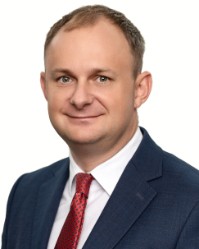

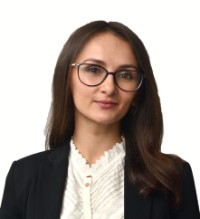
Mamunya IP is a specialised Ukrainian law firm with leading expertise and capabilities in the entire scope of IP work, covering trade mark and patent prosecution, strategy and litigation, attendant issues such as regulatory advice and matters involving anti-counterfeiting, data protection and the intersection of advertising law and IP. The firm’s team boasts 15 highly regarded IP professionals. Mamunya IP represents leading domestic and international clients on some of their most complex mandates. It offers extensive industry expertise in areas including life sciences and pharmaceuticals; consumer electronics, the internet and e-commerce; wine, spirits and food; fashion and luxury goods; FMCG; automotive; technology, media and telecoms; and art. Mamunya IP actively supports the UA PTO in its efforts to improve IP rights protection mechanisms and to implement comprehensive IP reform in Ukraine.
Ukraine’s Fashion Market: Wartime Resilience and EU-Driven Transformation
The Ukrainian fashion industry continues to demonstrate remarkable resilience despite the ongoing war and broader economic uncertainty. While the full-scale invasion radically affected the country’s business environment, the fashion sector has largely adapted through operational and digital flexibility, as well as through international expansion.
Many Ukrainian fashion brands have not only preserved their operations but also significantly increased their visibility in foreign markets. Ukrainian designers actively participate in international fashion weeks, collaborate with global retailers and marketplaces, and continue developing cross-border e-commerce operations. Digital sales channels, direct-to-consumer models and social-media-driven retail have become increasingly important for both local and international brands operating in Ukraine.
The war has simultaneously accelerated broader structural changes within the Ukrainian economy. Businesses increasingly operate through hybrid models, combining decentralised production chains and international corporate structures, with a notable share of operations relocated to western Ukraine and EU jurisdictions such as Poland and the Baltic states. Creative industries, including the fashion industry, have become particularly adaptive due to their ability to operate digitally and rely on flexible workforce arrangements.
At the same time, the legal and regulatory environment in Ukraine is changing rapidly. Alongside wartime measures and economic restrictions, the country continues its large-scale approximation to European Union legislation. This process affects multiple areas relevant to fashion businesses, including intellectual property, sustainability, customs regulation, employment, personal data protection, digital commerce and other compliance-related matters.
As a result, doing business in Ukraine today requires a more integrated legal and operational approach than before. Fashion companies entering the Ukrainian market increasingly need to consider not only standard commercial and regulatory matters, but also wartime compliance, sanctions risks, mobilisation-related workforce constraints and rapidly evolving EU-aligned regulation.
Importantly, these developments should not be viewed exclusively as obstacles. Rather, they represent a transformation of the Ukrainian business environment into a more internationally integrated and compliance-oriented market. Businesses that properly structure their operations from the outset are generally able to operate effectively despite the additional regulatory complexity.
EU harmonisation is rapidly reshaping the compliance environment
One of the most significant long-term trends affecting the Ukrainian fashion sector is the country’s accelerated alignment with EU legislation and regulatory standards.
Ukraine’s candidate status for EU membership and broader obligations under the EU–Ukraine Association Agreement continue to drive extensive legal reforms across multiple industries. This process is particularly relevant for fashion businesses, which operate within a rapidly evolving regulatory environment shaped by consumer protection, digitalisation, international trade and IP-related considerations.
Historically, certain aspects of Ukrainian regulation differed substantially from EU approaches. However, over recent years the legal framework has gradually shifted towards European standards. This transition affects both domestic Ukrainian brands and international companies operating locally.
In practice, Ukraine’s EU integration process is no longer viewed as a future-oriented political objective but rather as an ongoing regulatory transformation already affecting day-to-day business operations.
Following the signing of the EU–Ukraine Association Agreement (signed in 2014 and fully in force since September 2017), the Government Office for Coordination of European and Euro-Atlantic Integration has annually published implementation reports assessing Ukraine’s progress in aligning its legislation with EU standards. The reports reflect both legislative reforms and practical implementation across multiple sectors of the economy.
In 2025, Ukraine continued active implementation of the Association Agreement, including the Deep and Comprehensive Free Trade Area (DCFTA), which provides for gradual tariff liberalisation, approximation of technical standards and broader integration of the Ukrainian economy into the EU internal market.
According to the latest government assessment, the overall implementation progress of the Association Agreement has reached 84%. In 2025, some of the strongest implementation results among fashion-related sectors were recorded in customs regulation (96%), social policy and labour relations (87%), and the financial sector (82%). At the same time, intellectual property remained one of the areas with the highest overall level of implementation, reaching 98%.
This process remains ongoing and highly dynamic. Unlike mature regulatory systems where major changes may occur gradually over many years, Ukrainian businesses currently operate in an environment where legislative developments may occur relatively quickly due to the combination of wartime adaptation and EU harmonisation.
For fashion businesses, this creates both opportunities and operational challenges. On one hand, alignment with EU standards simplifies integration into European markets and makes Ukrainian regulation more familiar to international investors and brands. On the other hand, businesses must continuously monitor legal developments and adapt internal compliance procedures accordingly.
This trend is particularly visible in sustainability-related regulation. Ukraine has already adopted major waste-management reforms and continues to develop broader circular-economy legislation. Although the country does not yet have a fully operational textile-specific sustainability framework comparable to certain EU initiatives, future development in this direction is widely expected.
Fashion companies should therefore increasingly view Ukraine not as a static regulatory market, but as a jurisdiction undergoing active legal transformation towards European compliance standards.
Sanctions compliance has become a central business consideration
Sanctions regulation has become one of the defining legal and operational realities for businesses operating in Ukraine.
Following the start of the full-scale invasion in February 2022, Ukraine significantly expanded its sanctions policy at both national and international levels. Sanctions lists generally include individuals, companies and organisations subject to restrictive measures due to involvement in terrorism, acts of aggression, financial crimes or other unlawful activities.
In Ukraine, sanctions are imposed not only pursuant to international restrictive measures, including those introduced by the US Office of Foreign Assets Control (OFAC), the UK sanctions regime and the European Union, but also under domestic sanctions mechanisms implemented by the National Security and Defence Council of Ukraine (NSDC). Current Ukrainian sanctions are consolidated within the State Register of Sanctions of Ukraine, which contains updated information regarding sanctioned individuals and legal entities.
The most common restrictive measures include:
- financial sanctions, including asset freezes and transaction restrictions;
- export and import restrictions;
- restrictions on participation in public procurement, contracts and certain commercial activities; and
- personal sanctions against politicians, officials, businesspersons and other individuals connected with the aggressor state.
Following the full-scale invasion in 2022, Ukrainian legislation significantly strengthened financial monitoring and compliance requirements. Financial institutions in Ukraine now apply enhanced compliance and know-your-customer procedures, particularly regarding ownership structures, beneficial ownership verification and counterparties’ connections with sanctioned jurisdictions or persons. Banks, insurance companies and private businesses are increasingly expected to verify counterparties against applicable sanctions lists as part of ordinary commercial operations. Even indirect or historical links with sanctioned jurisdictions or persons may create operational complications.
Failure to conduct adequate sanctions screening may create both legal and operational risks, including blocked transactions, frozen accounts, refusal of payment processing, banking restrictions, regulatory scrutiny or even financial penalties, and, perhaps most importantly, reputational concerns.
In practice, such verification has become particularly important for businesses operating internationally or engaging with counterparties in Ukraine and abroad, including companies in the fashion, retail and luxury sectors.
As a result, sanctions screening has become part of ordinary operational management rather than a specialised legal exercise. Many businesses implement internal compliance procedures extending beyond formal mandatory checks in order to mitigate financial and reputational risks.
Foreign currency controls continue to affect international operations
Another defining feature of the current Ukrainian business environment is the continued existence of wartime foreign-exchange and capital-control measures introduced by the National Bank of Ukraine (NBU).
Following the introduction of martial law in February 2022, the NBU imposed currency restrictions, including restrictions on certain cross-border foreign-currency transfers. At the same time, Ukraine remains open to foreign investment and international commerce, and the regulator has gradually eased a number of wartime restrictions to support business activity, investment inflows and economic recovery. This liberalisation remains cautious and conditional, but the overall trend is increasingly business-oriented.
Among the key restrictions still relevant for international businesses are limitations on dividend repatriation, servicing of external financing and certain investment-exit payments. Dividend repatriation is currently allowed within a monthly limit of EUR1 million per legal entity for dividends accrued after 1 January 2023, subject to applicable conditions. External financing also remains available but regulated: in particular, repayment of loans received after 20 June 2023 may be permitted subject to the relevant NBU conditions, while “old” external loans remain subject to a more restrictive regime. In addition, foreign investors currently remain restricted from transferring proceeds abroad received from the sale of Ukrainian assets to domestic buyers. Such funds may generally be held in Ukraine but cannot be freely repatriated abroad. By contrast, transactions between non-resident investors conducted entirely outside Ukraine, such as transfers between foreign accounts abroad, are generally outside the scope of these Ukrainian currency restrictions.
One illustrative example of gradual liberalisation concerns payments for imports of goods, services and works. Earlier in the war, cross-border payments for imports were significantly restricted and tied to priority or “critical” import categories. These restrictions have since been substantially eased. Ukrainian businesses may now generally make payments for imported goods, services and works where they were provided after 23 February 2021, while additional liberalisation measures allow certain older import obligations to be settled subject to certain statutory requirements and regulatory conditions. At the same time, wartime currency regulation still affects certain settlement timelines for export and import operations. Ukrainian legislation currently provides mandatory settlement periods for cross-border trade transactions, which businesses involved in manufacturing, sourcing and international supply chains should continue monitoring in practice.
For fashion businesses, this is particularly relevant because international operations often involve royalties, franchise fees, supplier payments, logistics services, production outsourcing and intercompany financing. The current regime therefore does not prevent cross-border activity, but it does require careful structuring of payment flows and continuous monitoring of NBU updates.
As a practical matter, foreign investors and fashion businesses entering Ukraine should treat currency regulation as a dynamic compliance area. Given the positive trend towards gradual easing of wartime restrictions, Ukraine is increasingly following a business-oriented approach; however, the applicable rules remain detailed and are frequently updated. Legal and banking advice should therefore be obtained at the start of structuring, rather than only when a payment issue arises.
Workforce mobility and wartime labour realities
The Ukrainian labour environment has undergone substantial transformation due to both wartime realities and ongoing EU harmonisation, creating conditions that are relatively unique in the international fashion industry.
Under wartime conditions, part of the workforce, particularly within creative industries, frequently operates across multiple jurisdictions simultaneously. As a result, fashion businesses increasingly rely on flexible and decentralised workforce structures, remote-work models and adaptable contractual arrangements, with designers, stylists, photographers, creative directors and marketing specialists frequently contributing to collections from different countries or different regions of Ukraine.
Several wartime-specific labour measures directly affect workforce planning in fashion businesses:
- working time for certain strategically important enterprises (including garment factories performing defence-related orders) may be increased to up to 60 hours per week during martial law, while the standard working week generally remains 40 hours;
- employers may conclude fixed-term employment agreements for the duration of martial law, including for the replacement of temporarily absent employees (such as designers or other personnel who have relocated, been evacuated or become mobilised during wartime);
- Ukrainian legislation allows temporary suspension of employment agreements where work cannot be provided due to wartime circumstances, without formal termination of employment;
- remote and home-based work arrangements are widely used across the fashion industry, particularly for creative and administrative employees; and
- employers must also comply with statutory employment quotas for persons with disabilities; where such quotas are not fulfilled, employers are required to make targeted statutory contributions and may face additional financial penalties.
At the same time, wartime mobilisation rules continue to affect workforce planning and international operations. Male employees and contractors may face restrictions on travelling abroad unless they qualify for deferments, exemptions or reservation procedures (critical reservation) available under Ukrainian legislation. For fashion businesses, this directly affects participation in international fairs, runway shows and production trips, and mobility planning is now a standard part of project timelines.
One particularly distinctive feature of the Ukrainian market is that creative professionals may serve in the Armed Forces of Ukraine while occasionally remaining involved in certain business activities. In practice, some designers, photographers and other creative specialists may continue participating remotely in collection development, branding or creative management while mobilised.
From an IP perspective, this creates a particularly unique wartime-related issue for businesses working with mobilised creative professionals. Under Ukrainian law, proprietary IP rights to objects created in connection with military service generally belong to the State of Ukraine represented by the relevant authority in which the service member performs military service, such as the Ministry of Defence of Ukraine, the Security Service of Ukraine or other military or security authorities.
At the same time, the allocation of IP rights depends on whether the relevant object was created as part of the service member’s official military duties. Where a military service member is specifically tasked with developing works, designs, technological solutions or other IP-related objects within the scope of military service, moral rights generally remain with the individual creator, while proprietary rights belong to the state.
Conversely, where a mobilised individual creates work independently outside the scope of their military duties, during personal time or on vacation and without the use of state resources or technical support, both moral and proprietary IP rights generally remain with the individual creator. This may apply, for example, to creative works, logos, designs or other fashion-related materials developed independently from military service obligations.
Accordingly, military service itself does not automatically transfer IP rights to the state or military authorities. For fashion businesses, this makes proper contractual structuring and verification of IP ownership particularly important when engaging mobilised creative professionals in commercial projects.
Intellectual property protection has become more strategic
Intellectual property remains one of the core legal assets in the fashion industry. In Ukraine, its strategic importance has increased not only due to ongoing legislative alignment to EU standards, but also because wartime realities have significantly changed the way fashion businesses structure creative, operational and commercial processes.
The Ukrainian fashion industry increasingly operates through decentralised and cross-border creative models involving freelancers, creative agencies, influencers, marketing contractors and other external collaborators located both abroad and across different regions of Ukraine, due to wartime-related relocation, remote work and international expansion.
This is particularly important because Ukrainian law generally requires IP assignment and licence agreements to be concluded in writing. At the same time, the above-mentioned conditions may significantly complicate execution of traditional paper-based agreements. As a result, fashion businesses increasingly rely on qualified electronic signatures (governed by the Law of Ukraine “On Electronic Trust Services”, aligned with EU eIDAS) and digital contracting tools in order to maintain proper contractual documentation and continuity of IP-rights transfers.
At present, many international businesses, including fashion and luxury brands, continue entering the Ukrainian market and developing local IP portfolios. In this context, businesses should consider that Ukrainian IP legislation and registration procedures continue to evolve through ongoing alignment to EU standards, including further legislative initiatives aimed at modernising registration and enforcement mechanisms.
Ukraine also continues to actively digitalise IP-related administrative procedures. Applications may be filed both physically and electronically, with electronic filing providing reduced official fees.
At the same time, foreign applicants must generally act through a Ukrainian patent attorney when registering IP rights in Ukraine.
Supply chains, logistics and customs require enhanced co-ordination
Supply-chain management remains one of the most operationally sensitive areas for businesses operating in Ukraine during wartime.
Although Ukrainian businesses have demonstrated substantial resilience and adaptability, logistics structures continue functioning within a more complex environment involving wartime risks and changing transportation routes. In practice, military actions, air alerts, blackouts, infrastructure damage and broader security-related disruptions may affect transportation, manufacturing timelines, warehousing operations and delivery schedules. As a result, force majeure regulation and contractual allocation of operational risks have become particularly important in commercial and supply-chain agreements.
Many companies, including in the fashion industry, diversify supply chains across Ukraine and neighbouring European jurisdictions, particularly Poland, Romania and the Baltic states, to improve operational stability and reduce disruption risks.
Customs enforcement also remains particularly important for fashion brands combating counterfeit goods and suspicious imports. Rights holders actively use customs records (the Customs Register of IP Objects maintained by the State Customs Service) to monitor potentially infringing shipments and identify unauthorised supply chains.
At the same time, international exhaustion of rights permits parallel imports of genuine products into Ukraine. As a result, brand owners typically rely on selective distribution systems, contractual controls and supply-chain monitoring, rather than attempting to prohibit all unauthorised resale activity.
Localisation and consumer regulation continue to evolve
Consumer-facing regulation remains an important compliance area for international fashion businesses entering Ukraine.
Ukrainian law contains mandatory localisation and consumer-information requirements affecting product labelling, e-commerce operations, advertising and customer communication.
Consumer information must be available in Ukrainian, including product descriptions, care instructions, composition details and certain mandatory disclosures. These obligations derive primarily from the Law of Ukraine “On Protection of Consumer Rights” and the Law of Ukraine “On Ensuring the Functioning of the Ukrainian Language as the State Language” (2019). Online retailers must also ensure compliance with Ukrainian-language requirements regarding websites, interfaces and consumer communication.
Advertising regulation also continues to evolve and remains particularly relevant for the fashion sector.
Sponsored collaborations with influencers and public figures should be clearly identifiable as advertising. Hidden advertising is prohibited under Ukrainian law, and both businesses and influencers may face regulatory attention depending on their role in creating and distributing promotional content.
Pricing information and comparative advertising must comply with consumer-protection and advertising requirements, including transparency and accuracy obligations. Misleading discounts, unclear promotional conditions or inaccurate comparative claims may attract increased attention from the regulatory authorities.
Sustainability-related claims, particularly within the fashion industry, also require careful substantiation. Statements such as “eco”, “natural”, “green” or similar environmental representations should be supported by appropriate documentation and should not create a misleading impression regarding the product’s characteristics or environmental impact.
In addition, the Ukrainian regulators have recently shown increased interest in advertising that may be considered discriminatory or excessively sexualised, in response to complaints submitted by consumers and public organisations, including the Industry Committee on Advertising Ethics. This is a particular concern for fashion and luxury businesses whose campaigns rely on visual imagery.
The Ukrainian fashion sector is becoming more international and legally sophisticated
Despite wartime challenges, the Ukrainian fashion industry continues to become more international and adaptive.
Many Ukrainian brands have significantly expanded their international visibility through cross-border e-commerce, collaborations, international retail partnerships, and participation in global fashion events. Ukrainian designers increasingly operate within international markets rather than focusing exclusively on domestic consumers.
For international businesses, Ukraine therefore represents both opportunity and complexity. Wartime measures, sanctions compliance, labour mobility restrictions and currency controls create additional operational considerations. However, these factors generally require enhanced legal co-ordination rather than preventing commercial activity itself.
As Ukraine continues to transform during wartime and EU integration, the fashion sector is likely to remain one of the industries where adaptability and proactive legal planning become key competitive advantages.
Mamunya IP
14 Vasylkivska St
Stand Business Centre
Kyiv, 03040
Ukraine
+380 44 495 4500
mamunya@mamunya-ip.com www.mamunya-ip.com
Law and Practice
Authors
Mamunya IP is a specialised Ukrainian law firm with leading expertise and capabilities in the entire scope of IP work, covering trade mark and patent prosecution, strategy and litigation, attendant issues such as regulatory advice and matters involving anti-counterfeiting, data protection and the intersection of advertising law and IP. The firm’s team boasts 15 highly regarded IP professionals. Mamunya IP represents leading domestic and international clients on some of their most complex mandates. It offers extensive industry expertise in areas including life sciences and pharmaceuticals; consumer electronics, the internet and e-commerce; wine, spirits and food; fashion and luxury goods; FMCG; automotive; technology, media and telecoms; and art. Mamunya IP actively supports the UA PTO in its efforts to improve IP rights protection mechanisms and to implement comprehensive IP reform in Ukraine.
Trends and Developments
Authors
Mamunya IP is a specialised Ukrainian law firm with leading expertise and capabilities in the entire scope of IP work, covering trade mark and patent prosecution, strategy and litigation, attendant issues such as regulatory advice and matters involving anti-counterfeiting, data protection and the intersection of advertising law and IP. The firm’s team boasts 15 highly regarded IP professionals. Mamunya IP represents leading domestic and international clients on some of their most complex mandates. It offers extensive industry expertise in areas including life sciences and pharmaceuticals; consumer electronics, the internet and e-commerce; wine, spirits and food; fashion and luxury goods; FMCG; automotive; technology, media and telecoms; and art. Mamunya IP actively supports the UA PTO in its efforts to improve IP rights protection mechanisms and to implement comprehensive IP reform in Ukraine.
