Hotel Management & Transactions 2026
Switzerland
Authors


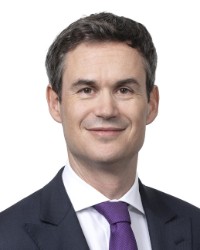

CMS von Erlach Partners is a leading full-service law firm in Switzerland with 130 lawyers and tax experts. With a history spanning more than 80 years, the firm serves clients from its offices in Zurich and Geneva. Its experts advise Swiss and international companies, financial institutions, start-ups, government agencies, entrepreneurs, and individuals across all industries. As part of CMS international, CMS von Erlach Partners combines local expertise with access to more than 7,200 lawyers in 50 countries. Recent examples of the team's hotel work include: advising Room Mate Hospitality & Leisure SL on its acquisition of the 104-key Hotel Marmont in Geneva, navigating complex ownership structures and renegotiating long-term lease arrangements; advising London & Regional on a sale and leaseback of three country clubs in Switzerland and Spain; advising leading hospitality brands, including B&B Hotels and citizenM, on Swiss market entry and hotel network expansion; and advising UBS on the disposal of the five-star Hotel Widder in Zurich, involving intricate asset and corporate structuring.
1. Legal Framework
1.1 Main Sources of Law
Hotel transactions in Switzerland are governed by both private and public law.
Private law rests on two federal statutes: the Swiss Code of Obligations (CO) for contractual matters and the Civil Code (CC) for property rights. Both apply uniformly throughout the country.
Public law operates at three levels: federal, cantonal and municipal. At the federal level, two statutes are particularly relevant: the Federal Act on the Acquisition of Real Estate by Foreigners (known as the “Lex Koller”), which restricts the acquisition of real estate by foreign persons, and the Federal Act on Second Homes (known as the “Lex Weber”), which limits second homes in tourist areas. Both are implemented by cantonal authorities, and administrative practices vary between cantons.
Other relevant areas of law include:
- corporate law for share deal structures;
- tax law at all three governmental levels;
- licensing requirements for food service, alcohol sales and fire safety;
- employment law particularly regarding business transfers; and
- intellectual property law for branding and trade marks.
2. Sale and Purchase
2.1 Common Sale and Purchase Structures
Both asset deals (direct transfer of real estate and/or business assets) and share deals (the sale of shares in the owning company) are common in Switzerland.
In an Asset Deal
- The sale of the hotel property (real estate) must comply with Swiss mandatory form requirements (the sales agreement must be notarised by a local notary and usually drafted in an officially recognised local language) and then registered in the local land register.
- The buyer acquires the property directly. Existing lease agreements and property insurance contracts are automatically transferred to the buyer by operation of law.
- Other commercial contracts (eg, hotel management agreements, franchise agreements) must typically be transferred individually.
- If the hotel business is transferred, employees are usually transferred under statutory rules on business transfer.
In a Share Deal
- The buyer acquires the shares and the target company remains the owner of the hotel, while the contracting party services the existing agreements and employment agreements – so operational continuity is often easier to preserve.
- The share purchase agreement (SPA) can be drafted in English and usually does not require notarisation. Only certain corporate changes must be filed with the commercial registry.
- This structure can be more flexible and less formal on the real estate side, but it may expose the buyer to historic and hidden liabilities at company level.
- A key structuring point is whether the property is held and operated by a single entity or if the property company (PropCo) and the operating company (OpCo) are separate, and whether the transaction involves one or both entities. Cross-border holding structures add further complexity.
The decision on structure is significantly influenced by real estate transfer tax exposure, capital gains tax treatment, stamp duties, existing financing arrangements and the desired degree of operational continuity.
2.2 Confidentiality of Terms
Transaction confidentiality depends significantly on the chosen structure.
In an asset deal, certain information becomes publicly accessible through the land registry entry. This includes the plot description, the owner’s name, the type of ownership, the acquisition date and certain easements and encumbrances. However, the purchase price and other commercial terms generally remain confidential. An exception is the Canton of Geneva, where transaction prices are published in the cantonal gazette.
In a share deal, there is no land register transfer, allowing for greater confidentiality. However, changes to the board of directors at the target company level are registered in the commercial register and are therefore publicly accessible. Depending on the legal form of the target, shareholders are also recorded in the commercial register (in the case of a limited liability company or LLC, but not in the case of a corporation or public limited company (Aktiengesellschaft or AG). Further, Switzerland is in the process of introducing a beneficial ownership transparency register for holders of significant participations; however, access to such register will be restricted rather than fully public.
Parties that value discretion should factor these aspects into the structuring of the transaction.
2.3 Restrictions on Foreign Acquisition
The Federal Act on the Acquisition of Real Estate by Persons Abroad (Lex Koller), in force since the 1960s, regulates foreign investment in Swiss real estate.
Hotels operated as permanent business establishments within the meaning of Lex Koller are generally not subject to Lex Koller restrictions. Foreign investors can acquire such properties without prior authorisation. This exemption also applies to other commercial properties such as office buildings, retail premises, logistics facilities and shopping centres, and it applies regardless of whether the acquisition is carried out directly, via the purchase of the hotel properties (asset deal), or indirectly, via the purchase of the company holding the hotel assets, including the hotel properties (share deal).
Hotels that are operated according to a traditional business model usually qualify as a permanent business establishment according to Lex Koller. However, hotel businesses with alternative operating models deviating from the traditional hotel concept (eg, parahotel-like concepts) and mixed-use projects require careful case-by-case analysis. In some instances, due to their architectural design (eg, personalised living spaces instead of standardised hotel rooms, a fully equipped kitchen and a washing machine/dryers in the rooms to ensure a long-term stay on the premises, etc) and/or due to their effective use (eg, guests typically staying for more than six months, with no, or only minimal, hotel services, such that the provision of residential space outweighs the provision of hotel-style services, etc), some hospitality businesses may qualify as residential premises rather than as permanent hotel business establishments under Lex Koller, therefore requiring prior Lex Koller authorisation. In addition, if a hotel includes serviced apartments intended for individual sale, or if significant portions of the plot remain undeveloped, authorities may also question the commercial character. In such cases, it is advisable to obtain a non-subordination ruling from the competent cantonal authority before closing.
Purely residential acquisitions of holiday homes or units in an apartment/hotel (aparthotel) by foreigners are subject to cantonal quotas. Some cantons give priority to hotel-related investments within these quotas. EU and EFTA citizens holding a Swiss residence permit (B permit) are not classified as foreign acquirers under the Lex Koller.
The Federal Council recently launched a consultation on tightening the Lex Koller regulations. Among other things, this involves restricting the purchase of commercial property by foreign nationals; under the new rules, such property would only be available for purchase by foreign buyers if they intend to use it themselves. Such a restriction would mean that foreign buyers in Switzerland would only be able to purchase hotel properties if they use them themselves (ie, if they are owner-operated or, at most, operated under a management contract).
It is currently unclear whether such a tightening of the law will actually be implemented. Following the consultation, the draft may still be revised and would subsequently have to be approved by the Swiss parliament. Over the last ten years, there have already been very similar efforts to tighten the Lex Koller which, however, ultimately failed in parliament.
3. Hotel Ownership and Management
3.1 Common Hotel Ownership and Management Structures
Structures
In Switzerland, hotels are typically operated under one of four structures, which differ mainly in who runs the day-to-day business, who carries operating risk, and how (and by whom) the hotel is branded. In market practice, leases are very common, particularly where owners (including institutional owners) prefer predictable income and to shift operational risk to the operator.
Privately owned/owner-operated hotels are particularly common in rural areas and resort destinations. The owners, often families, manage operations directly. The owner retains full operational control, and bears the full operational risk and reward. This model requires comprehensive expertise across all operational areas.
Agreements
Lease agreements
Lease agreements represent the dominant structure. The owner leases the property to an operator who pays rent (fixed, revenue-linked or a combination) and bears the operational risk. The owner is generally passive (focusing on asset-level protection) and receives stable income. Swiss tenancy law applies, including certain mandatory protections.
Management agreements
Management agreements are less common than leases, partly due to regulatory constraints on institutional investors, particularly real estate funds. They are more frequent in the urban luxury segment. The owner retains ownership while the manager operates the hotel for performance-based fees. The owner typically bears the operating profit and loss and therefore the business risk. The key difference in the lease is that the owner retains the economic exposure and also usually retains more “strategic” rights (budgets, capital expenditure (capex), brand standards, etc).
Franchise agreements
Franchise agreements are regularly used to secure brand affiliation. They are often combined with lease structures – the owner leases to a white-label operator who separately enters into a franchise agreement with an international brand. This provides access to reservation systems, brand recognition, loyalty programmes and operational support.
3.2 Hotel Management Agreements
Hotel management agreements are still not widely used in Switzerland. Regulatory constraints on many institutional investors mean that hotel management agreements tend to appear mainly where property is held by private or foreign owners with experience in the hotel sector.
Under Swiss law, there is no special statutory regime for hotel management agreements. They are typically structured as hybrid contracts, combining elements of a lease (depending on the allocation of operating risk), IP/licences and mandate/services.
Commercially, hotel management agreements commonly allocate day-to-day operational responsibility to the operator/manager (including brand standards, standard operating procedures and access to reservation/IT systems), while reserving certain approval rights, transparency rights and asset-level controls for the owner. Typical fee structures consist of a base fee calculated on gross revenue and one or more incentive fees tied to profit or other performance indicators. The manager’s operational autonomy is balanced by detailed performance tests, reporting obligations and brand standards, and by clear allocation of capex and maintenance duties. Provisions on intellectual property, use of brands and systems, confidentiality, non-compete protections, subordination of the management agreement to financing, and dispute resolution (often arbitration in Switzerland) are standard.
Where staff are formally employed by the owner but directed operationally by the manager, employment contracts and the management agreement must clearly allocate instruction rights and extend employees’ loyalty and confidentiality obligations to the operator.
Management agreements do not automatically transfer with the property in an enforcement or sale scenario (in particular in asset sales) and non-disturbance agreements between owner, lender and operator are considered on a case-by-case basis and are not yet market standard.
3.3 Hotel Lease Agreements
Hotel lease agreements are governed by the Swiss Code of Obligations and the Federal Ordinance on the Rental of Residential and Commercial Property. Swiss tenancy law is tenant-friendly but allows greater contractual freedom for commercial leases. Swiss law distinguishes between ordinary leases (Miete) and usufructuary leases (Pacht). Conceptually, usufructuary leases are typically considered where the lessee not only receives the premises (and possibly movables) but also has the right to the “fruits/yield” of the business operated (ie, the operating income), which may become relevant in hotel settings depending on how the deal is structured (premises only versus premises plus business-related assets/rights and how the economic yield is allocated). Swiss case law emphasises that the classification turns on the substance of the transaction rather than labels. If the lease includes furniture, fixtures and equipment (FF&E) and the tenant operates the business, it typically qualifies as a usufructuary lease.
The typical contract term is long term in the range of ten to 20 years, often with renewal options of five years each (usually two to four five-year periods). Indexed fixed rents are common, while turnover-based rents are becoming increasingly popular, usually combined with an indexed minimum rent.
FF&E is often provided by the landlord, with a renewal fund accrued by the tenant for upkeep. Rental security typically amounts to six to 12 months’ rent. Maintenance and renewal obligations are defined in an interface document, with the landlord responsible for the shell and core and the tenant for fitting out. Triple-net leases are not that common in the Swiss hotel market.
Subletting and lease transfers require the landlord’s consent, which cannot be unreasonably withheld.
3.4 Hotel Franchising Agreements
There is no specific franchise legislation in Switzerland; general contract law applies, in particular the Swiss Code of Obligations. Franchising is often combined with lease structures – the owner leases to an operator who separately enters into a franchise agreement with an international brand. This arrangement enables brand access without direct ownership involvement by the franchisor. The key contractual elements include brand and trade mark licences; operational standards and manuals; training and support obligations; fee structures comprising entry fees, ongoing royalties and marketing contributions; territorial and exclusivity rights; and contract term and renewal conditions.
Several legal aspects require attention. Competition law requires scrutiny of non-compete and exclusivity clauses. Trade mark protection must be secured through robust registration of trade marks. Clear termination provisions are essential, particularly regarding the consequences of early termination, post-termination non-compete obligations, and the fate of the franchisee’s investments. In addition, data protection obligations under the revised Federal Act on Data Protection (FADP) should be addressed, especially where guest data is shared between franchisor and franchisee across borders.
4. Financing
4.1 Financing Options
Hotel financing in Switzerland relies primarily on traditional bank lending, although market conditions are evolving.
Mortgage-secured loans from Swiss banks remain the dominant form of financing. Security typically consists of mortgage certificates (Schuldbriefe) on the property, often supplemented by an assignment of rental income and, in some cases, a pledge of shares in the property-owning entity. The Swiss Hotel Credit Corporation (Schweizerische Gesellschaft für Hotelkredit or SGH), a federally backed institution, provides (subordinated) loans at preferential rates for hotels, particularly in tourism regions. It also offers advisory services.
Current market conditions are challenging. The UBS-Credit Suisse merger has consolidated the lending market, and Basel III (respectively Basel IV) requirements have tightened collateral standards leading to higher equity requirements and more conservative loan-to-value ratios. Traditional hotel financing has become more difficult and expensive, particularly for larger transactions. Emerging trends include sale-and-leaseback structures, mezzanine financing (SGH loans), third-party capital solutions and an increased lender focus on ESG credentials, operator track record and long-term occupancy commitments.
4.2 Restrictions on Foreign Financing
There are no general restrictions on foreign lenders for commercially used hotel properties. Hotels qualifying as commercial establishments are exempt from the Lex Koller (see more on the potential tightening of the Lex Koller, however, in 2.3 Restrictions on Foreign Acquisition). Foreign banks can therefore take mortgage security without regulatory obstacles.
For properties subject to the Lex Koller, such as mixed-use developments with a residential component, foreign financing remains possible provided it mirrors Swiss banking standards. This includes a loan-to-value ratio below 80%, a standard security package and market-standard documentation. Typical security consists of mortgage certificates on the property, together with an assignment or pledge of rental income.
5. Tax
5.1 Main Tax Implications
Tax consequences vary significantly depending on the transaction structure and canton. In some cantons, real estate gains are taxed under the ordinary corporate income tax regime whereas in other cantons, they are subject to a separate (typically higher) real estate capital gains tax (Grundstücksgewinnsteuern).
Capital Gains Tax
In an asset deal, real estate transfer tax and potentially real estate capital gains tax apply directly. In a share deal, the participation exemption may shelter gains at the federal level. However, if the target company qualifies as a real estate company (Immobiliengesellschaft), cantonal real estate transfer tax and real estate capital gains tax may still apply. Integrated hotel companies that combine property and operations in a single entity typically do not qualify as real estate companies. By contrast, separated PropCo/OpCo structures risk this classification. What is decisive is the company’s actual business activity and the proportion to which the company’s assets consist of (Swiss) real estate. Real estate capital gains tax is often the largest tax burden in hotel transactions. Rates vary by canton and municipality. Further, the holding period is crucial: holding periods of less than one year can trigger rates exceeding 50%, while holding periods of more than 25 years may reduce the burden to below 5%. Importantly, this tax may attach as a statutory lien on the property, which buyers should address in the due diligence and transaction structuring.
Transfer Tax, Federal Stamp Duty and VAT
Many cantons levy a real estate transfer tax (Handänderungssteuer) of 1–3%, which may also apply to share deals involving real estate companies, depending on the canton. In addition, federal stamp duty of 0.15% may apply to the transfer of Swiss securities, which is relevant in share deal structures. The parties to an asset deal can, under specific circumstances, elect to submit a transaction to VAT. This can in certain cases also be settled via the notification procedure, whereby the buyer assumes the seller’s VAT position, avoiding the need for the actual payment and recovery of VAT. The standard VAT rate in Switzerland is 8.1%, while accommodation services are subject to a reduced rate of 3.8%.
Managed and Leased Hotel Structures
Regarding managed and leased hotel structures, management fees and franchise royalties paid to an international operator/franchisor are not subject to Swiss withholding tax as such, but must be at arm’s length if paid to a related party; fees above arm’s length may qualify as a hidden dividend distribution and trigger 35% Swiss withholding tax. Cross-border management fees and franchise royalties received in Switzerland are subject to the Swiss reverse charge mechanism (Bezugsteuer) at the recipient’s location, provided the foreign service provider is not registered in the Swiss VAT register. Lease payments under a hotel lease are generally not subject to VAT (as the lease of immovable property is VAT-exempt), though the parties may opt to pay VAT where advantageous, to recover input tax deduction (Vorsteuerabzug). It is important to distinguish between the exempt lease of the hotel building to an operator and the taxable accommodation services provided by the operator to guests, which are subject to the reduced VAT rate of 3.8% for the hotel industry.
Tax Relief
Switzerland does not offer a dedicated tax (incentive) regime for hotel projects. However, companies – including hotel operators – may qualify for tax relief (tax holidays) under Swiss regional policy legislation if they invest in structurally weak regions. At the same time, combined Swiss corporate income tax rates are competitive by European standards at 12–22% effective rate (averaging approximately 15% on a combined federal, cantonal and communal level), and accommodation VAT is subject to the preferential rate mentioned above.
6. Planning, Zoning and Licensing
6.1 Zoning
Specific zoning in Switzerland is governed at the cantonal and municipal level, meaning classifications and procedures vary considerably across the country.
Hotels are generally permitted in city centre zones, mixed-use zones and dedicated hotel zones. Some municipalities also allow hotels in residential zones, while others restrict them to special zones. Dedicated hotel zones, found particularly in Alpine tourism municipalities, often serve a protective purpose, preventing conversion to residential use and preserving tourism infrastructure. In cantons such as Graubünden and Valais, cantonal legislation reinforces this objective by imposing restrictions on the withdrawal of hotel properties from their designated use (Zweckerhaltung).
If the existing zoning does not permit hotel use, two options are available. First, an exception (Ausnahmebewilligung) within the existing zoning framework may be sought, though such derogations are rarely granted and typically require the applicant to demonstrate that the project does not conflict with the purpose of the applicable zone and that there are compelling reasons justifying a departure from the plan. Alternatively, a formal rezoning (Umzonung) can be applied for, which requires a lengthy public planning procedure involving consultation, public participation and approval by the municipal legislature or assembly, and is therefore both lengthy and politically sensitive. If rezoning is successful, a betterment levy (Mehrwertabgabe) may be triggered.
6.2 Building and Development Regulations
Hotel construction and refurbishment in Switzerland are governed by a combination of federal, cantonal and municipal regulations. While federal law sets minimum standards in areas such as fire protection and accessibility, the detailed building and zoning rules are determined at the cantonal and municipal level.
Land Use
Local regulations specify the maximum use of land, for example, by defining floor area ratios (Ausnützungsziffern) and maximum building heights. Some cantons grant density bonuses (Ausnützungsboni) for hotels or for the provision of underground parking. Heritage protection rules (Denkmalschutz) may impose additional constraints on refurbishment projects, particularly in historic town centres and Alpine resorts, where facade preservation or integration with the existing streetscape may be required.
Parking requirements for hotels are primarily governed by local building and zoning regulations and cantonal guidelines; the location class is a decisive factor and central locations reduce the requirement.
Fire Protection Requirements
Hotels are categorised by capacity and are subject to corresponding fire protection requirements under the guidelines issued by the Association of Cantonal Fire Insurance Institutions (VKF/AEAI). These cover fire-resistant materials, fire compartmentalisation, detection and suppression systems, escape routes and staff training. Hotels above certain capacity thresholds are classified as buildings with a high density of occupants (Gebäude mit hoher Personenbelegung), triggering enhanced requirements such as sprinkler systems and fire safety concepts prepared by qualified engineers. These standards can significantly influence room layouts. Hotels must comply with accessibility requirements for persons with mobility and sensory impairments. This covers entrances, circulation areas, rooms and sanitary facilities. A minimum proportion of rooms must be designed as barrier-free, with the exact number depending on total room count. Exceptions are possible under the principle of proportionality.
Health and Safety Regulations
Health and safety regulations further require compliance with cantonal food safety laws for hotel restaurants, noise protection standards under the Federal Noise Abatement Ordinance (LSV), and workplace safety rules enforced by SUVA (Schweizerische Unfallversicherungsanstalt) and cantonal labour inspectorates. Long-stay accommodation is generally classified as residential use, meaning that stricter noise control regulations must be observed.
6.3 Building Permits
The building permit (Baubewilligung) procedure begins with the submission of the application to the municipal or cantonal authority, accompanied by architectural plans, a site plan, technical specifications and, for larger projects, an environmental impact assessment (Umweltverträglichkeitsprüfung) where required under federal law. In the first phase, the authority circulates the application and obtains opinions from specialist departments for fire protection, accessibility, heritage and environmental matters. Negative opinions require project amendments; conditional approvals become binding conditions (Auflagen) in the permit. For projects in protected areas or involving listed buildings, approval from the relevant heritage authority (Denkmalpflege) is required, which may entail design modifications or the preservation of specific building elements.
The application is published in the official gazette, typically with a 30-day objection period (see 6.4 Objections to Building Permits). After processing any objections, the authority issues the building permit.
Duration of Process
The duration of the procedure varies considerably. Simple interior renovations can be completed within a few months. Complex new builds or major refurbishments involving changes to the building envelope or use require one to two years or more. In the event of objections and appeals, the procedure can extend over several years. Early engagement with the relevant authorities through a preliminary consultation (Voranfrage or Vorprüfung) is strongly recommended, as it can identify potential obstacles before the formal application is filed and significantly reduce the risk of delays.
6.4 Objections to Building Permits
Any person or legal entity materially affected by a project may file an objection (Einsprache) during the publication period. Standing requires proximity to the construction site (often direct line of sight to the project) and a legitimate interest. For purely internal works, neighbouring third parties will generally lack standing, as they cannot demonstrate a sufficiently direct impact on their own property or interest.
In addition, nature and environmental conservation organisations operating nationwide and recognised by the Federal Council under Article 12 of the Federal Act on the Protection of Nature and Cultural Heritage (NHG) can lodge appeals against official decisions on certain categories of construction projects, particularly where environmental impact assessments are required or where projects affect protected landscapes, habitats or cultural heritage sites.
To minimise objection risks, early engagement with neighbours before filing the application is advisable; informal information events or individual consultations can build goodwill and identify concerns that can be addressed in the project design. Full compliance with all applicable regulations and planning standards eliminates technical grounds for objection. Where objections are nonetheless filed, negotiations with objectors, potentially including certain concessions, can lead to the withdrawal of objections through a settlement. For interior refurbishment projects, documentation demonstrating the absence of external impacts such as noise, traffic or visual changes is helpful. Unsuccessful objectors may appeal the permit decision to the cantonal administrative court and, in some cases, to the Federal Supreme Court. This can delay projects by years.
6.5 Restrictions on Conversion
Many municipalities have enacted zoning regulations to protect hotel stock, including dedicated hotel zones (Hotelzonen) that restrict the use of designated properties to hotel and hospitality operations and prevent conversion to purely residential or commercial use. Cantonal legislation in key tourism cantons such as Graubünden and Valais further reinforces this through use-preservation requirements (Zweckerhaltungspflicht), which may require official authorisation before a hotel property can be withdrawn from its designated use.
The most significant restriction arises from the Federal Act on Second Homes (Zweitwohnungsgesetz, known as Lex Weber), which applies to municipalities with more than 20% second homes – effectively all Alpine tourist destinations. It substantially restricts the conversion of hotels to residential use. For hybrid projects such as branded residences and serviced apartments, genuine hotel characteristics must be maintained to avoid classification as second homes under Lex Weber. These include public bookability, short-term rentals and integration into a professional hotel operation. The Federal Supreme Court has developed increasingly detailed case law on these criteria, and careful structuring – including the drafting of operating regulations, booking obligations and management agreements – is essential to ensure compliance. Any change of use from hotel to non-hotel purposes in affected municipalities also requires a building permit, and the authorities will scrutinise whether the proposed use is consistent with the Lex Weber and applicable zoning.
Conversely, conversions to hotel use are gaining significance, particularly the transformation of office space in cities. The benefits include reduced construction costs, potentially simpler permitting procedures and ESG advantages.
6.6 Heritage Protection
Heritage preservation in Switzerland is governed at the cantonal and municipal level, with the Federal Act on the Protection of Nature and Cultural Heritage (NHG) providing the overarching framework. Many historic hotels, particularly those in prime locations, such as grand Alpine hotels, lakeside palace hotels and urban landmark properties, are subject to heritage protection. Protection typically covers facades and external appearance but may also extend to interiors such as staircases, ballrooms and historic fixtures, original flooring, and ceiling frescoes. The scope of protection varies according to the level of designation and the canton.
Heritage protection may prohibit demolition, restrict vertical extensions and require heritage authority approval for material alterations, including changes to building services, windows and roofing materials. Where a hotel is listed on a cantonal inventory or classified as a protected monument (geschütztes Baudenkmal), even routine maintenance and refurbishment works may require prior consultation with the heritage authority. Conflicts frequently arise between heritage requirements and modern building standards – for instance, fire protection upgrades, energy efficiency measures and accessibility modifications may be difficult to reconcile with preservation obligations, requiring tailored solutions developed in co-ordination with the Denkmalpflege.
Investors should clarify the protection status of a project early on, through a review of the relevant cantonal inventory of protected buildings, and engage with heritage authorities before finalising development plans to understand the permissible scope of interventions.
6.7 Operating Licences
The operation of a hotel in Switzerland does not require a single, unified federal operating licence. Instead, licences are regulated at cantonal level, and the applicable requirements depend on the services offered by the hotel. In particular, the preparation and serving of food as well as the sale of alcohol are subject to cantonal and municipal licensing requirements. Additional permits may be required for ancillary hotel facilities such as spas and wellness areas (potentially subject to cantonal health and hygiene regulations), swimming pools, event spaces exceeding certain capacity thresholds, and outdoor terraces or garden restaurants (Gartenwirtschaft).
The procedure for obtaining the principal operating licence typically involves submitting an application to the competent cantonal (or municipal) authority, providing proof of professional qualifications (certificate of competence), submitting plans of the premises and confirming operational responsibility. In some cantons, the responsible manager must be resident in the canton and may not simultaneously manage another licensed establishment. For new buildings, the occupancy permit must be presented before the operating licence can be issued, confirming that the premises comply with fire protection, accessibility and building safety standards.
The granting of the operating licence is published in the official gazette. The licence is generally tied to the specific premises and the designated responsible manager; a change in either – such as a sale of the business or a change in management – requires a new application or a formal transfer (Übertragung) of the licence.
6.8 Environmental Compliance
Switzerland has developed a robust framework of sustainability standards relevant to hotel construction and operation. Minergie is the leading Swiss certification for energy efficiency and indoor air quality. In some cantons, Minergie certification can unlock planning advantages such as higher floor area ratios. International standards such as Leadership in Energy and Environmental Design (LEED) certification are used by hotels seeking globally recognised sustainability certification. ESG factors increasingly influence both hotel operations and investment decisions in the Swiss market. Energy management, sustainable procurement, biodiversity and community engagement are increasingly expected and are no longer optional. Lenders and investors are demanding demonstrable ESG commitments. ESG criteria are being embedded in operator agreements and financing conditions, including reporting obligations on carbon emissions, energy intensity per room night, water consumption and waste management metrics.
7. Employment
7.1 Employment Law Requirements
Transfer of Undertakings
Acquisitions that include hotel operations (not just the property) trigger the rules on transfer of undertakings under Articles 333 and 333a of the Swiss Code of Obligations (OR). This applies to asset deals and operational takeovers; a pure share deal does not constitute a transfer of undertaking, as the employer entity remains unchanged. Employment contracts transfer automatically to the buyer; individual consent is not required. Employees may refuse the transfer. In that case, the employment relationship terminates after the statutory notice period (which may be shorter than the contractual period). During the notice period, both parties must fulfil their obligations. The buyer assumes all employment terms including seniority and accrued vacation entitlements.
Employment Matters
Collective bargaining agreement
An applicable collective bargaining agreement (Gesamtarbeitsvertrag or GAV) remains binding for one year after the transfer, unless it expires or can be terminated earlier. The hospitality industry is subject to a sectoral collective bargaining agreement (Landes-Gesamtarbeitsvertrag des Gastgewerbes or L-GAV) that applies to establishments that provide accommodation for a fee or serve food and beverages for on-premises consumption. It regulates minimum salary, 13th month salary, working hours, holidays, probation and termination.
Dismissal
The transfer rules do not create enhanced protection against dismissal. The buyer may change terms or dismiss employees with proper notice – provided the dismissal is not made solely to circumvent the transfer rules. However, if as a result of the proposed transfer, measures affecting the employees are planned (eg, dismissals, wage cuts, etc), the employees’ representative body (or, if there is none, the employees) must be consulted in good time prior to a decision being taken on these measures. The seller and buyer are jointly liable for employee claims that arose before the transfer and that become due up to the first ordinary termination date.
Contracts
From a transaction structuring perspective, buyers should also consider that hotel operations typically involve a high proportion of employees on hourly, seasonal or on-call contracts, as well as cross-border commuters (Grenzgänger) in border regions. Each category may raise specific issues under Swiss employment, social security and immigration law that should be addressed in due diligence and reflected in the acquisition documentation through appropriate representations, warranties and indemnities.
CMS von Erlach Partners
Dreikönigstrasse 7
Postfach
8022 Zurich
Switzerland
Esplanade de Pont Rouge 9
PO Box 1875
1211 Geneva 26
Switzerland
+41 044 285 11 11 / +41 22 311 00 10
office@cms-vep.com www.cms.law/de/che
Trends and Developments
Authors


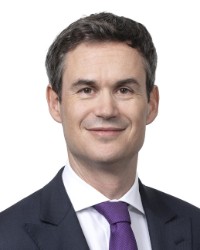

CMS von Erlach Partners is a leading full-service law firm in Switzerland with 130 lawyers and tax experts. With a history spanning more than 80 years, the firm serves clients from its offices in Zurich and Geneva. Its experts advise Swiss and international companies, financial institutions, start-ups, government agencies, entrepreneurs, and individuals across all industries. As part of CMS international, CMS von Erlach Partners combines local expertise with access to more than 7,200 lawyers in 50 countries. Recent examples of the team's hotel work include: advising Room Mate Hospitality & Leisure SL on its acquisition of the 104-key Hotel Marmont in Geneva, navigating complex ownership structures and renegotiating long-term lease arrangements; advising London & Regional on a sale and leaseback of three country clubs in Switzerland and Spain; advising leading hospitality brands, including B&B Hotels and citizenM, on Swiss market entry and hotel network expansion; and advising UBS on the disposal of the five-star Hotel Widder in Zurich, involving intricate asset and corporate structuring
Operational Records: Demand as the Growth Driver
The Swiss hotel industry generated CHF6.2 billion in revenue from overnight stays in 2025 – an increase of 3.9% compared to the previous year. Notably, this growth is primarily attributable to increased demand rather than price increases. Revenue per overnight stay rose by only 0.6% to an average of CHF139.80, indicating volume-driven growth.
The summer months proved particularly lucrative: in July, revenues exceeded CHF680 million (up 5.8%), while August generated approximately CHF670 million (up 6.8%). The highest prices per overnight stay, however, continued to be achieved in the winter season, averaging CHF162 in January compared to CHF133 in August. In the five-star segment, the average revenue per night stood at approximately CHF410, representing an increase of 6.3%.
Domestic tourism remains the primary demand driver, accounting for nearly half of all overnight stays. At the same time, the guest structure is becoming increasingly international: emerging markets such as Brazil and Mexico are gaining importance, and long-haul travellers from Canada and Australia are visiting Switzerland in growing numbers. Particularly noteworthy is the strong growth in US overnight stays.
Investment Market: A Record Year With Signalling Effect
The Swiss hotel investment market reached a historic high in 2025, with a transaction volume of EUR428 million. The landmark deal of the year was the sale of the Alpina Gstaad, which raised the average price per key to an unprecedented EUR1.4 million. Institutional investors, who had been absent from the market for several years, accounted for nearly two thirds of the transaction volume – a clear signal of renewed confidence in strategic assets at premium locations.
A notable development was Swiss Life’s acquisition of the 40-key Seminarhotel Bocken – the first significant return of institutional capital since 2020. This transaction underscores renewed confidence in the sector and a shift towards larger, strategic investments. At the same time, transaction activity remains relatively low, averaging only 5.6 properties per year between 2019 and 2025, pointing to both limited opportunities and high barriers to entry.
The investment environment benefits from strong fundamentals – declining interest rates since mid-2024, a robust currency serving as an effective hedge against inflation, and Switzerland’s reputation for economic and political long-term stability. The Swiss National Bank is expected to maintain a stable key interest rate of 0.0%, ensuring low financing costs and sustained investment appeal.
Regulatory Development: Tightening of Lex Koller
The Federal Act on the Acquisition of Real Estate by Persons Abroad (BewG, also known as “Lex Koller”) regulates foreign investments in Swiss real estate.
Hotels operating as commercial establishments are generally not subject to Lex Koller restrictions, and foreign investors can acquire such properties without prior authorisation. If a hotel is not clearly operating as a commercial business – eg, due to kitchenettes, individual access, or long-term leases – it risks being reclassified as residential property, thereby excluding acquisition by foreign investors. To maintain hotel status under Lex Koller, operators must ensure sufficient service density, including regular cleaning, reception, concierge services, and amenities such as restaurants or wellness areas. The defining factor is not physical design alone but mainly operational functionality.
On 15 April 2026, the Federal Council opened a consultation procedure for a significant tightening of Lex Koller. The consultation period runs until 15 July 2026. To a large extent, the proposals represent a return to the original, stricter regulations introduced in 1983, which have been relaxed over time. The proposal to tighten the law comes against the backdrop of the current debate on the scale of immigration in Switzerland, specifically the popular initiative to cap the resident population at ten million. The Federal Council is presenting the proposed amendment to Lex Koller as part of a package of measures designed to tackle the negative consequences of population growth.
The key proposed restrictions include:
- Permit requirement for primary residences – Third-country nationals (outside EU/EFTA) will be required to obtain a permit when purchasing primary residences. Upon relocation, they will be obliged to sell the property within two years.
- Prohibition of pure capital investments – Persons abroad will no longer be permitted to acquire commercial real estate if they intend to let or lease it. The acquisition of owner-operated commercial real estate, however, will remain possible without a permit and without further limitation.
- Restrictions on holiday apartments and units in apartment/hotels (aparthotels) – The annual cantonal permit quotas are to be reduced. In addition, any acquisition of a holiday apartment or a unit in an aparthotel by persons abroad – including sales between foreigners – will in future count against the cantonal quota.
- Prohibition on listed real estate companies – Persons abroad will generally be prohibited from acquiring listed shares in residential real estate companies as well as regularly traded units in real estate funds and real estate SICAVs (open-ended collective investment funds).
On the other hand, the proposed revision includes a relaxation of the rules governing the acquisition of staff accommodation by hotels, in order to address the labour shortage in Alpine and rural regions.
If this tightening of the rules were to be adopted, it would have a significant impact on hotel transactions – under the stricter regulations, foreign buyers would only be permitted to acquire hotel properties if they intend to operate them themselves; in other words, they would no longer be allowed to have such hotels operated by third parties under lease agreements.
At present, it is uncertain whether this planned tightening of the law will actually be realised. After the consultation phase, the draft can still be amended and would then require approval by the Swiss parliament. In the last ten years, very similar attempts have been made to amend the Lex Koller, however they ultimately did not pass in parliament.
Regulatory Development: Federal Act on the Transparency of Legal Entities and Amendment to the Federal Act on Money Laundering
As of 1 October 2026, Switzerland will introduce a new Federal Act on the Transparency of Legal Entities, requiring Swiss companies and certain foreign entities with a Swiss nexus to disclose their ultimate beneficial owners in a central federal transparency register. The reform aims to strengthen legal certainty, transparency, and the integrity of the Swiss business environment. In parallel, revised anti-money laundering rules will extend due diligence obligations to advisers involved in certain activities, including company structuring and certain real estate transactions. For foreign hotel investors and operators, these changes mean enhanced ownership disclosure requirements and greater compliance expectations when establishing, acquiring, or operating hotel assets in Switzerland.
Lex Weber and Alpine Regions
Lex Weber (the “Second Home Act”) applies to municipalities with more than 20% second homes – effectively all municipalities in Alpine tourism regions. In these municipalities, no new second homes may be built. This has direct implications for hybrid projects such as branded residences and serviced apartments – even if operated as hotels, they must remain publicly accessible and may not be used privately on a full-time basis. Relevant court decisions have shown that even minor deviations can lead to reclassification.
Regional Market Dynamics
The Swiss Alpine region – Valais, Grisons, and the Bernese Oberland – represents the backbone of Swiss leisure tourism, accounting for nearly one third of all national overnight stays. The region attracts a highly international and affluent clientele and achieves the highest year-round average daily rate (ADR) values in the country. The revenue per available room (RevPAR) has increased by an impressive 63.8% compared to 2019, driven by strong ADR growth. Seasonality, with peak prices in the winter season, remains characteristic.
Zurich, Switzerland’s most populous city and leading international financial centre, shows robust hotel performance with continuously rising RevPAR since 2020. Several hotel openings in 2025 underscore market confidence – Mama Shelter (178 keys) launched in the first half, and Hotel Moxy (162 keys) in the fourth quarter. Zurich is among Switzerland’s most expensive hotel markets, with two transactions exceeding CHF100 million in the past two years.
Geneva, as a global diplomacy and business hub hosting the largest number of international organisations (UN, WHO, International Red Cross), shows solid hotel performance with RevPAR above pre-pandemic levels since 2023. Investor confidence is evident – La Foncière acquired the Stay KooooK in 2024, and international brands remain active; Room Mate has taken over the Hotel Marmont and Jumeirah is expected to debut its first Swiss property with the iconic Le Richemond in 2027.
Lucerne, as a prime leisure destination in Central Switzerland, records the highest ADR values in the country, supported by limited supply, a strong luxury segment, and robust international demand.
Basel, as Switzerland’s leading life sciences hub with global pharmaceutical companies such as Roche and Novartis, faces challenges. Its historic dependence on business travel has become a vulnerability – remote work and virtual meetings have reduced in-person travel, and the city has limited leisure demand drivers. Since the discontinuation of Baselworld, the city lacks a strong anchor event in March.
Conversions and Mixed-Use Concepts
A key trend has been the conversion of office buildings into hotel properties. As a result of structural changes in the workplace – remote work and hybrid models – many office spaces are vacant or under-utilised. Investors recognise attractive repurposing opportunities, particularly in centrally located urban areas. A prime example is PSP Swiss Property’s 2024 acquisition of the former headquarters of Edmond de Rothschild Bank in Geneva, with plans to convert the property into a high-end boutique hotel.
These conversions offer ESG advantages, including resource savings through reduced construction, as well as regulatory and economic benefits. Lengthy planning and permitting procedures can often be avoided, and existing infrastructure can typically be adapted efficiently. Especially in cities with strict zoning rules and high demand for hotel beds, adaptive reuse offers real value.
Beyond new construction, the market is witnessing a shift towards conversions and mixed-use concepts, driven by high land and construction costs. Developers increasingly combine hotels with co-working spaces and leisure facilities as well as residential use and/or serviced apartments to optimise performance and diversify revenue streams in expensive urban environments.
Operational Challenges and Market Consolidation
The Swiss hotel market faces mounting operational challenges as cost pressures and regulatory demands intensify. ESG compliance is critical yet costly. A persistent shortage of qualified personnel has driven labour expenses to record levels. Rising energy prices and increasing procurement costs have further eroded margins, creating a complex operating environment. These pressures are compounded by the need for continuous digitalisation – both to meet guest expectations and to remain competitive.
In this context, scale is a decisive advantage. Large international and regional brands are better positioned to absorb these costs through economies of scale and to achieve cost synergies that mitigate margin compression. Independent hotels, by contrast, face disproportionate challenges, lacking the financial resilience and operational leverage to adapt effectively.
Switzerland’s hotel supply is consolidating at a much slower pace compared to the wider European market. According to CoStar data, international branded supply currently accounts for only approximately 24.5% of rooms, while an additional 1.9% are affiliated with local brands. The current hotel development pipeline in Switzerland includes 25.3% branded supply in terms of rooms, indicating that the market remains dominated by independent properties.
Financing and Banking Challenges
The 2023 UBS–Credit Suisse merger has further consolidated Switzerland’s lending market. Simultaneously, Basel III (respectively Basel IV) regulations have increased capital and collateral requirements for banks. As a result, hotel financing processes have become more selective, more structured and in many cases, more expensive. Redevelopment and repositioning projects increasingly explore alternative financing and operating structures. Sale-and-leaseback models, operator partnerships and selective outsourcing arrangements are becoming more common, particularly for capital-intensive assets.
Financing transactions above CHF50 million have become more selective and often require broader syndication structures. Banks face higher refinancing and regulatory capital costs, which can extend execution timelines and increase structuring complexity for large hospitality projects.
Family offices and high net worth individuals continue to show strong interest in acquiring hotels, particularly in Alpine regions. These investors often prioritise long-term value preservation, reputation, legacy and intergenerational wealth strategy over short-term yield optimisation. They are typically well-capitalised, operate with stable financing structures, and rely less heavily on leverage than many institutional investors. In this context, hotels are frequently viewed as “trophy assets” – distinctive properties with historic, cultural or iconic positioning.
Digitalisation and AI as Innovation Drivers
A particularly forward-looking trend in hotel investment is the use of AI and data analytics. Traditional valuation methods and static market studies no longer suffice in capturing the complexity of hospitality markets. Machine learning, predictive analytics, and geo-based demand models are transforming how location, competition, pricing, and target audiences are assessed.
Not only is AI increasingly being used by Swiss hotels, but start-ups such as Lobby AI are also emerging, which use AI to streamline standard functions such as communication, bookings and staff appraisals.
Generative AI enables a level of personalisation that was previously operationally unfeasible. Significant potential is seen particularly in group bookings and luxury hospitality. Operators are increasingly adopting automated revenue management and AI-based guest interaction, including chatbots and personalised service delivery. In a competitive market, AI integration represents a strategic advantage for both risk management and opportunity identification.
Macroeconomic Environment
The global environment remains challenging – both the geopolitical uncertainty index and the economic policy uncertainty index show elevated levels. Swiss industry is suffering from US import tariffs, and the labour market is weakening with rising unemployment. Consumers are also uncertain, as evidenced by increased savings rates. Nevertheless, Switzerland remains robust as an economic location, with projected GDP growth of 1.0% for 2026 and 1.7% for 2027.
Despite these challenges, 2025 was another record year for Swiss hospitality. Growth is likely to continue, albeit with somewhat less momentum. Domestic and European demand is expected to remain at similar levels in 2026, while the momentum from the US is likely to decline significantly. Long-term growth drivers remain the expanding global middle class – particularly in emerging markets such as China and India – as well as the shift in consumer preferences from goods to experiences.
Summary and Outlook
As the Swiss hotel transaction market enters 2026, it stands at a dynamic intersection of recovery, innovation and regulation. The sector has demonstrated strong resilience, with operational metrics surpassing pre-pandemic benchmarks and investor confidence returning. Legal complexity, particularly under Lex Koller and Lex Weber, as well as the planned tightening of property acquisition law, continue to shape deal structures and project design.
At the same time, technology, ESG principles, and evolving guest expectations are redefining what success looks like. Private equity, family offices, and institutional investors are capitalising on repositioning strategies and seeking long-term value. Operators must remain agile, service-driven, and digitally equipped. Locations that combine regulatory clarity with lifestyle appeal will remain most competitive.
Looking ahead, Switzerland offers a stable, high-quality environment for hotel investment – but one that demands professional execution, interdisciplinary collaboration, and legal foresight. Stakeholders who embrace this complexity and invest accordingly are well positioned to thrive in the years to come.
CMS von Erlach Partners
Dreikönigstrasse 7
Postfach
8022 Zurich
Switzerland
Esplanade de Pont Rouge 9
PO Box 1875
1211 Geneva 26
Switzerland
+41 044 285 11 11 / +41 22 311 00 10
office@cms-vep.com www.cms.law/de/che
Law and Practice
Authors
CMS von Erlach Partners is a leading full-service law firm in Switzerland with 130 lawyers and tax experts. With a history spanning more than 80 years, the firm serves clients from its offices in Zurich and Geneva. Its experts advise Swiss and international companies, financial institutions, start-ups, government agencies, entrepreneurs, and individuals across all industries. As part of CMS international, CMS von Erlach Partners combines local expertise with access to more than 7,200 lawyers in 50 countries. Recent examples of the team's hotel work include: advising Room Mate Hospitality & Leisure SL on its acquisition of the 104-key Hotel Marmont in Geneva, navigating complex ownership structures and renegotiating long-term lease arrangements; advising London & Regional on a sale and leaseback of three country clubs in Switzerland and Spain; advising leading hospitality brands, including B&B Hotels and citizenM, on Swiss market entry and hotel network expansion; and advising UBS on the disposal of the five-star Hotel Widder in Zurich, involving intricate asset and corporate structuring.
Trends and Developments
Authors
CMS von Erlach Partners is a leading full-service law firm in Switzerland with 130 lawyers and tax experts. With a history spanning more than 80 years, the firm serves clients from its offices in Zurich and Geneva. Its experts advise Swiss and international companies, financial institutions, start-ups, government agencies, entrepreneurs, and individuals across all industries. As part of CMS international, CMS von Erlach Partners combines local expertise with access to more than 7,200 lawyers in 50 countries. Recent examples of the team's hotel work include: advising Room Mate Hospitality & Leisure SL on its acquisition of the 104-key Hotel Marmont in Geneva, navigating complex ownership structures and renegotiating long-term lease arrangements; advising London & Regional on a sale and leaseback of three country clubs in Switzerland and Spain; advising leading hospitality brands, including B&B Hotels and citizenM, on Swiss market entry and hotel network expansion; and advising UBS on the disposal of the five-star Hotel Widder in Zurich, involving intricate asset and corporate structuring
