Insurance Litigation 2026
Canada
Authors




Stieber Berlach LLP is a Toronto-based, 33-lawyer boutique firm recognised across Canada for its leading insurance disputes and coverage practice. The firm represents domestic and international insurers, corporations, municipalities, healthcare institutions, professionals and other organisations in complex matters across Canada. Its core areas of expertise include insurance coverage, casualty, property, class action defence (for which it is ranked by Chambers and Partners), medical malpractice, directors’ and officers’ liability, professional and products liability, financial institutions, fidelity and commercial crime insurance, fraud recovery, municipal liability and environmental matters. Stieber Berlach regularly acts in high-exposure litigation, precedent-setting coverage disputes, class actions and appeals, including matters before the Supreme Court of Canada and appellate courts across the country. The firm’s lawyers are known for delivering strategic, practical and results-driven advice while helping clients navigate complex claims, emerging risks and evolving legal developments affecting the insurance industry.
1. Key Drivers and Resolution of Insurance Disputes
1.1 Common Triggers of Insurance Disputes
The most frequent insurance disputes in Canada continue to arise from coverage interpretation, particularly in the following areas.
- Commercial property and business interruption insurance. The litigation generated by the COVID-19 pandemic produced numerous disputes over the meaning of “direct physical loss” or “physical damage” and the extent to which business interruption coverage responds to government-mandated shutdowns or loss of use of property.
- The insurer’s duty to defend. Canadian courts regularly confront questions concerning whether pleadings disclose the mere possibility of coverage; whether exclusions clearly remove that possibility; and how defence obligations should be allocated among successive or concurrent insurers.
- Property insurance. This includes valuation issues; proof-of-loss requirements; replacement-cost coverage; actual cash value; by-law compliance costs; vacancy or change-of-risk issues; and disputes regarding rebuilding obligations following catastrophic losses.
- Cyber, privacy and technology-related losses. Reported cases have considered the application of cyber-related exclusions, the characterisation of privacy and data breach claims and insurers’ defence obligations in class actions arising from cyber incidents.
One observable trend is away from pandemic-related business interruption disputes toward an increase in disputes about cyber incidents and privacy breaches. Although the body of reported jurisprudence remains smaller than in more established property and liability lines, it has expanded noticeably in recent years as cyber risks have become more prevalent.
1.2 Role of Policy Wording and Drafting
Policy wording is the single most important driver of insurance coverage litigation. In Canada, only a few types of coverages feature legislatively mandated wording, providing insurers with wide latitude in creating wordings to match their risk appetite. Insurance disputes are fundamentally exercises in contractual interpretation and many recent cases have turned on a few words in an exclusion, endorsement, definition or reporting provision rather than on disputes about the underlying facts.
Recurring areas of dispute include:
- interaction between coverage grants and exclusion clauses;
- interaction between endorsements and standard-form policies;
- the meaning of “physical loss” or “physical damage” in property and business interruption policies.; and
- the “your work” exclusion in construction defect claims.
1.3 Dispute Resolution Strategy and Outcomes
Canadian insurers and insureds generally attempt to resolve disputes through early coverage analysis and negotiation before resorting to formal proceedings.
Coverage disputes involving discrete questions of policy interpretation (such as the application of exclusions, notice provisions or limits of liability) are frequently suited to early resolution through negotiated settlements or applications for declaratory relief. By contrast, disputes involving complex factual issues, allegations of lack of good faith, construction defects, large property losses or multi-party liability claims are more likely to proceed through litigation.
Insurers and insureds commonly seek an early determination of threshold coverage issues where doing so may eliminate or narrow the scope of the dispute. Applications for declaratory relief remain a frequently used mechanism, particularly in duty-to-defend disputes and cases turning primarily on policy wording.
Mediation plays a significant role in resolving insurance disputes in Canada. In Ontario, mandatory mediation programmes apply to many civil actions and even where mediation is not mandatory, it is routinely employed in insurance litigation. The prospect of substantial discovery costs, expert evidence and adverse costs awards provides a strong incentive for parties to explore settlement opportunities before trial.
The chosen strategy can significantly affect outcomes and costs. Early resolution typically reduces legal expenses, management time and business disruption while allowing parties to manage risk more predictably. However, where disputes concern novel policy language, emerging risks, competing insurers or substantial financial exposure, parties may be prepared to pursue formal proceedings to obtain judicial guidance.
Overall, although the vast majority of insurance disputes settle before trial, formal proceedings continue to play a significant role in clarifying policy wording and shaping market practice, even as mediation and negotiated resolution remain the predominant means of resolving disputes.
2. Jurisdiction and Choice of Law
2.1 Choice of Law in Insurance Contracts
The governing law of insurance contracts is determined in accordance with ordinary Canadian conflict-of-laws principles.
In the absence of an express choice-of-law clause, courts generally seek to identify the jurisdiction with the closest and most substantial connection to the contract, having regard to factors such as:
- the location of the insured risk;
- the residence or place of business of the parties;
- the place where the policy was issued or negotiated; and
- the jurisdiction in which premiums were paid and claims are administered.
Courts generally respect party autonomy in both insurance and reinsurance contracts. In sophisticated commercial transactions, particularly in the reinsurance, marine, energy, aviation, financial lines and large commercial risk markets, courts will ordinarily enforce express governing-law clauses and related jurisdiction or arbitration provisions.
The position differs in consumer and mandatory insurance regimes. Certain provincial insurance statutes impose mandatory rules that contracts cannot displace and may limit the practical effect of a governing-law clause. This is particularly true in automobile insurance, which is subject to comprehensive provincial regulation and mandatory statutory requirements.
In practice, disputes over governing law arise relatively infrequently in domestic insurance litigation because most Canadian insurance policies are issued to risks located in a single province and are governed by that province’s insurance legislation. Choice-of-law issues are more common in reinsurance disputes, multinational insurance programmes, layered insurance towers and claims involving risks, insureds or losses spanning multiple jurisdictions.
2.2 Jurisdiction and Forum Selection
Canadian courts generally uphold jurisdiction clauses in insurance contracts, particularly when they appear in agreements negotiated by sophisticated commercial parties. Courts analyse such clauses using the same contractual principles that apply to forum selection clauses more generally.
In the commercial insurance context, Canadian courts recognise that certainty and predictability are important objectives. As a result, courts commonly enforce jurisdiction clauses in disputes involving reinsurance, marine insurance, aviation insurance, energy risks, financial lines policies and other large commercial risks. These sectors often involve multijurisdictional insurance programmes and cross-border risks, making contractual certainty regarding forum and governing law particularly important.
Jurisdiction clauses are less frequently litigated in personal lines insurance. Most disputes involving homeowner, automobile and other consumer insurance products are governed by provincial insurance legislation and are typically resolved in the province where the insured risk is located.
2.3 Cross-Border Disputes and Conflicts Issues
Conflicts of jurisdiction and choice of law in cross-border insurance disputes are resolved using established Canadian private international law principles. Where applicable, these are supplemented by contractual governing-law and jurisdiction clauses. Canadian courts generally give effect to the parties’ contractual choices. In their absence, courts determine the governing law by identifying the jurisdiction with the closest and most substantial connection to the contract and the dispute.
In cross-border insurance litigation, courts often consider factors such as:
- the location of the insured risk;
- the parties’ residence or place of business;
- where the policy was issued or negotiated;
- where premiums were paid; and
- where claims are administered.
Practical challenges frequently arise because modern insurance programmes often insure risks, operations or losses spanning multiple jurisdictions. Large commercial losses may involve insureds operating in several countries, policies issued through multinational insurance programmes, layers of primary and excess coverage written by insurers in different jurisdictions and underlying litigation proceeding elsewhere. In addition, cyber incidents often involve data, systems, claimants and regulatory investigations located in multiple jurisdictions simultaneously. These circumstances can create disputes regarding which court should hear the matter, which law governs the interpretation of the policy and whether parallel proceedings should be permitted to continue.
Careful drafting of governing-law and jurisdiction clauses remains an important risk-management tool in both insurance and reinsurance contracts.
2.4 Anti-Suit Injunctions
Where proceedings are commenced in breach of an exclusive jurisdiction clause, Canadian courts will typically consider whether the clause is valid, applicable to the dispute and clearly expresses the parties’ intention that disputes be resolved in the designated forum. If those conditions are met, a stay of the Canadian proceeding will often be granted unless the plaintiff establishes strong reasons why the clause should not be enforced. Relevant considerations may include the interests of justice, unfairness, public policy concerns or mandatory statutory rights that enforcement would undermine.
Canadian courts adopt a similarly pro-enforcement approach to arbitration agreements. Courts generally refer parties to arbitration where a valid arbitration agreement exists and questions concerning jurisdiction are at least arguable. Challenges to arbitral jurisdiction are therefore frequently left to the arbitral tribunal in the first instance.
Anti-suit injunctions are available in Canada but remain an exceptional remedy. Canadian courts are generally cautious about restraining proceedings in foreign jurisdictions. They will usually do so only where continuation of the foreign proceeding would be clearly inconsistent with the parties’ contractual commitments or would otherwise constitute a serious affront to the administration of justice. In practice, courts often prefer to enforce exclusive jurisdiction or arbitration clauses indirectly through stays of domestic proceedings rather than through anti-suit relief directed at foreign litigation.
Anti-arbitration injunctions are even less common. Given the strong policy favouring arbitration, Canadian courts are generally reluctant to prevent arbitrations from proceeding and will ordinarily permit arbitral tribunals to determine their own jurisdiction in the first instance. Judicial intervention typically occurs only in limited circumstances involving questions such as the existence, validity or scope of the arbitration agreement.
2.5 AI-Related Dispute Resolution and Jurisdiction
Existing Canadian case law on jurisdiction and choice of law in disputes involving AI systems is extremely limited and does not support any trend or the development of AI-specific rules.
In Toronto Star Newspapers Limited v OpenAI Inc, 2025 ONSC 6217, the Ontario Superior Court of Justice found that it had jurisdiction and was prepared to exercise that jurisdiction, in a claim against certain US-based OpenAI entities brought by Canadian news media companies impugning the use of their content to train ChatGPT. This decision is currently under appeal.
3. Arbitration in Insurance Disputes
3.1 Recognition of Arbitration Clauses
Canadian courts generally recognise and enforce arbitration clauses in insurance and reinsurance contracts. The modern Canadian approach favours party autonomy, limited judicial intervention and the enforcement of agreements to arbitrate. Where parties have agreed to arbitrate disputes, courts will ordinarily stay court proceedings and require the parties to proceed before the arbitral tribunal, subject only to limited statutory exceptions.
The strongest judicial support for arbitration is seen in sophisticated commercial transactions, particularly in the reinsurance market. Reinsurance contracts commonly contain detailed arbitration provisions, often coupled with foreign governing-law and forum-selection clauses.
Arbitration is less common in consumer and personal lines insurance. Most disputes involving automobile, homeowners’ and other personal insurance products are resolved through court proceedings, statutory dispute-resolution schemes or administrative tribunals rather than contractual arbitration. In certain areas, including statutory automobile accident benefits disputes, provincial legislation prescribes specialised adjudicative processes that limit arbitration’s practical role.
3.2 Enforcement of Arbitral Awards
Canada is generally regarded as an arbitration-friendly jurisdiction. Arbitral awards issued in Canada are enforceable through provincial arbitration legislation, while foreign arbitral awards are recognised and enforced pursuant to statutes implementing the Convention on the Recognition and Enforcement of Foreign Arbitral Awards (the New York Convention) and the UNCITRAL Model Law on International Commercial Arbitration. As a result, foreign awards are generally enforceable in Canada without the need to re-litigate the merits of the underlying dispute.
Canadian courts take a pro-enforcement approach and generally limit their review to the narrow grounds prescribed by applicable arbitration legislation and the New York Convention. Courts will not ordinarily reconsider the tribunal’s factual findings or legal conclusions. Instead, enforcement may be refused only in exceptional circumstances, such as where:
- a party lacked proper notice of the arbitration;
- a party was unable to present its case;
- the award exceeded the scope of the arbitration agreement;
- the composition of the tribunal was inconsistent with the parties’ agreement;
- the award has been set aside at the seat of arbitration; or
- enforcement would be contrary to public policy.
The principal practical barriers to enforcement are usually procedural rather than substantive. Parties seeking enforcement must ensure that the award and arbitration agreement satisfy the applicable statutory requirements and that any necessary translations, authentication requirements and service obligations have been met. Delays may also occur where parallel proceedings are pending in another jurisdiction or where an application has been brought to set aside the award at the arbitral seat.
Overall, arbitral awards, including those rendered outside Canada, are readily recognised and enforced. The legal framework is well established, judicial intervention remains limited and the available grounds for resisting enforcement are interpreted narrowly. This creates a high degree of predictability for parties who elect to resolve disputes by arbitration.
3.3 Practical Use of Arbitration in Insurance Matters
Arbitration is best viewed as a specialised dispute-resolution mechanism that is widely accepted and frequently used in reinsurance and sophisticated commercial insurance markets, rather than a dominant method of resolving insurance disputes generally.
No comprehensive public statistics quantify the use of arbitration across the insurance sector as a whole. However, arbitration clauses are frequently encountered in reinsurance agreements and in sophisticated commercial insurance placements involving multinational risks, while consumer insurance disputes are more typically resolved through litigation, statutory tribunal processes or negotiated settlement.
Unlike court proceedings, which are generally public, arbitral proceedings and awards are private and frequently subject to contractual or institutional confidentiality obligations. However, the extent of confidentiality ultimately depends on:
- the arbitration agreement;
- the governing arbitral rules; and
- any applicable legal requirements.
The scope for appeal or judicial review is generally limited. Domestic arbitration statutes vary somewhat between provinces, but modern Canadian arbitration law strongly favours finality. Depending on the applicable legislation and the parties’ agreement, appeals on questions of law may be available in some circumstances, while appeals on questions of fact or mixed fact and law are often restricted or excluded altogether. In international commercial arbitration, judicial intervention is even more limited and challenges are typically confined to issues such as jurisdiction, procedural fairness, excess of authority or other narrow grounds recognised by the applicable legislation and the New York Convention.
4. Coverage Disputes
4.1 Evolving Trends in Coverage Disputes
The key emerging trends in Canadian insurance coverage disputes include climate and weather-related volatility; third-party litigation funding; and cyber risks, as follows.
- Extreme weather events, including wildfires and flooding, have become more commonplace and have caused increasing losses. The Insurance Bureau of Canada reported that annual insured losses from natural disasters averaged CAD2.2 billion from 2014 to 2024 – triple the annual average over the previous decade. As a result, insurers have revised their risk modelling and premium assessment, while also revising policy language where appropriate.
- Canada is seeing an expansion of third-party litigation funding, including as an investment vehicle for institutional and other large investors. This has increased the volume of claims, increasing litigation and associated expense and raising the overall cost of coverage disputes.
- As discussed in more detail in 4.3 Cyber and Technology-Related Coverage Issues, as commerce becomes more digital, cyber attacks seeking to exfiltrate confidential information and/or money are increasing in number, severity and sophistication. These risks also include business interruption from direct network outages or widespread IT vendor or cloud provider outages.
The next emerging trend will likely involve using AI in insurance coverage investigation, analysis and claim disposition. Insurers will aim to scale AI adoption in ways that enhance transparency and efficiency, while also building trust and reliability.
4.2 Policy Wordings and Interpretation Developments
The Supreme Court of Canada has adopted principles of insurance contract interpretation outlined below.
- The primary interpretive principle is that when the policy language is unambiguous, the court should give effect to the clear language by reading the contract as a whole.
- When the insurance policy language is ambiguous, courts rely on general rules of contract construction. For example, courts should prefer interpretations that are consistent with the reasonable expectations of the parties, so long as such an interpretation can be supported by the text of the policy. Courts should avoid interpretations that produce unrealistic outcomes or were not contemplated by the parties when the policy was made. Additionally, courts strive for consistent interpretation across similar insurance policies. These construction rules resolve ambiguity, not create it where none exists.
- Only when these rules of construction fail to resolve the ambiguity will courts construe the policy contra proferentem — against the insurer. One corollary of the contra proferentem rule is that courts interpret coverage provisions broadly and exclusion clauses narrowly.
Notably, there is no presumptive rule that insurance policies are always to be construed contra proferentem, notwithstanding that some courts have characterised them as contracts of adhesion.
No special rules govern the interpretation of endorsements or riders; they must be read consistently and harmoniously with the policy as a whole. An endorsement or rider which expands a specific grant of coverage does not automatically nullify a clear and unambiguous exclusion found elsewhere in the base policy wording.
Canadian courts, including the Supreme Court of Canada, have been circumspect in applying the “nullification of coverage” rule. As applied in Canada, the nullification rule prevents insurance contracts from being construed to defeat the very coverage the policy provides, thereby defeating the objective of the insurance contract and rendering it nugatory.
4.3 Cyber and Technology-Related Coverage Issues
Key disputes arising in relation to cyber risks and technology failures include:
- the availability, scope and valuation of business interruption losses for direct network interruptions;
- the availability, scope and valuation of business interruption losses where losses are attributable to widespread IT vendor or cloud provider outages (ie, systemic cyber risks), rather than direct network interruptions;
- the scope of privacy-related wrongful acts (a challenge which has led some insurers to tailor the definition of privacy breach to delineate the specific statutory and common-law bases of potential insured liability that the insurer agrees to cover);
- adjusting and quantifying losses where coverage is arguably available under more than one insuring agreement; and
- as discussed in more detail in 4.9 Financial Lines Coverage Trends, many cyber insurers have incorporated first-party social engineering fraud, computer fraud and funds transfer fraud coverages into cyber liability offerings, leading to instances of overlapping coverage with financial institution and crime coverages.
Driven by events such as the 2024 CrowdStrike outage and Canada’s own Rogers outage in 2022, some insurers have stepped forward to offer systemic cyber risk coverage. These widespread disruptions have given carriers a baseline to price that risk.
Coverage litigation has been driven by contentions that a loss triggers more than one insuring agreement. In one 2025 Ontario decision, the insured was targeted by a ransomware attack and sought indemnity for expenses including the purchase of 140 replacement laptops to prevent reinfection of its repaired network. The insurer contended that the loss was subject to a CAD3 million retention under a Ransomware Sublimit Endorsement, while the insured contended that its loss was covered under policy sections for third-party liability, data breach response and crisis management and first-party coverage, which stipulated a CAD1.5 million limit. The Court held that, absent a clear limitation, an insured may choose a claim path that is “more advantageous to themselves.” Further, purchasing new laptops was a reasonable and necessary mitigation expense.
“Silent cyber” claims have grown noticeably, in which an insured attempts to recover cyber losses under general liability coverage. Most CGL and similar policies carry exclusions targeted toward cyber claims, as do many property policies with respect to first-party losses.
4.4 Aggregation and Limits of Liability
Canadian courts will typically (but not always) apply the “triple-trigger” approach when interpreting the meaning of “occurrence” in the context of long-term or systemic exposure to substantially the same harmful conditions. Under the triple trigger approach, where damage is continuous and progressive, is caused by exposure to a harmful or defective substance and in some cases by further exposure to exacerbating conditions, then only manifests itself while the damage is progressing or after it has fully developed, the damage is deemed to occur from the first exposure to the date of discovery (or discoverability) of the extent of the damage, triggering all policies on risk between these two points in time. This approach avoids much inter-insurer litigation which would otherwise result from long-term or systemic damage or injuries.
However, scope for argument remains around aggregating language. In one long-running action currently pending in Ontario, a global mining company seeks indemnity for environmental remediation expenses incurred in connection with operations at 26 mining sites around the world over almost two decades. One of the mining company’s primary insurers has sued all of the insured’s excess insurers, seeking an interpretation of the respective degrees of responsibility among the numerous insurers.
The primary insurer has taken the position that it has a CAD22 million policy limit, but expects the excess insurers to argue that the limit is CAD22 million for each occurrence, in each year, at each site in Canada. The primary insurer anticipates that the excess insurers will contend that their excess policies are not reached until the primary insurer’s limits of CAD22 million in each of numerous occurrences are exhausted. Should the matter be litigated to disposition, the decision will likely be very instructive on how the term “occurrence” is to be interpreted and applied.
4.5 Sanctions and Illegality Issues
Illegality and public policy represent a narrow, but important, area of insurance coverage law. Courts will not enforce insurance contracts or claims if doing so allows a person to profit from their own intentional crime or undermines the law’s deterrent effect.
However, both case law and statutory amendments have sought to protect the positions of beneficiaries who were entirely innocent of the criminal or intentional loss-causing act.
For example, Ontario and several other provinces have amended their Insurance Acts to restrict the scope of intentional act and criminal act exclusions to insureds:
- whose act or omission caused the loss or damage;
- who abetted or colluded in the act or omission; or
- who consented to the act or omission and knew or ought to have known that the act or omission would cause the loss or damage.
As discussed in greater detail in 7.2 Sanctions and Payment Challenges, many insurance policies have exclusions for sanctions liability and sanctions regimes may restrict who may receive indemnity under a policy.
4.6 Late Payment and Claims Handling Practices
Canadian courts apply a commonsense approach to allegations of lack of good faith in claims handling. Although plaintiffs frequently make boilerplate allegations, actual findings of bad faith in claims handling – and awards of punitive damages – remain uncommon. The standard of review for a punitive damages award (including one from a jury) is the rationality test, ie, whether the defendant’s misconduct was so outrageous that punitive damages were rationally required to function as deterrence.
In those atypical cases in which claims handling has exceeded even this high threshold, courts have been prepared to award (or uphold) significant punitive damages awards. In one recent decision involving a long-term disability benefits insurer, the Court of Appeal for Ontario noted evidence that the insurer disregarded evidence from the plaintiff’s treating physicians; engaged in 375 hours of surveillance which did not show the plaintiff engaging in activities inconsistent with the symptoms of her stroke; failed to clarify or address obvious flaws in a medical assessor’s form; selectively relied on evidence that supported the denial of benefits and ignored conflicting medical evidence; distorted a neuropsychological assessment report in a way that supported the denial of benefits; and distorted a Transferable Skills Analysis report in a way that supported the denial of benefits. The Court of Appeal upheld the jury’s punitive damages award of CAD1.5 million. Thankfully, such fact scenarios are exceedingly uncommon.
4.7 ESG and Climate-Related Coverage
Environmental, Social and Governance (ESG) and climate-related risks are giving rise to new types of coverage disputes, typically in the Directors and Officers’ (D&O) liability and Commercial General Liability (CGL) contexts.”Greenwashing” and similar forms of claims alleging that companies or their directors and officers misled consumers or investors regarding ESG targets or achievements trigger disputes concerning the effect of alleged misrepresentations on policy validity or coverage in respect of a particular claim. Certain insurers exclude or limit the availability of coverage in their D&O offerings in respect of consumer or shareholder litigation alleging greenwashing or regulatory fines arising from misrepresentations. CGL insurance typically excludes intentional misrepresentation, deceptive trade practices and regulatory fines and penalties.
With respect to environmental risks, Canadian insurers have typically relied on pollution exclusions in their main liability offerings. Several Canadian insurers instead offer discrete Environmental Impairment Liability coverage to address these risks.
Canadian insurers have also noted an increase in class proceedings by employees seeking remedies for alleged systemic barriers to inclusion and advancement in the workplace.
4.8 Delegated Authority and Claims Responsibility
Coverage disputes involving Managing General Agents (MGAs) and Third Party Administrators (TPAs) fall into two general categories: the scope of authority conferred by the insurer and the conduct of the MGA or TPA.
Where an MGA or TPA has exceeded its authority vis-à-vis the insurer in policy issuance or claim disposition, a Canadian court may nevertheless hold the insurer liable on the basis that the insurer cloaked the MGA or TPA with apparent or ostensible authority, leaving the insurer and its agent to resolve any authority disputes separately. In one 2023 decision, an insured sued the MGA, but not his insurers, prior to the expiration of the policy’s limitation period. The Court permitted an amendment to substitute the insurers via misnomer, in part because the adjuster had erroneously identified the MGA as the insurer.
Where an MGA has incorrectly prepared an application for coverage, there may be disputes as to whether erroneous representations bind the applicant, notwithstanding that the MGA is arguably acting on behalf of the insurer. Interesting challenges arise when a TPA manages claim investigation and disposition and there is an allegation of lack of good faith in claim handling – is the insurer liable for a breach of its duty of good faith, having delegated claim adjudication to the TPA?
Recently, it was alleged that the principal of TruStar Underwriting, an Ontario-based MGA, perpetrated a fraud whereby he collected and pocketed premiums for insurance policies purported to be issued by TruStar on behalf of carriers, but which policies never, in fact, existed. In several cases, defence counsel appointed on TruStar’s instructions negotiated settlements on behalf of insureds on the understanding that liability coverage was in place to fund those settlements. In one 2026 decision, the Ontario Superior Court of Justice enforced a CAD600,000 settlement against a defendant that believed it was insured under a liability policy written by TruStar, when in fact no policy existed. The Court noted that the defendant was a party to separate litigation involving TruStar, as well as its own broker, involving complex issues of agency law and ostensible authority, but those disputes did not undermine the validity of the CAD600,000 settlement.
Ontario has recently amended its Insurance Act to introduce licensing requirements and direct oversight of life and health insurance MGAs. In light of the TruStar allegations, similar regulation for MGAs in other business lines may soon follow.
4.9 Financial Lines Coverage Trends
D&O liability insurers face a plethora of emerging disclosure risks. In addition to coverage issues posed by greenwashing (discussed in 4.7 ESG and Climate-Related Coverage), D&O insurers face new claims related to “AI washing” and “tariff washing”. AI washing claims allege that companies or executives overstate or otherwise misrepresent artificial intelligence capabilities. Tariff washing claims allege that companies or executives miscommunicate or omit material information regarding tariff impacts, mitigation strategies and financial implications. In an era when tariffs can be implemented on a Friday, only to be abandoned the following Tuesday, it can be difficult for executives to keep up with both the ever-evolving tariff landscape and their disclosure obligations.
Financial Institution Bonds (FIBs), fidelity insurance and commercial crime insurance remain among the most stable and profitable lines of business for insurers. In recent years, two key areas have given rise to coverage disputes, as outlined below.
- Insureds, brokers and insurers continue to deal with risks posed by social engineering fraud (SEF), business email compromise and computer hacking incidents. Coverage litigation in these areas has focused on the availability of coverage under “traditional” computer fraud and funds transfer fraud coverages, as well as exclusions. Insurers have generally relied successfully on both “traditional” crime exclusions (such as voluntary parting exclusions) and SEF-specific exclusions.
- Many cyber insurers have incorporated first-party SEF, computer fraud and funds transfer fraud coverages into cyber liability offerings. This has led to overlapping coverage with FIBs and crime policies, which, in Canada’s common law provinces, is addressed under the doctrine of equitable contribution.
In July 2026, Ontario (Canada’s most populous province) overhauled the Statutory Accident Benefits (SABs) provisions of its auto insurance regime to make numerous coverages optional, rather than mandatory. Insurance brokers may face a broader range of Errors & Omissions claims arising from disputes over which optional SAB coverages were offered, purchased or declined.
4.10 Casualty Coverage Trends
One key trend is the growth of historical and long-tail contamination claims. Enabled by fairly broad interpretations of “occurrence” in CGL policies, these claims threaten to trigger insurance dating back years or decades.
One significant example is the recent series of PFAS (per- and polyfluoroalkyl substances) class actions in Canada, modelled on similar litigation in the United States. The Province of British Columbia sued several manufacturers of PFAS in connection with cleanup and related expenses arising from the release of PFAS into the province’s groundwater. Several class proceedings have been commenced, including claims for personal injury arising from exposure to PFAS without appropriate protection, as well as claims for remediation expense, nuisance and diminution of property value said to be due to PFAS contamination of private wells. As with other long-tail contamination and environmental claims, insurers are expected to rely on pollution exclusions, but the class proceedings are still at a preliminary stage and the issue has not been tested.
5. Claims Against Insureds
5.1 Key Exposure Areas for Insureds
There have been increases in claims in the areas of civil sexual abuse, construction and medical malpractice litigation.
The volume of civil sexual abuse claims, including class actions, has increased due to several factors, including the elimination of limitation periods, the continuing evolution of the law of vicarious liability and damages awards trending upwards.
In construction-related claims, construction delays remain a principal source of disputes, as do deficiency disputes, which often involve various trades as well as engineering and architectural professionals. Insurers do frequently fund defence costs for these matters, which can be significant depending on the number of parties involved.
Health care liability is an evolving area post-pandemic, as the public has somewhat shifted away from traditional physician and hospital care settings to private clinics, telehealth and alternative (ie, non-physician) healthcare providers. With damages awards in this area trending upwards, medical malpractice claims may increase.
5.2 Shifting Risk Landscape
The evolving risk landscape has increased exposures for companies and management. There has been an uptick in D&O liability claims, as well as technology errors and omissions claims in Canada. Issues such as ESG demands, AI governance, cybersecurity and increased reliance on technology to manufacture and deliver products and services only increase litigation exposure for boards, management and a wide array of industries. With the potential for serious damages awards in these claims, insurers must carefully consider the scope of indemnity and monitor these claims to assess the appropriate resolution strategy.
5.3 Defence Costs and Litigation Complexity
The complexity of claims against insureds is increasing, particularly in multi-party and high-value disputes. This often increases defence costs for several reasons. Document production on large construction disputes, for example, can run to hundreds of thousands. These disputes also often require different types of expert reports, including those on liability and damages. These reports can be costly, as the experts must analyse the project’s scope, which can span several years.
5.4 Cost Risk Management and Funding Solutions
Canada offers products to manage or transfer litigation cost risk. As a baseline, provincial rules of court provide for the recovery of costs of the successful party, which often range between 50% and 70% of actual costs incurred. While costs awards are in the discretion of the presiding judge, successful litigants often recover a significant portion of their costs.
5.5 AI-Driven Claims Volumes and Complaints
AI has allowed claimants (especially self-represented ones) to generate large volumes of evidentiary records in short order. Receiving thousands of pages of evidence still requires defence counsel to review and assess the merits of that evidence, regardless of how incoherent it may appear.
Moreover, AI has allowed litigants (especially those who are self-represented) to submit legal documents, such as pleadings and written submissions, which seem coherent on their face. Only upon careful human inspection does it become clear that the arguments refer to hallucinated decisions or misrepresent the holdings in actual decisions. This places a higher burden on defence counsel to scrutinise the legal positions being taken, not just for logic, but for authenticity. Both factors will increase defence costs across all lines of coverage, but especially in matters involving self-represented claimants.
6. Third-Party Claims and Defence Trends
6.1 Third-Party Claims and Direct Actions
Direct actions by third parties against liability insurers are available, but relatively uncommon. Subsection 132(1) of Ontario’s Insurance Act is a representative provision applicable to non-auto insurers. It provides that, where an insured incurs a liability for injury or damage to the person or property of another, is insured against that liability and fails to satisfy a judgment awarding damages in respect of the liability, the claimant may recover by action against the insurer up to the face value of the policy, but subject to the same equities as the insurer would have if the judgment had been satisfied. As the duty to defend is broad in Canada, it is unusual for a claimant to proceed all the way to judgment against an insured defendant without the insurer becoming involved.
6.2 Emerging Liability and Defence Trends
Concerns such as reputational risk have prompted some parties to opt out of dealing with disputes in court. Rather, more parties are turning to other avenues such as arbitration and appearing before third-party referees. In construction, this usually happens at the contract stage between the parties, before an insurer responds to a claim. While these alternative forms of dispute resolution offer benefits, including confidentiality, they can also be costly and time-consuming. The development of co-ordinated multi-claimant actions is an additional area where costs tend to increase. Depending on the nature of the claims and whether the pleadings comply with local court rules, some insurers are considering steps they can take at the pleadings stage to strike or reduce the scope of actions.
7. Geopolitical Factors
7.1 Geopolitical Drivers of Insurance Disputes
There is an ongoing tariff dispute between Canada and the United States. The dispute is driving up claims costs. It is prolonging supply chain delays. It is raising the cost of construction materials. These effects of the so-called “trade war” could result in higher indemnity payouts for commercial and personal lines first-party claims, among others.
The Iran war may also affect Canadian insurance claims. Insurers of Canadian businesses operating in the Middle East may see more disputes over the scope of war and terrorism exclusions. Canada has little case law on the scope of these exclusions. There is a chance that the Iran war could contribute to the development of the law in this area.
Similarly, matters arising out of sea route disruptions (ie, the Strait of Hormuz), airspace closures and trade embargoes could trigger business interruption claims. A key question will be whether such claims trigger the physical damage requirements of those policies.
The rise in insurance claims from geopolitical risks could also lead to more disputes between reinsurers and primary insurers. One of the main issues in reinsurance arbitrations is aggregation, ie, whether losses can be grouped to assess how deductibles and policy limits apply. An increase in claims may also prompt reinsurers to scrutinise individual primary insurance settlements more closely, leading to further reinsurance arbitrations.
7.2 Sanctions and Payment Challenges
Many insurance policies exclude sanctions liability. However, sanctions regimes may restrict who can receive indemnity payouts. These include two notable Canadian sanctions regimes – the Special Economic Measures Act and the Proceeds of Crime (Money Laundering) and Terrorist Financing Act. Restrictions on indemnity payouts may lead to disputes with policyholders over the scope of these regimes and their impact on potential indemnity payouts. The insurer will then have to weigh its good faith obligations to its policyholder against the risk of an incorrect legislative interpretation that leads to sanctions against the insurer.
7.3 War, Political Risk and Exclusions
No recent notable cases involving these exclusions have been reported in Canada. Generally, such exclusions have been difficult to apply in Canada. Canadian courts have narrowly interpreted what constitutes an act of war or act of terrorism.
7.4 Supply Chain and Systemic Loss Events
Such disruptions are likely to give rise to more reinsurance disputes. The aggregation question in reinsurance asks whether several claims can be grouped under a common denominator for policy limits and deductible analysis. Supply chain instability and associated delays are likely to lead to higher indemnity requests from insurers. If such events occur alongside a recognisable global event, such as energy market disruptions due to related causes, they are likely to attract closer scrutiny from reinsurers. This could lead to more reinsurance disputes.
7.5 Forward Outlook and Market Response
Geopolitical uncertainty is likely to spark an increase in both the quantity and the severity of claims. These factors are likely to lead to more reinsurance aggregation disputes. The higher number and value of claims will be of considerable concern to insurance and reinsurance underwriters. This will lead to increased scrutiny and due diligence at the outset to price these risks more accurately. The overall cost of these geopolitical issues will eventually be passed onto the policyholder by increased premiums and then eventually consumers.
8. Emerging Risks
8.1 Market Overview of Emerging Risks
Increased climate volatility is driving higher fire, flood and wind claims for property insurers (both commercial and personal lines). The greater number of claims leads to more coverage disputes.
AI liability creates exposures to a wide range of enterprises, from boards of directors to automobile manufacturers. Insurers will likely respond by drafting carefully worded AI liability exclusions. This could create tensions in the areas of causation and the reasonable intentions of the parties when entering into the policy, especially where AI is a central focus of the policyholder’s business. Such cases could then test the scope of the nullification of coverage doctrine.
Another notable legal development affecting insurers is the increase in damages assessments across the country, often referred to as social inflation. This is particularly true in claims involving bodily injury and medical malpractice. Such increases affect commercial general liability insurers, home insurers, automobile insurers and professional liability insurers in the health law space. High damages awards, such as those seen in the United States, have not been observed in Canada. Still, both judge and jury trials are generating higher damages assessments in these types of matters.
Separately, large securities class action settlements in Canada have increased over the past few years, with some even in the CAD100 million range. High-value class actions in the securities law and other areas are sometimes triggered by socio-economic disasters such as a financial crisis or a pandemic. The more volatile the socio-economic outlook, the more likely new high-value class actions are to emerge.
8.2 Impact of ESG on Underwriting and Insurance Litigation
Canada has trillions of dollars’ worth of natural resources and most of its natural resources are undeveloped. Even so, a significant amount of Canada’s economy is based on mining and energy. This creates the potential for friction with Canada’s broader ESG commitments. Mining and energy companies have been forced to shift their practices to meet certain emissions targets. This puts increased pressure on boards of such companies to (a) understand the obligations placed upon these companies; and (b) oversee the changes needed to ensure compliance. An increase in D&O liability claims involving ESG-related compliance concerns has been noticeable.
As noted in 4.9 Financial Lines Coverage Trends, “greenwashing” is an example of a type of misrepresentation that could trigger a claim under a D&O policy related to ESG. Greenwashing is falsely stating or overstating the amount of environmental compliance a company has performed.
As more claims arise from greenwashing or similar misrepresentations, underwriters will ask how much due diligence they need to undertake at the outset to better understand the ESG-related steps a potential policyholder is taking. If, for example, a company responds to numerous questions in an insurance application suggesting that it is doing more than it really is to comply with emissions compliance requirements, the insurer may be able to rely on a misrepresentation defence against a subsequent claim for coverage by the policyholder.
8.3 Data Protection Laws
Canada has a commercial privacy regime (the Personal Information Protection and Electronic Documents Act) which is approximately 25 years old and is viewed by many as outdated. Canada has introduced Bill C-36. The bill is currently in the parliamentary debate stage and has not been enacted. If enacted in its current form, it would make privacy a fundamental right.
A body of US common-law privacy torts has been adopted by Canadian courts since the early 2010s. Those common law privacy torts have resulted in an increase in privacy claims, including class actions. However, certain of those privacy torts are characterised by a level of intentionality that should preclude coverage. Where coverage issues have arisen is in respect of negligent supervision and other non-intentional aspects of such claims against, for example, employers of the “snooper”.
Legislation often informs the common law duty of care in negligence claims, as seen in commercial retailers and occupiers’ liability. In this area of law, the statutory regime prescribes the standard of care owed by the commercial retailer. Similarly, if Bill C-36 creates more fundamental privacy rights and even treats privacy as a fundamental right at law in Canada, could that broaden the scope of the duty of care owed by various commercial entities to the greater public? It is likely that this will be the case. As in other areas of law, the broader the scope of a duty of care, the greater the potential for breaches, resulting in more claims.
8.4 Data Centres
Data centres create a cascading risk of potential claims. First and foremost, they are large-scale physical spaces exposed to various property risks (fire damage, water damage, etc) and equipment breakdown risks. While the size of the physical space and the quantum of the physical costs to repair damage, can be quantified relatively more easily, consequential loss may be more difficult to quantify.
Data centres are the physical manifestation of the so-called cloud. They hold the world’s access to energy infrastructure, transportation infrastructure, e-commerce and social media. What does a business interruption (ie, consequential loss) claim look like for a data centre effectively keeping several municipalities’ energy grids powered? Will an insurer be surprised when a CAD1 million fire loss claim results in a CAD20 million business interruption claim or are the underwriters already accounting for this in their premium negotiations? These issues are likely to be tested as coverage disputes involving data centres emerge.
What about the resulting broker negligence claims that often accompany coverage disputes? If a broker is acting for a company utilising data centres or storing data in those centres, does the broker understand the true potential value of a business interruption claim? Similarly, has the broker obtained adequate liability limits to cover potential third-party claims that may arise from a loss sustained at data centres?
Insurance brokers are not expected to be experts in every field. However, insurance brokers are held to high standards in Canada. Canadian courts will likely have little sympathy towards an insurance broker who did not at least try to understand the potential first-party and third-party risks at stake, as well as their client’s financial reliance on the data centre.
8.5 Social Media Risk
The Supreme Court of Canada has rendered decisions on what constitutes claimable mental distress in Canada. The Court has held that a medical diagnosis is not required. The plaintiff must prove their claim on a balance of probabilities (ie, more likely than not or at least 51%). Without the requirement of a medical diagnosis, a plaintiff must establish that their mental distress is “serious and prolonged”. This means that the claimant must demonstrate, on a balance of probabilities, that they are suffering from something more than the ordinary stresses of life. This argument naturally raises questions of causation.
Mental distress from social media addiction could be characterised as a claim for mental distress on its own. Mental distress may form part of the damages claimed in a bodily injury claim or personal injury claim. However, mental distress on its own, ie, without an accompanying event of physical harm, may not be insurable under standard-form liability wording for bodily or personal injury risks.
Claims arising from social media addiction have the potential to impact policyholders at the executive and board levels and therefore potentially trigger D&O liability policies. Social media companies create obvious risks with their software applications. As new case law develops, the scope of obligations placed on executives and boards of social media companies could expand regarding what they allow on their platforms. As noted with the privacy example above, the scope of the duty of care could be governed or informed by legislation.
A question could then arise as to whether such claims are covered by a typical D&O policy which excludes bodily injury claims, if claims for social media addiction are properly characterised as a type of bodily injury claim. If these standalone mental distress claims are not bodily injury claims, then logic dictates that they would not be excluded from coverage under a D&O policy for that reason. Much will depend on the definition of bodily injury in the D&O policy at issue and how courts interpret that term in case law.
8.6 Next Generation Nuclear
Traditionally, insurance for nuclear reactors was predicated on large-scale projects. SMRs (small modular reactors) and fusion developments are designed to produce clean energy at smaller scales. These new exposures will require underwriters and brokers to reconsider whether existing policy wordings provide adequate coverage for these new forms of energy risk. A one-size-fits-all approach to nuclear energy insurance is unlikely to work, given the significant differences between traditional nuclear energy and these emerging technologies. As such, insurers and brokers are expected to rethink how these risks are approached from underwriting and risk management perspectives.
9. Legislative and Regulatory Key Trends
9.1 Regulatory Focus Areas and Supervisory Trends
Capital markets are potentially going to remain a focus for regulators, as outlined below.
- Several of the risks discussed in this article (ESG, privacy, operational resilience, etc) create broader exposure to directors and officers. Canada has 3,000 to 4,000 publicly listed companies. These companies must not only convince public investors that they are attempting to meet their compliance obligations, but also take steps to do so. They also cannot misrepresent how much they are achieving their goals.
- Misrepresentation in these areas or even the appearance of such, to the extent that it reflects material fluctuations in the stock or valuation of a publicly traded company, could lead to an increase in regulatory prosecutions in Canada.
- An increase in regulatory prosecutions would lead to more secondary market class actions. As noted above, the volume of such claims is increasing in Canada.
While capital market regulation is well established in Canada, the new risks these technologies create will expose publicly listed companies to new risks.
9.2 Forthcoming Reforms and Market Impact
The Canadian insurance industry will grapple with how it handles AI use in its underwriting and claims processes. Canada has no unified AI strategy. Insurers will have to consider a range of “patchwork” federal and provincial guidelines and mandates. Consumer transparency is likely to remain a focus of regulators. One way to do this is to ensure a certain amount of human oversight remains over any AI processes.
At a provincial level, auto insurance regimes in several provinces are being reshaped, particularly in the area of accident benefits.
Regulators may be tracking AI use in claims handling, specifically in coverage determinations; however, no imminent legislation affecting the use of AI in coverage determinations is currently expected. Regulatory guidelines for insurance adjusters’ use of AI may become relevant in claims alleging lack of good faith.
Stieber Berlach LLP
130 Adelaide Street West
Suite 3200
Toronto, Ontario
Canada
M5H 3P5
416 366 1400
416 366 1466
info@sblegal.ca www.sblegal.ca
Trends and Developments
Authors

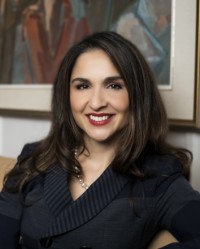


Stieber Berlach LLP is a Toronto-based, 33-lawyer boutique firm recognised across Canada for its leading insurance disputes and coverage practice. The firm represents domestic and international insurers, corporations, municipalities, healthcare institutions, professionals, and other organisations in complex matters across Canada. Its core areas of expertise include insurance coverage, casualty, property, class action defence (for which it is ranked by Chambers and Partners), medical malpractice, directors' and officers' liability, professional and products liability, financial institutions, fidelity and commercial crime insurance, fraud recovery, municipal liability, and environmental matters. Stieber Berlach regularly acts in high-exposure litigation, precedent-setting coverage disputes, class actions, and appeals, including matters before the Supreme Court of Canada and appellate courts across the country. The firm's lawyers are known for delivering strategic, practical, and results-driven advice while helping clients navigate complex claims, emerging risks, and evolving legal developments affecting the insurance industry.
Given their scope and potential for significant awards of damages, developments in class actions have important implications for insurers. This section examines trends and developments in class actions, specifically: standing requirements for representative plaintiffs in multi-defendant proceedings; significant findings in privacy class actions; and the rising costs of certification. All of these developments affect the litigation strategy insurers and their defence counsel should consider from the outset of the file.
Representative Plaintiffs, Multi-Defendant Proceedings and the Future of Ragoonanan
The pending decision from the Court of Appeal for Ontario in G.G. v Ontario 2025 ONSC 3011 may be one of the most significant class action developments in Ontario this year. A five-judge panel of the Court of Appeal was asked to consider a fundamental procedural question: when can a representative plaintiff pursue claims against a defendant against whom they have no personal cause of action?
The underlying litigation in G.G. arises from the privacy breaches by children’s aid societies on pregnant persons as a result of the societies’ practice of sending birth alerts to hospitals prior to the birth of the child. However, the broader significance of one of the issues on appeal extends far beyond the child welfare context. In that case, two plaintiffs, each of whom had interacted with only one children’s aid society, sought to certify a class action against 49 different societies, alleging improper disclosure of their personal information. Children’s aid societies in Ontario are independent corporations with separate governance structures, operational policies and legal identities.
For more than two decades, Ontario courts have applied the principle from Ragoonanan v Imperial Tobacco, 2000 CanLII 22719, requiring that, for each defendant named in a class proceeding, there must be a representative plaintiff with a claim against that defendant. The rule reflects a traditional feature of civil litigation: litigation proceeds because a plaintiff asserts a claim against a particular defendant, not because someone else may have such a claim. This limiting principle guides insurers in underwriting public and other institutions.
Ontario’s approach is not universal across Canada. Many provinces do not follow the Ragoonanan principle in class actions. For example, British Columbia, Alberta, Saskatchewan, Manitoba, Prince Edward Island, Nova Scotia and New Brunswick have an express provision in their respective class actions legislation which permits a person who is not a member of the class to act as a representative plaintiff, but only if it is necessary to avoid a substantial injustice to the class. Québec’s Code of Civil Procedure also allows the court to consider whether the proposed class as a whole advances viable claims against the defendants, rather than requiring a direct cause of action between the representative plaintiff and each defendant.
By contrast, Ontario has no such statutory provisions. The Superior Court recently applied the Ragoonanan principle in its 2024 decision in Pugliese v Chartwell. That proposed class action was brought against multiple long-term care homes alleging negligence in the homes’ failure to prevent and respond to the COVID-19 pandemic. Most of the long-term care homes named as defendants had no lis with the proposed representative plaintiffs. Pugliese emphasised the continued importance of maintaining a legal nexus between plaintiffs and defendants and cautioned against treating separate organisations as a single enterprise merely because they operate in the same sector. The court reinforced the proposition that similarity between defendants is not necessarily commonality.
On appeal, the plaintiffs in G.G. challenge the Ragoonanan principle. They argue that where multiple defendants are alleged to have engaged in substantially similar conduct giving rise to common issues, a class proceeding should be permitted to proceed against all defendants, even where the representative plaintiffs have claims against only one or some of them.
Their argument rests largely on access-to-justice concerns. The plaintiffs and several interveners submitted on appeal that requiring a representative plaintiff to have a personal claim against every defendant can become an insurmountable barrier where affected individuals are vulnerable, difficult to identify, reluctant to come forward or otherwise unable to participate in litigation.
The respondents and another intervenor to the appeal submitted that the Ragoonanan principle should remain good law in Ontario, including because of the specific statutory wording governing class actions in Ontario. Accordingly, they submitted that class actions require a representative plaintiff with a cause of action against each named defendant.
This issue has potentially significant implications for class action litigants in Ontario as well as their insurers. If a representative plaintiff with a claim against each named defendant is no longer required, plaintiffs may increasingly seek to pursue broad sector-wide proceedings involving multiple institutional defendants. Similar class actions could arise in litigation involving healthcare organisations, educational institutions, municipalities, long-term care operators, social service providers, professional bodies and other regulated entities. Multi-defendant proceedings increase defence costs, create coordination challenges among insurers and insureds, complicate settlement discussions and can significantly increase litigation pressure by aggregating claims.
Accordingly, the class actions bar and insurers await the appeal decision with interest to see if the Ragoonanan principle will continue to guide the structure of class actions in Ontario. Whether the decision ultimately settles the issue, its implications will extend far beyond the birth alert litigation from which it arose.
Privacy Class Actions Continue to Evolve Beyond Data Breaches
Insurers’ exposure to privacy litigation is no longer confined to failures to protect information from external threats. Liability may also arise from an organisation’s own practices in collecting, recording, monitoring and managing personal information.
Although cyberattacks and data breaches continue to generate substantial privacy class action litigation, a recent common issues trial decision suggests a growing focus on claims arising from organisations’ own collection, use and monitoring of personal information.
Organisations now collect unprecedented amounts of personal information through surveillance systems, mobile applications, customer analytics programs, artificial intelligence tools and employee-monitoring technologies. As data collection becomes more integrated into ordinary operations, privacy class actions will likely move beyond allegations of unauthorised access and focus instead on whether organisations should have collected, retained, monitored or used the information in the first place.
In J.C. et al. v Jugenburg et al., 2026 ONSC 3061, the Court held that plastic surgeon Dr Jugenburg and his corporation committed the tort of intrusion upon seclusion by installing surveillance cameras that recorded patients in private areas of the clinic, including consult rooms and operating rooms, without their knowledge or consent.
The court found that patients had a reasonable expectation of privacy while receiving medical care and emphasised that the wrongful conduct was the recording itself, not any subsequent use or disclosure of the footage. Although there was no evidence that the recordings were distributed to third parties or viewed for voyeuristic purposes, the cameras captured intimate conversations, images and medical interactions that served no legitimate medical purpose. The court rejected the defendants’ assertion that the cameras were installed primarily for security. Instead, the court found they were used to monitor staff, respond to complaints and protect Dr Jugenburg from potential disputes and litigation. The court also concluded that he knowingly recorded patients and collected private information without consent.
Applying the test established in Jones v Tsige and following the common issues trial, the court found that:
- the defendants had invaded the private affairs of class members without lawful justification;
- they acted intentionally or, at a minimum, recklessly by knowingly installing and operating the surveillance system; and
- a reasonable person would regard the intrusion as highly offensive, causing distress, humiliation and anguish.
The court emphasised that recording patients during some of the most vulnerable moments of their lives, without consent and for the defendants’ own benefit, constituted a serious breach of privacy warranting a remedy.
The decision contrasts with the earlier case of Stewart v Demme, 2022 ONSC 1790, which illustrates Ontario courts’ reluctance to convert every privacy incident into a compensable class action.
In Stewart, a nurse accessed patient information through a hospital database over a prolonged period for the purpose of stealing thousands of Percocet pills. The proposed class action advanced claims for intrusion upon seclusion and negligence. Although the certification judge had certified the intrusion upon seclusion claim, Ontario’s Divisional Court allowed the appeal and held that not every unauthorised access to private health information supports a claim for intrusion upon seclusion. The Divisional Court emphasised that the intrusion must be objectively “highly offensive” when assessed in light of all relevant circumstances.
While the information the offending nurse accessed constituted personal health information, the access was limited, fleeting and incidental to the nurse’s theft of medication. The nurse did not seek the information, retain it or share it with others. In those circumstances, the privacy breach did not “cry out for a remedy.”
Taken together, Jugenburg and Stewart demonstrate that courts are increasingly focused on the nature and seriousness of the intrusion itself. While courts remain cautious about certifying privacy claims arising from technical, incidental breaches, they have shown a willingness to impose significant liability where sensitive information is deliberately collected, recorded or accessed without adequate justification or consent. Factors such as the sensitivity of the information, the circumstances in which it was obtained, the individual’s reasonable expectations of privacy and the purpose for which the information was collected are playing an increasingly important role in the analysis.
Jugenburg suggests that privacy litigation is expanding beyond traditional data breach claims to include challenges to the collection, monitoring, retention and governance of personal information. Significantly, actionable privacy harm may exist even if personal information is never publicly disclosed or exploited by third parties. In certain circumstances, the collection or recording of personal information may itself constitute the wrongful act.
Another takeaway from Jugenburg is that privacy obligations become more demanding where information is gathered in environments involving trust, vulnerability or highly personal information. Medical providers, clinics, hospitals, long-term care facilities, rehabilitation providers and other healthcare organisations therefore remain particularly exposed to privacy-related class action risk.
Many privacy class actions over the last decade arose from cyberattacks, ransomware incidents, accidental disclosures, lost devices and other forms of unauthorised third-party access. However, the Court of Appeal for Ontario had significantly narrowed intrusion upon seclusion claims against organisations that merely failed to prevent third-party hacking in the Owsianik/Obodo/Winder trilogy. The Court of Appeal held that database defendants cannot generally be liable for intrusion upon seclusion simply because hackers breached their systems.
Against that backdrop, Jugenburg is particularly important because the organisation itself committed the alleged privacy wrong. The defendants intentionally collected and recorded the information. The court therefore found the conduct capable of supporting intrusion upon seclusion liability.
The result is a growing expectation that organisations handling sensitive personal information maintain robust consent practices, clear disclosure protocols and carefully defined limits on collection and use.
From an insurer’s perspective, privacy claims may engage cyber policies, professional liability coverage, healthcare liability programmes, directors’ and officers’ insurance, errors and omissions policies and specialised privacy endorsements. At the commencement of the litigation, insureds and/or their brokers must promptly identify the appropriate insurer(s) to put on notice. Insurers should pay particular attention to overlapping coverage clauses, as privacy claims may engage several policies. Such claims may also generate significant defence costs, regulatory investigations and reputational consequences independent of any ultimate finding of liability.
Lastly, given the recent developments in case law discussed above, insurers may wish, at the underwriting stage, to investigate the insured’s governance and safeguards to prevent privacy breaches and re-evaluate whether those protections remain up to date at each renewal.
The Rising Costs of Certification
For insurers assessing exposure on a class action, the actual claim for damages is only part of the picture. The cost of defending certification – and the potential exposure to plaintiffs’ legal costs if certification is contested and lost – can materially affect the value and risk of the claim.
As with litigation more generally, class proceedings are becoming more complex and, as a result, more costly to litigate. This trend is particularly heightened at the certification stage.
Certification is a procedural step and is not supposed to be a trial on the merits. That said, certification motions can involve significant legal work, particularly as class counsel prosecute increasingly complex and sometimes novel, claims.
Several recent examples show significant cost awards at the certification stage, both in favour of plaintiffs and defendants. The recent decision in Stolove v Waypoint Centre for Mental Health Care, however, is particularly illustrative of the effort required to both prosecute and respond to a class action at the certification stage.
The Stolove decision concerned a proposed class action against a psychiatric institution and the Province of Ontario, in which the proposed representative plaintiffs sought CAD200 million for claims arising from the use of seclusion and restraint over a 24-year class period.
The plaintiffs’ motion for certification in this case was hard-fought but ultimately dismissed by the certification judge, whose decision was upheld on appeal. While the certification decision has significant precedential value for future institutional abuse claims, the costs endorsement illustrates the increasing effort often required to respond to motions for certification.
The first set of defendants (the psychiatric institution and certain members of its senior leadership team) claimed a total of CAD1.4 million in partial indemnity costs responding to certification. Notably, this did not include over CAD500,000 in costs incurred up to certification that were discounted from its claim for costs. The other defendant (the Province of Ontario) had incurred CAD815,000 in partial indemnity costs. The plaintiffs’ bill of costs disclosed approximately CAD1 million in partial indemnity costs.
The scale of costs incurred by the parties reflected the significant efforts expended on certification. The certification record was nearly 15,000 pages. The record included 27 witnesses, with nine experts among them. Cross-examinations took 22 days. Across all parties, lawyers spent approximately 15,000 hours litigating certification.
Ultimately, the certification judge relied on section 31 of Ontario’s Class Proceedings Act (which allows the court to consider whether the proposed class action concerned a matter of public interest) and applied a 10% discount to the defendants’ claims for costs. He awarded the institutional defendants CAD1.17 million and the Province CAD735,000 in costs.
The plaintiffs sought leave to appeal this costs award, arguing that it was an “unprecedented and unparalleled departure” from costs awards in systemic abuse cases. However, the Court of Appeal for Ontario upheld the certification judge’s exercise of discretion and did not displace his costs award.
The Stolove decision likely represents one of the largest costs awards on a certification motion that did not also involve summary judgment.
We have seen a trend of increasingly complex and novel claims, particularly where institutional abuse is being alleged. The Stolove decision illustrates the time, effort and expense that can go into motions for certification. While a responding party can take steps to limit the complexity and costs of certification, class counsel are compiling extensive records that inevitably require a thorough response.
This trend will affect proceedings differently depending on where they were commenced. Most provinces, including Ontario, are loser-pays jurisdictions. In other words, the unsuccessful party on a certification motion can expect to bear the partial indemnity costs of the successful party. The Class Proceedings Act in British Columbia, in contrast, mandates a “no costs” regime in which no costs of certification proceedings may be awarded, absent exceptional conduct or circumstances.
Regardless of where a class proceeding is commenced, however, rising certification costs are a real consideration for insurers assessing exposure to class actions.
Stieber Berlach LLP
130 Adelaide Street West
Suite 3200
Toronto, Ontario
Canada
M5H 3P5
416 366 1400
416 366 1466
info@sblegal.ca www.sblegal.ca
Law and Practice
Authors
Stieber Berlach LLP is a Toronto-based, 33-lawyer boutique firm recognised across Canada for its leading insurance disputes and coverage practice. The firm represents domestic and international insurers, corporations, municipalities, healthcare institutions, professionals and other organisations in complex matters across Canada. Its core areas of expertise include insurance coverage, casualty, property, class action defence (for which it is ranked by Chambers and Partners), medical malpractice, directors’ and officers’ liability, professional and products liability, financial institutions, fidelity and commercial crime insurance, fraud recovery, municipal liability and environmental matters. Stieber Berlach regularly acts in high-exposure litigation, precedent-setting coverage disputes, class actions and appeals, including matters before the Supreme Court of Canada and appellate courts across the country. The firm’s lawyers are known for delivering strategic, practical and results-driven advice while helping clients navigate complex claims, emerging risks and evolving legal developments affecting the insurance industry.
Trends and Developments
Authors
Stieber Berlach LLP is a Toronto-based, 33-lawyer boutique firm recognised across Canada for its leading insurance disputes and coverage practice. The firm represents domestic and international insurers, corporations, municipalities, healthcare institutions, professionals, and other organisations in complex matters across Canada. Its core areas of expertise include insurance coverage, casualty, property, class action defence (for which it is ranked by Chambers and Partners), medical malpractice, directors' and officers' liability, professional and products liability, financial institutions, fidelity and commercial crime insurance, fraud recovery, municipal liability, and environmental matters. Stieber Berlach regularly acts in high-exposure litigation, precedent-setting coverage disputes, class actions, and appeals, including matters before the Supreme Court of Canada and appellate courts across the country. The firm's lawyers are known for delivering strategic, practical, and results-driven advice while helping clients navigate complex claims, emerging risks, and evolving legal developments affecting the insurance industry.
