Venture Capital 2026
Denmark
Authors

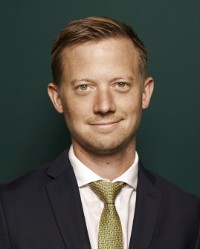
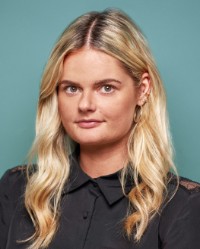
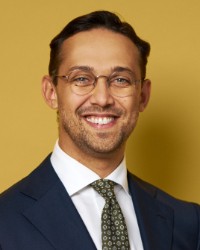
Moalem Weitemeyer is a specialist M&A firm that advises on some of the most significant and complex transactions in Denmark, including large-cap public and private M&A as well as cross-border deals. The firm is regularly mandated on transactions characterised by execution complexity, tight timelines and high commercial impact. The team advises a broad client base, including corporates, founders, venture funds and private equity sponsors, and is active across a wide range of industries. Moalem Weitemeyer has built a strong position across the full life cycle of transactions, from early-stage investments to large-scale exits. The firm is frequently involved in cross-border matters and works closely with leading international law firms across Europe, the USA and Asia, supporting clients on complex, multi-jurisdictional transactions.
1. Trends
1.1 Venture Capital Market
The Danish venture capital (VC) market in 2025 broadly mirrored global developments in venture financing. After a period of contraction following the record investment levels observed in 2021, the market gradually stabilised. Global venture investment increased significantly during 2025, reaching approximately USD469 billion – representing a substantial year-on-year increase compared to 2024 – although the number of deals declined, reflecting a market characterised by fewer but larger financing rounds.
Denmark has followed a similar trajectory. While venture investments declined during parts of 2024 and early 2025 compared to the peak years, the Danish ecosystem has remained resilient, with continued deal flow and strong early-stage activity supported by both institutional investors, angel networks and public co-investment frameworks.
Notable transactions related to VC during the past 12 months include the following.
- Flatpay, founded in 2022 by serial founders Sander Janca-Jensen, Rasmus Busk, Rasmus Hellmund Carlsen and Peter Lüth, is a Danish payment solutions provider for SMEs. Flatpay completed a significantly upsized growth financing of more than EUR145 million, led by AVP, with participation from Smash Capital and existing investors, at a valuation of approximately EUR1.5 billion, making it the fastest Danish company to achieve unicorn status.
- Adcendo, a biotech company focused on the development of first-in-class ADCs for the treatment of cancers, closed an oversubscribed EUR128 million Series B financing round led by TCGX.
- Light, a Copenhagen-based fintech company developing AI-powered software to automate core finance functions for businesses, raised EUR25 million in a Series A funding round led by Balderton Capital to support product development and international expansion.
- Formalize, a Copenhagen-based compliance software company developing a platform for governance, risk and compliance, raised EUR30 million in a Series B funding round co-led by Acton Capital and BlackFin Tech, with additional participation from West Hill Capital and CIBC Innovation Banking.
1.2 Key Trends
Over the past 12 months, the Danish VC market has adapted to global economic uncertainty, leading to several key trends.
Investment selectivity has intensified, with VCs prioritising start-ups that demonstrate clear paths to profitability and proven business models, particularly in sectors such as cleantech, health tech and AI. Down-rounds have become more common as valuations adjust, and there is an increased emphasis on profitability and cash flow rather than rapid growth. Due diligence processes have also become more rigorous, extending negotiation timelines.
Deal terms have evolved, in response to the subdued global VC market. Valuations are more conservative, resulting in lower dilution for founders, while convertible notes are being used more frequently to provide flexibility. Investors are also incorporating milestone-based funding structures to ensure that capital is deployed efficiently. Exit provisions, including stronger liquidation preferences, have gained importance, and VCs are securing greater governance rights, such as board seats or observer rights, to maintain oversight.
Additionally, ESG considerations remain a significant factor in investment decisions, with a growing focus on sustainability, particularly in clean energy and the circular economy.
Overall, while the Danish VC market mirrors global trends of increased caution, it remains resilient, emphasising sustainable growth, profitability and clear value propositions in an increasingly selective funding environment.
1.3 Key Industries
Between February 2025 and February 2026, Denmark’s VC activity was primarily driven by the technology, life sciences and renewable energy sectors, although overall investment levels have been moderate compared to previous peak years.
The technology sector – particularly fintech and enterprise software – has continued to attract a significant share of VC investment, driven by ongoing digitalisation and demand for scalable, software-based solutions.
Within this segment, AI-related companies have attracted increasing investor attention, particularly at the early stage, reflecting the rapid adoption of generative AI and data-driven technologies across industries. However, AI investment remains concentrated in smaller, early-stage rounds and therefore accounts for a more limited share of total capital deployed. As a result, while software and AI companies together represent a substantial proportion of overall deal activity, capital deployment remains broader within enterprise solutions. According to the Export and Investment Fund of Denmark, enterprise solutions accounted for approximately 35% of total VC invested in Q3 2025.This highlights a broader market dynamic, where AI drives deal activity, while enterprise software continues to capture a larger share of invested capital.
Life sciences continues to represent the dominant sector in terms of capital deployed, driven by Denmark’s strong research infrastructure and the presence of large, capital-intensive funding rounds. According to the Export and Investment Fund of Denmark, more than 34% of total Danish VC in 2024 was invested in the life sciences sector.
Meanwhile, the renewable energy sector remains an important area within Denmark’s venture ecosystem as part of Denmark’s broader green transition and climate innovation agenda. Investments have particularly targeted technologies linked to wind energy, power-to-X and cleantech. While investor interest in green technologies remains strong, recent developments suggest a more cautious investment environment, with VC activity declining in the first half of 2025 and investors increasingly focusing on smaller, earlier-stage investments rather than large-scale funding rounds.
A distinction can be made between industries that experienced VC-backed exits and those that saw an increase in financing rounds. The technology sector – particularly fintech and software companies – accounted for a higher share of VC-backed exits, predominantly through M&A. In contrast, deep tech and renewable energy start-ups underwent multiple financing rounds, reflecting their capital-intensive nature and extended development timelines. This trend was further reinforced by the European Investment Fund’s commitment to PSV Hafnium, Denmark’s first venture fund dedicated to deep tech, underscoring the sector’s need for sustained funding.
Overall, Denmark’s VC landscape over the past year has followed a clear pattern: technology firms are more likely to achieve VC-backed exits, whereas deep tech and renewable energy companies continue to attract successive funding rounds to support long-term growth and commercialisation.
2. Venture Capital Funds
2.1 Fund Structure
In Denmark, VC funds are typically structured as limited partnerships (Kommanditselskab – K/S), where the general partner (GP) manages the fund, and limited partners (LPs) provide capital while maintaining limited liability. The GP is usually a private limited company (ApS or A/S) to minimise liability exposure.
Decision-making is governed by the limited partnership agreement (LPA), which defines capital commitments, governance and profit distribution. The GP has discretionary authority over investment decisions, often with oversight from an investment committee, which may include LP representatives.
Market-standard corporate documentation includes:
- an LPA – defines fund structure, governance, investor rights and capital calls;
- subscription agreements – regulate capital commitments and LP obligations;
- an Investment Committee Charter – establishes decision-making authority on investments;
- management agreements – outline roles, fees and responsibilities of fund managers; and
- side letters – address specific investor rights and bespoke terms.
2.2 Fund Economics
Fund principals typically participate in the economics of the fund through:
- management fees – usually ranging from 1.5% to 2.5% of committed capital, covering operational expenses; and
- carry or carried interest – standard market practice sets this at 20%, contingent on surpassing a predetermined hurdle rate (often 8%).
The increased use of continuation funds across Europe is also evident in the Danish private equity market. A growing number of portfolio companies are approaching or exceeding typical fund holding periods, increasing pressure on Danish sponsors to seek alternatives to traditional exit routes. In this context, continuation funds have developed from being perceived as last-resort solutions into a strategic exit tool. Recent Danish market practice shows that continuation funds are increasingly being used in single-asset structures, particularly for high-quality portfolio companies where sponsors see continued upside.
2.3 Fund Regulation
Danish VC funds are subject to the Alternative Investment Fund Managers Directive (AIFMD) and must comply with licensing, reporting and investor protection requirements. However, VC funds operating exclusively for professional investors may benefit from lighter regulatory obligations.
Funds structured as limited partnerships are not subject to direct corporate taxation, as profits and losses pass through to investors. Additionally, certain government-backed VC initiatives may have extra reporting obligations.
2.4 Particularities
Denmark’s VC ecosystem comprises a diverse mix of impact funds, fund-of-funds and government-backed VC initiatives. The Export and Investment Fund of Denmark (EIFO) and the European Investment Fund (EIF) play significant roles in supporting early-stage investments, often co-investing alongside private funds.
Given the extended holding periods in VC, fund strategies have adapted to accommodate this trend, including through:
- secondary market transactions – enabling LPs to exit positions before fund maturity; and
- hybrid fund structures – combining VC with growth equity strategies.
3. Investments in Venture Capital Portfolio Companies
3.1 Due Diligence
VC fund investors in Denmark generally adopt a risk-weighted approach to due diligence, focusing their in-depth analysis on business-critical areas while addressing other customary topics through management discussions and targeted confirmatory enquiries. The level of scrutiny varies based on factors such as the company’s industry, growth stage and regulatory exposure, ensuring a due diligence process that is proportionate to the associated risks.
Key areas of focus typically include ownership structure, intellectual property (IP) rights, key commercial contracts, and employment terms for key personnel. Investors assess the company’s shareholding and capital structure, including any warrants, stock options or convertible instruments that could impact dilution and governance.
IP ownership and protections are particularly crucial for tech-driven companies, ensuring that patents, trade marks and proprietary technology are properly assigned to the company and are free from third-party claims. Likewise, a review of material commercial agreements helps evaluate long-term revenue stability, dependencies on key customers or suppliers, and contractual risks. On the employment side, investors typically scrutinise non-compete, non-solicitation, confidentiality and IP assignment clauses to ensure that founders, key employees and technical talent remain committed and aligned with the company’s growth.
3.2 Process
The timeline for a new financing round in a growth-stage company with new anchor investors can vary significantly based on transaction complexity, the number of stakeholders involved, and due diligence requirements. Generally, the process takes between two and six months, covering key phases such as preparatory work, investor negotiations, due diligence, legal documentation and closing. The introduction of a new anchor investor often adds complexity, as they may require extensive due diligence, negotiate key terms and influence the investment round’s structure.
A single financing round involves multiple parties with differing interests, including existing investors, new investors, the company, and sometimes key management. Existing investors typically aim to protect their pro rata rights, maintain governance influence and secure exit pathways, while new investors – particularly anchor investors – often push for preferred terms, board representation or enhanced protections. Balancing these interests requires careful structuring of the investment agreements.
The choice of legal counsel depends on transaction dynamics. In some cases, all investors engage joint counsel to streamline negotiations, particularly when their interests align. However, in more complex rounds – especially those involving significant governance changes or investor protections – existing and new investors may retain separate counsel to negotiate terms independently. The company typically appoints its own legal advisers to safeguard its interests.
Decision-making mechanisms in a financing round depend on shareholder agreements and company by-laws. Majority requirements are often sufficient to approve new financings, particularly when structured within an agreed framework. However, financings rarely proceed strictly in line with the mechanics contemplated in the shareholders’ agreement, requiring amendments to complete the round. Shareholders’ agreements often specify that amendments require a certain approval threshold, such as shareholders representing 90% of the equity.
3.3 Investment Structure
In Denmark, early-stage financings often involve alternative equity instruments beyond common stock, particularly when investors seek downside protection, preferential returns or greater influence over corporate governance. The most commonly used instruments include preferred shares and convertible notes, each offering distinct rights and features that align with market standards.
Preferred Shares
Preferred shares are the most common alternative to common stock in VC financings, typically offering liquidation preferences, ensuring that investors recover their investment – often at 1x their original contribution – before common shareholders receive any proceeds in an exit or liquidation. These shares frequently include anti-dilution protections, usually structured as a broad-based weighted average adjustment, though full ratchet provisions may be negotiated in investor-favourable deals.
Voting rights attached to preferred shares are often equivalent to those of common stock, but investors typically negotiate veto rights over key corporate decisions, such as the issuance of new shares, amendments to governing documents, and significant M&A transactions. Additionally, preferred shareholders often secure board representation or, at a minimum, observer rights to maintain influence over strategic decisions.
Convertible Notes
Convertible notes are widely used in early-stage financings, particularly when valuation uncertainty makes equity pricing challenging. These instruments typically include:
- a discount (10%–25%) to the next financing round;
- a valuation cap to protect investors from excessive dilution if the start-up raises capital at a high valuation; and
- an interest rate (typically 3%–8%), though interest is often accrued and converted into equity rather than paid in cash.
The maturity date usually triggers automatic conversion at the next qualifying round, though some notes grant investors the option to request repayment if conversion does not occur within the agreed timeframe. Additionally, most-favoured-nation clauses are often included to ensure that investors receive the most favourable terms granted to any subsequent investors.
3.4 Documentation
A financing round in a Danish growth company typically involves a structured set of key legal documents to ensure clarity on investment terms, governance rights and post-closing obligations. The core documentation generally includes:
- an investment agreement;
- a shareholders’ agreement;
- updated corporate governance documents; and
- ancillary documents related to share issuance and regulatory compliance.
While Denmark does not have a fully standardised set of VC investment templates similar to the NVCA (USA) or BVCA (UK) models, market practice often aligns with internationally recognised VC standards, particularly in deals involving institutional investors.
Investment Agreement
The investment agreement is the central document that sets out the terms of the investment, purchase price, conditions precedent, and representations and warranties given by the company – and, in some cases, by founders. It also includes closing mechanics, specifying the process for share issuance and fund transfers. The agreement typically outlines investor protections, such as warranties on financials, IP ownership, and compliance, often subject to liability limitations and disclosure carve-outs.
Shareholders’ Agreement
The shareholders’ agreement governs the post-investment relationship among shareholders, defining corporate governance rights, share transfer restrictions, exit provisions and investor protections. Standard provisions include:
- tag-along and drag-along rights;
- rights of first refusal;
- anti-dilution protection; and
- consent requirements for key business decisions.
Institutional investors often negotiate for board representation and veto rights over certain strategic decisions.
Articles of Association
A financing round also requires corporate documentation, including amended articles of association (in Danish: vedtægter) to reflect new share classes or investor rights. If new preferred shares are issued, the articles will specify liquidation preferences, voting rights and dividend structures. Additionally, cap table updates and shareholder resolutions formalising the issuance of new shares are required.
Ancillary Documents and Regulatory Compliance
Additional documents typically include:
- investor rights agreements;
- regulatory filings to ensure compliance with Danish corporate law; and
- know-your-customer/anti-money laundering (KYC/AML) documentation, particularly for institutional investors subject to regulatory oversight.
Market Practice and Standardisation
While Denmark does not have a set of mandatory VC templates, market practice frequently draws inspiration from Nordic model documents and internationally recognised frameworks, particularly in deals involving cross-border investors. Legal counsel typically tailors agreements to align with Danish corporate law, local investor expectations and company-specific considerations.
3.5 Investor Safeguards
In Denmark, VC investors secure various protections in downside scenarios, such as liquidation, to prioritise their returns over founders, employees and other stakeholders. Liquidation preferences ensure that investors recover their capital – often with a predefined return – before distributions to common shareholders.
While non-participating preferences remain the market standard, recent conditions have led to a growing prevalence of participating preferences, which allow investors to reclaim their initial investment and then participate in the remaining proceeds.
Anti-dilution provisions are also common, with broad-based weighted average adjustments being the preferred mechanism to prevent ownership dilution in down-rounds, typically excluding shares issued under employee incentive plans.
Additionally, investors usually secure pre-emption rights, allowing them to maintain their stake by subscribing to new equity issuances before external investors. Depending on the deal dynamics, investors may also receive “super pre-emption” and right-of-first-refusal rights, ensuring that only the investor and holders of preferential shares can exercise these rights.
3.6 Corporate Governance
In addition to exercising influence through their ownership rights by voting at the general meeting, a VC investor would typically secure additional rights in a shareholders’ agreement to influence the management and affairs of the venture.
Board Representation and Decision-Making
VC investors often secure seats on the company’s board of directors, allowing them to participate directly in strategic decision-making. Board representation ensures that investors can oversee management actions and contribute to the company’s long-term direction.
Approval Rights (Reserved Matters)
Investors may require approval rights over certain major corporate decisions, ensuring that their interests are protected. These reserved matters typically include:
- amendments to the company’s governing documents;
- issuing new shares or financial instruments;
- changes to the capital structure;
- modifications to business operations;
- taking on debt;
- mergers or demergers;
- acquisitions or disposals of assets;
- dividend distributions;
- signing significant contracts;
- making substantial investments; and
- appointing or removing key executives.
Information Rights
Investors customarily obtain information rights, granting access to financial statements, budgets and strategic plans. Regular reporting obligations and the right to inspect company records allow investors to monitor performance and ensure that management aligns with agreed-upon objectives.
In practice, investors’ operational influence in Danish venture-backed companies is generally exercised through governance structures rather than through direct involvement in the day-to-day management of the company. While investor rights are typically structured as veto rights over reserved matters, lead investors frequently obtain board representation and enhanced information rights, enabling them to actively participate in strategic discussions and oversight of the company’s development.
3.7 Contractual Protection
In a Danish start-up or growth company financing round, the representations and warranties typically cover the following areas:
- legal status and corporate power;
- no conflict;
- issued shares/equity instruments;
- financial statements and, in some cases, management accounts;
- position since the accounts date;
- real property and other assets;
- IP rights (IPR) and IT;
- General Data Protection Regulation (GDPR) compliance;
- material agreements;
- related party transactions;
- employees and pension;
- insurance;
- tax matters;
- regulatory compliance;
- no insolvency;
- litigation; and
- disclosed information.
According to Danish market standards, the maturity of the company influences the extent of representations and warranties – the more mature the company, the more extensive the warranties. Notably, similar to M&A transactions, the representation and warranty catalogue in Denmark is generally less extensive and comprehensive than in jurisdictions such as the USA.
Recourse and Founder Liability
In pre-seed and early seed rounds, it is customary for the founder team to bear personal liability, subject to a claim hierarchy where investors must:
- firstly, seek recourse against the company; and
- secondly, seek recourse against the founders’ holding companies.
Additionally, founders’ personal liability is typically capped at one year’s net salary.
4. Government Inducements
4.1 Subsidy Programmes
In Denmark, several government and quasi-government initiatives are designed to incentivise equity financing in growth companies.
EIFO provides capital through loans or equity investments to support companies’ development plans. EIFO also invests in private funds, which in turn invest in companies, and directly provides equity investments in start-ups with significant growth potential.
4.2 Tax Treatment
In Denmark, the tax treatment of VC investments generally follows standard corporate tax rules but includes key distinctions aimed at encouraging investment.
Participation Exemption for Corporate Investors
Corporate investors benefit from the participation exemption, which makes capital gains and dividends on qualifying shares tax-free.
Tax Incentives for Start-Ups
Start-ups can take advantage of R&D tax deductions and equity incentives under Section 7P, which allow for tax deferral on employee share schemes. These incentives support VC investment, innovation and talent attraction in early-stage companies. The deduction rates for R&D expenses are set at:
- 108% in 2025;
- 114% in 2026;
- 116% in 2027; and
- 120% in 2028.
Tax-Free Dividends on Unlisted Portfolio Shares
Recent regulatory changes have abolished taxation on dividends from unlisted portfolio shares (where a company owns less than 10%). Previously, these dividends were subject to a 15.4% tax (calculated as 22% of 70%).
This change eliminates the disparity between capital gains and dividend taxation on such shares. As a result, companies receiving dividends from unlisted portfolio shares are no longer subject to the 15.4% tax, aligning dividend and capital gains taxation.
4.3 Government Endorsement
The Danish government has launched substantial initiatives to increase equity financing activity and strengthen the broader start-up ecosystem. In June 2024, the Danish government entered into a broad political agreement introducing 46 new initiatives aimed at improving business framework conditions and fostering talent development. These initiatives are part of a broader strategy to enhance the investment climate and support start-ups and innovative companies. Collectively, the package aims to make it easier for Danish entrepreneurs to attract capital and grow their businesses, signalling strong political endorsement of equity financing as a key driver of innovation and economic growth.
5. Employment Incentives
5.1 General
In Denmark, the long-term commitment of founders and key employees is typically secured through the following.
- Vesting agreements – equity ownership is earned over time, ensuring alignment with the company’s sustained success. If a founder leaves prematurely, vesting provisions may limit their ability to retain their full share allocation, protecting other stakeholders.
- Employee equity incentive plans (ESOPs) – many venture-backed companies implement ESOPs, allowing founders and key employees to acquire a greater stake in the company. These plans may be structured as stock options or share purchase schemes, with vesting tied to time-based schedules or performance milestones (KPIs).
5.2 Securities
To incentivise founders and employees, Danish companies typically use equity-based instruments such as warrants and stock options, granting rights to acquire shares in the future, contingent on specific conditions or timeframes.
Standard terms include:
- (reverse) vesting – rights are earned over a set period; and
- exercisability – defines when and how options/warrants can be exercised, usually aligning with an exit event.
Implementing these plans early ensures flexibility for future investors.
5.3 Taxation of Instruments
Denmark offers favourable tax treatment under Section 7P of the Danish Tax Assessment Act. If certain conditions are met (eg, compensation not exceeding 10%–20% of an employee’s annual salary), taxation is deferred until the sale of shares, at which point gains are taxed as capital income (up to 42%). This provides a significant advantage over standard income taxation.
In addition, recent legislative changes in Denmark extend tax-advantaged employee share schemes under Section 7P to a significantly wider group of SMEs. Importantly, the previous 50% cap on the value of shares that can be granted under Section 7P has been removed in favour of a minimum basic salary requirement, meaning that eligible employees can receive an unlimited number of shares subject to advantageous taxation. The amendments are subject to prior approval by the European Commission under the EU State aid rules and, once implemented, are expected to further strengthen the use of equity-based remuneration as a tool for attracting and retaining talent in growth-stage companies.
5.4 Implementation
When implementing an investment round, it is common to establish an employee incentive programme concurrently with a new investment round. This ensures that a portion of equity is allocated before new investments, managing dilution effects.
The size and structure of these programmes are key negotiation points in VC financings, and are typically documented in the investment agreement or shareholders’ agreement. However, implementation is often delegated to the (new) board of directors post-closing, with minimal direct impact on the VC investment process itself.
6. Exits
6.1 Investor Exit Rights
VC shareholders’ agreements in Denmark typically include exit provisions governing liquidity events such as trade sales or IPOs.
Common clauses include:
- tag-along rights – allow minority shareholders to sell under the same terms as majority shareholders; and
- drag-along rights – enable majority shareholders to force minority shareholders to sell on agreed terms.
Exit triggers are often tied to:
- achieving specific financial milestones;
- reaching a predetermined investment horizon; and
- receiving qualifying acquisition offers.
Transfer restrictions typically include:
- rights of first refusal – existing shareholders have the first option to purchase shares before external investors; and
- lock-in periods – restricting share sales within a set timeframe to ensure stability.
6.2 IPO Exits
The Danish IPO market has been largely inactive in recent years. In 2025, no new listings were completed on either Nasdaq Copenhagen’s Main Market or Nasdaq First North, continuing a period of declining IPO activity after the peak in 2021 and following only three IPOs in 2023. This prolonged inactivity reflects continued challenging market conditions for public listings and has shifted investor preferences towards trade sales as a more reliable exit strategy.
Recent legislative changes allow companies to opt for realisation-based taxation for up to seven years after an IPO, meaning that taxes are paid only upon the actual sale of shares, rather than on unrealised mark-to-market gains, which previously applied to companies holding less than 10% ownership in listed companies.
Going forward, investors in newly listed companies will have the option to apply realisation-based taxation. This provides a significant liquidity advantage, particularly for founders and early investors, who are often subject to IPO lock-up periods, restricting their ability to sell shares immediately after listing.
6.3 Pre-IPO Liquidity
IPOs remain relatively uncommon for start-ups in Denmark, primarily due to stringent regulatory requirements and the high costs associated with public listings. When companies do pursue an IPO, they typically consider Nasdaq Copenhagen or other European exchanges, depending on company size, industry focus and investor interest. The timeline for an IPO is shaped by factors such as the company’s growth trajectory, market conditions and regulatory preparedness.
Pre-IPO Liquidity Considerations
There is a growing recognition of the need for pre-IPO liquidity, enabling early investors and employees to realise returns before a formal exit event. However, creating a structured secondary market presents challenges, including:
- regulatory compliance;
- valuation complexities; and
- potential impacts on company control and confidentiality.
To navigate these challenges, company-facilitated tender offers can serve as a strategic solution. This approach allows the company to repurchase shares or facilitate sales to approved investors, providing liquidity while maintaining oversight and stability in the shareholder base.
7. Regulation
7.1 Securities Offerings
VC transactions in Denmark are primarily governed by the Danish Companies Act and the Danish Capital Markets Act, ensuring shareholder protection and market efficiency.
For larger transactions involving multiple investors or employees, compliance with the Danish Alternative Investment Fund Managers Act (the “AIFM Act”) may be required. Unlike some jurisdictions, Denmark does not provide a private placement exemption under AIFM rules, meaning that prior regulatory approval is needed to market such funds.
Denmark maintains an open policy for foreign VC investments, though the Danish Investment Screening Act (DISA) requires pre-approval for investments in critical sectors such as:
- defence and IT security;
- critical infrastructure (eg, energy, telecoms); and
- financial agreements with national security implications.
7.2 Restrictions
Foreign VC investors generally face few restrictions in Denmark. However, the Danish foreign direct investment (FDI) screening framework has been increasingly enforced over the past year, particularly concerning Chinese and non-EU/EEA investors.
FDI approval is required for investments where non-EU/EEA investors acquire 10% or more of voting rights in companies operating in sensitive sectors. Despite the increased scrutiny, only one investment has ever been prohibited by the Minister for Industry, Business and Financial Affairs.
Sector-Specific Regulations
Certain industries impose additional restrictions on foreign investors:
- financial institutions (eg, banks, payment service providers) require approval from the Danish Financial Supervisory Authority (Finanstilsynet); and
- energy and infrastructure – foreign ownership of critical infrastructure is subject to restrictions.
Moalem Weitemeyer
Amaliegade 3-5
DK-1256
Copenhagen
Denmark
+45 30 37 96 23
+45 70 70 15 06
poul.guo@moalemweitemeyer.com moalemweitemeyer.com/
Trends and Developments
Authors

Moalem Weitemeyer is a specialist M&A firm that advises on some of the most significant and complex transactions in Denmark, including large-cap public and private M&A as well as cross-border deals. The firm is regularly mandated on transactions characterised by execution complexity, tight timelines and high commercial impact. The team advises a broad client base, including corporates, founders, venture funds and private equity sponsors, and is active across a wide range of industries. Moalem Weitemeyer has built a strong position across the full life cycle of transactions, from early-stage investments to large-scale exits. The firm is frequently involved in cross-border matters and works closely with leading international law firms across Europe, the USA and Asia, supporting clients on complex, multi-jurisdictional transactions.
Introduction
Denmark’s venture capital (VC) ecosystem has evolved from a year of recalibration, demonstrated resilience and growth in 2024, driven by legislative reforms, increased investment activity, and a focus on technology and innovation. The Danish VC market is now characterised by more balanced capital deployment, normalised valuations and heightened focus on capital efficiency and profitability. AI, life sciences, fintech and green technology remain core pillars of activity. Government initiatives and regulatory stability continue to strengthen Denmark’s position as an attractive investment hub, despite global economic and geopolitical uncertainty.
Investment Activity and Market Dynamics
Investment activity in Denmark during 2025 reflects a structurally more disciplined venture market. While overall investment volumes remain below the 2021–2022 peak levels, deal flow has stabilised, with investors prioritising fewer, higher-conviction investments. Average ticket sizes have normalised, and financing rounds are increasingly structured with enhanced downside protection, milestone-based tranching and stronger governance rights.
Early-stage investments continue to represent a significant share of total deal count, supported by public co-investment schemes and angel participation. At the same time, later-stage capital is increasingly concentrated in companies demonstrating commercial traction, recurring revenue and credible paths to profitability.
A significant driver of activity in 2025 was the DKK1.1 billion (approximately EUR148 million) investment in the fintech company Flatpay. Other major investments included Hemab (life sciences), Formalize (SaaS/enterprise solutions) and Light Company (AI/fintech). These investments highlight the continued interest in fintech, SaaS solutions and biotechnology.
AI Sector Sees Rapid Expansion
The artificial intelligence (AI) sector has emerged as a fast-growing – albeit still relatively early-stage – segment of the Danish VC ecosystem.
Investment activity increased significantly during 2024 and continued into 2025, reflecting growing investor interest in AI-driven solutions across enterprise software, automation and data analytics. However, compared to more mature sectors such as life sciences and broader software, AI continues to account for a relatively modest share of total invested capital.
A defining feature of AI investment in Denmark is its strong concentration in early-stage rounds. The majority of AI-related transactions in 2025 were seed and early venture investments, reflecting both the technological immaturity of many companies and the higher risk profile associated with developing AI-driven products. This has resulted in relatively smaller ticket sizes and a more fragmented investment landscape.
AI-related investments continued to attract significant investor attention. While invested capital in AI companies remained relatively modest at approximately EUR31 million in the first half of 2025, deal activity remained strong, with 24 AI investment rounds recorded by mid-2025, nearly matching the total number of rounds completed in 2024.
Overall, the Danish AI segment is characterised by strong pipeline development and early-stage momentum, but has yet to translate into large-scale capital deployment relative to other core sectors.
Fintech
In 2025 fintech continued to play an important role in the Danish VC ecosystem, particularly within the broader software and enterprise solutions segment. The sector has historically attracted substantial venture funding, reflecting strong investor interest in technologies that improve financial management, payment infrastructure and digital financial services.
Earlier investment activity illustrates this trend. In 2024, Danish fintech companies attracted significant VC investments, including major funding rounds by Ageras and Flatpay. Ageras, which specialises in financial services and accounting solutions for small and medium-sized businesses, raised approximately DKK612 million (EUR82 million), while payment platform Flatpay secured approximately DKK335 million (EUR45 million). These investments reflected strong investor confidence in scalable fintech platforms offering digital accounting services, automated payment systems and other financial management tools.
While venture investment activity across the Danish technology sector slowed somewhat during 2025, investor interest in fintech solutions has remained strong, particularly for companies providing infrastructure supporting digital payments and financial automation.
This trend was further reinforced in late 2025, when Flatpay completed the above-referenced funding round at a valuation of approximately EUR1.5 billion, making it one of Denmark’s newest fintech unicorns. The investment highlights continued international investor confidence in Danish fintech companies and underlines the sector’s role in driving innovation within digital payments and financial services.
Slowdown in Venture Activity in Early 2025
The Danish VC market experienced a notable slowdown in the first half of 2025 compared to the previous year. By mid-2025, Danish companies had raised approximately EUR332 million across 55 venture financing rounds, representing a 44% decline in invested capital and a 19% decrease in deal activity compared to the first half of 2024. This development reflects a more cautious investment environment, driven by geopolitical uncertainty and increased volatility in global financial markets.
Despite the decline in capital deployed, the Danish start-up ecosystem continues to demonstrate relatively strong deal flow, with a growing concentration of investments at the earliest funding stages. Investors increasingly prioritise smaller early-stage rounds, while larger late-stage investments became less frequent.
Defence and Dual-Use Technologies
Geopolitical developments and increased focus on European security have led to growing investor interest in defence and dual-use technologies in Denmark and the broader Nordic region. VC investors are increasingly exploring opportunities in areas such as AI, robotics, cybersecurity and advanced software solutions with potential defence applications.
Several Danish and Nordic venture investors have begun to engage more actively in this space. For example, Heartcore Capital has highlighted defence and dual-use technologies as emerging investment areas, while the Copenhagen-based venture firm Final Frontier has launched a dedicated fund focused on early-stage defence technology companies.
At the ecosystem level, Denmark has also launched initiatives designed to strengthen innovation within defence technology. The Defence Tech Denmark programme, supported by the Danish Industry Foundation, Innovation Fund Denmark (Innovationsfonden) and the Export and Investment Fund of Denmark (EIFO), aims to support dozens of Danish start-ups developing technologies relevant to defence, security and critical infrastructure over the coming years.
Together, these developments indicate a gradual shift towards greater VC engagement with defence-relevant technologies in Denmark, particularly within early-stage and dual-use innovation.
Q3 Uptick Following Slower Venture Activity in Early 2025
After a slower start to 2025, the Danish VC market showed signs of recovery in the third quarter of 2025. Venture investments reached approximately EUR171 million during the quarter, representing a 94% increase compared to the previous quarter, despite a slight decline in the number of deals to 28. The development indicates a modest rebound in capital deployment, even though overall investment activity remains below the levels observed in previous years. The increase in invested capital in Q3 was accompanied by a noticeable rise in average ticket sizes, reflecting a higher concentration of capital in a limited number of larger transactions.
Sector activity during the period remained concentrated in technology-driven industries. Enterprise solutions accounted for the largest share of VC invested in Q3 2025, while biotech and health tech continued to rank among the most active investment verticals, reflecting Denmark’s strong position in life sciences and software-driven innovation.
Green VC Investments
Green technology continues to feature prominently within Denmark’s venture ecosystem as part of the country’s broader climate transition and innovation agenda. Investment activity in the sector reached historically high levels in 2024 with approximately EUR269 million invested across 33 funding rounds, representing a 40% increase compared to the previous year, and reflecting strong investor appetite for technologies supporting decarbonisation, renewable energy systems and sustainable industrial processes.
However, venture investment in green technologies was more moderate in 2025. Data from the first half of the year indicates a noticeable decline in total capital deployed compared to the previous year. While overall funding volumes have decreased, the sector continues to attract investor attention, with a growing emphasis on earlier-stage companies developing new climate and energy technologies. This shift suggests a more cautious investment approach, where investors spread risk across smaller financing rounds while continuing to support innovation relevant to the green transition.
Exit Opportunities
Exit opportunities in Denmark remained constrained in 2025, particularly with respect to IPOs. Danish IPO activity has declined markedly compared to the peak years of 2020–2021, and public listings continue to be limited across Nordic markets. Market volatility, subdued equity market sentiment and investors’ continued preference for lower-risk asset classes have reduced the attractiveness of IPOs as an exit route.
As a result, founders and investors increasingly rely on alternative liquidity solutions. Strategic M&A transactions, secondary share sales and structured exit processes – including general partner (GP)-led transactions – have become the primary exit pathways. This environment has contributed to longer holding periods and a greater emphasis on early alignment between founders and investors regarding exit strategies.
Matchloans
Matchloans, offered by EIFO, are a financial instrument designed to support early-stage start-ups in Denmark by matching investments from private investors on a one-to-one basis. This means that, for every krone invested by a private investor, EIFO provides an additional krone, effectively doubling the capital available to the start-up.
The loans range from a minimum of DKK500,000 to a maximum of DKK3 million, and are structured with a six-year term, including an initial three-year interest-only period. Matchloans are particularly attractive to companies as they provide substantial funding without diluting the founders’ equity, thereby preserving their control and ownership.
Additionally, these loans enable start-ups to leverage private investments, share risk with investors, and establish a solid financial foundation to scale their businesses. The structured support from EIFO, combined with the expertise and networks of private investors, enhances the potential for start-ups to achieve their growth and innovation objectives.
Foreign Direct Investment (FDI) Screening
Over the past year, enforcement of Denmark’s FDI screening framework has intensified, with authorities conducting more in-depth reviews – particularly for investments linked to Chinese or non-EU/EEA investors. Despite this heightened scrutiny, only one case to date has resulted in the Minister for Industry, Business and Financial Affairs blocking an investment. The investment was subsequently approved.
Policy Reforms Improving the Investment Climate
Legislative reforms implemented in recent years continued to positively impact Denmark’s VC market in 2025. Amendments to the Danish Companies Act now allow private limited companies (ApS) to offer shares to the public under certain conditions, including through approved equity crowdfunding platforms. This has broadened access to capital and diversified funding sources for start-ups and scale-ups.
In addition, the reduction of the minimum share capital requirement for ApS companies from DKK40,000 to DKK20,000 has lowered entry barriers for entrepreneurs. Together, these reforms enhance financing flexibility for Danish limited liability companies and strengthen the overall venture ecosystem.
Government Initiatives Fuelling Growth
Government initiatives remained a key pillar of the Danish VC market in 2025. The removal of dividend taxation on unlisted shares, introduced in 2024, continues to have a positive impact on investor appetite by improving post-tax returns on venture investments and incentivising early-stage funding.
In parallel, the Danish government has allocated significant capital to EIFO to support green and sustainable technologies. This continued public commitment reinforces Denmark’s position as a leading hub for green innovation and attracts both domestic and international VC to climate-focused start-ups.
Public funding in 2025 was increasingly deployed alongside private capital under more disciplined co-investment frameworks, supporting market-based valuations and governance standards.
Challenges and Future Outlook
The Danish VC market in 2025 continued to operate against a backdrop of global economic uncertainty, geopolitical tensions and constrained exit markets. These factors contribute to cautious investor behaviour, longer fundraising processes and increased competition for capital.
Competition for skilled talent remains intense, particularly within technology, life sciences and green innovation, and access to specialised infrastructure and research facilities continues to be a challenge for some start-ups.
Despite these headwinds, Denmark’s strong positioning within health tech, life sciences and green innovation provides a solid foundation for sustained venture activity. Investor interest in these sectors remains robust, supported by Denmark’s strong research environment, public-private collaboration and long-term structural demand for innovative healthcare and sustainable solutions.
Conclusion
Over the past year, the Danish VC market reflected a clear transition from rapid expansion to a more mature and disciplined phase of growth. While overall investment volumes remained below historic peak levels, venture activity continues across a broad range of sectors, supported by a stable regulatory environment, strong institutional frameworks and sustained public support. Investors have increasingly prioritised capital efficiency, governance and credible paths to profitability, resulting in a more selective but resilient market structure.
For founders, the funding environment remained challenging but navigable. Longer fundraising cycles, more rigorous due diligence processes and tighter investment criteria require start-ups to demonstrate commercial traction, robust business models and strategic clarity at earlier stages. At the same time, the availability of public co-investment instruments – such as EIFO’s Matchloans – continues to play a critical role in supporting early-stage companies and mitigating the effects of a more risk-averse private capital market.
Exit opportunities remain constrained, particularly through IPOs, reinforcing longer holding periods and a greater reliance on strategic M&A, secondary transactions and structured liquidity solutions. This dynamic has contributed to a shift in investor expectations and portfolio management strategies, with increased focus on long-term value creation rather than short-term exits. In parallel, the normalisation of Denmark’s FDI screening regime has added regulatory complexity to cross-border investments, but has also increased predictability and transparency in transaction planning.
Despite ongoing macroeconomic and geopolitical uncertainty, Denmark continues to demonstrate notable strengths in sectors such as life sciences, health tech, green technology and applied AI. These sectors benefit from strong research ecosystems, public-private collaboration and long-term structural demand, making them comparatively resilient to cyclical downturns. Continued government initiatives, including tax incentives for unlisted investments and targeted funding for green innovation, further reinforce Denmark’s attractiveness as a venture market.
Overall, while the Danish VC market operates under more disciplined conditions, it remains fundamentally robust. The combination of regulatory stability, sectoral expertise and sustained public engagement positions Denmark well to support innovation-driven companies and to maintain its role as a leading VC hub within the Nordic region over the long term.
Moalem Weitemeyer
Amaliegade 3-5
DK-1256
Copenhagen
Denmark
+45 30 37 96 23
+45 70 70 15 06
poul.guo@moalemweitemeyer.com moalemweitemeyer.com/
Law and Practice
Authors
Moalem Weitemeyer is a specialist M&A firm that advises on some of the most significant and complex transactions in Denmark, including large-cap public and private M&A as well as cross-border deals. The firm is regularly mandated on transactions characterised by execution complexity, tight timelines and high commercial impact. The team advises a broad client base, including corporates, founders, venture funds and private equity sponsors, and is active across a wide range of industries. Moalem Weitemeyer has built a strong position across the full life cycle of transactions, from early-stage investments to large-scale exits. The firm is frequently involved in cross-border matters and works closely with leading international law firms across Europe, the USA and Asia, supporting clients on complex, multi-jurisdictional transactions.
Trends and Developments
Authors
Moalem Weitemeyer is a specialist M&A firm that advises on some of the most significant and complex transactions in Denmark, including large-cap public and private M&A as well as cross-border deals. The firm is regularly mandated on transactions characterised by execution complexity, tight timelines and high commercial impact. The team advises a broad client base, including corporates, founders, venture funds and private equity sponsors, and is active across a wide range of industries. Moalem Weitemeyer has built a strong position across the full life cycle of transactions, from early-stage investments to large-scale exits. The firm is frequently involved in cross-border matters and works closely with leading international law firms across Europe, the USA and Asia, supporting clients on complex, multi-jurisdictional transactions.
