Venture Capital 2026
Netherlands
Authors

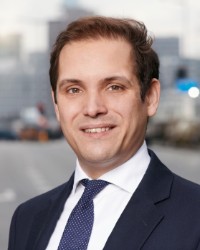


Stibbe is a full-service, leading, independent and international law firm, with its main offices in Amsterdam, Brussels and Luxembourg and a branch office in London. Stibbe’s corporate group acts on a wide variety of matters, including strategic and private equity transactions, public M&A, takeover defences, governance and venture capital transactions. Recent notable venture capital transactions the firm has advised on include the following: advising Insight Venture Partners on the acquisition of a minority stake in DataSnipper; advising Picnic on several funding rounds; advising TCV on several funding rounds involving Mollie; advising Mambu on its EQT Growth-led Series E funding round; advising JP Morgan Growth on its investment in Eye Security; and advising Blue Earth Capital during a growth funding round for Gradyent.
1. Trends
1.1 Venture Capital Market
According to data from the Dutch Association for Participation Companies (Nederlandse Vereniging voor Participatiemaatschappijen or NVP), in 2025, venture capital (VC) investments in the Netherlands amounted to approximately EUR2.4 billion across 520 deals, which is comparable to the year before. However, the investment levels remain lower than in the record years of 2021 (EUR5.4 billion) and 2022 (EUR2.9 billion).
According to data from Golden Egg Check, in 2025, the ten largest rounds accounted for nearly 50% of total capital invested. Q4 2025 was the strongest quarter of the year, with approximately EUR854 million invested. This was driven primarily by the EUR430 million investment round of online supermarket Picnic, which alone accounted for over half of the quarter’s total.
The uncertainty stemming from continuing geopolitical tensions is expected to also affect the Dutch VC industry. However, it is expected that the Dutch VC market will continue to be active, especially given the steady level of dry powder in the Dutch VC market and the Dutch government’s increased sense of urgency about becoming less dependent on foreign countries and investing more in defence, dual-use technologies, artificial intelligence and deep tech.
See the Dutch Trends and Developments chapter in this guide for an overview of the most noteworthy VC transactions in the Dutch VC market in 2025 and Q1 2026.
Unless explicitly referred to a later date, the cut-off date for this article was 1 March 2026. In this chapter of the guide, both growth investments and venture capital investments are referred to as VC investments.
1.2 Key Trends
See the Dutch Trends and Developments chapter in this guide.
1.3 Key Industries
See the Dutch Trends and Developments chapter in this guide.
2. Venture Capital Funds
2.1 Fund Structure
The most common legal forms used by Dutch VC funds are the Dutch co-operative with excluded liability (coöperatie UA) and the Dutch limited partnership (commanditaire vennootschap).
Co-Operative
A co-operative is a special type of association, and, as a legal entity, can hold the legal title to the fund’s assets. The co-operative does not have capital divided into shares. Instead, the investors participate in the co-operative as members holding membership rights. Each investor would generally be entitled to a pro rata part of the co-operative’s profits, though there is considerable flexibility in the allocation of profits.
Limited Partnership
A limited partnership is a contractual arrangement between the investors (as limited partners) and the VC fund manager (as general partner). The limited partnership itself is not a legal entity, and thus cannot hold the legal title to the assets of the VC fund. The VC fund’s assets are therefore either held by the general partner or by a foundation specifically established for that purpose, which holds assets for the risk and account of the investors.
A limited partnership is, in principle, by default treated as tax-transparent for Dutch tax purposes (see 4.2 Tax Treatment for a discussion of the consequences thereof). In certain situations a limited partnership may, however, be treated as opaque for Dutch tax purposes (despite the default classification as tax-transparent), but for VC funds taking the form of a limited partnership these situations are generally less likely to apply.
The private limited liability company (besloten vennootschap) is also used by VC funds, though less frequently.
Main Benefits of a Co-Operative and Tax-Transparent Limited Partnership
The main benefits to using a co-operative or tax-transparent limited partnership are that such legal forms provide for great flexibility in terms of creating tailor-made fund arrangements (mainly because a co-operative and a limited partnership are not subject to the various strict, mandatory Dutch corporate law provisions). If properly structured, they provide for a “tax-neutral” fund entity, in the sense that they generally do not create an additional layer of Dutch taxation between the investors in the VC fund and the underlying portfolio companies.
A private limited liability company can also be a suitable fund entity from a Dutch tax perspective, but in certain circumstances may (compared to a co-operative) create a potential layer of Dutch taxation between (part of) the investors and the underlying portfolio investments (ie, in which case it would not produce a tax-neutral result).
Parties Involved and the Decision-Making Process
Regardless of the VC fund’s legal form, organisation and governance will generally look similar in each VC fund. The investors in the fund will be the limited partners, members or shareholders of the fund, and the fund will be managed by the managers who organise themselves through a separate vehicle (that is, the manager of the fund). There is also the management company, which consists of the employees responsible for the allocation of capital and for managing investments.
The fund manager controls the VC fund, makes investment decisions and represents the fund, provided that detailed arrangements are included in the fund documentation to also give a certain level of control and oversight to the limited partners (eg, through reserved matters, though also by pre-agreeing to detailed investment guidelines).
Legal Documentation Needed for Setting Up the Fund
The documentation needed for the establishment of a VC fund typically consists of the following.
Fund agreement, members’ agreement or limited partnership agreement (LPA)
This is the key agreement, setting out the terms and conditions of the VC fund.
Subscription agreement
The agreement pursuant to which the investors subscribe to the fund and oblige themselves to contribute capital.
Management or services agreement
The agreement between the fund manager/fund and the management company in relation to the fund, pursuant to which the managers commit to provide management services to the fund against the payment of a management fee (see also 2.2 Fund Economics regarding the management fee).
Side letters
Larger investors in funds, in particular, may require additional investor rights, which are typically set out in “side letters”. Such rights may include additional approval rights, co-investment rights and a “most favoured nation” clause.
Deed of incorporation
The notarial deed of incorporation, together with its articles of association, is required for a co-operative and for a private limited liability company, but not for a limited partnership, which can be established without the involvement of a Dutch civil law notary.
2.2 Fund Economics
The Management Fee
For managing the fund, the management company receives a management fee pursuant to a management or services agreement (see 2.1 Fund Structure), which is used to pay certain costs incurred on its behalf (eg, personnel).
During the investment period (ie, the stage in the life of a VC fund where the fund manager invests the investors’ capital), the management fee typically amounts to 1.5% to 2% of the committed capital per year. Following the investment period (ie, when the VC aims to exit its investments), the management fee generally amounts to such percentage of the unrealised investments (possibly subject to a step down).
Carried Interest
The fund managers participate in the fund’s economics through so-called carried interest. Carried interest refers to a share of profits that the fund manager receives as a performance fee, calculated as a percentage – typically around 20% – of the fund’s profits after returning the investors’ capital, increased with a “hurdle amount”. This serves as an incentive for fund managers to generate positive returns for their investors. The hurdle amount is a minimum return that investors must receive, and is calculated as a percentage of the capital that investors have invested in the fund (eg, 6% to 8%). For a discussion of the Dutch tax regime applicable to carried interest (the so-called lucrative interest regime) and certain developments relating thereto, see 5.3 Taxation of Instruments.
General Partner Commitment
To ensure that the fund managers also have “skin in the game”, and to create stronger alignment of interests between the fund managers and the investors, the fund managers are generally required to invest in the fund themselves on the same terms as the other investors (eg, 1% to 3% of the total committed capital).
Claw-Back Provisions in Fund Agreements
The final amounts to which the fund managers and the other investors are entitled can only be established after the fund has been dissolved and all investments have been disposed of. However, since proceeds will be distributed during the term of the fund, fund agreements will provide for so-called claw-back arrangements, which require the fund manager and each investor to restore funds to the fund, if and to the extent that it has received distributions in excess of the amounts it would have received if no distributions had been made until the dissolution of the fund.
2.3 Fund Regulation
Regulatory Aspects of VC Funds
A VC fund will, for regulatory purposes, typically qualify as an “alternative investment fund” (alternatieve beleggingsinstelling, or AIF). This definition stems from the EU’s Alternative Investment Fund Managers Directive (AIFMD) as implemented in the Netherlands by the Financial Supervision Act (Wet op het financieel toezicht, or Wft).
Alternative investment fund managers (AIFMs) are regulated by the Netherlands Authority for the Financial Markets (AFM).
If an investment vehicle qualifies as an AIF, it falls within the scope of the AIFMD. Under the AIFMD, a licence requirement applies to an AIFM, but small AIFMs only require a registration in accordance with the de minimis exemption in the AIFMD (often referred to as the “AIFMD-light regime”).
There are two categories within the AIFMD-light regime. In each case, a registration with the AFM is required. Please note that, unlike for a fully fledged AIFM licence, such registration cannot be passported to other EU member states.
Offering exclusively to professional investors
If an AIFM offers units or shares in an AIF to professional investors, and manages (one or more) AIFs whose total assets under management are less than or equal to EUR100 million or are less than or equal to EUR500 million (in the case of an AIFM managing AIFs that do not use leverage and that are closed-ended for the first five years), the AIFM is exempt from the licensing regime but is required to register under the registration regime.
Offering to non-professional investors
Additional requirements apply if an AIFM offers units to non-professional investors exclusively, or to both professional and non-professional investors, and manages (one or more) AIFs whose total assets under management:
- are less than or equal to EUR100 million; or
- are less than or equal to EUR500 million, in the case of a manager managing funds that do not use leverage and that are closed-ended for the first five years.
To fall under the registration regime, these managed units can only:
- be offered to fewer than 150 persons; and/or
- be acquired for an equivalent value of at least EUR100,000 per participant, or have a nominal value per right of at least EUR100,000.
If these requirements are met, the AIFM is exempt from the licensing regime but is required to register under the registration regime.
2.4 Particularities
See the Dutch Trends and Developments chapter in this guide.
3. Investments in Venture Capital Portfolio Companies
3.1 Due Diligence
Due diligence is an essential element prior to committing to any investment, and this is also the case for VC investments. There is, however, a difference between the due diligence investigation typically conducted in a mature company’s buy-out transaction compared to such investigation into a start-up or growth company.
The due diligence conducted by VC funds is generally less extensive. An obvious reason for this is that young and growing companies generally have a smaller workforce and less complexity compared to mature companies with a long history. In other words: there is less to investigate. Depending on the type of business, diligence typically focuses on key value drivers for the venture (eg, on intellectual property, permits/licences or certain material commercial agreements, but there may also be a strong focus on retention of scarce technical personnel).
Another relevant element in the due diligence phase is that the investor will invest in the company and – unless there is also a secondary element – the founder and other shareholders of the company will not yet take their money off the table. Although this does not remove the need for proper due diligence, it does provide comfort to new investors.
The length of a due diligence process depends largely on the competitiveness of the investment round. In highly competitive rounds, investors may be pressed for time and may have as little as a couple of weeks to conduct their review, whereas less competitive rounds afford investors somewhat more breathing room. Generally speaking, a due diligence timeline of four to six weeks is not uncommon.
3.2 Process
See 3.1 Due Diligence.
3.3 Investment Structure
Different Types of Equity
Ordinary shares and preference shares
The share capital of a Dutch limited liability company (besloten vennootschap met beperkte aansprakelijkheid) (practically always the legal form of portfolio companies in the Netherlands) consists of ordinary shares/common stock. These ordinary shares are typically held in any event by the company’s founder(s), and sometimes also by employees under an employee incentive plan.
When the first early-stage investors make their investment, they generally require that they have a preference over these ordinary shares. For this purpose, they will be issued cumulative preference shares. This means that, in the case of a liquidation/exit event, they are the first to retrieve their investment, typically also with a certain return percentage. Only after the preference shares have received such amounts will the holders of ordinary shares receive proceeds.
Liquidation preference: participating versus non-participating
Preference shares arrangements may consist of “participating” or “non-participating” preference arrangements, as follows.
Participating
When the participating liquidation preference is agreed, the proceeds of the liquidation will be distributed among the holders of ordinary shares and the holders of preference shares, after the liquidation preference has been paid to the investors holding the preference shares. A participating liquidation preference can be subject to a cap, meaning that the investor is only entitled to the liquidation proceeds up to a certain amount.
Non-participating
When the non-participating liquidation preference is agreed, the proceeds of the liquidation will be distributed among only the holders of ordinary shares after the liquidation preference has been paid to the investors holding the preference shares.
In addition, preference shares are usually convertible into ordinary shares. This is because if the company is performing well, and a non-participating liquidation preference or a participating liquidation preference with a cap has been agreed, holders of ordinary shares may be entitled to a greater share of the liquidation proceeds than holders of preference shares. In this context, the investor will prefer to convert its preference shares into ordinary shares, as it is more economically attractive to do so.
(Convertible) shareholder loans
Some VC funds invest not through equity but through (convertible) shareholder loans or related instruments such as the SAFE (Simple Agreement for Future Equity). The interest payable on the loan is typically not paid each year, but is added to the principal amount. Subsequently, in the event of liquidation, the entire outstanding amount should be paid to the investor. In this way, a comparable result is achieved to when the fund had invested in preference shares. A SAFE operates similarly but is not a loan: no interest accrues and there is no maturity date.
In the past, these shareholder loans were mainly used by UK and US investors. Such loans were typically tax-driven: in short, the (accrued) interest payable on such debt would generally be offset against taxable income of the portfolio company, aiming to reduce the corporate income tax payable by such portfolio company. Nowadays, the tax reasons that traditionally drove choosing this type of financing have largely disappeared, mainly due to the fact that the deductibility of interest on both related-party debt and third-party debt has been restricted at both the EU and national level.
There may, however, still be reasons for using a (convertible) shareholder loan or a SAFE – for instance, in order to remain below certain equity thresholds, to avoid regulatory clearances having to be obtained prior to closing an investment round. Regulatory clearances tend to be time-consuming and costly, while start-ups and growth companies prefer to obtain investments as soon as possible. Another reason – applicable to both instruments – is that they allow the valuation of the company to be deferred to the next financing round, avoiding the often contentious exercise of valuing an early-stage company at the time of investment. A convertible loan or SAFE can therefore offer an effective solution: it enables the company to obtain the funding it requires – and the investor to obtain the economic exposure it seeks – without delaying closing or requiring an immediate agreement on valuation.
Depositary receipts for shares issued by STAK
A typical feature in Dutch VC or private equity structures is a so-called STAK. This is a foundation that holds shares in a company and issues depositary receipts for such underlying shares. Through this structure, legal ownership and economic benefit of the shares is separated. The voting rights on the shares are exercised by the board of the STAK, but the dividends and liquidation proceeds will be passed on to the holders of the depositary receipt-holders. If structured properly, a STAK is treated as “transparent” for Dutch tax purposes.
This feature is commonly used in employee participation plans for the obvious reason that investors may wish to incentivise employees through participation in the company but may not wish to give them a seat at the shareholders’ table. In addition, it keeps the cap table clean, as only the STAK (and not the individual employees) is a shareholder. The board of the STAK is therefore also typically appointed by the portfolio company’s main investor, and in some cases a management representative will also sit on the STAK board.
The use of a STAK may also prove useful in start-ups and growth companies, as initial capital is often provided by a relatively large group of “friends and family” and angel investors. Such a large group of shareholders can lead to inefficiencies on a day-to-day basis and also to potential delays when setting up new investment rounds – for instance, because each shareholder will have to agree to the amended shareholders’ agreement that will be entered into as part of a new investment round.
Whether a STAK is the appropriate feature for dealing with a large shareholder base should be assessed on a case-by-case basis, as it also means that the diverse shareholder base will have to operate through one vehicle (which requires a certain level of alignment between such shareholders).
3.4 Documentation
Key Documents
The key documents in an investment round vary depending on the structure of the investment. If the investment round consists solely of a VC fund investing in a company, key documents will include the following.
Term sheet
This non-binding document (except typically for exclusivity and cost arrangements, if applicable) will set out the key terms and conditions on which the parties are willing to further negotiate the terms of the investment.
Investment agreement
This agreement sets out the terms of the investment, such as the subscription price and the legal structure of the investment, and may be combined with a “sale and purchase” element if there is also a secondary as part of the investment rounds.
Shareholders’ agreement
This agreement contains the agreements between the various shareholders and the company. These arrangements typically include:
- certain information rights of the shareholders regarding the company;
- drag- and tag-along rights; and
- clauses regarding anti-dilution protection.
Given that in the Netherlands shares are issued and transferred by having a notarial deed executed in front of a civil law notary, notarial documentation is required (eg, deed of issue, deed of transfer, notary letter for funds flow at closing, power of attorney, etc).
The Use of Legal Templates in the Netherlands
Although certain organisations, such as Capital Waters, have taken the initiative of standardising VC documentation, the use of industry-wide legal templates is not as widespread in the Netherlands compared to the USA or UK, where, respectively, the models of the National Venture Capital Association or the British Venture Capital Association are often used.
3.5 Investor Safeguards
Downside Scenario Protection
General
In a downside scenario, the main protection for VC funds will be through the preference shares they hold, which entitle them to liquidation proceeds before the ordinary shareholders receive any proceeds. In addition, VC funds tend to require protection against so-called down rounds, and from being dragged into an exit transaction against a valuation below the valuation at which they invested in the company.
It may also be agreed that investments are released in tranches, with subsequent tranches being released only upon the achievement of agreed commercial or operational milestones (so-called milestone-based financing). This approach serves to limit downside commercial risk for investors, as it avoids the investor being obliged to fund subsequent tranches if the start-up encounters (unforeseen) difficulties shortly after closing.
Down-round or anti-dilution protection
VC funds typically invest in companies that have not yet (fully) matured, and the valuation for such companies may be less robust compared to matured companies that have a proven track record. For this reason and others, VC funds generally require protection for down rounds, which are investment rounds subsequent to the VC fund’s investment round, at a lower valuation than used in the previous round. If no protection is provided for the VC, such down round will dilute the VC fund disproportionally.
In Dutch VC transactions, down-round protection is provided for by agreeing that the VC fund has the right to acquire additional shares against nominal value. This can be achieved, eg, by applying any of the following methods.
Full ratchet
The investor will be entitled to acquire such number of shares as they would have held had they made their investment against the lower valuation. This formula can be quite unsubtle, as it does not take into account the size of the down round.
Weighted average
Adjustments to the number of shares issued to existing investors will be made depending on the size of the down round. The following most-common types can be distinguished:
- broad-based weighted average formula – this assumes that all shares are included in the average (including options, convertibles, warrants, etc); and
- narrow-based weighted average formula – this assumes that only the outstanding shares are included in the average.
The broad-based weighted average formula is the most commonly used form of anti-dilution protection in the Netherlands. The down-round protection is sometimes subject to a “pay to play” condition, meaning that the investor only has the benefit of the protection if it participates in the new funding round.
Drag-along protection
VC funds may seek protection not only against down rounds but also against being dragged into an exit at a lower valuation than that at which the VC fund invested in the company.
Shareholders’ agreements typically provide for the right that shareholders representing a certain percentage of the shares (for instance, more than 50% or a qualified majority) can require the other shareholders (on a pro rata basis) to co-sell their shares to a third party. The reasoning here is that, if a majority of the share capital agrees to an exit, the minority should not be able to block such an exit. In addition, VC funds require an exit horizon in view of their fund conditions, and therefore a drag-along right may even be agreed at a lower percentage.
However, if investors have invested in the company at different valuation levels, the late investors will generally wish to avoid early-stage investors dragging them into an exit at a valuation below the valuation at which they had invested.
In practice, conditions are seen being attached to the exercise of these drag-along rights, in particular regarding the use of a qualified majority before a drag-along right can be exercised and/or a minimum valuation level for a certain period of time before the drag-along right can be exercised.
3.6 Corporate Governance
Two-Tier Board Versus One-Tier Board
Each Dutch limited liability company has a management board that is responsible for (among other things) managing the company’s day-to-day business and strategy, and for representing the company before third parties.
In addition to a management board, a company may have a supervisory board that supervises and advises the management board. This is not required (unless the so-called large company regime, or other specific regulatory requirements, apply). It is also possible to have a one-tier board with the management board consisting of both executive and non-executive directors. It is uncommon for start-ups to have a supervisory or one-tier board, though when a company matures this may become appropriate.
Given the strong presence of foreign investors in the Netherlands (in particular from the US) and their familiarity with one-tier boards, such investors often show a preference for one-tier board set-ups. It should, however, be noted that non-executive directors in a one-tier board are in principle subject to the same joint and several liability regime as executive directors. This represents a different standard from that applicable to supervisory board members in a two-tier model, and may therefore be a relevant consideration for foreign VC investors when deciding on the appropriate governance structure.
Board Representative
If a supervisory board or a one-tier board is present, it is common for VC funds to require one or more seats on a supervisory board, or a non-executive director on a one-tier board. Through these board positions, the VC fund is in a position to closely monitor the company and supervise the management board members, although the statutory rights for such supervisory directors are limited under Dutch law (most notably, information rights and the right to suspend the managing directors). Specific rights (eg, approval rights) are typically agreed upon in a shareholders’ agreement (and sometimes also in the articles of association).
It should be noted that a director has the fiduciary duty to act in the best interest of the company (this also applies if it has been appointed upon the nomination of a VC fund). Therefore, VC investors may prefer to obtain influence as shareholder rather than through a director nominated by the VC investor.
Typical approval rights for non-executive or supervisory directors relate to business matters (eg, entering into agreements above a certain threshold, hiring/firing key employees or approving the budget/business plan). The approvals generally require a simple majority, though certain more material matters (eg, material M&A or divestments, and approving/amending the business plan and budget) may require a qualified majority.
In addition to appointing a representative on the board, it is also not uncommon for a VC fund to have the right to appoint one or more observers. The concept of an observer is not recognised under Dutch law. Therefore, the scope and powers of an observer are typically outlined in the shareholders’ agreement. Experience has shown that observer rights are generally limited to having the right to receive board materials and to attend board meetings.
Shareholder Rights
As shareholders, VC funds will have statutory rights attached to their shares (eg, voting rights, the right to attend a shareholders’ meeting and – depending on their stake – the right to call a shareholders’ meeting).
Other than for certain limited exceptions, in Dutch limited liability companies, resolutions of the general meeting (eg, issuing shares, excluding pre-emption rights, amending the articles of association, and appointing and dismissing management board members) are adopted by a simple majority. This means that a minority shareholder is not able to block such resolutions.
Shareholders’ agreements will typically provide for investor protection beyond the protection provided for under Dutch law, in terms of topics and required majorities. There is no one-size-fits-all approach. Each transaction, VC fund and cap table requires its own tailored protection, though in any event key points of attention include:
- the issuance of shares;
- excluding pre-emption rights;
- specific approval rights on business matters;
- related-party transactions; and
- board composition.
It should be noted that the level of control shareholders are able to exercise over the company through contractual arrangements may also impact the necessity of certain regulatory approvals.
3.7 Contractual Protection
Warranties
In VC investment rounds, warranties are primarily given by the company, which in a primary transaction will be the party that receives the investment, and, sometimes, warranties are given by founders. If there is (also) a secondary element, the selling shareholders will give warranties.
However, a selling shareholder is typically reluctant to provide detailed business and tax warranties in relation to a business in which it has only been a minority investor for a certain period of time. It is therefore not uncommon for selling shareholders to provide only fundamental warranties (unless the entire transaction solely consists of a secondary transaction, in which case the investor/purchaser may in turn not be comfortable with such approach).
The company receiving an investment in a primary transaction will usually give business and tax warranties. These are usually less extensive than in a full buy-out scenario, though the level of detail also depends to a large extent on the bargaining power of the parties involved.
Recourse
In the case of a warranty breach that has been given by the company, the investor will have a claim against the company. Although additional security on recourse may be appropriate in certain situations, escrow or personal guarantee arrangements are uncommon in such transactions. Also, the use of W&I insurance is not common in VC investments.
When making a damages claim against the company for a warranty breach, the investor should also be compensated for the loss that such damages claim imposes on its own stake in the company (ie, the damages amount must be grossed up). Damages in the Netherlands are usually paid in cash, though it is also possible (and sometimes agreed on) to pay damages in the form of shares, in part because the company may lack the liquidity to make a cash payment.
4. Government Inducements
4.1 Subsidy Programmes
See the Dutch Trends and Developments chapter in this guide.
4.2 Tax Treatment
Dutch tax treatment of an investment in a portfolio company predominantly depends on whether the VC fund is opaque (eg, a co-operative or a private limited liability company) or tax-transparent (eg, a tax-transparent limited partnership) for Dutch tax purposes, as discussed further below. It should be noted that the Netherlands does not have a special tax regime for income and/or gains derived from investments in growth or start/scale-up companies. Therefore, Dutch tax treatment of such investments is, in principle, equal to the Dutch tax treatment of investments made in other types of companies.
Co-Operative and Private Limited Liability Company
A Dutch (tax-resident) VC fund that takes the form of a co-operative or private limited liability company (or another legal form that is opaque for Dutch tax purposes) is, in principle, subject to Dutch corporate income tax on its worldwide profits at a 25.8% rate (a reduced rate of 19% applies to the first EUR200,000 of taxable profits).
However, any income and/or gains derived from an investment in a portfolio company by such co-operative or private limited liability company is generally exempt from Dutch corporate income tax, due to the application of the Dutch participation exemption, provided that (in short) the investment represents an interest of 5% or more in (the nominal capital of) the portfolio company and that certain other conditions are met. In principle, any losses incurred in respect of an investment in a portfolio also fall under the participation exemption (ie, are non-deductible for Dutch corporate income tax purposes), unless certain conditions are met, in which case (part of) such losses may nevertheless be deductible for Dutch corporate income tax purposes.
Tax-Transparent Limited Partnership
A VC fund in the form of a tax-transparent limited partnership (or another legal form that is treated as transparent from a Dutch tax perspective) is not subject to Dutch corporate income tax. This means that any income and/or gains derived from an investment in a portfolio company are, in principle, not taxed at fund level. Instead, the investment in the underlying portfolio company – and any income and/or gains arising therefrom – are, for Dutch tax purposes, attributed to the investors on a pro rata basis, and are taxed accordingly. In this respect, it should be noted that, in principle, a foreign investor that invests in a Dutch-based, tax-transparent VC fund would – from a Dutch domestic perspective – be regarded as having a deemed Dutch taxable presence, to which the investments in the underlying portfolio companies are attributed.
4.3 Government Endorsement
See the Dutch Trends and Developments chapter in this guide.
5. Employment Incentives
5.1 General
A customary feature in start-ups and growth companies is an employee incentive plan. In short, this is a plan under which employees can participate in the company and profit from its future growth. This is an important feature for incentivising employees to grow the business, and is equally important for attracting talented people (especially since not all start-ups and growth companies are able to offer salaries similar to those with whom they compete for competent personnel).
It should be noted that there may be regulatory constraints to granting employee incentives. For example, a 20% bonus cap currently applies to all employees of Dutch financial institutions. In January 2026, a majority of the Dutch House of Representatives voted in favour of an amendment that would narrow the scope of this cap to those individuals who significantly influence the institution’s risk profile; although this legislative change remained subject to approval by the Dutch Senate as at 10 May 2026, such approval is expected in the spring or summer of 2026.
Vesting
To ensure that employees are also inclined to stay at the company and to actually contribute to its success, it is customary for an employee’s entitlement to participation to be subject to vesting. An annual vesting of 20% is not uncommon, until 100% is vested at the fifth anniversary of the start of the employment. However, this varies per company.
Leaver Arrangements
To further ensure that employees remain involved with the company and do not leave the company after their package has fully vested, leaver arrangements typically apply. Depending on the reason for leaving the company, the employee may qualify as a “good leaver” or a “bad leaver” (sometimes there is also a third category, the “neutral leaver” or “intermediate leaver”). The consequences of each qualification vary per plan, but a “good leaver” typically remains entitled to its vested participation rights, and a “bad leaver” forfeits all its participation rights. A “neutral leaver” may, for instance, forfeit only a certain percentage of its vested participation rights. In order to protect and stabilise the control and ownership structure of the company, leaver arrangements generally provide for a call option that grants investors or the company the right to purchase the vested participation rights upon a leaver event for the leaver price.
Commonly Used Incentive Plan Structures
The following structures for incentive plans are commonly used in the Netherlands.
Equity plans
Actual shares may be issued in relation to the management incentive plan. To ensure that the employees have the benefit of the economic rights but not of the voting and other rights, these shares are typically issued to a STAK (see also 3.3 Investment Structure), which in its turn issues depositary receipts for the shares it holds to the participating employees. The board of the STAK is typically composed of representatives of the investor and sometimes also a representative of the employees, with only specific rights protecting the economic interest of the employees.
Cash-based incentives (including SAR plans)
Cash-based incentives (such as performance bonuses), which become payable upon certain milestones, provide for an efficient way to incentivise employees without a structural impact and/or dilutive effects. Another cash-based incentive that provides an alternative to shares could be the issuance of “stock appreciation rights” (SARs) pursuant to a SAR plan. These SARs give the participant a right to a share of the company’s value increase (whereby the payment to which the participant is entitled is determined by reference to the increase of the share price over a certain reference value). SARs are typically due and payable at the time a certain trigger event occurs, such as an exit.
Option-based plans
An alternative to the issuance of shares may be the use of an option-based employee incentive plan. Such plan typically provides participants with the option to purchase (depositary receipts of) shares at a fixed price.
Management equity plans
Typically, these incentives take the form of ratchet shares or subordinated ordinary shares (typically referred to as “sweet equity”), which provide for a leveraged return after a certain preferred return is realised (in which case, a relatively large portion of (the remaining) profits is typically allocated to the ordinary shares).
5.2 Securities
See 5.1 General.
5.3 Taxation of Instruments
General
When structuring an incentive pool, a key point from a Dutch tax perspective is typically the moment at which the taxable event for Dutch wage tax purposes occurs. In situations involving growth or start/scale-up companies of which the share value can exponentially increase over time, it is generally preferable to have the taxable event occur as early as possible (when the value may still be relatively low, compared to the value at a later stage). However, this may create liquidity issues, as the tax becomes due at a moment where the recipient has not yet received a payout under the incentive instrument. Other key points are:
- the Dutch tax treatment of the payout under an incentive for the recipient thereof; and
- any tax benefit available to the company issuing the incentive, such as the deductibility for corporate income tax purposes of the costs associated with the incentive.
Tax Considerations Applicable to Commonly Used Incentives
Equity plans
For equity plans, in principle the taxable event occurs at the moment the shares or depositary receipts corresponding to the shares are unconditionally granted. Whether an unconditional granting of shares or depositary receipts gives rise to the levy of Dutch wage tax depends on whether the fair market value exceeds the price paid by the employee for such shares or depositary receipts. If the fair market value exceeds the price paid by the employee, the excess is taxed as a benefit from employment at the progressive Dutch personal income tax rates, ranging up to 49.5% (maximum rate for 2026).
If an equity plan is subject to vesting, it is usually important to consider the structuring of the vesting mechanism. The reason for this is that, if an equity plan is subject to time- or performance-based vesting, for Dutch tax purposes each vested portion is generally regarded as being received – and therefore as potentially taxable as a benefit from employment – at the time of vesting. If the value of the shares increases over time, then the later the time of vesting, the higher the potential taxable employment benefit. Therefore, the vesting mechanism is typically structured such that the entire equity incentive entitlement is unconditionally granted at the outset, in combination with a cancellation mechanism, which provides that, upon an employee becoming a leaver, they would forfeit the unvested portion of their employee participation.
Cash-based incentives
The taxable event in respect of cash bonuses or payments made as part of a SAR plan occurs at the moment the entitlement to the cash bonus or SAR payment becomes unconditional. Although typically cash-based incentives are beneficial in the sense that they enable incentivising employees without structural impact and/or dilutive effects, the downside is that these are typically taxed as ordinary income against progressive Dutch personal income tax rates, ranging up to 49.5% (maximum rate for 2026). However, it should be noted that such cash bonuses or SAR payments may, under certain circumstances, be deductible for Dutch corporate income tax purposes in the hands of the company, which may potentially reduce the corporate tax burden.
Option-based plans
For stock options, in principle the taxable event occurs at the moment the shares become “tradeable”, which – in short – is the case if the employee is able to sell the shares to another person (and is not or is no longer contractually restricted from doing so). However, an employee may also elect to have the taxable moment occur at the moment the option is exercised (for this, a written request should be made in a timely fashion to the employer). The taxable amount is determined based on the difference between the fair market value of the shares once becoming tradeable (or, if taxation at exercise is chosen, the fair market value of the shares at exercise) and the purchase price or exercise price paid by the employee, which is taxed as ordinary income against progressive Dutch personal income tax rates, ranging up to 49.5% (maximum rate for 2026).
In April 2025, the Dutch government announced that it envisages the introduction of a more beneficial tax regime for stock options granted to employees of certain qualifying start-ups and scale-ups. The proposed tax regime was published for public consultation on 1 April 2026, setting out its key features in further detail. For the purposes of the proposed regime, a company qualifies as a start-up or scale-up if it:
- operates a scalable and repeatable business model which originates from innovation;
- does not have shares or profit-sharing certificates traded on a regulated market; and
- does not have more than 25% of its shares held, directly or indirectly, by a listed entity.
The proposed tax regime comprises a lower effective tax rate (equal to 65% of the regular personal income tax rates, ranging up to 49.5% (maximum rate for 2026)) and a deferral of taxation to the moment the shares acquired upon the exercise of the stock options are sold. Companies wishing to benefit must obtain a qualifying decision from the Netherlands Enterprise Agency (RVO). It is envisaged that this new regime will apply as of 2027 and it is intended to apply retroactively to stock options granted on or after 17 April 2025, provided certain conditions are met.
Management equity incentives
For typical management incentives such as ratchet shares or subordinated ordinary shares (“sweet equity”), there are typically two relevant events from a Dutch tax perspective:
- the moment of the (unconditional) grant/purchase; and
- the moment income and/or gains are derived therefrom.
As for the moment of granting, it is decisive whether the ratchet shares or sweet shares can be considered to have value at the time of the (unconditional) grant and, if so, what such (fair market) value is. Any difference between such value and the price paid by the recipient may give rise to a taxable employment benefit.
Any income and/or gains subsequently derived after the moment of grant/purchase generally fall under the lucrative interest regime. Under this regime, any income and/or gains derived from ‘‘lucrative instruments’’ are, in principle, subject to Dutch personal income tax at progressive rates, up to 49.5% (maximum rate for 2026). However, if the lucrative instruments are held through a personal holding company (an ‘‘indirectly held lucrative interest’’), any income and/or gains derived therefrom may be taxed under the Dutch substantial interest regime at a 31% rate (a step-up rate of 24.5% applies to the first EUR68,843 of taxable income), provided that certain conditions are met.
It is noted that Dutch parliament adopted a proposal amending the lucrative interest regime such that income and gains derived from an indirectly held lucrative interest will effectively be taxed at higher tax rates due to the application of a certain multiplier. Consequently, as of 1 January 2028, the effective tax rate for income and gains derived from an indirectly held lucrative interest up to EUR68.843 (being the first bracket of taxable income to which the step-up rate applies) would be increased from 24.5% to 28.45%, whereas the effective rate applicable to the excess is increased from 31% to 36%.
5.4 Implementation
The steps required to implement a participation plan largely depend on the specific characteristics of the plan. Contractual participation plans, such as SARs, typically involve minimal implementation steps beyond obtaining the necessary corporate approvals and resolutions.
Equity-based plans, however, generally require more extensive implementation. Under Dutch law, the issuance and transfer of shares require notarial intervention, meaning that notarial deeds must be drafted and executed before a civil-law notary. If employees or managers participate in the company’s equity through a STAK (see 3.3 Investment Structure), additional steps are required, including the incorporation of the STAK, the issuance or transfer of shares to the STAK, and the subsequent issuance of depositary receipts by the STAK to the participating managers and/or employees corresponding to such shares issued/transferred to the STAK.
Specifically for management incentive plans (MIPs), which are often seen in a private equity context, the following applies: as negotiating long-form documentation for MIPs before signing the transaction documentation is not always feasible from a timing perspective, investors and management generally aim to agree on a commitment letter plus term sheet prior to or at signing the transaction. The period following signing is then used to negotiate the long-form documentation and is often also used to commence a tax ruling process with the Dutch tax authorities seeking to confirm the Dutch tax treatment of the managers’ investment (see 5.3 Taxation of Instruments for a description of certain relevant Dutch tax considerations in this respect). Once the tax ruling is obtained (if applicable), the MIP can be implemented through the execution of the relevant notarial documentation. As the tax ruling process with the Dutch tax authorities can potentially be lengthy (typically the duration of such process ranges from a couple of months up to a year), the implementation of the MIP usually takes place after the completion of the investment round.
6. Exits
6.1 Investor Exit Rights
Transfer- and exit-related provisions in shareholders’ agreements typically include:
- a lock-up period;
- a right of first refusal (ROFR) and/or right of first offer (ROFO);
- drag-along rights; and
- tag-along rights.
During the lock-up period, the shareholders are not allowed to transfer their shares. This creates stability for the portfolio company and the cap table, and also avoids the risk that, shortly after an investment by one shareholder at a certain valuation, other shareholders may transfer shares to third parties at a lower valuation. The duration of the lock-up period depends on each situation, though a two- or three-year lock-up period is not uncommon.
After the lock-up, shareholders are typically allowed to transfer their shares to third parties, though subject to a ROFR and/or ROFO. This allows the other shareholders to acquire the shares at the price offered by a third party (ROFR), or to make an initial offer and set the price for any third parties to exceed (ROFO).
In addition, shareholders’ agreements provide for a drag-along right by one or more shareholders together selling, for instance, more than 50% of the company’s shares, forcing the other shareholders to co-sell their pro rata portion. In order to allow minority shareholders to profit from an exit sale by other shareholders, a tag-along right typically applies if a drag-along right remains unexercised.
6.2 IPO Exits
Most companies in the Netherlands that elect to pursue an IPO – in the form of a listing on the regulated market of Euronext Amsterdam – are relatively mature companies. However, Euronext Amsterdam is also considered to be an attractive listing platform for start-ups and growth companies, providing access to an international and sophisticated investor base, deep and diverse liquidity and good trading infrastructure.
Due to the challenging deal climate, IPO activity has slowed down over the past few years. However, there are various examples of Dutch IPOs by growth companies. Their listings enabled them to tap the capital markets and secure equity funding to accelerate their growth. Examples include:
- Basic-Fit, an operator of fitness clubs, which is listed on Euronext Amsterdam and has successfully closed multiple new equity raises since its IPO;
- Adyen, a financial technology platform, which is listed on Euronext Amsterdam;
- NX Filtration, a provider of direct nanofiltration technology, which is listed on Euronext Amsterdam;
- Avantium, a developer of renewable and circular polymer materials, which is listed on Euronext Amsterdam and Euronext Brussels and has successfully closed multiple equity raises since its IPO;
- Ebusco, a developer of zero-emission buses, which is listed on Euronext Amsterdam; and
- Onward Medical, a medical technology company, which is listed on Euronext Amsterdam and Euronext Brussels, and which recently completed a successful equity raise.
IPO Timeline
IPOs in the Netherlands generally take four to six months to complete. The main factors in this timeline include:
- the prospectus approval process with the Dutch securities regulator, the AFM; and
- the process of preparing the organisation for life as a listed company in respect of, for instance, its corporate governance, financial reporting and controls, as well as attracting new board members.
The right timing for an IPO also depends on the state of the global and local equity markets; a sufficiently favourable IPO window is often limited and difficult to predict with certainty.
The core disclosure document in an IPO is the prospectus, which must be approved by the regulator before publication. The requirements for an IPO prospectus are based on the EU’s Prospectus Regulation, which harmonises the prospectus requirements across the EU. Dutch law does not impose any additional substantive requirements on the IPO prospectus. The prospectus must contain all information necessary to enable investors to make an informed investment decision, and should therefore include information on:
- the company’s assets and liabilities, financial position, profits and losses, as well as its prospects; and
- the rights and obligations attached to the offered shares.
Prospectuses that are approved on or after 5 June 2026 should include audited financials for the preceding two years, prepared in accordance with International Financial Reporting Standards (IFRS). Prospectuses approved before 5 June 2026 should include audited financials for the preceding three years.
6.3 Pre-IPO Liquidity
In the Netherlands, there is no multilateral trading facility (MTF) with simplified listing and reporting requirements, which would allow early-stage investors to sell their shares and achieve liquidity pre-IPO/exit. Instead, pre-IPO liquidity is usually created by allowing early-stage investors to sell (part of) their shares to a third party, typically as part of an investment round where a new investor enters the cap table.
7. Regulation
7.1 Securities Offerings
In principle, the offering of (equity) securities, such as shares, to a large group of recipients constitutes an offering of securities to the public, which requires the publication of an approved prospectus pursuant to the EU’s Prospectus Regulation. This also applies to the offering of (equity) securities to the public by private companies.
However, there are various exemptions to this prospectus requirement. For example, no prospectus is required if:
- the offering of securities is only addressed to qualified investors (ie, institutional investors);
- the offering of securities is only addressed to fewer than 150 natural or legal persons per EU member state;
- as of 5 June 2026, the total consideration for the offered securities is less than EUR12 million (until 5 June 2026, the limit is EUR5 million); or
- the securities are only offered to existing or former directors or employees of the company, provided that the company makes a document available to them containing relevant information on the securities offering.
In addition, there is an exemption for a public offer of securities fungible with securities already admitted on a regulated market provided they represent, over a 12-month period, less than 30% of the existing securities already admitted to trading on the same market, provided that a summary document is published. Lastly, there is no prospectus requirement for offerings, regardless of their size, of fungible securities when the original securities have been admitted to trading continuously for at least 18 months on a regulated market, to the extent the securities are not issued in connection with a takeover or merger and the issuer is not in financial distress. In such case, the issuer shall prepare and publish a short form information document (the so-called Annex IX document).
7.2 Restrictions
In addition to merger clearances (which are typically less relevant when a non-controlling stake is acquired in a VC transaction), the Dutch Security Screening Act and the required clearances for obtaining a stake in financial institutions are the most notable regulatory clearances when obtaining a (minority) stake in a Dutch company.
The Dutch Security Screening Act
The Dutch Security Screening Act (Wet veiligheidstoets investeringen, fusies en overnames, or the “Vifo Act”) entered into force on 1 June 2023. The Vifo Act contains an obligation for notification to the Bureau for Verification of Investments (Bureau Toetsing Investeringen, or BTI) for transactions relating to target companies active in certain sensitive sectors. A notification obligation may occur when a person acquires:
- control over a company that is active in the field of sensitive technology, that is considered a “vital provider” or that operates a business campus in the Netherlands; or
- significant influence in a company that is active in the field of highly sensitive technology.
Following notification, the BTI will assess whether the transaction may proceed. A standstill obligation applies during the assessment. The BTI may approve the transaction with or without conditions, or, as a last resort, may prohibit it. In the case of non-EU acquirers, the EU co-operation mechanism is also triggered – in such case, other EU member states will be informed through the European Commission about the transaction, and will be provided with the opportunity to raise comments. It typically takes two to nine months to obtain approval from the BTI.
Clearances for Financial Institutions
The AFM and the Dutch Central Bank (De Nederlandsche Bank, or DNB) and, for significant credit institutions, the European Central Bank (the ECB) are the competent financial regulatory authorities in the Netherlands. Investments in the Dutch financial sector or in entities regulated by the AFM, DNB or (for significant credit institutions) the ECB may trigger notification or approval requirements. Most notably, if a person seeks to acquire a direct or indirect interest of 10% or more in certain financial institutions (eg, banks, insurers, payment institutions, crypto-asset service providers and investment firms), a declaration of no objection will be required from the DNB (and for significant credit institutions, from the ECB), which typically takes between four and nine months to obtain.
Stibbe
Beethovenplein 10
1077 WM Amsterdam
The Netherlands
+31 020 546 0606
Amsterdam@stibbe.com www.stibbe.com
Trends and Developments
Authors

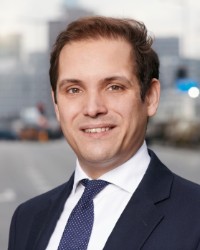


Stibbe is a full-service, leading, independent and international law firm, with its main offices in Amsterdam, Brussels and Luxembourg and a branch office in London. Stibbe’s corporate group acts on a wide variety of matters, including strategic and private equity transactions, public M&A, takeover defences, governance and venture capital transactions. Recent notable venture capital transactions the firm has advised on include the following: advising Insight Venture Partners on the acquisition of a minority stake in DataSnipper; advising Picnic on several funding rounds; advising TCV on several funding rounds involving Mollie; advising Mambu on its EQT Growth-led Series E funding round; advising JP Morgan Growth on its investment in Eye Security; and advising Blue Earth Capital during a growth funding round for Gradyent.
General Observations
According to data from the Dutch Association for Participation Companies (Nederlandse Vereniging voor Participatiemaatschappijen or NVP), in 2025, venture capital (VC) investments in the Netherlands amounted to approximately EUR2.4 billion across 520 deals, which is comparable to the year before. However, the investment levels remain lower than in the record years of 2021 (EUR5.4 billion) and 2022 (EUR2.9 billion).
According to data from Golden Egg Check, in 2025, the ten largest rounds accounted for nearly 50% of total capital invested. Q4 2025 was the strongest quarter of the year, with approximately EUR854 million invested. This was driven primarily by the EUR430 million investment round of online supermarket Picnic, which alone accounted for over half of the quarter’s total.
Unless explicitly referred to a later date, the cut-off date for this article was 1 March 2026. In this chapter of the guide, both growth investments and venture capital investments are referred to as VC investments.
Most Noteworthy VC Transactions in 2025 and Q1 2026
A number of major investment rounds took place at Dutch start-ups and scale-ups, such as the following.
- Picnic – online supermarket Picnic raised EUR430 million in funding from its current investors. Picnic intends to allocate the majority of the capital towards its expansion in Germany through the construction of new distribution centres.
- Mews – Amsterdam-based software company Mews raised USD300 million in a Series D funding round led by EQT Growth, with new investors Atomic and HarbourVest Partners, and participation from existing investors Kinnevik, Battery Ventures and Tiger Global. This round values the company at USD2.5 billion (approximately EUR2.13 billion) and represents the largest funding round ever in hospitality software. Mews’ hospitality management platform is designed to streamline operations for hotels, hostels, serviced apartments and other accommodation providers. Its core offering is the Mews Hospitality Cloud, an all-in-one property management system (PMS) that automates tasks and enhances the guest experience.
- Axelera AI – the Eindhoven-based AI chip start-up Axelera AI secured USD250 million in a financing round led by Dutch investment company Innovation Industries. Other participants include BlackRock, Samsung and Invest-NL.
- Azafaros – the Leiden-based biotech company Azafaros raised EUR132 million in one of the largest funding rounds in recent years for a Dutch company developing new medicines. Key investors include Forbion and BioGeneration Ventures, alongside new investor Jeito Capital. Azafaros aims to bring a medicine for two rare hereditary diseases to market within four years.
- Finom – the Amsterdam-based fintech company Finom secured EUR115 million in a Series C investment round. The investment round was led by AVP, with participation from new investor Headline Growth and existing investors General Catalyst, Northzone and Cogito Capital. Finom provides a solution that combines accounting, financial management and banking into a mobile platform.
- Framer – the Amsterdam-based web design company Framer secured USD100 million in a Series D investment round at a USD2 billion valuation. Key investors include existing investors Meritech Capital and Atomico, with participation from World Innovation Lab and HV Capital. Framer is using the capital to accelerate growth, with a focus on its expansion in the US, intensified investment in AI, and scaling both its product and market strategy.
- Leyden Labs – the Leiden-based biotech company Leyden Labs received a USD70 million investment in a new funding round in January 2025. The round was led by Polaris Partners, with participation from Qiming Venture Partners and the Singaporean state investor Temasek. In October 2025, Leyden Labs received another USD30 million investment from Invest-NL and the European Innovation Council (EIC Fund).
- ViCentra – the Utrecht-based medtech company ViCentra secured EUR72 million in a Series D investment round. The round was led by new investor Innovation Industries, with participation from existing investors Invest-NL, Partners in Equity, EQT Life Sciences and Health Innovations. ViCentra develops and manufactures an alternative to traditional insulin pumps.
Exits
The Dutch VC exit market, however, remained under pressure throughout 2025, with no IPOs of VC-backed companies recorded. Additionally, the legacy of the high valuations seen during the 2021 and 2022 peak years continued to hold back M&A exit activity. As many start-ups and scale-ups seemed to have been overvalued during these peak years, VC shareholders often face a gap between what they paid back then and what their companies are worth today. This dynamic suppresses both deal volumes and exit activity.
Nonetheless, 2025 produced some noteworthy exit activity. For example, in August 2025, Singapore-based digital payments group Coda completed its acquisition of the Amsterdam-based fintech company Recharge for an estimated amount of at least EUR400 million – the largest acquisition in the Dutch fintech sector to date. Recharge operates as an intermediary between digital voucher publishers such as Apple, Sony PlayStation and Bol.com and end consumers. Sellers included Dutch VC firm Prime Ventures and Belgian investor SmartFin.
VC Fundraising
In contrast to the record-breaking Dutch VC fundraising environment of 2024 – when Forbion alone raised EUR2.1 billion across two funds – 2025 proved to be a year of lower fundraising volumes, both in the Netherlands and across Europe more broadly. Data from the NVP show that fundraising in the Netherlands in 2025 fell substantially short compared to 2024 and 2023. The number of funds that attracted new capital remained in line with 2024 (22 funds), but with a lower total amount raised, which may be explained by the exceptional Forbion figures of the prior year.
Other reasons for the slower fundraising environment include relative high interest rates compared to the peak years 2021 and 2022 (offering limited partners alternative return opportunities) and the stalled exit market reducing distributions back to limited partners. Despite these difficult market conditions, several notable Dutch funds were announced or closed in 2025:
- Gilde Healthcare Climate Solution Fund (EUR250 million) – targets profitable lower mid-market companies in the Benelux and Germany across three key themes: accelerating energy transition, sustaining biodiversity, and reducing waste and pollution;
- Keen Ventures European Defence Tech Fund (EUR150 million) – invests in companies that develop dual-use technology as well as defence-first companies building critical capabilities directly for defence; and
- SHIFT Invest IV (first close: EUR92 million, target: EUR150million) – focuses on impact investments in early-stage companies with a sectoral focus on energy, industry, mobility, and food and agriculture.
Dutch Government’s Involvement in the VC Industry
The Dutch government remains an active player in the Dutch VC arena. According to data from Dealroom, out of the ten most active VC funds, six have governmental organisations as shareholder. The Dutch government recognises that VC investments are essential in boosting the energy transition, the healthcare sector and digitalisation. This also applies to boosting the defence and AI industries (see the respective paragraphs on these topics for more information). Therefore, the Dutch government stimulates VC investment by means of multiple initiatives. Below is an overview of some of the most notable government initiatives related to VC and recent related developments.
Invest-NL and Invest International; the National Investment Institution
Invest-NL is a private company financed by public resources and with the Dutch Ministry of Finance as its sole shareholder. Invest-NL provides capital investments of between EUR5 million and EUR50 million. At a maximum, Invest-NL’s funding covers up to 50% of the total required financing of a start-up or growth company. Up until 2024, Invest-NL committed an amount of EUR1,145 million across 89 investments.
The activities of the company requesting funding should be in line with the focus areas of Invest-NL. These focus areas include:
- deep tech;
- bio-based and circular economy;
- carbon-neutral economy;
- life sciences and health; and
- agrifood.
Invest International is a joint venture of the Dutch Ministry of Finance and the Dutch entrepreneurial development bank FMO. Invest International offers financing for Dutch businesses with international growth ambitions and supports foreign governments with infrastructure needs. According to its 2024 annual report, Invest International had at that time a total committed portfolio amounting to EUR1,611 million.
In July 2025, the Dutch government announced that Invest-NL and Invest International will merge into a single, larger financial institution. Both organisations will begin co-operating in 2026, with full integration scheduled for 1 January 2028. The merger is intended to create the cornerstone for a National Investment Institution comparable to equivalent institutions in Germany, France and Denmark. It follows an open letter from April 2025, in which a group of leading Dutch entrepreneurs and scientists called for the consolidation of various public financing channels into one central investment vehicle. The authors argued that such central investment vehicle would reduce overhead costs and provide greater clarity and scale.
Regional development corporations
There are nine regional development corporations (ROMs), with the Dutch provinces of the relevant region as shareholder. The purpose of these corporations is to invest in and strengthen the regional economy. Figures show that in 2024, the ROMs invested EUR215 million in 367 start-ups, scale-ups and innovative SMEs.
In a position paper published in February 2026, the nine ROMs expressed their support for the creation of the National Investment Institution described above. The ROMs envisage a model in which they and the National Investment Institution form a coherent and continuous funding chain, enabling scalable companies to grow from early-stage start-ups into fully scaled businesses. The ROMs set out a number of conditions for this to work effectively: sufficient risk capital must be available across the full funding chain – from early-stage to scale-up – with the ROMs estimating they will need an additional EUR2.2 billion in public venture capital over the next five years. They also stress the need for a broad mix of financing instruments, including blended finance that combines public and private funding to cover the portions of projects that would not attract purely commercial investment. Finally, the National Investment Institution must have a clearly defined focus on large-scale investments, with formal agreements in place to prevent overlap with the ROMs, which would retain their focus on early-stage financing.
The Innovation Credit, Early-Stage Financing and Seed Capital schemes
The Dutch government furthermore facilitates growth of start-ups through certain schemes, including the following.
- The Innovation Credit (Innovatiekrediet, or IK) is a scheme intended for companies engaged in the development of clinical and technical development projects. Over the past 18 years, the IK has supported more than EUR2.35 billion in private R&D projects through loans. The scheme has co-financed ASML, Nearfield Instruments and many other innovative companies.
- The Early-Stage Financing scheme (Vroege fase financiering, or VFF) was established in 2014 with the goal of supporting early-stage companies, specifically during the proof-of-concept phase. The VFF focuses on three main target groups: SMEs; innovative start-ups; and academic or college start-ups. The VFF supports companies through an interest-bearing loan, which amounts to 7.19% per 1 January 2026.
- Established in 2005, the SEED Capital scheme aims to strengthen the VC and business angel fund landscape in the Netherlands by providing loans to investment funds. Private investors contribute expertise and capital to start-ups, and the government doubles their contribution in the form of an interest-free loan with a maximum term of 12 years. The investment per company is between EUR100,000 and EUR5 million.
- The Dutch government has furthermore announced the introduction of a more beneficial tax regime for stock options granted to employees of qualifying start-ups and scale-ups, which was published for public consultation on 1 April 2026. Under the proposed regime, the tax base is reduced to 65% of the benefit realised and the taxation deferred to the moment the shares acquired upon exercise of the stock options are sold. The measures are expected to enter into force on 1 January 2027 and are intended to apply retroactively to stock options granted on or after 17 April 2025, provided certain conditions are met.
The first three schemes operate as instruments under the Future Fund (Toekomstfonds). However, the Dutch government has recently announced structural budget cuts to the Future Fund, drawing criticism from the industry. In March 2026, the NVP published a two-pager arguing that the cuts undermine the long-term growth potential of the Dutch start-up ecosystem and are inconsistent with the government’s own ambitions to establish the National Investment Institution and attract greater private capital. The NVP called for the Future Fund and its underlying instruments to be maintained and indexed. The Dutch Minister of Economic Affairs and Climate indicated that, although the Future Fund has been a functional instrument, budget cuts had to be made as part of the coalition agreement of the Dutch government as published in January 2026 and the Minister will continue to assess whether the Dutch government has enough instruments to support the Dutch start-up and scale-up landscape.
VC Investments in Artificial Intelligence
According to data from Techleap, the Netherlands has the highest AI talent density in Europe, at 10.9 AI professionals per 10,000 capita. However, this advantage has yet to translate into comparable levels of investment activity. Techleap’s State of Dutch Tech report shows that AI accounts for 27% of Dutch venture investment – below the European average of 32% and far behind the United States at 60%. Dutch AI start-ups are concentrated predominantly at the application layer, with 89% building vertical solutions on US foundation models rather than developing proprietary technology.
Nonetheless, a number of notable AI investments were completed in the recent period in the Netherlands. Axelera AI, an Eindhoven-based AI chip company, secured USD250 million in a financing round led by Dutch investment company Innovation Industries, with participation from BlackRock, Samsung and Invest-NL, bringing total capital raised since its founding in 2021 to over USD450 million. In addition, the Amsterdam-based web design company Framer marked the only new unicorn in 2025, after raising EUR100 million in a Series D funding round at EUR2 billion valuation, with stated focus on further AI development and US expansion.
The Dutch government has also recognised the strategic importance of AI investment. A notable example is the so-called “AI Factory” currently being developed in Groningen – a collaborative hub designed to bring together researchers, businesses and government bodies to work on applied artificial intelligence. The project has attracted approximately EUR200 million in combined funding from the Dutch government, the European Union and a regional fund, and is expected to become operational in 2027.
VC Investments in the Defence Industry
Against the backdrop of ongoing geopolitical instability, both private and public VC investments in the Netherlands have increasingly been directed towards the defence sector. Notable examples of Dutch funds focusing on defence-related VC investments include:
- Keen Venture Partners’ defence tech fund, which completed its first close in 2025 having raised EUR150 million, making it the largest VC fund in Europe exclusively dedicated to defence technology; and
- the SecFund, a collaboration between the Ministry of Defence, the Ministry of Economic Affairs and the regional development agencies (ROMs), which provides investments of up to EUR5 million to companies developing dual-use technology. Current SecFund portfolio companies include drone company Tective, secure offline communications provider LiveDrop, and advanced composites manufacturer Arceon.
In addition, a special tender has been launched in January 2026 under the SEED Capital scheme (as described above), pursuant to which VC funds investing in dual-use technology may apply for a loan of up to EUR12 million. Of the scheme’s total budget of EUR42 million, EUR24 million has been earmarked for investors focusing on dual-use technology. The tender identifies five Dutch technology areas of interest:
- intelligent systems;
- sensors;
- smart materials;
- space; and
- quantum.
Start-ups in which the relevant investors seek to invest must be active in at least one of these fields.
Continuous Focus on ESG
Over the last couple of years, the government, society and companies have increased their focus on environmental, social and governance (ESG) aspects. The number of VC funds focusing on impact investment and climate tech has grown. Successful examples of such funds in the Netherlands are Carbon Equity, Infinity Recycling and SET ventures. ESG-related regulation applicable to VC funds has also increased. This began in 2021 with the entry into force of the EU’s Sustainable Finance Disclosure Regulation (SFDR). The SFDR requires managers of VC funds to:
- integrate sustainability risks into their investment decision-making processes, and to be transparent with respect to products that target sustainable investment; and
- update product documentation, including prospectuses, websites and ad hoc marketing materials.
In their annual Agenda for 2026, the Netherlands Authority for the Financial Markets (Autoriteit Financiële Markten) notes that it will continue to monitor SFDR compliance by financial market participants, signalling tighter enforcement against non-compliant entities and highlighting a new phase of supervisory attention for accurate SFDR disclosures. The AFM stresses that it will focus on improving the quality and substantiation of communications to investors, including through the use of reliable ESG data and scores to ensure that sustainability aspects are disclosed in a transparent and reliable manner.
Amendments to the AIFMD
The EU Second Alternative Investment Fund Managers Directive (AIFMD 2.0) entered into force on 15 April 2024. With a local transposition deadline of 16 April 2026, EU funds and their managers must (since that date) comply with the adjusted rules. AIFMD 2.0 introduces a range of stricter requirements that necessitate significant adjustments in the compliance and operational procedures of alternative investment funds and their managers. Areas such as loan origination, risk management and liquidity management will become subject to increased scrutiny, with the aim of compelling alternative investment funds, including EU VC funds, to enhance their internal frameworks and practices to meet the new standards. While these changes may initially pose operational challenges, they are designed to promote greater financial stability, enhance investor protection and mitigate systemic risks within the industry.
ELTIF 2.0
The recent major update to the EU’s regulation for long-term investment funds (ELTIFs) also impacts EU VC funds. ELTIF 2.0, which came into force on 10 January 2024, provides alternative investment institutions – including VC funds – with access to new fundraising avenues, greater investment flexibility and a broader investor base, including retail investors across the EU. By extending the scope of eligible investments and taking away certain regulatory constraints, ELTIF 2.0 facilitates a more efficient flow of capital into the VC system. This influx of capital can stimulate innovation, support the growth of start-ups and scale-ups, and enhance the competitiveness of the European economy on a global scale. The ability for VC funds to form fund-of-funds structures and improved cross-border marketing rules further amplifies these opportunities, fostering a more integrated and robust investment environment.
The Netherlands as Fintech Hub
The Netherlands has the EU’s second-largest fintech industry, and is third in terms of VC funding in the EU. Banking and other financial services are shifting faster than ever, from brick-and-mortar buildings to online, AI and blockchain. Since the COVID-19 pandemic, fintechs have been on a steep upward trajectory. The Netherlands is recognised as a global front-runner in fintech, in particular payments (with companies such as Adyen, Bird, Bitonic, Bunq and Sentillia), and VC funds investing in the Netherlands continue to be active in the fintech sector, following earlier successful capital rounds by companies such as Mollie, Mews, Mambu, Finom and PayU.
Stibbe
Beethovenplein 10
1077 WM Amsterdam
The Netherlands
+31 020 546 0606
Amsterdam@stibbe.com www.stibbe.com
Law and Practice
Authors
Stibbe is a full-service, leading, independent and international law firm, with its main offices in Amsterdam, Brussels and Luxembourg and a branch office in London. Stibbe’s corporate group acts on a wide variety of matters, including strategic and private equity transactions, public M&A, takeover defences, governance and venture capital transactions. Recent notable venture capital transactions the firm has advised on include the following: advising Insight Venture Partners on the acquisition of a minority stake in DataSnipper; advising Picnic on several funding rounds; advising TCV on several funding rounds involving Mollie; advising Mambu on its EQT Growth-led Series E funding round; advising JP Morgan Growth on its investment in Eye Security; and advising Blue Earth Capital during a growth funding round for Gradyent.
Trends and Developments
Authors
Stibbe is a full-service, leading, independent and international law firm, with its main offices in Amsterdam, Brussels and Luxembourg and a branch office in London. Stibbe’s corporate group acts on a wide variety of matters, including strategic and private equity transactions, public M&A, takeover defences, governance and venture capital transactions. Recent notable venture capital transactions the firm has advised on include the following: advising Insight Venture Partners on the acquisition of a minority stake in DataSnipper; advising Picnic on several funding rounds; advising TCV on several funding rounds involving Mollie; advising Mambu on its EQT Growth-led Series E funding round; advising JP Morgan Growth on its investment in Eye Security; and advising Blue Earth Capital during a growth funding round for Gradyent.
