Venture Capital 2026
Switzerland
Authors


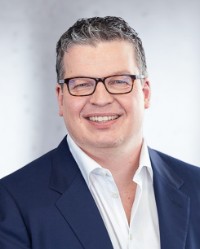


Walder Wyss Ltd. is one of the leading Swiss commercial law firms. With a dynamic presence in the market, the firm specialises in corporate and commercial law, banking and finance, intellectual property and competition law, dispute resolution and tax law. With more than 300 legal experts and six locations, Walder Wyss provides its clients with a seamless one-stop shop, personalised and high-quality service in all language regions of Switzerland. The firm has a dedicated, fully integrated start-up desk composed of around 20 senior lawyers (including partners) advising on VC-related matters (all relevant areas of law).
1. Trends
1.1 Venture Capital Market
For financing rounds, the list of most sizeable transactions in 2025 is headed by the following:
- biotech company Windward Bio, with its CHF183.1 million Series A financing round co-led by OrbiMed, Novo Holdings and Blue Owl Healthcare Opportunities;
- cleantech company Climeworks, with its CHF128.3 million Series E financing round co-led by BigPoint Holding and Partners Group; and
- medtech company Distalmotion with its CHF120.8 million Series G financing round led by Revival Healthcare Capital.
With respect to exit transactions, the top three in terms of transaction value include the following:
- Vista Equity Partners took a majority stake in Nexthink, which provides organisations with a comprehensive overview of technology performance, with the acquisition based on a valuation of approximately USD3 billion;
- Taiho Pharmaceutical’s acquisition of Araris Biotech, a company that develops antibody drug conjugates, for an upfront payment of USD400 million and additional milestone payments of up to USD740 million; and
- Knorr-Bremse’s acquisition of duagon Group, which produces hardware and software solutions for safety-related applications primarily in the rail industry, for a purchase price of EUR500 million.
There were two IPOs in the venture capital market in 2025, namely:
- BioVersys, a multi-asset, clinical stage biopharmaceutical company completed its IPO on SIX Swiss Exchange in February 2025; and
- MindMaze Therapeutics Holding, the EPFL spin-off that combines neuroscience, mixed reality technology, artificial intelligence and sensor technology, completed its IPO on SIX Swiss Exchange in December 2025.
(Numbers by Swiss Venture Capital Report 2026 published by startupticker.ch and SECA – Swiss Private Equity & Corporate Finance Association.)
1.2 Key Trends
While the number of financing rounds – with 354 rounds in 2025 – continues to stagnate, albeit at a high level, capital deployment increased significantly. In 2025, Swiss start-ups raised CHF2.95 billion, representing a 23.9% increase compared to 2024 and signalling a clear recovery after two years of financing contraction. The number of exits remained at the low level of 2024 with a total of 42 sales and with even fewer Swiss companies acquiring start-ups in 2025 (only ten).
More funds went to early-stage financing rounds compared to the previous year, with CHF1.1 billion invested, which is an increase of 73%, while seed investments also saw a rise of 23.8%. The volume of later-stage rounds remained stable, but the median amount raised of later-stage rounds decreased 46% compared to the previous year.
Although the three largest financing rounds accounted for only 14.7%, financing rounds of more than CHF20 million set a new record, with 32 investments exceeding this threshold. This result highlights the growing number of growth companies in Switzerland.
(Numbers by Swiss Venture Capital Report 2026 published by startupticker.ch and SECA – Swiss Private Equity & Corporate Finance Association.)
The increase in large rounds above CHF20 million aligns with the global trend toward backing fewer but more mature scale-ups.
1.3 Key Industries
Traditionally, venture capital activity in Switzerland has been driven by ICT, fintech and biotech companies. However, in the past years a drop in investment volumes in both the general ICT sector and the fintech sector was observed. In 2025, the ICT sector was able to recover and attracted almost 150% more in investments than in 2024 (CHF773.6 in total). In the fintech sector the invested capital went up marginally, while the number of financing rounds further decreased, with only 30 rounds in 2025.
In the biotech sector, on the other hand, investors invested more money into Swiss start-ups than ever before. In 2025, CHF946.4 million was invested in this sector – about 25% higher than the previous record set in 2020. Biotech investments accounted for 32% of all invested amounts.
The cleantech sector experienced a decline in invested capital for the third consecutive year. In terms of the number of rounds, the sector is still in second place with 54 financing rounds in 2025. The large number of rounds, and thus the number of promising companies, suggests that the potential for growth remains intact.
(Numbers by Swiss Venture Capital Report 2026 published by startupticker.ch and SECA – Swiss Private Equity & Corporate Finance Association.)
Unlike some markets that remain heavily driven by extremely large AI-centric fundraising rounds, Switzerland’s growth capital is more diversified, with biotech playing an outsized role alongside ICT.
2. Venture Capital Funds
2.1 Fund Structure
To date, venture capital funds managed and/or marketed in or from Switzerland typically have not been set up in Switzerland, but in a foreign fund jurisdiction, due to certain tax disadvantages and/or barriers to cross-border marketing of Swiss funds, or other factors affecting managers’ and investors’ preferences.
If no exemption applies, venture capital fund structures established in Switzerland, pooling assets from multiple investors, generally qualify as collective investment schemes pursuant and subject to the Collective Investment Schemes Act (CISA) and its implementing ordinance, the Collective Investment Schemes Ordinance (CISO). In particular, investment companies in the form of a Swiss company limited by shares are not subject to the CISA if they are listed on an exchange in Switzerland, or if only qualified investors pursuant to CISA are entitled to participate in the registered shares of an unlisted investment company. However, such exempt investment companies are subject to, and must comply with, the Anti-Money Laundering Act (AMLA) and are required to affiliate with a self-regulatory organisation (SRO) if not subject to supervision by the Swiss Financial Market Supervisory Authority (FINMA). Furthermore, a group of venture capital investors may pool their investments without qualifying as a collective investment scheme if they meet the criteria of an investment club according to Article 1a CISO, which requires that the membership rights are set out in the relevant constitutive document for the investment club’s chosen legal status, the members or selected members take the investment decisions, the members are informed about the status of the investments on a regular basis, and the number of members does not exceed 20.
Fund structures subject to CISA may be open-end and closed-end. Open-end funds may be set up as contractual funds (FCP) or as investment companies with variable capital (SICAV). CISA distinguishes four types of open-end funds based on the type of investment:
- securities funds;
- real estate funds;
- other funds for traditional investments; and
- other funds for alternative investments.
Each type of fund follows a different set of rules regarding permitted investments, investment restrictions, investment techniques and disclosure requirements. According to the FINMA’s current practice, an FCP or SICAV investing more than approximately 20–30% of its total assets in venture capital or other alternative investments needs to be set up as an “other fund for alternative investments”.
Closed-end funds may be set up as investment companies with fixed capital (SICAF), or as partnerships for collective capital investment (LPCI). Since the introduction of SICAFs in 2007, none have been authorised in Switzerland, mainly owing to the unfavourable tax treatment that leads to taxation at both the company and the investor level. An LPCI is a special form of limited partnership whose sole objective is a collective capital investment and which is reserved for qualified investors, similar to limited partnership fund structures in other jurisdictions. At least one member bears unlimited liability (general partner), while other members (limited partners) are liable only up to a specified amount (limited partner’s contribution). General partners must be companies limited by shares, with their registered office in Switzerland. Limited partners must be qualified investors according to CISA. An LPCI may only manage its own investments and conduct investments in risk capital. The investments in companies or projects can take the form of equity capital, lending or mezzanine financing. Those sparse funds subject to CISA with venture capital investments have been set up and authorised as LPCI.
As of 1 March 2024, a new fund type, the Limited Qualified Investor Fund (L-QIF), which is exempt from any authorisation, approval and product supervision by FINMA and, therefore, significantly reduces set-up costs and time to market, has been introduced in the CISA/CISO. The L-QIF must be managed by a supervised Swiss fund management company or manager of collective assets and set up as one of the above-mentioned forms of Swiss collective investment schemes, except for the SICAF, which is not a permitted legal form for an L-QIF. The L-QIF is open only to qualified investors and provides for very liberal investment rules and risk diversification requirements to encourage innovation, similar to unregulated fund structures in other jurisdictions, such as the Reserved Alternative Investment Fund (RAIF) in Luxembourg. A few early movers have already also used this flexible new fund structure (eg, in the form of an LPCI) as an efficient structuring solution for venture capital investments.
2.2 Fund Economics
Fund Principals, as investment managers or advisers to the venture capital fund, may charge a management fee and/or performance fee to the fund in accordance with the applicable provisions under CISA/CISO and the fund regulations. As an investor in their own venture capital fund, Fund Principals may participate in the economics of the fund only in accordance with the principle of equal treatment of all investors, which applies on the share class rather than the fund level. The rules of conduct of the Asset Management Association Switzerland (AMAS), which are recognised by FINMA as a minimum standard, specify the principle of equal treatment of investors and stipulate that fund management companies and other “fund institutions” must manage collective investment schemes in accordance with the principle of relative equal treatment, according to which objectively justified differentiations are permitted (eg, rebates to all investors meeting defined objective criteria). However, there are no established or evolving market standards in Switzerland with respect to key terms for Fund Principals.
2.3 Fund Regulation
Please see 2.1 Fund Structure.
2.4 Particularities
As mentioned in 2.1 Fund Structure, venture capital funds managed and/or marketed in or from Switzerland are typically not set up in Switzerland but in a foreign fund jurisdiction. It remains to be seen if the newly introduced fund type L-QIF will also be used to set up venture capital funds in Switzerland. Accordingly, no observations can be made in respect of specific VC fund structures emerging in response to certain market trends in Switzerland. However, the L-QIF regime in particular, would be well designed to support fund structures geared towards longer investment cycles, including long-duration closed-end funds, as well as secondaries and continuation vehicles for the purpose of providing a liquidity solution for existing investors.
3. Investments in Venture Capital Portfolio Companies
3.1 Due Diligence
Before investing in a company, VC investors would often conduct a legal, financial, commercial and tax due diligence, whereby the scope of such due diligence varies depending on the stage of the company, the size of the investment, and the industry and market in which the relevant company operates. In a legal due diligence, key areas that are generally covered include the following:
- title;
- employment;
- social security and pensions;
- tax;
- material agreements;
- intellectual property; and
- compliance and regulation.
3.2 Process
The timeline of a new equity financing round in a company depends on several factors, such as the complexity of the transaction, the due diligence process and the dynamics between the parties. On average it takes about two to four months from the signing of the term sheet until the registration of the capital increase in the commercial register. By contrast, the timeline for convertible loan rounds tends to be significantly shorter. Generally, the company and the lead investor are each represented by separate counsel but there are also (rare) instances where joint counsel is engaged to streamline the process and save costs. As a financing round in a Swiss entity requires the involvement of the existing shareholders – such as for the approval of the relevant capital increase, the waiver of statutory and contractual pre-emptive rights, and renegotiation of the shareholders’ agreement including the rights of the existing investors – it is advisable to involve them sufficiently early in the process.
3.3 Investment Structure
Whereas a Swiss start-up would typically be incorporated with common shares only, preferred shares are commonly used in later financings, in particular from a Seed or Series A stage onwards. Preferred shares are entitled to a liquidation preference in the event of a liquidation or sale of the company, ensuring that they receive a certain amount before any distributions are made to common shareholders. In most instances, a one-time non-participating liquidation preference is granted. Other rights that are typically linked to preferred shares are as follows:
- conversion rights;
- (special) pre-emptive subscription rights;
- down-round protection rights; and
- blocking/veto rights in relation to certain material corporate resolutions or a potential drag-along event.
3.4 Documentation
Certain key documents outline the terms of the investment typically used in the financing of a Swiss start-up. Depending on the parties involved and the complexity of the transaction, the specific documents may vary, but the most common documents include the following.
- Term sheet – This is a generally non-binding document (with certain exceptions, such as for exclusivity and costs) that sets forth the key details of an investment and the rights of the involved parties. It serves as a basis for negotiations and helps the parties to agree on the key terms before working with more detailed documents.
- Investment agreement – The investment agreement is entered into by the investors, existing shareholders and the company. It sets out:
- the specific terms of the investment, including the investment amount as well as the number and category of shares issued;
- details and steps in relation to the closing;
- the representations and warranties given by the parties; and
- the remedies in case of a breach.
- Shareholders’ agreement – The shareholders agreement governs the relationship between the shareholders upon completion of the investment. It includes provisions governing:
- the corporate governance, including board appointment, and veto and information rights;
- pre-emptive subscription rights;
- sale and liquidation preference and conversion rights;
- down-round protection rights;
- non-compete and non-solicitation provision; and
- the restrictions on share transfers as well as drag-along and tag-along rights.
The Swiss Private Equity & Corporate Finance Association (SECA) provides model documentation for VC investments, including the aforementioned documents. However, the SECA templates are generally not considered a reflection of the market standard, and most law firms that are active in the market use their own templates.
3.5 Investor Safeguards
To protect their investment, VC investors often secure certain key terms in a downside scenario, such as liquidation or a down-round. Besides the liquidation preference (see 3.3 Investment Structure), such terms include the following.
- Anti-dilution adjustments – Anti-dilution provisions serve to protect investors from dilution of their stake in the company in subsequent rounds of financing at lower valuations. Most commonly, a broad-based weighted average adjustment would be agreed which would be effected by the issuance of additional shares of the same category at nominal value to the affected parties. Sometimes, the issuance of such shares is subject to pay-to-play provisions.
- Pre-emptive subscription rights – Pre-emptive subscription rights give investors the opportunity to maintain their ownership percentage in the company by purchasing additional shares on a pro rata basis before they are offered to other investors. In the majority of cases, such a right is limited to the investors’ pro rata portion and gives neither a general pre-emptive right prevailing over existing shareholders nor the right for any overallocation of non-exercised subscription rights.
- Control or veto rights – VC investors often have control rights to influence key decisions at the shareholder level, as well as at the board level.
- Vesting and claw-back – In order to ensure the founders’ and other key personnel’s commitments vis-à-vis the company, VC investors often require that such persons are bound by (reverse) vesting provisions structured as call-options applicable in case of an early termination of the employment or service relationship.
3.6 Corporate Governance
Investors often ask for the right to appoint one or more representatives to the company’s board of directors. Board representation allows the investors to influence key strategic decisions (often, investor directors have veto rights in relation to certain strategic decisions), and monitor the management as well as the activities of the company. The day-to-day management of the company is, however, typically delegated to the executive board members/the management, typically the founders, in accordance with the terms of organisational regulations, and – besides reserved matters – investors typically do not take active influence over operational matters. If an investor is not allowed (eg, for regulatory or tax reasons) or otherwise unable to appoint a board member, it is also possible to appoint a board observer having the same information and participation rights as a board member, but no voting rights.
3.7 Contractual Protection
In a financing round, a VC investor would generally ask for representations and warranties from the company and/or the founders covering, inter alia:
- ownership and qualification;
- due authorisation;
- financial statements and subsequent events;
- insurance;
- compliance;
- intellectual property;
- material agreements;
- employment, social security and pension;
- litigation; and
- no broker’s fee.
In most financing rounds, a fair disclosure concept is agreed, whereby the documents included in a virtual data room are generally deemed disclosed vis-à-vis the investors. In some instances, the representing parties may be asked to provide a disclosure letter. Swiss law imposes restrictions on the payment of damages resulting from an investment by the company. Hence investors would typically be indemnified by virtue of a compensatory capital increase, which means the issuance of additional shares of the category initially subscribed at nominal value.
4. Government Inducements
4.1 Subsidy Programmes
There are numerous government-backed initiatives providing non-dilutive funding or government-guaranteed loans to Swiss start-ups such as the Innosuisse programme and the Swiss Technology Fund, which may also provide an indirect incentive for equity investment. However, there are no sizeable programmes directly subsidising equity investment in Swiss start-up companies.
4.2 Tax Treatment
The tax treatment of investments in start-up and VC portfolio companies is generally the same as that applicable to investments in other companies.
Stamp Duty
The issuance of new shares by, and capital contributions to, a Swiss-resident company are generally subject to a 1% issuance stamp duty, payable by the company. However, issuances of newly created shares are exempt up to an aggregate amount of CHF1 million.
Capital Contribution Reserves
Capital contributions made by direct shareholders qualify as capital contribution reserves. Subject to compliance with certain formal requirements, such reserves may be distributed to shareholders without triggering Swiss withholding tax or, for investors holding their shares as private assets, Swiss income tax.
Dividend Distribution
Dividend distributions (which are typically not made by VC portfolio companies) and constructive dividends are subject to 35% Swiss withholding tax.
Refund of Swiss Withholding Tax
Swiss withholding tax may be fully refundable or creditable for Swiss tax resident corporate and individual shareholders, if they are beneficial owners and the income is recognised in their financial statements or tax returns. Non-resident shareholders may be eligible for a partial or full refund if their country of residence has a double tax treaty (DTT) with Switzerland and the treaty conditions are met.
Capital Gains
Foreign resident investors are generally not subject to Swiss capital gains or withholding tax on the sale of their shares under Swiss domestic law and applicable DTTs. For Swiss resident founders and Swiss-based non-professional private investors (individuals), such gains are generally tax-free.
Swiss resident professional or corporate investors, however, are generally subject to corporate income tax on capital gains from share sales, while capital losses are tax-deductible. The participation exemption provides a near-complete tax exemption for capital gains from the disposal of a qualifying participation of at least 10%, provided a minimum holding period of one year is met. Recaptured depreciations (ie, the difference between the acquisition costs and book value) remain subject to ordinary taxation. Tax losses may currently be carried forward for up to seven years. From 2028 onwards, this period will be extended to ten years.
Convertible Loans (CLAs)
Convertible loans (CLAs) are commonly used to provide start-ups with funding in Switzerland. If a Swiss company issues CLAs totalling more than CHF500,000 and applies “identical terms” (interest rate, conversion discount, currency, term, etc) to more than ten non-bank lenders, or issues CLAs with different terms to more than 20 non-bank lenders, the Swiss Federal Tax Administration (SFTA) will qualify the CLAs in question as bonds and levy 35% withholding tax on interest payments when due. The term “identical terms” is interpreted strictly by the SFTA. Even minor differences, such as varying interest rates, conversion discounts and terms, may cause the relevant CLAs to fall outside the ten-lender rule and trigger the broader 20-lender rule. If the 10/20 non-bank rules are adhered to, the CLAs will be treated as individual loans rather than a bond for withholding tax purposes, meaning the conversion discount and interest payments will generally be exempt from withholding tax.
If the 10/20 non-bank rules are violated, the SFTA will generally treat the conversion discount on CLAs as an interest payment and hence subject it to withholding tax unless the respective CLAs qualify as classic convertible bonds (in German: klassische Wandelanleihe). In respect of a classic convertible bond, a distinction is drawn between periodic coupon payments, which are subject to withholding tax, and the conversion discount, which is not subject to withholding tax, provided it does not exceed 33⅓% in accordance with current practice.
Even if the 10/20 non-bank rules are complied with, meaning that both the conversion discount and interest payments are generally exempt from Swiss withholding tax, Swiss withholding tax may still apply if the interest is recharacterised as a constructive dividend. This may happen if interest paid to an existing shareholder or a related party is not considered as being at arm’s length, as determined by the SFTA in its annual circulars on safe harbour interest rates. Swiss withholding tax may also apply if the company is deemed thinly capitalised for tax purposes.
However, an exception will apply if the relevant interest is paid in kind, such as through the issuance of additional shares upon conversion. In this case, the transaction will be treated as a redistribution of shareholdings among the shareholders rather than an outflow of funds from the company.
Upon conversion of a CLA, issuance stamp tax at a rate of 1% will fall due on the amount converted into equity.
4.3 Government Endorsement
See 4.1 Subsidy Programmes.
5. Employment Incentives
5.1 General
The long-term commitment of the founders and other key employees to the venture is crucial for the success and the sustainable development of the company. This commitment is often procured by offering key employees equity or virtual equity in the company. A (virtual) equity participation ensures that the interests and efforts of the relevant beneficiary are aligned with the long-term success of the company. In some instances, a start-up would also grant monetary performance-based incentives: in particular, bonuses to its key personnel. Non-compete and non-solicitation arrangements with key personnel, which serve to protect the company’s intellectual property and trade secrets as well as the relationship with both customers and other personnel, are prevalent in Switzerland.
5.2 Securities
Swiss companies use various instruments to incentivise their key personnel. The most prevalent ones are share plans, stock option plans and virtual share plans. In a share plan, beneficiaries are granted shares and thus directly and immediately participate in the equity capital of the company. In a stock option plan, the employees are granted the right to acquire employee shares within a defined period (exercise period) at a certain price (exercise price). Often, companies would opt to implement a virtual share plan, which means that the beneficiaries are granted virtual shares only, which reflect the value of a certain category of share (typically common stock), and, from a monetary perspective, generally equates their holders to the holders of such category of (real) shares. However, holders of virtual shares neither hold a stake in the company nor have any shareholder rights.
The main advantage of a share and stock option plan is the leeway for tax-optimisation (see 5.3 Taxation of Instruments). However, they create an increased administrative burden due to the need for rulings and discussions with the tax authorities, certification obligations vis-à-vis tax authorities and the financing and structuring of the corresponding option and share issuance, respectively. In addition, as the relevant beneficiaries become shareholders with full voting and information rights, it will have to be ensured that they are set in an appropriate governance framework, including a shareholders’ agreement that outlines their rights and obligations. Virtual share plans, on the other hand, are quick, cheap and easy to implement and maintain. However, in most instances they are not the most tax-optimised option.
5.3 Taxation of Instruments
As a general rule, capital gains from the sale of privately held shares are tax-free for Swiss tax residents. An exception applies to capital gains on privately held employee shares (ie, shares granted to an employee in connection with their employment), unless it can be demonstrated that the shares were transferred at fair market value, which is typically not the case for non-listed shares.
In practice, employee shares are typically granted based on a recognised valuation formula that is pre-approved by the tax authorities. This formula generally results in a moderate valuation of employee shares at the time of acquisition or upon exercise of options, which determines the taxable salary component.
In the event of an exit, the same formula is applied, using the most recent financial parameters at exit, to determine the portion of the exit price that is tax-free. Accordingly, the beneficiary may realise a tax-free capital gain corresponding to the difference between the formula value at acquisition and the formula value calculated at the time of disposal. Any additional increase in value (“excess profit”; Übergewinn); ie, the difference between the actual exit price and the formula-based value at disposal, is treated as taxable income subject to social security contributions.
Under current cantonal tax practice, the “excess profit” may also qualify as a tax-free capital gain if the shares are held for at least five years. In light of these principles, key considerations when structuring a share or a stock option plan include defining a valuation formula that works consistently both at grant and at exit, and establishing an appropriate (reverse) vesting schedule. This should take into account the anticipated timing of an exit as well as the expected development of the financial parameters used in the formula over that period.
Monetary benefits from virtual share plans are fully taxable and subject to social security contributions when paid – typically upon a liquidity event. As a result, no tax-free capital gains arise from virtual stock option plans.
The applicable tax rate depends on the canton and municipality in which the employee is based, and generally has little impact on the overall structuring of an incentive pool at the company level.
5.4 Implementation
Typically, the investors will insist that, as part of the financing round, an incentive programme will be set up, or a current programme be increased, to ensure that a reasonable and unallocated pool is available to cover the company’s needs for a reasonable period following closing. Main terms and size of the pool are then agreed in the financing round documentation. It is thereby possible to wholly or partially consider this pool/its increase as pre-existing for the calculation of the share price of investors based on a fully diluted pre-money valuation or to agree that the relevant dilution shall be borne by all shareholders (including new investors).
6. Exits
6.1 Investor Exit Rights
The shareholders’ agreements provide for certain exit rules relating to trade sale or IPO transactions, often through covenants to pursue such a transaction, if approved by the board or by a qualified majority of the shareholders. IPO-related clauses usually cover registration rights in case of US listings as well as lock-up undertakings (often 6–18 months and depending on underwriting recommendation or requests).
The shareholders’ agreement also typically provides for a set of transfer restrictions applicable to all shareholders, including:
- a prohibition on encumbrances;
- right of first offer or refusal of existing shareholders;
- co-sale rights (tag-along) and co-sale obligations (drag-along); and
- call options of the company and/or other shareholders (eg, in case of an insolvency event with respect to a shareholder, transfer or encumbrance of shares in breach of transfer restrictions or other material breaches of the shareholders’ agreement, in all instances excluding transfers explicitly permitted or provided for in the shareholders’ agreement such as – eg, affiliate transfers).
The tag-along right is usually limited to a pro rata portion in case the respective sale transaction does not trigger a change of control. There are also instances where the pro rata tag along is restricted to certain categories of shareholders or excluded altogether. Typically, the approval of a qualified majority of all shareholders as well as a majority of preferred shareholders is required to trigger the drag-along obligation. Sometimes the latter majority will not apply if proceeds from the sale exceed a certain threshold (eg, two or three times the issue price in the last financing round).
In case of a trade sale, investors holding preferred shares are entitled to their respective liquidation preference (see 3.3 Investment Structure) with later-stage preferred shares often ranking senior to those issued in previous rounds, provided that they may instead opt for distribution of proceeds on an “as-if converted” basis, if distributions due to common shares exceed the preference amount for the respective class of preferred shares.
Whereas it is rather uncommon to grant investors the right to trigger an exit alone, it is from time to time agreed that investors will have a preferred liquidity upon expiration of a certain period (eg, by carve-outs from the tag-along and right of first refusal provisions) and/or that they may request that exit options (trade sale or IPO/listing) are at least evaluated with the help of external advisers upon expiration of such a period.
In case of late-stage projects, the shareholders’ agreement would typically also include specific provisions facilitating any IPO or listing.
6.2 IPO Exits
IPOs of Swiss start-ups are rather rare when compared with trade sale exits. After a record of 11 IPOs in 2021, the number of IPOs dropped to four and one in 2022 and 2023, respectively.
Whilst Swiss start-ups still frequently seek out US trading venues (NYSE and Nasdaq) for their IPO, SIX Swiss Exchange, including Sparks, its stock market segment for fast-growing small and medium-sized companies newly introduced in 2021, has gained some traction.
In case of an IPO, mostly primary shares are being offered and listed, occasionally combined with exit (sale) opportunities at the IPO for select investors (secondary tranche). Lock-up undertakings limit quick exits for remaining shareholders affiliated with the issuer (mostly key employees, founders and certain other main shareholders).
6.3 Pre-IPO Liquidity
Particularly late-stage start-ups often and regularly conduct orchestrated secondary rounds, typically as part of or in connection with financing rounds to accommodate the request for liquidity of early-stage investors and sometimes also founders and other employees. Respective shares are often purchased by new investors at a certain discount to the price applied in the financing round. Occasionally, such shares are also converted into the preferred shares issued in such round.
7. Regulation
7.1 Securities Offerings
The Swiss Financial Services Act (FinSA) provides that a prospectus must be published for a public offering of securities in Switzerland or for securities to be admitted to trading on a Swiss trading venue. As a general rule, such prospectus needs to be approved by an accredited prospectus review body (currently there are two, managed by SIX Swiss Exchange and BX Swiss, respectively).
An offering is deemed public (and no longer private) if it is directed to the general public – ie, not clearly limited to a predetermined, relatively homogeneous group of investors. However, there are various exemptions from the prospectus requirement even if an offering qualifies as a public offering. For example, no prospectus requirement applies if:
- the offering is limited to persons qualifying as professional clients according to FinSA;
- the offering is targeting fewer than 500 potential investors;
- the offering is for securities with a minimum denomination of more than CHF100,000 or requires investors to subscribe for securities for at least that amount;
- the total value of the offering does not exceed CHF8 million within a rolling 12-month period; and
- securities are offered by an employer or affiliated company to current or former members of the board, executive management or their employees.
Crowd financings aside, it is therefore usually possible to structure venture capital financing rounds and secondary transactions in a manner that does not trigger the prospectus requirement. In larger projects with an international investor base, secondary transactions are often made compliant with US securities law.
7.2 Restrictions
Competition Law and Merger Control
The Swiss Cartel Act provides for a notification obligation to the Swiss competition commission (CompCo) in case of one or several investors obtaining sole or joint control over a Swiss company, provided that: (i) the relevant turnover thresholds are met; or (ii) CompCo has previously established that at least one of the investors concerned holds a dominant position on a certain market in Switzerland and the investment concerns that or a neighbouring market.
Joint control does not necessarily require a majority in terms of voting rights or board representation but may also be achieved through sufficiently broad veto rights (as commonly seen in shareholders’ agreements) if these are granted to individual investors or a specific group of investors in a manner that no longer allows for changing majorities.
The turnover thresholds are met if in the business year preceding the investment either (i) one of the investors reached a total turnover of at least CHF2 billion or a turnover in Switzerland of at least CHF500 million or (ii) at least two investors reached a turnover in Switzerland of at least CHF100 million, in each case applying a group perspective.
Therefore, the application of merger control regulations should be carefully assessed, in particular when dealing with strategic investors or their venture arms. Furthermore, competition law issues may also arise with respect to non-compete and non-solicitation undertakings in shareholders’ agreements.
FDI Regulation
Switzerland has so far not implemented a comprehensive foreign investment control regime. However, in January 2026, the Swiss Parliament passed the new Swiss Federal Investment Screening Act (ISA), which will introduce a foreign direct investment screening and approval regime for acquisitions of Swiss companies in specified industries and above certain thresholds (including Swiss subsidiaries of non-Swiss target companies) by state-controlled foreign investors resulting in a change of control. As to the interpretation of requirement of control (or joint control) the legislative materials refer to the established merger control practice. The ISA may still be challenged in a popular referendum and implementing legislation is yet to be passed but may enter into force as early as January 2027. The application of these provisions will therefore likely need to be carefully assessed in financing rounds and exit transactions in the near future.
In addition, there are restrictions that can impact foreign investment in certain specific sectors already in force. For example, the Federal Act on the Acquisition of Real Estate by Persons Abroad (Lex Koller) provides for restrictions on the (direct or indirect) acquisition of real estate that is not used as a permanent establishment of a commercial, manufacturing or other business by non-Swiss persons or entities, which may affect the sale or issuance of shares to foreign investors in certain instances. As another example, pursuant to the Federal Act on Banks and Savings Banks, additional authorisation from the FINMA is required if a Swiss bank becomes foreign-controlled after its establishment.
Financial Market Regulation
Broadly speaking, financial services regulations may impose restrictions and regulatory requirements on venture capital investment structured as collective investment schemes or on activities that go beyond the realm of corporate financing and qualify as financial services.
Walder Wyss Ltd
Seefeldstrasse 123
PO Box
8034 Zurich
Switzerland
+41 58 658 58 58
+41 58 658 59 59
reception@walderwyss.com www.walderwyss.com/en
Trends and Developments
Authors


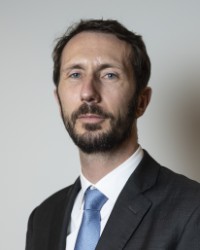

Kellerhals Carrard is a leading Swiss law firm serving clients across energy, financial services, healthcare, life sciences and private equity, with a presence in all Swiss language regions and a strong international network. Known for its interdisciplinary mindset and client-focused approach, the firm has supported start-ups and venture capital investors since the earliest days of the Swiss tech ecosystem. Kellerhals Carrard ranks first among VC law firms in Switzerland by deal count and third across the DACH region. The team consists of experienced lawyers who specialise in the needs of start-ups and offer tailored solutions, and the firm is highly rated globally for its VC work in the country and region.
Introduction
Following two challenging years in 2023 and 2024, 2025 marked a significant turnaround for the Swiss venture capital market. Key parameters such as the amount of invested capital showed recovery, while exits gained notable momentum with several billion-dollar transactions. The Swiss start-up ecosystem has once again demonstrated remarkable robustness and resilience in the face of global economic uncertainties. This was evidenced by various factors in 2025, including a record year for biotech investments, a strong recovery in the ICT sector, new records in early-stage financing, and renewed optimistic outlooks by investors. Switzerland continues to solidify its position as one of Europe’s top destinations for venture capital investments, particularly in deep tech sectors, and 2026 is poised to build on this positive momentum.
Market Developments
Financing rounds
The Swiss Venture Capital Report 2026 reveals a dynamic and reinvigorated landscape for financing rounds in Switzerland. In 2025, venture capitalists invested a total of CHF2.95 billion (~USD3.742) in Swiss start-ups, representing an increase of 23.9% compared to 2024. This growth marks a decisive turnaround after the financing challenges of the previous two years. The total amount invested is now more than 27% higher than the pre-pandemic year of 2019 and more than three times as high as in 2016, although it remains below the record levels of 2022.
The number of financing rounds remained stable at a high level with 354 rounds completed. A significant development was the record set in early-stage financing, where CHF1.116 billion was invested – an increase of 73% compared to the previous year. Seed rounds also rose significantly, with volume increasing by 23.8% to CHF298 million. The median investment in seed rounds increased by 14% to CHF1.6 million. Later-stage rounds showed modest growth of 3%, ending a two-year downward trend. Notably, 32 financing rounds exceeded CHF20 million, a record number, with five transactions surpassing CHF100 million.
The geographical distribution of investments continued to show regional diversification. Zurich start-ups attracted almost twice as much capital as in 2024, with CHF1.192 billion invested representing 40.4% of total invested capital. Canton Vaud achieved strong results with CHF578.9 million invested, reflecting a long-term growth trend. Basel-Stadt set a new record with CHF572.3 million, benefiting significantly from the strength of the biotech sector. Zug remained stable, while Geneva set a new record in terms of number of investments, signalling a well-stocked pipeline.
ETH Zurich spin-offs continued their strong performance, with both the number of financing rounds and the amount of invested capital growing contrary to previous downward trends in the broader market. This underlines Switzerland’s strengthening position as a deep tech hub. The positive trends in seed and early-stage rounds are particularly encouraging, as they indicate a return of risk appetite among investors and underscore the quality of the Swiss start-up pipeline.
Sector-specific insights
The biotech sector achieved a new record in 2025, with CHF946.3 million invested – an increase of 25.7% over the previous year and 24.8% higher than the previous record set in 2020. This marks the third consecutive year of clear growth for the sector, demonstrating sustained momentum. Notably, early-stage biotech companies received significant funding, with six of the ten biotech rounds among the top 20 investments completed by early-stage companies, indicating that risk appetite in the biotech sector is high once again.
The medtech sector showed continued promise, with the healthcare IT segment maintaining its upward trajectory. The top 20 financing rounds included significant medtech investments, such as Distalmotion’s CHF120.81 million Series G round for its Dexter robotic surgery system and vVARDIS securing substantial follow-on investment from OrbiMed for its drill-free caries treatment.
The cleantech sector experienced a decline in invested capital for the third consecutive year, with capital falling by 18% and the number of rounds decreasing by 15.6%. Nevertheless, cleantech remained the third-largest sector in terms of investment volume, with more money flowing to cleantech companies than to medtech or hardware firms. The large number of rounds and promising companies suggests that the potential for growth remains intact. Climeworks, a global pioneer in direct air capture technology, secured CHF128.3 million in funding, bringing its total funding since inception to more than USD1 billion.
The ICT sector showed a strong recovery in 2025, with companies attracting almost 150% more money than in 2024. The total rose from CHF315.9 million to CHF773.6 million, marking a return to levels first reached in 2019. This represents a significant turnaround following an exceptionally poor 2024. The fintech sector, however, remained at a relatively low level, with invested capital still considerably below the amounts seen in 2021 and 2022. One bright spot was Sygnum Bank achieving unicorn status with a valuation exceeding USD1 billion. Overall, ICT and fintech companies together received about a third of total invested capital.
Exit activities in 2025
The exit landscape showed significant signs of improvement in 2025. While the total number of exits remained moderate, the quality of exits improved markedly. A record nine trade sales occurred in which companies were sold for more than CHF100 million. The biotech company BioVersys completed an IPO on the SIX Swiss Exchange in early 2025 – the first flotation by a Swiss start-up after a dry spell of approximately two years – achieving a market capitalisation of approximately CHF216 million.
The year 2025 witnessed several landmark transactions. Araris Biotech was acquired by Japan-based Taiho Pharmaceutical for USD400 million at closing, with potential milestone payments of up to USD740 million – representing a billion-dollar biotech exit. Nexthink was acquired by Vista Equity Partners at a valuation of approximately USD3 billion. Other notable exits included the acquisition of Lakera AI by Check Point Software Technologies for USD235.95 million, duagon Group’s sale to Knorr-Bremse for EUR500 million, and the combined LumApps-Beekeeper transaction valued at more than USD1 billion. International buyers, particularly from the US, Germany and France, continued to play a significant role in the Swiss exit landscape. According to the latest investor survey, 64% of respondents expect higher exit activity in 2026, signalling continued optimism.
Key Trends in the Swiss Start-Up and VC Ecosystem
Switzerland as a European spinoff hub
The European Spinouts Report 2025, published by Dealroom.co in partnership with leading European innovation institutions, confirms Switzerland’s exceptional position in the European spinout landscape. Deep tech and life sciences spinouts from Swiss universities now represent a combined enterprise value of approximately CHF44.6 billion across more than 640 VC-backed companies. Switzerland ranks third in absolute spinout value creation in Europe – behind only the United Kingdom and Germany – while ranking first in Europe and globally in spinout value created per capita and per STEM graduate.
Swiss spinouts have raised more than USD11.4 billion in total VC funding and produced 12 unicorns or billion-dollar-plus exits. Since 2020 alone, Swiss spinouts have attracted USD6.9 billion in VC funding, with over USD1 billion deployed in 2025. These figures underscore Switzerland’s ability to translate world-class research into commercially successful ventures at a rate unmatched by larger European economies on a per capita basis.
ETH Zurich and EPFL Lausanne are the primary engines of this success. ETH Zurich ranks third among all European universities for deep tech and life sciences spinout value creation, with 235 VC-backed spinouts, six unicorns or billion-dollar-plus exits, and a combined enterprise value of USD15.6 billion. EPFL Lausanne ranks fourth in Europe, with 194 VC-backed spinouts, four unicorns or billion-dollar-plus exits, and an enterprise value of USD13.9 billion. ETH Zurich also features in the top ten European universities. Together, these institutions have established Switzerland as a powerhouse of research commercialisation.
Switzerland demonstrates particular strength in several high-impact sectors. In robotics, ETH Zurich leads Europe with 41 VC-funded spinouts representing USD2.4 billion in enterprise value, while EPFL ranks second with 22 spinouts. In climate tech, ETH Zurich again leads Europe with 36 spinouts and USD3.8 billion in enterprise value. In life sciences, EPFL and ETH Zurich rank fifth and sixth in Europe respectively, with combined enterprise values exceeding USD12 billion. This cross-sectoral excellence reflects the breadth of Switzerland’s research capabilities.
The year 2025 proved to be a landmark year for Swiss spinout exits. According to the Report, Switzerland, the UK and Germany accounted for all six billion-dollar-plus spinout exits in Europe in 2025. Swiss institutions contributed three of these transactions: Nexthink, an EPFL spinoff, was acquired by Vista Equity Partners for USD3 billion; U-blox, an ETH Zurich spinoff specialising in semiconductor positioning and IoT connectivity solutions, was acquired by Advent International for USD1.3 billion; and Araris Biotech, an ETH Zurich and Paul Scherrer Institute spinoff, was acquired by Taiho Pharmaceutical for USD400 million at closing, with potential milestone payments of up to USD740 million. These exits validate the commercial potential of Swiss academic research and provide role models for the next generation of founders.
Switzerland is also advancing best practices in spinout formation. In July 2025, ETH Zurich launched its Express Licensing procedure, providing a standardised, negotiation-free licence within six-to-eight weeks, with a simple fee model and a 2% equity stake, by default. As Frank Floessel, head of ETH Entrepreneurship, noted in the report, these changes are designed to boost the number of ETH-affiliated companies and strengthen entrepreneurship as a viable career path. ETH also maintains a fully transparent public spinout register with minimal reporting lag, setting a benchmark for institutional transparency in Europe. Looking ahead, key recommendations from the Report include continued harmonisation of spinout terms across European universities, increased proof-of-concept funding to help spinouts cross the first valley of death, and addressing the late-stage funding gap that currently sees nearly 50% of growth capital coming from outside Europe.
Switzerland as a European AI hotspot
Switzerland’s AI ecosystem is developing through decentralised co-operation between universities, businesses and local communities. This model stands in contrast to the centrally organised mega-projects of larger nations – in Switzerland, ideas are tested quickly and tailored to local needs, while the state provides a favourable framework based on minimal intervention and market forces.
As mentioned in the Swiss Venture Capital Report, AI start-ups are flourishing, many as spin-offs from ETH Zurich. Examples include mimic robotics (CHF12.93 million for robotic foundation models) and DeepJudge (CHF33.38 million for AI-powered legal technology). In September 2025, the inaugural Zurich AI Festival attracted 6,500 visitors and 300 speakers. Additionally, EPFL, ETH Zurich and the Swiss National Supercomputing Centre launched Apertus, Switzerland’s first large-scale open multilingual language model.
According to Tortoise Media, Switzerland ranks fourth among the world’s most AI-intensive countries – behind only the US, China and Israel. Top AI talent is in high demand globally, and companies like Google, Nvidia and Apple actively recruit Swiss talent. The combination of world-class research, a culture of innovation, and openness to international talent positions Switzerland as a compelling alternative for AI development that need not rely on brute-force computing power alone.
Continued dominance of foreign capital
A defining feature of the Swiss VC ecosystem is its international orientation. Between 2014 and 2023, only 24% of total venture capital came from Swiss investors, with US investors being the largest contributors at 35% of capital. Conversely, Swiss investors also invest significantly abroad, with 37% of their funds going to US start-ups. This cross-border investment dynamic highlights the global interconnectedness of the Swiss start-up ecosystem and its ability to attract foreign capital even during crises. Notably, at late-stage funding rounds, approximately 50% of capital still comes from investors outside Europe, underscoring the continued importance of international investment for Swiss growth companies.
The internationalisation of the Swiss start-up ecosystem has several positive implications. It enhances stability by providing access to a broader pool of capital, reducing reliance on domestic funding sources. This diversification mitigates risks associated with economic downturns and market fluctuations. Additionally, the presence of foreign investors fosters a competitive environment, encouraging Swiss start-ups to strive for excellence and innovation. The global interconnectedness of the ecosystem facilitates knowledge exchange and collaboration, driving the development of cutting-edge technologies and solutions. International investors are also increasingly attracted to Swiss start-ups: notable recent examples include RIVR (formerly Swiss-Mile), after raising USD22 million with participation from Bezos Expeditions, was subsequently acquired by Amazon, and Cradle.bio securing USD100 million led by Institutional Venture Partners and Index Ventures.
Challenges and Areas for Improvement
Despite its strengths, the Swiss start-up ecosystem continues to face several challenges.
Growth financing
Switzerland has emerged as a centre of world-class innovation, especially in deep tech. Despite the region’s exceptional technical talent and ground-breaking research, it has yet to produce global leaders at the scale of US tech giants. To address this gap, it is essential to increase late-stage capital, prioritise global leadership over regional excellence, and build a robust support ecosystem to transform cutting-edge research into market-leading solutions. The notable gap in growth financing, particularly for large-scale investments, remains among the most pressing challenges. While 2025 saw improvement with 50 funds available to investors and 66% of managers planning to launch new funds in 2026, many funds remain smaller to mid-sized, not fully addressing the need for growth financing and underlining the continued dependence on foreign investors.
Exit opportunities and FDI control
While 2025 showed improved exit activity with record CHF100 million-plus transactions, enhancing exit opportunities through strategic partnerships and acquisitions remains essential. Switzerland maintains a policy of openness towards foreign investment, with no generally applicable law regarding foreign investment screening. However, sectoral laws regulate investments in banking, real estate, telecommunications, nuclear energy, radio and television, and aviation. Importantly, the Federal Parliament has now clarified the investment screening framework: the new law is intended only to prevent takeovers that threaten public order or security and does not apply to foreign non-state investors. This outcome has provided relief to the innovation ecosystem, which had expressed concern that stricter proposals could have dampened M&A activity.
Job creation
Swiss start-ups tend to create fewer jobs compared to their counterparts in other countries. Fostering job creation and scaling operations can enhance the overall impact of the ecosystem. Providing targeted support for high-growth start-ups and promoting policies that encourage job creation could help address this issue. The Deep Tech Nation Switzerland Foundation’s goal of indirectly creating up to 100,000 new jobs through its investment mobilisation efforts represents one approach to tackling this challenge.
Access to technology
Switzerland was excluded by the United States in January 2025 from the list of allied countries for unlimited access to chips required for artificial intelligence. While efforts are currently underway by the Swiss government to remedy this situation, this development highlights potential vulnerabilities that smaller countries may face in an increasingly geopolitically tense world. Ensuring continued access to critical technologies will be important for maintaining Switzerland’s competitiveness in AI and deep tech sectors.
Harmonisation of spin-off terms
Swiss universities typically follow a general framework for spin-off terms, including the grant of exclusive licence rights in exchange for royalties (usually revenue-based) and equity stakes (usually 10% or less). These frameworks are designed to ensure that spin-offs can effectively commercialise academic research while providing fair returns to universities. The European Spinouts Report 2025 highlights ETH Zurich’s Express Licensing procedure as a leading example of streamlined and transparent spinout terms. The report also recommends that equity stakes of 25% should be seen as an absolute ceiling (not the standard), with leading universities operating in the 5–10% range. Other recommendations include limiting exit fees to 1–2%, capping royalties at 1–2% for deep tech and life sciences, and ensuring that spinout negotiations are completed within three months. Continued efforts across Swiss universities to adopt such best practices will strengthen the ecosystem.
Conclusion and Outlook
The Swiss start-up and venture capital ecosystem is characterised by its strong focus on deep tech and AI, significant international investment dynamics, and remarkable resilience. As the ecosystem continues to evolve, leveraging opportunities in these sectors and sustainability will be essential for fostering innovation and growth.
The year 2025 proved to be a pivotal one for the Swiss start-up ecosystem, validating the optimism expressed by investors at the end of 2024. The recovery was evident across multiple dimensions: record biotech investment, a strong ICT rebound, new highs in early-stage financing, and landmark exit transactions. Recent surveys indicate that sectors like biotech, cleantech, robotics and AI are poised for continued growth in 2026 and beyond.
The resilience of the Swiss start-up ecosystem, coupled with its ability to attract foreign capital, provides a solid foundation for future growth. As global economic conditions continue to improve, there is potential for increased investment activity and the emergence of new market leaders originating from Switzerland. Efforts that continue to focus on bridging the gap in growth financing and fostering large-scale investments will be essential for scaling operations and driving economic impact.
In conclusion, the Swiss VC market is well-positioned to continue its trajectory of growth and innovation. By addressing key challenges – particularly in growth financing and talent retention – and leveraging its strengths in research excellence and international connectivity, Switzerland can solidify its position as a global hotspot for venture capital and entrepreneurship.
Kellerhals Carrard
Raemistrasse 5
PO Box
CH-8024 Zurich
Switzerland
+41 58 200 39 00
info@kellerhals-carrard.ch www.kellerhals-carrard.ch
Law and Practice
Authors
Walder Wyss Ltd. is one of the leading Swiss commercial law firms. With a dynamic presence in the market, the firm specialises in corporate and commercial law, banking and finance, intellectual property and competition law, dispute resolution and tax law. With more than 300 legal experts and six locations, Walder Wyss provides its clients with a seamless one-stop shop, personalised and high-quality service in all language regions of Switzerland. The firm has a dedicated, fully integrated start-up desk composed of around 20 senior lawyers (including partners) advising on VC-related matters (all relevant areas of law).
Trends and Developments
Authors
Kellerhals Carrard is a leading Swiss law firm serving clients across energy, financial services, healthcare, life sciences and private equity, with a presence in all Swiss language regions and a strong international network. Known for its interdisciplinary mindset and client-focused approach, the firm has supported start-ups and venture capital investors since the earliest days of the Swiss tech ecosystem. Kellerhals Carrard ranks first among VC law firms in Switzerland by deal count and third across the DACH region. The team consists of experienced lawyers who specialise in the needs of start-ups and offer tailored solutions, and the firm is highly rated globally for its VC work in the country and region.
