Dispute Resolution 2026
Germany
Authors

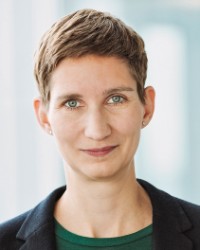


Hengeler Mueller is an independent law firm with over 380 lawyers, including 91 partners, renowned for advising leading German and international corporations, financial institutions, private equity companies and public entities on high-stakes matters. With offices in key economic centres in Berlin, Brussels, Düsseldorf, Frankfurt, London and Munich, the firm combines deep domestic expertise with a strong international outlook. Its Dispute Resolution practice stands out for handling complex, high-value disputes across jurisdictions and all relevant industries. The team counts 14 partners who advise on commercial and mass litigation, international arbitration and alternative dispute resolution (ADR). The team’s recent track record includes large-volume securities and cartel damages litigation, infrastructure-, ESG- and investor–state-related matters as well as post-M&A arbitrations and dispute prevention, among others.
1. Dispute Resolution Methods
1.1 Main Dispute Resolution Methods
Commercial disputes in Germany are mainly resolved through litigation before state courts and arbitration. Institutional arbitration is conducted primarily under the rules of the German Arbitration Institute (Deutsche Institution für Schiedsgerichtsbarkeit e.V., DIS) or the International Chamber of Commerce (ICC). Besides litigation and arbitration, disputes in Germany are also resolved by way of alternative dispute resolution mechanisms such as mediation, expert determination and conciliation.
1.2 Choice of Dispute Resolution Method
State courts continue to play a central role in commercial domestic legal matters, predominantly in areas such as antitrust, consumer disputes and tort claims. Complex, international, and sensitive disputes between corporations, including post-M&A disputes, are, in contrast, often referred to arbitration.
The DIS reported a rising number of arbitration proceedings in 2025 from 154 to 218 cases. Germany is also one of the ten nations most frequently engaged in arbitration proceedings under the ICC arbitration rules.
1.3 Key Dispute Resolution Trends
Introduction of Commercial Courts
As a reaction to steadily decreasing case numbers over the past years and to enhance efficiency and flexibility with respect to the conduct of state court proceedings, Germany introduced so-called commercial courts. The underlying amendments to the German Code of Civil Procedure (Zivilprozessordnung, ZPO) came into effect in April 2025, aiming at making German state courts a more attractive forum for domestic and cross-border commercial disputes.
The commercial courts were implemented at the higher regional court level (such as in Berlin, Düsseldorf and Frankfurt). They are competent if the matter exceeds EUR500,000 in value, falls within the scope of competence of the specific commercial court and the parties explicitly agreed to the jurisdiction of commercial courts.
The commercial courts deploy judges specialised in particular types of disputes (such as banking, construction or post M&A). Proceedings in the commercial courts can be conducted in English. A pretrial conference is intended to help establish a procedural framework suitable for the timely resolution of the dispute. At the same time, judgments of the commercial court may only be appealed to the Federal Court of Justice instead of the usual two instances of appeal.
Mass Litigation
Mass claims continue to shape the German litigation landscape, including claims resulting from the diesel emissions issue as well as large-scale data privacy incidents.
The German legislature responded to this trend with the issuance of the Capital Markets Model Case Act, the model declaratory action and the representative action. Digitalisation and procedural streamlining are further enabling courts to handle large volumes of factually or legally similar disputes more efficiently, including the option to participate in oral hearings virtually as well as to bundle factually or legally related cases.
Modernisation of German Arbitration Law
Aside from the recent developments in litigation legislation, German arbitration law provisions (codified in the 10th book of the German Code of Civil Procedure) are undergoing an update.
A previous draft amendment of German arbitration law came to a halt when the former German coalition broke in early 2025. The Federal Ministry of Justice has now proposed a new draft bill which builds on the former draft with slight amendments.
The envisioned amendments include a lowering of the form requirement for arbitration agreements, the option to render arbitral awards in electronic form, and the option to conduct proceedings in state court relating to arbitration matters in English.
2. Litigation
2.1 Limitation Periods
The standard limitation period for most claims in Germany is three years, commencing at the end of the year in which the claim arose and the claimant obtained or should have obtained knowledge of the relevant circumstances (Sections 195, 199 of the German Civil Code (Bürgerliches Gesetzbuch, BGB)). For certain claims, longer (eg, 30 years for damage based on intentional injury to life, limb, health, liberty or sexual self-determination) or shorter limitation periods (eg, two years for purchase agreements concerning movable goods) may apply. Parties may, within certain limits, contractually modify limitation periods, though they cannot reduce the limitation period for liability arising from intentional conduct.
2.2 Court Structure
Within the ordinary courts, civil proceedings are typically initiated before the local courts (Amtsgerichte) for disputes valued at up to EUR10,000 and certain disputes regardless of the value (eg, disputes in relation to lease agreements) or the regional courts (Landgerichte) for disputes higher than EUR10,000. Appeals are heard by the higher regional courts (Oberlandesgerichte), with further review limited to points of law by the Federal Court of Justice (Bundesgerichtshof).
In order for the newly introduced commercial courts to be competent, the dispute value must exceed EUR500,000 and the parties must explicitly agree to their jurisdiction (see 1.3 Key Dispute Resolution Trends).
2.3 Pre-Action Conduct
There are generally no overarching pre-action conduct requirements in civil proceedings. In commercial practice, claimants are expected to send a formal demand letter (Forderungsschreiben) or a cease-and-desist letter (Abmahnung) before commencing proceedings. While these letters are not a formal admissibility requirement, a claimant who files suit without taking the aforementioned measures risks bearing the costs of the proceedings if the defendant immediately acknowledges the claim.
2.4 Stages of Court Proceedings
Civil court proceedings generally commence with the filing of the complaint, followed by the defendant’s written response. German civil procedure is predominantly written in nature, and there is no pre-trial discovery comparable to common law jurisdictions. Generally, the dispute is to be dealt with and terminated in one hearing. After the hearing, the court issues a written judgment.
Proceedings at local courts typically last 6-12 months, while cases at regional courts may take approximately 18 months, with appeals adding further time depending on complexity. Early experience with the commercial courts, such as in Stuttgart, suggests that proceedings can be resolved significantly faster (based on the experience of the Commercial Court Stuttgart, within approximately six months).
2.5 Confidentiality
While court files are not publicly accessible, court hearings are generally public, and anyone may attend. However, certain cases are confidential by law, such as family law matters, disputes involving minors, or trade secrets in commercial litigation. Additionally, the court may order restricted access in sensitive cases to protect privacy or business confidentiality. Notably, proceedings before the commercial courts may be conducted confidentially if the parties so agree.
2.6 Interim Relief
German civil procedure provides two main forms of interim relief in commercial disputes: the request for writ of seizure (dinglicher Arrest), which serves to secure monetary claims by freezing the debtor’s assets, and interim injunctions (Einstweilige Verfügung), which protect non-monetary claims, such as ordering a party to cease certain conduct or to maintain the status quo (see 6.1 Availability of Interim Relief). In both cases, the applicant must demonstrate a substantive claim and urgency by way of prima facie evidence (Glaubhaftmachung). Interim relief is widely used in Germany. Orders may be issued swiftly and sometimes without a prior hearing.
2.7 Final Relief
In German commercial litigation, key types of final relief include claims for performance (Leistungsklagen), including claims for payment or specific performance, declaratory claims (Feststellungsklagen) to confirm legal rights or obligations, and constitutive claims (Gestaltungsklagen), which modify or terminate legal relationships.
2.8 Damages
Damages are generally assessed under the principle of full compensation (Grundsatz der Naturalrestitution, Section 249 BGB), aiming to restore the injured party to the position they would have been in had the harmful event not occurred. Courts consider actual loss, lost profits, and consequential damage, provided it is foreseeable and sufficiently certain. Non-pecuniary damages are only awarded in cases specifically provided for by law, most notably for personal injury. Importantly, German law does not recognise punitive damages; damages are strictly limited to compensate for the injured party’s losses.
3. Arbitration
3.1 Prevalence
Arbitration is well established as a dispute resolution mechanism in Germany, and Germany broadly recognises and enforces international awards under the New York Convention. Typical fields of application include post-M&A, energy, and construction disputes.
3.2 Restrictions on Use of Arbitration
Notable limitations to arbitrability include certain disputes in labour law and certain residential tenancy disputes. Arbitration agreements in respect of disputes relating to certain investment services are valid only if both parties are merchants (Kaufleute). Further, disputes concerning defective corporate resolutions are arbitrable only subject to specific requirements, for which the main arbitral institution in Germany, the DIS, provides Supplementary Rules for Corporate Disputes.
3.3 Advantages of Arbitration
Arbitration is often favoured by corporate parties because of the possibility to choose party-appointed decision makers, who may be more familiar with certain types of transactions or documentation than state court judges. Arbitration is also selected for confidentiality and procedural efficiency, in particular the possibility to agree upon streamlined procedural rules that are fit-for-purpose.
3.4 Disadvantages of Arbitration
Perceived disadvantages include that costs and speed are not in all cases more beneficial than in litigation, limited recourse against erroneous awards, the need to resort to enforcement through state courts, and the inability to involve third parties who are not bound by the arbitration agreement. With respect to the latter perceived disadvantage, the DIS has recently implemented a set of Supplementary Rules for Third Party Notices which can be included in the arbitration agreement by way of reference and which allow the issuance of third-party notices (Streitverkündung) under certain circumstances.
3.5 Arbitral Institutions
The most important arbitral institutions in Germany are the DIS and the ICC.
3.6 Length of Proceedings
No overall statistics exist, but the DIS indicates an average duration of approximately 12 to 18 months. For complex disputes, two years or more should be allowed for. The DIS Expedited Proceedings, which can be adopted by the parties by way of reference, offer the option of a faster resolution. In such proceedings, the final award should, in principle, be rendered within six months from the case management conference.
3.7 Regulation of Arbitration
German arbitration law is codified in the German Code of Civil Procedure and largely based on the UNCITRAL Model Law. German arbitration law is mostly non-mandatory, allowing parties to opt for, eg, institutional rules. Recognition and enforcement of foreign awards in Germany are governed by the New York Convention.
Alongside its institutional arbitration rules, the DIS offers Supplementary Rules for Corporate Disputes and the involvement of third parties.
3.8 Court Powers
Within certain limits, German courts can review compliance with arbitration agreements and provide judicial assistance to arbitral tribunals. This includes rulings on the admissibility of arbitral proceedings, interim relief, enforcement of a tribunal’s interim measures, and assistance in the taking of evidence.
3.9 Court Intervention
Bound by German arbitration law’s hands-off doctrine, German courts may intervene only where expressly authorised, eg, to assist the tribunal or grant interim relief (see 3.8 Court Powers). This is mirrored by recognition practice: foreign anti-arbitration injunctions or motions to stay may remain without effect on German-seated arbitration proceedings. Limited court intervention is supplemented by – albeit also limited – post-award review, inter alia, to protect due process and other public policy interests. However, German courts are authorised to rule on the validity of arbitration agreements, even where the seat of the arbitration is abroad or has not yet been determined.
3.10 Relief
Arbitral tribunals seated in Germany may generally grant all types of relief that the parties could obtain from a court, including declaratory and interim relief. A key limitation is that enforcement requires state court involvement, potentially causing delays. Note that an arbitration clause does not prevent German state courts – where they have international jurisdiction – from granting interim relief, even where the seat of the arbitration is located abroad.
4. Other ADR Methods
4.1 ADR Procedures
Other formal ADR procedures available in Germany include expert determination, conciliation and mediation. These ADR procedures have only partially been reflected in statutory law. The initiation and conduct of the proceedings remain largely subject to party autonomy. The proceedings will often be conducted ad hoc but may also be administered under the rules of a (private) institution, such as the DIS or the Chamber of Commerce and Industry. A notable exception to the generally private nature of such other ADR procedures in the German judicial system is court-annexed mediation or conciliation proceedings (Güterichterverfahren). A Güterichterverfahren is a procedure in which a specially designated judge, who is not responsible for deciding the case in litigation, facilitates a settlement between the parties.
4.2 Requirements to Engage in ADR
In principle, parties may initiate litigation over commercial disputes without first engaging in ADR proceedings. Thus, to engage in any ADR proceeding, an agreement between the parties is required. Unless otherwise agreed between the parties, no other formal requirements apply. However, institutional rules typically provide for a notice or written request to initiate ADR proceedings.
4.3 Impact of ADR
Where parties agree to pursue ADR prior to litigation or arbitration (eg, by way of an escalation clause), this is regarded as a temporary waiver of the right to sue. Such a waiver must be invoked by the defendant; courts will not assess ex officio whether an ADR agreement exists. If the requirements of the relevant clause have not been satisfied, the court will dismiss the claim as temporarily inadmissible. A negotiation or mediation clause does not, however, bar a party from seeking interim relief before a court. An unsuccessful ADR attempt does not limit a party’s right to litigate or arbitrate.
4.4 Timing of ADR
ADR can take place at any stage of a dispute. In practice, it most commonly occurs either before or shortly after litigation or arbitration has been initiated. The unilateral initiation of ADR suspends limitation periods if the dispute resolution body addressed is a governmental or state-recognised institution. In addition, limitation periods are suspended where the parties mutually agree to pursue ADR. Parties also typically agree expressly to suspend limitation periods for the duration of the ADR proceedings. Such agreement can be included in the agreement on certain institutional rules, such as Section 9 DIS Mediation Rules.
4.5 Confidentiality
Under German statutory law, ADR proceedings are not generally confidential. For example, statutory confidentiality obligations are, in principle, imposed on mediators, but not on the parties. Parties, however, usually enter into broad confidentiality agreements to ensure confidentiality of the entire process. Some institutional rules also provide for comprehensive confidentiality (eg, Section 28 DIS Rules on Expert Determination; Sections 6.5 and 10 DIS Mediation Rules).
4.6 Costs
The allocation of costs is subject to agreement between the parties. Institutional rules vary in their approach to costs. In expert determination proceedings, the decision on costs is usually made by the expert and often depends on the outcome of the proceedings (eg, Section 30 DIS Rules on Expert Determination). In consensual forms of ADR, such as mediation, the default rules generally provide for cost-sharing between the parties (eg, Section 11.1 DIS Mediation Rules).
4.7 Courts and ADR
Courts are generally supportive of the amicable resolution of commercial disputes and will often suggest staying proceedings to allow the parties to engage in settlement negotiations or ADR.
5. Costs, Fees and Funding
5.1 Legal Fees
Lawyers’ fees are regulated by the Lawyers’ Remuneration Act (Rechtsanwaltsvergütungsgesetz), which sets statutory fees calculated primarily on the basis of the dispute value (Streitwert). Lawyers and clients may agree on alternative (higher) fee arrangements. In practice, hourly fee arrangements are very common, particularly in commercial dispute resolution. Court fees are likewise based on the dispute value and are set out in the Court Costs Act (Gerichtskostengesetz), with a cap of EUR30 million applying to the dispute value.
5.2 Third-Party Funding
The use of third-party litigation funding has grown significantly in Germany in recent years. While non-recourse litigation funding is not subject to insurance or financing regulation, certain legal boundaries are shaped by provisions found in broader statutes, including those regulating legal services, the legal profession, and attorney remuneration. Typically, the funding agreement is entered into between the funder and the party to the dispute, while the lawyer is separately retained by the client.
Representative actions in relation to consumer matters are subject to more stringent conditions: the funder may not be a competitor of or otherwise linked to the defendant, its share of any award is capped at 10%, and the entity bringing the action must make full disclosure regarding the source of funding.
5.3 Contingency Fee Arrangements
Contingency fees (Erfolgshonorare) are generally prohibited for German lawyers. However, narrow exceptions exist in case of clients who would otherwise be deterred from pursuing their claim due to their individual circumstances. These exceptions are strictly regulated and of limited relevance in a commercial context.
5.4 Insurance
Legal expenses insurance (Rechtsschutzversicherung) is widely available and commonly used in Germany, particularly by individuals. Such insurance typically covers court fees, lawyers’ fees, and expert costs associated with litigation. Coverage for arbitration and ADR may be available depending on the specific policy, though standard policies traditionally focused on court litigation, and some explicitly exclude alternative dispute resolution mechanisms such as mediation or arbitration.
5.5 Costs
Germany follows the “loser pays” principle: the losing party bears both its own and the prevailing party’s legal costs, including court fees and statutory attorney fees. If both parties win and lose in part, costs are divided proportionally according to the correspondent win-loss-ratio. Importantly, in state court proceedings only statutory attorney fees (see 5.1 Legal Fees) are recoverable; to the extent that a party’s actual costs for legal representation exceed the statutory fees (eg, due to hourly-rate billing), the excess is not recoverable.
5.6 Assessment of Costs
The primary factor in assessing costs is the dispute value (Streitwert), which determines both court fees and statutory lawyer fees according to fixed statutory scales. The court allocates costs based on the outcome of the case, applying the loser-pays rule proportionally to each party’s success or failure on the merits (see 5.1 Legal Fees and 5.5 Costs).
6. Interim Remedies
6.1 Availability of Interim Relief
German law provides for different types of interim relief. The main forms are arrest and interim injunction, supplemented by an independent procedure for taking evidence ahead of main court proceedings, and the European account preservation order (see 2.6 Interim Relief).
An arrest secures monetary claims (or claims convertible into monetary claims) by allowing the applicant to freeze assets of the defendant’s movable or immovable property.
An interim injunction comes in three forms: the protective order (Sicherungsverfügung) preserves the status quo; the regulatory order (Regelungsverfügung) provisionally determines the legal relationship between the parties; and the performance order (Leistungsverfügung) compels the defendant to perform or omit certain activities.
6.2 Interim Relief to Support Arbitration and ADR
State courts may issue interim measures sought to secure claims raised in arbitration. State courts may also authorise the enforcement of interim measures issued by an arbitral tribunal. The arbitral tribunal may order any provisional or protective measure it considers necessary and may require appropriate security. According to the prevailing (though controversial) view, the state court incidentally reviews the validity of the arbitration agreement when deciding on authorisation. The court exercises discretion and may amend the interim measure for enforcement purposes if necessary.
6.3 Timing of Applications for Interim Relief
Applications for interim relief are often filed before the main proceedings have begun. There is no statutory deadline, but the applicant must demonstrate urgency. German courts generally require filing within one to two months from the time the applicant becomes aware of the infringement. In some cases, particularly in competition law, a prior warning letter may be required.
Decisions on interim relief applications are typically issued within a few days. The applicant may therefore file shortly before the consequences they seek to prevent take effect, provided the one-to-two-month urgency window is observed. In many cases, the court will schedule a hearing before issuing its decision in order to avoid a violation of the opposing party’s right to be heard. The opposing party may file a protective brief (Schutzschrift) with a central register, setting out its defence in advance.
6.4 Security for Costs
German law does not generally provide for security for litigation costs. Security for costs can be granted at the opponent’s request if the applicant’s usual place of residence is outside the EU or EEA. With regard to interim measures, there is no clear-cut line of case law if and when security for costs can be ordered against foreign parties.
6.5 Interim Injunctions
A party can apply for interim injunctions. The applicant must file its application with the competent court – generally the court having jurisdiction over the main proceedings – and must demonstrate an underlying claim (Verfügungsanspruch) and a ground justifying the measure (Verfügungsgrund). The applicant must credibly demonstrate (Glaubhaftmachung) that both the claim and the grounds exist, persuading the court that the relevant facts are more likely true than not.
The specific requirements depend on the type of injunction: a protective order (Sicherungsverfügung) requires a risk that changes to the existing situation could prevent or significantly impede enforcement; a regulatory order (Regelungsverfügung) requires that regulation of a disputed legal relationship is necessary to avoid significant harm or prevent impending violence; and a performance order (Leistungsverfügung) requires that the opponent’s prompt compliance is essential, that awaiting ordinary proceedings would be unreasonable, and that the applicant’s harm substantially outweighs any detriment to the opponent. Financial interests alone are typically insufficient. Where the prerequisites are met, the court decides at its discretion which specific measure is appropriate.
Parties can also apply for an asset freeze (arrest), but the applicant must show that the defendant is actively taking steps to undermine enforcement of a future judgment. Insolvency of the defendant is generally insufficient as an argument.
The interim injunction must be enforced within one month after issuance.
6.6 Summary Judgment
German law does not formally provide for summary judgment. However, in all proceedings, the court will conduct a preliminary analysis of the pleadings. If the court finds that the pleadings do not satisfy the legal requirements for stating a case or (as the case may be) raising a relevant defence, the court will grant or dismiss the claims following an initial hearing without further trial or taking of evidence.
7. Mass Claims and Class Actions
7.1 Procedural Mechanisms
Germany lacks a single, comprehensive class action mechanism comparable to, eg, the US model. Instead, German law provides several distinct procedural instruments forming a fragmented system of collective redress. The most notable mechanisms are the model case proceedings in capital markets cases and the model declaratory action (Musterfeststellungsklage), enabling courts to determine factual or legal prerequisites relevant to individual claims, and representative actions (Verbandsklage), which can grant injunctive relief, absorption of profits, or damages. These instruments are governed by separate statutes, including the Consumer Rights Enforcement Act (Verbraucherrechtedurchsetzungsgesetz, VDuG), the Capital Markets Model Case Act (Kapitalanleger-Musterverfahrensgesetz, KapMuG), the Injunctions Act (Unterlassungsklagengesetz, UKlaG), the Act Against Unfair Competition (Gesetz gegen den unlauteren Wettbewerb, UWG), and the Act Against Restraints of Competition (Gesetz gegen Wettbewerbsbeschränkungen, GWB). Additionally, the leading decision proceeding (Leitentscheidungsverfahren) allows the Federal Court of Justice to provide guidance on legal questions arising in mass litigation, though without formally binding effect on lower courts.
7.2 Standing Requirements
Standing rules vary by mechanism. Under the Consumer Rights Enforcement Act, the Injunctions Act, the Act Against Unfair Competition, and the Act Against Restraints of Competition, only qualified consumer associations registered under Section 4 Injunctions Act may bring claims. The Federal Office of Justice maintains a publicly accessible register of such associations. Showing the existence of underlying individual claims or actions is not a prerequisite. However, it must be established that the rights of a determinate group represented by the claimant association have been or may be infringed. A redress action under the Consumer Rights Enforcement Act additionally requires at least 50 potentially affected consumers. Participation operates exclusively on an opt-in basis, requiring active registration of individual claims.
In contrast, under the Capital Markets Model Case Act, any investor who is a claimant in individual proceedings may initiate a model case, provided model case applications have been filed in at least ten proceedings.
7.3 Relief
Collective redress does not involve a distinct damages regime. Damages relief is limited to compensatory relief, restoring affected individuals to the position they would have been in had the wrongful conduct not occurred. Punitive or exemplary damages are unavailable. Under the Consumer Rights Enforcement Act, courts may order payment of a collective sum (kollektiver Gesamtbetrag) for distribution among registered consumers. Qualified consumer associations may also seek the absorption of profits (Gewinnabschöpfung) obtained through intentional or grossly negligent unfair commercial practices, with proceeds payable to the Federal Office of Justice. Declaratory relief establishing binding prerequisites for individual claims is available under the Consumer Rights Enforcement Act and the Capital Markets Model Case Act. Injunctive relief to prevent or stop unlawful practices is available under the Injunctions Act, the Act Against Unfair Competition, and the Act Against Restraints of Competition.
7.4 Class Actions, Mass Claims and Arbitration
Collective redress mechanisms are generally court-based, and Germany has no established practice of class arbitration. Under prevailing German legal doctrine, class arbitration is impractical: individuals cannot be compelled to participate in arbitration in the absence of a binding arbitration agreement, nor may they voluntarily intervene without one.
7.5 Trends
Germany’s collective redress landscape is evolving, though it remains fragmented. The enactment of representative action in 2023, implementing the EU Representative Actions Directive, was a significant step forward but has seen only 17 actions filed to date. Legislative reform continues: the Capital Markets Model Case Act has recently been restated and will be re-evaluated in 2029, and the Consumer Rights Enforcement Act in 2028 alongside the EU Representative Actions Directive.
An emerging trend is an increase in profit absorption (Gewinnabschöpfung) actions. Notably, qualified consumer associations may now engage litigation funders for such actions, with funders receiving a share of the recovered proceeds.
8. Evidence
8.1 Disclosure
German litigation follows the principle of party presentation (Beibringungsgrundsatz) without a general disclosure obligation. There is no discovery; however, courts may order the production of specific documents under Sections 142 and 421–424 German Code of Civil Procedure, provided that the party can sufficiently identify the relevant documents and show their relevance for the case. In arbitration, the approach is flexible: document production is determined on a case-by-case basis under the tribunal’s broad procedural discretion (Section 1042(4) German Code of Civil Procedure). In international arbitration proceedings seated in Germany, tribunals tend to allow a broader production of documents, often following the IBA Rules on the Taking of Evidence in International Arbitration, although still falling short of the wide-ranging discovery typical of common law systems.
8.2 Privilege
Given that there is no discovery in the first place, German law does not provide for a general doctrine of privilege, nor does it provide for an attorney–client privilege as known in common law jurisdictions. Instead, protection is afforded through specific rules on professional secrecy and rights to refuse testimony under Section 383 German Code of Civil Procedure, covering, inter alia, lawyers, tax advisers, or other persons bound by statutory confidentiality obligations. These protections apply directly in state court proceedings and, by analogy, in arbitration, and may justify withholding documents. In international arbitration proceedings seated in Germany, tribunals regularly devise procedural solutions to ensure a level playing field – typically by determining the applicable privilege rules based on the closest connection or by applying the most protective standard across all parties. Privilege may be waived through voluntary disclosure or consent.
8.3 Confidentiality
Confidentiality is not a general defence in German state court litigation. However, courts may restrict access to protect trade secrets or commercially sensitive information, including under the Trade Secrets Act (Gesetz zum Schutz von Geschäftsgeheimnissen, GeschGehG). Arbitral tribunals may limit or refuse disclosure of evidence on confidentiality grounds, often taking guidance from the IBA Rules on the Taking of Evidence. Confidentiality is not absolute in either system and may yield where disclosure is required by law, necessary to protect legal rights, or warranted by considerations of procedural fairness.
8.4 Witness Evidence
In state court proceedings, witnesses have a duty to appear and testify truthfully (Sections 380, 390 German Code of Civil Procedure), with false testimony criminally punishable under Section 153 German Criminal Code (Strafgesetzbuch, StGB). Parties and their legal representatives cannot be called as witnesses but may be examined as parties under Sections 445 et seq. German Code of Civil Procedure. Examination is conducted primarily by the court, with supplementary questioning by the parties. There is typically no full-fledged cross-examination. In arbitration, witness evidence is usually introduced through written witness statements, with subsequent cross-examination to test that evidence. There is no general duty of witnesses to appear or testify in arbitration, but an arbitral tribunal may apply to the state court to summon unwilling witnesses and administer the witness testimony.
8.5 Expert Evidence
Expert evidence is widely used in both state court proceedings and arbitration. In state court litigation, experts are appointed by the court under Sections 402 et seq. German Code of Civil Procedure – based on party applications or ex officio – and owe duties of independence, impartiality and comprehensive investigation to the court; party-appointed experts are treated as party submissions rather than evidence proper. In arbitration, experts may be appointed by the parties or by the tribunal. Tribunal-appointed experts are subject to the same independence and impartiality requirements as arbitrators (Section 1049(3) German Code of Civil Procedure), while any perceived lack of independence of a party-appointed expert affects evidentiary weight rather than admissibility. Both systems allow parties to test expert evidence through questioning at hearings.
9. Enforcement
9.1 Enforcement of Judgments
In Germany, the enforcement procedure relevant to foreign judgments depends on their state of origin. Pursuant to Regulation (EU) No 1215/2012 (“Brussels Ia Regulation”), judgments from other EU member states bound by the Brussels Ia Regulation are generally recognised and immediately enforceable, provided they are enforceable in their state of origin. Other bilateral/multilateral treaties (eg, the Lugano Convention, applicable to judgments from EFTA states), and the autonomous German civil procedure law still require an exequatur procedure, which serves to have the foreign judgment declared enforceable. A separate recognition procedure does not apply; however, under the German Code of Civil Procedure, the statutory grounds for refusal of recognition shall be considered in the context of the exequatur procedure.
9.2 Enforcement of Arbitral Awards
Domestic and foreign arbitral awards must be declared enforceable by a German court in exequatur proceedings. Once the declaration of enforceability has been granted, the award constitutes an enforceable title and may be enforced under the general rules on compulsory enforcement.
The competence to declare domestic arbitral awards enforceable lies with the higher regional court (Oberlandesgericht) at the seat of arbitration. In these proceedings, the grounds for setting aside of arbitral awards (Section 1059 para. 2 German Code of Civil Procedure) constitute the relevant standard of review, and German courts are generally prohibited from reviewing the merits of the award (no révision au fond). Certain procedural grounds are subject to a preclusive three-month time limit, whereas violations of fundamental principles, including non-arbitrability and public policy, must be examined ex officio.
Foreign arbitral awards are enforced in accordance with the New York Convention, which is binding on Germany as a contracting state. Enforcement may be refused only on the limited grounds set out in the Convention. Jurisdiction lies with the higher regional court determined by the respondent’s domicile, habitual residence, or the location of assets in Germany. Where no such connecting factor exists, jurisdiction lies with the Higher Regional Court of Berlin (Kammergericht). German law constitutes a more favourable regime within the meaning of the Convention, as submission of the arbitration agreement is not required, and a certified copy of the award suffices.
Awards rendered under the ICSID Convention are enforced pursuant to the German Act Implementing the ICSID Convention (Investitionsstreitbeilegungsgesetz). In such cases, enforcement may only be denied where the award has been annulled or revised under the mechanisms provided by the ICSID Convention. However, the Federal Court of Justice recognised that, in intra-EU disputes, enforceability may be refused on the basis of the primacy of EU law.
9.3 Length of Time
The duration of enforcement proceedings for foreign arbitral awards in Germany can vary depending on the complexity of the case and the mode of proceedings. Empirical data covering 573 enforcement and setting-aside decisions between 2012 and 2016 show a median duration per instance of around 3.5 months (109 days), with the mean duration being higher at approximately 5.75 months (173 days) due to outlier cases lasting several years. When appeals to the Federal Court of Justice are included, the mean duration across all instances only increases to 6.14 months (187 days), reflecting the relative rarity of appellate review.
The type of proceedings also significantly affects timing: cases decided on the papers averaged about 4.6 months, while cases involving an oral hearing took over nine months on average.
9.4 Grounds for Resisting Enforcement
Foreign judgments may be resisted in Germany if enforcement would violate German public policy (ordre public) or if the defendant was not properly served. For EU judgments, these are the main grounds for refusal. For judgments from third countries, enforcement may additionally be refused if the foreign court lacked jurisdiction, if reciprocity is not established, or if there is a conflict with prior German judgments.
Enforcement of arbitral awards may be refused on limited grounds, including violation of public policy, non-arbitrability of the subject matter, denial of a party’s opportunity to be heard, or excess of the tribunal’s mandate. For ICSID awards, enforcement may only be refused if the award has been annulled or revised under the ICSID Convention.
10. Dispute Resolution and AI
10.1 Regulation
Germany does not have dedicated national legislation governing the use of artificial intelligence in dispute resolution. The regulatory framework is instead shaped primarily at the European level. The EU AI Act, which entered into force on 1 August 2024 and will become fully applicable on 2 August 2026, establishes a risk-based regulatory regime encompassing system classification, conformity assessment, transparency obligations, and supervisory oversight. It should be noted, however, that the scope and requirements of the AI Act may be subject to modification through the proposed EU Omnibus Regulation, which could adjust certain obligations before full applicability takes effect.
Additionally, policy and practice are guided by Council of Europe ethical guidelines and joint federal-state declarations on responsible AI use in the judiciary. Courts and lawyers are bound by the GDPR and professional conduct rules, supplemented by the German Federal Bar Association’s (Bundesrechtsanwaltskammer) dedicated guidance on artificial intelligence in law firms, which provides practical recommendations for the responsible deployment of AI tools in legal practice. Case-related data may not be fed into external AI systems without a legal basis; and lawyers must comply with professional obligations, particularly consent requirements.
10.2 Impact
The German judiciary has adopted a cautious approach to AI, though it has shown increasing openness in resource-intensive mass proceedings – particularly in air passenger rights, diesel emissions claims, GDPR disputes and online gambling cases. AI is used primarily for data structuring, case categorisation and decision preparation. Key pilot projects include: FRAUKE (Frankfurt Local Court) for analysing written submissions and generating draft judgments; OLGA (Stuttgart Higher Regional Court) for diesel proceedings; and MAKI, a generic system developed in co-operation with the University of Göttingen that can be trained for various types of proceedings and is now deployed across multiple federal states. All systems function exclusively as assistive tools – judicial decision-making remains entirely a human function.
On the level of legal professionals, AI is primarily deployed for legal research, document analysis, and draft preparation. The legal AI market is growing rapidly, with German providers (Beck-Noxtua, Codefy) and international platforms (Harvey, Legora) offering legal-specific services. While general legal tech tools are widespread, and AI-supported applications are becoming increasingly embedded in lawyers’ day-to-day work, more systematic AI use remains constrained by concerns regarding reliability and integration as well as restrictions imposed by data protection and professional services regulation.
10.3 Future
German courts are increasingly embracing AI to enhance efficiency. In April 2025, federal and state governments adopted a joint AI strategy for the judiciary. Hessen plans to equip all public prosecution offices with AI-based analytical software by 2028. The Reform Commission on the “Civil Procedure of the Future” is developing concepts for fully digitalised court proceedings.
Constitutional limits remain firm: judicial decision-making must rest with humans. So-called robo-judges are precluded under the German Constitution (Grundgesetz). AI will increasingly serve as an assistive tool, particularly in automated case structuring, document analysis, mass proceedings and digital procedural platforms. AI will also be seen more frequently in arbitration, whereas it is subject to ongoing debate whether any use of AI by an arbitral tribunal must be disclosed to the parties.
Hengeler Mueller
Bockenheimer Landstraße 24
60323 Frankfurt am Main
Germany
+49 69 17095 0
+49 69 17095 099
media@hengeler.com www.hengeler.com/en/
Trends and Developments
Authors




Hengeler Mueller is an independent law firm with over 380 lawyers, including 91 partners, renowned for advising leading German and international corporations, financial institutions, private equity companies and public entities on high-stakes matters. With offices in key economic centres in Berlin, Brussels, Düsseldorf, Frankfurt, London and Munich, the firm combines deep domestic expertise with a strong international outlook. Its Dispute Resolution practice stands out for handling complex, high-value disputes across jurisdictions and all relevant industries. The team counts 14 partners who advise on commercial and mass litigation, international arbitration and alternative dispute resolution (ADR). The team’s recent track record includes large-volume securities and cartel damages litigation, infrastructure-, ESG- and investor–state-related matters as well as post-M&A arbitrations and dispute prevention, among others.
Germany continues to cement its position as one of the most active dispute resolution venues in Europe, and one of the most innovative. New fields of litigation emerge, case numbers before courts and arbitral tribunals are rising, and the judiciary is struggling to keep up with the demand for dispute resolution. The legislature has recognised the need – and benefit – of innovating the existing frameworks, and has launched numerous initiatives to make dispute resolution in Germany (even) better accessible, more efficient, and more suited to international litigants.
Restructuring Litigation
The current macroeconomic environment has fuelled a surge in financial restructurings, both domestically and internationally. And an increasing share of complex restructurings are being resolved in court. In Germany, this trend is particularly evident under the StaRUG (Stabilisation and Restructuring Framework), a court-supervised restructuring procedure closely modelled on contested civil proceedings, which came into force in 2021. Since its inception, annual case numbers have shown a clear upward trajectory. In many StaRUG proceedings to date, outvoted minorities – both creditors and shareholders – have intervened in the court proceedings, and pursued appellate remedies up to and including constitutional complaints. It is expected that German-style restructuring litigation will continue to develop into a field of highly contested and complex court proceedings, mirroring the experience with English restructuring plans and US co-operation agreements.
Securities Litigation
Many of the largest disputes in terms of value and complexity in the past two decades have originated in capital markets law. Germany’s legal framework is comparatively claimant-friendly in cases involving breaches of ad hoc disclosure obligations, misstatements in offering prospectuses, or deficient financial reporting. Landmark events such as the Wirecard scandal, the Diesel emissions affair, and the Deutsche Telekom IPO litigation have triggered mass proceedings with hundreds or thousands of investor claims running into the billions of euros.
Securities litigation is expected to gain further relevance. Investor claims are frequently catalysed by the enforcement activities of the Federal Financial Supervisory Authority (BaFin), and the BaFin has significantly expanded its investigative scope over the past years. Since 2024, this has been helped by the deployment of AI-based analytical tools designed to detect potential market abuse.
Securities litigation, with large numbers of potential claimants and highly complex factual and economic questions to be resolved, naturally poses problems when it comes to judicially administering the claims. To deal with this complexity, the Model Case Act provides for centralised proceedings where the common legal questions may be litigated before a specialised panel at the Higher Regional Court, while the underlying proceedings are stayed. In practice, however, KapMuG-proceedings have often turned into protracted mega-cases, with proceedings against Deutsche Telekom and Hypo Real Estate lasting 20 and 13 years respectively.
A recent restatement of the KapMuG in July 2024 aims to accelerate and simplify model case proceedings, and to make them a more effective instrument of collective legal redress in capital-markets litigation. Perhaps most importantly, under the new regime, the higher regional courts themselves (and not the lower courts or the parties) determine the set of questions to be litigated, thus determining the subject matter of the proceedings. This change promises significantly leaner (and faster) proceedings. Also, the process for initiating model case proceedings has been expedited and simplified, and the new law provides for easier access of claimants to document production from the defendant or third parties.
Modernisation of German Arbitration Legislation
Germany has adopted the New York Convention and its existing arbitration regulations are broadly arbitration-friendly. Likewise, arbitration is well accepted by participants in the disputes market. German parties consistently rank among the top ten users of arbitration according to the ICC’s statistics. And the German Arbitration Institution (DIS) reported 218 new cases in 2025 – a year-on-year increase of nearly 40%, and the highest number of new entries in the institution’s history.
A draft bill published by the Federal Ministry of Justice from early 2026 aims to further enhance the attractiveness of Germany as an arbitration venue. Key proposed reforms include the express authorisation of video hearings and electronic awards, and the relaxation of form requirements for arbitration agreements, which may henceforth be concluded by any means of communication that allows information to be accessed again later. Also, the newly formed commercial courts may be assigned special jurisdiction in arbitration-related matters, which will enable English-language proceedings and documentation.
Alongside the legislative reform, the German Arbitration Institution (DIS) keeps modernising its rule set. After an overhaul of its arbitration rules in 2018, the DIS Supplementary Rules for Third-Party Notices, issued in 2024, probably make the DIS rules the most advanced when it comes to administering multi-party situations. The Supplementary Rules introduce a procedural mechanism by which a party to an ongoing arbitration may give formal notice to a third party, thereby binding that third party to the outcome of the arbitration in any follow-on proceedings. This mechanism, modelled on a procedural device well established in the German procedural tradition of Streitverkündung, is a novelty in the world of arbitration. It is expected to become highly relevant in complex commercial relationships involving multiple contracts, subcontracting chains, or indemnity arrangements, where the outcome of one dispute may have direct consequences for a party’s rights against or obligations toward a non-party.
Commercial Courts
After a temporary dip during the COVID-19 pandemic, new case filings before German civil courts have resumed their upward trajectory, surpassing one million new cases in 2024. However, this growing caseload comes at a cost: backlogs are mounting and lead times for dispute resolution are lengthening, with the average duration of cases before regional courts – where most commercial disputes are litigated – now at over 17 months. In the case of complex, high-value commercial disputes, parties can expect even longer proceedings.
In an attempt to react to this development and to provide for efficient proceedings in particular for complex international disputes, the legislature has enacted legislation to strengthen the position of Germany as a legal venue (Justizstandort-Stärkungsgesetz), which entered into force on 1 April 2025. The new law empowers the German states to establish specialised commercial courts at the level of courts of appeal. A defining feature of the new commercial courts is the ability to conduct proceedings entirely in English – covering written submissions, hearings, and, upon the parties’ request, the judgment itself. The appellate pathway is deliberately shortened: the sole remedy against a commercial court decision is an appeal on points of law directly to the Federal Court of Justice, with no intermediate appellate review. Procedural features are modelled on arbitration practice, including early case management conferences and the option for verbatim transcription of hearings. In addition, hearings may be conducted under exclusion of the public where necessary to protect trade secrets.
The commercial courts are envisaged to be staffed with judges who possess particular expertise in commercial matters. Depending on the specific court, the relevant senates may also be assigned fewer case numbers than senates dealing with regular civil matters.
Nine federal states have already established a commercial court – significantly more than the five originally anticipated by the federal legislature. While case numbers remain modest at this early stage, initial experience is encouraging. The Hamburg Commercial Court delivered the first-ever commercial court judgment in Germany in November 2025, resolving a battery cell purchase dispute in just four months. In Hesse, approximately 60 proceedings with a combined value of around EUR450 million have already been filed since the court opened on 1 July 2025, and the Stuttgart Regional Court’s commercial chamber (which had been established prior to the new act) has already handled around 400 cases in its first four years of operation.
Of course, whether the new commercial courts will be accepted by corporate litigants remains to be seen. However, they may well turn out to be a game changer in the struggle to address longstanding concerns about the limits of general civil courts when handling complex business litigation.
Collective Redress Under the Consumer Rights Enforcement Act
The Consumer Rights Enforcement Act, which entered into force on 13 October 2023, implements the EU Representative Actions Directive (EU) 2020/1828 into German law. Intended to provide an efficient and cost-effective means for consumers to collectively pursue claims via consumer associations and other qualified entities, the cautious approach of the German legislature had not given rise to high expectations. In particular, strict limits on third-party funding (a redress action is inadmissible if the funder is promised more than 10% of the proceeds) meant that the associations tasked with initiating the representative actions would likely be restricted in their ability to find sufficient funding.
And indeed, only 17 representative actions under the Consumer Rights Enforcement Act have been publicly registered with the Federal Office of Justice so far. These actions cover challenges to unilateral price increases by energy providers, telecommunications companies, and streaming services, data protection and data processing claims, and challenges to unfair contract terms and unilateral service changes, such as those brought against Amazon Prime Video and Debeka.
Notably, last year has seen the first two cross-border representative actions, with the Dutch Stichting Onderzoek Marktinformatie (SOMI) suing TikTok and X in Germany – based on claims that the defendants pursued an addictive business model harming adolescents, and engaged in political microtargeting, respectively. So, while German consumer associations have been slow to pick up on the new claims mechanism, the cross-border mechanism may well allow for more international high-profile cases being brought by way of collective redress.
Legal Tech
Different from many other European countries, Germany has never endorsed any form of opt-out class action. While this appears to be an impediment to bringing large groups of claimants to the table, the lacuna has given rise to some innovative business models seeking to provide cheap (often non-recourse) access to legal proceedings for claimants. The most common workaround is the so-called assignment model, where claimants assign their claims to a funded SPV which will act as claimant in the litigation and will bear all costs of the litigation. If successful, the assignors will receive a share of the proceeds, while the other share will go to the funder and the initiator.
Over the past decade, more sophisticated legal services providers have emerged in Germany who leverage technology and automated processes to enforce consumer rights on a mass scale. Companies such as Flightright, Conny, and MyRight have pioneered a model in which consumers can pursue legal claims at no upfront cost, with the provider assuming the financial risk and taking a commission from successful outcomes.
The first wave of these providers focused on highly standardised claims where the legal questions were relatively settled but enforcement had historically been neglected. Flightright, for example, built its business around EU Regulation 261/2004, which entitles passengers to compensation for flight delays and cancellations. Similarly, wenigermiete.de tackled violations of Germany’s rent control laws (Mietpreisbremse), enabling tenants to reclaim illegally charged above-market rent.
More recently, the range of claim types has expanded further. Legal tech companies now offer no-win-no-fee arrangements for, among other things, the recovery of losses from illegal online gambling activities and disputes related to energy supply contracts. Data protection claims – particularly those arising from mass data breaches, such as the Facebook “scraping” case – have also become a major growth area of automated claims. The business model of highly automated, financed claims administration has meanwhile been copied around the world. And defendants and courts adopt it as well. Airlines and their legal partners have built systems that automatically compute the validity of incoming claims against flight data, and enable a largely automated response or defence. The German judiciary has begun experimenting with AI as well. While most of the technologies employed to date are still assistive (rather than generative), Germany may be regarded as a pioneer when it comes to the practical application of technology in litigation.
ESG and Climate Litigation
ESG-related claims have been gaining momentum in Germany and across Europe. In the aftermath of the ruling of the District Court of The Hague in 2021, ordering Shell to reduce its total CO₂ emissions, a number of similar claims have been filed in Germany.
While most of these claims against, for example, carmakers, have largely been unsuccessful, a ruling of the Higher Regional Court of Hamm on 28 May 2025 stands out. In that case, a Peruvian farmer had filed a complaint against energy giant RWE, alleging that climate change resulted in a high risk of his property being flooded, and that RWE should contribute to the costs equivalent to its share of CO₂ emissions. Although the court ultimately dismissed the claim, it made significant statements of principle: large emitters such as RWE can, in principle, be held liable for the consequences of climate change – even if they have complied with all applicable German legislation.
Whether the assessment of the Higher Regional Court of Hamm will stand the test of time is doubtful. The Federal Court, in March 2026, denied private enforcement actions brought against BMW and Mercedes, seeking to ban the sale of combustion engines as of 2030. However, the reasoning was case-specific and does not necessarily put an end to claims such as the one brought against RWE.
Until a more comprehensive determination by the German Federal Court is issued, we are likely to see further high-profile ESG lawsuits. Notably, counsel for the plaintiff in the case against RWE has already filed further actions against German companies – this time on behalf of Pakistani farmers.
Litigation Funding
The German litigation funding market has expanded rapidly both in terms of the number of funded cases as well as the size of funding budgets. International funders such as Burford Capital, OmniBridgeway, Deminor, and Nivalion have entered into or expanded their operations in Germany, alongside established domestic players like Foris and Legial. As of 2024, more than 40 litigation funders were operating in Germany, covering a wide spectrum of claim values and dispute types.
One particularly active field of litigation funding is mass claims. Most consumer mass claims in Germany are now externally financed, underscoring the extent to which litigation funding has become embedded in this segment of the legal market. Yet, it is particularly this field of activity which is most contested. A funding cap at 10% of the proceeds in representative actions has rendered funding virtually unviable. And the model of assigning claims to a funded SPV is still being challenged in court for incompliance with the Legal Services Act. The Federal Court of Justice is expected to render a potentially pivotal decision on the extent to which mass claim funding is admissible in 2026.
Sanctions-Related Disputes
The Russian war against Ukraine has led to significant disruptions in international dispute resolution, not least in Germany. Many European and German companies have initiated or contemplated arbitration proceedings against Russian counterparts for, eg, non-delivery of gas. Russian courts have issued anti-arbitration injunctions, threatening penalties in case of non-compliance (in the case of Uniper v Gazprom: EUR14.3 billion). German and EU companies find themselves between a rock and a hard place: they are often unable to enforce their claims against Russian partners, while Russian courts, disregarding agreed arbitration clauses, seek to penalise them if they try. And in turn, German courts have taken a hard stance in relation to EU sanctions. In 2025, several higher regional courts denied the enforcement of Russian awards, based on the premise that fulfilment of the awards would run counter to EU sanctions. As of this date, there is no way to tell if and when these disruptions will come to an end.
Conclusion
Germany’s litigation landscape is undergoing a period of significant transformation, driven by legislative reform, technological innovation, and evolving geopolitical dynamics. The modernisation of Germany’s legislation and the introduction of specialised commercial courts – with English-language proceedings and shortened appellate pathways – mark ambitious efforts to strengthen Germany’s position as an international dispute resolution hub. Taken together, these developments underscore Germany’s growing importance as a dynamic and increasingly sophisticated dispute resolution venue in Europe.
Hengeler Mueller
Bockenheimer Landstraße 24
60323 Frankfurt am Main
Germany
+49 69 17095 0
+49 69 17095 099
media@hengeler.com www.hengeler.com/en/
Law and Practice
Authors
Hengeler Mueller is an independent law firm with over 380 lawyers, including 91 partners, renowned for advising leading German and international corporations, financial institutions, private equity companies and public entities on high-stakes matters. With offices in key economic centres in Berlin, Brussels, Düsseldorf, Frankfurt, London and Munich, the firm combines deep domestic expertise with a strong international outlook. Its Dispute Resolution practice stands out for handling complex, high-value disputes across jurisdictions and all relevant industries. The team counts 14 partners who advise on commercial and mass litigation, international arbitration and alternative dispute resolution (ADR). The team’s recent track record includes large-volume securities and cartel damages litigation, infrastructure-, ESG- and investor–state-related matters as well as post-M&A arbitrations and dispute prevention, among others.
Trends and Developments
Authors
Hengeler Mueller is an independent law firm with over 380 lawyers, including 91 partners, renowned for advising leading German and international corporations, financial institutions, private equity companies and public entities on high-stakes matters. With offices in key economic centres in Berlin, Brussels, Düsseldorf, Frankfurt, London and Munich, the firm combines deep domestic expertise with a strong international outlook. Its Dispute Resolution practice stands out for handling complex, high-value disputes across jurisdictions and all relevant industries. The team counts 14 partners who advise on commercial and mass litigation, international arbitration and alternative dispute resolution (ADR). The team’s recent track record includes large-volume securities and cartel damages litigation, infrastructure-, ESG- and investor–state-related matters as well as post-M&A arbitrations and dispute prevention, among others.
